19 Budgeting Mistakes Beginners Should Avoid
Last updated on May 5th, 2026 at 03:43 pm
Starting a budget is a huge step toward taking control of your money. But even the best intentions can go sideways if you're not careful. Many beginners fall into the same traps, which can make budgeting feel frustrating or pointless.
The good news? You can sidestep most of these mistakes with a little awareness.
This list covers 19 common budgeting errors and shows you how to fix them. Whether you're just starting out or need a reset, these tips will help you build a budget that actually works for your life.
Free PDF Download
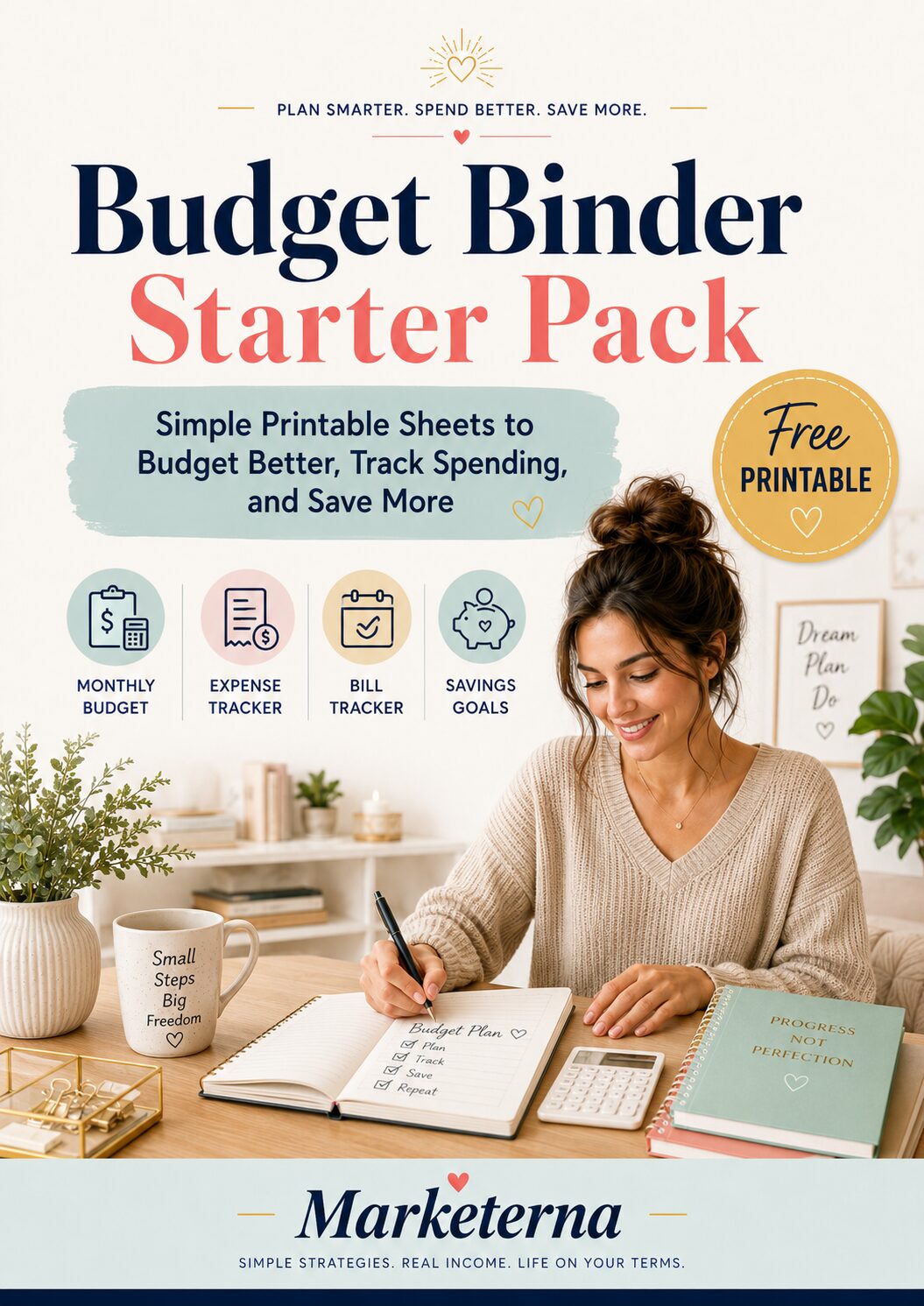
Get the Free Budget Binder Starter Pack
Download simple printable budget sheets to plan your monthly money, track expenses, organize bills, and start building better money habits without feeling overwhelmed.
You’ll get this free PDF plus access to the full Marketerna Save More & Earn More PDF Kit. No spam. Unsubscribe anytime.
1. Not Tracking Your Spending First

You wouldn't start a road trip without checking the gas gauge, right? Budgeting works the same way. Jumping into a budget without knowing where your money actually goes is like driving without a map.
You'll likely end up lost or frustrated.
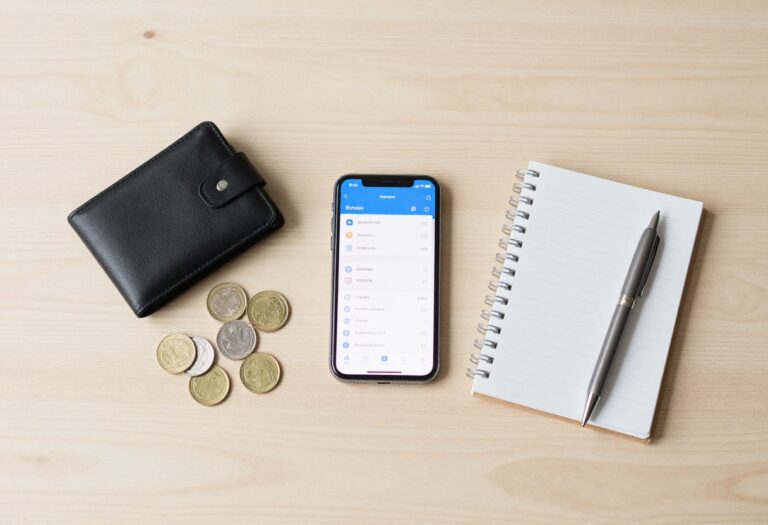
Before you set any spending limits, take a full month to track every single expense. Use an app, a spreadsheet, or even a notebook. The goal is to see your real spending patterns, not what you think you spend.
This data becomes the foundation of a realistic budget.
Why Guessing Doesn't Work
Most people underestimate their small purchases. That daily coffee, the streaming subscriptions, the occasional takeout. Without tracking, you'll set limits that don't match reality, leading to frustration and quitting.
How To Track Without Overcomplicating
Pick one method and stick with it for 30 days. Apps like Mint or YNAB can auto-categorize. If you prefer analog, just write down every purchase at the end of each day.
The key is consistency, not perfection.
What To Do With Your Data
Once the month is up, look for patterns. Where does most of your cash go? Are there surprise categories?
Use this info to set realistic spending limits. You'll build a budget that actually fits your life.
2. Setting Unrealistic Goals
It's tempting to overhaul your spending overnight, but that rarely sticks. When you cut all fun spending cold turkey, you set yourself up for burnout and frustration. The key is to start small and build momentum.
Beginners often aim too high, like saving 50% of income or eliminating dining out entirely. These goals feel good on paper but are hard to maintain. Instead, focus on small, achievable targets that keep you motivated.
Why Crash Diets Fail
Just like extreme diets, drastic budget cuts lead to binges. You might stick with it for a week, then blow your budget on a big night out. Gradual changes are more sustainable.
Start With One Habit
Pick one small change, like packing lunch twice a week or canceling one unused subscription. Once that feels automatic, add another. Small wins build confidence.
Celebrate Progress, Not Perfection
If you slip up, don't quit. Budgeting is a skill that takes practice. Acknowledge what went wrong and adjust your goal instead of abandoning the whole plan.
Free PDF Download
Get the Free Budget Binder Starter Pack
Download simple printable budget sheets to plan your monthly money, track expenses, organize bills, and start building better money habits without feeling overwhelmed.
You’ll get this free PDF plus access to the full Marketerna Save More & Earn More PDF Kit. No spam. Unsubscribe anytime.
3. Forgetting Irregular Expenses
Annual subscriptions, car repairs, and holiday gifts can blow your budget if you don't plan for them. Set aside a little each month for these surprises.
Irregular expenses are the budget busters that sneak up on you. They're not monthly, so they're easy to overlook. But when they hit, they can wreck your carefully planned spending.
The fix is simple: identify them, estimate their cost, and save a slice each month.
Identify Your Irregulars
List expenses that don't happen monthly: insurance premiums, annual fees, car registration, birthdays, holidays, and home maintenance. Don't forget smaller ones like software renewals or vet visits. Write them all down.
Calculate The Monthly Amount
Add up the annual total of all irregular expenses. Divide by 12. That's how much you need to set aside each month.
For example, if you spend $1, 200 a year on car insurance and gifts, save $100 monthly.
Use A Separate Savings Account
Open a dedicated savings account for irregular expenses. Set up an automatic transfer each payday. When the bill arrives, you have the cash ready.
No panic, no debt.
4. Being Too Restrictive
A budget that squeezes every penny out of your life might look great on paper, but it's a recipe for burnout. If you cut out all the fun stuff—coffee runs, takeout, streaming subscriptions—you'll probably ditch the whole budget within weeks. The key is balance.
Why All Work And No Play Backfires
When you ban every small pleasure, your brain starts to see the budget as a punishment. You'll feel deprived and eventually rebel by overspending. A budget should empower you, not make you miserable.
The 'fun Money' Fix
Set aside a small, guilt-free amount each month for whatever makes you happy. That could be a fancy latte, a movie ticket, or a new book. Knowing you have permission to spend a little keeps you motivated and on track.
How Much Is Enough?
There's no magic number, but a good starting point is 5-10% of your take-home pay. Adjust based on your goals and lifestyle. The important thing is to treat it like any other bill—non-negotiable and planned for.
Free PDF Download
Get the Free Budget Binder Starter Pack
Download simple printable budget sheets to plan your monthly money, track expenses, organize bills, and start building better money habits without feeling overwhelmed.
You’ll get this free PDF plus access to the full Marketerna Save More & Earn More PDF Kit. No spam. Unsubscribe anytime.
5. Ignoring Your Debt
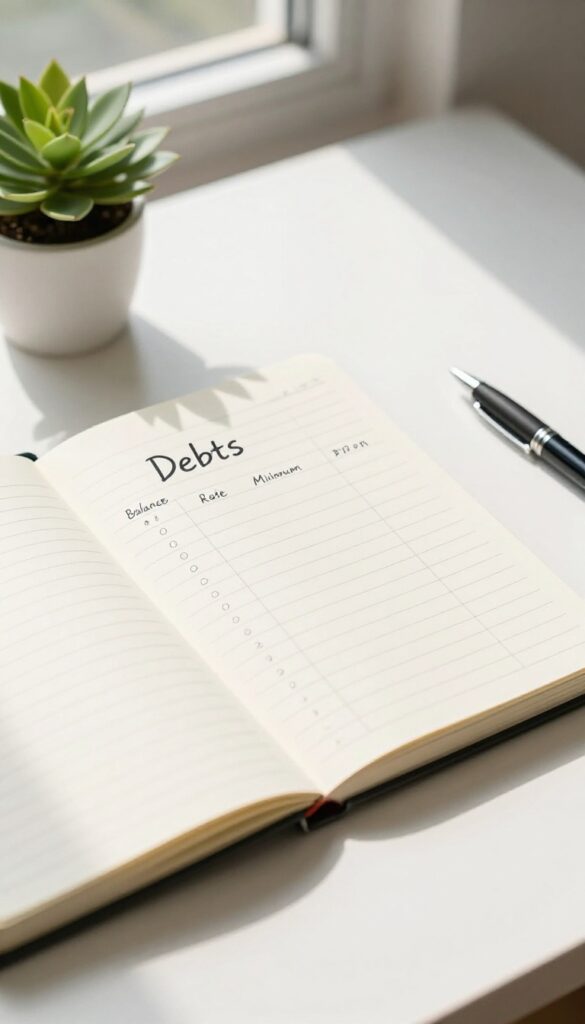
Debt can feel overwhelming, especially when you're trying to build a budget from scratch. It's tempting to sweep it under the rug and focus on the fun parts of managing money. But ignoring what you owe only makes things worse.
Pretending debt doesn't exist won't make it go away. Factor in minimum payments and a little extra to chip away at what you owe. Even small, consistent payments add up over time and keep you from falling further behind.
Why Ignoring Debt Hurts Your Budget
When you avoid debt, it doesn't disappear. Interest keeps piling on, and late fees can snowball. Your budget can't work if you're hiding a big chunk of your financial reality.
How To Face It Head-on
Start by listing all your debts with balances, interest rates, and minimum payments. Include at least the minimums in your budget. If you can, add a little extra to the highest-interest debt first.
It's not glamorous, but it's effective.
Make Debt Part Of Your Plan
Treat debt payments like any other bill. Automate the minimums so you never miss one. Then, use any windfalls or extra cash to pay down more.
Over time, you'll free up money for other goals.
6. Not Having an Emergency Fund
Life loves throwing curveballs. A flat tire, a medical bill, or a sudden job loss can derail even the most carefully planned budget. Without an emergency fund, you're forced to rely on credit cards or loans, which can start a cycle of debt that's hard to break.
That's why building a small safety net should be a top priority, even before you start aggressively paying down debt or saving for big goals.
Start Small, Think Big
You don't need thousands of dollars right away. Aim for $500 to $1, 000 as a starter fund. That might feel like a lot, but even $25 a week adds up.
Once you hit that first goal, you'll have a cushion for life's little surprises, and you can gradually build toward three to six months of expenses.
Treat It Like A Non-negotiable Bill
Make your emergency fund contribution a line item in your budget, just like rent or groceries. Automate a transfer to a separate savings account on payday. If you treat it as optional, it's easy to skip.
But when you automate it, you're paying yourself first, and that habit pays off fast.
Keep It Accessible, Not Tempting
Your emergency fund should be in a high-yield savings account, not your checking account or a risky investment. You want it to earn a little interest but still be easy to withdraw when needed. And don't touch it for non-emergencies.
Define what counts as an emergency (car repair, medical bill, job loss) and stick to it.
7. Overcomplicating the System
When you first start budgeting, it's easy to think you need a detailed spreadsheet with dozens of categories. But that level of complexity often leads to frustration and burnout. The goal of a budget is to help you, not to become another chore on your to-do list.
Keep your budgeting system simple. Use broad categories like "Groceries, " "Transportation, " and "Entertainment" instead of breaking them into subcategories. Choose a tool—whether it's a notebook, a simple app, or a spreadsheet—that you actually enjoy using.
If it feels like a hassle, you're less likely to stick with it.
Stick To 5–7 Categories
Limit your spending categories to around five to seven. This makes tracking easier and gives you a clear picture of where your money goes without overwhelming detail. You can always adjust later if needed.
Pick One Tool And Master It
Whether it's a free app like Mint or a simple notebook, commit to one tool. Jumping between apps or methods wastes time and creates confusion. Find what feels natural and use it consistently.
Automate What You Can
Set up automatic transfers for savings and bills. Automation reduces the number of decisions you need to make each month, keeping your budget simple and your stress low.
8. Forgetting to Review and Adjust

A common mistake is treating a budget like a one-and-done task. You set it up, feel good about it, and then never look at it again. But life doesn't stay still—your income, expenses, and priorities shift over time.
If your budget never changes, it quickly becomes outdated and useless.
Set aside 30 minutes each month to review your actual spending against your budget. Look for categories where you consistently overspend or underspend. Adjust your budget to reflect reality—maybe you need to increase your grocery allowance and cut back on dining out.
This keeps your budget relevant and prevents frustration.
Why Monthly Reviews Matter
Monthly reviews help you catch small problems before they become big ones. They also give you a chance to celebrate wins, like staying under budget in a category. Without regular check-ins, you might not realize your budget no longer fits your life until you're in trouble.
How To Adjust Without Guilt
Adjusting your budget isn't failing—it's being smart. If you find you're consistently overspending on something you value, increase that category and cut somewhere else. The goal is a budget that works for you, not one that makes you feel bad.
9. Not Involving Your Partner
Money is one of the biggest sources of tension in relationships. If you share bills, rent, or long-term goals, budgeting alone can create misunderstandings and resentment. The fix is simple: bring your partner into the conversation early and often.
When only one person manages the budget, the other may feel left out or controlled. That can lead to overspending, secret purchases, or arguments about who spent what. Instead, treat budgeting as a team sport.
Schedule Regular Money Dates
Set aside 30 minutes each week or month to review your finances together. Talk about upcoming expenses, celebrate wins, and adjust if needed. Keep it low-pressure—maybe grab coffee or a snack while you chat.
Agree On Shared Goals First
Before diving into spreadsheets, discuss what you both want: a vacation, paying off debt, or saving for a house. When you're aligned on the big picture, the daily trade-offs feel more meaningful.
Give Each Person Some Autonomy
A joint budget doesn't mean every penny is tracked. Agree on a no-questions-asked allowance for each of you. That way, you both feel trusted and can still surprise each other with small gifts or treats.
10. Using Only One Bank Account
It's tempting to keep everything in one account for simplicity. But when your rent money, coffee budget, and emergency fund are all mixed together, it's way too easy to overspend. Separate accounts give you clear boundaries and help you stick to your plan.
Mixing all your money in one account makes it easy to overspend. Try separate accounts for bills, savings, and spending to stay organized.
Why One Account Backfires
When you see one big balance, you feel richer than you actually are. That "extra" money might already be spoken for by next month's rent or a savings goal. You end up spending money that isn't really available.
The Three-account Setup
Open a checking account just for fixed bills (rent, utilities, subscriptions). Use a second checking or a high-yield savings for your spending money. And keep a third savings account for emergencies and goals.
Automate transfers so you don't have to think about it.
How To Get Started
Most online banks let you open multiple accounts for free. Start with two: one for bills and one for everything else. Once that feels natural, add a third for savings.
Label them clearly so you know which is which.
11. Neglecting Savings Goals
It's easy to think of a budget as a tool for covering your bills and nothing more. But if you're only tracking expenses without setting aside money for the future, you're missing half the picture. A budget that doesn't include savings is like a road map with no destination—you're moving, but you're not sure where you're headed.
Savings goals give your budget purpose beyond just getting by. Whether it's a vacation, a down payment on a house, or a comfortable retirement, having a "savings" category turns your budget into a plan for the life you want. Without it, you're always playing catch-up.
Make savings a non-negotiable line item in your budget, just like rent or groceries. Start small if you need to—even $20 a week adds up. The key is consistency.
Treat your savings goal like a bill that must be paid, and you'll stop treating it as an afterthought.
Pay Yourself First
Before you allocate money to anything else, send a portion to your savings account. This could be automatic through your bank or a manual transfer right after payday. By prioritizing savings, you ensure your future self gets paid before you spend on non-essentials.
Set Specific Targets
Vague goals like "save more" rarely work. Instead, decide exactly what you're saving for and how much you need. For example, "$5, 000 for a trip to Japan by next June" gives you a clear target and timeline.
Break it down into monthly or weekly contributions so it feels manageable.
Celebrate Milestones
Saving can feel like a grind, so reward yourself when you hit key benchmarks. Hit 25% of your goal? Treat yourself to a nice dinner or a small splurge.
These celebrations keep you motivated and make the process feel less like a chore.
12. Paying Bills Late
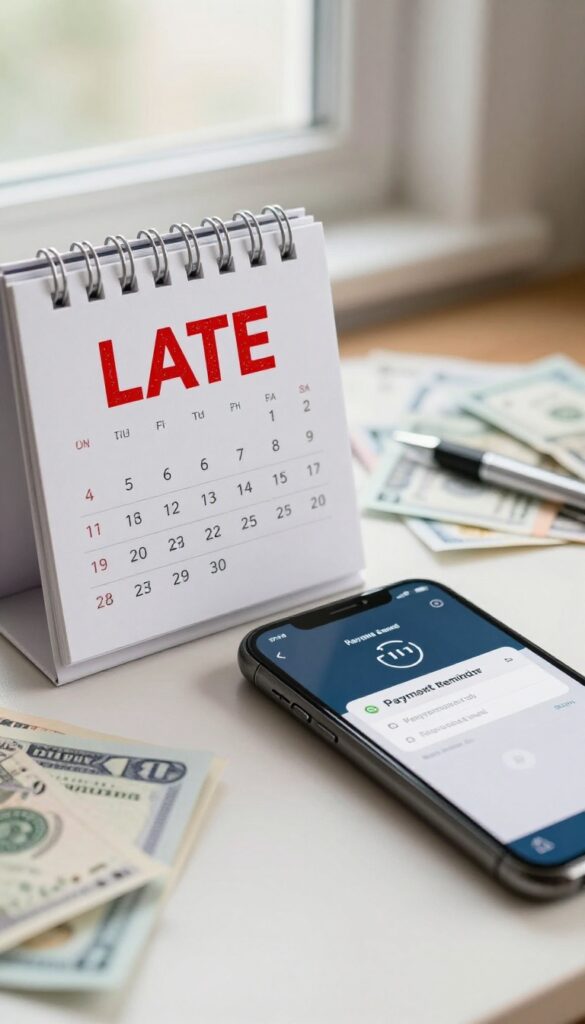
Late payments are a silent budget killer. That one slip-up can trigger late fees, interest spikes, and even damage your credit score. Over a year, those extra costs add up to hundreds of dollars you could have kept in your pocket.
The fix is simple: automate or remind. Set up automatic payments for fixed bills like rent, utilities, and subscriptions. For variable bills, use calendar alerts a few days before the due date.
Most banks and services let you schedule payments in advance, so you never miss a deadline.
The Real Cost Of Being Late
A single late fee might be $25 to $40, but the real hit comes from interest rate hikes on credit cards. One late payment can trigger a penalty APR of nearly 30%, costing you much more over time. Plus, late payments stay on your credit report for seven years.
How To Automate Without Losing Control
Automation doesn't mean you ignore your bills. Set up autopay from your checking account, but keep an eye on your balance to avoid overdrafts. Use bill pay through your bank, which lets you schedule payments and track everything in one place.
What If You're Already Late?
If you've missed a due date, pay as soon as possible. Then call the company and politely ask if they'll waive the late fee as a one-time courtesy. Many will, especially if you have a good history.
Set up reminders or autopay immediately to prevent it from happening again.
13. Not Accounting for Cash Spending
Cash feels invisible once it leaves your wallet. Unlike card payments that leave a digital trail, cash purchases can easily slip through the cracks of your budget. That $5 coffee here and $10 lunch there adds up fast, and if you're not tracking it, your budget will never reflect reality.
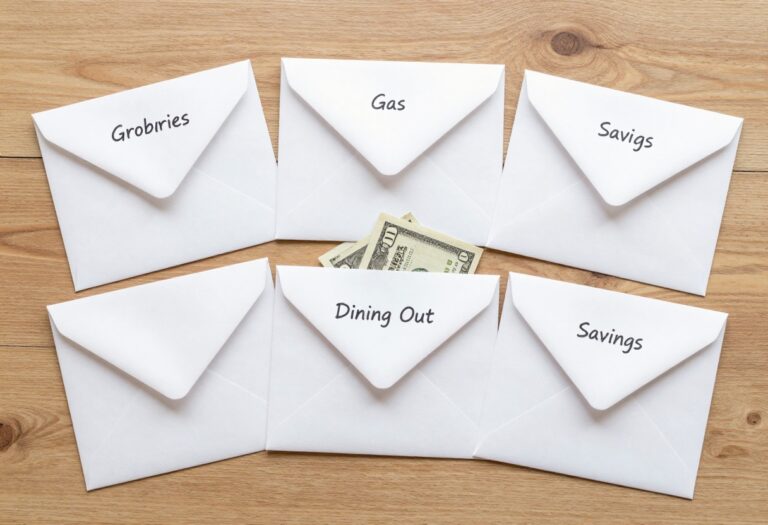
The envelope system is a classic fix. Withdraw cash for categories like groceries, dining out, or entertainment at the start of the month. Put each stack in a labeled envelope.
When the envelope is empty, you're done spending in that category. This keeps cash visible and prevents overspending. If envelopes feel too old-school, try a simple notebook or a notes app on your phone.
Jot down every cash purchase as soon as it happens. The goal is to capture those small, easy-to-forget transactions so your budget stays accurate.
Why Cash Slips Through
When you pay with a card, your bank or budgeting app automatically logs the transaction. Cash has no digital footprint. It's easy to forget you spent $20 on a quick snack or a parking meter.
These unrecorded expenses can throw off your entire budget, making it seem like you have more money than you actually do.
The Envelope System
This old-school method works wonders for cash visibility. At the start of each month, withdraw the amount you plan to spend in categories like groceries, dining out, or entertainment. Divide the cash into labeled envelopes.
When an envelope is empty, you're done spending in that category. No more guessing where your cash went.
Track Every Dollar
If envelopes aren't your style, use a simple notebook or a notes app on your phone. Every time you spend cash, write it down immediately. The key is consistency.
Over time, you'll build a habit that keeps your budget honest and your spending aligned with your goals.
14. Relying on Credit Cards Too Much
Plastic makes spending painfully easy. Swipe and forget—until the bill arrives. For beginners, credit cards often blur the line between 'I have money' and 'I owe money. ' That's a dangerous game when you're trying to stick to a budget.
The fix is simple: use cash or debit for everyday purchases, and treat credit cards like short-term loans you pay off in full every month.
The Psychology Of Plastic
Studies show people spend more when using credit cards versus cash. It's less painful to swipe than to hand over physical bills. That disconnect can wreck your budget fast.
If you struggle with overspending, leave the credit card at home for a week and see the difference.
How To Use Credit Cards Safely
Set a rule: only use credit for planned purchases you can pay off immediately. Treat it like a debit card with rewards. Track every charge in your budget app or notebook.
And always pay the statement balance in full—never carry a balance if you can help it.
Emergency Fund Vs. Credit Card Cushion
Don't rely on credit cards as your emergency fund. That's a trap. Build a real cash cushion first.
Once you have 3–6 months of expenses saved, you can use credit cards strategically for points or protection—but only if you're disciplined enough to pay them off monthly.
15. Giving Up After One Slip-Up

You stuck to your budget for two weeks, then one impulsive purchase threw everything off. It's frustrating, but it happens. The real mistake isn't the slip-up—it's deciding the whole budget is broken and quitting.
One bad month doesn't erase your progress. Budgeting is a skill, and like any skill, you'll have off days. The key is to treat mistakes as data, not failure.
Adjust your categories, roll with the overspend, and keep going. Consistency over perfection wins every time.
It's A Reset, Not A Failure
Think of your budget like a fitness routine. If you skip one workout, you don't give up on exercise forever. Same with money.
A single overspend is just a signal to revisit your numbers. Maybe you need a more realistic category, or a small buffer for fun.
How To Bounce Back Fast
First, don't beat yourself up. Then, look at where you went over. Was it an emergency?
A planned treat you forgot to budget for? Adjust next month's plan to account for it. Finally, move on.
The longer you dwell, the harder it is to restart.
16. Not Prioritizing High-Interest Debt
It's tempting to spread your extra money around—saving a little, investing a little, and paying a little extra on debt. But if you're carrying high-interest debt like credit cards, that approach can quietly drain your finances. The interest on that debt likely outpaces any returns you'd get from savings or investments.
Focusing on high-interest debt first is often the smartest move.
Paying only the minimum on credit cards while stashing cash in a savings account earning 1% interest doesn't add up when your card charges 20% or more. Every dollar you put toward that debt saves you from future interest charges. Once the high-interest debt is gone, you can redirect those payments to savings and investments with a clear runway.
The Math Is Simple
If you owe $5, 000 on a card with 22% APR and pay only the minimum, you'll end up paying thousands in interest over time. Compare that to a savings account earning 2%—you're losing money by not paying down the debt first. Prioritizing high-interest debt is like giving yourself a guaranteed return equal to that interest rate.
Build A Small Emergency Fund First
Before you go all-in on debt repayment, set aside a small emergency fund—say $1, 000 or one month of expenses. This prevents you from racking up more debt when an unexpected expense pops up. Once that buffer is in place, throw every extra dollar at your highest-interest debt.
Use The Avalanche Method
List all your debts by interest rate, highest to lowest. Pay the minimum on everything except the top one, and put all extra cash toward that. When it's paid off, move to the next.
This method saves you the most money in interest over time and keeps your focus sharp.
17. Ignoring Small Expenses
Daily coffee runs, streaming subscriptions, and snack purchases seem harmless in the moment. But these small expenses can silently drain your budget, adding up to hundreds of dollars each month. The key is to track them and decide what you truly value.
The Latte Factor
A $5 coffee every workday costs over $100 a month. That's $1, 200 a year. Small daily habits like this can derail your savings goals.
Try making coffee at home and treat yourself occasionally instead.
Subscription Creep
Streaming services, gym memberships, and app subscriptions often go unused. Review your bank statements for recurring charges. Cancel anything you haven't used in the last 30 days.
You can always re-subscribe later.
The Power Of Awareness
Just tracking your small expenses for a week can be eye-opening. Use a budgeting app or a simple notebook. Once you see where your money goes, you can make intentional choices about what to keep and what to cut.
18. Not Planning for Fun
A budget that's all restrictions and no rewards is a recipe for burnout. When you cut out every dollar of enjoyment, you're more likely to abandon the whole system. The fix is simple: build in money for the things that make you happy.
Why Fun Money Keeps You On Track
Think of your fun fund as a pressure release valve. Knowing you have guilt-free cash for a movie night or takeout makes it easier to say no to impulse buys. It turns budgeting from a punishment into a tool that supports your lifestyle.
How Much To Set Aside
There's no magic number, but a good starting point is 5–10% of your income. If that feels tight, start with a small amount like $20 a week. The key is consistency.
Treat it like any other bill—pay your fun category first.
Ideas For Your Fun Fund
This money is for whatever brings you joy: a coffee date, a new book, a streaming subscription, or saving up for a concert. No judgment. The goal is to stay motivated without derailing your bigger financial goals.
19. Quitting Too Soon

Budgeting is a skill, not a one-time fix. Many beginners try it for a week or two, hit a snag, and give up entirely. The problem isn't the budget—it's that you haven't given yourself enough time to learn how it works for your life.
Think of it like learning to cook: your first few meals might be messy, but with practice, you get faster and better. Stick with your budget for at least three months before deciding if it's working. That's usually enough time to see patterns, adjust categories, and build the habit.
Quitting too soon means you never get to the good part—when budgeting starts feeling natural and you see real progress. The first month is often the hardest because you're still figuring out what works. Month two gets easier as you tweak your categories.
By month three, you'll likely notice you're spending less on things you don't care about and saving more for what matters. Give yourself that runway. If after three months you still hate it, then adjust your method—don't abandon the idea entirely.
The 90-day Rule
Commit to tracking every dollar for 90 days. No judgment, just observation. This gives you enough data to see where your money actually goes and what changes stick.
Most people find that by day 60, the process feels routine.
Adjust, Don't Abandon
If your budget isn't working after a few weeks, change it. Maybe you allocated too little for groceries or forgot about annual subscriptions. Tweak the numbers rather than tossing the whole plan.
A flexible budget beats a perfect one that you quit.
Celebrate Small Wins
Notice the little victories: staying under budget on dining out, paying a bill without stress, or hitting a savings goal. These small wins build momentum and make you want to keep going. Reward yourself in a budget-friendly way, like a movie night at home.
FAQ
What is the biggest budgeting mistake beginners make?
The most common mistake is not tracking spending before creating a budget. Without knowing where your money goes, it's nearly impossible to set realistic limits.
How much should I budget for fun money?
A good rule is 5-10% of your after-tax income. Adjust based on your financial goals, but don't cut it to zero—fun money helps you stick with your budget.
Should I use a budgeting app or a spreadsheet?
It depends on your preference. Apps like YNAB or Mint automate tracking, while spreadsheets give you full control. Choose the tool you'll actually use consistently.
How often should I review my budget?
Review your budget at least once a month. Check your spending against your categories and make adjustments for the next month as needed.
What if I overspend in a category?
Don't panic. Move money from another category to cover the overage, then reflect on what caused it. Use it as a learning opportunity to adjust your budget or habits.
Conclusion
Start with just one budgeting fix from this list—maybe tracking your spending for a week or setting up a simple envelope system. Small adjustments build momentum without overwhelming you. The goal isn't perfection; it's progress.
Pick your starting point, give it a real try, and adjust as you go. Over time, these small changes will turn into lasting habits that keep your finances on track.
Free PDF Download
Get the Free Budget Binder Starter Pack
Download simple printable budget sheets to plan your monthly money, track expenses, organize bills, and start building better money habits without feeling overwhelmed.
You’ll get this free PDF plus access to the full Marketerna Save More & Earn More PDF Kit. No spam. Unsubscribe anytime.