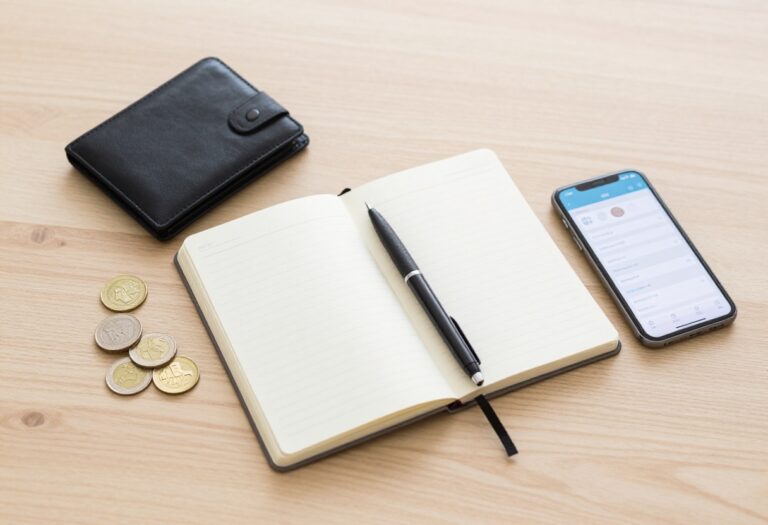
19 Cash Envelope Budgeting Ideas for Beginners
Last updated on May 5th, 2026 at 03:43 pm
Cash envelope budgeting is one of the oldest tricks in the book—and it still works. You pull out physical cash for each spending category, and when the envelope is empty, you stop spending. No apps, no spreadsheets, no surprises.
But here's the thing: a plain envelope with a label can get boring fast. The real magic happens when you tailor the system to your own habits and goals. Whether you're saving for a vacation or just trying to stop eating out so much, there's a cash envelope method that fits.
These 19 ideas will help you start strong, stay motivated, and actually enjoy the process. No judgment, just practical steps that work in real life.
Free PDF Download
Get the Free Budget Binder Starter Pack
Download simple printable budget sheets to plan your monthly money, track expenses, organize bills, and start building better money habits without feeling overwhelmed.
You’ll get this free PDF plus access to the full Marketerna Save More & Earn More PDF Kit. No spam. Unsubscribe anytime.
1. The Classic Labeled Envelope System
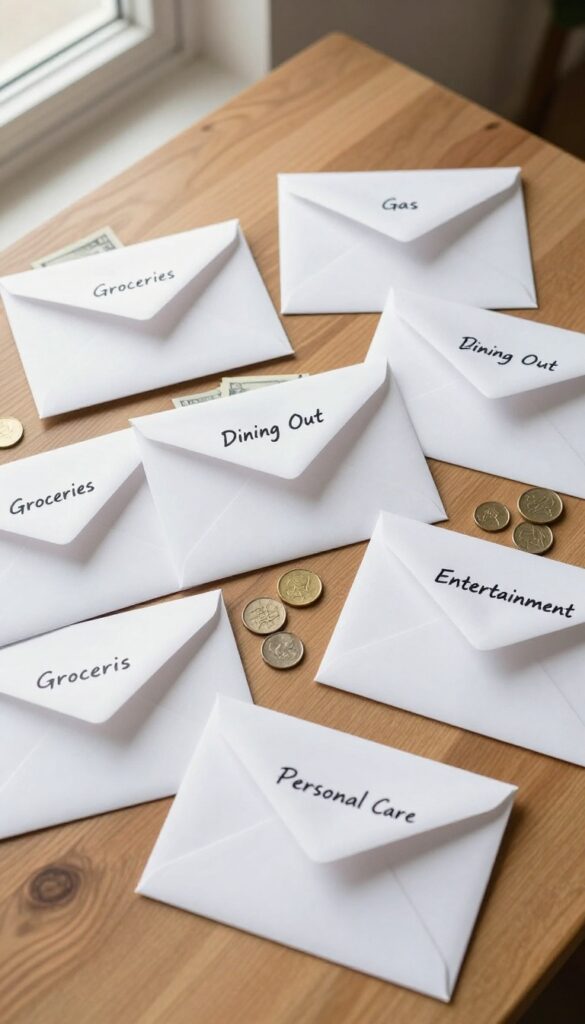
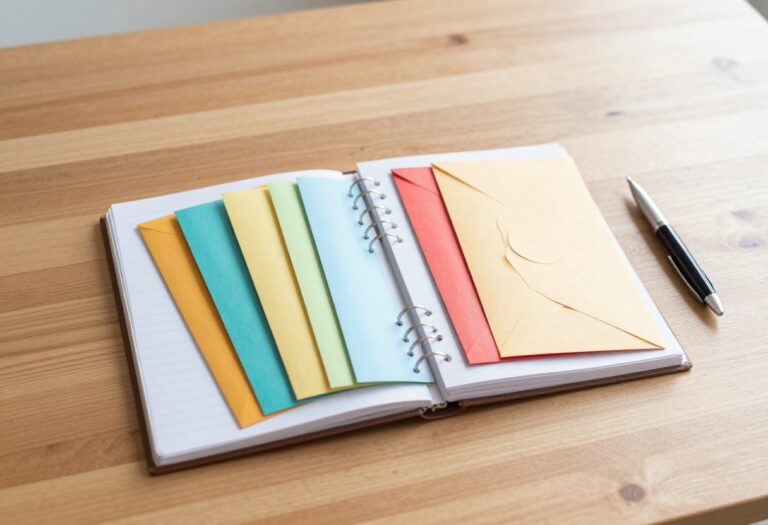
Let's kick things off with the method that started it all. It's simple, straightforward, and surprisingly effective. You grab a handful of envelopes, write a category on each, and stuff them with cash.
That's it. No apps, no spreadsheets—just you and your money.
What You'll Need
Pick up a pack of plain envelopes from any dollar store. Grab a marker or a label maker if you want to get fancy. Decide on your spending categories—common ones include groceries, gas, dining out, entertainment, and personal care.
Start with no more than five to keep it manageable.
How To Make It Work
Each payday, withdraw the cash you've budgeted for those categories. Divide it into the envelopes and stash them somewhere safe—a fireproof box or a locked drawer works well. Then, whenever you need to spend, take cash from the relevant envelope.
When it's empty, that's it until next month.
Pro Tips For Beginners
Label each envelope with the category and the amount inside. Keep a small notebook or a notes app to track what you spend from each envelope. If you have leftover cash at the end of the month, roll it into next month or put it toward a savings goal.
This system builds awareness fast.
2. The Digital Cash Envelope Alternative
Not everyone likes handling physical cash. Maybe you're worried about losing it, or you just prefer tapping your phone. The good news?
You can get all the benefits of envelope budgeting without ever touching a bill. Digital envelope apps recreate the same system—minus the paper cuts.
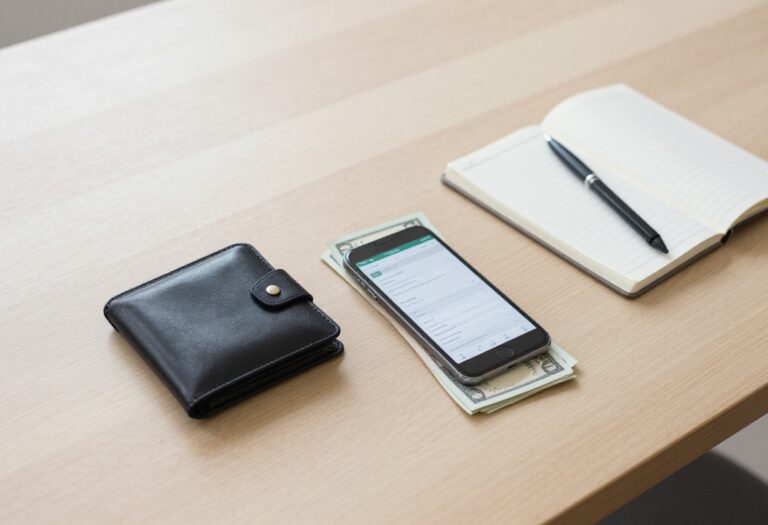
Apps like Goodbudget and Mvelopes let you create virtual envelopes for each spending category. You allocate your income into these digital envelopes at the start of the month. When you make a purchase, you log it and deduct from the appropriate envelope.
The rule stays the same: once a virtual envelope hits zero, you stop spending in that category. No exceptions. This method works great for online shopping, subscriptions, and bills—things you can't pay with cash anyway.
Why Go Digital?
Digital envelopes are always with you on your phone. No need to carry a stack of envelopes or remember to bring cash. They also make tracking easier—most apps show your remaining balance at a glance.
Plus, you can adjust on the fly if you need to move money between categories, as long as you stay honest.
Picking The Right App
Goodbudget is a solid choice for beginners. It's simple and has a free tier with limited envelopes. Mvelopes offers more features but costs a monthly fee.
Try the free version first to see if digital envelopes click with you. The key is consistency, not flashy features.
Staying Disciplined
The biggest risk with digital envelopes is the temptation to overspend because the money isn't physically gone. Treat each virtual envelope like a real cash envelope. When it's empty, it's empty.
No borrowing from next month's envelope unless you truly have a surplus.
Free PDF Download
Get the Free Budget Binder Starter Pack
Download simple printable budget sheets to plan your monthly money, track expenses, organize bills, and start building better money habits without feeling overwhelmed.
You’ll get this free PDF plus access to the full Marketerna Save More & Earn More PDF Kit. No spam. Unsubscribe anytime.
3. The Sinking Fund Envelope Method
Life loves throwing surprise expenses at you—car repairs, annual insurance premiums, holiday gifts. The sinking fund envelope method is your shield. You set aside cash each month for these irregular costs, so when the bill arrives, you're ready.
No scrambling, no credit card panic.
Start by listing all your non-monthly expenses that pop up once or twice a year. Think car registration, dentist visits, birthday presents, or that yearly streaming subscription. For each one, grab an envelope and label it clearly.
Every payday, drop in a small, fixed amount. Even $10 a week adds up fast. When the expense hits, pull that envelope, pay the bill, and breathe easy.
How To Choose Your Sinking Funds
Not sure where to begin? Pick the three biggest irregular expenses that stressed you out last year. Maybe it's car maintenance, a holiday trip, or back-to-school supplies.
Start there. You can always add more envelopes later. The goal is to cover the surprises, not overwhelm yourself with a dozen envelopes from day one.
Keep It Visible And Motivating
Store your sinking fund envelopes somewhere you'll see them often—like a small box on your desk or a dedicated section in your wallet. Watching the cash grow is oddly satisfying. It turns a boring chore into a game.
You'll actually look forward to adding money, knowing each dollar brings you closer to a stress-free bill.
What If You Don't Use The Money Right Away?
That's totally fine. Sinking funds roll over. If you didn't need the car repair envelope this month, the cash stays put for next month or next year.
It becomes a mini emergency fund for that specific category. Just resist the urge to borrow from one envelope for another—that defeats the purpose. Keep each fund separate and watch them grow.
4. The Weekly Cash Reset
Monthly budgets can feel like a marathon. If you get paid weekly or have irregular income, waiting four weeks to reset your spending can lead to burnout—or blowing through your cash by week two. The weekly cash reset breaks things down into smaller, more manageable chunks.
Every Monday, you start fresh with a set amount for the week, no matter what happened the week before.
This method is especially helpful if you tend to overspend early in the month or if your income comes in unpredictable bursts. Instead of trying to stretch one month's budget across four weeks, you only need to make it to Sunday. It's like giving yourself a mini financial fresh start every seven days.
How To Set Up Weekly Envelopes
Figure out your weekly spending categories—groceries, gas, dining out, fun money. Then divide your monthly budget by four (or by the number of weeks in that month). Withdraw cash each Monday and split it into your labeled envelopes.
If a category runs out mid-week, you either borrow from another envelope or get creative with what you have.
Why It Works For Variable Income
When your paycheck amount changes, a monthly budget can feel like guesswork. Weekly envelopes let you adjust on the fly. If you have a lean week, you tighten up.
If you get a bonus or extra gig, you can add more to next week's envelopes. It keeps you grounded in what you actually have right now.
Tips To Stay On Track
Pick a consistent day—like Monday morning—to refill your envelopes. Keep a small notebook or a note on your phone to track what you spent each week. If you have money left over on Sunday, roll it into next week's fun envelope or tuck it into savings.
The goal is progress, not perfection.
Free PDF Download
Get the Free Budget Binder Starter Pack
Download simple printable budget sheets to plan your monthly money, track expenses, organize bills, and start building better money habits without feeling overwhelmed.
You’ll get this free PDF plus access to the full Marketerna Save More & Earn More PDF Kit. No spam. Unsubscribe anytime.
5. The No-Spend Challenge Envelope
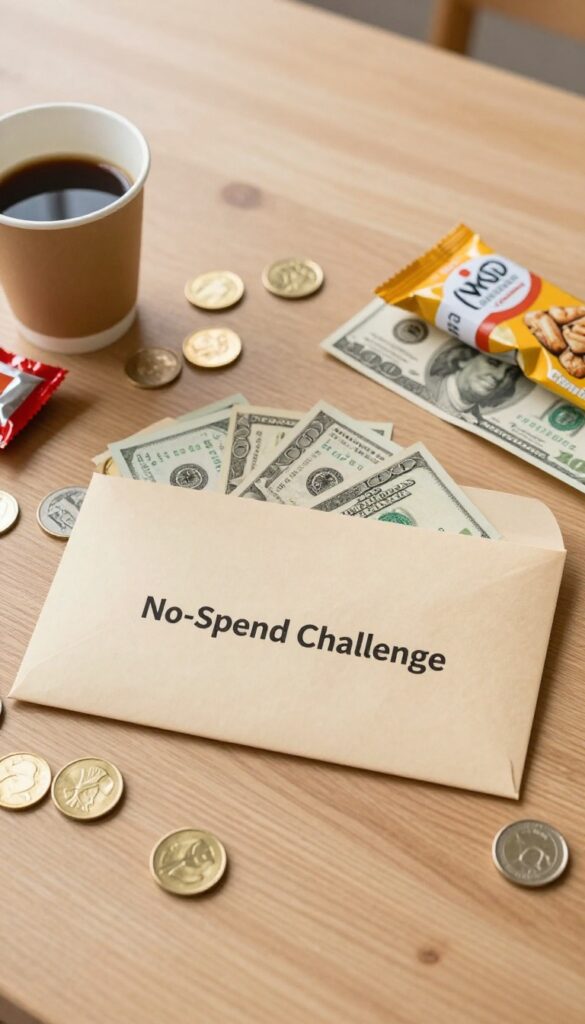
Sometimes the best way to save money is to turn it into a game. The no-spend challenge envelope does exactly that. Pick one category you tend to overspend on—maybe coffee, snacks, or takeout—and set a small cash limit for the entire month.
The goal is to make that envelope last. Whatever cash remains at the end goes straight into savings. It's a simple, satisfying way to build discipline without feeling deprived.
This method works because it focuses on one habit at a time, making change manageable. You're not overhauling your entire budget overnight, just tackling one spending leak. The challenge aspect adds a layer of fun and motivation, turning a boring budget task into a personal competition with yourself.
Pick Your Category
Start by choosing a category where you spend regularly but could cut back. Common picks are daily coffee runs, vending machine snacks, or lunch takeout. Pick something that feels like a treat, not a necessity.
The key is to choose a category where the challenge feels meaningful but not impossible.
Set A Realistic Amount
Don't go too extreme or you'll give up by week two. Look at what you normally spend in that category each month, then cut it by about half. For example, if you spend $60 on coffee, try a $30 envelope.
That way you're still allowing yourself some treats, just less frequently.
Celebrate The Leftovers
At the end of the month, whatever cash is left in the envelope goes straight to savings. That's your reward. You can even set a specific savings goal—like a weekend trip or a new gadget—so you have something tangible to work toward.
Seeing that envelope grow is incredibly motivating.
6. The Cash-Only Grocery Run
Grocery shopping is one of the easiest places to blow your budget. You walk in for milk and walk out with a cart full of snacks, a new spatula, and a bag of organic chia seeds you'll never use. The cash-only grocery run fixes that by removing the option to overspend.
Leave your debit and credit cards at home when you head to the store. Take only the cash from your grocery envelope. That's it.
You'll naturally stick to your list and avoid impulse buys because you literally can't pay for them. It's a simple constraint that works wonders.
How To Prepare
Before you leave, check your grocery envelope and count the cash. Then write a shopping list based on what you need for the week. Stick to the list like glue.
If you're worried about forgetting something, snap a photo of your fridge and pantry.
What To Do If You Run Out
If you hit the register and your total is more than the cash you have, you have to put something back. It's uncomfortable, but that discomfort trains you to be more mindful next time. Over a few trips, you'll get better at estimating and sticking to your limit.
Bonus Tip: Keep A Small Buffer
Consider adding a small buffer—say $5 or $10—to your grocery envelope for price fluctuations or forgotten staples like eggs or milk. That way you're not forced to put back essentials, but you still have a hard cap.
7. The Date Night Envelope
Budgeting doesn't mean you have to give up fun. The Date Night Envelope lets you plan for romance or entertainment without guilt. Fill it with cash at the start of the month, and once it's gone, you get creative with free activities until next month.
This envelope is all about intentional fun. Decide how much you can comfortably set aside each month for dates, movies, concerts, or even a fancy coffee date. When the cash runs out, explore free local events, have a picnic, or host a game night at home.
It keeps your budget intact while still making room for joy.
How Much To Put In
Start small—maybe $50 or $100 per month. Adjust based on your income and other goals. The key is consistency, not the amount.
Even a little cash set aside for fun can make a big difference in staying motivated.
When The Envelope Is Empty
Get creative! Look up free community events, go for a hike, cook a special meal together, or have a movie marathon at home. The challenge can actually be more fun than spending money, and it helps you discover new ways to connect.
8. The Emergency Fund Envelope
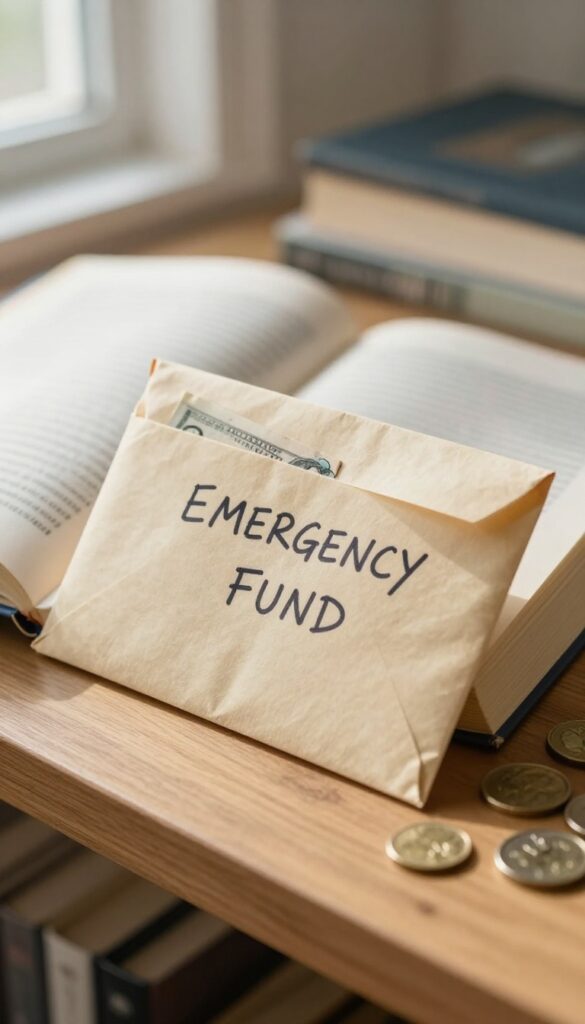
You never know when life will throw a curveball—a flat tire, a last-minute vet visit, or an unexpected bill. That's why having a dedicated emergency fund envelope is a game-changer for cash envelope beginners. It's a small stash of cash, separate from your regular spending envelopes, that you keep hidden at home for true emergencies only.
This gives you peace of mind without having to dip into your savings account or rack up credit card debt.
An emergency fund envelope is your safety net. Start with $200–$500, depending on what feels comfortable. Label it clearly, hide it somewhere safe, and promise yourself you'll only use it for genuine emergencies—not for a spontaneous pizza night.
This simple habit can prevent a small hiccup from derailing your entire budget.
How Much To Stash
Aim for $200 to $500 to start. That's enough to cover most minor emergencies—like a tow truck or a prescription—without being so much that you're tempted to raid it. You can always build it up over time as your budget allows.
Where To Keep It
Pick a spot that's accessible but not obvious. Think inside a book, a small lockbox, or a hidden pocket in your closet. Avoid places like your wallet or purse where you might accidentally spend it.
The goal is to forget it's there until you really need it.
When To Use It
Define what counts as a true emergency: car repairs, urgent medical needs, or a broken appliance. If it's something you could have planned for—like a birthday gift or a new outfit—it's not an emergency. Be honest with yourself, and you'll keep that envelope intact for when it really matters.
9. The Gift-Giving Envelope
Birthdays, anniversaries, holidays—they sneak up on you every single year. Yet somehow, we always end up scrambling for a present at the last minute, grabbing whatever is available, and swiping a card without thinking. That stress shopping adds up fast.
A gift envelope changes everything. You set aside a little cash each month, so when a special occasion rolls around, you're ready. No panic, no guilt, no credit card debt.
Start by estimating how much you spend on gifts in a year. Divide that by 12, and that's your monthly deposit. Even $20 or $30 a month builds into a solid fund.
Keep the envelope somewhere safe but accessible, like in your wallet or a drawer. When a birthday or holiday comes, pull from that envelope. If there's money left over, roll it into next month or treat yourself to something small.
The key is consistency—adding a little each month makes gift-giving feel effortless.
How Much To Put In
Look back at last year's gift expenses. Weddings, birthdays, Christmas—add it all up. Then divide by 12.
That's your monthly target. If you're not sure, start with $25 or $50 per month. You can adjust later.
The goal is to build a habit, not to get the number perfect on day one.
What Counts As A Gift Expense
This envelope covers the gift itself, wrapping paper, cards, and even shipping costs if you're mailing something. If you bake cookies for a neighbor, the ingredients come from your grocery budget. But a store-bought candle for a coworker?
That's a gift expense. Be clear about the rules so you don't double-dip.
What To Do With Surplus
Some months you won't need to buy anything. That's fine—let the cash pile up. When a bigger occasion like a wedding or holiday comes, you'll have extra.
Or, if the envelope gets too full, you can pull some out for a treat or transfer it to another envelope. The point is to avoid last-minute spending, not to hoard cash.
10. The Envelope for Irregular Income
If your paycheck changes every month—freelancers, gig workers, commission-based roles—you know the stress of not knowing what's coming. A buffer envelope changes that. During months when you earn more than usual, you stash the extra cash in this envelope.
Then when a lean month hits, you pull from it to cover your essentials without panic. It's like giving yourself a steady paycheck when your actual income is anything but.
This envelope isn't for spending—it's for smoothing. Think of it as your personal income stabilizer. The goal is to build enough in your buffer to cover at least one month of basic expenses.
That way, when a slow month rolls around, you don't have to dip into savings or rack up debt. You just reach for the buffer envelope and keep your budget on track.
How To Set It Up
Start by figuring out your average monthly essentials—rent, utilities, groceries, minimum debt payments. That's your target buffer amount. Every time you have a high-earning month, put the surplus into your buffer envelope.
Don't touch it for anything except covering shortfalls in lean months. Over time, you'll build a cushion that makes irregular income feel a lot more predictable.
When To Use It
Only pull from the buffer when your regular income envelope can't cover a necessary expense. This is not for extra spending or impulse buys—it's for keeping the lights on and food on the table. If you find yourself dipping into it often, consider adjusting your budget or finding ways to increase your base income.
The buffer is a safety net, not a piggy bank.
Rebuilding After A Lean Month
Once you tap into your buffer, make it a priority to refill it as soon as your income picks back up. Treat it like a bill you owe yourself. Set a goal to replenish within two to three high-earning months.
The faster you rebuild, the more secure you'll feel the next time income dips.
11. The Cash-Only Vacation Fund
Vacations are amazing—until the credit card bill arrives. A cash-only vacation fund flips that script. You set aside cash in a dedicated envelope, add to it regularly, and when it's full, you book your trip with money you already have.
No debt, no stress, just pure enjoyment.
Start by choosing a destination and estimating the total cost—flights, accommodation, food, activities. Then divide that number by the weeks or months until your trip. That's your weekly or monthly cash deposit.
Label an envelope with your destination and the target amount, and start stuffing it. Watching that envelope grow is surprisingly motivating.
Pick A Realistic Goal
Be honest about what you can afford. A weekend road trip might cost $500, while a week abroad could be $3, 000. Set a target that fits your timeline and income.
Use a travel cost calculator or past trips as a guide. The key is to choose a number you can actually reach without sacrificing essentials.
Automate Your Deposits
Make it easy by setting up a recurring withdrawal from your checking account to cash. Every payday, pull out the designated amount and drop it in the envelope. If you prefer, do it weekly with a smaller amount.
Consistency beats large, irregular deposits every time.
Spend The Cash On Trip Expenses
When it's time to book, use the cash to pay for as much as possible upfront. Flights, hotels, rental cars—pay with the envelope money. For smaller expenses like meals and souvenirs, take the envelope along and pay cash.
Once the envelope is empty, the spending stops. You'll return home with memories, not bills.
12. The Kids' Allowance Envelope
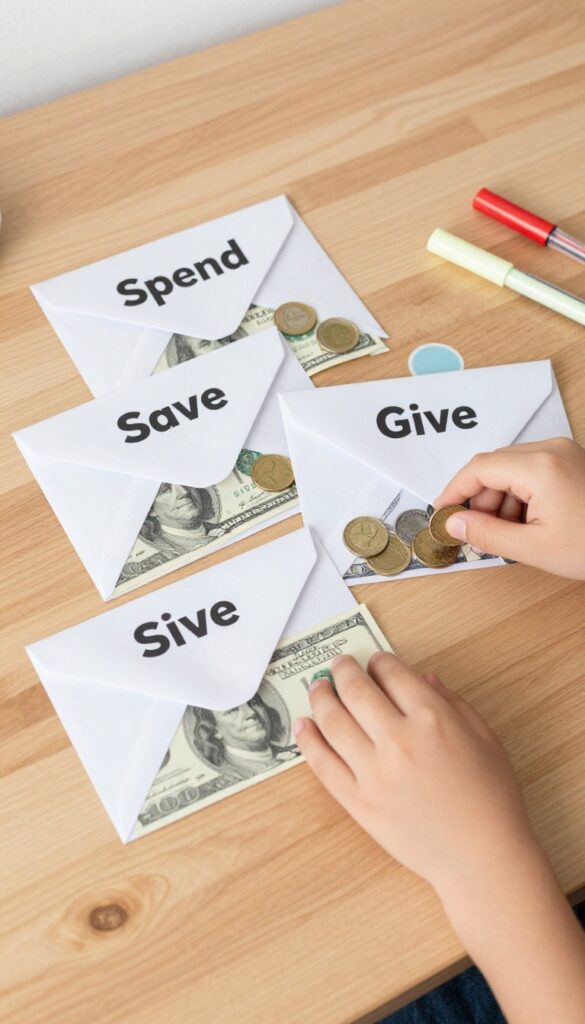
Teaching kids about money doesn't have to be complicated. With their own cash envelopes, they get a real-world lesson in budgeting that sticks. Give them cash for chores or allowance, and let them split it into spend, save, and give envelopes.
It's hands-on, visual, and way more effective than a lecture.
Kids learn best by doing. When they physically divide their money into envelopes, they see exactly where it goes. The spend envelope is for small treats now.
The save envelope builds toward a bigger goal. The give envelope teaches generosity. You can adjust the amounts as they get older, but the habit of dividing money early on sets them up for life.
Set Up The System Together
Let your child decorate their own envelopes with stickers or markers. That ownership makes them more invested. Label three envelopes clearly: Spend, Save, Give.
Decide on a simple split—like 50% spend, 30% save, 20% give—but keep it flexible. The goal is to build the habit, not to get the percentages perfect.
Make It A Weekly Ritual
Pick a consistent day, like Sunday evening, to hand out allowance and sort the cash. Sit down together and count it out. Talk about what they're saving for—a toy, a game, or a charity they care about.
This regular check-in turns budgeting into a natural conversation, not a chore.
Let Them Make Mistakes
The beauty of this system is that it's safe to fail. If they blow their spend envelope on candy and then regret not having money for a movie, that's a lesson learned without real consequences. Resist the urge to bail them out.
The sting of an empty envelope teaches more than any lecture ever could.
13. The Bill-Paying Envelope System
Fixed bills like rent, utilities, and insurance are predictable—so why are they still stressful? The bill-paying envelope system takes the guesswork out of monthly obligations. You set aside cash for each bill in its own envelope, and when the due date rolls around, the money is already there.
No scrambling, no late fees, no anxiety.
This method is all about preparation. At the start of each month, withdraw the exact amount you need for each fixed bill and put it in a labeled envelope. When the bill arrives, you simply grab the cash and pay it.
It's a hands-on way to ensure your essentials are covered before you spend a dime on anything else.
Label Each Envelope Clearly
Use a separate envelope for each bill—Rent, Electric, Water, Car Insurance, etc. Write the due date and typical amount on the front. This makes it easy to see at a glance what's coming due and how much you've set aside.
Pay Bills Immediately
When a bill arrives, don't wait. Take the cash from the corresponding envelope and pay it right away. This prevents the money from being accidentally spent on something else and keeps you on track.
Track What's Left
After paying, note the remaining balance on the envelope. If a bill was less than expected, you have a little extra to roll over or put toward savings. If it was more, you'll know to adjust next month.
14. The Cash-Only Dining Out Envelope
Eating out can quietly wreck your budget. One lunch here, a dinner out there, and suddenly you've spent hundreds without thinking. This envelope makes you face the reality of what you're actually spending on restaurants and takeout.
Decide on a realistic monthly amount for dining out—not what you wish you spent, but what you actually can afford. Withdraw that cash and put it in a dedicated envelope. When you go out, bring only that envelope.
No cards, no backup. When the cash runs out, it's home cooking for the rest of the month.
Set Your Limit
Look at your last few months of dining out spending. Pick a number that's lower but still feels doable. Start with something like $100 or $150 for the month.
You can always adjust later.
Leave The Cards At Home
The trick is to physically leave your debit and credit cards behind when you go out. If you have them in your wallet, you'll be tempted to cheat. Just the envelope.
That's it.
Cook More, Spend Less
When the envelope is empty, get creative in the kitchen. Try new recipes, meal prep, or have potlucks with friends. You'll save money and probably eat healthier too.
15. The Savings Challenge Envelope
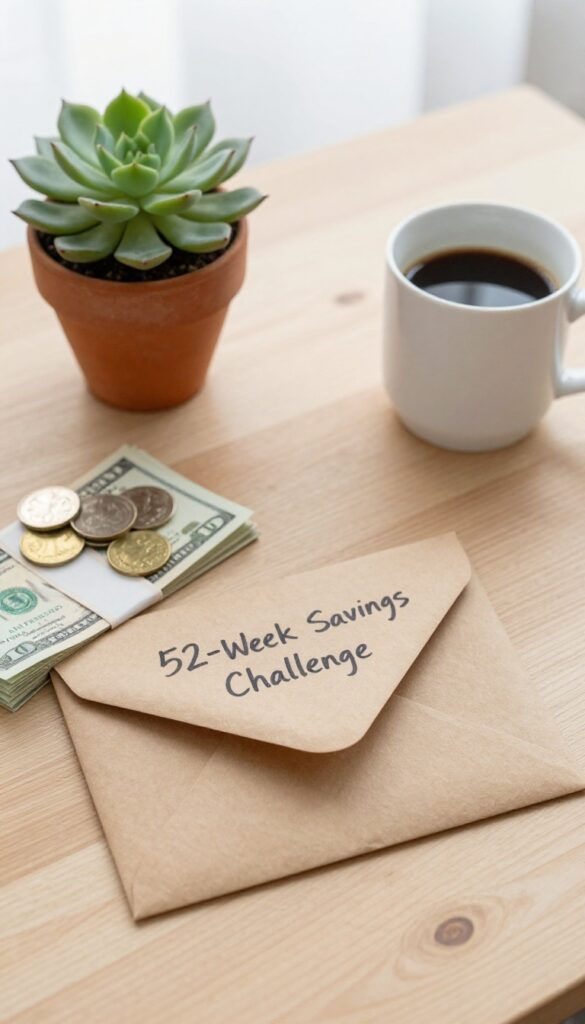
Saving money doesn't have to be a drag. Turn it into a game with a savings challenge envelope. The 52-week challenge is a classic: stash $1 in the first week, $2 the second, and so on.
By the end of the year, you'll have $1, 378 saved—all in cash. It's motivating to watch the envelope get fatter each week.
This envelope isn't for spending—it's for growing. You can adapt the challenge to fit your income. For example, try a biweekly version where you save $5, then $10, then $15, or a reverse challenge starting with $52 and working down.
The key is consistency. Label your envelope with the challenge rules and a goal amount. Keep it somewhere visible, like on your dresser or desk, to stay motivated.
Choose Your Challenge
Pick a savings challenge that feels doable. The 52-week is popular, but you can also try the 26-week biweekly version or a themed challenge like "no-spend January" where you save all discretionary cash. Write the rules on the envelope so you don't forget.
Track Your Progress
Use a simple chart on the back of the envelope to check off each week. Seeing your progress in real time is satisfying. You can also color in a savings thermometer or use stickers for each milestone.
Celebrate Milestones
When you hit a big number—say $500—treat yourself to a small reward (from a separate fund, not this envelope). This keeps the challenge fun and sustainable. Just don't dip into the savings.
16. The Cash Envelope for Personal Spending
Let's be real: budgeting can feel like a punishment if you never get to enjoy your money. That's where a personal spending envelope comes in. It's a small cash allowance just for you—no guilt, no judgment, no questions asked.
You can blow it on coffee, a cheap gadget, or save it up for something bigger. The point is to give yourself permission to spend without wrecking your budget.
Label an envelope 'fun money' or 'personal spending' and fill it with a set amount each month. Once the cash is gone, you stop spending in that category. This simple trick prevents budget burnout by building in a little freedom.
You'll stick to your budget longer when you know there's a reward at the end.
Why This Works
When every dollar is assigned to bills or savings, you can feel deprived. A personal envelope gives you a guilt-free outlet. It's a small win that keeps your motivation high.
You're not just cutting back—you're also treating yourself.
How Much To Put In
Start with an amount that feels like a treat but doesn't break your budget. For many people, $20 to $50 per week works well. Adjust based on your income and goals.
The key is consistency—fill it every pay period without fail.
What To Spend It On
Anything you want. That's the whole point. A fancy coffee, a new book, a cheap app, or a takeout meal.
No need to justify it to anyone. This is your money to enjoy, guilt-free.
17. The Bulk Buying Envelope
Warehouse clubs like Costco or Sam's Club can be a goldmine for savings—if you go in with a plan. Without one, it's easy to drop $200 on a giant tub of guacamole and a 50-pack of protein bars you didn't need. That's where the bulk buying envelope comes in.
It turns your membership into a money-saving tool, not a spending trap.
Set up an envelope specifically for bulk purchases. Each month, add a fixed amount of cash—say $50 or $100. That's your budget for warehouse runs.
You can only spend what's in the envelope, so you'll think twice before tossing that jumbo bag of frozen pizza rolls into the cart. Over time, you'll learn which bulk items are actually worth it and which ones just take up pantry space.
How To Choose What To Buy
Stick to non-perishables and household staples: toilet paper, paper towels, rice, pasta, canned goods, and cleaning supplies. Avoid perishables unless you have a big family or a freezer plan. A 5-pound block of cheese sounds great until it molds in the back of the fridge.
Track Your Per-unit Savings
Keep a small notebook or note on your phone with the unit price of each item you buy. Compare it to the regular grocery store price. Seeing that you saved $0.
10 per ounce on laundry detergent makes the envelope feel like a win.
Combine With A Shopping List
Before you go, write down exactly what you need and check your envelope balance. Stick to the list like glue. Warehouse stores are designed to tempt you, but your envelope keeps you honest.
18. The Cash Envelope for Subscriptions
Subscriptions are sneaky. They quietly drain your bank account month after month, and you barely notice. A cash envelope for each subscription changes that.
You set aside physical cash for Netflix, your gym membership, or any other recurring service. When the envelope is empty, it's time to cancel or pause. This method forces you to confront what you're actually paying for.
How It Works
Label one envelope per subscription service. Each month, put the exact cash amount needed for that service into its envelope. When you pay the bill, take the cash out.
If at any point the envelope is empty but the service hasn't been paid yet, you know you're over budget. This visual cue makes it impossible to ignore overspending.
Why It's Effective
Cash is tangible. Handling physical money makes you more aware of where it's going. You'll think twice before adding another streaming service when you see the envelope system in action.
Plus, it's a great way to audit your subscriptions—you might realize you're paying for something you rarely use.
Getting Started
List all your subscriptions and their monthly costs. Gather envelopes and label them (Netflix, Spotify, gym, etc. ). Put the exact cash for each into the envelope at the start of the month.
As you pay each bill, remove the cash. When an envelope runs out before the month ends, you have a clear signal to cancel or pause that service.
19. The Cash Envelope for Charity
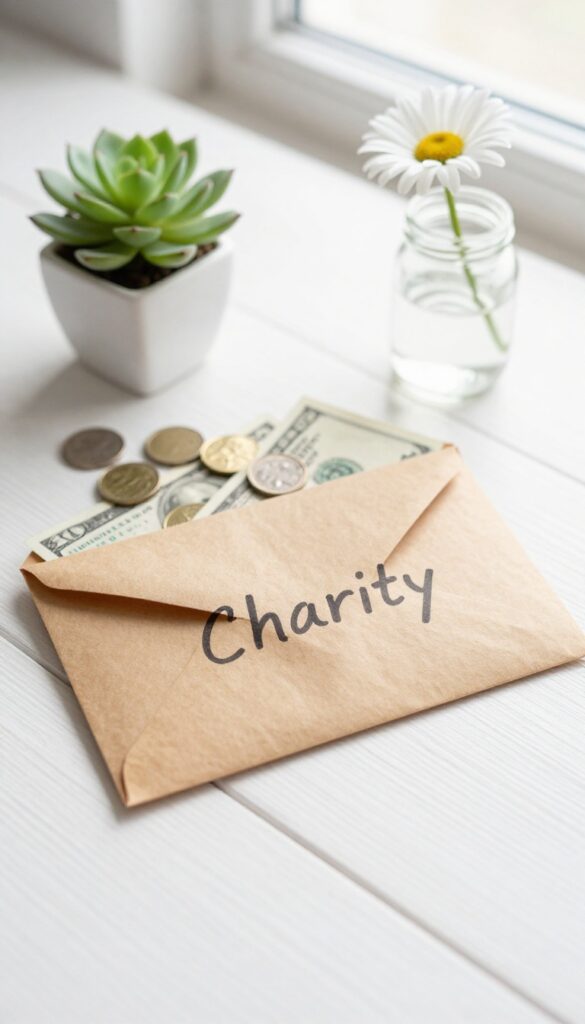
Giving back feels good, but it can also feel random if you don't plan for it. A charity envelope makes generosity intentional. You decide how much to set aside each week or month, and when the envelope fills up, you choose where to send it.
It's a simple way to turn good intentions into real impact.
Pick Your Cause
Think about what matters to you. Maybe it's animal shelters, local food banks, or a friend's medical fundraiser. Write the name on the envelope so you stay focused.
You can even rotate causes every few months to keep it fresh.
Decide On An Amount
Start small—$5 or $10 a week is plenty. The point is consistency, not size. As you get comfortable, you can increase it.
Treat it like any other bill: non-negotiable.
Watch It Grow
Seeing cash pile up in the envelope is surprisingly satisfying. It's a visual reminder that your small contributions add up. When it's full, donate it and start over.
You'll feel the joy of giving without the guilt of overspending.
FAQ
How much cash should I keep in each envelope?
Start by listing your monthly expenses for each category. Divide that amount by the number of weeks or pay periods you have. That's your per-envelope amount.
Adjust as you go.
What if I run out of cash before the month ends?
That's the point! It means you've spent your budget. You can either stop spending in that category or borrow from another envelope (but be careful not to overspend overall).
Is cash envelope budgeting safe?
Yes, as long as you keep your envelopes in a secure place like a lockbox or a hidden drawer. Don't carry all your envelopes with you—just the ones you need for the day.
Can I use cash envelopes if I mostly use cards?
Absolutely. You can use a digital envelope system or withdraw cash only for the categories you struggle with most. Many people use a hybrid approach.
How do I track my spending with cash envelopes?
Keep a simple log on the envelope or in a notebook. Write down each withdrawal and the remaining balance. At the end of the month, review where your money went.
Conclusion
Cash envelope budgeting doesn't have to be rigid or boring. The key is finding a method that fits your lifestyle—whether that's physical envelopes, digital versions, or a mix of both. Start with one or two ideas from this list and tweak them as you go.
The goal isn't perfection; it's progress. Over time, you'll build a system that helps you spend intentionally, save consistently, and feel more in control of your money.
Free PDF Download
Get the Free Budget Binder Starter Pack
Download simple printable budget sheets to plan your monthly money, track expenses, organize bills, and start building better money habits without feeling overwhelmed.
You’ll get this free PDF plus access to the full Marketerna Save More & Earn More PDF Kit. No spam. Unsubscribe anytime.