15 Simple Budget Rules That Actually Work
Last updated on May 5th, 2026 at 03:43 pm
You've tried budgeting apps, spreadsheets, and maybe even the envelope system. But somehow, your spending always seems to find a way around your best intentions. The problem isn't you—it's that most budgets are too rigid to handle real life.
What if budgeting could be simple? No complicated categories, no guilt over a latte. Just a few straightforward rules that guide your decisions without boxing you in.
These 15 rules are the ones that actually work for regular people. They're flexible, forgiving, and designed to help you build lasting money habits without the stress.
Free PDF Download
Get the Free Budget Binder Starter Pack
Download simple printable budget sheets to plan your monthly money, track expenses, organize bills, and start building better money habits without feeling overwhelmed.
You’ll get this free PDF plus access to the full Marketerna Save More & Earn More PDF Kit. No spam. Unsubscribe anytime.
1. The 50/30/20 Rule: Your Spending Blueprint
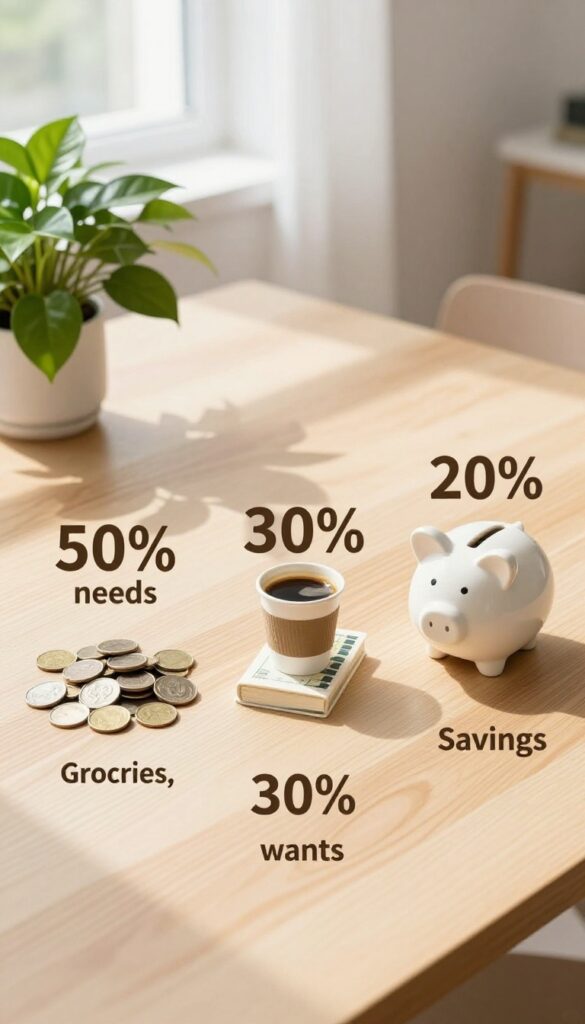
This rule takes the guesswork out of budgeting. Instead of tracking every penny, you get three simple categories that cover everything. It's flexible enough for real life but structured enough to keep you on track.
What Counts As A Need?
Needs are the essentials: rent or mortgage, utilities, groceries, minimum debt payments, insurance, and transportation to work. If you'd struggle to live without it, it's a need. Keep this bucket at 50% of your after-tax income.
Wants Are Not The Enemy
Wants include dining out, streaming services, hobbies, travel, and upgraded gadgets. The 30% allowance gives you guilt-free room for fun. The key is to be honest—your daily latte is a want, not a need.
Savings And Debt Payoff
The final 20% goes to savings, investments, and extra debt payments. Build an emergency fund first, then tackle high-interest debt. This bucket is your future self's best friend.
2. Pay Yourself First: Automate Your Savings
Most people budget backward: they pay bills, spend on fun, and hope something is left for savings. That rarely works. Flipping the order changes everything.
When you pay yourself first, your savings become a non-negotiable expense—just like rent or your phone bill. Automation makes it effortless.
Set up an automatic transfer from checking to savings on payday. Even $50 per paycheck adds up. The key is to treat it like a bill you can't skip.
Over time, you'll build a cushion without ever feeling the pinch.
Start Small, Scale Up
If $200 seems impossible, start with $25. The amount matters less than the habit. You can increase it by 1% or $10 every few months.
Before you know it, you'll be saving hundreds without noticing.
Out Of Sight, Out Of Mind
Use a separate high-yield savings account at a different bank. Don't link it to your debit card. When the money isn't visible in your checking account, your brain treats it as gone.
That's the whole point.
Make It Automatic, Not Optional
Schedule the transfer for the same day your paycheck arrives. Most banks let you set recurring transfers online. Once it's set, you don't have to think about it.
This one move can double your savings rate with zero willpower.
Free PDF Download
Get the Free Budget Binder Starter Pack
Download simple printable budget sheets to plan your monthly money, track expenses, organize bills, and start building better money habits without feeling overwhelmed.
You’ll get this free PDF plus access to the full Marketerna Save More & Earn More PDF Kit. No spam. Unsubscribe anytime.
3. The 24-Hour Rule: Curb Impulse Buys
Impulse buys are the silent budget killers. That shiny gadget, the trendy jacket, or the takeout you didn't plan for—they add up fast. The 24-Hour Rule is your simple defense: wait a full day before buying anything non-essential.
Most urges vanish overnight, leaving you with money saved and zero regret.
The rule is straightforward: when you see something you want but don't need, pause. Set a reminder for 24 hours. When the time's up, ask yourself if you still want it.
Chances are, the answer is no. For bigger purchases—anything over $100—extend the wait to a week. This forces you to evaluate if it's truly worth it.
Why It Works
Your brain's reward system craves instant gratification. Waiting gives the emotional spike time to fade, letting logic take over. Studies show that most impulse urges peak and then drop sharply within hours.
By delaying, you're essentially tricking your brain into making a rational choice.
How To Apply It Daily
Keep a running list of items you're tempted to buy. Write down the item, price, and date. After 24 hours, review it.
You'll often find you've lost interest. For online shopping, use a browser extension that adds a mandatory delay before checkout. For in-store, take a photo and walk away.
Exceptions To The Rule
This rule isn't for essentials like groceries, gas, or medicine. It's for the extras—clothes, gadgets, home decor, and dining out. If it's a genuine need, buy it.
If it's a want, wait. Over time, you'll develop a natural instinct to pause before every unplanned purchase.
4. Cash Envelopes for Variable Expenses
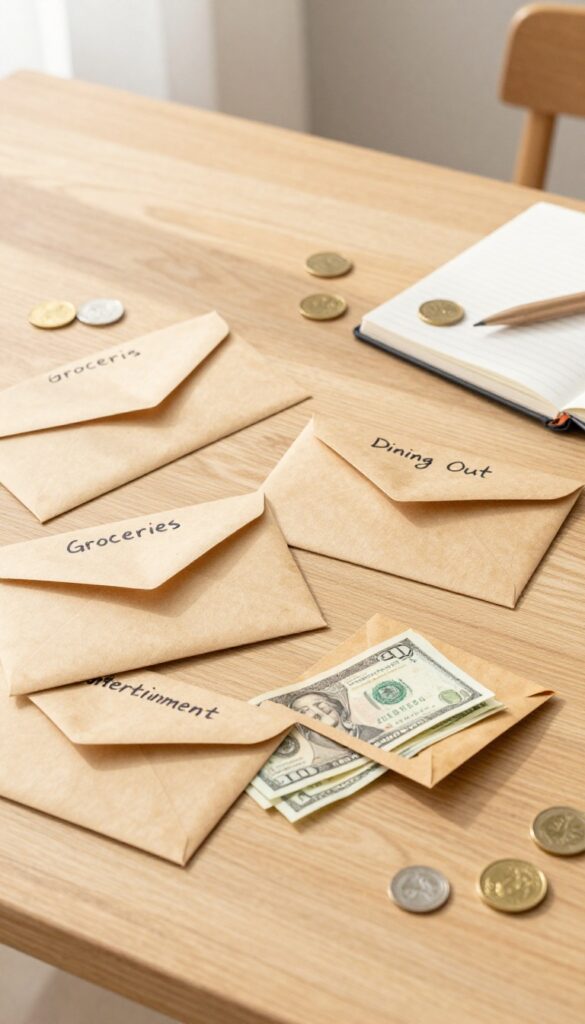
Plastic makes spending too easy. Swipe and forget—until the statement arrives. Cash changes the game.
When you physically hand over bills, you feel the loss. That sting makes you pause.
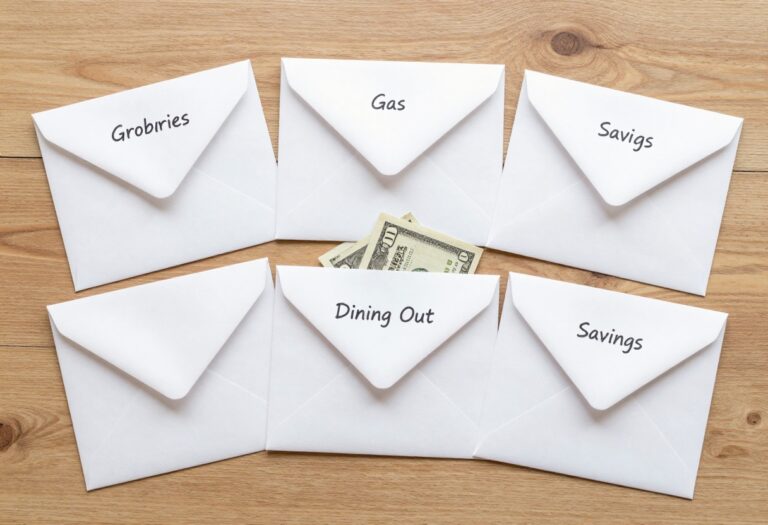
Pick two or three categories where you tend to overspend: groceries, dining out, entertainment. Withdraw the budgeted amount in cash each week or month. Put that cash in labeled envelopes.
Once the envelope is empty, no more spending in that category until the next cycle. No exceptions. The envelope system works because it forces a hard stop.
You can't rationalize "just one more swipe" when there's nothing left.
Which Categories Work Best
Stick to variable expenses that fluctuate month to month. Fixed bills like rent or insurance don't need envelopes. Groceries, eating out, gas, and personal spending are perfect candidates.
Start with just one or two envelopes to keep it simple.
What To Do With Leftover Cash
If you have money left at the end of the month, roll it into next month's envelope or put it toward a savings goal. Some people use it as a guilt-free reward. The key is to decide in advance so you don't blow it on impulse.
Handling The Inevitable Overspend
Life happens. If you run out of cash before the month ends, don't borrow from another envelope. Instead, adjust the budget next month.
This keeps the system honest and teaches you to plan better.
Free PDF Download
Get the Free Budget Binder Starter Pack
Download simple printable budget sheets to plan your monthly money, track expenses, organize bills, and start building better money habits without feeling overwhelmed.
You’ll get this free PDF plus access to the full Marketerna Save More & Earn More PDF Kit. No spam. Unsubscribe anytime.
5. The No-Spend Weekend Challenge
Pick one weekend per month where you spend zero money. Plan free activities like hiking, movie nights at home, or library visits. It resets your spending habits and shows you how much fun you can have for free.
A no-spend weekend isn't about deprivation—it's about discovery. You'll be surprised how many enjoyable things are already available to you without opening your wallet. Plus, the pause gives your bank account a nice little breather.
How To Prep For A Zero-spend Weekend
A little planning goes a long way. Check the weather, gather board games, pick a few movies, and see what local parks or trails are nearby. Let friends or family know you're doing it so they can join in without suggesting pricey outings.
Free Fun Ideas That Actually Feel Like Fun
Think hiking, biking, visiting a free museum, having a potluck picnic, doing a puzzle, or hosting a game night. The key is to choose activities you genuinely enjoy—not just things that are free. That way, you'll look forward to the weekend rather than counting down until it's over.
What To Do When Cravings Hit
You might feel the urge to grab takeout or buy something online. Pause and ask yourself: Do I really need this, or am I just bored? Often, a quick walk or calling a friend can kill the impulse.
If the craving persists, write it down and revisit it after the weekend—you might not even want it anymore.
6. Track Every Dollar for One Month
Once a year, write down every single purchase for 30 days. You'll spot leaks you never noticed—like that daily coffee or subscription you forgot. Knowledge is the first step to control.
Why One Month Is Enough
A full month gives you a complete picture of your spending habits—from weekly groceries to monthly bills. You'll see patterns that a week-long snapshot might miss, like that recurring app charge or the occasional takeout splurge.
How To Track Without Going Crazy
Use a simple notebook, a notes app, or a free budgeting tool. The key is to log each expense right when it happens—don't rely on memory. Set a daily reminder to review your entries, and you'll build the habit in no time.
What To Do With What You Learn
After 30 days, categorize your spending and look for surprises. Maybe you're spending $200 on dining out or $50 on unused subscriptions. Use this data to adjust your budget and cut what doesn't matter to you.
7. The Latte Factor: Small Savings Add Up

You've probably heard the phrase "look after the pennies and the pounds will look after themselves. " It's annoyingly true. The Latte Factor is about finding one small, regular expense you barely notice and redirecting that money toward your future.
The goal isn't deprivation—it's smart redirection.
Identify one daily or weekly treat you can cut back on—maybe a coffee shop latte, a vending machine snack, or a streaming subscription you rarely use. That small amount, invested consistently, can grow into a surprisingly large sum over time. The magic is compound interest working on money you won't miss.
Find Your Latte
Look at your bank statements for the past month. Find one recurring expense that's under $10 but happens frequently. It could be a morning pastry, a parking fee, or a bottled water.
Pick just one to reduce or eliminate.
Automate The Savings
Set up an automatic transfer to a separate savings or investment account for the amount you're cutting. If you skip a $5 latte each workday, that's $100 a month. Out of sight, out of mind—and into your future.
Watch It Grow
Use a compound interest calculator to see what $100 a month becomes in 10, 20, or 30 years at a modest 7% return. The numbers are eye-opening. That small daily habit could fund a vacation, a down payment, or a chunk of retirement.
8. Use the 'One In, One Out' Rule for Clutter
Your home and your budget have a lot in common. Both get cluttered when you keep adding without ever subtracting. The 'one in, one out' rule is a simple way to keep both in check.
Every time you bring home a new non-essential item, you commit to letting go of something you already own.
This rule works because it forces you to think before you buy. That new sweater? You'll need to donate an old one.
That kitchen gadget? Time to sell the one collecting dust. It's not about deprivation—it's about making space for what you actually use and love.
Why It Works For Your Wallet
When you know a purchase requires a trade-off, you pause. That moment of reflection is enough to kill most impulse buys. Over time, you buy less and save more.
Plus, selling or donating items can put a little cash back in your pocket or give you a tax deduction.
How To Start Today
Pick one category to start with—clothes, books, or kitchen tools. The next time you want to buy something new, find one item in that category to let go of. Keep a donation box handy so the outgoing item leaves right away.
Don't let it linger.
Make It A Family Habit
Get everyone on board. When your kid gets a new toy, they choose one to donate. When your partner buys a new video game, they trade in an old one.
It becomes a shared practice that keeps the whole household mindful of stuff and spending.
9. The 30-Day Rule for Major Purchases

Impulse buys are budget killers. That shiny new gadget or trendy jacket feels essential in the moment, but a month later you might wonder what you were thinking. The 30-Day Rule gives you a cooling-off period to separate genuine needs from fleeting wants.
Set a threshold—say $100—and commit to waiting 30 days before buying anything over that amount. Add the item to a wish list with the date and price. When the month is up, revisit the list.
You'll often find the urge has passed, and you can cross it off without spending a dime.
Why 30 Days Works
The delay disrupts the dopamine hit of impulse buying. It forces you to research, compare, and consider if the purchase aligns with your priorities. Most wants fade within a week, and the few that survive are likely worth buying.
How To Make It Stick
Create a dedicated wish list in a notes app or on paper. When you add an item, note why you want it. After 30 days, ask yourself: Do I still need this?
Can I afford it without sacrificing my goals? If yes, go ahead—but consider waiting another 30 days for big-ticket items.
Exceptions To The Rule
Emergencies and genuine necessities don't wait. If your fridge dies or you need a winter coat, buy it. The rule is for discretionary spending—things you want but don't need.
Use your judgment, but be honest about what's truly urgent.
10. Automate Your Bills to Avoid Late Fees
Late fees are one of the easiest expenses to eliminate. They're not just annoying—they're a total waste of money. The fix?
Set up autopay for every recurring bill you have. Once it's done, you never have to think about due dates again. Just make sure you keep enough in your checking account to cover them.
Automation takes the mental load off your budget. When bills are on autopay, you remove the risk of forgetting a payment and getting hit with a fee. It's a simple system that works quietly in the background.
Most companies even offer a small discount for using autopay, so you might save a little extra.
Which Bills To Automate First
Start with the essentials: rent or mortgage, utilities, insurance, and any loan payments. These are the ones that hurt most if you miss them. Next, add subscriptions and memberships you actually use.
For variable bills like credit cards, set up autopay for the minimum at least—you can always pay more manually.
How To Avoid Overdrafts
Automation only works if you have the funds. Keep a buffer in your account—say, one month's worth of bills. Check your balance a couple times a week until you get comfortable.
You can also schedule payments for right after payday, so the money is there before it gets spent elsewhere.
One-time Setup, Long-term Peace
Setting up autopay takes maybe an hour. After that, it's hands-off. You'll stop worrying about due dates and late fees.
Plus, your credit score gets a nice boost from consistent on-time payments. It's one of those rare money moves that's both easy and effective.
11. The 'No Buy' Month: Reset Your Spending
A spending fast might sound extreme, but it's one of the most effective ways to hit reset on your habits. For 30 days, you buy only what you truly need to survive: groceries, bills, gas. No new clothes, gadgets, or takeout.
It's not about deprivation—it's about realizing how much of your spending is automatic and optional.
Set Your Rules
Define what counts as essential before you start. Rent, utilities, basic groceries, and necessary transportation are in. Everything else is out.
Be honest—your morning latte is not essential. Write down your exceptions (like a birthday gift) to avoid guilt later.
Find Free Fun
A no-buy month forces you to get creative. Swap shopping for hiking, library visits, or movie nights at home. You'll discover that entertainment doesn't require a credit card.
Plus, you'll break the habit of spending to cure boredom.
Track The Savings
At the end of the month, tally up what you didn't spend. That number is often shocking. Use it to pay down debt or boost your emergency fund.
The real win is the mindset shift: you now know you can live on less.
12. Use the 'Envelope System' for Irregular Expenses

Irregular expenses are the ones that sneak up on you. Car repairs, holiday gifts, annual subscriptions—they don't happen every month, but when they do, they can blow your budget wide open. The envelope system isn't just for groceries and gas.
You can use it to prepare for these surprise costs too. Set up a separate envelope (or digital category) for irregular expenses. Each month, drop in a small, fixed amount.
When a car repair or a birthday gift rolls around, you've got cash waiting. No stress, no credit card debt.
The key is to figure out how much you need to set aside. Add up your irregular expenses from the past year, divide by 12, and that's your monthly contribution. Keep it in a separate account or physical envelope.
When the expense hits, pay from that fund. If you don't use it all, it rolls over. Over time, you'll build a cushion that makes these costs feel painless.
How To Pick Your Categories
Start with the most common irregular expenses: car maintenance, medical copays, gifts, and annual subscriptions. Don't try to cover everything at once. Pick two or three categories that have tripped you up before.
You can always add more later.
Digital Vs. Physical Envelopes
Physical envelopes work great if you use cash. But digital tools like Qube or Goodbudget let you create virtual envelopes. You can set up automatic transfers each month.
The key is to treat that money as off-limits for everyday spending.
What If You Need More Than You Saved?
That's okay. The envelope system isn't perfect. If a big expense comes up and your fund isn't full yet, cover it from your emergency fund or adjust your spending elsewhere.
The goal is to reduce the shock, not eliminate it entirely.
13. The 10% Rule: Give Yourself a Raise
A raise or bonus feels like a reward for your hard work. But if you immediately spend it on a nicer car or a bigger apartment, you haven't really gotten ahead—you've just raised your cost of living. The 10% rule flips that: whenever your income goes up, save at least 10% of the increase before you spend a dime.
This simple habit prevents lifestyle inflation and lets your wealth grow without extra effort.
The idea is straightforward: any time you get a raise, bonus, or unexpected windfall, set aside at least 10% of that amount into savings or investments. You can spend the rest however you like. This way, you still enjoy the reward, but you also build a habit of paying yourself first.
Over time, those 10% chunks add up significantly.
Why 10% Works
Ten percent is small enough not to feel painful, but large enough to make a real difference over time. It's a psychological sweet spot. You still get to enjoy most of your raise, so you don't feel deprived.
Meanwhile, your savings grow automatically, and you avoid the trap of upgrading your lifestyle to match every income increase.
How To Automate It
The easiest way to stick to the 10% rule is to automate it. Set up a direct deposit from your paycheck into a separate savings or investment account. Or, when you get a bonus, immediately transfer 10% before you even see the rest.
Out of sight, out of mind—and into your future.
What To Do With The 10%
The best place for this money depends on your goals. If you don't have an emergency fund, start there. Next, consider paying down high-interest debt.
After that, invest in a retirement account or a low-cost index fund. The key is to put it somewhere that grows, not just a checking account where it's easy to spend.
14. Review Your Subscriptions Quarterly
Subscriptions are sneaky. You sign up for a streaming service, a gym membership, or a meal kit, and then forget about it. Months later, you're still paying for something you rarely use.
A quarterly review catches these leaks before they become a flood.
Set a reminder every three months to scan your bank and credit card statements for recurring charges. Cancel anything you haven't used in the past month. This simple habit can save you hundreds of dollars a year without changing your lifestyle.
Where To Look
Check your bank statements, credit card bills, and PayPal or app store purchase history. Look for charges you don't recognize or services you forgot you had. Common culprits: streaming platforms, fitness apps, cloud storage, and subscription boxes.
How To Decide
Ask yourself: Did I use this in the last 30 days? Would I miss it if it were gone? If the answer is no to both, cancel it.
For services you use occasionally, consider downgrading to a free tier or a cheaper plan.
Make It Easy
Use a subscription management app like Rocket Money or Bobby to track all your subscriptions in one place. Or simply keep a list in your notes app. The key is consistency—quarterly reviews take 15 minutes and pay off big time.
15. The 'Sleep On It' Rule for Financial Decisions

Big financial decisions have a way of feeling urgent. A limited-time sale, a "once-in-a-lifetime" investment opportunity, or a loan offer with a low introductory rate—they all push you to act fast. But urgency is often the enemy of good judgment.
The 'Sleep On It' rule is simple: never say yes to a major money move until you've had at least one full night's rest. That pause gives your emotions time to cool and your logic time to catch up.
When you force yourself to wait 24 hours, you naturally shift from impulse to analysis. The excitement fades, and you start asking better questions: Do I really need this? Can I afford it?
Is there a cheaper alternative? More often than not, the answer becomes clear. This rule works for purchases over a certain threshold, investment decisions, signing contracts, or even agreeing to lend money.
Make it a hard rule, not a suggestion.
Why It Works
Your brain processes information differently after rest. Sleep helps you see the big picture and reduces the influence of marketing pressure or social proof. A decision that felt brilliant at midnight often looks questionable in the morning light.
How To Apply It
Set a personal dollar amount—say $100 or more—that triggers the rule. When you're tempted to spend or commit, tell the other person you'll decide tomorrow. Use the time to research, check your budget, or just sit with the idea.
You can even write down pros and cons to make the choice more concrete.
Exceptions And Flexibility
This rule isn't for everyday expenses like groceries or gas. It's for the big stuff: furniture, electronics, investments, loans, or any offer that feels too good to be true. If the deal disappears overnight, it probably wasn't that good anyway.
FAQ
What is the easiest budget rule for beginners?
The 50/30/20 rule is the simplest. You only need to split your after-tax income into three broad categories: needs, wants, and savings. No detailed tracking required.
How do I stick to a budget without feeling deprived?
Focus on rules that allow flexibility, like the 50/30/20 rule or the 24-hour rule. You can still spend on things you love, but with intentional limits. Also, try no-spend weekends to discover free fun.
What if I have irregular income?
Use the 'pay yourself first' rule: save a fixed percentage of every paycheck. During high-income months, build a buffer. During lean months, draw from that buffer.
Automate as much as possible.
How can I reduce impulse spending?
Implement the 24-hour rule for small purchases and the 30-day rule for big ones. Also, use cash envelopes for variable categories—physically seeing the money leave makes you more mindful.
What's the best way to save for irregular expenses?
Create a separate savings account for irregular expenses and contribute a small amount monthly. Even $25 a month adds up. When the car needs repairs, you'll have cash ready.
Conclusion
You don't need to follow every rule perfectly. Pick just one or two that feel manageable—maybe the 50/30/20 split or the no-spend weekend—and try them for a month.
Small, consistent changes build lasting habits. Before you know it, your budget will feel less like a restriction and more like a tool that actually works for you.
Free PDF Download
Get the Free Budget Binder Starter Pack
Download simple printable budget sheets to plan your monthly money, track expenses, organize bills, and start building better money habits without feeling overwhelmed.
You’ll get this free PDF plus access to the full Marketerna Save More & Earn More PDF Kit. No spam. Unsubscribe anytime.