15 Zero-Based Budget Ideas for Better Money Control
Last updated on May 5th, 2026 at 03:43 pm
You've heard the phrase 'give every dollar a job, ' but making that work in real life can feel overwhelming. Zero-based budgeting doesn't mean you have to track every penny manually—it means intentionally assigning your income to expenses, savings, and goals until nothing is left unplanned.
These 15 ideas strip away the complexity and focus on practical steps that fit your actual spending habits.
Start with one or two, test them for a month, and watch your financial clarity grow without the guilt or spreadsheets.
Free PDF Download
Get the Free Budget Binder Starter Pack
Download simple printable budget sheets to plan your monthly money, track expenses, organize bills, and start building better money habits without feeling overwhelmed.
You’ll get this free PDF plus access to the full Marketerna Save More & Earn More PDF Kit. No spam. Unsubscribe anytime.
1. Start with Your Take-Home Pay

Before you assign jobs to every dollar, you need to know exactly how many dollars you're working with. That means looking at your net income—what actually lands in your bank account after taxes, insurance, and retirement contributions. It's tempting to budget based on your gross salary, but that leads to overspending and frustration.
Zero-based budgeting only works when you're honest about what you have.
Your take-home pay is the only number that matters for this method. Pull out your most recent pay stub or check your bank deposit history. Write down that exact amount.
If your income varies from month to month, use the lowest recent figure as your starting point. This prevents you from planning with money that might not show up.
Why Gross Income Doesn't Work
Gross income includes money you never see—taxes, Social Security, health insurance premiums, and 401(k) contributions. Budgeting with that number is like planning a road trip with a full tank of gas that's actually half empty. You'll run out of funds before the month ends.
Stick to net income so every category gets funded with real dollars.
How To Handle Irregular Pay
If you're paid weekly, biweekly, or on commission, calculate a conservative monthly average. Look at the last three to six months of deposits and pick the lowest month. Then build your budget around that floor.
Any extra income above that can go straight to savings or debt payoff—a pleasant surprise instead of a necessity.
2. Track Every Dollar for One Month
You can't fix what you don't see. Before you build a budget, spend 30 days tracking every single expense—yes, even that coffee or parking meter. This one-month audit reveals your real spending patterns, not the ones you wish you had.
It makes your zero-based budget realistic from day one.
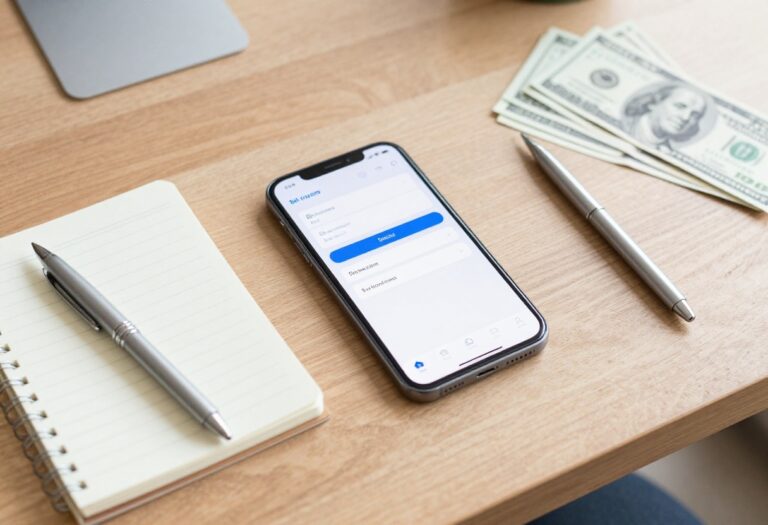
Grab a notebook, a spreadsheet, or a simple app. Write down every purchase, no matter how small. At the end of the month, categorize everything: housing, food, transport, entertainment, etc.
You'll likely spot surprises—like how much you actually spend on takeout or subscriptions. That data becomes the foundation for assigning every dollar with confidence.
Choose Your Tracking Method
Use whatever feels easiest. A notes app on your phone works, or a small notebook you carry everywhere. Some people prefer apps like Mint or YNAB that sync with bank accounts.
The key is consistency, not perfection. Pick one method and stick with it for the full month.
Categorize As You Go
Don't wait until the end of the month to sort expenses. Each day, tag purchases into broad categories like groceries, dining out, utilities, and fun money. This makes the final review much easier and helps you see where your money is actually going in real time.
Review And Reflect
After 30 days, sit down with your list. Look for patterns: Do you spend more on weekends? Are there subscriptions you forgot about?
This insight is gold. It shows you exactly where to cut back and where you're comfortable spending. Use these numbers, not guesses, to build your zero-based budget.
Free PDF Download
Get the Free Budget Binder Starter Pack
Download simple printable budget sheets to plan your monthly money, track expenses, organize bills, and start building better money habits without feeling overwhelmed.
You’ll get this free PDF plus access to the full Marketerna Save More & Earn More PDF Kit. No spam. Unsubscribe anytime.
3. Categorize Expenses into Needs, Wants, and Savings
Not all spending is created equal, and treating it that way is a game-changer. By sorting your expenses into three clear buckets, you instantly see where your money is going and where you can make cuts without feeling deprived. This simple structure turns vague guilt into actionable insight.
Start by listing every expense from the past month. Then label each one as a need (rent, groceries, utilities), a want (dining out, streaming subscriptions, new shoes), or savings (retirement contributions, emergency fund deposits). Be honest—needs are things you truly can't live without.
Once you see the totals, you can decide if your wants are crowding out your savings. A healthy split might be 50% needs, 30% wants, and 20% savings, but adjust based on your income and goals. The key is making sure savings isn't an afterthought; it gets its own bucket from the start.
Why This Works
Categorizing forces you to confront your spending patterns without judgment. It's easier to cut back on wants when you see them as a separate category, not as part of your essential lifestyle. Plus, giving savings its own bucket ensures you prioritize future you, not just current cravings.
How To Get Started
Grab a notebook or use a budgeting app that lets you tag expenses. Review your bank statements and assign each transaction to one of the three buckets. Don't overthink it—if you're unsure, ask yourself: 'Could I live without this for a month? ' If yes, it's a want.
Aim to do this once a week until it becomes a habit.
When To Adjust
If your wants bucket is eating up more than 30% of your income, look for easy cuts like cooking at home more or canceling unused subscriptions. If savings feels too small, try automating a transfer on payday so it happens before you can spend it. Revisit your categories every few months as your life changes.
4. Use the 50/30/20 Rule as a Starting Point
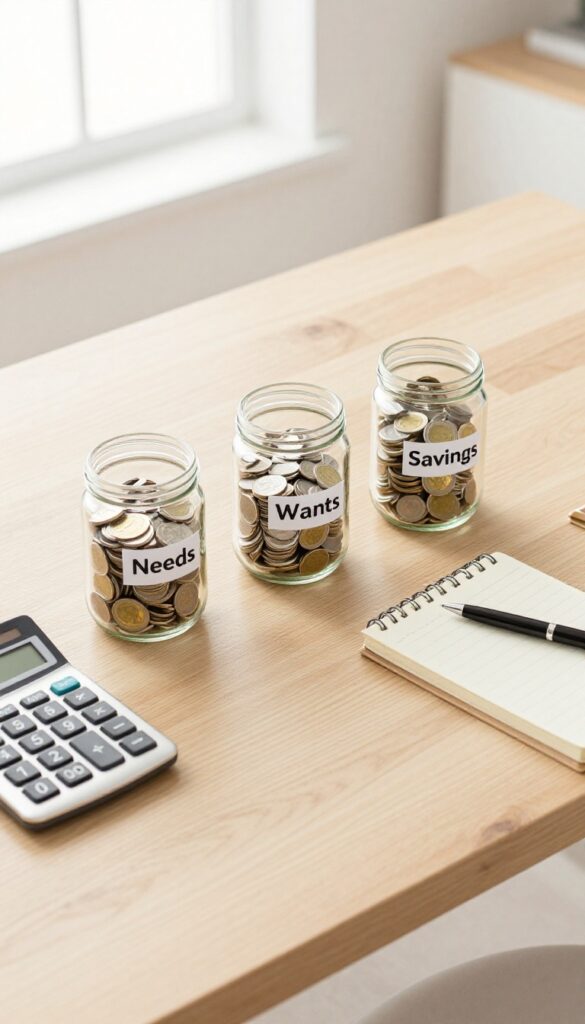
The 50/30/20 rule is a classic budgeting framework that's simple enough to start today. It splits your after-tax income into three buckets: 50% for needs, 30% for wants, and 20% for savings and debt repayment. This structure gives you a clear blueprint without needing to track every single expense.
The beauty of this rule is its flexibility. You can adjust the percentages to match your reality—maybe 60/20/20 works better if your rent is high, or 50/20/30 if you're aggressively paying down debt. The key is keeping the three-category structure intact.
Find Your Baseline
Start by listing your essential expenses: rent, utilities, groceries, transportation, minimum debt payments. Total them up and see what percentage of your income they consume. If it's over 50%, you'll need to trim or adjust the other categories.
Make The Wants Category Work For You
Wants include dining out, subscriptions, hobbies, and travel. This isn't about deprivation—it's about conscious choice. If you want to spend more on travel, cut back on takeout or streaming services.
The 30% cap keeps your spending in check without feeling restrictive.
Automate The 20%
Set up automatic transfers to savings and debt payments right after payday. This ensures your future self gets paid first. Whether it's building an emergency fund, investing, or paying off credit cards, automation makes the 20% non-negotiable.
Free PDF Download
Get the Free Budget Binder Starter Pack
Download simple printable budget sheets to plan your monthly money, track expenses, organize bills, and start building better money habits without feeling overwhelmed.
You’ll get this free PDF plus access to the full Marketerna Save More & Earn More PDF Kit. No spam. Unsubscribe anytime.
5. Assign a Job to Every Dollar
Think of your income like a team of employees. If you don't give each one a clear task, they'll wander off and waste time. The same goes for your money.
When every dollar has a specific purpose—rent, groceries, entertainment, savings—you stop wondering where it all went. This is the core of zero-based budgeting: your income minus your expenses equals zero. Not a penny left unassigned.
Start by listing every single expense you can think of, from fixed bills to that occasional coffee run. Then, assign each dollar a job until your income is fully allocated. If you have money left over, give it a job too—maybe an extra debt payment or a boost to your emergency fund.
The goal isn't to restrict spending but to make sure every dollar works toward your priorities.
Start With The Essentials First
Before you assign dollars to fun stuff, cover the non-negotiables: rent, utilities, groceries, transportation, and minimum debt payments. These are the foundation. Once those are fully funded, move on to savings goals, debt snowball payments, and then discretionary categories like dining out or streaming services.
Use Categories, Not Just Numbers
Instead of a single lump sum for "miscellaneous, " break it down. Create categories like "gas, " "car maintenance, " "pet supplies, " and "birthday gifts. " The more specific, the easier it is to see where your money is going.
This also helps you adjust quickly when something changes—like a higher gas bill one month.
Review And Adjust Monthly
Zero-based budgeting isn't set-it-and-forget-it. At the end of each month, look at what you actually spent versus what you planned. If you overspent in one category, decide if that category needs a bigger slice next month or if you need to cut back.
The flexibility is what makes it work for real life.
6. Build a Buffer for Irregular Expenses
Irregular expenses are the budget killers nobody warns you about. That annual insurance bill, the car repair that pops up out of nowhere, or holiday gifts can blow a hole in your zero-based plan if you're not ready. The trick is to treat these predictable surprises as regular monthly line items, not emergencies.
By setting aside a small amount each month into a separate buffer fund, you spread the cost of irregular expenses across the year. When the bill arrives, you simply pull from that fund instead of scrambling to adjust your budget. This keeps your zero-based system intact and your stress levels low.
Identify Your Irregulars
Start by listing every expense that doesn't happen monthly: car registration, annual subscriptions, vet visits, birthday presents, holiday travel. Look back at your bank statements for the past 12 months to catch anything you might forget. Once you have the list, total up the annual cost for each category.
Calculate Your Monthly Set-aside
Divide each annual total by 12 to find your monthly buffer contribution. For example, if your car insurance is $1, 200 per year, you need to set aside $100 each month. Add all these monthly amounts together to get your total buffer contribution.
Treat this as a fixed expense in your zero-based budget, just like rent or utilities.
Keep The Buffer Separate
Open a separate savings account specifically for your irregular expense buffer. Automate a monthly transfer from your checking account on payday. When an irregular expense comes due, pay it from this account and update your tracking.
This prevents the money from accidentally being spent elsewhere and keeps your main budget clean.
7. Automate Your Savings First

Pay yourself first isn't just a catchy phrase—it's the single most effective way to make zero-based budgeting stick. When you automate savings, you remove the temptation to spend that money elsewhere. Treat it like a fixed expense, just like rent or your phone bill.
Set up an automatic transfer from your checking to your savings or investment account on payday. Even $50 per paycheck adds up. The key is to do it before you see the money in your spending account.
Out of sight, out of mind—and into your future.
Start Small, Increase Gradually
If you're new to automating, begin with an amount that feels painless—maybe 1% of your income. After a month, bump it up. You'll barely notice the increase, but your savings will grow faster than you expect.
Use Separate Accounts For Different Goals
Create separate savings accounts for emergencies, vacations, or big purchases. Automate a specific amount into each. That way, you're not dipping into your emergency fund for a weekend trip.
Every dollar has a clear job.
Schedule Transfers Right After Payday
Set your automation for the same day your paycheck hits. If you wait even a day, you might accidentally spend that money. Make it a non-negotiable habit—like brushing your teeth.
8. Use Envelopes for Variable Spending
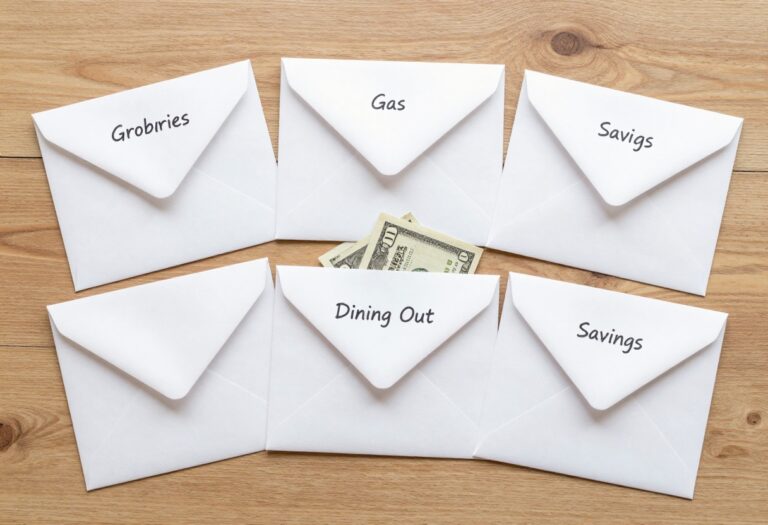
Sometimes digital tracking just doesn't click. If you find yourself overspending on categories like dining out or groceries despite having a budget, the envelope system might be your answer. It's simple: withdraw cash for those variable expenses at the start of the month, put it in labeled envelopes, and when the envelope is empty, you stop spending.
No more swiping past your limits.
The envelope system adds a physical barrier to overspending. When you have to hand over actual cash, you feel the loss more keenly than tapping a card. Plus, it forces you to prioritize—if the dining out envelope is empty, you cook at home or skip takeout.
This method works best for categories where you tend to lose track, like entertainment or personal care.
How To Set Up Your Envelopes
Start with 3–5 categories you consistently overspend on. Label one envelope for each, and withdraw the exact budgeted amount in cash. Keep the envelopes somewhere accessible but not too handy—maybe a drawer in your desk or a small wallet insert.
Resist the urge to borrow from one envelope to cover another; that defeats the purpose.
When Cash Isn't Practical
Some expenses can't be paid with cash, like online subscriptions or gas pumps that only take cards. For those, use a prepaid debit card loaded with the budgeted amount, or create a separate digital envelope using a budgeting app that mimics the system. The key is the same: once the money is gone, spending stops.
9. Review and Adjust Weekly

A zero-based budget isn't a set-it-and-forget-it tool. Life throws curveballs—unexpected car repairs, a last-minute dinner out, or a surprise bonus. That's why a quick weekly check-in keeps your budget aligned with reality.
Just 15 minutes can prevent small overspends from snowballing into month-end stress.
Set aside 15 minutes each week to check your budget. Adjust categories as needed—life changes, and your budget should too.
Pick A Consistent Time
Choose a day and time that works for you—Sunday evening with coffee, or Friday afternoon before the weekend. Consistency turns the review into a habit, not a chore. Block it on your calendar like any other appointment.
Compare Actuals To Your Plan
Look at what you actually spent versus what you allocated. If you're under in groceries but over in dining out, shift money between categories. The goal is to keep your total spending within your income, not to punish yourself for deviations.
Tweak For The Week Ahead
Use what you learned to adjust the coming week's budget. If you have a birthday dinner coming up, reduce your entertainment budget or pull from savings. Small, proactive tweaks keep your budget flexible and realistic.
10. Plan for Fun Money
Zero-based budgeting often gets a bad rap for being too restrictive. But the truth is, it's all about being intentional—and that includes setting aside money for things you genuinely enjoy. When you give fun a dedicated spot in your budget, you eliminate the guilt that usually comes with spending on entertainment or hobbies.
You're not depriving yourself; you're making a conscious choice to enjoy life while still staying on track.
Why Fun Money Matters
If you don't plan for fun, it often happens anyway—and then you feel bad about it. By adding a fun category, you give yourself permission to spend without guilt. This small shift can actually help you stick to your budget long-term, because you're not constantly white-knuckling through deprivation.
How Much To Allocate
Start small. Even $20 or $30 a week can make a difference. Look at your leftover after essentials, savings, and bills, and decide what feels realistic.
The goal isn't to max out your fun fund—it's to have a guilt-free cushion that keeps your budget sustainable.
Ways To Use It
Fun money is yours to spend however you want: coffee with friends, a new book, a movie night, or even a small hobby supply. The key is that once it's gone, it's gone. This teaches you to prioritize what truly brings you joy and avoid impulse spending that derails your budget.
11. Use Budgeting Apps That Sync in Real Time
Let technology do the heavy lifting. Zero-based budgeting doesn't have to mean manual data entry and constant recalculations. Modern budgeting apps connect directly to your bank accounts, categorize transactions automatically, and show you exactly where every dollar is assigned.
That real-time sync keeps your budget accurate without the daily grind.
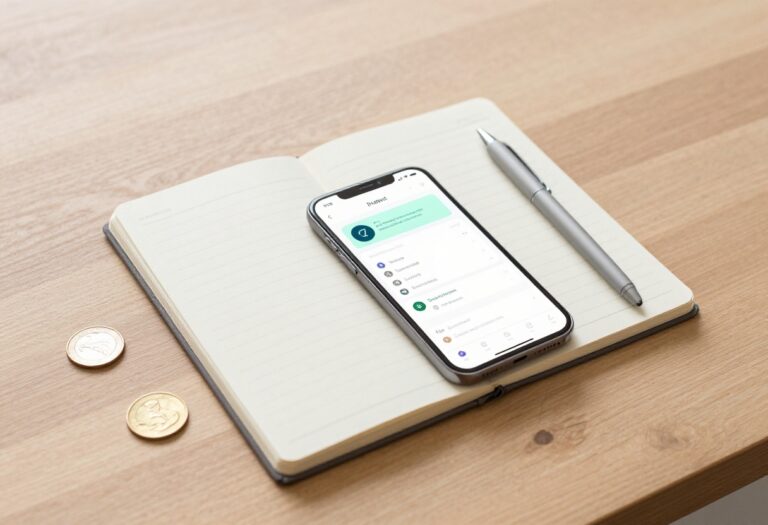
Apps like YNAB (You Need A Budget) and EveryDollar are built specifically for zero-based budgeting. They sync with your accounts, so every purchase updates your budget instantly. You can see remaining balances in each category before you spend, making it easier to stick to your plan.
Most offer free trials, so you can test which interface feels right for you.
Automated Category Tracking
Once you set up your categories—like groceries, rent, or savings—the app assigns transactions automatically. You just review and approve. This cuts down the time you spend budgeting from hours to minutes per week.
Real-time Alerts And Adjustments
Get notified when you're close to hitting a category limit. If you overspend in one area, the app prompts you to move money from another category, keeping your zero-based balance intact. No surprises at the end of the month.
Sync Across Devices
Share the budget with a partner or family member. Everyone sees the same numbers in real time, which reduces arguments about who spent what. Changes sync instantly, so you're always on the same page.
12. Create a Sinking Fund for Big Purchases

Big expenses don't have to wreck your budget. A sinking fund lets you save for planned purchases like a vacation, new laptop, or holiday gifts by setting aside a small amount each month. It's a simple way to avoid debt and last-minute scrambling.
A sinking fund is a separate savings account for a specific upcoming expense. You calculate the total cost and divide it by the number of months until you need the money. Then you transfer that amount each month as a line item in your zero-based budget.
When the purchase comes, you pay cash and move on.
Start With One Goal
Pick one upcoming expense that's at least a few months away. Maybe it's a summer vacation or a new set of tires. Figure out the total cost and how many months you have to save.
Divide the cost by the months, and that's your monthly sinking fund contribution. Treat it like any other bill in your budget.
Keep It Separate
Open a separate savings account or use a dedicated envelope in a cash system. Mixing sinking fund money with your emergency fund or everyday checking account can lead to accidental spending. Label the account with the goal name so you remember what it's for.
Automate The Transfers
Set up an automatic transfer from your checking to your sinking fund account right after payday. This way, you save before you have a chance to spend. Automation makes the process effortless and keeps your zero-based budget on track without extra work.
13. Cut One Subscription Immediately
Subscriptions are sneaky budget killers. They auto-renew month after month, often for services you barely use. The fix is simple: pick one and cancel it today.
That small monthly saving adds up fast, and you can redirect it straight into a savings goal or debt payment.
Audit your bank and credit card statements for recurring charges. Anything you haven't used in the past 30 days is a candidate. Even a $10 monthly subscription frees up $120 a year.
That's a nice chunk for an emergency fund or a debt snowball payment.
Find The Dead Weight
Look for streaming services, app subscriptions, gym memberships, or any recurring fee you forgot about. If you haven't opened it in a month, it's dead weight. Cancel it without guilt.
Redirect The Savings
Set up an automatic transfer of the canceled subscription amount to a savings account or debt payment. This turns a passive cut into an active win for your zero-based budget.
14. Pair with a No-Spend Challenge
A no-spend challenge is like a reset button for your budget. By cutting out all non-essential spending for a set period—say a weekend or a full week—you give your zero-based budget a real test. You'll see exactly where your money goes when you stop the leaky faucet of impulse buys.
Pairing a no-spend challenge with your zero-based budget is a powerful combo. It forces you to stick to the plan and reveals how much you can save when you pause unnecessary spending. Plus, the challenge itself is a fun way to build financial discipline without feeling deprived forever.
Start Small, Win Big
If a full week sounds intimidating, begin with a no-spend weekend. Pick a Friday through Sunday where you only pay for essentials like rent, utilities, and groceries you already have. Cook from your pantry, watch movies at home, and enjoy free activities.
You'll be surprised how much you save in just three days.
Track Your Savings
During the challenge, keep a running tally of what you didn't spend. That $6 latte, the $20 takeout, the $15 parking fee—it all adds up. At the end, transfer that total into your savings account.
Seeing a tangible number makes the sacrifice worth it.
Apply The Lessons Long-term
After the challenge, review what you missed most and what you didn't. Maybe you realized you don't need daily coffee runs or that you can meal prep lunch. Use these insights to refine your zero-based budget.
Cut the categories that didn't add value and boost the ones that do.
15. Celebrate Small Wins

Budgeting is a marathon, not a sprint. One of the best ways to stay motivated is to reward yourself when you hit a milestone. A small, planned treat reinforces the habit and makes the process feel less like deprivation.
When you stick to your budget for a month, treat yourself (within reason). Positive reinforcement builds long-term habits.
Set Reward Milestones
Decide in advance what counts as a win—like staying under budget for a full month or hitting a savings goal. Then choose a small reward, such as a coffee out, a movie night, or a new book. Knowing a treat is coming makes saying no to impulse buys easier.
Keep Rewards Budget-friendly
The reward shouldn't undo your progress. Aim for something under $20 or a free activity like a picnic in the park. The goal is to celebrate the behavior, not spend big.
Track Your Wins Visually
Use a simple chart or app to mark each successful month. Seeing a streak grow is motivating in itself. Plus, it turns budgeting into a game where you're always winning.
FAQ
What is zero-based budgeting?
Zero-based budgeting means your income minus expenses equals zero. Every dollar is assigned a job, so there's no unaccounted money.
Is zero-based budgeting only for people with high incomes?
No, it works for any income level. It's about intentional allocation, not the amount you earn.
How often should I update my zero-based budget?
Review it weekly and adjust monthly. Life changes, so your budget should flex with it.
What if I overspend in one category?
Move money from another category to cover it. The goal is to balance to zero by month's end.
Can I use zero-based budgeting with irregular income?
Yes. Base your budget on your lowest expected income, and allocate extra when you earn more.
Conclusion
Zero-based budgeting isn't about restriction—it's about giving every dollar a purpose. Start with just one idea from this list, like the cash envelope system or a digital tracking method, and try it for a single month. You'll likely find that assigning every dollar brings more freedom, not less.
The key is consistency, not perfection. Pick your favorite approach, give it a real try, and watch your money control improve.
Free PDF Download
Get the Free Budget Binder Starter Pack
Download simple printable budget sheets to plan your monthly money, track expenses, organize bills, and start building better money habits without feeling overwhelmed.
You’ll get this free PDF plus access to the full Marketerna Save More & Earn More PDF Kit. No spam. Unsubscribe anytime.