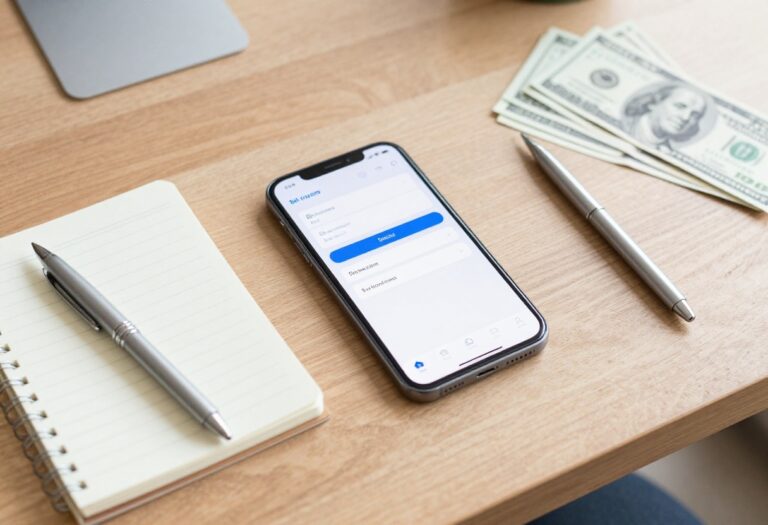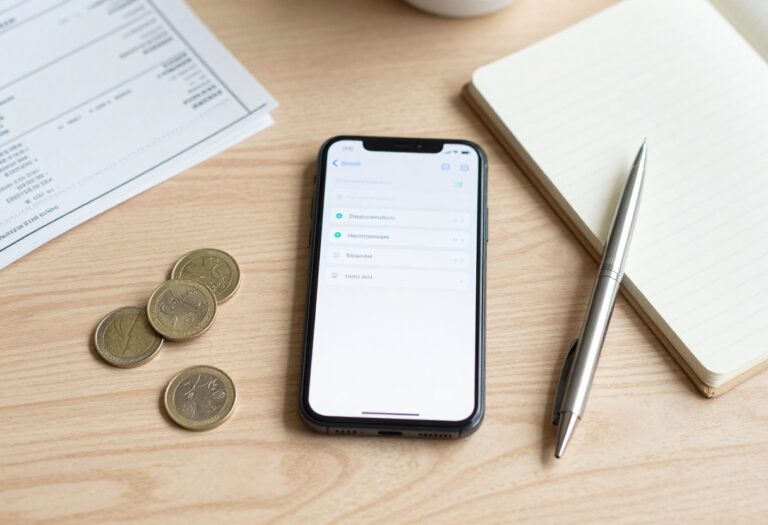
21 Budget Planner Ideas to Keep Your Money Organized
Last updated on May 5th, 2026 at 03:43 pm
You've probably tried a budget before, only to abandon it by the second week. It's not your fault—most methods feel rigid and unrealistic. But the right planner can turn chaos into clarity.
Imagine knowing exactly where every dollar goes without obsessing over spreadsheets. That's the goal here: find a system that works for your real life, not a fantasy version of it. These 21 ideas range from classic cash envelopes to modern apps.
Pick one, test it for a month, and adjust as needed. Your money should serve you, not the other way around.
Free PDF Download
Get the Free Budget Binder Starter Pack
Download simple printable budget sheets to plan your monthly money, track expenses, organize bills, and start building better money habits without feeling overwhelmed.
You’ll get this free PDF plus access to the full Marketerna Save More & Earn More PDF Kit. No spam. Unsubscribe anytime.
1. The Classic Envelope System

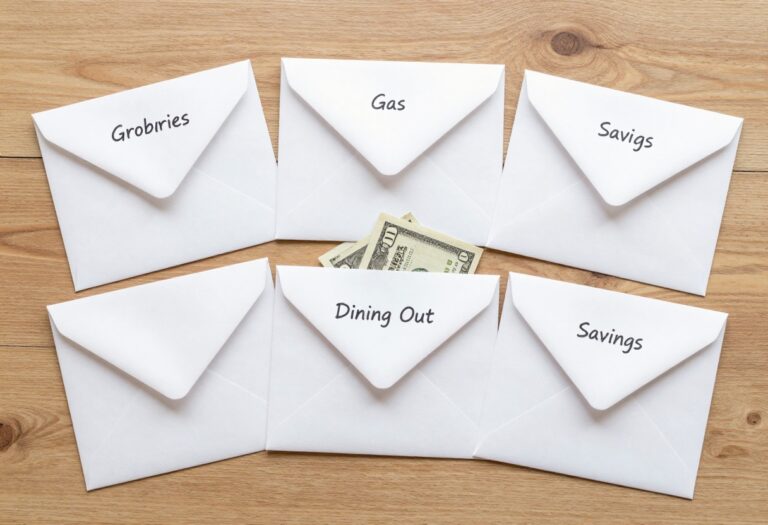
Sometimes the oldest tricks are the best. The envelope system is a cash-only method that forces you to see exactly how much you have left for each category. It's simple, tactile, and brutally honest.
Label envelopes for spending categories like groceries, gas, and entertainment. Withdraw cash for each and only spend from the designated envelope. When it's empty, you're done until next month.
Why It Works
Plastic money is abstract; cash is real. Handing over physical bills makes you feel the transaction. The envelope system also eliminates overspending because once the cash is gone, there's no backup.
How To Start
List your variable expenses from last month. Pick 3-5 categories to start. Withdraw the budgeted amount in cash and label envelopes.
Keep them in a secure place and only take the one you need.
Pro Tips
Use a separate envelope for "miscellaneous" to catch small unplanned buys. Leftover cash can roll over or go into savings. If you hate carrying cash, try a digital version with apps like Goodbudget.
2. Zero-Based Budgeting with a Twist
Zero-based budgeting sounds intense—assigning every single dollar a job until your income minus expenses equals zero. But it's actually liberating. You're not restricting; you're directing.
The twist? Add a 'fun money' category so you don't feel like a monk.
Grab a notebook or a simple template. List your income, then list every expense category—bills, groceries, savings, debt, and yes, fun money. Allocate dollars until nothing's left.
That fun money is guilt-free: spend it on coffee, movies, or whatever brings you joy. It prevents burnout and keeps you consistent.
Why Zero-based Works
Every dollar has a purpose, so you're less likely to overspend. You see exactly where your money goes. The fun money category makes it sustainable—you're not depriving yourself, just planning your treats.
How To Set It Up
Start with your monthly income. Subtract fixed costs (rent, utilities). Then allocate variable expenses (groceries, gas).
Finally, assign savings and debt payments. Whatever's left becomes your fun money. Adjust as you go.
Tools To Try
Use a simple spreadsheet, a printable template, or an app like EveryDollar. The key is tracking every dollar. Keep it low-tech if that's easier—a notebook works fine.
Free PDF Download
Get the Free Budget Binder Starter Pack
Download simple printable budget sheets to plan your monthly money, track expenses, organize bills, and start building better money habits without feeling overwhelmed.
You’ll get this free PDF plus access to the full Marketerna Save More & Earn More PDF Kit. No spam. Unsubscribe anytime.
3. The 50/30/20 Rule on Autopilot
The 50/30/20 rule is a classic for a reason: it's dead simple. You split your after-tax income into three buckets—50% for needs, 30% for wants, and 20% for savings. No complicated categories, no tracking every penny.
The magic happens when you automate the whole thing so your budget runs itself. Set it up once, and your money flows where it should without daily decisions.
This method works best for beginners because it's forgiving. You don't need to obsess over whether that coffee is a need or a want—just keep the big picture in mind. The key is making the percentages realistic for your situation.
If rent eats up more than 50% of your income, adjust the rule to fit your life. The goal isn't perfection; it's progress.
Set Up Automatic Transfers
Open separate accounts for needs, wants, and savings. Then schedule automatic transfers on payday. Your needs account covers rent, utilities, and groceries.
Your wants account handles dining out and hobbies. Your savings account is untouchable. Once the money moves, you're free to spend the rest without guilt.
Track Only The Big Categories
You don't need a detailed budget spreadsheet. Just check once a month that your spending aligns with the 50/30/20 split. If you overspend on wants one month, dial back the next.
This flexibility is what makes the rule stick—no micromanaging required.
Adjust Percentages As Life Changes
The 50/30/20 rule isn't set in stone. When you get a raise, you might shift more toward savings. If you're paying off debt, consider a 50/20/30 split.
The beauty is that you can tweak the numbers without overhauling your entire system.
4. Digital Envelope Budgeting with Apps
If the idea of stuffing cash into envelopes feels outdated or inconvenient, digital envelope apps bring the same concept into the 21st century. Apps like YNAB (You Need A Budget) and Goodbudget let you create virtual envelopes for categories like groceries, dining out, and entertainment. They sync across your phone and computer, track spending in real time, and adjust balances as you go.
No more carrying wads of cash or losing track of what's left.
Digital envelope budgeting combines the psychological benefits of physical envelopes with modern convenience. You allocate your income into virtual categories, and once an envelope is empty, you stop spending in that category. The app does the math, sends alerts, and helps you stay accountable without the hassle.
How It Works
You start by setting up envelopes for each spending category. When you get paid, you assign money to those envelopes based on your budget. Every time you make a purchase, you log it in the app, which deducts from the appropriate envelope.
The app shows your remaining balance instantly, so you always know where you stand.
Why It Works So Well
Digital envelopes force you to make trade-offs. If you overspend on takeout, that envelope goes negative, and you have to pull from another category. This real-time feedback makes you think twice before impulse buys.
Plus, syncing across devices means you and your partner can both track spending without sharing a physical envelope.
Best Apps To Try
YNAB is the gold standard for proactive budgeting—it encourages you to give every dollar a job. Goodbudget is simpler and free for up to 10 envelopes. Both offer mobile apps, web access, and automatic bank syncing.
Pick the one that matches your comfort level with technology.
Free PDF Download
Get the Free Budget Binder Starter Pack
Download simple printable budget sheets to plan your monthly money, track expenses, organize bills, and start building better money habits without feeling overwhelmed.
You’ll get this free PDF plus access to the full Marketerna Save More & Earn More PDF Kit. No spam. Unsubscribe anytime.
5. The 'Pay Yourself First' Method
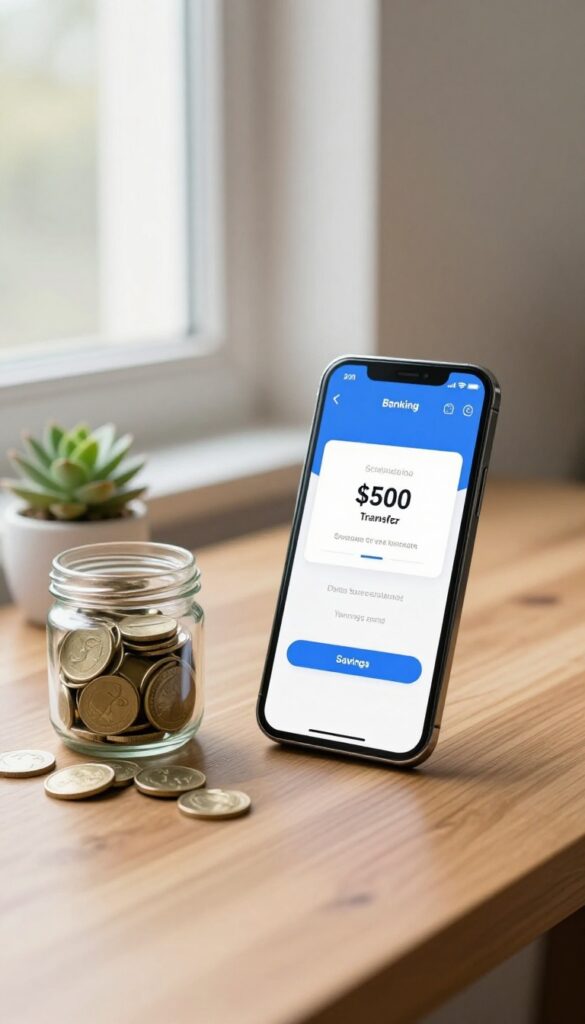
Most budgets treat savings as an afterthought—whatever's left at the end of the month gets tucked away. But that leftover rarely exists. Flip the script by paying yourself first: before rent, before Netflix, before anything else, a fixed chunk of your income goes straight to savings or investments.
Then you live on whatever remains. It's a small mindset shift that turns saving from a hope into a habit.
The 'pay yourself first' method flips traditional budgeting on its head. Instead of tracking every expense and hoping something's left for savings, you automate a transfer to savings the moment your paycheck hits. This forces you to live on less, which is surprisingly easy once you adjust.
It works because it removes willpower from the equation—you never see the money, so you never miss it.
Pick Your Percentage
Start with a number that feels doable but slightly uncomfortable. Ten percent is the classic recommendation, but even 5% makes a difference. The key is consistency—set it and forget it.
If you're worried about covering bills, begin small and increase by 1% each month until you find your sweet spot.
Automate Everything
Set up an automatic transfer from your checking to a separate savings or investment account on payday. No manual moves, no excuses. Most banks let you schedule recurring transfers in minutes.
Out of sight, out of mind—your future self will thank you.
Live On The Rest
This is the real challenge: your remaining money has to cover all your expenses. If it doesn't, you have two choices—cut costs or increase income. The beauty is that you're forced to prioritize.
Suddenly, that daily latte or unused subscription becomes an obvious target. You'll be amazed how quickly you adapt.
6. A Bullet Journal Budget Spread
If you're the type who loves a bit of creativity with your finances, a bullet journal budget spread might be your perfect match. It combines the flexibility of bullet journaling with the structure of budgeting, letting you design a system that's as unique as your spending habits. You get to track income, expenses, and savings goals in a way that feels more like a hobby than a chore.
Start by setting up a monthly spread. Divide a page into sections for income, fixed expenses, variable expenses, and savings goals. Use a simple layout with columns or boxes, and leave room for trackers—like a habit tracker for daily spending or a progress bar for your savings target.
Add doodles, stickers, or color coding to make it visually appealing. The key is to keep it simple enough that you'll actually use it, but creative enough that you look forward to updating it.
Monthly Overview Layout
Create a master page for each month. List all income sources at the top, then divide the rest into categories like rent, groceries, utilities, and entertainment. Use a running total column so you can see at a glance how much you've spent versus your budget.
Add a small section for notes or reflections at the bottom.
Trackers And Visuals
Incorporate trackers to monitor habits like eating out or saving. A simple grid with checkboxes or a color-coded bar chart can show progress. Doodles or icons (like a coffee cup for coffee spending) make it fun and personal.
You can also add a mood tracker to see how your financial stress correlates with spending.
Weekly Breakdowns
For more detail, add a weekly spread inside your monthly layout. Each week gets a page where you log daily expenses and compare them to your weekly budget. This helps catch overspending early.
Use mini charts or graphs to visualize trends, like a line graph for daily spending.
7. The Reverse Budget (Save First, Spend Later)
Most budgets treat savings as an afterthought—whatever's left at the end of the month gets tucked away. But what if you flipped that around? The reverse budget does exactly that: you decide on a savings goal first, then subtract it from your income.
Whatever remains is yours to spend freely. No need to track every coffee or categorize every grocery run. As long as you hit your savings target, the rest is guilt-free.
This method is perfect if you hate micromanaging expenses but still want to build a solid financial cushion.
The reverse budget is incredibly simple. Start by figuring out how much you want to save each month—maybe 20% of your income or a specific dollar amount. Then, set up an automatic transfer to your savings account on payday.
Whatever is left in your checking account is your spending money. You can use it on bills, groceries, entertainment, or anything else without worrying if you're overspending. The only rule: don't touch the savings.
This approach works well for people with consistent income and a good handle on their fixed expenses. It's also a great way to prioritize your future self without the daily grind of tracking.
Why It Works
The reverse budget removes the friction of traditional budgeting. You don't need to log every transaction or feel guilty about small purchases. By automating savings, you pay yourself first and build wealth effortlessly.
Plus, it reduces decision fatigue—once your savings are set, you have full permission to spend the rest however you like.
Who Should Try It
This method is ideal if your income is relatively stable and your fixed costs don't fluctuate wildly. It's also great for people who've struggled with detailed budgets in the past. If you're a natural spender who hates restrictions, the reverse budget gives you freedom while still ensuring you save.
Just make sure your savings goal is realistic—too high, and you might dip into it.
How To Get Started
First, pick a savings target. A good starting point is 10–20% of your after-tax income. Then, set up an automatic transfer to a separate savings account on the day you get paid.
Review your fixed expenses to make sure the remaining money covers them. If not, adjust your savings goal. That's it—no apps, no categories, no stress.
8. Bi-Weekly Check-In System
Tracking every single purchase can feel like a part-time job. If you're tired of micromanaging every dollar, the bi-weekly check-in system offers a refreshing middle ground. You stay accountable without obsessing over daily transactions.
Instead of checking your budget every day, set aside 15 minutes twice a month to review your spending. This aligns perfectly with most pay schedules, making it easy to adjust categories before the next paycheck arrives.
Why It Works
Daily tracking often leads to burnout. A bi-weekly rhythm gives you enough data to spot trends without feeling overwhelmed. You can catch overspending early and reallocate funds while they're still available.
How To Set It Up
Mark two dates on your calendar—right after each paycheck hits. Use a simple spreadsheet or a budgeting app that lets you view spending by period. During each check-in, compare actual spending to your plan and tweak categories for the next two weeks.
Tips For Success
Keep receipts or use a transaction tracker between check-ins so you don't forget expenses. Be honest with yourself about what needs adjusting. If you consistently overspend on dining out, consider lowering that category and increasing a necessity one.
9. The Cash-Only Challenge Month

Ready for a financial reality check? Try going cash-only for 30 days. Withdraw a set amount for all your discretionary spending—things like eating out, entertainment, and shopping—and leave your debit and credit cards at home.
This isn't about deprivation; it's about waking up to where your money actually goes. When you hand over physical bills, each purchase feels more real, and you'll think twice before spending.
How To Set It Up
First, look at last month's spending to estimate a realistic cash allowance for non-essentials. Withdraw that amount in small bills and divide it into weekly envelopes if that helps. Then stash your cards somewhere inconvenient—like a drawer at home or with a trusted friend.
The key is to make it harder to cheat.
What You'll Learn
Within a week, you'll notice patterns: that daily coffee run, the impulse snack, the unplanned takeout. Without plastic, you become hyper-aware of every dollar leaving your hand. Many people discover they spend way less on things they don't really need, and they start finding free or cheaper alternatives.
Tips For Success
Keep a small emergency backup card for true emergencies only—like a car breakdown or medical need. Let friends and family know you're doing the challenge so they can support you. And don't beat yourself up if you slip; just reset the next day.
The goal is awareness, not perfection.
10. Spreadsheet Budget with Conditional Formatting
If you're comfortable with Excel or Google Sheets, this method turns your budget into a live dashboard. Conditional formatting automatically color-codes your spending: green when you're under budget, red when you're over. It's visual, instant, and totally customizable—no special software needed.
Start by listing your income categories and expense categories in columns. Set a budget amount for each. Then, use conditional formatting rules to highlight cells based on whether your actual spending is under or over the target.
Add simple SUM formulas to auto-calculate totals, so you always know your bottom line. The beauty is that you can tweak it endlessly—add charts, separate tabs for each month, or notes for irregular expenses.
Setting Up Your Spreadsheet
Open a new sheet and create columns for Date, Category, Budgeted Amount, Actual Amount, and Difference. Use formulas like =SUMIF to total spending by category. Then apply conditional formatting: select the Difference column, go to Format > Conditional formatting, and set rules like "if cell value is less than 0, fill red" and "if greater than 0, fill green.
"
Making It Work For You
Customize categories to match your life—groceries, dining out, subscriptions, etc. Add a row for total income and total expenses so you can see your net at a glance. You can also create a dashboard sheet with pie charts or bar graphs to visualize where your money goes.
Update it weekly to stay on top of things without daily hassle.
Pro Tips For Consistency
Set a recurring reminder on your phone to update the sheet every Sunday. Use dropdown menus for categories to keep entries consistent. If you share finances with a partner, make a copy for each of you and merge later.
And don't forget to password-protect the sheet if it's sensitive.
11. The 'No-Spend Days' Tracker
Some of the best budget tricks feel more like a game than a chore. The no-spend days challenge turns saving into a fun, visual competition with yourself. Pick a target—say, 10 days a month where you buy absolutely nothing—and mark each win on a calendar.
It's surprisingly addictive.
The idea is simple: choose a number of days per month to spend zero money. No coffee runs, no takeout, no online shopping. Track each successful day with a sticker or a bold X.
Over time, you'll see patterns in your impulse spending and naturally cut back. It's a low-pressure way to build awareness without overhauling your whole budget.
How To Set Your Target
Start small. If you're new to this, aim for 5 no-spend days in your first month. Then bump it up to 10 or 15.
The key is to pick a number that challenges you but doesn't feel impossible. You can even tie it to a reward—like a small treat after hitting your goal.
Tracking Made Fun
Use a physical calendar or a habit tracker app. Color-code your days: green for no-spend, yellow for planned essentials, red for unplanned buys. Watching that green streak grow is motivating.
Some people even share their progress on social media to stay accountable.
What Counts As A No-spend Day?
Define your own rules. Typically, bills and pre-planned expenses like rent or groceries don't count. The goal is to eliminate discretionary spending.
So no takeout, no new clothes, no streaming rentals. But paying for a necessary prescription? That's fine.
The idea is to curb impulse buys, not essential needs.
12. Sinking Funds for Irregular Expenses
Annual bills have a way of sneaking up on you. Car insurance, holiday gifts, vet visits—they arrive like clockwork, yet somehow always feel unexpected. A sinking fund turns those surprise expenses into manageable monthly contributions, so you're never scrambling for cash.
A sinking fund is simply a savings account you set aside for a specific irregular expense. You figure out how much you'll need, divide by the number of months until the bill is due, and transfer that amount each month. When the bill arrives, the money is already there.
No stress, no credit card debt.
Pick Your Categories
Start with the biggest or most predictable irregular expenses. Car insurance, property taxes, annual subscriptions, holiday shopping, and vet bills are common ones. List them all out, then prioritize the ones that would hurt most if you didn't have the cash.
Set Up Separate Pots
Use a high-yield savings account with sub-accounts, or an app like Qapital or YNAB that lets you create sinking fund categories. Label each pot clearly so you know exactly what the money is for. Automate a monthly transfer from your checking account to each fund.
Calculate Your Monthly Amount
For each expense, divide the total annual cost by 12 (or by the number of months until it's due). For example, if car insurance is $1, 200 a year, you'd save $100 each month. If a holiday trip is $600 and you start six months early, save $100 per month.
Adjust as needed.
13. The 1% Rule for Incremental Savings

Saving more money sounds great until you try to cut your spending by a big chunk. That's where the 1% rule comes in—it's a gentle nudge, not a drastic overhaul. Each month, you increase your savings rate by just 1% of your income.
It's so small you barely notice it, but over a year, you'll be saving 12% more without ever feeling deprived. This approach turns saving into a gradual habit, not a painful sacrifice.
The beauty of the 1% rule is its simplicity. You don't have to overhaul your budget or give up your morning latte. Instead, you make tiny adjustments that add up over time.
For example, if you earn $4, 000 a month, a 1% increase means saving an extra $40. That's doable, right? Next month, another $40, and so on.
Before you know it, you've built a solid savings habit without the struggle.
How To Start The 1% Rule Today
First, figure out your current savings rate. Divide what you save each month by your take-home pay. If you're saving 5%, your goal for next month is 6%.
Set up an automatic transfer to your savings account for that extra 1% on payday. That way, you won't have to think about it. The key is to automate the increase so you adjust before you can spend that money.
Where To Find That Extra 1%
You can trim a small expense or redirect a windfall. Maybe skip one takeout meal, cancel a subscription you rarely use, or put a few dollars from a side gig into savings. The amount is small enough that you can usually find it without stress.
Over time, these tiny cuts become second nature.
Why It Works Long-term
The gradual increase prevents the shock of a big savings goal. Your brain adapts to the new normal each month, so you don't feel like you're missing out. Plus, as your income grows, the 1% increase becomes even easier.
This method builds momentum without the burnout that comes with drastic cuts.
14. Visual Vision Board Budget
Numbers alone can feel cold. When you're staring at a spreadsheet, it's easy to forget why you're saving in the first place. A visual vision board budget bridges that gap by putting your dreams front and center.
Grab a section of your planner or a blank page. Paste or draw pictures of what you're saving for—a down payment on a house, a trip to Japan, a new car. Next to each image, write the monthly amount you need to set aside.
Every time you open your planner, you see your goals and the cost to reach them. It turns budgeting from a chore into a daily reminder of what you're working toward.
How To Set It Up
Start with one big goal. Find a photo online or cut one from a magazine. Glue it onto a dedicated page in your planner.
Below, write the total cost and your target date. Divide that by the number of months until then—that's your monthly savings number.
Keep It Fresh
Swap out images as goals change or get achieved. If you pay off a credit card, replace that picture with a new goal. This keeps your board evolving with your life.
Pair It With A Tracker
Add a simple progress bar or checklist next to each image. Color in a square every time you hit your monthly savings target. Seeing the bar fill up is surprisingly satisfying.
15. The 'Budget Date Night' Couple System
Money is one of the top reasons couples argue, but it doesn't have to be. Turn financial planning into a weekly ritual that feels more like connection than chore. By setting aside one evening per week to review your finances together, you build transparency and teamwork.
Plus, you'll catch small issues before they become big problems.
Pick Your Night And Stick To It
Choose a consistent evening—Sunday after dinner or Wednesday after work—and treat it like a real date. No phones, no TV, just the two of you and your budget. Use a shared spreadsheet or a couple-friendly app like Honeydue or YNAB.
The key is making it a non-negotiable habit.
Make It Enjoyable, Not Painful
Set the mood with coffee, tea, or a glass of wine. Start by reviewing wins—like staying under budget on groceries—before tackling any overspending. Keep the conversation focused on goals, not blame.
When both partners feel heard, budgeting becomes a team sport.
End With A Shared Win
Wrap up by deciding on one small financial action for the week ahead—maybe packing lunch three times or skipping one subscription. Celebrate progress, even tiny steps. Over time, these weekly check-ins build trust and reduce money fights significantly.
16. Minimalist Index Card Budget
Sometimes the simplest tools cut through the noise best. An index card fits in your wallet, has zero setup time, and forces you to focus on what actually matters. No apps, no spreadsheets, no overwhelm.
Grab a single index card and write your top three spending categories—the ones that eat up most of your income. Next to each, jot down a monthly limit. That's it.
Keep the card where you can see it every time you open your wallet. When you're about to spend, the card reminds you: "Is this in my top three? " If not, you probably don't need it.
This method works because it cuts the noise. You're not tracking every coffee or subscription; you're protecting the big three. Everything else falls into place naturally.
Pick Your Big Three
Your top three categories are the ones that drain your wallet fastest—likely housing, food, and transportation. Or maybe it's dining out, shopping, and subscriptions. Be honest about where your money actually goes, not where you wish it went.
Write them down in order of impact.
Set Realistic Limits
Don't guess. Look at last month's bank statements to see what you actually spent in each category. Then set a limit that's slightly lower but still doable.
For example, if you spent $600 on groceries, try $550. Write that number on the card. No rounding, no fudging.
The Wallet Test
Every time you reach for your wallet, you see the card. It's a gentle nudge, not a lecture. Before a non-essential purchase, ask: "Is this in my top three?
" If yes, does it fit within the limit? If no, skip it. This simple check builds awareness without a complicated system.
17. The 'Enough' Budget (Anti-Scarcity Approach)
Most budgets are built on scarcity—cut here, slash there, feel guilty about every latte. But what if you flipped the script? Instead of asking "How little can I spend?
" ask "What's enough for me to feel good? " This is the core of the Enough Budget, a mindset shift that replaces deprivation with intention. You define what "enough" looks like for each category: enough for groceries, enough for fun, enough for savings.
Then you allocate exactly that amount. No more, no less. This approach reduces guilt and makes your budget feel sustainable, not punishing.
Here's how it works: review your past spending and identify the amount that genuinely meets your needs without excess. For example, if you usually spend $600 on groceries but feel you could comfortably eat well on $500, that's your "enough" number. Same for entertainment—maybe $100 a month is enough to enjoy a couple dinners out without overspending.
The key is to be honest, not extreme.
How To Find Your 'enough' Number
Look at your bank statements for the last three months. For each category, note the lowest amount that still made you feel satisfied, not deprived. That's your baseline.
Adjust slightly upward if needed—this isn't about squeezing every penny, but about finding a comfortable middle ground.
Why It Works Better Than Cutting
When you cut everything to the bone, you're setting yourself up for a binge. The Enough Budget acknowledges that you have needs and wants, and it gives you permission to meet them—within reason. This reduces the psychological backlash that often derails strict budgets.
A Simple Way To Track It
Use a planner or app with category envelopes. Label each envelope with your "enough" amount. Spend from that envelope until it's empty.
If you run out, pause and reflect: was that truly enough, or do you need to adjust the number next month? This builds self-awareness without shame.
18. Automated Bill Pay with Calendar Alerts
Let your bank handle the boring stuff while you stay in the loop without the stress. Setting up automatic payments for fixed bills—like rent, utilities, and subscriptions—removes the risk of forgetting a due date. Pair that with calendar alerts, and you'll never be surprised by a withdrawal again.
Then you only need to manage variable spending, which is where your real attention should go.
This combo cuts down mental clutter and late fees. You get the peace of mind that essentials are covered, plus a clear picture of what's left for flexible expenses. It's a low-effort way to keep your budget on autopilot without losing control.
Which Bills To Automate
Start with bills that are the same amount every month: rent, mortgage, car payment, insurance, streaming services. Avoid automating variable bills like credit cards or utilities unless you're okay with potential overdrafts. A good rule is if the amount fluctuates, pay it manually after checking your balance.
Setting Up Calendar Alerts
Add due dates to your digital calendar—Google Calendar, Apple Calendar, or any app you check daily. Set two reminders: one a week before (to ensure funds are available) and one on the day of payment. Use a label like "Auto-Pay" so you know it's automated.
This way you're aware without needing to micromanage.
Tracking Only The Variable Stuff
Once fixed bills are on autopilot, focus your energy on groceries, dining out, entertainment, and other flexible spending. Use a budgeting app or a simple spreadsheet to monitor these categories. You'll have fewer transactions to review, making it easier to spot overspending early.
19. The 'One Number' Dashboard
Most budget systems drown you in details—tracking every coffee, categorizing every line item. That works for some, but if you've ever felt overwhelmed by spreadsheets, there's a simpler way. The 'One Number' Dashboard strips it all down to a single metric: your net worth.
By tracking just this one number each month, you bypass the noise and focus on what really matters: are you building wealth or not?
This approach is perfect for people who want to stay financially aware without obsessing over daily fluctuations. You check in monthly, see your net worth trend, and make big-picture decisions. No guilt over a restaurant meal, no stress about a stock market dip—just a clear signal of your long-term direction.
Why Net Worth Works
Net worth is the ultimate scorecard: everything you own minus everything you owe. It automatically accounts for debt paydown, investment growth, and savings. When you only watch this number, you stop sweating the small stuff and start making moves that actually move the needle—like paying off high-interest debt or increasing your 401(k) contribution.
How To Set It Up
You don't need fancy software. A simple spreadsheet or a free app like Personal Capital works. List all your assets (cash, investments, home equity) and liabilities (credit cards, loans, mortgage).
Update once a month—same day each month—and plot the number. That's it. No daily entries, no categories.
What To Do With The Trend
Focus on direction, not the exact number. If net worth goes up three months in a row, you're on track. If it dips, investigate: did you take on new debt?
Did an investment drop? Use the insight to adjust your saving or spending habits. Over time, you'll see the power of compound growth without micromanaging.
20. Seasonal Budget Reset
Life shifts with the seasons, and your budget should too. A once-a-year budget quickly becomes outdated when summer travel spikes or winter heating bills arrive. That's why a seasonal reset every three months keeps your money plan aligned with reality, not wishful thinking.
A seasonal budget reset prevents the drift that happens when your spending changes but your budget doesn't. It's a simple check-in to adjust fixed categories, reallocate discretionary funds, and plan for upcoming seasonal expenses. This keeps your budget flexible and accurate year-round.
What To Review Each Season
Start by looking at your spending from the previous three months. Compare it to your budget and note where you went over or under. Then think about the next season: higher utility bills in winter, more dining out in summer, back-to-school costs in fall.
Adjust your category limits accordingly.
How To Make The Reset Stick
Schedule a 30-minute appointment with yourself on the calendar for the first week of each season. Use that time to update your budget app or spreadsheet. Pair it with something enjoyable—a coffee or a podcast—so it feels like a treat, not a chore.
Common Seasonal Adjustments
Winter: bump up heating and clothing. Spring: add gardening and home maintenance. Summer: increase travel and entertainment.
Fall: prepare for holidays and school supplies. Also consider irregular expenses like car registration or insurance that may fall in a specific quarter.
21. The 'Fun First' Budget
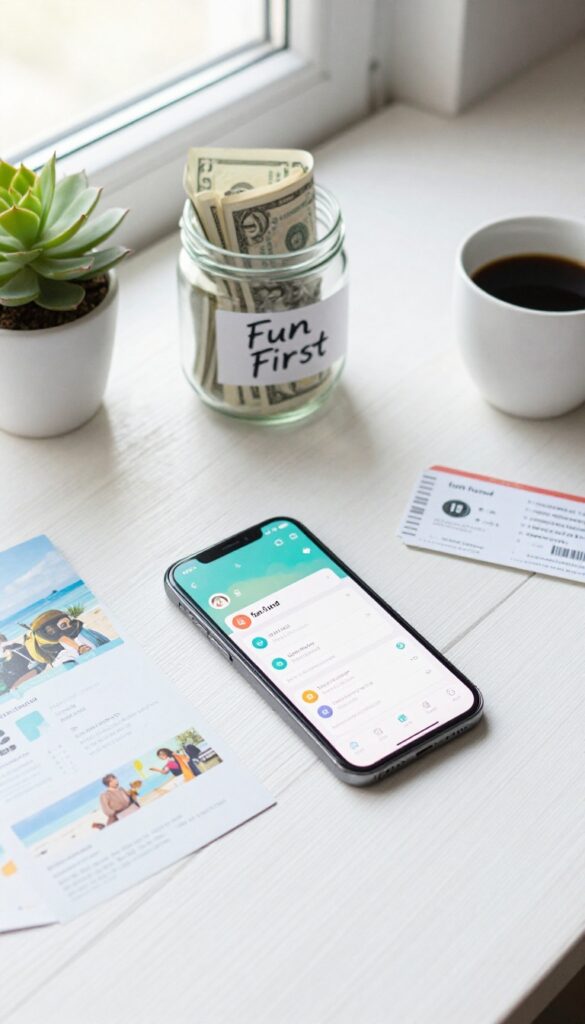
Flip the script on traditional budgeting by prioritizing fun. Most budgets start with bills and savings, leaving whatever's left for enjoyment—often nothing. The 'Fun First' method reverses that: allocate a guilt-free fun category at the top.
Sounds backwards, but it prevents deprivation and makes sticking to the budget easier.
By funding fun first, you ensure your budget includes joy, not just obligations. This approach reduces the urge to splurge impulsively because you've already given yourself permission to enjoy. It's a psychological shift that turns budgeting from a chore into a tool for a balanced life.
Why It Works
Traditional budgets feel restrictive, leading to burnout. When you set aside money for fun first, you remove the scarcity mindset. You're not denying yourself; you're planning for enjoyment.
This makes it easier to stick to spending limits elsewhere because you know your fun is covered.
How To Set It Up
Decide on a fun percentage—say 10-20% of your income. Automatically transfer that amount to a separate 'fun' account or envelope. Then budget your essentials (rent, groceries, bills) with the remaining money.
Adjust the percentage until it feels sustainable but still enjoyable.
What Counts As Fun
Define fun broadly: dining out, hobbies, travel, streaming services, or even a guilt-free coffee. The key is that it's money you can spend without second-guessing. If you don't use it all, roll it over or save for a bigger treat.
No guilt, no shame.
FAQ
What is the easiest budget planner for beginners?
The 50/30/20 rule is the simplest. You only need to split your after-tax income into three buckets: needs (50%), wants (30%), and savings (20%). Automate transfers and you're set.
How often should I update my budget planner?
At minimum, review your budget monthly. If you're using a digital app, a weekly check-in helps catch overspending early. Adjust as your income or expenses change.
Can I use a budget planner if I have irregular income?
Yes. Base your budget on your lowest-earning month, or use a 'pay yourself first' method where you save a percentage of each payment as it comes in.
What's the best free budget planner app?
Goodbudget is excellent for envelope budgeting and is free for up to 10 envelopes. Mint is also free and automatically syncs with your bank accounts for tracking.
How do I stick to a budget long-term?
Choose a method that fits your personality, not one that feels like punishment. Build in fun money, review your 'why' regularly, and allow flexibility. Consistency beats perfection.
Conclusion
No single budget planner works for everyone. The key is to experiment until you find a system that feels natural, not like a chore. Start with one idea from this list and commit to it for 30 days.
After that month, reflect on what worked and what didn't.
Tweak your approach, or try a completely different method. The goal isn't a perfect budget—it's a better relationship with your money. Remember, the best budget is the one you actually use.
So pick an idea, give it a shot, and watch your financial confidence grow.
Free PDF Download
Get the Free Budget Binder Starter Pack
Download simple printable budget sheets to plan your monthly money, track expenses, organize bills, and start building better money habits without feeling overwhelmed.
You’ll get this free PDF plus access to the full Marketerna Save More & Earn More PDF Kit. No spam. Unsubscribe anytime.