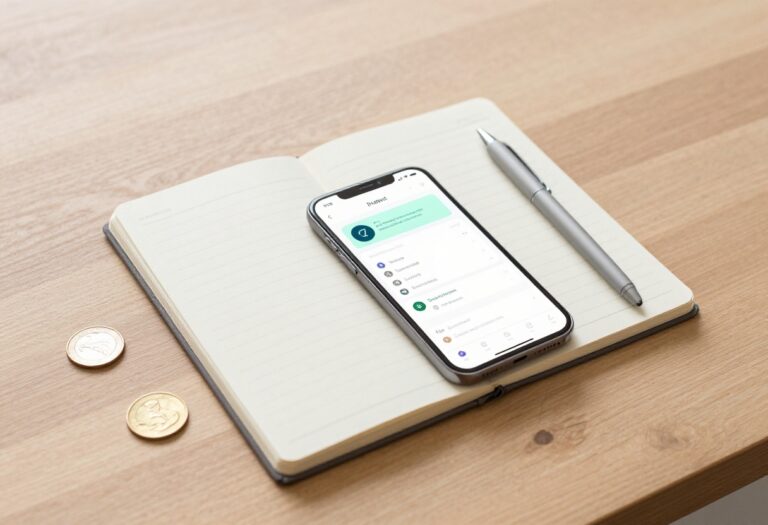
21 Family Budget Tips for a More Organized Month
Last updated on May 5th, 2026 at 03:43 pm
Picture this: no more last-minute bill panic or wondering where the paycheck went. A well-organized budget can turn financial chaos into calm, giving your family breathing room. It's not about restriction—it's about making your money work for you.
These 21 tips are designed to simplify your monthly routine, cut waste, and free up cash for what matters most. You don't need a finance degree, just a willingness to try a few new habits.
Ready to take control? Let's dive into practical steps that will make your next month your most organized yet.

Free PDF Download
Get the Free Budget Binder Starter Pack
Download simple printable budget sheets to plan your monthly money, track expenses, organize bills, and start building better money habits without feeling overwhelmed.
You’ll get this free PDF plus access to the full Marketerna Save More & Earn More PDF Kit. No spam. Unsubscribe anytime.
1. Start with a Family Money Meeting

Money talks don't have to be tense. In fact, when everyone's included, they can actually bring your family closer. A monthly family money meeting is your chance to get on the same page—reviewing what's coming in, what's going out, and what you're working toward together.
Set a recurring date, maybe the first Sunday of each month, and keep it short—30 minutes max. Start with wins (like sticking to the grocery budget) before tackling challenges. This builds trust and makes budgeting a team sport instead of a solo chore.
Who Should Attend
Include everyone old enough to understand basic numbers—usually age 8 and up. Younger kids can sit in for a few minutes to hear the positive parts. The goal is to normalize financial conversations, not to overwhelm anyone.
What To Cover
Review last month's income and expenses, celebrate progress, and adjust for the month ahead. Talk about upcoming irregular costs like birthdays or car repairs. End with one shared goal, like saving for a weekend trip or paying down debt faster.
Keep It Positive
Avoid blame or lectures. Frame the meeting as a planning session, not a performance review. Use simple language and visual aids like a whiteboard or a budgeting app projected on a tablet.
A little snack doesn't hurt either.
2. Use the Zero-Based Budget Method
If your budget feels more like a wish list than a plan, zero-based budgeting might be your answer. The idea is simple: assign every dollar a job until your income minus expenses equals zero. It forces you to account for every cent, leaving no room for mindless spending.
Zero-based budgeting turns your income into a tool, not a mystery. Instead of hoping you have enough left over, you decide ahead of time where every dollar goes—bills, savings, groceries, even fun money. By the end, your balance should be zero, meaning every dollar has a purpose.
Start With Your Income
List all sources of income for the month. This includes paychecks, side gigs, child support, or any regular cash flow. Your total income is the amount you'll allocate.
List Every Expense Category
Write down every possible spending category—rent, utilities, groceries, transportation, dining out, subscriptions, savings, debt payments, and even a small buffer for unexpected costs. Be thorough.
Assign Dollars Until You Hit Zero
Start allocating your income to each category until you've assigned every dollar. If you have money left after covering essentials, put it toward savings or debt. The goal is to end with a zero balance—not a penny unassigned.
Free PDF Download
Get the Free Budget Binder Starter Pack
Download simple printable budget sheets to plan your monthly money, track expenses, organize bills, and start building better money habits without feeling overwhelmed.
You’ll get this free PDF plus access to the full Marketerna Save More & Earn More PDF Kit. No spam. Unsubscribe anytime.
3. Automate Your Savings
Saving money is one of those things we all intend to do, but life gets in the way. By automating the process, you remove the temptation to spend and the effort of remembering. Set it once, and your savings grow on autopilot.
Automating your savings is like putting your financial future on cruise control. When the transfer happens right after payday, you're paying yourself first before bills or spending can eat into that money. It's a simple shift that makes a huge difference over time.
Pick The Right Account
Open a separate savings account that's not linked to your everyday debit card. This way, you won't accidentally dip into it. Look for one with no fees and a decent interest rate.
Online banks often offer better rates than traditional ones.
Set The Amount And Schedule
Decide on a specific amount—even $25 a week adds up. Schedule the transfer for the same day as your paycheck. Many employers can split your direct deposit, sending a portion straight to savings.
That's the ultimate set-and-forget method.
Start Small And Increase Gradually
If you're new to automated savings, start with an amount that feels painless. Then, every few months, bump it up by a small percentage. You'll barely notice the increase, but your savings will grow faster than you expect.
4. Track Every Expense for One Month
You might think you know where your money goes, but the truth often hides in plain sight. Small daily purchases—a coffee here, a snack there—add up fast. By tracking every single expense for just 30 days, you'll get a crystal-clear picture of your actual spending habits.
No more guessing, no more surprises.
Grab a notebook, a spreadsheet, or a budgeting app. For one month, record every dollar you spend, from the mortgage payment to that pack of gum at the checkout. At the end of the month, sort your expenses into categories like groceries, dining out, utilities, and entertainment.
You'll likely spot leaks you never noticed—like that subscription you forgot about or the frequent takeout that's eating your budget.
Choose Your Tracking Method
Pick whatever feels easiest to stick with. A simple notes app works, or you can use a dedicated budgeting app that syncs with your bank. The key is consistency—record expenses as they happen, not at the end of the week when you've forgotten half of them.
What To Look For
After a week, patterns will emerge. Notice which categories are higher than expected. Look for small, recurring expenses that don't bring much value.
These are often the easiest to cut or reduce without feeling deprived.
Review And Adjust
At month's end, sit down with your list. Compare it to your budget or income. Ask yourself: Which expenses surprised you?
Where can you trim? Use this data to set realistic spending limits for next month. Tracking is a one-time exercise, but the insights last.
Free PDF Download
Get the Free Budget Binder Starter Pack
Download simple printable budget sheets to plan your monthly money, track expenses, organize bills, and start building better money habits without feeling overwhelmed.
You’ll get this free PDF plus access to the full Marketerna Save More & Earn More PDF Kit. No spam. Unsubscribe anytime.
5. Create a Sinking Fund for Irregular Expenses

Irregular expenses—like car insurance, annual subscriptions, or holiday gifts—can wreck a budget if you're not ready. A sinking fund is simply a small monthly savings account for these predictable costs. Instead of scrambling when the bill arrives, you'll have the cash waiting.
It's one of the easiest ways to eliminate financial surprises.
Identify Your Irregulars
Start by listing all expenses that don't happen monthly. Think car registration, dental visits, birthday presents, and holiday travel. Look back at last year's bank statements to catch anything you forgot.
Even small items like annual app subscriptions add up.
Calculate Your Monthly Contribution
Add up the total annual cost of all irregular expenses, then divide by 12. That's your monthly sinking fund target. For example, if your total is $1, 200, you'll set aside $100 each month.
Automate this transfer to a separate savings account so you don't accidentally spend it.
Spend Guilt-free When The Bill Arrives
When that annual insurance premium or holiday shopping spree comes due, simply pull from your sinking fund. No stress, no last-minute cuts to your grocery budget. You've already planned for it, so enjoy the peace of mind that comes with being prepared.
6. Plan Your Meals Weekly
Ever notice how much takeout adds up? Meal planning is a simple way to slash your food bill and reduce stress. By deciding what you'll eat ahead of time, you avoid last-minute runs to the store or pricey delivery apps.
Plus, you'll waste less food—and that's money in your pocket.
Meal planning doesn't have to be complicated. Start with a quick inventory of what you already have, then build meals around those ingredients. Stick to a grocery list to avoid impulse buys.
Batch cooking on weekends can save time during the week, too.
Start With What You Have
Before you plan, check your pantry, fridge, and freezer. Use up items that are close to expiring. This cuts waste and saves you from buying duplicates.
Build A Simple Menu
Choose 4-5 dinners for the week. Keep it flexible—leftover nights are fine. Write down meals on a whiteboard or in a notes app so everyone knows the plan.
Shop With A List
Once your menu is set, make a grocery list and stick to it. Avoid shopping when hungry. This one habit can easily save $50 or more a month.
7. Use Cash Envelopes for Variable Categories
Plastic is easy to swipe and even easier to overspend. The cash envelope system brings a tactile, no-nonsense approach to your variable expenses. You decide how much goes into each envelope at the start of the month—groceries, dining out, entertainment—and once the cash is gone, that category is done.
No overdraft fees, no guilt, just a clean, visual limit.
Cash envelopes work because they make spending physical. When you see the stack shrinking, you naturally pause. It's a simple psychological trick that keeps you honest without needing an app or spreadsheet.
How To Set Up Your Envelopes
Label one envelope for each variable category. Withdraw the budgeted amount in cash and store envelopes in a secure spot. Carry only the envelope you need for that trip—leave the rest at home to avoid temptation.
What To Do With Leftover Cash
If you have money left at month's end, roll it into next month's envelope or put it toward a savings goal. Some families use leftovers for a small reward, like a pizza night, to stay motivated.
Handling Online Payments
For categories where cash isn't practical, use a prepaid debit card loaded with the envelope amount. Or keep a digital envelope in a separate checking account with no overdraft. The same rule applies: when it's gone, it's gone.
8. Review Subscriptions Quarterly
It's easy to sign up for a free trial or a new service and then forget about it. Before you know it, you're paying for a dozen subscriptions you barely use. A quarterly review helps you catch those sneaky charges and decide what's really worth keeping.
Set a reminder every three months to audit your subscriptions. Look at bank statements, app store purchases, and any recurring payments. Cancel anything you haven't used in the past month.
Those $5, $10, and $15 fees add up fast—you might free up $50 or more per month.
Where To Look
Check your credit card statements, PayPal, Apple/Google Play subscriptions, and any direct debits. Don't forget gym memberships, streaming services, meal kits, and software subscriptions.
What To Cut
If you haven't used it in 30 days, cancel it. For services you use occasionally, see if there's a cheaper pay-per-use option. Many subscriptions allow you to pause instead of cancel.
9. Set Up Bill Reminders or Auto-Pay
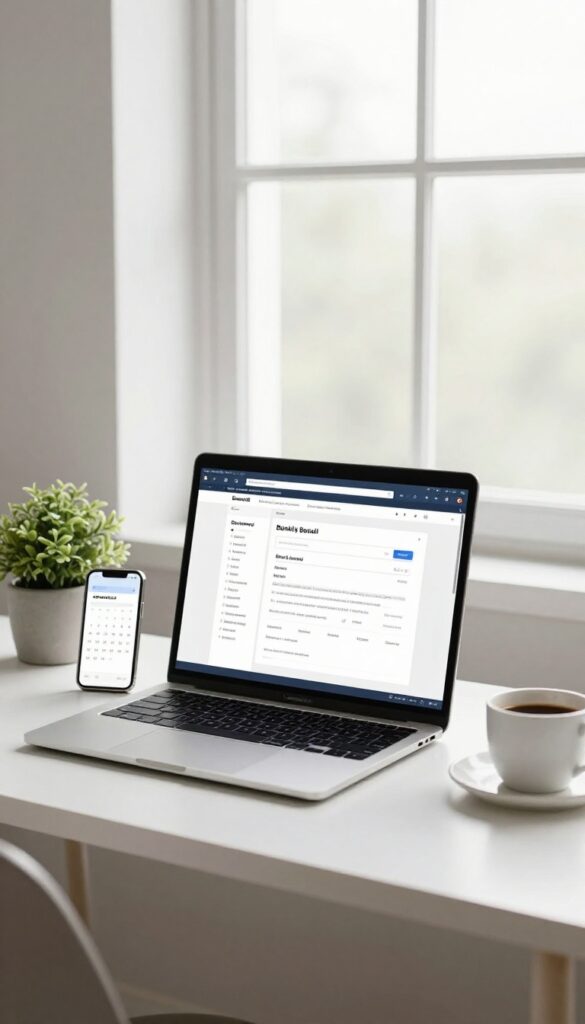
Late fees are a sneaky budget killer—one missed due date can cost you $30 or more. Automating your payments or setting simple reminders takes that risk off the table. It's a small upfront effort that saves time, stress, and money every single month.
Whether you choose auto-pay or calendar alerts, the goal is the same: never miss a payment again. Most banks and billers offer free reminder tools. Pick the method that fits your comfort level and watch late fees disappear.
Auto-pay: Set It And Forget It
Auto-pay is ideal for fixed bills like mortgage, car payments, or subscriptions. Link your checking account or credit card and schedule the payment a few days before the due date. Just keep enough funds in the account to avoid overdraft fees.
Reminder Alerts: Stay In The Loop
If you prefer more control, set up email or text reminders through your bank's bill pay service or a simple phone calendar. Choose a reminder 3–5 days before the due date so you have time to review and adjust if needed.
Bonus: Use A Bill Tracker App
Apps like Mint, Prism, or YNAB can track all your bills in one dashboard, send reminders, and even sync with your budget. They make it easy to see what's coming due and what's already paid.
10. Involve Kids in Age-Appropriate Ways
Getting kids involved in budgeting isn't just cute—it sets them up for a lifetime of smart money habits. When children understand where money comes from and where it goes, they appreciate it more and make better choices. Plus, it takes some pressure off you to explain every financial decision alone.
Start with simple, hands-on methods that match your child's age. For younger kids, use clear jars labeled "Save, " "Spend, " and "Give" so they can physically see money grow. For older kids and teens, introduce a small allowance tied to chores, then help them track it in a simple notebook or app.
The goal is to make money real and tangible, not abstract.
Start With Savings Jars
Three jars—Save, Spend, Give—work wonders for ages 4 to 10. Every time they get money, they split it among the jars. This teaches delayed gratification and generosity without a lecture.
Let them decide how much goes where, within reason.
Give An Allowance With Purpose
For kids 8 and up, tie allowance to specific tasks like making their bed or setting the table. Then sit down weekly to review how they spent or saved it. This builds a habit of tracking money and planning ahead.
Play Budgeting Games
Board games like Monopoly or The Game of Life teach spending and saving in a fun way. For teens, try a virtual budget simulation where they manage a mock paycheck. It's low-stakes learning that sticks.
11. Use a Budgeting App That Syncs
Tired of manually tracking every receipt and transaction? A budgeting app that automatically syncs with your bank accounts can save you hours each month. Apps like YNAB (You Need A Budget) or EveryDollar connect directly to your accounts, pulling in transactions in real time.
This means less data entry and more accurate tracking—so you can focus on the bigger picture.
Real-time Visibility
When your app syncs automatically, you see your spending as it happens. No more waiting for end-of-month statements or guessing how much you have left in a category. This real-time view helps you make smarter decisions on the fly, like whether to skip that coffee run or move money from dining out to groceries.
Less Manual Work, Fewer Mistakes
Manual entry is tedious and error-prone. Syncing apps categorize transactions for you, and you can tweak the rules over time. You'll catch duplicate charges or unauthorized purchases faster, too.
Less time spent on data entry means more time for your family.
Accountability For The Whole Family
Many budgeting apps allow multiple users, so both you and your partner can see the same numbers. You can set shared goals, track progress together, and avoid the “I thought you paid that” confusion. It's like having a neutral third party keeping everyone on the same page.
12. Implement a No-Spend Challenge Once a Month
A no-spend day or weekend might sound extreme, but it's one of the most eye-opening budget exercises you can do. The goal is simple: spend absolutely nothing for a set period. No coffee runs, no online shopping, no takeout.
Just you and what you already have. It resets your spending habits and shines a light on those little purchases that add up fast.
Pick Your Window
Start small—one day a month works great. Maybe a Saturday or Sunday when you're home anyway. If you're feeling bold, try a full weekend.
Mark it on the family calendar so everyone knows the plan.
Plan Ahead To Avoid Temptation
Stock the fridge, fill the gas tank, and grab any needed groceries the day before. Let friends know you're taking a spending break so they don't invite you out. Remove shopping apps from your phone for the day.
What You'll Learn
By day's end, you'll notice how often you reach for your wallet out of habit—not need. That $5 latte or impulse Amazon order suddenly feels less automatic. Many families discover they can easily cut one no-spend day per week, saving hundreds a month.
13. Negotiate Bills Annually

When was the last time you actually looked at your internet or insurance bill? If it's been more than a year, you're almost certainly overpaying. Companies raise rates quietly, hoping you won't notice.
But a single phone call can reverse that—and put hundreds back in your pocket.
Set a reminder once a year to review your biggest recurring bills: internet, cable, phone, insurance, and even streaming services. Call each provider and ask about current promotions or loyalty discounts. Be polite but firm—mention competitor offers if you have them.
Many companies have retention departments with authority to lower your rate on the spot. A 10-minute call can save you $200–$500 annually.
What To Say When You Call
Start with something like, 'I've been a loyal customer for X years, but my bill has gone up. Can you check for any discounts or promotions? ' If they push back, say you're considering switching. Often they'll transfer you to a retention specialist who can offer a better deal.
Which Bills To Target First
Focus on the big three: internet/cable, insurance (home and auto), and phone plans. These are the most negotiable. For insurance, get quotes from competitors first—then ask your current provider to match or beat them.
For phone plans, check if you're on an older, more expensive plan and ask to switch to a current one.
Automate The Process Next Year
After you've negotiated, set a calendar reminder for 11 months out. That way you'll catch the next rate increase before it hits. Some people even schedule calls during their lunch break—it's that quick.
You can also use apps that track your subscriptions and alert you to price changes.
14. Build a Small Emergency Fund First
Before you dive into detailed budgeting, stash away a small emergency fund. Aim for $1, 000 to cover unexpected repairs or medical costs. This simple buffer prevents debt spirals and gives you peace of mind.
Start by setting aside a small emergency fund of $1, 000. This covers minor surprises like a car repair or a doctor visit, so you don't have to rely on credit cards. Once you have that cushion, you can focus on other budget goals without fear.
Why $1,000 Works
Most unexpected expenses fall under $1, 000. A flat tire, a broken appliance, or a minor medical bill won't derail your budget. This amount is small enough to save quickly but big enough to make a difference.
How To Save It Fast
Cut back on non-essentials for a month or two. Sell unused items, pick up a side gig, or skip takeout. Even $50 a week adds up.
Automate transfers to a separate savings account to stay on track.
Keep It Separate
Don't mix your emergency fund with everyday spending. Open a high-yield savings account or a different bank. Out of sight, out of mind—and less temptation to dip into it.
15. Use the 24-Hour Rule for Non-Essentials
Impulse buys are budget killers. That shiny gadget or trendy outfit looks irresistible in the moment, but the urge often fades fast. The 24-hour rule gives you a cool-down period to separate want from need.
Before any non-essential purchase over $50, force yourself to wait a full day. Sleep on it. The next morning, ask: Do I still want this?
Will I use it? Can I afford it without sacrificing a priority? Most times, the answer is no.
This simple pause can save hundreds each month.
How To Make It Stick
Keep a running list of items you're considering. When you feel the urge, write it down with the price and date. Review the list weekly.
You'll be surprised how many items get crossed off without regret.
What Counts As Non-essential?
Anything that isn't a necessity: new clothes, electronics, home decor, takeout, subscription services. Groceries, gas, and medical needs are exempt. Be honest with yourself—if you can skip it for a day, it's not essential.
Team Up For Accountability
Share the rule with your partner or a friend. When you're tempted, text them first. They can talk you down or remind you of your bigger goals.
A little support goes a long way.
16. Batch Errands to Save Gas and Time
Running separate trips to the grocery store, bank, and pharmacy adds up fast—both in fuel costs and lost time. By grouping your errands into one efficient loop, you can cut down on driving and keep more money in your pocket. It's a simple shift that pays off immediately.
Plan Your Route
Before you head out, map your stops in a logical order. Start with the farthest location and work your way back home. This avoids backtracking and reduces mileage.
Apps like Google Maps can help you find the most fuel-efficient route.
Designate Errand Days
Pick one or two days a week for all your out-of-home tasks. For example, combine grocery shopping with a trip to the post office and library returns. Having set days prevents scattered trips and makes it easier to stick to a routine.
Keep A Running List
Use a shared family note on your phone to jot down errands as they come up. When the list fills up, it's time for a batch run. This way, you never forget a stop or make an extra trip for a forgotten item.
17. Host a Swap Party with Friends

Instead of hitting the stores, invite a few families over for a swap party. Everyone brings gently used clothes, books, or toys, and you trade freely. It's a fun social event that refreshes your home without spending a dime.
Swap parties turn decluttering into a celebration. Kids get excited about "new" toys, parents find clothes they forgot they needed, and everyone leaves with less clutter and more joy. Best of all, it costs nothing.
How To Organize One
Pick a date, invite 5–10 families, and ask each to bring items in good condition—clothes, books, toys, or even kitchen gadgets. Set up tables by category and let the swapping begin. Leftovers can be donated.
What To Swap
Focus on items your family has outgrown: kids' clothes, board games, puzzles, picture books, and sports equipment. You can also swap adult clothes, accessories, or home decor. Keep it simple and family-friendly.
Make It A Regular Thing
Host a swap party every season—spring, summer, fall, winter. It becomes a tradition that saves money, reduces waste, and strengthens community. Plus, you'll always have something "new" to enjoy.
18. Use Library Resources for Entertainment
Your local library is a goldmine of free entertainment that many families overlook. Beyond books, libraries offer movies, audiobooks, magazines, and even video games—all for the cost of a library card. And with digital lending apps like Libby and Hoopla, you can access these resources from your couch, cutting down on both entertainment expenses and impulse buys.
Libraries have evolved far beyond dusty shelves. Most now provide streaming services, e-books, and digital magazines that you can borrow instantly. This means you can enjoy the latest bestseller, a blockbuster movie, or a popular magazine without spending a dime.
For families on a budget, this is a game-changer.
Digital Borrowing Made Easy
Apps like Libby and Hoopla let you borrow e-books, audiobooks, and even stream movies and TV shows directly to your device. All you need is a library card. Many libraries also offer Kanopy for indie films and documentaries.
Set up your account once, and you'll have a rotating selection of free entertainment at your fingertips.
Beyond The Basics
Some libraries lend out video games, board games, musical instruments, or even tools and kitchen gadgets. Check your library's website or stop by the front desk. You might be surprised to find cake pans, sewing machines, or hiking backpacks available for checkout.
This can save you from buying items you'll only use once.
Plan A Family Library Night
Make the library a regular family outing. Let each person pick a movie or audiobook for the week. You can also attend free events like storytime, craft workshops, or movie screenings.
This not only saves money but also creates a fun, screen-free bonding activity.
19. Review Your Grocery Store Loyalty Program
That loyalty card sitting in your wallet might be doing more heavy lifting than you think. Most grocery stores offer digital coupons and reward points that can shave real dollars off your weekly total. The trick is to actually use them.
Stack Digital Coupons
Before you shop, open the store app and clip any digital coupons for items you already buy. Many stores let you stack a manufacturer coupon with a store coupon for extra savings. It takes two minutes but can save $5–10 per trip.
Know Your Reward Tiers
Some programs give bonus points on certain categories like produce or dairy. Others offer gas discounts after a certain spend. Check the fine print so you know exactly when and how to maximize those perks.
Set A Monthly Reminder
It's easy to forget about expiring coupons or points. Set a recurring reminder on your phone to review your loyalty account once a month. That way you never let free money slip away.
20. Set a Weekly Allowance for Each Family Member
Giving everyone a set amount of guilt-free spending money is a game-changer for family budgets. It stops those little "just this once" purchases from blowing up your monthly plan. Each person gets to decide how to use their own cash, no questions asked.
When every family member has their own allowance, impulse buys stay contained. Kids learn to budget for toys or treats, and adults can grab a coffee without guilt. The key is sticking to the amount—once it's gone, it's gone until next week.
How Much To Give
Start small. For kids, $5–$10 per week works well. Adults might need $20–$50 depending on your budget.
Adjust as you see what feels fair and sustainable.
Make It Official
Hand out cash on the same day each week, or load a prepaid card. Treat it like a non-negotiable line item in your budget. This builds trust and eliminates arguments over small purchases.
What It Covers
The allowance is for personal wants only—not bills, groceries, or essentials. If your child wants a new video game or you fancy a magazine, that's what the allowance is for. No dipping into the household fund.
21. Celebrate Small Wins Together

Budgeting isn't just about sacrifice—it's about progress. When you hit a savings goal or stick to the plan for a full month, take a moment to acknowledge it as a family. Positive reinforcement turns budgeting from a chore into a shared victory.
Celebrating small wins keeps everyone motivated and reinforces good habits. It doesn't have to be expensive; the point is to mark the achievement and enjoy the reward together.
Keep Rewards Simple And Meaningful
A homemade pizza night, a family movie marathon, or a trip to the park can feel just as special as a costly outing. The key is to choose something everyone enjoys and that fits within your budget.
Track Progress Visually
Create a simple chart or jar where you add a token for each goal met. Watching the visual fill up builds excitement and gives kids a tangible sense of accomplishment.
Let Each Family Member Choose
Rotate the reward choice among family members. This gives everyone ownership and makes the celebration feel personal. Plus, it's a fun way to learn what motivates each person.
FAQ
What is the best budgeting method for families?
The zero-based budget is highly effective because it gives every dollar a purpose. Many families also love the cash envelope system for variable spending.
How often should we review our family budget?
A monthly review is ideal. Schedule a family money meeting at the start of each month to track progress and adjust for upcoming expenses.
How can I get my spouse on board with budgeting?
Focus on shared goals like a vacation or paying off debt. Make meetings collaborative, not critical, and celebrate wins together.
What if we have irregular income?
Use a baseline budget based on your lowest-earning month. Build a buffer fund to smooth out fluctuations, and adjust as needed.
How do I budget for kids' activities and school expenses?
Create a sinking fund for annual school costs and a separate category for extracurriculars. Review each season and prioritize based on your budget.
Conclusion
You don't need to overhaul your entire financial life overnight. Pick just one tip from this list—maybe the 24-hour rule for impulse buys or setting up a weekly check-in—and try it for two weeks. Small, consistent steps build real momentum.
Before you know it, those little changes will add up to a calmer, more organized month. Start where you are, and keep it simple.
Free PDF Download
Get the Free Budget Binder Starter Pack
Download simple printable budget sheets to plan your monthly money, track expenses, organize bills, and start building better money habits without feeling overwhelmed.
You’ll get this free PDF plus access to the full Marketerna Save More & Earn More PDF Kit. No spam. Unsubscribe anytime.