17 Expense Tracking Ideas to Understand Where Money Goes
Last updated on May 5th, 2026 at 03:43 pm
You check your bank balance and feel a knot in your stomach. The numbers don't add up, and you have no clue where the money went. It's a frustrating feeling that too many people know too well.
But here's the good news: you don't need a finance degree or hours of time to get a clear picture. A few simple shifts in how you track expenses can turn confusion into confidence.
These 17 ideas range from low-tech to fully digital, so you can pick what actually works for your lifestyle. No judgment, just practical ways to finally see where your money is going.

Free PDF Download
Get the Free Budget Binder Starter Pack
Download simple printable budget sheets to plan your monthly money, track expenses, organize bills, and start building better money habits without feeling overwhelmed.
You’ll get this free PDF plus access to the full Marketerna Save More & Earn More PDF Kit. No spam. Unsubscribe anytime.
1. The Classic Notebook Method

Sometimes the simplest tools work best. A small notebook and a pen can be more effective than any app—no batteries, no notifications, no learning curve. You just write down every expense as it happens, and that tiny act of writing makes you pause and think before you spend.
The notebook method forces you to stay present with your money. Every time you pull out your pen and jot down a purchase, you're building a habit of awareness. Over time, you'll start to see patterns emerge: maybe you spend more on coffee than you thought, or those little convenience store trips add up fast.
Why It Works
Writing by hand engages your brain differently than typing. It's slower, more deliberate, and that extra second of attention helps you remember each transaction. Plus, there's no risk of losing data due to a dead battery or app glitch.
How To Start
Grab any small notebook that fits in your pocket or bag. Keep it with your pen in the same spot every day. Write down the date, amount, and a quick note about what you bought.
Do it right after you pay—don't wait until the end of the day.
Staying Consistent
Set a daily reminder on your phone to review your notebook entries. At the end of each week, total up your spending by category. You can use a simple tally or highlight different categories with colored pens.
2. Spreadsheet Tracking with Templates
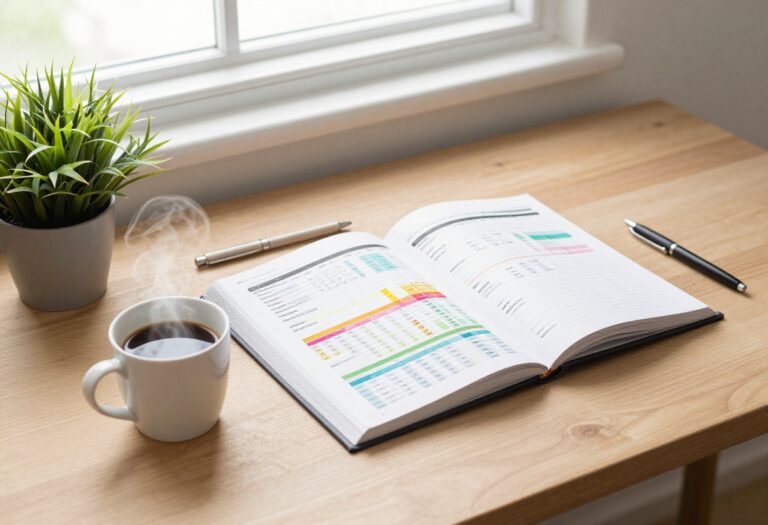
If you like having full control over your data, a simple spreadsheet is a powerful tool. You don't need fancy software—just a free Google Sheets or Excel template. Customize columns for date, amount, category, and notes, and you'll start seeing patterns emerge.
It's like creating your own personal finance dashboard, minus the complexity.
Spreadsheets give you the flexibility to track exactly what matters to you. You can add formulas to calculate totals, compare months, or highlight overspending. The best part?
It's completely free and works on any device.
Pick A Template That Fits
Start with a pre-made template from Google Sheets or Excel. Look for ones with built-in categories like groceries, utilities, and dining out. You can always add or remove columns later.
The goal is to make logging expenses quick and painless.
Make It A Habit
Set a daily reminder to enter your expenses. Even five minutes each evening keeps you on top of things. Over time, you'll notice trends—like how much you really spend on coffee or takeout.
That awareness is the first step to making changes.
Review And Adjust
Once a week, glance at your spreadsheet. Are you overspending in any category? Use the notes column to jot down why.
Maybe you bought lunch because you forgot to pack one. Small insights like that help you adjust your habits without feeling deprived.
Free PDF Download
Get the Free Budget Binder Starter Pack
Download simple printable budget sheets to plan your monthly money, track expenses, organize bills, and start building better money habits without feeling overwhelmed.
You’ll get this free PDF plus access to the full Marketerna Save More & Earn More PDF Kit. No spam. Unsubscribe anytime.
3. Envelope System for Cash Spending
Old-school envelopes might seem outdated, but they work wonders for controlling spending. The idea is simple: pull out cash for specific categories, put it in labeled envelopes, and once the cash is gone, that category is closed for the month. No swiping, no tapping, no accidental overspend.
This method forces you to see your money physically diminish, which makes you think twice before buying that extra latte. It’s especially effective for variable expenses like groceries, dining out, and entertainment. You can start with just one or two categories and expand as you get comfortable.
How To Set It Up
List your flexible spending categories and decide a monthly budget for each. Withdraw that total amount in cash from your bank. Grab some envelopes, label them (e. g. , “Groceries, ” “Eating Out, ” “Fun Money”), and stuff them with the cash.
Keep the envelopes somewhere accessible but not too easy—like a drawer or a wallet organizer.
When The Envelope Runs Out
If you hit zero before the month ends, you have two choices: stop spending in that category or borrow from another envelope. Borrowing is fine occasionally, but it shows you where your budget might need adjusting. The real win is the awareness—you can’t ignore an empty envelope.
Why It Works
Cash feels more real than a card swipe. Studies show people spend less when using cash because it triggers a psychological “pain of paying. ” Plus, the envelope system is zero-tech, so no app notifications or spreadsheets to ignore. It’s honest, tactile, and hard to cheat.
4. Daily Photo Receipt Log
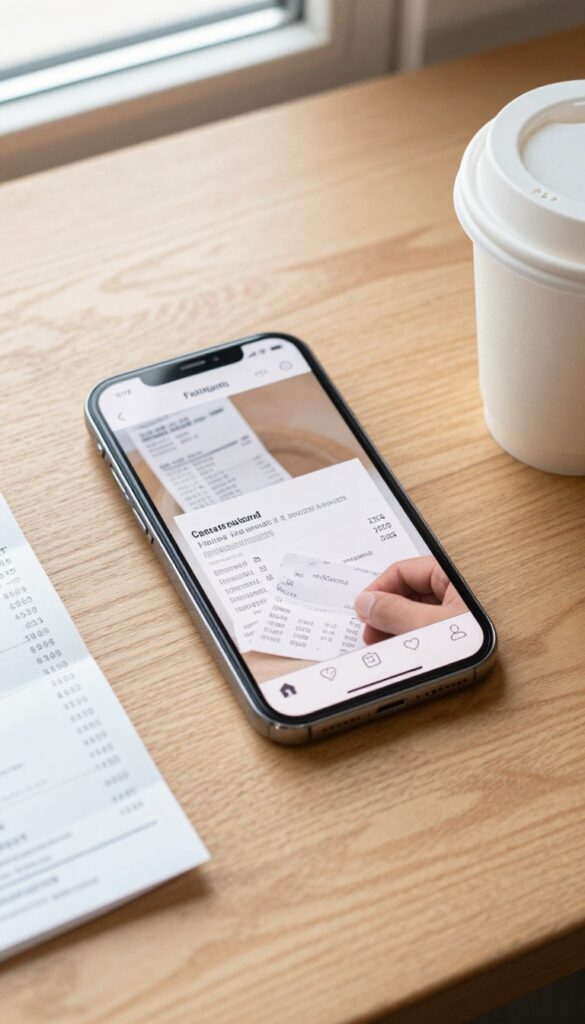
Snapping a photo of every receipt at the end of the day is a low-effort way to build a visual record of your spending. No manual entry, no spreadsheets—just a quick click and store. Reviewing the album weekly helps you spot patterns like repeated coffee runs or impulse buys that add up.
This method works because it removes the friction of logging expenses in real time. You only need a smartphone and a dedicated album or app. Over time, the visual log becomes a powerful reminder of where your money actually goes.
Why It Works
Photos capture details you might forget—like that small cash purchase or the exact amount on a restaurant bill. Reviewing images is faster than reading receipts, and the visual cue makes the spending feel more real. It's also a great backup if you lose a paper receipt.
How To Set It Up
Create a folder in your phone's gallery called "Receipts" or use an app like Receipts by Wave or Expensify. At the end of each day, snap a clear photo of every receipt you collected. Make sure the total and date are visible.
That's it.
Weekly Review Routine
Set aside 10 minutes every Sunday to scroll through the week's receipts. Sort them into categories in your mind—groceries, dining, transport, etc. Note any purchases that surprise you.
This simple habit trains your brain to think twice before spending.
Free PDF Download
Get the Free Budget Binder Starter Pack
Download simple printable budget sheets to plan your monthly money, track expenses, organize bills, and start building better money habits without feeling overwhelmed.
You’ll get this free PDF plus access to the full Marketerna Save More & Earn More PDF Kit. No spam. Unsubscribe anytime.
5. Automated App Categorization
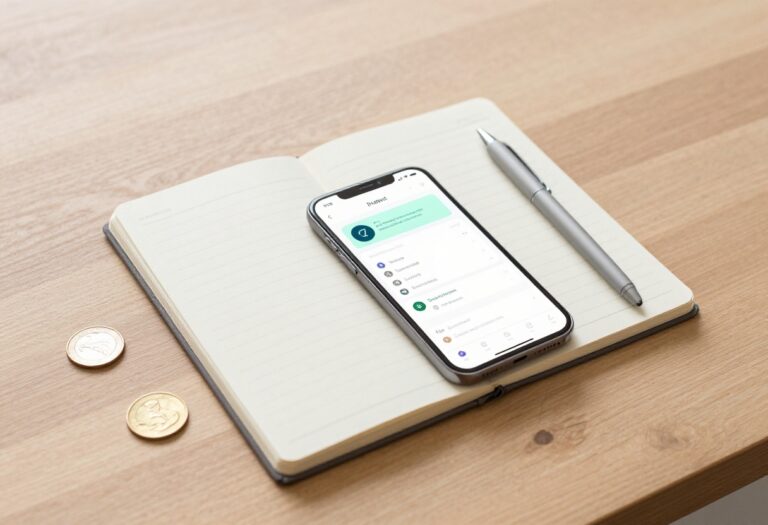
Let your apps do the heavy lifting. Linking your bank accounts to a budgeting tool like Mint or YNAB automatically sorts every purchase into categories—groceries, gas, dining out, you name it. No more manual data entry or forgotten receipts.
Just connect once and let the algorithm handle the grunt work.
Automation saves time, but it's not perfect. Set a weekly 10-minute review to catch miscategorized transactions (that coffee run tagged as "office supplies") and adjust as needed. Over time, the app learns your patterns and gets smarter.
Choose Your App Wisely
Mint is great for a free, hands-off overview with bank-level security. YNAB costs a subscription but offers proactive budgeting and detailed reporting. Pick the one that fits your style—free and simple or paid and powerful.
Set Up Custom Rules
Most apps let you create rules to auto-categorize specific merchants. For example, tag all Amazon purchases as "Shopping" or split them into categories by department. A few minutes of setup saves hours of manual sorting later.
Weekly Audit Ritual
Schedule a recurring calendar reminder for Sunday evening. Open the app, scan recent transactions, and correct any mislabels. This small habit keeps your data accurate without feeling like a chore.
6. The 30-Day Expense Challenge
Ever wonder where all those small purchases go? A coffee here, a snack there, a quick online order—they add up fast. The 30-Day Expense Challenge is your chance to catch every single one.
For one month, you write down every expense, no matter how small. At the end, you analyze the data to find easy cuts that won't make you feel deprived. It's like a financial detox that reveals your true spending habits.
This challenge works because it forces awareness. When you record every purchase, you start noticing patterns—like that daily latte or the subscription you forgot about. The key is to be honest and include everything, even the 50-cent candy bar.
After 30 days, you'll have a clear picture of where your money actually goes.
How To Track Without The Hassle
You don't need a fancy app. A simple notebook, a notes app on your phone, or even a spreadsheet works. The trick is to log expenses right when they happen—don't rely on memory at the end of the day.
Set a reminder on your phone to check in if you tend to forget.
Analyzing Your Results
After 30 days, group your expenses into categories like food, transport, entertainment, and bills. Look for the biggest categories and ask yourself: 'Did I really need all of that? ' You'll likely spot a few areas where you can trim without feeling like you're missing out.
Making Cuts That Stick
Instead of slashing everything, pick one or two categories to reduce. For example, if you spent $200 on takeout, aim to cut it by half next month. The goal isn't deprivation—it's finding small changes that add up over time.
Celebrate the savings and reinvest them into something you truly value.
7. Color-Coded Sticker System
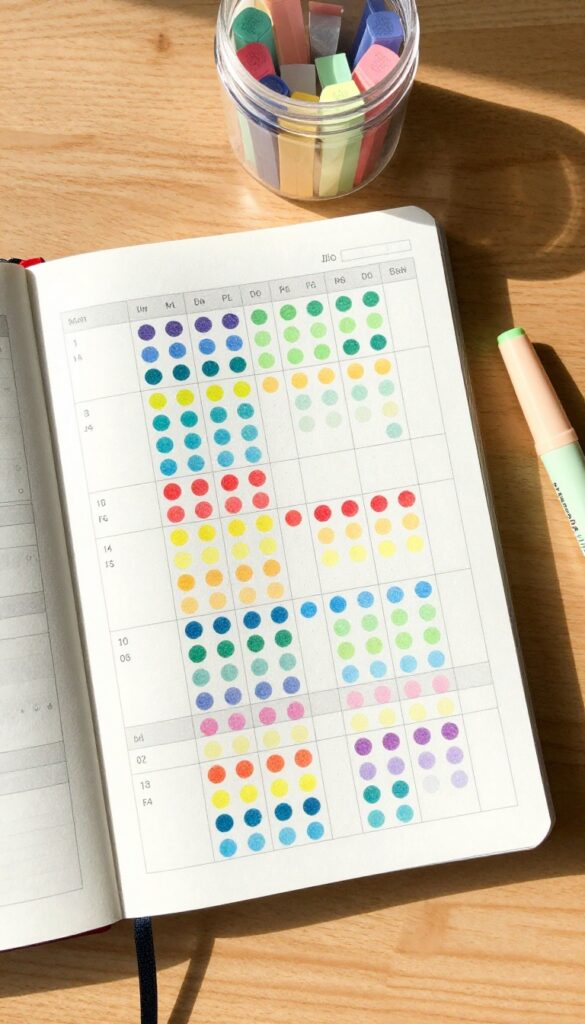
Sometimes you need to see your spending laid out in a way that's instantly clear. A color-coded sticker system turns your planner or notebook into a visual map of where your money goes. It's simple, satisfying, and surprisingly effective.
Assign a color to each spending category (e. g. , red for bills, blue for fun). Use colored stickers or highlighters in a planner to visualize your spending mix.
Pick Your Palette
Choose 5-7 colors that make sense to you. Red for essentials, green for groceries, yellow for dining out, blue for entertainment, and so on. Stick with the same colors every month so your brain starts associating them automatically.
Sticker It Daily
At the end of each day, grab your planner and place a small sticker (or draw a dot) in the column for each expense. Over a week, you'll see a rainbow of spending. It's oddly satisfying and helps you spot patterns fast.
Monthly Review At A Glance
Flip back through the month and you'll see which colors dominate. Too much blue (fun) and not enough green (groceries)? Adjust next month.
The visual cue is stronger than numbers alone.
8. Weekly Bank Statement Review
A weekly check‑in with your bank statement takes just 15 minutes but can save you from nasty surprises. You get a clear snapshot of what came in, what went out, and whether any sneaky subscriptions or fees slipped through. Think of it as a mini financial checkup—quick, painless, and incredibly revealing.
Set a recurring 15-minute appointment each week to scan your bank statement. Flag any unfamiliar charges and note spending trends.
Spot The Ghost Charges
Look for small recurring payments you don't recognize. That $9. 99 for a streaming service you forgot about?
Cancel it. A bank fee you thought was waived? Call your bank.
Catching these early stops money from leaking out month after month.
Track Your Spending Rhythm
Notice patterns: Do you always spend more on weekends? Is grocery spending creeping up? Seeing the data weekly helps you adjust before a habit becomes a problem.
No need for complex budgeting—just awareness.
Make It A Habit, Not A Chore
Pick a consistent day and time—Sunday morning with coffee, or Wednesday lunch break. Pair it with something you enjoy so it feels less like homework. After a few weeks, it becomes second nature.
9. Shared Tracking with a Partner
Money can be a tricky subject in relationships, but tracking expenses together makes it way easier. When both of you know where every dollar goes, there's less room for arguments and more room for teamwork. A shared system keeps you on the same page and helps you reach your goals faster.
Whether you're married, living together, or just sharing bills, a joint tracking method eliminates the guesswork. You'll both see the full picture without having to ask "Did you pay the electric bill? " every month.
Choose Your Tool
Pick a joint app like Honeydue or a shared Google Sheet. Honeydue lets both partners log expenses, see balances, and even send reminders. A spreadsheet works too—just make sure both have access and update it regularly.
Set A Daily Habit
Spend two minutes each evening logging your purchases. It sounds small, but it prevents that end-of-month shock. You can even make it a ritual: coffee together while you both update the tracker.
Review Together Weekly
Once a week, sit down for a 10-minute money date. Look at what you spent, celebrate wins, and adjust if needed. It keeps you connected and builds trust around finances.
10. The 'Why Did I Buy This?' List
Impulse buys happen to the best of us. But most of the time, we don't even think about why we grabbed that extra item at checkout. This idea flips that script by turning your impulse purchases into a learning tool.
Instead of feeling guilty, you'll start to see patterns.
Start a simple list—on your phone, in a notebook, or wherever you jot things down. Every time you buy something on a whim, add it to the list along with a quick note about how you were feeling. Bored?
Stressed? Celebrating? Over time, you'll spot emotional triggers that lead to spending.
The goal isn't to shame yourself, but to understand what's driving those purchases. Once you know your triggers, you can find better ways to deal with them.
What To Track
Keep it simple: item, price, and one word for your emotion (bored, tired, excited, anxious). You don't need a full journal entry. Just enough to remember the moment.
How To Spot Patterns
After a few weeks, look back at your list. Do you see the same emotion popping up? Maybe you always buy snacks when you're bored at work, or you splurge on clothes when you're feeling down.
That's your trigger.
What To Do Next
Once you know your triggers, plan ahead. If boredom is the culprit, keep a list of free activities you can do instead. If stress is the issue, try a quick breathing exercise before reaching for your wallet.
Small swaps can make a big difference.
11. Receipt Scanning Apps
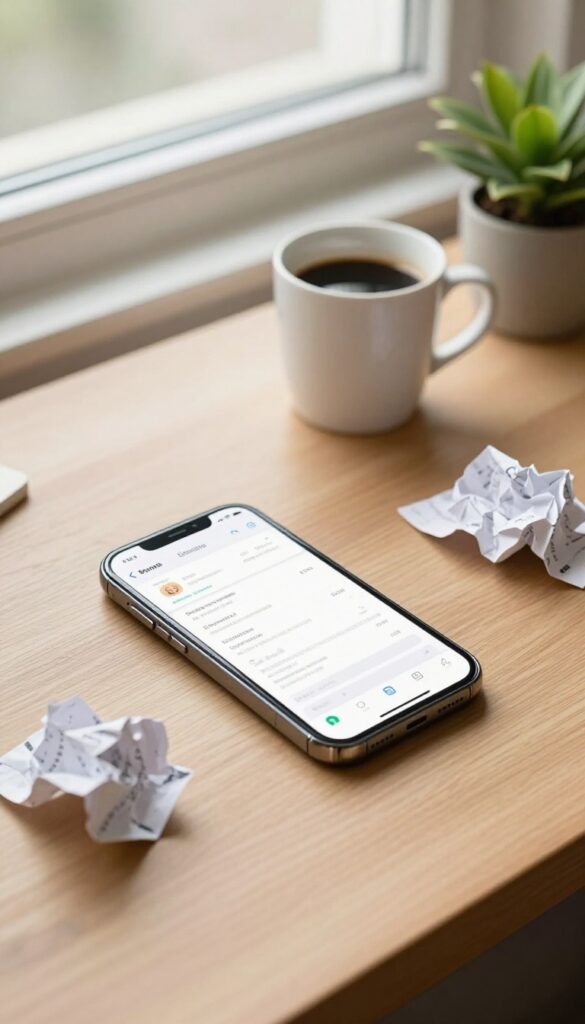
Paper receipts are easy to lose, fade over time, and a pain to organize. Receipt scanning apps like Expensify or Shoeboxed turn that crumpled mess into clean, searchable digital records. Snap a photo, and the app extracts the date, amount, and merchant—then exports everything to a spreadsheet or accounting tool.
It's a low-effort way to capture every expense without keeping a single paper slip.
How It Works
Open the app, take a clear photo of the receipt, and let OCR (optical character recognition) do the rest. Most apps auto-fill key fields like total, tax, and category. You can add notes or tags, then export the data to Excel, Google Sheets, or your preferred budgeting software.
Some apps even integrate with expense management tools for automatic syncing.
Why It Helps
Digitizing receipts means you never have to hunt through a shoebox again. You can search by merchant, date, or amount in seconds. Plus, having all your expense data in one place makes it easier to spot spending patterns—like how much you really spend on coffee runs or office supplies.
Tips For Best Results
Snap receipts right after you get them—before they get crumpled or lost. Use good lighting and a flat surface for clear images. Review the app's extracted data for accuracy, especially on faded or handwritten receipts.
Set a weekly reminder to export and review your data so it stays current.
12. The Cash-Only Week Experiment
For one week, use only cash for all variable expenses. The physical act of handing over money makes you more aware of each purchase. It's a simple reset for your spending habits.
Switching to cash for a week can reveal spending patterns you didn't notice before. You'll feel the weight of each transaction, which naturally curbs impulse buys.
How To Set It Up
Withdraw a set amount of cash for the week—enough for groceries, gas, dining out, and other variable costs. Leave your cards at home or hide them in a drawer. Use only that cash for all non-essential spending.
What You'll Notice
You'll start thinking twice before buying that coffee or snack. Handing over physical bills feels different than swiping a card. You'll become more mindful of each dollar leaving your hand.
Track The Results
At the end of the week, count what's left. Compare it to your usual spending. You might be surprised by how much you saved—or how little you actually missed those small purchases.
13. Monthly Spending Categories Review
Once a month, take a step back and look at the big picture. It's easy to get lost in daily transactions, but a monthly review reveals patterns that day-to-day tracking misses. This simple habit helps you see if your money is actually going where you want it to.
At the end of each month, list every expense category you spent money on—groceries, dining out, subscriptions, transportation, and so on. Rank them from highest to lowest total spend. Look at the top three categories and ask yourself: do these match what matters most to you?
If your top category is takeout but your goal is to save for a trip, that's a clear signal to adjust. This isn't about guilt—it's about alignment. Over time, you'll train yourself to spend on what you truly value.
How To Run Your Monthly Review
Set a recurring 30-minute appointment on the last day of each month. Open your tracking app or spreadsheet, sort by category, and note the totals. Write down the top three.
Then jot down your top three financial priorities for the next month. Compare the two lists. If they don't match, pick one category to reduce next month.
What To Do When Categories Don't Align
Say your top spend is dining out, but your priority is building an emergency fund. That's okay—awareness is the first step. Decide on a small, specific change: maybe cook two extra meals at home per week.
Track the impact next month. Small shifts add up, and the monthly review keeps you honest without being harsh.
Make It A Habit You Look Forward To
Pair your review with something enjoyable—a cup of tea, your favorite playlist, or a cozy spot. The goal is to make it a positive ritual, not a chore. Over time, you'll start to see progress, which is incredibly motivating.
And if you miss a month? No big deal. Just pick it up again next month.
14. Visual Spending Board
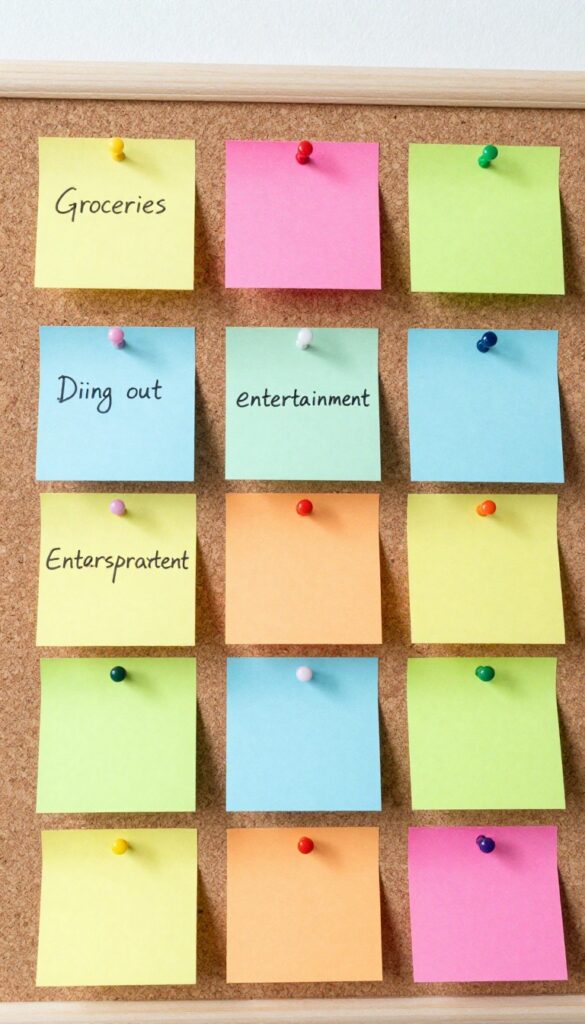
There's something powerful about seeing your spending in a physical, tangible way. A visual spending board turns abstract numbers into a real, growing display that you can't ignore. It's perfect for visual learners who want a constant, gentle reminder of where their cash is going.
Grab a corkboard or a large piece of foam board. Divide it into sections for your main spending categories like groceries, dining out, entertainment, and transportation. Each time you spend money, pin the receipt or a sticky note with the amount onto the corresponding section.
Over the month, watch the board fill up. You'll literally see which categories are taking over. This method works because it forces you to physically handle each expense, making you more mindful.
Plus, the visual accumulation is a strong motivator to cut back.
What You'll Need
A bulletin board or foam board, push pins or tape, sticky notes, and a marker. Optionally, use colored pins or sticky notes to differentiate categories at a glance.
How To Keep It Going
Make it a habit to pin receipts as soon as you get home. If you forget, set a daily reminder to jot down expenses from memory. At the end of each month, take a photo of the board before clearing it to start fresh.
You'll have a visual history of your spending patterns.
Why It Works
The physical act of pinning creates a moment of reflection. And seeing a stack of receipts grow in one section is far more impactful than a number in an app. It's hard to ignore a board overflowing with dining out receipts.
15. The 'No-Spend Day' Tracker
Some days, you don't need to buy anything. But how often does that actually happen? A no-spend day tracker turns this into a game: mark each day you spend zero money on a calendar.
Aim for a streak and notice how often you can go without spending—it builds awareness fast.
This simple habit reveals how many purchases are truly optional. You'll start seeing patterns like "I always grab coffee on Tuesday mornings" or "I buy snacks out of boredom. " Over time, you'll naturally cut back without feeling deprived.
How To Start
Grab any calendar or print a monthly grid. At the end of each day, if you spent $0, put a big X or sticker on that date. If you spent anything—even a dollar—leave it blank.
No judgment, just data.
Build A Streak
Challenge yourself to hit 3, 5, or even 7 no-spend days in a row. Each streak builds momentum and makes you more mindful. You'll start planning ahead to avoid unnecessary spending.
What You'll Learn
After a month, look back at your calendar. You'll see exactly how many days you can go without spending. Most people are surprised how often they spend without thinking.
This tracker turns that invisible habit into a visible one.
16. Paycheck Allocation Log
Getting paid feels great, but that money can slip through your fingers fast if you don't have a plan for it. A paycheck allocation log is like a mini budget you create the moment your salary hits your account. You decide upfront how much goes to bills, savings, and fun, then track what actually happens.
It turns vague intentions into a concrete roadmap.
How To Set Up Your Log
Right after payday, open a simple spreadsheet or a notes app. List three categories: bills (rent, utilities, subscriptions), savings (emergency fund, goals), and fun (eating out, hobbies). Assign a dollar amount to each based on your priorities.
Keep it realistic—if you always spend $200 on dining out, don't allocate $50.
Track Against Your Plan
Throughout the pay period, note every expense in the appropriate category. At the end, compare actual spending to your allocation. Did you overspend on fun?
Did you save less than planned? This isn't about guilt—it's about seeing where your plan and reality diverge so you can adjust next time.
Make It A Ritual
Consistency is key. Set a recurring reminder on your phone for payday. Spend just five minutes logging your allocation.
Over a few cycles, you'll spot patterns and gain confidence. It's a small habit that builds financial awareness without overwhelming you.
17. End-of-Day Mental Recap

Before your head hits the pillow, take two minutes to replay your spending decisions from the day. No apps, no spreadsheets—just your memory and a quick note. This simple ritual trains your brain to notice where money goes without turning tracking into a chore.
The end-of-day recap is about building awareness, not perfect records. You don't need to remember every cent—just the big ones and any surprises. Over time, this habit makes you more intentional with purchases because you know you'll mentally review them later.
How To Do It
Set a gentle reminder on your phone for 10 minutes before bed. Ask yourself: What did I buy today? Was it planned or impulse?
Jot down the total spent in a notes app or even on a scrap of paper. That's it. No categories, no guilt.
Why It Works
This method leverages your brain's natural tendency to reflect. By reviewing your spending right before sleep, you reinforce financial mindfulness. It also catches patterns—like that daily coffee run—that you might otherwise ignore.
Pro Tip
If you miss a day, don't stress. The goal is consistency, not perfection. Pair it with another bedtime habit, like brushing your teeth, so it becomes automatic.
FAQ
What is the easiest way to start tracking expenses?
Start with the method that requires the least friction for you. For many, that's a simple notebook or a free app like Mint. The key is to pick one and do it consistently for at least a week.
How often should I review my expenses?
Aim for a quick daily check (5 minutes) and a deeper weekly review (15-20 minutes). Monthly reviews are great for spotting bigger trends.
Do I need to track every single penny?
Not necessarily. Many people find success tracking only variable expenses (like food and entertainment) while letting fixed bills auto-categorize. Find the level of detail that feels sustainable.
What if I miss a few days of tracking?
Don't stress. Just pick up where you left off. The goal is progress, not perfection.
Even partial data is better than none.
Can expense tracking really help me save money?
Absolutely. Seeing exactly where your money goes often reveals small leaks that add up. Once you know, you can make intentional changes to cut back without feeling deprived.
Conclusion
Tracking your spending doesn't have to be a chore. Pick one or two ideas from this list that feel doable—maybe the receipt photo method or the weekly money date—and give them a try for 30 days.
Small, consistent steps build momentum. Before long, you'll have a clear picture of where your money goes and feel more in control of your finances.
Free PDF Download
Get the Free Budget Binder Starter Pack
Download simple printable budget sheets to plan your monthly money, track expenses, organize bills, and start building better money habits without feeling overwhelmed.
You’ll get this free PDF plus access to the full Marketerna Save More & Earn More PDF Kit. No spam. Unsubscribe anytime.