15 Budget Goal Ideas to Make Money Planning Easier
Last updated on May 5th, 2026 at 03:43 pm
Setting a budget is one thing, but sticking to it is another. The secret? Turning your budget into a set of clear, motivating goals.
Instead of focusing on restrictions, you focus on what you're working toward. These 15 budget goal ideas are designed to make money planning feel less like a chore and more like a game. Each one targets a different aspect of personal finance, so you can pick what fits your life right now.
Whether you want to pay off debt, save for a trip, or just stop overspending on takeout, there's a goal here that will help you get there faster. Let's dive in.

Free PDF Download
Get the Free Budget Binder Starter Pack
Download simple printable budget sheets to plan your monthly money, track expenses, organize bills, and start building better money habits without feeling overwhelmed.
You’ll get this free PDF plus access to the full Marketerna Save More & Earn More PDF Kit. No spam. Unsubscribe anytime.
1. The No-Spend Weekend Challenge
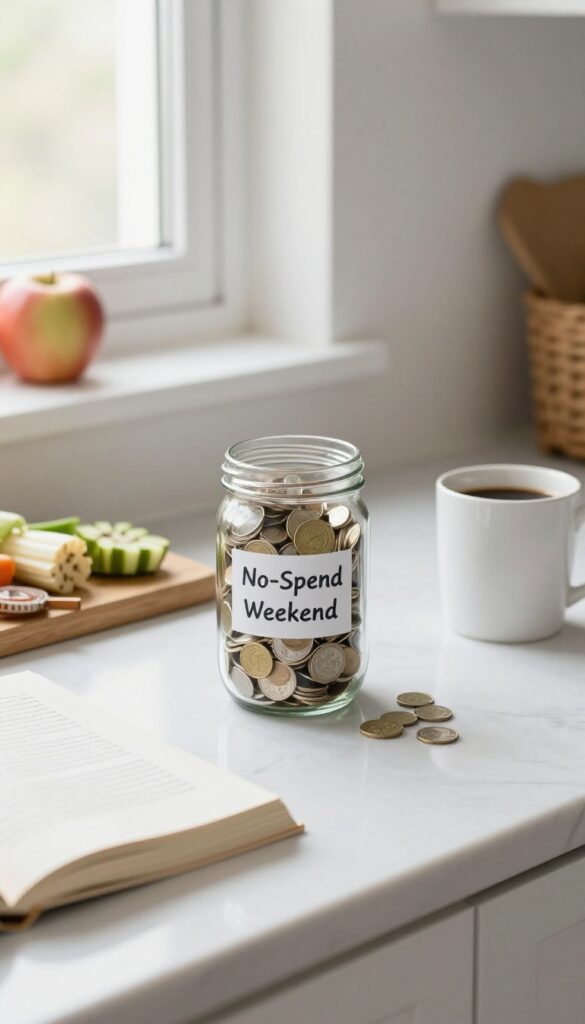
Sometimes the best way to reset your spending is to hit pause for a short, manageable stretch. A no-spend weekend does exactly that—without the pressure of a month-long freeze. Pick one weekend per month where you commit to spending zero money.
Cook meals from what's already in your pantry, explore free local events, or just enjoy a quiet day at home. It's a low-stakes challenge that often reveals how much you spend out of habit, not necessity.
The beauty of this goal is its simplicity. You're not overhauling your entire budget—just carving out 48 hours of intentional non-spending. Many people find they save anywhere from $50 to $200 per weekend, depending on their usual habits.
That adds up fast. Plus, it trains your brain to distinguish between wants and needs in a gentle, repeatable way.
How To Plan Your No-spend Weekend
Start by looking at your calendar. Pick a weekend with no major obligations like birthdays or dinner parties. Let your household know what you're doing so they can join or at least support you.
Prep by grocery shopping a day or two before so you have everything you need. Then, on the weekend, simply don't open any shopping apps, avoid browsing online stores, and say no to unplanned purchases.
What To Do Instead Of Spending
Fill the time with free or low-cost activities you already enjoy. Go for a hike, have a movie marathon with snacks from your pantry, read that book you've been meaning to start, or tackle a small home project. You can also try a digital detox—put your phone away and rediscover offline hobbies.
The goal isn't to be bored; it's to prove you can have a great weekend without opening your wallet.
Track Your Savings And Reflect
After the weekend, tally up what you would have spent. Compare it to a typical weekend and note the difference. Write down how you felt—was it harder or easier than expected?
Use that insight to decide if you want to repeat the challenge next month or even extend it to a full week. Over time, these weekends can become a powerful tool for building savings and breaking mindless spending cycles.
2. The 30-Day Savings Sprint
Short-term challenges can be surprisingly effective for building momentum. The 30-Day Savings Sprint turns saving into a daily habit that feels more like a game than a chore. You start small and increase gradually, so your budget barely feels the pinch.
Here's how it works: On day one, save $1. On day two, save $2. Keep adding a dollar each day.
By day 30, you'll put away $30. Add it all up, and you've stashed $465 in just one month. That's a solid emergency fund starter or a nice boost for a specific goal like a new gadget or a weekend getaway.
Why It Works
The gradual increase makes it painless. Your brain doesn't register the jump from $1 to $2 as a big deal, and by the time you're saving $20+ a day, you've already built the habit. Plus, the daily action keeps saving top of mind.
How To Stay On Track
Automate it if you can. Set up a recurring transfer from checking to savings each day. If that's not possible, use a dedicated app or just move the cash manually every morning.
A visual tracker—like a printable calendar—adds a satisfying sense of progress.
Customize It
Not ready for $30 on day 30? Start with $0. 50 and increase by $0.
- Or do a reverse sprint: save $30 first and decrease by $1 each day. The key is consistency, not the amount.
Free PDF Download
Get the Free Budget Binder Starter Pack
Download simple printable budget sheets to plan your monthly money, track expenses, organize bills, and start building better money habits without feeling overwhelmed.
You’ll get this free PDF plus access to the full Marketerna Save More & Earn More PDF Kit. No spam. Unsubscribe anytime.
3. The Grocery Budget Trim
Your grocery bill is one of the easiest places to find extra cash without feeling deprived. The goal here is simple: cut your weekly spending by 15%. That might mean swapping a few name-brand items for store brands, planning meals around sales, or just resisting those tempting checkout lane snacks.
The savings pile up fast, and you can redirect that money straight into a savings account or toward a specific goal like a vacation or emergency fund.
The key is to make it a game, not a punishment. Challenge yourself to hit that 15% reduction each week. If you overspend one week, adjust the next.
Over a month, you could easily save $50 to $100 or more, depending on your usual grocery spend. That's real money that can make a dent in your financial goals.
Meal Planning Magic
Spend 15 minutes on Sunday mapping out your meals for the week. Check what you already have in the pantry, then build your shopping list around what's on sale. This simple habit can slash impulse buys and reduce food waste, two big budget killers.
Store Brand Swap
Most store brands are made in the same factories as the big names, just with different packaging. Try swapping at least five items to store brands this week. You'll likely notice zero difference in taste or quality, but your wallet will thank you.
The 24-hour Rule
Before tossing an unplanned item into your cart, wait 24 hours. If you still want it tomorrow, add it to next week's list. This pause kills most impulse buys and keeps your budget on track.
4. The Debt Snowball Mini-Goal
Debt can feel like a weight that never lifts. But what if you could feel a real win in just two months? That's the idea behind the debt snowball mini-goal.
You pick one small debt—maybe a credit card balance or a personal loan—and commit to wiping it out within 60 days. It's a short sprint, not a marathon, and the payoff is huge for your motivation.
Small debts are easier to tackle because they feel achievable. Once you knock one out, you get a confidence boost that makes the next one seem less scary. Plus, the snowball method has a psychological edge: each paid-off debt frees up a little more cash to throw at the next.
Before you know it, you're rolling.
List From Smallest To Largest
Grab a piece of paper or open a spreadsheet. Write down every debt you have, from the smallest balance to the largest. Don't worry about interest rates right now—this is about momentum.
Your mini-goal is the smallest one.
Throw Every Extra Dollar At It
For the next 60 days, any spare cash goes straight to that smallest debt. Skip takeout, sell something you don't need, or pick up a quick side gig. Every dollar counts, and you'll be amazed how fast it adds up.
Celebrate And Repeat
Once that first debt is gone, take a moment to celebrate—maybe a cheap treat or a night in with a movie. Then roll the payment you were making (plus any extra cash) into the next smallest debt. The momentum is addictive.
Free PDF Download
Get the Free Budget Binder Starter Pack
Download simple printable budget sheets to plan your monthly money, track expenses, organize bills, and start building better money habits without feeling overwhelmed.
You’ll get this free PDF plus access to the full Marketerna Save More & Earn More PDF Kit. No spam. Unsubscribe anytime.
5. The Sinking Fund Setup
Big, predictable expenses can mess up even the best budget. Car insurance, holiday gifts, or annual subscriptions—they all arrive like clockwork, yet somehow feel like a surprise. A sinking fund turns that panic into a calm, steady plan.
Instead of scrambling when the bill comes, you set aside a little each week or month. It's like paying yourself a layaway plan for expenses you know are coming. This way, when the due date rolls around, the money is already there.
How To Pick What To Save For
Start by listing any expense that's not monthly but repeats yearly or quarterly. Think car registration, holiday shopping, vet visits, or a big insurance premium. Pick one to start with—the one that usually stresses you out the most.
That's your first sinking fund target.
Set Your Weekly Or Monthly Contribution
Take the total cost and divide it by the number of weeks or months until it's due. For example, a $600 car insurance bill due in 6 months means $100 per month or about $23 per week. Automate that transfer to a separate savings account so you never see the money.
Keep The Fund Separate
Don't mix sinking fund money with your regular savings or checking account. Open a free online savings account just for this purpose. Label it clearly (like "Car Insurance") so you're not tempted to spend it on something else.
Out of sight, out of mind—until you need it.
6. The Dining Out Reduction
Eating out is one of those expenses that quietly eats up your budget. A single meal out can cost as much as a week's worth of groceries. Setting a goal to dine out less can free up serious cash without feeling like a sacrifice.
Start by tracking how often you currently eat out. Then set a goal to cut it to twice per week for a month. At the end of the month, calculate the savings.
You'll likely be surprised. Put that money directly into your emergency fund or save it for a guilt-free treat later.
Why It Works
This goal is concrete and easy to measure. You're not cutting out fun entirely—just being more intentional. The savings add up quickly, giving you a visible reward for your effort.
How To Make It Stick
Plan your two dining-out occasions in advance. Maybe it's Friday night pizza and Sunday brunch. For the other days, prep simple meals you enjoy.
Use a meal planning app or just keep a few go-to recipes handy.
What To Do With The Savings
After the month ends, move the saved money to a separate account. If you saved $100, that's $100 closer to your emergency fund goal. Or treat yourself to something small—it reinforces the habit.
7. The Utility Bill Audit
Utility bills are one of those expenses we pay without thinking. But a quick audit can uncover easy savings. The goal here is simple: find one way to cut your utility costs this month and aim for a 10% reduction.
Small changes add up fast.
Start by pulling your last few utility bills. Look for patterns or spikes. Maybe you're paying for extra services you don't use, or leaving devices plugged in when not needed.
Pick one change—like adjusting your thermostat, switching to LED bulbs, or canceling a rarely used subscription—and commit to it. Track your next bill to see the difference. That 10% reduction can free up cash for other goals.
Find The Low-hanging Fruit
Check for obvious waste: lights left on, electronics on standby, or an old fridge running inefficiently. Unplugging devices when not in use can save up to 10% on your electric bill. Also, see if your provider offers free energy audits—they often do.
Negotiate Or Switch Providers
If you haven't shopped around for utilities lately, you might be overpaying. Call your current provider and ask about discounts or loyalty rates. Compare plans online.
Sometimes switching can cut your bill by 20% or more with no effort.
Make One Small Change Stick
Don't try to overhaul everything at once. Pick one action—like lowering the thermostat by 2 degrees or washing clothes in cold water—and do it consistently for a month. That single habit can shave dollars off your next bill.
8. The Cash-Only Week
Plastic money makes spending too easy. Swipe and forget—until the statement arrives. A cash-only week breaks that cycle by forcing you to feel every single transaction.
You'll quickly realize how much those small purchases add up.
How To Set It Up
Pick a week when you don't have major bills due. Withdraw a fixed amount for non-essentials like coffee, snacks, entertainment, and dining out. Leave your debit and credit cards at home.
Use only that cash for seven days.
What You'll Notice
Handing over physical cash makes you pause. You'll think twice before buying that latte or impulse item. By day three, you'll be more mindful.
By day seven, you'll see exactly where your money was disappearing.
Make It A Habit
Try a cash-only week once a month. Over time, you'll train your brain to spend less automatically. It's a simple reset that keeps your budget on track without complicated spreadsheets.
9. The Side Hustle Hour

An hour a day might not seem like much, but when you dedicate it to earning extra cash, it adds up fast. The Side Hustle Hour is a simple rule: pick one side gig and work on it for 60 minutes daily. All the money you make goes straight to your savings or debt payments, not your spending account.
This goal turns spare time into a powerful budgeting tool. Instead of feeling guilty about downtime, you use it to build financial momentum. The key is consistency—one hour every day, no excuses.
Over a month, that's 30 hours of focused earning.
Choose Your Hustle
Pick something that fits your skills and schedule. Freelancing on platforms like Upwork or Fiverr works if you have a marketable skill. Dog walking or pet sitting is great if you enjoy being outdoors.
Selling items online—clothes, electronics, handmade goods—can be done from home. The best hustle is one you can do consistently without burning out.
Keep The Money Separate
Open a dedicated savings account or use a separate digital wallet for side hustle income. When the money hits your account, it's off-limits for everyday spending. This makes it easy to track progress toward your goal, whether that's an emergency fund, a vacation, or paying off credit card debt.
Track Your Time And Earnings
Use a simple timer or app to log your daily hour. At the end of each week, tally up what you earned. Seeing that number grow is incredibly motivating.
It also helps you spot which hustles pay best for your time, so you can double down on what works.
10. The Subscription Sweep
Subscriptions have a way of piling up quietly. One month you sign up for a free trial, and a year later you're still paying for that app you never opened. The Subscription Sweep is a simple but powerful budget goal: list every subscription you have, cancel anything you haven't used in the last 30 days, and redirect that money toward a specific financial target.
Start by gathering all your subscription charges—streaming services, apps, meal kits, gym memberships, cloud storage, even that random magazine you forgot about. Go through your bank and credit card statements for the last few months. Then, for each one, ask: Did I use this in the past month?
If not, cancel it. You can always resubscribe later if you miss it. The money you free up can go straight to a goal like an IRA contribution, an emergency fund, or a debt payment.
How To Find Every Subscription
Check your bank statements, PayPal, and app store subscriptions. Services like Rocket Money or Truebill can scan for recurring charges. Make a list with the monthly cost and last use date.
What To Cut Vs. Keep
Be honest about what you actually use. Keep the ones that bring real value—maybe Netflix if you watch it weekly. But if you haven't opened that language app in three months, it's time to say goodbye.
Where To Send The Savings
Set up an automatic transfer of the total saved amount to your chosen goal. For example, if you cut $50 in subscriptions, have that $50 go directly into your IRA each month. That's $600 a year toward retirement without feeling a pinch.
11. The Pantry Challenge
Your pantry, fridge, and freezer are probably hiding a week's worth of meals you forgot about. The Pantry Challenge dares you to eat only what you already have for seven days. No grocery runs, no takeout, no excuses.
You'll clean out old food, cut down on waste, and pocket the money you would have spent on groceries.
This challenge is a reset button for your kitchen and your budget. It forces you to get creative with what's on hand, and you'll likely discover forgotten staples that can become delicious meals. By the end of the week, you'll have a clearer pantry, a fuller wallet, and a new appreciation for what you already own.
How To Prep For The Challenge
Start by taking inventory. Pull everything out of your pantry, fridge, and freezer. Group items by type: grains, canned goods, proteins, veggies, sauces.
Note expiration dates and prioritize anything close to expiring. Then plan a rough menu using only those ingredients. Don't worry if it's not gourmet—the goal is to use what you have.
What To Do When You Run Out
If you hit a wall midweek, get creative. Swap ingredients, combine leftovers, or make a broth from veggie scraps. Need milk?
Use powdered or canned. Missing an herb? Skip it or use dried.
The challenge is about making do, not perfection. And if you absolutely must buy something, stick to essentials like eggs or bread—and only one item.
The Real Payoff
Beyond saving a full week's grocery budget, you'll reduce food waste and declutter your kitchen. Many people find they actually enjoy the simplicity of cooking with limited options. Plus, you'll break the habit of impulse grocery shopping.
After the challenge, you'll be more mindful about what you buy and how you use it.
12. The Savings Rate Boost

Small changes in your savings rate can lead to surprisingly large results over time. This goal is about making a tiny, manageable shift that compounds into serious money down the road. It's not about overhauling your budget overnight—just a gentle nudge upward.
The idea is simple: increase your savings rate by 1% of your income this month. If you get a raise or bonus, commit half of it to savings. That 1% might not feel like much now, but over a year it adds up, and over a decade it can mean thousands more in your nest egg.
The key is consistency—once you bump it up, try to keep it there.
Why 1% Matters
A 1% increase might seem trivial, but it's actually a powerful psychological win. It's small enough to not hurt, yet big enough to build momentum. Over time, those small increases stack, and your savings rate climbs without you feeling deprived.
How To Automate The Boost
Set up an automatic transfer from your checking to savings for that extra 1%. If your income changes, adjust the amount. For raises or bonuses, set up a rule: half goes to savings before you even see it.
This way, you never miss the money.
Tracking Your Progress
Keep a simple log of your savings rate each month. Seeing the percentage creep up is motivating. Even if you only manage 0.
5% some months, that's still progress. The goal isn't perfection—it's forward movement.
13. The Impulse Buy Waiting Period
Impulse buys are budget killers. That shiny gadget or trendy top feels urgent in the moment, but most of the time, the urge fades fast. The trick is to build a simple delay into your spending routine.
For any non-essential purchase over $30, force yourself to wait 48 hours before buying. Write down what you want and the price, then walk away. When you revisit the item two days later, you'll often realize you don't actually need it.
This pause turns emotional spending into intentional decisions, and the money you save adds up quickly.
Why 48 Hours Works
The initial excitement of a purchase usually wears off within a day. By waiting two days, you let your rational brain catch up. Most impulse urges are driven by dopamine, and that spike drops fast.
You'll be surprised how many things lose their appeal after a short break.
Make It A Habit
Keep a note on your phone or a small notebook dedicated to impulse wants. When you write it down, you're acknowledging the desire without acting on it. After 48 hours, review the list.
You can buy what still feels important, but you'll likely cross off most items.
Set Your Own Threshold
The $30 rule is a starting point, but adjust it to your budget. If $20 feels like a lot, use that. Or if you're more disciplined, try a 72-hour waiting period for bigger purchases.
The key is consistency, not the exact number.
14. The Bill Negotiation Day
Most people never question their monthly bills—they just pay them. But those recurring charges for internet, insurance, and phone plans often have wiggle room. Setting aside one afternoon to call your providers can unlock savings you didn't know existed.
Even a $10 monthly reduction adds up to $120 a year with minimal effort. Think of it as a paid afternoon of work.
Why It Works
Companies rarely lower your rate automatically. They rely on customer inertia. By calling and asking for a better deal, you signal that you're willing to leave—and retention departments have authority to cut prices.
A 10-minute call can save you hundreds annually.
How To Prepare
Gather your latest bills and competitor offers. Know what other providers charge for similar service. Be polite but firm.
Ask for loyalty discounts, promotional rates, or plan downgrades. Script a simple opener: "I'm reviewing my budget and wondering if there's a better rate available. "
Maximizing The Day
Schedule calls back-to-back in one afternoon. Start with the biggest bill first (usually internet or insurance). Take notes on what each rep offers.
If one says no, call back and try another agent. Celebrate each success—then redirect the savings to a specific goal.
15. The Financial Vision Board
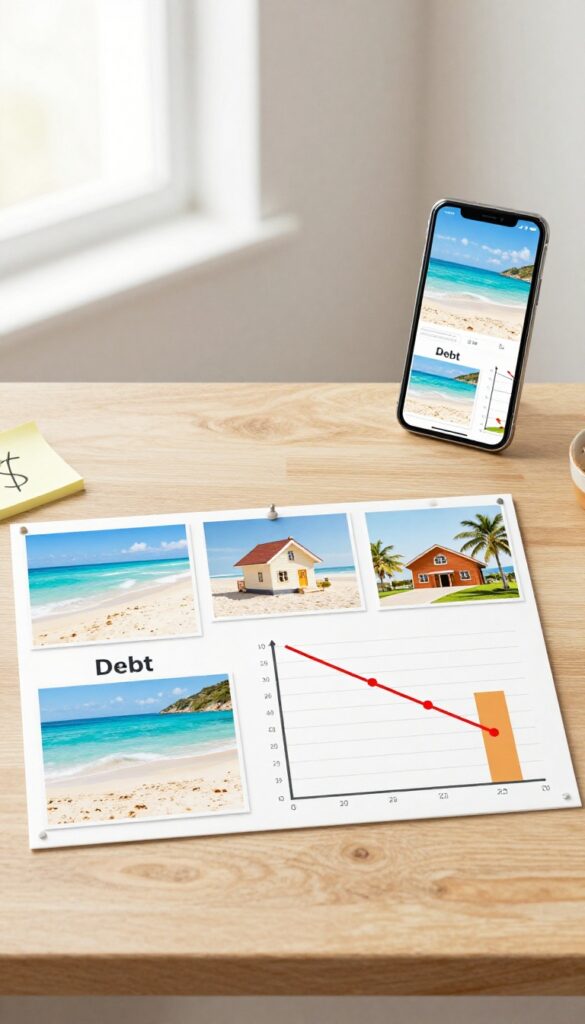
A budget works best when you can see exactly what you're working toward. A financial vision board turns abstract numbers into something real and motivating. Instead of tracking dollars just to track them, you connect every spending decision to a goal that excites you.
Pick your top three financial goals for the year—maybe a debt-free milestone, a dream vacation, or building an emergency fund. Find images, quotes, or symbols that represent each goal and arrange them on a board or a digital canvas. Place it where you'll see it every day, like above your desk or as your phone wallpaper.
That constant visual reminder makes it easier to skip unnecessary purchases because you're focused on what you're gaining, not what you're giving up.
Choose Your Top Three
Don't overload your board. Pick three goals that matter most right now. That could be paying off a credit card, saving for a house down payment, or funding a big trip.
Fewer goals mean clearer focus.
Make It Visual And Personal
Use images that spark emotion—a photo of a house you love, a screenshot of a travel destination, or a simple chart showing your debt shrinking. Add a sticky note with the dollar amount you need. The more personal, the more powerful.
Place It In Your Path
Put your vision board somewhere you can't miss it. Next to your computer, on your fridge, or as your phone lock screen. When you're tempted to overspend, one glance at your board can realign your choice with your bigger picture.
FAQ
How do I choose the right budget goal for me?
Start by identifying your biggest financial pain point—whether it's overspending on dining out, not saving enough, or carrying high-interest debt. Pick one goal that directly addresses that issue and feels achievable within a month.
Can I combine multiple budget goals at once?
It's better to focus on one or two goals at a time to avoid feeling overwhelmed. Once you've successfully integrated a goal into your routine, you can add another. Layering too many at once often leads to burnout.
What if I fail to meet a budget goal?
Failure is part of the process. Instead of giving up, analyze what went wrong—was the goal too ambitious? Did an unexpected expense pop up?
Adjust the goal to be more realistic and try again. Consistency matters more than perfection.
How do I stay motivated with budget goals long-term?
Track your progress visually, celebrate small wins, and remind yourself why the goal matters. Pairing a goal with a reward (like a small treat after hitting a milestone) can also keep motivation high.
Are these goals suitable for someone with irregular income?
Absolutely. Many of these goals, like the no-spend weekend or pantry challenge, don't depend on a steady paycheck. For income-based goals, adjust the amounts to fit your variable earnings—focus on percentages rather than fixed numbers.
Conclusion
Pick just one budget goal from this list—maybe the 52-week money challenge or the no-spend month—and give it a real shot for 30 days. That single win builds momentum without overwhelming you.
Over time, these small, focused goals turn money planning from a chore into a habit that actually sticks.
Free PDF Download
Get the Free Budget Binder Starter Pack
Download simple printable budget sheets to plan your monthly money, track expenses, organize bills, and start building better money habits without feeling overwhelmed.
You’ll get this free PDF plus access to the full Marketerna Save More & Earn More PDF Kit. No spam. Unsubscribe anytime.