21 Ways to Save Money on Groceries Every Week
Grocery bills can eat up a big chunk of your budget, but small changes add up fast. You don't need to coupon-clip for hours or switch to generic everything. A few smart habits can slash your weekly spending without making meals feel like a sacrifice.
Start with the basics: plan before you shop, and stick to your list. The real savings come from knowing where your money goes and which tricks actually work for your lifestyle.
Ready to keep more cash in your wallet? Here are 21 ways to save on groceries starting this week.

Free PDF Download
Not Sure Which Side Hustle Fits You Best?
Take the free Side Hustle Matchmaker Quiz and get a simple 7-day starter plan to help you choose a beginner-friendly idea based on your time, skills, comfort level, and goals.
You’ll get this free PDF plus access to the full Marketerna Save More & Earn More PDF Kit. No spam. Unsubscribe anytime.
1. Plan Your Meals Around Sales
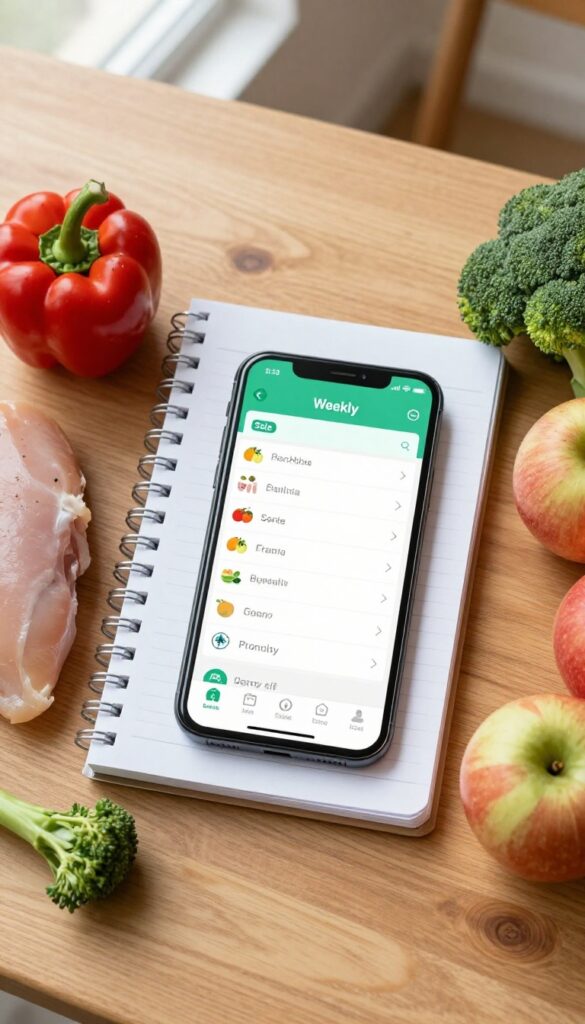
The easiest way to save without sacrificing flavor? Let the sales decide what's for dinner. Grocery stores rotate deals every week, and building your menu around those discounts can drop your total by 20% or more.
It takes just a few minutes to check the weekly ads online or in-store, and the payoff is immediate.
Start by scanning the digital flyers for your local supermarkets on Monday or Tuesday. Look for proteins, produce, and pantry staples that are marked down. Then, sketch out a simple meal plan using those ingredients.
For example, if chicken breasts are on sale, plan a few chicken-based dinners. If bell peppers are cheap, toss them into stir-fries or salads. This approach turns the store's discounts into your personal savings, and you'll waste less food because you're buying with a purpose.
Match Proteins To The Best Deals
Meat and fish are often the priciest items in your cart. When they're on sale, stock up and freeze what you won't use that week. Then build your meals around that protein.
Ground beef on sale? Think tacos, Bolognese, or burgers. Salmon on markdown?
Plan for grilled salmon with rice and veggies.
Let Produce Lead The Way
Seasonal fruits and vegetables are usually cheaper and fresher. If apples are on sale, add them to oatmeal or salads. If broccoli is half off, roast it as a side or toss it into pasta.
Planning around produce specials also adds variety to your diet without extra cost.
Combine Sales With Coupons For Double Savings
Many stores allow you to stack a sale price with a manufacturer coupon or a store loyalty discount. Check your store's app or website for digital coupons before you shop. Even a dollar off here and there adds up fast, especially on items you buy every week.
2. Always Use a Shopping List
A shopping list is your best defense against impulse buys. When you walk into a store without one, you're vulnerable to every display, deal, and end cap. A simple list keeps you focused and saves both time and money.
Writing down what you need before you shop forces you to plan meals and check your pantry. It turns grocery shopping into a mission, not a browsing session. Stick to your list like a contract with your wallet.
Make It A Habit
Keep a magnetic notepad on your fridge or use a notes app on your phone. Jot down items as you run out during the week. By shopping day, you'll have a complete list ready to go.
Organize By Store Layout
Group items by aisle or section—produce, dairy, meat, etc. This cuts down on backtracking and reduces the chance of grabbing something extra just because you passed it twice.
Set A Hard Rule
Commit to buying only what's on the list. If something isn't on there, it doesn't go in the cart. Exceptions are fine for true emergencies, but treat every unplanned item as a potential regret.
Free PDF Download
Not Sure Which Side Hustle Fits You Best?
Take the free Side Hustle Matchmaker Quiz and get a simple 7-day starter plan to help you choose a beginner-friendly idea based on your time, skills, comfort level, and goals.
You’ll get this free PDF plus access to the full Marketerna Save More & Earn More PDF Kit. No spam. Unsubscribe anytime.
3. Never Shop Hungry
Shopping on an empty stomach is a recipe for overspending. When hunger strikes, your brain craves instant gratification, and suddenly that bag of chips or extra block of cheese seems essential. A quick snack before you head to the store can save you from tossing unplanned items into the cart.
Hunger triggers impulse buying. Studies show that hungry shoppers spend more on both food and non-food items. The solution is simple: eat a small, satisfying snack before you go.
Even a piece of fruit or a handful of nuts can curb those cravings and keep your wallet safe.
Why Hunger Hurts Your Budget
When you're hungry, your body releases ghrelin, a hormone that makes high-calorie foods look irresistible. This biological response overrides your rational budget plans. You end up buying items you never intended to, often ones that are pricier or less healthy.
The Best Pre-shop Snacks
Go for something with protein and fiber to keep you full longer. Greek yogurt, an apple with peanut butter, or a handful of almonds work well. Avoid sugary snacks that spike your blood sugar and leave you crashing mid-shop.
A Simple Habit That Sticks
Make it a rule: never enter a grocery store hungry. Pair this with a written list, and you'll notice a big difference in your total. It's one of the easiest money-saving habits to adopt because it takes almost no extra time.
4. Buy Store Brands
Store brands have come a long way. They're often made in the same factories as national brands, just with different labels. The price difference?
Usually 20-30% less. That adds up fast when you're stocking a pantry.
Start with basic staples where taste differences are minimal. Canned tomatoes, pasta, rice, and spices are safe bets. For items like cereal or frozen pizza, do a taste test—you might be surprised.
Many stores even offer money-back guarantees on their own brands, so there's little risk.
Where Store Brands Shine
Canned goods, dry pasta, sugar, flour, and spices are nearly identical to name brands. Frozen vegetables and fruits are also great value buys—they're just as nutritious and often cheaper.
What To Buy Carefully
For condiments, crackers, or snack foods, preferences vary. Try a store brand version once. If you don't like it, you've only lost a dollar or two.
But you might find a new favorite.
The Savings Add Up
If you save $3 per shopping trip by choosing store brands, that's over $150 a year. For a family, it could be $500 or more. That's real money for very little effort.
Free PDF Download
Not Sure Which Side Hustle Fits You Best?
Take the free Side Hustle Matchmaker Quiz and get a simple 7-day starter plan to help you choose a beginner-friendly idea based on your time, skills, comfort level, and goals.
You’ll get this free PDF plus access to the full Marketerna Save More & Earn More PDF Kit. No spam. Unsubscribe anytime.
5. Compare Unit Prices
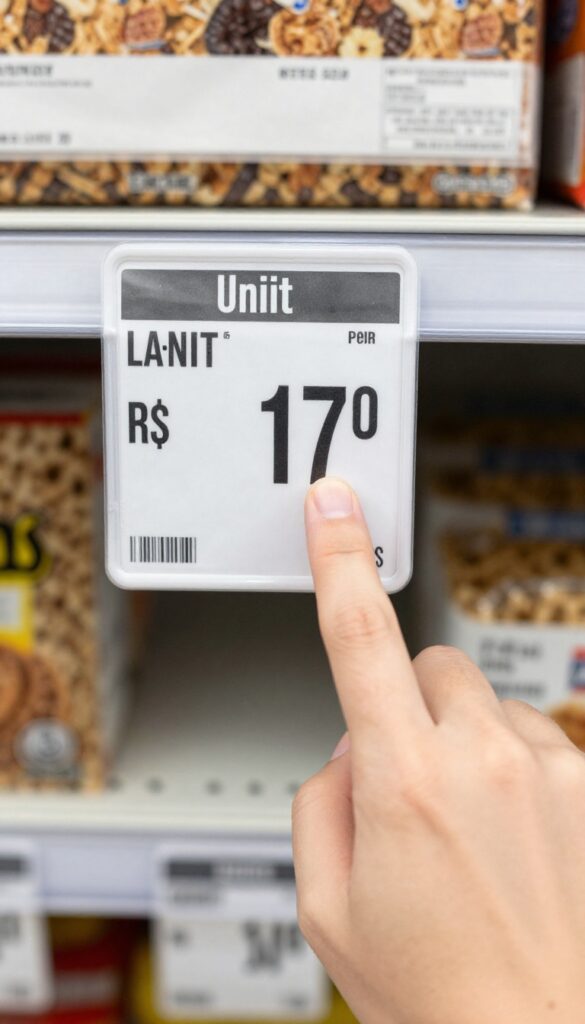
That big family-size box of cereal might look like a bargain, but the math doesn't always add up. Stores use tricky packaging to make you think bigger is cheaper. Unit pricing—the cost per ounce, pound, or quart—cuts through the confusion and shows you the real deal.
Check the small print on the shelf tag. It lists the price per unit, usually in ounces or pounds. Compare that number across sizes and brands.
Sometimes the medium bag of chips costs less per ounce than the jumbo one. Other times, buying in bulk really does save. Unit pricing takes the guesswork out.
Look Past The Package
Don't let flashy packaging or sale signs fool you. A “50% more free” label can still be pricier per ounce than the regular size. Always glance at the unit price before tossing anything in your cart.
Know Your Units
Different products use different units—ounces for dry goods, fluid ounces for liquids, pounds for produce. Stick to the same unit when comparing. A quick mental check saves you from paying more for less.
Watch For Store Tricks
Some stores put the unit price in tiny font or hide it at the bottom of the tag. Others use different units for similar items (like price per ounce vs. per pound) to make comparison harder. Keep your eyes peeled.
6. Use Cashback Apps
Cashback apps are one of the easiest ways to save without changing what you buy. You already shop for groceries—why not get a little money back for it? Apps like Ibotta and Fetch Rewards let you earn cash on everyday purchases just by scanning your receipt after checkout.
How Cashback Apps Work
Sign up for free, then browse offers before you shop. Add the ones you want, buy the items as usual, and scan your receipt in the app. The cashback gets added to your account, and once you hit a small threshold, you can withdraw it or swap for gift cards.
Stacking Savings
Combine cashback apps with store sales and coupons for triple savings. For example, if a cereal is on sale for $2 and you have a $0. 50 coupon plus a $0.
25 cashback offer, you're paying just $1. 25. It adds up fast.
Which Apps To Try
Ibotta is great for specific brand offers, while Fetch Rewards gives you points for any receipt, no matter the store. Check out Shopkick for in-store scanning bonuses too. Most apps are free, so download a couple and see which fits your routine.
7. Join Loyalty Programs
Free store loyalty cards are one of the easiest ways to save without changing what you buy. They unlock exclusive discounts, digital coupons, and sometimes even fuel points or cash back. Sign up at every store you visit regularly, and keep the card in your wallet or on your phone.
Most grocery chains offer a loyalty program that gives members access to sale prices and personalized deals. It only takes a few minutes to sign up, and you can start saving immediately. Some programs also send you coupons based on your purchase history, so you get discounts on items you actually buy.
Stack Your Savings
Loyalty discounts often stack with manufacturer coupons and store sales. Check the weekly ad for member-only deals, then combine them with paper or digital coupons for maximum savings. Some stores even double coupons on loyalty card days.
Don't Forget The App
Many loyalty programs have a mobile app where you can load digital coupons directly to your card. The app may also include bonus offers, like a free item after a certain number of purchases, or extra points for buying specific brands.
Gas And More
Several grocery loyalty programs let you earn points toward discounted gas, merchandise, or even groceries. For example, every dollar spent might earn you points that reduce the price per gallon at participating stations. If you drive, this can add up to significant savings over time.
8. Buy in Bulk for Non-Perishables
Rice, beans, pasta, and canned goods last forever. Stock up when prices are low, but only buy what you'll actually use. Buying in bulk can cut your per-unit cost significantly, but it's easy to overdo it.
The key is to focus on items you consume regularly and have space to store.
Bulk buying works best for non-perishables that don't go bad. Think dry goods, canned vegetables, spices, and cleaning supplies. Compare unit prices to make sure you're actually saving.
And remember: a deal isn't a deal if you end up throwing half of it away.
Know Your Staples
Stick to items you use week in and week out. For most people, that means rice, pasta, oats, flour, sugar, and canned tomatoes. Keep a running list of your pantry staples so you know exactly what to stock up on when there's a sale.
Check Unit Prices
The big bag isn't always the best value. Look at the price per ounce or per pound on the shelf tag. Sometimes two smaller bags on sale beat the jumbo size.
A quick math check saves you from paying more for bulk.
Store Properly
Keep bulk items in airtight containers to maintain freshness and keep pests out. Label everything with the purchase date so you rotate stock. A cool, dark pantry is ideal.
For longer storage, consider vacuum-sealing or freezing certain items like flour.
9. Avoid Pre-Cut Produce
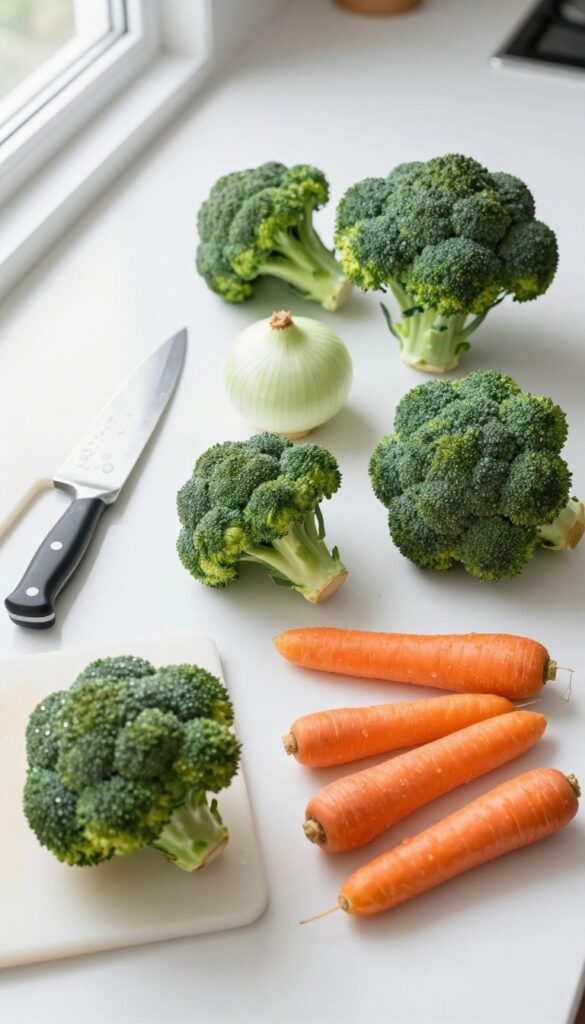
It's tempting to grab those bagged salad mixes or pre-chopped onions when you're in a rush. But you're paying a serious premium for someone else's knife work. Whole fruits and vegetables are almost always cheaper per pound, and the difference adds up fast.
Buying whole produce and doing the cutting yourself can save you 20% to 50% compared to pre-cut options. That's money you can put toward other groceries or keep in your pocket.
The Price Difference Is Real
A bag of pre-cut broccoli florets might cost $3. 99 per pound, while a whole head of broccoli is often $1. 50 or less.
Same for carrots, onions, and melons. The convenience markup is huge, and you're paying for water weight and packaging too.
A Few Minutes Of Prep Saves Big
Spend 10 minutes after your grocery run washing and chopping veggies. Store them in airtight containers, and they're just as convenient as the pre-cut versions all week. You'll get the same ease without the extra cost.
Whole Produce Stays Fresher Longer
Pre-cut produce starts to lose moisture and nutrients faster once it's cut. Whole fruits and vegetables last longer in your fridge, which means less waste and more savings.
10. Cook Once, Eat Twice
Leftovers get a bad rap, but they're actually a secret weapon for saving money. When you double a recipe on purpose, you're essentially buying two meals for the price of one. Plus, you save time and energy by cooking less often.
The key is to plan for leftovers from the start. Choose recipes that reheat well—think soups, stews, casseroles, and grain bowls. Then, pack individual portions for easy lunches or quick dinners later in the week.
Pick The Right Recipes
Not all meals are leftover-friendly. Stick with dishes that taste better the next day, like chili, pasta bakes, or roasted vegetables. Avoid foods that get soggy, like fried items or fresh salads.
Store Smartly
Portion out leftovers right after cooking. Use clear containers so you can see what's inside, and label them with the date. This prevents food from getting lost in the fridge and going bad.
Repurpose, Don't Just Reheat
Turn last night's roasted chicken into today's chicken salad or tacos. A little creativity keeps meals interesting and ensures nothing goes to waste.
11. Embrace Meatless Mondays
Meat is often the priciest item in your cart. Cutting it out just one day a week can lead to noticeable savings over time. Plus, plant-based meals are a great way to add variety to your menu without sacrificing flavor or fullness.
Swapping meat for cheaper proteins like beans, lentils, or eggs once a week can save you a significant chunk of change. A pound of dried beans costs around a dollar and feeds a family, while a pound of ground beef can run four times that. Meatless Mondays aren't just trendy—they're a practical way to stretch your grocery budget.
Start Simple
You don't need fancy recipes. Try a hearty lentil soup, black bean tacos, or a veggie stir-fry with scrambled eggs. These meals come together quickly and use pantry staples you likely already have.
Make It A Family Affair
Get everyone on board by letting each person pick a meatless meal for the week. Kids often enjoy choosing their own dishes, and it builds excitement around trying new foods. You'll also discover new favorites that might become regulars.
Batch Cook For Busy Days
Cook a big batch of beans or lentils on the weekend. Use them in salads, wraps, or grain bowls throughout the week. Having ready-to-eat protein on hand makes meatless meals effortless even on hectic evenings.
12. Shop the Perimeter First
Ever notice how the layout of a grocery store isn't an accident? The fresh produce, dairy, and meat are almost always along the outer walls. That's where the whole foods live.
The middle aisles are packed with processed, packaged items that cost more per serving and often have lower nutritional value. By sticking to the perimeter for most of your shopping, you naturally fill your cart with better ingredients and avoid the high-markup convenience foods.
When you enter the store, make a habit of circling the outer edges first. Grab your fruits, vegetables, milk, eggs, and fresh meat or fish. Then, if you need something from the middle—like canned beans, rice, or spices—go in with a specific list and get out.
This simple shift keeps impulse buys and pricey snacks out of your cart.
Why The Middle Is A Trap
The center aisles are designed to tempt you with colorful packaging and eye-level displays. Items like chips, cookies, sugary cereals, and frozen pizzas have high profit margins for the store. They're also heavily marketed.
By limiting your time there, you avoid the psychological tricks that lead to unplanned purchases.
Perimeter Staples To Stock Up On
Focus on the fresh sections: leafy greens, seasonal vegetables, whole fruits, and lean proteins. Don't forget the dairy aisle for yogurt, cheese, and milk. Many stores also have a bakery section with whole-grain breads.
These items form the base of healthy, affordable meals.
One Exception: The Bulk Bins
If your store has bulk bins for grains, nuts, or dried fruit, that's a rare middle-aisle win. You can buy exactly the amount you need, often at lower prices than packaged versions. Just bring your own bags or containers to cut down on waste.
13. Freeze Leftovers and Extras
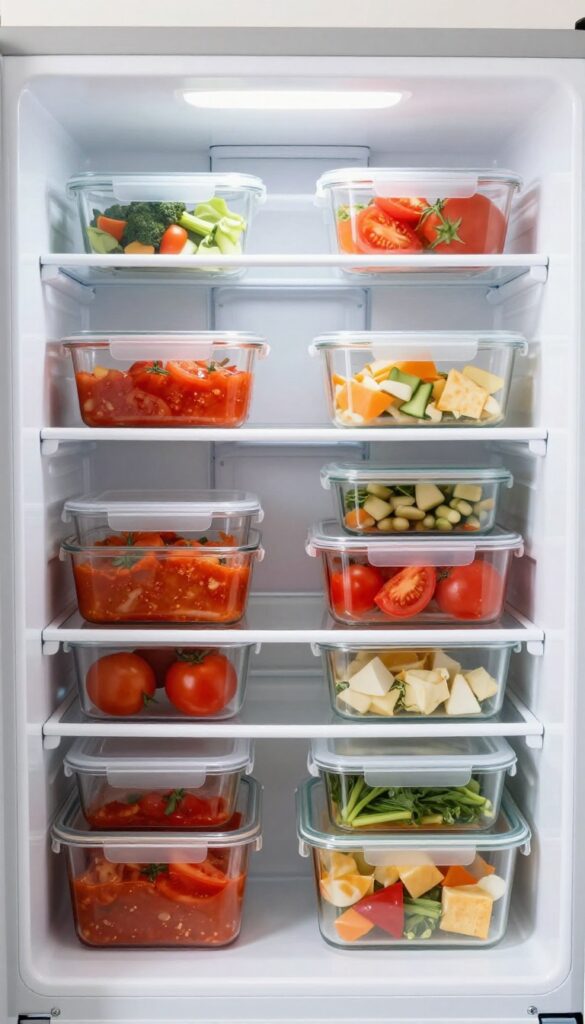
Your freezer is basically a savings account. Cooked meals, bread, and even milk freeze well, so you can stretch your grocery budget further. Instead of letting extra food go bad, pop it in the freezer and you'll have ready-made meals on hand.
That means fewer last-minute takeout orders and more cash in your pocket.
Freezing is one of the easiest ways to prevent food waste and save money. Portion out leftovers into single servings, label them with dates, and stack them in your freezer. You'll build a stash of quick meals that cost you almost nothing extra.
What Freezes Well
Most cooked dishes like soups, stews, casseroles, and pasta sauces freeze beautifully. Bread, tortillas, and even milk can go straight in the freezer. Fresh herbs, chopped onions, and bell peppers also freeze well for later use in cooking.
How To Freeze Smart
Use freezer-safe containers or bags and squeeze out as much air as possible. Portion food into meal-sized amounts so you only thaw what you need. Label everything with the name and date—otherwise, you'll end up with a mystery block of ice.
Save On Takeout By Having Freezer Meals Ready
When you're tired and hungry, a frozen homemade meal is way cheaper than delivery. Keep a few frozen portions of your favorite dinners ready to go. You'll resist the urge to order pizza or Chinese food, and your wallet will thank you.
14. Grow Your Own Herbs
Fresh herbs are one of the biggest rip-offs in the produce aisle. You pay two or three bucks for a bundle that wilts in three days. A tiny herb garden on your windowsill gives you an endless supply for pennies, and it's way easier than you think.
Start with the easiest herbs: basil, mint, chives, and parsley. They grow fast, don't need much space, and you can snip what you need without killing the plant. A small pot, some soil, and a sunny spot is all it takes.
Which Herbs To Start With
Basil and mint are practically impossible to kill. Chives grow like weeds. Parsley gives you a steady harvest for months.
Skip the fancy ones like rosemary or thyme until you've got the hang of it.
How To Keep Them Alive
Water when the soil feels dry, not on a schedule. Give them at least four hours of sunlight a day. Pinch off the tops regularly to encourage bushy growth.
That's it.
The Real Savings
A $3 pot of basil costs about the same as two bunches from the store. But that one pot will keep producing for months. You'll save $20–$30 a year on herbs alone, and your food will taste better.
15. Use a Price Book
Ever wonder if that 'sale' price is actually a good deal? A price book takes the guesswork out. It's a simple log where you track the lowest prices for items you buy regularly.
Once you know the rock-bottom price, you'll never overpay again.
Start Small
Pick your top 10 most-purchased items—milk, bread, eggs, chicken, etc. Note the price per unit (ounce, pound, or liter) each time you shop. After a few weeks, you'll see a pattern: the lowest price that repeats is your baseline.
Stock Up Strategically
When an item hits that baseline price, buy enough to last until the next cycle. For non-perishables, think 2-3 months' worth. Perishables?
Only what you can freeze or use before expiration.
Go Digital Or Analog
Use a notebook, spreadsheet, or a price-tracking app. The key is consistency. Update it weekly, and check it before every shopping trip.
Over time, you'll build a personal price history that beats any generic coupon.
16. Skip the Shopping Cart
Grab a basket instead of a cart on your next trip. The limited space forces you to buy only what you can carry, which naturally cuts down on impulse buys. It’s a simple psychological trick that keeps your total lower without any extra effort.
When you shop with a cart, it’s easy to toss in extra items because there’s always room. A basket reminds you that space is limited, so you stick to your list. Plus, carrying a heavy basket makes you want to finish faster, meaning fewer unplanned purchases.
The Psychology Of Limited Space
A full cart signals abundance, which encourages more spending. A basket signals scarcity, so you prioritize what you actually need. This small change can shave 10–20% off your total without any coupon clipping.
When To Use A Basket
Baskets work best for quick trips or when you’re buying fewer than 15 items. For larger hauls, use a small cart or a hand-held basket and make multiple trips if needed. The inconvenience pays off in savings.
Bonus: Build Arm Strength
Carrying a basket is a mini workout. You’ll burn a few extra calories and feel more intentional about every item you pick up. It’s a win for your wallet and your health.
17. Check the Clearance Section
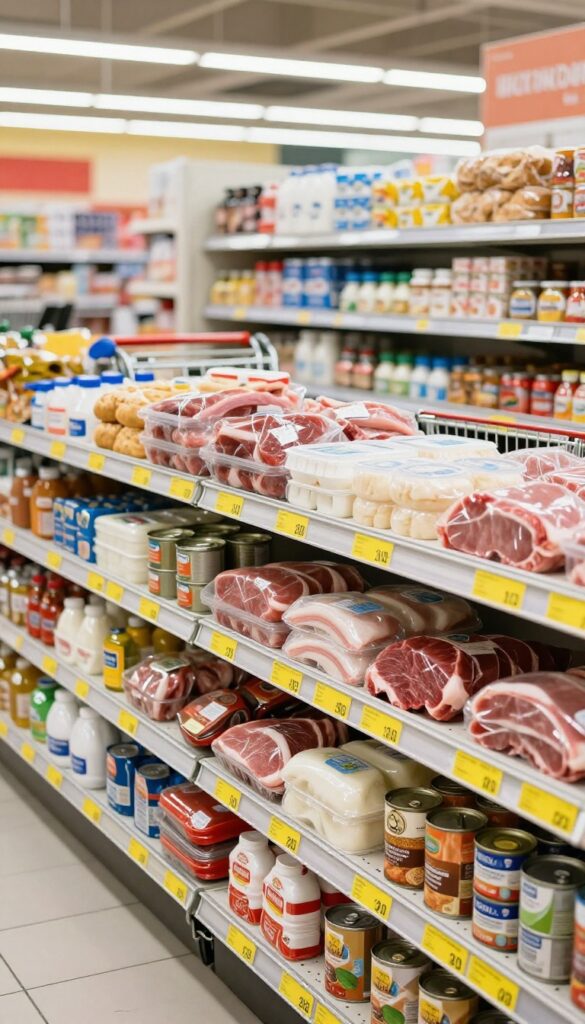
Most stores have a clearance area where items are marked down because they're close to their sell-by date. This is a goldmine for saving money, especially on meat, dairy, bread, and packaged goods. The key is knowing what to grab and how to use it quickly.
Make a habit of scanning the clearance section first. Look for items you regularly buy and check the dates. If it's something you'll use within a day or two, grab it.
For anything else, your freezer is your best friend—meat, bread, and even some dairy products freeze well.
What To Look For
Focus on items with a long shelf life or that freeze easily. Meat, cheese, yogurt, bread, and canned goods are great finds. Avoid fresh produce unless you'll eat it right away.
Freeze For Later
Got a great deal on ground beef or chicken? Portion it out and freeze it. Bread and cheese also freeze well.
Just label everything with the date so you don't forget what you have.
Check The Store's Schedule
Some stores mark down clearance items at specific times, like early morning or late evening. Ask a staff member when they typically discount items so you can plan your visit.
18. Buy Seasonal Produce
Seasonal fruits and vegetables aren't just fresher—they're almost always cheaper. When a crop is abundant, prices drop. Plus, that peak flavor means you'll actually enjoy eating your greens.
Plan your weekly menu around what's in season. A quick online search or a glance at your store's flyer tells you what's abundant right now. Build meals around those items and watch your bill shrink.
Check Local Harvests
Your region's growing season matters more than national trends. A summer peach in Georgia costs way less than a winter import. Look up your area's seasonal calendar and shop accordingly.
Stock Up And Preserve
When berries or tomatoes hit rock-bottom prices, buy extra. Freeze, can, or dehydrate them for later. You get cheap produce year-round without sacrificing nutrition.
Visit Farmers Markets Late
Farmers often discount items near closing time to avoid hauling them back. Show up an hour before the market ends and score deals on the freshest picks.
19. Limit Convenience Foods
Pre-made meals, snack packs, and single-serve items are convenient, but you're paying a premium for that convenience. The markup can be huge—sometimes double or triple the cost per ounce compared to buying in bulk. By cutting back on these grab-and-go options, you can keep more money in your wallet without sacrificing taste or variety.
The easiest way to start is to swap pre-packaged snacks for homemade versions. Instead of buying individual bags of chips or cookies, buy a large bag and portion them into reusable containers. The same goes for yogurt cups, granola bars, and even oatmeal packets.
You'll save money and reduce packaging waste.
Go Bulk On Staples
Rice, pasta, oats, and beans are dirt cheap when you buy them in bulk. Store them in airtight containers, and they'll last for months. You can also buy large bags of frozen vegetables and fruits—they're just as nutritious as fresh and way cheaper per serving.
Diy Your Own Snack Packs
Spend 10 minutes on Sunday portioning out nuts, dried fruit, and crackers into small bags or containers. You'll have ready-to-go snacks for the week without the single-serve price tag. Bonus: you control the portions and ingredients.
Cook Once, Eat Twice
Make a big batch of chili, soup, or casserole on the weekend. Portion it into individual containers for quick lunches or dinners. This cuts down on the temptation to buy expensive frozen entrees or takeout during the week.
20. Set a Weekly Budget
A budget is your grocery spending compass. Without one, it's easy to toss extra items into the cart and watch the total climb. Setting a firm limit before you walk into the store keeps your spending in check and your wallet happy.
Know Your Number
Look at your past grocery receipts to see what you typically spend. Then pick a realistic weekly amount that's slightly lower—maybe 10% less. That small cut adds up to big savings over time.
Cash Or Card?
Using cash for groceries makes the limit feel real. Once the bills are gone, you're done. If you prefer cards, use a dedicated debit card with only your budgeted amount loaded.
No credit cards—they make it too easy to overspend.
Track As You Go
Keep a running tally on your phone or a notepad while you shop. Seeing the total creep up helps you decide if you really need that extra snack or fancy cheese. It's a simple habit that stops budget busters in their tracks.
21. Review Your Receipt
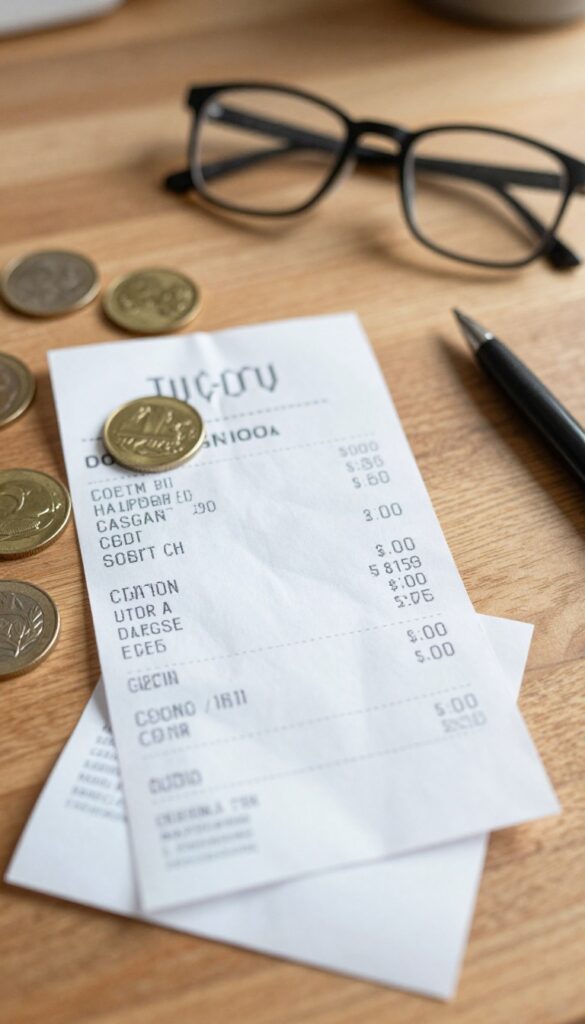
Mistakes happen at the checkout, and they can cost you. A quick scan of your receipt before you leave the store can catch pricing errors, missed discounts, or double charges. Stores usually honor the advertised price if you point out a mistake, so it's worth the minute it takes.
Check Each Item
Compare the price on your receipt to the shelf tag or advertised sale. Look for items that didn't ring up correctly, especially produce weighed at the register. Even a small overcharge adds up over time.
Watch For Missed Discounts
If you used a store loyalty card or a digital coupon, make sure the discount applied. Sometimes the system misses it, or the cashier forgets to scan your card. A polite ask at customer service can fix it fast.
Look For Double Charges
It's not uncommon for the same item to be scanned twice by accident. Skim the list for duplicates, especially on bulk items or things you bought in multiples. Getting a refund for a double charge is straightforward.
FAQ
How much can I realistically save on groceries each month?
Most people can save 20-30% by consistently applying these tips. That's $50-$150 per month for an average family of four.
Do store brands taste as good as name brands?
Often yes, especially for basics like flour, sugar, and canned vegetables. Try one at a time to find your favorites.
Is it worth driving to multiple stores for deals?
Only if the savings outweigh the time and gas. Focus on one or two stores with the best overall prices.
How do I avoid impulse buying?
Stick to your list, shop with a basket instead of a cart, and avoid browsing aisles you don't need.
What's the best cashback app for groceries?
Ibotta and Fetch Rewards are top choices. They offer cashback on many grocery items and are easy to use.
Conclusion
Saving on groceries doesn't mean sacrificing quality or taste. Pick just two or three strategies from this list—like meal planning or buying store brands—and try them this week.
Small changes add up fast. Before you know it, you'll have extra cash in your pocket and a pantry that works harder for you.
Free PDF Download
Not Sure Which Side Hustle Fits You Best?
Take the free Side Hustle Matchmaker Quiz and get a simple 7-day starter plan to help you choose a beginner-friendly idea based on your time, skills, comfort level, and goals.
You’ll get this free PDF plus access to the full Marketerna Save More & Earn More PDF Kit. No spam. Unsubscribe anytime.