
21 Frugal Family Tips for a Tight Budget
Stretching a tight budget doesn't mean giving up on a good life—it means getting creative with what you have.
These 21 frugal family tips are designed to help you cut costs without cutting joy, from meal planning to free library entertainment.
Each idea is practical, easy to start, and proven to make a real difference in your monthly expenses.

Free PDF Download
Not Sure Which Side Hustle Fits You Best?
Take the free Side Hustle Matchmaker Quiz and get a simple 7-day starter plan to help you choose a beginner-friendly idea based on your time, skills, comfort level, and goals.
You’ll get this free PDF plus access to the full Marketerna Save More & Earn More PDF Kit. No spam. Unsubscribe anytime.
1. Master Meal Planning to Slash Grocery Bills
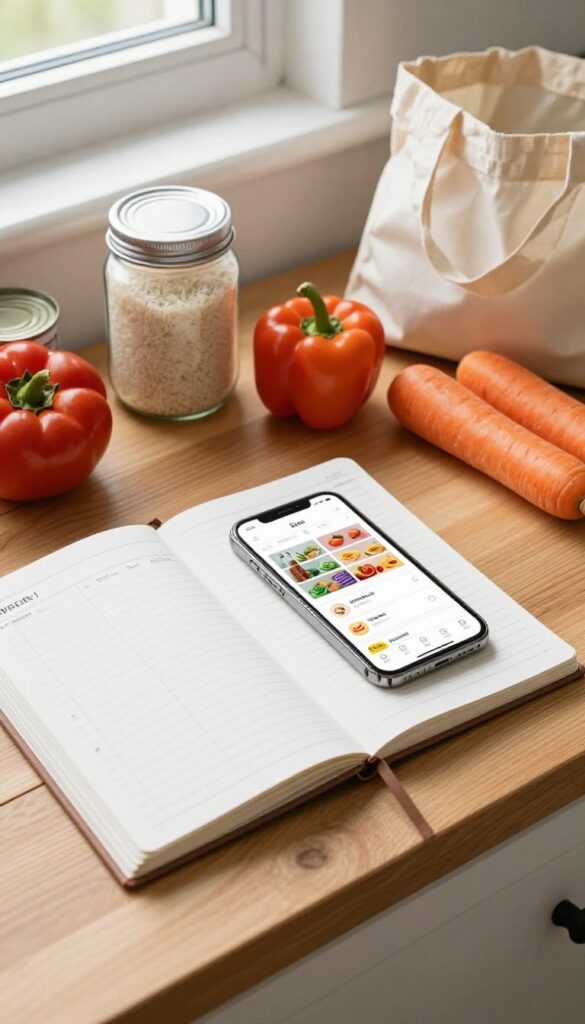
Meal planning is the single most effective way to cut your grocery spending without sacrificing taste or variety. By taking a little time each week to map out meals around what's on sale and what you already have, you'll stop buying things you don't need and start using up everything you buy. The result?
Less waste, fewer impulse purchases, and a noticeably lower bill at checkout.
Start by checking store flyers and apps for weekly deals, then build your menu around those discounted items. Look in your pantry and freezer first—base meals on ingredients you already own. Double recipes when you cook, and freeze half for a future no-cook dinner.
This habit alone can save you up to 30% on groceries.
Shop Your Pantry First
Before you write a single meal on your plan, open your cabinets and see what's there. That half-used bag of rice, the canned tomatoes, the frozen veggies—those are free ingredients. Build meals around them, and only buy the missing pieces.
This stops you from buying duplicates and clears out old stock.
Cook Once, Eat Twice (or Three Times)
When you make a big batch of chili, soup, or casserole, you're prepping multiple meals at once. Eat it fresh one night, pack leftovers for lunch, and freeze a portion for a busy weeknight. This saves time, energy, and money because you're using bulk ingredients more efficiently.
Use A Simple Template To Stay Flexible
You don't need a complicated system. A basic template like 'grain + protein + veggie + sauce' can generate dozens of different meals. Rotate a few favorite recipes each week, and always leave one night for leftovers or a 'use-it-up' meal.
This keeps planning easy and prevents boredom.
2. Embrace a No-Spend Challenge Each Month
A no-spend challenge is exactly what it sounds like: you pick a set period—maybe a weekend or a full week—and spend nothing beyond absolute essentials like food and bills. It sounds daunting, but it's actually freeing. You'll quickly realize how many of your usual purchases are wants, not needs.
The goal isn't deprivation; it's awareness. By pressing pause on spending, you reset your financial habits and discover creative ways to have fun without opening your wallet. Plus, the money you save can go straight to debt or savings.
Set Clear Ground Rules
Define what 'essential' means for your family. Groceries, gas for work commutes, and prescription meds count. Coffee runs, takeout, and impulse buys do not.
Write down your rules and stick them on the fridge so everyone knows the plan.
Plan Free Activities Ahead
A no-spend week doesn't have to be boring. Stock up on library books, plan a board game night, or go for a family hike. Having a few free activities lined up keeps everyone engaged and less tempted to suggest a trip to the store.
Track Your Savings And Reflect
At the end of the challenge, total up what you didn't spend. That number is powerful. Talk as a family about what was hard and what was surprisingly easy.
Use that insight to make smarter spending choices the rest of the month.
Free PDF Download
Not Sure Which Side Hustle Fits You Best?
Take the free Side Hustle Matchmaker Quiz and get a simple 7-day starter plan to help you choose a beginner-friendly idea based on your time, skills, comfort level, and goals.
You’ll get this free PDF plus access to the full Marketerna Save More & Earn More PDF Kit. No spam. Unsubscribe anytime.
3. Use the Library for Free Entertainment and Learning
Your local library is a goldmine of free resources—way more than just books. From movies and video games to museum passes and kids' programs, it's one of the best ways to keep your family entertained without spending a dime.
Borrow Beyond Books
Most libraries now lend DVDs, Blu-rays, video games, audiobooks, and even board games. Some have digital services like Hoopla or Kanopy where you can stream movies and shows for free. You can also check out e-books and magazines through apps like Libby.
Free Programs For All Ages
Libraries host story times, craft sessions, STEM workshops, and summer reading challenges. Many offer homework help, teen clubs, and adult classes like budgeting or resume writing. These programs are not only free but also a great way to meet other families.
Museum And Park Passes
Some libraries have passes you can borrow that give free or discounted admission to local museums, zoos, and state parks. This can save you $20–$50 per visit. Check your library's website or ask at the front desk.
4. Switch to a Cash-Only Envelope System
Plastic makes spending too easy. Swiping a card doesn't feel like real money leaving your wallet, so it's simple to overshoot your budget. The envelope system solves this by making spending physical and finite.
You decide how much cash goes into each envelope for variable expenses like groceries, dining out, and entertainment. Once the envelope is empty, that's it—no more spending in that category until next month. It's a powerful way to build discipline and stay on track without tracking every penny digitally.
How To Set It Up
Start by listing your variable spending categories: groceries, gas, dining out, personal care, kids' activities, etc. Then decide a realistic monthly amount for each based on your budget. Withdraw that total cash from your bank account once a month (or every pay period) and divide it into labeled envelopes.
Keep the envelopes in a secure spot at home, and only take the relevant envelope when you go shopping.
Stick To The Rules
The golden rule: no borrowing from another envelope. If the dining out envelope runs out mid-month, you cook at home—no exceptions. This forces you to prioritize and make trade-offs.
If you consistently have leftover cash in an envelope, adjust the amount down next month. If you run out too early, you may need to allocate more or cut elsewhere.
What About Online Purchases?
The envelope system works for in-person cash spending, but what about bills or online buys? For those, use a separate debit card or a prepaid card loaded with a set amount. Treat it like another envelope.
Or, simply pay those fixed expenses from your checking account and only use envelopes for the variable, temptation-prone categories.
Free PDF Download
Not Sure Which Side Hustle Fits You Best?
Take the free Side Hustle Matchmaker Quiz and get a simple 7-day starter plan to help you choose a beginner-friendly idea based on your time, skills, comfort level, and goals.
You’ll get this free PDF plus access to the full Marketerna Save More & Earn More PDF Kit. No spam. Unsubscribe anytime.
5. DIY Household Cleaners with Simple Ingredients

You don't need a cabinet full of expensive, chemical-laden sprays to keep your home clean. Vinegar, baking soda, and lemon juice can handle almost any mess—for pennies per batch. These DIY cleaners are non-toxic, safe around kids and pets, and surprisingly effective.
Making your own cleaners is easier than you think. A simple all-purpose spray of equal parts water and white vinegar cuts grease and disinfects. Baking soda makes a gentle scrub for sinks and tubs.
Lemon juice tackles hard water stains and leaves a fresh scent. You'll save money and reduce plastic waste.
All-purpose Cleaner
Mix 1 cup water and 1 cup white vinegar in a spray bottle. Add 10 drops of lemon or tea tree oil for a pleasant scent. Use on countertops, windows, and floors (avoid granite or marble).
It cuts grime and kills many germs without harsh chemicals.
Scrubbing Paste
Combine ½ cup baking soda with enough water or lemon juice to form a paste. Apply to tubs, sinks, or stovetops, let sit 5 minutes, then scrub and rinse. It removes soap scum and baked-on food without scratching surfaces.
Glass And Mirror Cleaner
Mix 1 cup water, 1 cup vinegar, and 1 tablespoon cornstarch in a spray bottle. Shake well before each use. Spray on glass, then wipe with a microfiber cloth for streak-free shine.
No ammonia, no fumes.
6. Cut Energy Costs with Smart Habits
Energy bills can eat up a big chunk of your monthly budget, but small habit changes add up fast. You don't need to overhaul your home—just tweak how you use electricity and heat. These simple shifts can save you hundreds a year without sacrificing comfort.
Start by turning off lights when you leave a room and unplugging electronics that aren't in use. Many devices still draw power even when off. A programmable thermostat lets you adjust heating and cooling automatically, so you're not paying to heat an empty house.
Line-drying clothes instead of using the dryer cuts a major energy drain, and running appliances like dishwashers and washing machines during off-peak hours can lower your rate. These habits become second nature quickly and keep more money in your pocket.
Unplug The Vampires
Electronics and chargers left plugged in still sip power—called vampire energy. Plug devices into a power strip and flip it off when not in use. This simple step can save up to 10% on your electric bill.
Master Your Thermostat
Set your thermostat a few degrees lower in winter and higher in summer. A programmable model does the work for you—lower heat while you sleep or are away. Each degree can save about 1% on your energy bill.
Line-dry For Free
Skip the dryer and hang clothes on a rack or line. It's gentle on fabrics, reduces wear, and costs nothing. If you must use a dryer, clean the lint filter after every load to improve efficiency.
Time Your Appliance Use
Check with your utility company about off-peak hours—often evenings or weekends. Running your dishwasher, washer, or dryer during those times can lower your energy rate. Even small shifts make a difference over a month.
7. Host Clothing Swaps with Friends and Neighbors
Kids outgrow clothes faster than you can say 'growth spurt, ' and adult wardrobes can get stale too. Instead of dropping cash on new threads, why not host a clothing swap? It's free, social, and keeps perfectly good items out of landfills.
A clothing swap is simple: gather a group of friends or neighbors, have everyone bring clean, gently used clothes they no longer wear, and let the trading begin. You'll walk away with fresh-to-you pieces without spending a dime.
Set The Ground Rules
Decide on a location—someone's living room or backyard works great. Ask guests to bring only items in good condition (no stains or tears). Set a limit, like 10 items per person, so everyone has a fair shot.
You can also sort by category: kids' clothes, women's, men's, and accessories.
Make It An Event
Turn the swap into a mini party. Play music, serve snacks (potluck style keeps costs down), and let people try things on. Anything left over can be donated to a local charity.
Your guests will love the community feel, and you'll all save money.
Swap Beyond Clothes
Expand the swap to include toys, books, and baby gear. Families are always cycling through these items, and one person's clutter is another's treasure. Just keep it manageable—focus on a few categories per event.
8. Grow a Small Vegetable Garden
Starting a vegetable garden doesn't require a huge backyard or a green thumb. Even a few pots on a balcony or a sunny windowsill can yield fresh produce that cuts your grocery bill. Plus, getting kids involved in planting and watering turns a chore into a fun family activity.
Watching a seed sprout into a tomato plant is pretty magical for little ones—and it teaches them where food comes from.
A small garden can save you money on expensive organic herbs and vegetables. Start with easy-to-grow crops like cherry tomatoes, lettuce, basil, or green beans. Use containers if you don't have garden space, and reuse old buckets or yogurt cups as planters.
Involve your kids by letting them pick their own seeds and water the plants daily. The pride they feel when they eat a salad made from their own lettuce is priceless.
Start Small With High-value Crops
Focus on vegetables and herbs that cost a lot at the store but are easy to grow. Cherry tomatoes, bell peppers, basil, and mint are great choices. A single tomato plant can produce pounds of fruit over a season, saving you $20 or more compared to store-bought organic tomatoes.
Use Recycled Containers And Seeds
You don't need fancy pots. Repurpose old plastic bottles, milk cartons, or takeout containers with drainage holes. Buy seed packets for under $2 each—they contain dozens of seeds.
Swap seeds with neighbors or join a local seed library to start for free.
Get Kids Involved In The Process
Give each child their own small pot or section of the garden. Let them choose what to plant and decorate the pots with paint or stickers. Make a simple chart to track watering and growth.
This builds responsibility and excitement about eating what they grow.
9. Use Cashback and Coupon Apps Strategically
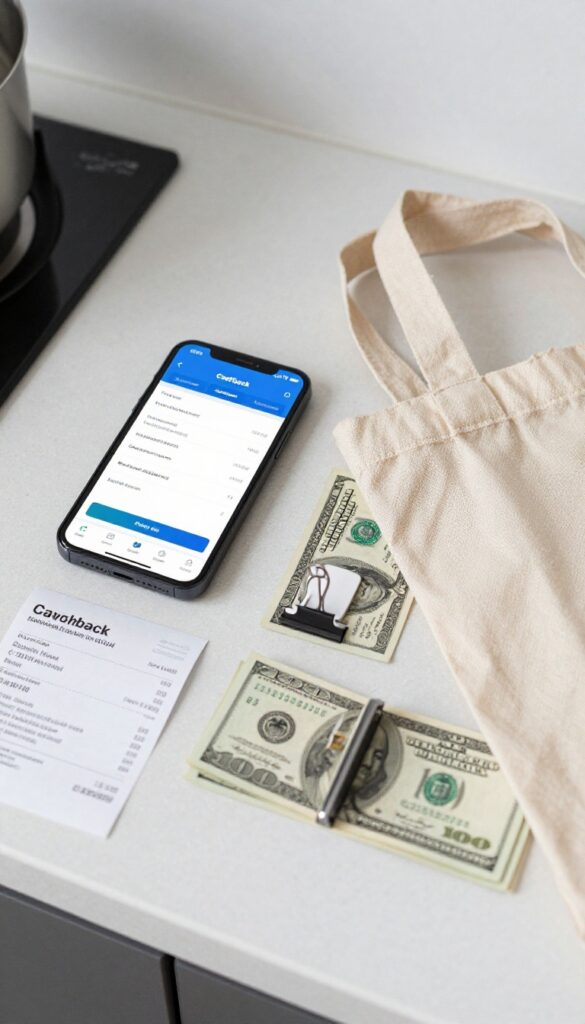
You're probably already buying groceries, toiletries, and household essentials every week. Why not get some of that money back? Cashback apps like Ibotta and Rakuten are basically free money for purchases you'd make anyway.
The trick is to use them smartly—not just open them once and forget.
Start by checking your cashback apps before you shop. Ibotta offers rebates on specific items, while Rakuten gives a percentage back at hundreds of online stores. Stack those savings with store coupons or loyalty rewards for even bigger discounts.
A little planning can turn a routine shopping trip into a money-saving win.
Pick The Right Apps For Your Family
Not all cashback apps are created equal. Ibotta is great for groceries and household items—just scan your receipt after shopping. Rakuten works best for online purchases like clothing, electronics, or toys.
Fetch Rewards lets you earn points by scanning any receipt, no matter what you bought. Choose two or three that fit your shopping habits.
Stack Coupons For Maximum Impact
The real magic happens when you combine cashback apps with store coupons. For example, use a manufacturer coupon from a Sunday paper or a digital coupon from your store's app, then submit the receipt to Ibotta. You can often get items for free or nearly free.
Just remember to check the app's terms—some rebates require you to buy specific sizes or brands.
Make It A Weekly Habit
Set aside five minutes each week to browse offers in your cashback apps. Add the ones you'll actually use to your list before heading to the store. After shopping, scan your receipts right away so you don't forget.
Over a month, those small rebates add up—enough to cover a family pizza night or a tank of gas.
10. Plan Free or Low-Cost Family Outings
Weekend fun doesn't have to drain your wallet. With a little planning, you can create lasting family memories without spending much. The key is shifting your mindset from expensive attractions to nature and community offerings.
Start by checking your local parks department calendar. Many cities offer free concerts, movie nights, and festivals. Hiking trails and nature preserves are open year-round and provide great exercise and bonding time.
Beaches and lakes are perfect for a full day of splashing and sandcastle building—just pack your own snacks and drinks to avoid pricey concessions.
Scout Free Community Events
Libraries, community centers, and churches often host free storytimes, craft days, or outdoor games. Follow their social media pages or sign up for newsletters so you never miss a freebie. Some museums also offer free admission on certain days.
Make Nature Your Playground
State parks, national forests, and local trails are budget-friendly gold mines. Pack a picnic, bring a frisbee or a ball, and turn a simple walk into an adventure. Geocaching adds a treasure hunt element that kids love.
Beach And Lake Days On A Dime
A day at the beach can be nearly free if you bring your own umbrella, towels, and snacks. Skip the boardwalk food and instead pack sandwiches, fruit, and plenty of water. Many beaches have free parking if you arrive early.
11. Cook from Scratch More Often
Pre-packaged foods come with a convenience tax that adds up fast. Cooking from scratch lets you control both ingredients and costs, turning cheap staples into meals that taste far more expensive than they are.
Homemade bread costs pennies compared to bakery loaves, and a batch of pizza dough uses flour, yeast, and oil—items you likely already have. Snacks like granola bars, crackers, or popcorn are easy to make in bulk and cost a fraction of store-bought versions. Batch-cook staples like dried beans and rice on the weekend; they store well and become the base for quick, cheap dinners all week.
Start With One Swap
Pick one packaged item your family buys most often—maybe bread, tortillas, or salad dressing—and learn to make it at home. Once that becomes a habit, add another. Small changes prevent overwhelm and build confidence.
Batch Cooking Basics
Set aside two hours on a Sunday to cook a big pot of beans, a batch of rice, and a simple tomato sauce. Portion them into freezer containers. During the week, you can throw together chili, burrito bowls, or pasta in minutes without reaching for takeout.
Involve The Whole Family
Kids are more likely to eat what they help make. Assign simple tasks like washing veggies, stirring batter, or shaping dough balls. It turns cooking into quality time and teaches valuable skills—all while saving money.
12. Negotiate Bills and Subscriptions Annually
Most people set up their internet, insurance, and phone plans once and forget about them. But companies regularly offer better deals to new customers, leaving loyal ones overpaying. A quick annual check-in can put hundreds of dollars back in your pocket.
Mark a date on your calendar each year to review your recurring bills. Call each provider and ask if they have any loyalty discounts or promotions. If they say no, politely mention you're considering switching.
Often, they'll transfer you to a retention department that can lower your rate. Even a small reduction adds up over 12 months.
Start With The Biggest Bills First
Focus on your highest monthly expenses—internet, cell phone, car insurance, and home insurance. These typically have the most wiggle room. For internet, ask about promotional rates or bundling.
For insurance, request a policy review; you might qualify for new discounts like safe driver or paperless billing.
Use Comparison Sites As Leverage
Before calling, check what competitors are offering. Sites like NerdWallet or Wirecutter can show you current deals. When you mention a lower price from another company, your provider is more likely to match it.
Even if they don't, you know exactly where to switch.
Don't Forget Subscriptions
Streaming services, gym memberships, and meal kits often have hidden fees or price hikes. Log into your accounts and look for cheaper plans—like ad-supported tiers or annual payment discounts. Cancel anything you haven't used in the last month.
You can always rejoin later if you miss it.
13. Practice the 30-Day Rule for Non-Essentials
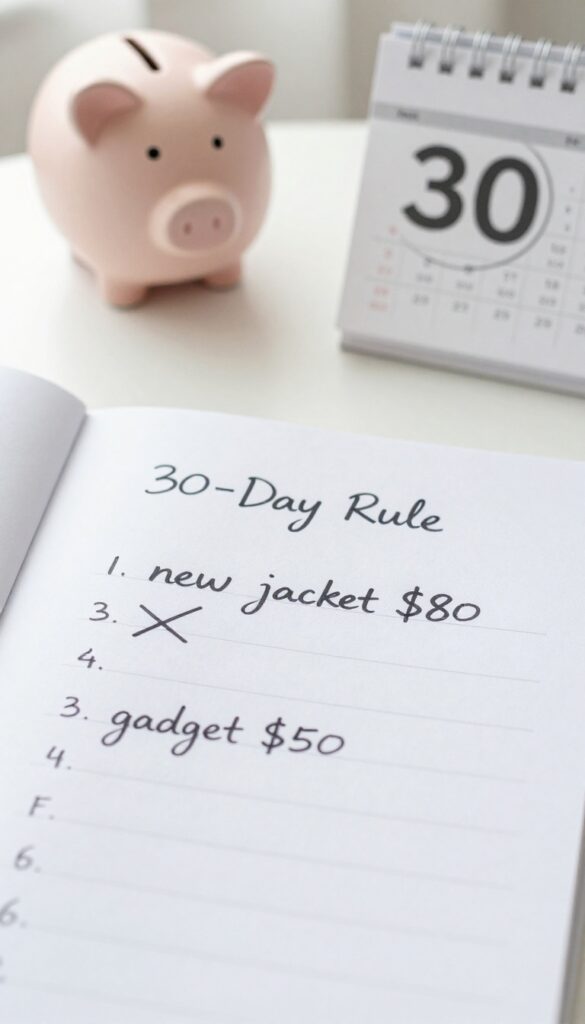
Impulse buys are budget killers. That shiny gadget or trendy outfit feels urgent in the moment, but most of the time, the urge fades fast. The 30-day rule gives you a cooling-off period that separates genuine needs from fleeting wants.
Whenever you feel tempted to buy something non-essential, write it down along with the price and date. Then wait 30 days. If you still want it after a month—and it fits your budget—go ahead.
Most items won't make the cut, and you'll have saved hundreds without feeling deprived.
How To Start The 30-day Rule
Keep a running list on your phone or a sticky note. Include the item, cost, and why you want it. Set a calendar reminder for 30 days later.
When the reminder pops up, review your list. You'll be surprised how many things no longer excite you.
What Counts As Non-essential?
Essentials are things like groceries, medicine, and utility bills. Non-essentials include new clothes, electronics, home decor, and takeout. If you're unsure, ask yourself: 'Can I live without this for 30 days? ' If yes, it's non-essential.
The Emotional Trick Behind The Rule
Our brains crave instant gratification. By delaying the purchase, you let the initial excitement cool down. You'll realize that happiness doesn't come from stuff—it comes from making intentional choices that align with your values.
14. Make Your Own Gifts and Cards
Store-bought gifts and greeting cards can eat up a surprising chunk of your budget, especially during holidays and birthdays. Homemade alternatives not only save money but also carry a personal touch that store items just can't match. Plus, involving the whole family in crafting turns gift-giving into a fun, bonding activity.
Gift Ideas That Cost Pennies
Think baked goods in a mason jar, a framed family photo, or a handmade scarf. Even simple items like homemade candles or bath salts feel luxurious when wrapped with care. The key is to match the gift to the recipient's tastes—a batch of their favorite cookies says "I know you" better than any generic present.
Cards That Speak Volumes
A blank card from the dollar store or a piece of cardstock can become a keepsake with a little creativity. Let kids decorate with drawings, stickers, or pressed flowers. Inside, write a heartfelt message—that personal note is what people remember, not the price tag.
Turn It Into A Family Tradition
Set aside one afternoon each month to create gifts and cards for upcoming occasions. Play music, lay out supplies, and work together. Over time, you'll build a stash of ready-to-go presents, reducing last-minute spending and stress.
15. Use a Budgeting App to Track Every Dollar
You can't fix what you don't measure. That's especially true with money. Free apps like Mint or EveryDollar make it easy to see exactly where your cash is going each month.
Once you have that clarity, cutting back becomes a lot less guesswork and a lot more control.
A budgeting app does the heavy lifting for you. Link your accounts, and it automatically categorizes your spending. You'll see how much goes to groceries, dining out, subscriptions, and more.
Many apps let you set spending limits and send alerts when you're close to hitting them. This real-time feedback helps you make better choices on the spot.
Start With A Free Option
You don't need to pay for a budgeting tool. Mint is completely free and syncs with most banks. EveryDollar has a free version that works well for manual tracking.
Pick one that feels intuitive and stick with it for at least two months to see the full picture.
Set Up Categories That Match Your Life
Generic categories like 'Shopping' won't help much. Customize them to reflect your actual spending: 'Kids' Activities, ' 'Gas & Tolls, ' 'Takeout, ' etc. The more specific, the easier it is to spot patterns.
You might discover you're spending $80 a month on coffee runs without realizing it.
Review Weekly, Not Just Monthly
Monthly check-ins are fine, but weekly reviews keep you on track. Spend five minutes every Sunday looking at your spending so far. If you're over in one category, you can adjust before the month ends.
Small course corrections prevent big blowouts.
16. Buy in Bulk for Non-Perishables and Staples
Warehouse clubs and food co-ops exist for a reason: buying larger quantities almost always lowers the per-unit price. For families on a tight budget, this is one of the easiest ways to slash grocery bills without changing what you eat. The trick is to focus on items that won't spoil before you use them.
Stock up on toilet paper, paper towels, rice, pasta, canned vegetables, and cleaning supplies. These are things you'll definitely use, and they store well for months. If you don't have a membership yet, consider splitting the annual fee with a friend or relative—or just tag along on their shopping trips.
What To Buy In Bulk
Stick to non-perishables and household staples: grains, beans, pasta, canned goods, spices, toilet paper, laundry detergent, and diapers if you have a baby. Avoid fresh produce and dairy unless you know your family can eat them before they go bad.
Splitting With Another Family
If the warehouse sizes are too large for your household, team up with a neighbor or sibling. You split the cost and the haul, and both families save. Just make sure you agree on how to divide items before you checkout.
17. Repair Instead of Replace
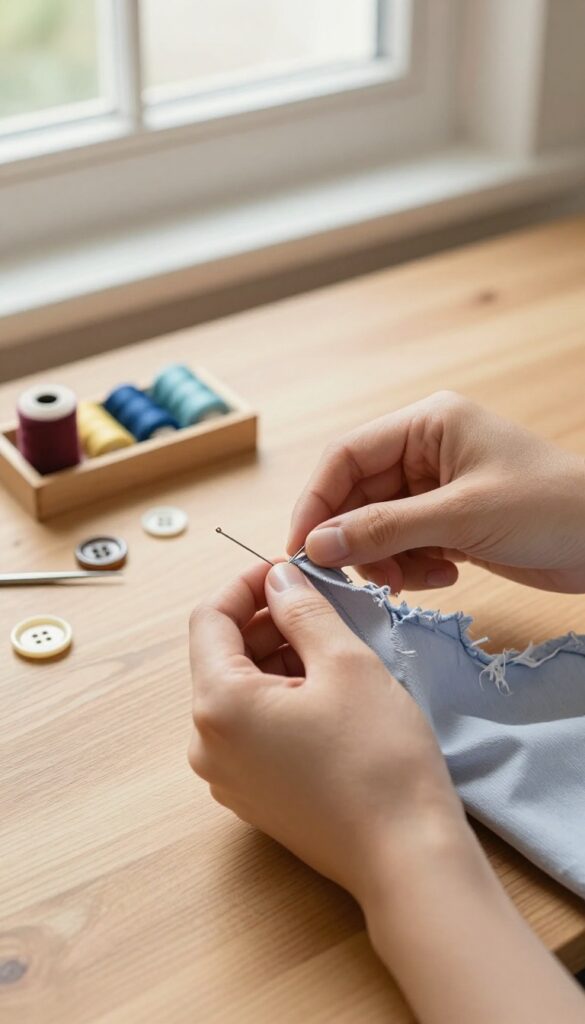
Before you toss that torn shirt or wobbly chair, pause. A quick fix can save you money and keep things out of the landfill. Learning basic repair skills is easier than ever, thanks to free tutorials online.
You don't need to be a pro—just willing to try.
Start With Sewing
A missing button or small tear doesn't mean the end of a garment. Keep a basic sewing kit with needles, thread, and buttons. Watch a five-minute YouTube video on how to sew a button or mend a seam.
You'll extend the life of clothes and save on replacements.
Fix Appliances Yourself
Many small appliance issues are simple to fix. A clogged vacuum, a loose wire, or a stuck blender blade often just needs cleaning or a cheap part. Search for your model number plus "repair" online.
You'll likely find a step-by-step guide that walks you through it.
Revive Furniture
A wobbly table leg or loose drawer is usually an easy fix with wood glue or a screwdriver. For scratches, use a marker or furniture polish. If upholstery is worn, consider re-covering cushions instead of buying new.
Small repairs can add years to furniture.
18. Reduce Meat Consumption with Plant-Based Meals
Meat is often the priciest grocery item, but cutting back doesn't mean sacrificing flavor or fullness. Swapping in plant-based proteins a few nights a week can slash your food bill while keeping everyone satisfied. Plus, it's a healthy shift that many families barely notice once they find the right recipes.
Start With One Meatless Night
Don't overhaul your whole menu at once. Pick one night—say, Meatless Monday—and build from there. Try hearty lentil soup, black bean tacos, or a veggie stir-fry with eggs.
These meals are cheap, quick, and filling enough to win over even the pickiest eaters.
Stretch Meat When You Do Use It
When you cook with meat, use less by bulking up dishes with beans, lentils, or chopped mushrooms. For example, mix half ground beef with half cooked lentils in tacos or spaghetti sauce. You'll barely taste the difference, but your wallet will.
Embrace Eggs And Dairy For Protein
Eggs are a frugal powerhouse. Whip up a frittata with leftover veggies, or serve scrambled eggs with beans and tortillas for a cheap, protein-rich dinner. Greek yogurt and cottage cheese also add creaminess and protein to meals without the meat price tag.
19. Set Up a Family Savings Challenge
Turning saving into a game can motivate everyone in the family to cut back and stash cash. When kids see their progress, they get excited about reaching a shared goal—like a weekend trip or a new board game. This approach makes frugality feel like teamwork, not sacrifice.
Choose a goal that excites everyone, then pick a simple tracking method. A clear jar works wonders because kids can watch the coins pile up. Alternatively, use a printable chart on the fridge where you color in a square for every $10 saved.
Set a deadline, like three months, and celebrate when you hit the target.
Pick A Goal That Sparks Joy
Talk as a family about what you'd all love to do or buy. It could be a day at the beach, a pizza night, or a new puzzle. When everyone has a say, they're more invested in saving.
Track Progress Visually
Use a clear jar, a sticker chart, or a whiteboard. Mark milestones along the way so you can cheer small wins. Kids love seeing the line move closer to the finish.
Reward The Effort, Not Just The Goal
Celebrate when you hit halfway or when someone suggests a money-saving idea. A high-five or a small treat keeps the momentum going. The real win is building the habit together.
20. Cancel Unused Subscriptions and Memberships
It's easy to sign up for a free trial and forget about it—until the charges start piling up. Streaming services, gym memberships, and magazine subscriptions often go unused, quietly draining your bank account each month. A quick audit can free up cash without changing your lifestyle.
Take an hour to list every subscription and membership your family pays for. Check bank statements and credit card bills for recurring charges. Then decide which ones you actually use regularly and which are just eating your budget.
Spot The Hidden Charges
Look beyond obvious services like Netflix or Spotify. Many families have forgotten app subscriptions, cloud storage plans, or even a gym membership they never use. Set a reminder to review these every three months.
Share Or Swap Accounts
Some services allow multiple profiles or family plans. Share a streaming account with a relative or split the cost of a warehouse membership with a neighbor. You keep the benefit at a fraction of the price.
Use Free Alternatives First
Before renewing any subscription, check if a free version exists. Your local library offers free streaming, e-books, and even museum passes. Many apps have ad-supported tiers that work just fine for occasional use.
21. Teach Kids Money Skills Early
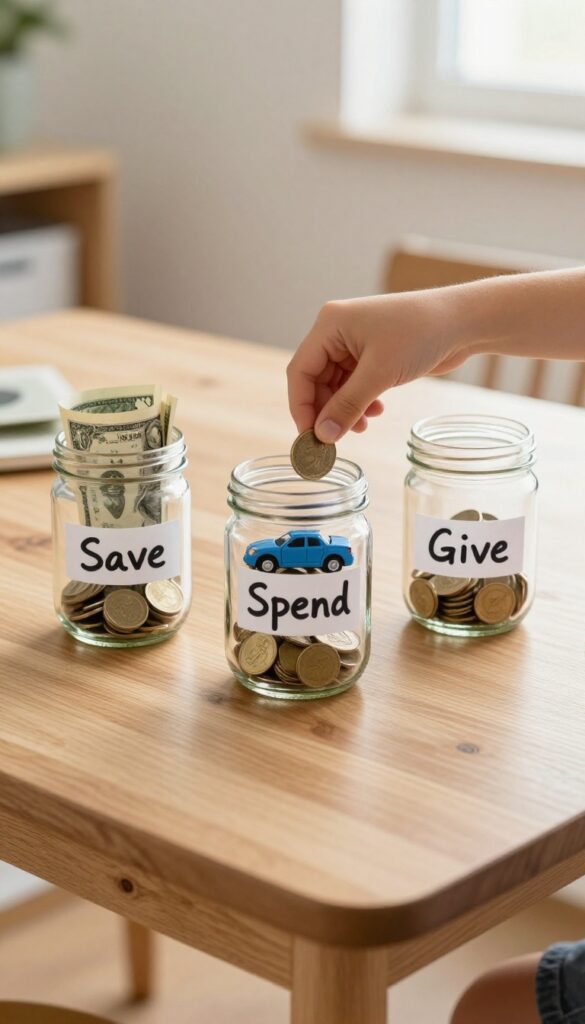
One of the best gifts you can give your kids is a solid understanding of money. When they learn early how to budget, save, and make choices, those habits stick for life. And it doesn't require a big investment—just a little time and some small denominations.
Start by giving a small weekly allowance in coins and small bills. Have them divide it into jars for saving, spending, and giving. Let them make their own decisions about treats or toys, even if they make mistakes.
Those early lessons are far cheaper than learning later with credit cards.
The Three-jar System
Use three clear jars labeled Save, Spend, and Give. Each week, have your child split their allowance among them. This visual method makes abstract concepts concrete and builds a habit of mindful money management.
Let Them Make Mistakes
It's tempting to step in when your child wants to blow their allowance on a cheap toy that will break. But letting them buy it—and feel the disappointment—teaches a lasting lesson. Small losses now prevent big financial regrets later.
Lead By Example
Kids learn more from what they see than what they're told. Let them watch you comparison shop, clip coupons, or talk through a budget decision. When they see you making frugal choices, they'll naturally adopt those habits themselves.
FAQ
How can I start saving money with a tight budget?
Begin by tracking your spending for a month. Identify one or two areas to cut, like dining out or unused subscriptions. Small changes add up quickly.
What are the best free activities for families?
Libraries, parks, hiking trails, free museum days, and community events are excellent. Many towns offer free concerts or movie nights in summer.
How do I get my kids on board with frugal living?
Involve them in fun saving challenges, like a no-spend weekend or a DIY project. Explain that saving money means more for family adventures.
Is meal planning really worth the effort?
Absolutely. It reduces food waste, cuts impulse buys, and saves time. Even a rough weekly plan can lower your grocery bill by 20% or more.
What's the easiest way to reduce utility bills?
Switch to LED bulbs, unplug electronics when not in use, and adjust your thermostat by a few degrees. These steps can save up to 10% on energy costs.
Conclusion
Stretching your dollars doesn't mean sacrificing joy or comfort. By weaving these small habits into your daily life, you'll build a safety net that protects your family's future.
Start with just one or two tips today, and watch your savings grow without the stress.
Free PDF Download
Not Sure Which Side Hustle Fits You Best?
Take the free Side Hustle Matchmaker Quiz and get a simple 7-day starter plan to help you choose a beginner-friendly idea based on your time, skills, comfort level, and goals.
You’ll get this free PDF plus access to the full Marketerna Save More & Earn More PDF Kit. No spam. Unsubscribe anytime.