
19 Frugal Apartment Living Ideas for Small Budgets
You just paid rent and suddenly your bank account looks sad. Living in an apartment doesn't have to drain your wallet. With a few smart tweaks, you can cut costs without feeling deprived.
Small spaces actually work in your favor when you're trying to save. Less square footage means lower utility bills and less temptation to buy stuff you don't need. The key is knowing which changes make the biggest impact.
These 19 ideas are designed for real apartment dwellers on tight budgets. No expensive renovations or drastic lifestyle overhauls—just practical, actionable steps to keep more money in your pocket each month.

Free PDF Download
Not Sure Which Side Hustle Fits You Best?
Take the free Side Hustle Matchmaker Quiz and get a simple 7-day starter plan to help you choose a beginner-friendly idea based on your time, skills, comfort level, and goals.
You’ll get this free PDF plus access to the full Marketerna Save More & Earn More PDF Kit. No spam. Unsubscribe anytime.
1. Negotiate Your Rent or Renewal Terms

Rent is likely your biggest monthly expense, so even a small reduction can free up serious cash. Many tenants assume the listed price is final, but landlords often have wiggle room—especially if you're a reliable, low-maintenance renter. A simple conversation could save you hundreds over the year.
Start by researching what similar apartments in your area are renting for. Websites like Zillow, Apartments. com, or local Facebook groups can give you solid data. If you find that comparable units are cheaper, use that as leverage.
Approach your landlord politely: mention your on-time payment history, how you keep the place clean, and that you'd like to stay but need a bit of a break. Even $50 off per month adds up to $600 annually—that's a nice emergency fund or a few months of groceries.
Timing Is Everything
The best time to negotiate is 60 to 90 days before your lease ends. Landlords prefer keeping good tenants over finding new ones, especially during slower seasons like winter. If you're month-to-month, you have even more leverage—just be ready to move if they say no.
What To Offer In Return
Propose a longer lease term (like 18 or 24 months) in exchange for a lower rate. Landlords love stability. You could also offer to handle minor maintenance yourself or pay a few months upfront.
These small concessions can make them more willing to drop the price.
If They Say No, Ask For Perks
If a rent reduction isn't possible, ask for other concessions: a free parking spot, waived pet fees, a gift card, or a new appliance. Sometimes landlords can't lower the base rent but can throw in extras that still save you money.
2. Use Curtains as Insulation
Windows are one of the biggest sources of heat loss in winter and heat gain in summer. That's where curtains come in. A simple swap or upgrade can make your apartment more comfortable and cut your energy bills without touching the thermostat.
How It Works
Thermal curtains have a thick, foam-backed lining that traps air. In winter, they keep warm air inside. In summer, they reflect sunlight away.
Even heavy blankets or dark-out curtains work well if you're on a tight budget.
Smart Timing
Close curtains at night in winter to lock in heat. Open them during sunny winter days to let warmth in. In summer, do the opposite: keep them closed during the hottest part of the afternoon, then open them at night to let cool air in.
The Cost Benefit
A set of thermal curtains costs around $20 to $40 per window. They can reduce your heating and cooling bills by up to 25%. That means they often pay for themselves within a few months.
Plus, they block drafts and reduce noise.
Free PDF Download
Not Sure Which Side Hustle Fits You Best?
Take the free Side Hustle Matchmaker Quiz and get a simple 7-day starter plan to help you choose a beginner-friendly idea based on your time, skills, comfort level, and goals.
You’ll get this free PDF plus access to the full Marketerna Save More & Earn More PDF Kit. No spam. Unsubscribe anytime.
3. Master the Art of Meal Prepping
Takeout adds up fast. A few $15 deliveries a week can easily blow past $200 a month. Meal prepping flips that script by turning cheap ingredients into ready-to-eat meals.
You control portions, ingredients, and cost.
Dedicate a couple of hours each week to prep ingredients or full meals. You'll avoid pricey takeout and reduce food waste. Focus on versatile staples like rice, beans, and seasonal veggies.
Store portions in reusable containers so grabbing lunch is as easy as ordering in.
Start Simple
You don't need elaborate recipes. Pick three staple meals—like stir-fry, chili, and grain bowls—and rotate them. Cook a big batch of rice, chop veggies, and portion out proteins.
This cuts decision fatigue and keeps your grocery list short.
Use What's On Sale
Check weekly flyers and build your menu around discounted produce and proteins. Frozen vegetables are just as nutritious and often cheaper. Buy in bulk when prices drop, then freeze extras.
This keeps your budget flexible and your meals varied.
Invest In Good Containers
Spend a few bucks on a set of glass or BPA-free plastic containers. They keep food fresh longer and make grab-and-go easy. Stackable ones save cupboard space.
Wash them right after eating to avoid odors and stains.
4. Cut Your Electricity Bill with Smart Habits
Electricity might not feel like a huge expense, but month after month it quietly eats into your budget. The good news? You don't need to sit in the dark or freeze to save.
A few simple habit changes can shave dollars off your bill without sacrificing comfort.
Unplug The Energy Vampires
Many electronics still draw power even when turned off—things like phone chargers, gaming consoles, and coffee makers. Unplug them when not in use, or plug them into a power strip and flip the switch off. It's an easy way to stop paying for electricity you're not using.
Switch To Led Bulbs
LED bulbs use up to 80% less energy than incandescent ones and last way longer. Swap out the bulbs in your most-used lamps and fixtures first. You'll notice the difference on your next bill, and you won't have to change bulbs as often.
Adjust Your Thermostat A Few Degrees
In winter, set your thermostat to 68°F when you're home and lower when you're asleep or away. In summer, aim for 78°F. Each degree you adjust can save about 1% on your energy bill.
A programmable thermostat makes this automatic, but even manual tweaks help.
Free PDF Download
Not Sure Which Side Hustle Fits You Best?
Take the free Side Hustle Matchmaker Quiz and get a simple 7-day starter plan to help you choose a beginner-friendly idea based on your time, skills, comfort level, and goals.
You’ll get this free PDF plus access to the full Marketerna Save More & Earn More PDF Kit. No spam. Unsubscribe anytime.
5. Embrace Second-Hand Furniture and Decor
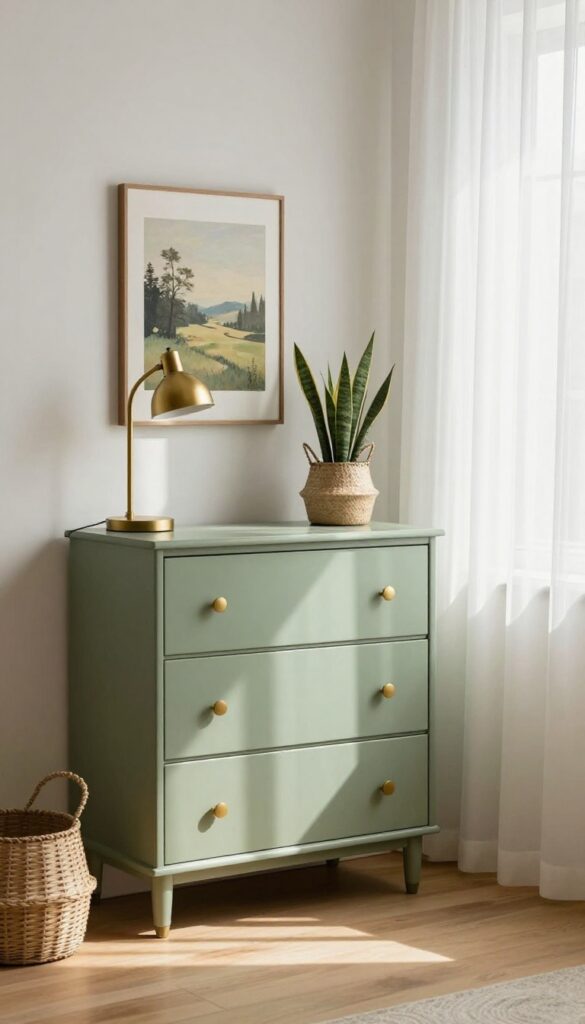
You don't need a showroom budget to make your apartment look put together. Second-hand furniture and decor can save you a ton while giving your space unique character. Plus, you're keeping perfectly good items out of landfills.
Thrift stores, Facebook Marketplace, and Craigslist are goldmines for apartment essentials. You can find sturdy tables, chairs, and shelves for a fraction of retail prices. A little paint or new hardware can make them look custom.
Where To Hunt For Bargains
Start with Facebook Marketplace and Craigslist—search for keywords like "free" or "moving sale. " Thrift stores and estate sales are great for smaller items like lamps, frames, and decor. Check often, because good stuff goes fast.
Easy Diy Upgrades
A fresh coat of paint can transform a tired dresser or table. Swap out old knobs for modern ones from a hardware store. Even just cleaning and polishing wood furniture can reveal a beautiful finish underneath.
What To Avoid Buying Used
Skip upholstered furniture that might hide bed bugs or odors. Also avoid mattresses and pillows for hygiene reasons. Stick to hard surfaces you can easily clean or refinish.
6. Reduce Water Usage and Save on Utilities
Water bills can sneak up on you, especially if you have leaky fixtures or long showers. The good news is that cutting water usage is one of the easiest ways to lower your monthly expenses without much effort. Small changes in your daily routine can add up to noticeable savings over time.
Install Low-flow Fixtures
A low-flow showerhead can cut your water usage by up to 40% while still giving you a satisfying shower. They're cheap and easy to install yourself. Also, check your faucets for drips—a slow leak can waste gallons a day.
Fixing a leaky faucet is often as simple as replacing a washer.
Shorter Showers, Full Loads
Trimming just a few minutes off your shower time saves water and the energy needed to heat it. Try setting a timer or playing a short playlist. For dishwashers and washing machines, always wait until you have a full load.
Running half loads wastes water and detergent.
Turn Off The Tap
Don't let the water run while brushing your teeth or shaving. That simple habit can save several gallons per day. Also, rinse dishes in a basin or plug the sink instead of letting the tap run.
Every drop counts when you're on a budget.
7. Create a Capsule Wardrobe
Your closet might be taking up more mental and physical space than you realize. A capsule wardrobe flips that by focusing on a small collection of high-quality, mix-and-match pieces. You'll spend less on clothes, laundry, and storage—and still look put together every day.
Start by pulling out everything you own. Sort into keep, donate, and maybe piles. Aim for 30 to 40 items total, including shoes and outerwear.
Stick to a neutral color palette so everything works together. You'll notice your morning routine gets faster and your wallet gets heavier.
Pick Versatile Basics
Choose pieces you can dress up or down. A plain white tee, dark jeans, a blazer, and a little black dress go a long way. Look for fabrics that don't wrinkle easily and can be hand-washed to save on dry cleaning.
Save On Laundry And Storage
Fewer clothes mean fewer loads of laundry. You'll also need less closet space, so you can skip buying extra storage bins or organizers. Hang items you wear often and fold the rest—your small apartment will feel more open.
Rotate Seasonally
Pack away off-season items in a under-bed bin. This keeps your daily choices simple and protects clothes from dust. When the weather changes, swap them out.
It's like getting a new wardrobe twice a year without spending a dime.
8. Use Free or Low-Cost Entertainment Options

Entertainment doesn't have to wreck your budget. Between streaming subscriptions, bar tabs, and concert tickets, it's easy to blow through cash without thinking. But there are plenty of ways to have fun that cost little to nothing.
With a little creativity, you can still enjoy your social life while keeping your wallet happy.
Tap Into Community Resources
Your local library is a goldmine. Beyond books, many offer free movie rentals, video games, museum passes, and even tool libraries. Community centers often host free fitness classes, game nights, or workshops.
Check your city's events calendar for free concerts, outdoor movies, and festivals.
Host Budget-friendly Gatherings
Instead of meeting at a restaurant, invite friends over for a potluck dinner. Everyone brings a dish, and you provide the space. Movie nights are another cheap option—stream a film you already have or borrow one from the library.
Board game nights or video game tournaments can also be a blast without spending a dime.
Embrace The Outdoors
Nature is free. Go for a hike, have a picnic at a local park, or take a walk along a river or lake. Many cities have free walking tours or self-guided audio tours.
Even just sitting outside with a book or a friend can feel like a treat when you're used to being indoors.
9. DIY Cleaning Products
Store-bought cleaners are expensive and often loaded with chemicals you don't need. Making your own cleaning products is one of the easiest ways to save money while keeping your apartment spotless. You probably already have most of the ingredients in your pantry.
A simple all-purpose cleaner costs pennies to make. Mix equal parts white vinegar and water in a spray bottle, then add a few drops of lemon or tea tree essential oil for a fresh scent. For scrubbing, sprinkle baking soda on surfaces and spray with the vinegar solution—it fizzes away grime without scratching.
These homemade alternatives tackle grease, soap scum, and countertops just as effectively as anything from the store.
All-purpose Cleaner Recipe
Fill a spray bottle with 1 cup water and 1 cup white vinegar. Add 10–15 drops of your favorite essential oil (lavender, lemon, or eucalyptus work great). Shake gently and use on countertops, sinks, and glass.
Avoid using on marble or granite, as vinegar can damage natural stone.
Gentle Scrub For Tough Spots
For baked-on food or soap scum, sprinkle baking soda directly onto a damp sponge or the surface. Spray a little vinegar solution on top and scrub in circular motions. Rinse with water and wipe dry.
This combo is non-toxic and safe for most surfaces.
Glass And Mirror Cleaner
Mix 1 cup water, 1 cup rubbing alcohol, and 1 tablespoon white vinegar in a spray bottle. Spray onto glass or mirrors and wipe with a microfiber cloth for a streak-free shine. This costs a fraction of commercial glass cleaners.
10. Optimize Your Grocery Shopping
Grocery shopping is one of those monthly expenses that can quietly balloon if you're not paying attention. The good news is, a few simple habits can slash your bill without forcing you to eat rice and beans every night. Planning ahead and shopping smart are the real game-changers here.
Start by checking what's on sale at your local stores before you write your meal plan. Build your weekly menu around those deals and seasonal produce—it's almost always cheaper and tastes better. Use apps like Flipp or your store's own app to stack digital coupons and cashback offers.
And seriously, never shop hungry. A rumbling stomach leads to impulse buys and overpriced snacks.
Plan Meals Around Sales
Take five minutes on Sunday to scan the weekly ads. Pick proteins and veggies that are discounted, then build your meals from there. This cuts down on waste and keeps your cart focused.
Go Generic On Staples
Store brands are often made in the same factories as name brands but cost 20-30% less. Try them for pantry staples like pasta, canned goods, and spices. You'll barely notice the difference in taste, but your wallet will.
Use Cashback And Coupon Apps
Apps like Ibotta, Fetch Rewards, and Coupons. com offer real money back on everyday purchases. Just scan your receipt after checkout. It's not a huge amount per trip, but it adds up fast.
11. Lower Your Internet and Phone Bills
Internet and phone plans are one of those monthly expenses that feel fixed, but they're actually negotiable. Providers constantly run promotions for new customers, and existing customers often get overlooked. A simple phone call or a switch to a prepaid plan can free up $30–50 each month without losing service quality.
Call And Ask For A Deal
Call your internet provider and ask about current promotions or loyalty discounts. Be polite but firm—mention you're considering switching. Many companies have retention offers they don't advertise.
You might get a lower rate for the next 6–12 months.
Bundle Or Downgrade
If you have separate internet and cable, consider bundling or cutting cable entirely. Streaming services are cheaper. For internet, check if you can drop to a slower speed—most people don't need gigabit speeds for everyday browsing and streaming.
Go Prepaid For Your Phone
Prepaid phone plans have improved a lot. Major carriers now offer unlimited data on prepaid for $25–40 a month. No contracts, no surprise fees.
If you own your phone outright, switching is easy and can cut your bill in half.
12. Use Space-Saving Furniture to Avoid Storage Costs

Storage units are a sneaky expense that can eat up your budget fast. Instead of renting extra space, let your furniture do double duty. Multi-functional pieces help you declutter without buying more stuff.
Smart furniture choices can eliminate the need for a storage unit entirely. Look for items that serve two purposes at once—like a bed with built-in drawers or a coffee table that lifts to become a desk. These pieces maximize every square foot without costing a fortune.
Beds With Storage Drawers
A bed frame with drawers underneath is a game-changer for small apartments. You can store off-season clothes, extra bedding, or shoes right where you sleep. No need for a separate dresser or a rented storage locker.
Fold-down Desks And Wall Tables
Wall-mounted desks fold flat when not in use, freeing up floor space. Perfect for tiny studios or shared rooms. You get a workspace when you need it and nothing when you don't.
Nesting Tables And Stackable Stools
Nesting tables tuck neatly under each other to save space. Pull them out when guests come over. Stackable stools or chairs can be stored in a corner or closet until needed.
13. Cook from Scratch More Often
Pre-packaged foods are convenient but expensive. A box of pasta mix might cost a few dollars, but you're paying for packaging and processing. Cooking from scratch puts that money back in your pocket.
Plus, you control what goes into your food—less salt, sugar, and preservatives. Start with one or two simple recipes and build from there.
Cooking from scratch doesn't mean spending hours in the kitchen. Focus on staples you use often. Homemade bread, pasta sauce, and salad dressing are surprisingly easy and cost a fraction of the store-bought versions.
Once you see how much you save, you'll want to try more.
Start With One Recipe
Pick one packaged item you buy every week—maybe salad dressing or pasta sauce. Find a simple recipe online and make a batch over the weekend. Store it in a jar and use it throughout the week.
You'll save money and reduce waste.
Batch Cook And Freeze
Double your recipes and freeze portions for busy days. Soups, stews, and casseroles freeze well. This cuts down on takeout cravings and makes scratch cooking more practical.
Use What You Have
Before buying new ingredients, check your pantry. Many scratch recipes use basic staples like flour, oil, vinegar, and spices. Get creative with leftovers—turn roasted veggies into soup or stale bread into croutons.
14. Share Subscriptions with Friends or Family
Subscriptions are one of those costs that seem small until you add them all up. Streaming services, cloud storage, gym memberships, and warehouse clubs like Costco can quietly eat $100 or more from your monthly budget. But here's the thing: most of these services allow multiple users.
Why pay full price when you can split the bill with people you trust?
Gather a few friends or family members and divide the cost of services you all use. Netflix, Spotify, and Amazon Prime let you add extra profiles. Cloud storage plans like Google One or iCloud+ can be shared with a family group.
Even a Costco membership allows a second cardholder for free. Just make sure everyone pays their share on time to avoid awkward conversations.
Choose Wisely
Not every subscription is shareable, and not every person is a good sharing partner. Stick with services that have clear multi-user policies. Avoid sharing accounts with people who might abuse the privilege or forget to pay.
A small group of reliable friends or family is better than a large, messy arrangement.
Set Clear Rules
Before you start sharing, agree on who pays what and how you'll handle changes. Use a simple app like Splitwise to track payments. Decide what happens if someone wants to leave the group.
A little upfront planning prevents misunderstandings later.
Maximize Free Trials
When a service offers a free trial, one person can sign up and share access with the group. Rotate who starts the trial so everyone gets a turn. Just set a reminder to cancel before the trial ends if you don't want to continue.
15. Use a Programmable Thermostat

Heating and cooling eat up a big chunk of your utility bill, but you don't have to freeze or sweat to save. A programmable thermostat lets you set temperatures to automatically adjust when you're asleep or away. Some models are affordable and easy to install yourself, making this a quick win for your budget.
A smart or programmable thermostat can reduce your heating and cooling bills by up to 10%. That's money back in your pocket without changing your lifestyle. Many models let you control settings from your phone, so you can adjust on the go.
Pick The Right Model
You don't need the most expensive smart thermostat. Basic programmable models start around $20 and work just fine. Look for one with easy scheduling options and compatibility with your heating and cooling system.
Set It And Forget It
Program your thermostat to lower temperatures while you're at work or sleeping. A 7-10 degree difference for 8 hours a day can save about 10% on heating and cooling costs. In summer, set it higher when you're out.
Installation Tips
Most programmable thermostats are DIY-friendly. Turn off power to your HVAC system first, then follow the manual. If you're unsure, watch a tutorial online.
Many utilities offer rebates for smart thermostats, so check before you buy.
16. Grow Your Own Herbs and Greens
Fresh herbs from the store cost a surprising amount for what you get—a few sprigs of basil can run you three bucks. But you can grow your own on a tiny windowsill for pennies. Lettuce, mint, parsley, and chives thrive in small pots and keep producing for weeks.
Plus, they make your kitchen look alive and smell amazing.
Start with easy, fast-growing herbs like basil, mint, or chives. Use recycled containers or cheap terracotta pots. Place them on a sunny windowsill and water when the soil feels dry.
You'll have fresh flavors for salads, teas, and cooking without the markup.
Best Herbs For Beginners
Basil, mint, chives, and parsley are nearly impossible to kill. They grow quickly and don't need much space. Buy small starter plants from a garden center or grow from seeds—either way, it's under $5.
Container Ideas On A Budget
Use old tin cans, yogurt cups, or takeout containers with drainage holes poked in the bottom. Paint them or leave them plain. No need for fancy planters—just make sure water can escape.
Saving Money With Regrowing
Regrow green onions, lettuce bottoms, and celery stalks in a glass of water on the counter. Change the water every few days and you'll get new growth in a week. Zero cost, endless supply.
17. Barter Skills with Neighbors
Your building is full of potential—not just apartments, but talents. The person next door might be great with plants, while you're a whiz at fixing leaky faucets. Trading skills instead of paying cash is a win-win.
It builds community and keeps your budget intact.
Start by figuring out what you can offer. Maybe you're good with computers, can sew, or don't mind walking dogs. Then look for neighbors who have skills you need—like haircuts, car repairs, or tutoring.
A simple conversation can lead to a swap that saves both of you money.
How To Start Swapping
Begin casually. Mention to a neighbor that you're happy to help with their Wi-Fi setup if they ever need it. You'll be surprised how many people are open to trading.
Keep it low-pressure and friendly.
Create A Mini Exchange Group
If a few neighbors are interested, start a small group chat or a bulletin board in the lobby. List what you can offer and what you're looking for. Even a simple spreadsheet works.
Over time, you'll build a network that covers everything from pet sitting to plant watering.
Keep It Fair And Fun
No need to track hours like a business. Just agree on a fair trade that feels good to both sides. The real value is the connection and the money you both save.
Plus, it makes apartment living feel more like a community.
18. Avoid Impulse Buys with a 24-Hour Rule
That cute mug or the latest gadget can feel irresistible in the moment. But most impulse buys lose their shine after a day. The 24-hour rule is a simple trick to separate wants from needs.
Before buying anything non-essential, force yourself to wait a full day. You'll be surprised how many things you end up not buying at all. This habit can save hundreds of dollars a year and keeps your apartment clutter-free.
How It Works
When you see something you want to buy, don't pull out your wallet. Instead, take a photo or note it down. Set a reminder for 24 hours later.
After the wait, ask yourself if you still want it. Often, the answer is no.
Why It Works
Impulse purchases are driven by emotion, not logic. Waiting lets the initial excitement fade. You'll think more clearly about whether you actually need it or have space for it in your apartment.
Tips For Success
Unsubscribe from marketing emails that trigger impulse buys. Use a shopping list and stick to it. If you're shopping online, leave items in your cart overnight.
You'll often wake up with a different perspective.
19. Take Advantage of Free Community Resources

Your community is packed with free stuff that can save you serious cash. Libraries, parks, and local events offer entertainment, education, and even tools—all without spending a dime. The trick is knowing what's out there and actually using it.
Your Local Library Is A Goldmine
Libraries aren't just for books anymore. Most lend movies, music, audiobooks, and even video games. Many also offer free workshops, guest lectures, and kids' programs.
Some libraries let you borrow tools, kitchen equipment, or sewing machines. Check their calendar and start saving.
Free Days And Discounts At Museums And Parks
Museums, zoos, and botanical gardens often have free admission days—usually once a month or on certain holidays. State and national parks offer free entrance days too. Keep a list on your phone so you never miss out.
It's a great way to explore without spending.
Community Events For Free Fun
Local festivals, outdoor concerts, movie nights, and farmers markets are often free or very cheap. Follow your city's social media or check community bulletin boards. You'll find everything from yoga in the park to craft fairs.
It's entertainment that doesn't touch your wallet.
FAQ
How can I save money on rent without moving?
Negotiate with your landlord by highlighting your good payment history and offering to sign a longer lease. You can also offer to handle minor maintenance tasks in exchange for a discount.
What are the easiest ways to lower utility bills in an apartment?
Use energy-efficient LED bulbs, unplug electronics when not in use, and adjust your thermostat by a few degrees. Also, seal drafts around windows and doors with weatherstripping or draft stoppers.
How can I eat well on a tight budget in a small apartment?
Plan meals around sales, buy in bulk for non-perishables, and cook from scratch. Use a small freezer to store leftovers and batch-cooked meals. Grow herbs on a windowsill to save on fresh produce.
What are some free or cheap ways to decorate my apartment?
Thrift stores and online marketplaces offer affordable furniture and decor. DIY projects like painting old furniture or making your own wall art can personalize your space without spending much.
How can I reduce my grocery bill without couponing?
Stick to a shopping list, buy store brands, and choose seasonal produce. Avoid shopping when hungry, and consider using cashback apps like Ibotta or Fetch Rewards for occasional savings.
Conclusion
Living frugally in a small apartment doesn't mean sacrificing comfort or style. Start with one or two ideas that fit your space and routine, then build from there.
Small changes like decluttering or cooking at home can free up both room and cash. Over time, these habits become second nature, making your budget and your home feel more spacious.
Free PDF Download
Not Sure Which Side Hustle Fits You Best?
Take the free Side Hustle Matchmaker Quiz and get a simple 7-day starter plan to help you choose a beginner-friendly idea based on your time, skills, comfort level, and goals.
You’ll get this free PDF plus access to the full Marketerna Save More & Earn More PDF Kit. No spam. Unsubscribe anytime.