
21 Sinking Fund Ideas for Families
Picture this: it's November, and you're scrambling to find cash for holiday gifts without touching your emergency fund. That's where sinking funds come in—they're like mini savings accounts for predictable expenses, so you're never caught off guard.
These 21 ideas cover everything from school supplies to summer camp, helping your family stay ahead of the curve. Pick a few that match your biggest costs, set aside a little each month, and watch the stress melt away.
Ready to make your budget work harder? Let's explore practical ways to save for life's recurring expenses.

Free PDF Download
Not Sure Which Side Hustle Fits You Best?
Take the free Side Hustle Matchmaker Quiz and get a simple 7-day starter plan to help you choose a beginner-friendly idea based on your time, skills, comfort level, and goals.
You’ll get this free PDF plus access to the full Marketerna Save More & Earn More PDF Kit. No spam. Unsubscribe anytime.
1. Holiday Gift Fund

Gift-giving should be joyful, not stressful. A holiday gift fund lets you set aside a little each month so you're ready when birthdays and holidays roll around. This way, you avoid last-minute credit card swipes and stay within your budget.
How Much To Save
Start by listing everyone you buy gifts for each year and estimate how much you typically spend per person. Add up the total and divide by 12 to get your monthly savings target. For example, if you spend $600 on gifts annually, save $50 per month.
Where To Keep The Money
Consider a separate high-yield savings account or a dedicated envelope in a cash budget system. The key is to keep it separate from your everyday spending so you're not tempted to dip into it.
When To Withdraw
Plan to pull out the cash a few weeks before the holiday or birthday. This gives you time to shop sales and avoid rush shipping costs. You'll feel prepared and in control.
2. Back-to-School Supplies
August always sneaks up fast, and that school supply list can feel like a grocery bill. A small monthly contribution to a dedicated sinking fund makes back-to-day shopping feel like a breeze instead of a budget buster. Even $25 a month adds up to $300 by summer's end.
Start by estimating your total back-to-school costs: supplies, backpacks, lunchboxes, and a few new outfits. Divide that by the number of months until August and set up an automatic transfer. You'll thank yourself when you walk past the clearance racks in July without a second thought.
Break It Down By Child
If you have multiple kids, create separate sub-accounts or just track totals in a spreadsheet. Each child's list is different, so knowing exactly how much you need for each one keeps you from overspending on extras.
Shop Sales All Year
When you see a great deal on glue sticks or notebooks in June, grab them with your sinking fund money. You'll spread out the shopping and avoid the August rush. Just keep a running list of what you still need.
Free PDF Download
Not Sure Which Side Hustle Fits You Best?
Take the free Side Hustle Matchmaker Quiz and get a simple 7-day starter plan to help you choose a beginner-friendly idea based on your time, skills, comfort level, and goals.
You’ll get this free PDF plus access to the full Marketerna Save More & Earn More PDF Kit. No spam. Unsubscribe anytime.
3. Annual Vacation
A family vacation is something everyone looks forward to, but the cost can sneak up on you. Instead of putting it on a credit card and paying interest for months, start a dedicated sinking fund. By setting aside money each month, you can pay for flights, hotels, meals, and activities without any financial stress.
The key is to estimate your total trip cost early and divide it by the number of months until you leave. Even a small monthly contribution adds up over time, turning a big expense into manageable chunks.
Estimate Your Total Cost
Start by researching your destination. Look up average flight prices, hotel rates, and daily meal costs. Add in activities like theme park tickets or tours, plus a buffer for souvenirs.
This gives you a realistic target to save toward.
Automate Your Savings
Set up an automatic transfer from your checking account to a separate savings account each month. Treat it like a bill you have to pay. Automating removes the temptation to skip a month and keeps your vacation fund growing steadily.
Trim And Adjust Along The Way
If you find you're falling behind, look for small cuts in your daily spending—like eating out less or canceling unused subscriptions. You can also adjust your trip plans, like choosing a cheaper hotel or flying on a weekday, to keep the fund on track.
4. Car Maintenance and Repairs
Cars have a way of demanding attention at the worst possible moments. Between oil changes, tire rotations, and the occasional breakdown, costs add up fast. A sinking fund for car maintenance means you're ready for both the routine and the unexpected, keeping your vehicle reliable without derailing your budget.
Set a monthly savings target based on your car's age and typical service schedule. For a newer car, you might save $50–$75 per month; an older car may need $100 or more. Track expenses over a year to fine-tune your goal.
When the mechanic calls, you'll be glad you planned ahead.
Routine Services
Oil changes, tire rotations, and fluid top-offs happen every few months. Estimate annual costs for these predictable services and divide by 12. For example, if you spend $600 a year on routine maintenance, save $50 monthly.
This keeps your car running smoothly without last-minute scrambling.
Unexpected Repairs
Even well-maintained cars need surprises like a new battery, brake pads, or a check engine light fix. Aim to set aside an extra $30–$50 per month for these curveballs. Over time, this buffer grows into a safety net that covers most common repairs.
Tires And Major Services
Tires wear out every few years, and major services like timing belt replacements are pricey. If you know a big expense is coming, start saving early. For a $800 tire set due in 2 years, save $34 monthly.
Breaking it down makes large costs manageable.
Free PDF Download
Not Sure Which Side Hustle Fits You Best?
Take the free Side Hustle Matchmaker Quiz and get a simple 7-day starter plan to help you choose a beginner-friendly idea based on your time, skills, comfort level, and goals.
You’ll get this free PDF plus access to the full Marketerna Save More & Earn More PDF Kit. No spam. Unsubscribe anytime.
5. Home Repairs and Maintenance

Your home is your biggest asset, but it's also a constant source of surprise expenses. A roof leak, a broken water heater, or a failing appliance can easily cost thousands. Instead of panicking or swiping a credit card, a dedicated sinking fund lets you handle these repairs calmly and without debt.
Set up a separate savings account or envelope for home maintenance. Aim to save 1% to 3% of your home's value each year, but start with a smaller, manageable monthly amount. Even $50 a month adds up to $600 a year—enough to cover many common repairs.
What To Include
Think about the big-ticket items that could fail: roof repairs, HVAC servicing, plumbing emergencies, appliance replacements, and even pest control. Also consider smaller recurring costs like gutter cleaning or painting. List your home's age and condition to prioritize.
How Much To Save
A good rule of thumb is to save $100 to $200 per month, but adjust based on your home's needs. If you have an older roof or aging appliances, lean toward the higher end. Use a sinking fund calculator to see how much you need for expected repairs over the next few years.
When To Use It
Only dip into this fund for necessary repairs and maintenance—not for upgrades or cosmetic changes. If you have a sudden emergency, like a burst pipe, you'll be glad you have the cash ready. Replenish the fund as soon as possible after using it.
6. Medical and Dental Expenses
Healthcare costs can pop up when you least expect them, but many are actually predictable. Copays, deductibles, and orthodontic visits often follow a pattern. A dedicated sinking fund turns these expenses from budget-busters into manageable line items.
Set up a separate account for medical and dental sinking funds. Estimate your annual out-of-pocket costs, divide by 12, and automate the transfers. This way, you're never scrambling to pay for a routine checkup or a surprise filling.
Covering Copays And Deductibles
Most insurance plans have fixed copays for doctor visits and prescriptions. Plus, you likely know your deductible amount. Track these predictable costs and fund them monthly.
When a visit comes up, the money is already there.
Planning For Orthodontics
Braces or Invisalign can cost thousands, but payment plans are common. Use your sinking fund to pay ahead or cover monthly installments. Start saving early if you know your child will need treatment.
7. Pet Care
Our pets are family, but their care comes with predictable costs that can strain the budget if you're not prepared. A sinking fund for pet expenses means you can say yes to the best vet care, quality food, and even that adorable new collar without scrambling for cash. Setting aside money each month turns those routine and surprise pet bills into just another line item you've already covered.
Routine Vet Visits And Vaccinations
Annual checkups, shots, and heartworm tests add up fast. If you have a dog and a cat, you might be looking at $300–$600 per year. Tuck $25–$50 a month into your pet sinking fund, and those visits feel free.
Emergency Vet Care
Accidents and sudden illnesses happen. A trip to the emergency vet can easily run $800–$1, 500. Your sinking fund can cover the deductible or the full bill if you've built it up.
Even $40 a month gives you a $480 cushion by year's end.
Supplies And Grooming
Food, litter, toys, flea prevention, and grooming add up to hundreds per year. By saving a little each month, you can stock up during sales or cover that professional groom without guilt.
8. Annual Insurance Premiums
Insurance is one of those bills that's easy to forget until the renewal notice arrives. Car, home, and life insurance premiums often come due once a year, and that single payment can be a real budget buster. A sinking fund spreads that cost across twelve months, so you're never scrambling to find hundreds or thousands of dollars at once.
Start by listing all your annual insurance policies and their due dates. Divide each premium by 12 and set that amount aside every month. When the bill arrives, the money is already waiting in your sinking fund, ready to be transferred.
Why Annual Premiums Are Perfect For A Sinking Fund
Unlike monthly bills, annual premiums don't give you a chance to adjust your spending gradually. They hit hard and fast. A sinking fund turns that lump sum into a manageable monthly habit, so your budget stays smooth all year.
How To Calculate Your Monthly Contribution
Add up all your annual premiums—car, home, life, and any others. Divide the total by 12. For example, if your car insurance is $1, 200 a year, you'd save $100 each month.
Use a separate savings account or a simple envelope system to keep it separate from everyday cash.
Pro Tip: Bundle And Save Even More
Many insurers offer discounts when you bundle multiple policies. Consider combining your auto and home insurance with the same company. The savings can lower your annual total, which means a smaller monthly contribution to your sinking fund.
9. Property Taxes

Property taxes are one of those bills that can really throw off your budget if you're not ready. They often come due once or twice a year, and the amount can be hefty. Instead of scrambling to find thousands of dollars at the last minute, you can set up a sinking fund that spreads the cost across the whole year.
By saving a little each month, you'll have the full amount ready when the tax bill arrives. No stress, no borrowing, no late fees. It's a simple way to turn a big, scary expense into a manageable monthly habit.
How Much To Save
Check your most recent property tax statement to see the total annual amount. Divide that by 12, and that's your monthly savings goal. If your taxes change, just adjust your contribution up or down.
Where To Keep The Money
A high-yield savings account is a great spot for this fund. You'll earn a little interest, and the money stays separate from your everyday spending so you won't be tempted to dip into it.
What If You Pay Through Escrow?
If your mortgage lender already collects property taxes in your monthly payment, you might not need this fund. But if you pay taxes directly, or if you have a second property, this sinking fund is a lifesaver.
10. Holiday Celebrations
Holidays are wonderful, but they can also be expensive. Between Halloween costumes, Thanksgiving dinner, and all the little extras that pop up, costs add up fast. A dedicated sinking fund takes the financial pressure off, so you can focus on making memories instead of worrying about the bill.
By setting aside money each month, you'll have a pool of cash ready when the holidays roll around. This account covers everything from decorations to special meals, so you never have to scramble or dip into other savings.
Plan Ahead For Each Holiday
List out the holidays your family celebrates and estimate the costs. Halloween might need costumes and candy, while Thanksgiving requires a turkey and side dishes. Having a separate fund for each holiday or one combined account helps you stay organized.
Avoid Last-minute Stress
When the holiday season arrives, you'll already have the money set aside. No more worrying about how to pay for that Halloween costume or whether you can afford a nice Christmas dinner. Your sinking fund handles it, so you can enjoy the moment.
Keep It Simple
Start by automating small monthly transfers into a savings account labeled "Holidays. " Even $20 a month adds up over time. You can adjust the amount based on your family's specific holiday traditions and spending habits.
11. Summer Camp or Activities
Summer camps and activities can easily cost hundreds or even thousands of dollars per child. Instead of scrambling to pay when registration opens, a dedicated sinking fund lets you spread that cost across the year. Even $50 a month adds up fast, making those enriching experiences possible without the financial pinch.
A summer camp sinking fund is all about planning ahead. Start by estimating total costs for all your kids—camps, sports leagues, classes, or even just extra summer fun like zoo passes. Divide by the number of months until summer, and set that amount aside automatically each month.
Come May, you'll have the cash ready to go.
Estimate Your Summer Costs
Gather brochures or check websites for local camps and activities. Make a list of what each child wants to do and total the fees. Don't forget extras like uniforms, equipment, or transportation.
Having a realistic number is the first step to a successful fund.
Automate Your Savings
Set up a separate savings account or a dedicated envelope in your budget. Then automate a monthly transfer from your checking account. Even $25 or $50 per paycheck builds up over time.
Out of sight, out of mind—until summer arrives and you're ready.
Adjust As Plans Change
Kids change their minds, or new opportunities pop up. That's okay. Review your sinking fund every few months and adjust contributions up or down.
The goal is flexibility, not perfection. If you over-save, you can roll the extra into next year or treat the family to a bonus outing.
12. School Field Trips and Extracurriculars
Kids' activities add up fast. Between field trip permission slips, club dues, and sports uniforms, the costs can catch you off guard. A sinking fund for school extras keeps your child involved without the last-minute scramble for cash.
Set up a dedicated fund for school-related activities. Estimate the annual cost by listing upcoming field trips, club memberships, and sports seasons. Divide by 12 and automate a monthly transfer.
When the permission slip comes home, you're ready to say yes without stress.
Track The Calendar
Gather school calendars and activity schedules for the year. Note field trip fees, club dues, and sports registration deadlines. Add up the total and divide by the months until the first expense.
This gives you a clear monthly savings target.
Include Gear And Uniforms
Don't forget equipment costs. Sports cleats, instrument rentals, or club T-shirts can be pricey. Add a buffer for these extras so you're not caught off guard when the coach sends the gear list.
Automate And Forget
Set up a separate savings account or a sinking fund category in your budgeting app. Automate a weekly or monthly transfer. Even $20 a week adds up to over $1, 000 a year—enough to cover most school activity costs.
13. Annual Memberships and Subscriptions
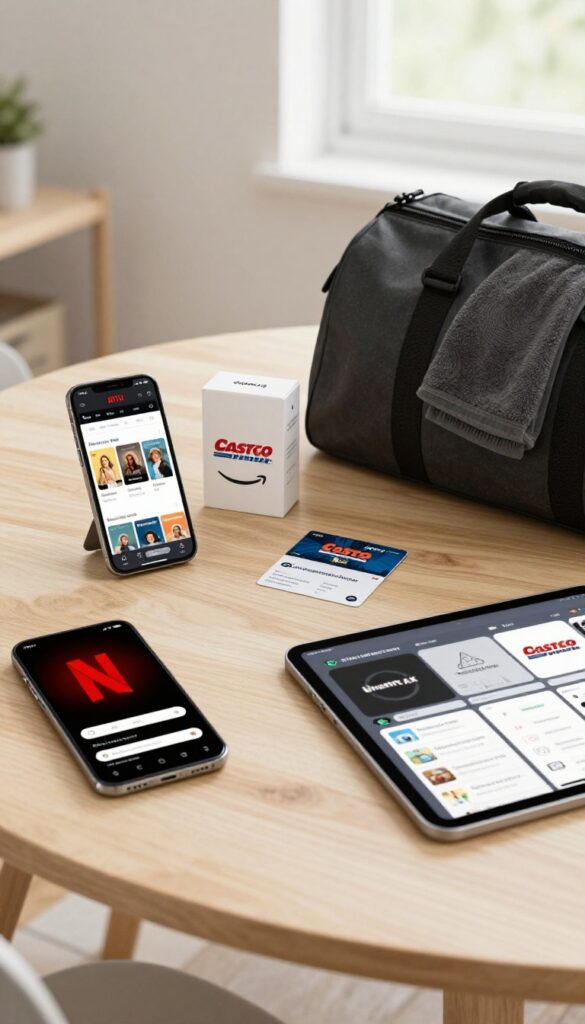
Gym memberships, streaming services, and warehouse club renewals often hit all at once. A sinking fund turns these lumpy annual or semi-annual costs into manageable monthly bites. No more scrambling when the renewal email arrives.
What To Include
List every subscription your family pays yearly or twice a year: Amazon Prime, Costco or Sam's Club, Netflix, Spotify, gym memberships, AAA, and even magazine or app subscriptions. Don't forget lesser-known ones like meal kit deliveries or cloud storage.
How Much To Save
Add up the total annual cost of all memberships and subscriptions. Divide by 12 to get your monthly sinking fund contribution. For example, if your total is $600, save $50 each month.
Where To Keep The Money
Use a separate savings account or a dedicated envelope in a budgeting app. Label it clearly so you're not tempted to dip in for other expenses. Automate the monthly transfer to stay consistent.
14. Clothing and Shoes
Kids grow fast, and their clothing needs change with every season. A sinking fund for clothes and shoes means you're never caught off guard by a sudden growth spurt or a winter coat that's suddenly too small. Setting aside a little each month softens the blow of those back-to-school hauls or spring wardrobe refreshes.
Clothing expenses are predictable in their unpredictability. You know you'll need new items, but the exact timing and amount vary. A dedicated sinking fund turns those irregular costs into manageable monthly contributions, so you can shop sales and buy quality without guilt.
Seasonal Wardrobe Swaps
Twice a year, most families need to transition from warm to cold weather gear or vice versa. That means new coats, boots, and layering pieces for everyone. Estimate the total cost for your family, divide by 6, and save that amount monthly.
When the season changes, you'll have cash ready for the swap.
Growing Kids' Shoes
Kids' feet can grow several sizes in a year, and quality shoes aren't cheap. Track how often your children typically need new shoes—every 3 to 6 months is common. Set a per-child monthly amount based on average shoe prices in your area.
This fund can also cover specialty shoes like cleats or dance shoes.
Back-to-school Basics
August and September often bring a big clothing bill for school uniforms, jeans, sneakers, and gym clothes. Rather than scrambling to cover it all at once, start saving in January. Even $25 a month adds up to $200 by fall—enough for a solid start on school wardrobe needs.
15. Home Improvement Projects
Home upgrades can transform your space, but they often come with a hefty price tag. A sinking fund for home improvement lets you tackle painting, landscaping, or new furniture without going into debt. By saving gradually, you can turn those wish-list projects into reality.
Whether it's refreshing a room or sprucing up the yard, having a dedicated fund means you can plan ahead and avoid last-minute financial stress.
Paint And Decor
A fresh coat of paint can change the whole feel of a room. Set aside money for paint, brushes, and maybe a new rug or curtains. This way, you can update your home whenever the mood strikes.
Landscaping And Outdoor
From planting flowers to building a patio, outdoor projects add curb appeal and enjoyment. Save for plants, mulch, or even a small water feature. Your yard will thank you.
Furniture And Appliances
New furniture or an appliance upgrade can be expensive. By saving monthly, you can replace that worn-out sofa or buy a more efficient refrigerator without a credit card.
16. Technology Upgrades
Let's be real—family tech gets outdated fast. Between school laptops, work tablets, and everyone's phones, upgrading all at once can wreck a budget. A sinking fund for technology upgrades means you can replace that dying device without swiping a credit card.
Start by listing the gadgets your family relies on most. Maybe it's a new laptop for remote learning, a tablet for the kids, or a phone upgrade for you. Estimate the cost and divide by the months until you expect to buy.
Even $25 a month adds up to $300 in a year—enough for a solid tablet or a phone trade-in.
Prioritize By Need
Not all tech is urgent. Rank devices by how much your family depends on them. A school laptop might be a top priority, while a new gaming console can wait.
This keeps your sinking fund focused on what actually matters.
Time Your Purchases
Sales events like Black Friday, back-to-school, or Amazon Prime Day can save you big. Plan your sinking fund to be ready a month or two before those dates. That way you can snag deals without stretching your wallet.
Don't Forget Accessories
Cases, chargers, and extended warranties add up fast. Include a little extra in your fund for these essentials. It's better to have it and not need it than to scramble for cash when a screen protector cracks.
17. Wedding or Anniversary Celebrations

Milestone celebrations like a 25th anniversary party or a child's wedding can be some of the most meaningful—and expensive—events a family plans. A dedicated sinking fund ensures you can honor these occasions without going into debt or sacrificing other financial goals. By setting aside money each month, you'll be ready to celebrate when the big day arrives.
Start by estimating the total cost of the event you're saving for. Whether it's a backyard anniversary barbecue or a formal wedding reception, break down expenses like venue, catering, attire, and decorations. Divide that total by the number of months until the event to determine your monthly contribution.
Keep the funds in a separate high-yield savings account so they're easy to track and earn a little interest along the way.
Anniversary Parties
For a 25th or 50th anniversary, consider a party with close family and friends. Costs can include a rented hall or park pavilion, a cake, and simple decorations. If you're hosting at home, you might save on venue but spend more on catering or a tent.
Aim to save 12–18 months ahead for a modest gathering.
Wedding Contributions
If you plan to help fund a child's wedding, start saving years in advance. Many couples cover a portion of the total, so decide on your contribution early. A sinking fund lets you spread that amount over several years, making it manageable.
Even $100 a month adds up to $12, 000 in a decade.
18. Baby Expenses
Babies bring joy—and a lot of new costs. From diapers to doctor visits, the expenses pile up fast. A sinking fund for baby-related costs means you're ready for every stage without scrambling.
Whether you're expecting or already have a little one, setting aside money each month for predictable baby expenses keeps your budget balanced. Start with the basics and adjust as your child grows.
Diapers And Wipes
Diapers alone can cost $70–$100 per month. Add wipes, diaper cream, and maybe a subscription delivery, and it adds up. Estimate your monthly need and save that amount in your sinking fund.
Formula And Feeding
Formula can run $100–$200 monthly, plus bottles, nipples, and cleaning supplies. If you breastfeed, consider a fund for pumps, storage bags, and nursing accessories. Having the cash ready makes feeding decisions easier.
Baby Gear And Furniture
Cribs, car seats, strollers, and high chairs are big-ticket items. Instead of charging them to credit cards, save up over several months. A sinking fund lets you buy quality gear without debt.
Medical And Wellness
Well-baby visits, vaccinations, and unexpected illnesses come with copays and prescriptions. Set aside a buffer for these expenses so you never delay care due to cost.
19. Education and Tutoring
Learning doesn't stop when the school bell rings. From private tutoring to music lessons and college prep courses, these extras can really add up. An education sinking fund lets you invest in your child's growth without raiding your grocery budget or emergency savings.
Set up a separate account for all education-related extras. Estimate costs for the next 12 months—tutoring sessions, instrument rentals, SAT prep books—and divide by 12. Automate that monthly deposit so you're always ready for the next enrollment deadline or semester.
Tutoring And Academic Support
Whether it's weekly math help or intensive test prep, tutoring costs can range from $30 to $100 per hour. A sinking fund means you can book sessions as needed, not just when you have spare cash.
Music, Art, And Enrichment
Lessons, supplies, and recital fees add up fast. Save for a full year of piano lessons or art classes in advance. Your child gets consistency, and you get predictable expenses.
College Prep And Testing
SAT/ACT fees, prep courses, and application costs can hit $1, 000+ per child. Start early with a small monthly contribution so senior year isn't a financial scramble.
20. Self-Care and Date Nights
Parenting is rewarding, but it's also exhausting. Between school runs, work, and endless chores, you and your partner probably don't get much quality time. A sinking fund for self-care and date nights makes it easy to prioritize recharging without the guilt of dipping into other savings.
By setting aside a small amount each month, you build a dedicated pot for babysitters, dinner out, or a spa afternoon. This isn't frivolous—it's a smart way to protect your relationship and mental health. When the fund is ready, you can book that sitter or massage without second-guessing.
Why It Matters
Regular breaks reduce burnout and strengthen your partnership. Even one date night a month can improve communication and lower stress. A sinking fund removes the financial hesitation, so you actually follow through.
How To Set It Up
Decide on a monthly goal—say $50 for a sitter and dinner. Automate that transfer to a separate savings account. When it's enough, use it guilt-free.
You can adjust the amount based on your budget and how often you want to go out.
Ideas For Using The Fund
Think beyond dinner and a movie. Use the money for a couples massage, a weekend hike with takeout, or even a quiet night in with fancy snacks and a rental. The key is intentional time together, not the activity itself.
21. Emergency Fund Buffer
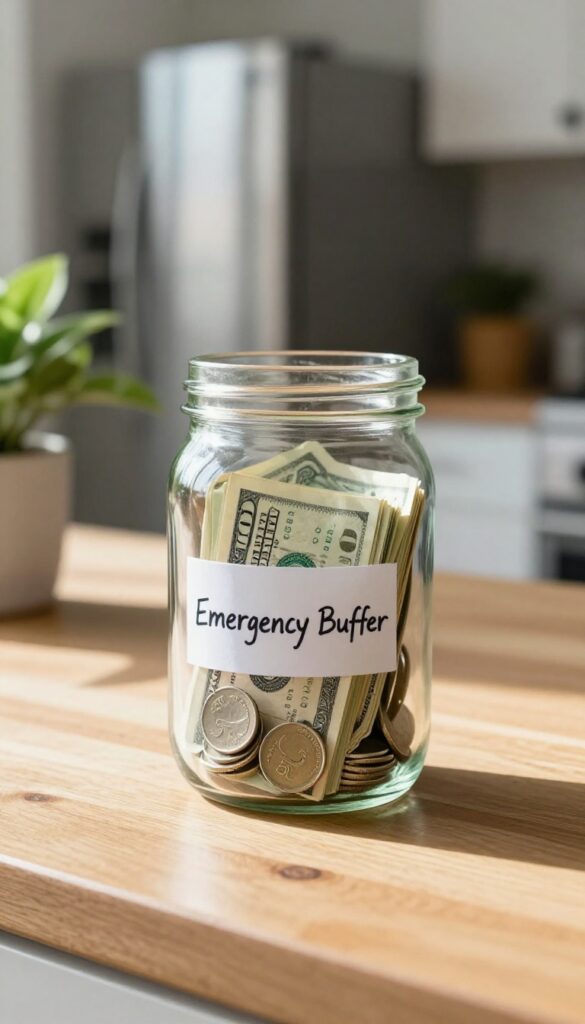
Even with sinking funds for predictable costs, life still throws curveballs. That's where an emergency fund buffer comes in—a small stash of cash for those unexpected but not catastrophic expenses, like a broken dishwasher or a sudden car repair. It's not your main emergency fund (which should cover 3–6 months of living expenses).
Instead, think of it as a quick-access layer that keeps you from dipping into savings meant for bigger crises. A buffer of $500–$1, 000 is a solid start.
An emergency fund buffer sits between your sinking funds and your main emergency fund. It handles the small surprises without disrupting your long-term savings. For example, if your water heater leaks, you can grab cash from the buffer instead of raiding your vacation fund or putting it on a credit card.
This keeps your budget on track and your stress low. To build one, set aside a little each month until you reach a comfortable amount. Treat it as a non-negotiable line item—like a sinking fund for life's little emergencies.
Why You Need A Separate Buffer
Your main emergency fund is for job loss or major medical bills—not for a $300 fridge repair. Without a buffer, you might hesitate to use that fund for small expenses, leading to debt or scrambling for cash. A separate buffer gives you permission to handle minor emergencies quickly and move on.
How To Build It Painlessly
Start by cutting one small expense, like a streaming service you rarely use, and redirect that money to the buffer. Or use windfalls—tax refunds, bonuses, cash gifts—to jump-start it. Once you hit your target, stop contributing.
Then, if you use some, replenish it as soon as possible.
When To Tap The Buffer Vs. A Sinking Fund
If the expense is predictable (like annual car registration), use a sinking fund. If it's truly unexpected (like a broken window from a storm), use the buffer. The key is knowing the difference.
A buffer covers the surprises that aren't part of your regular sinking fund list.
FAQ
What is a sinking fund?
A sinking fund is a savings account where you set aside money each month for a specific, predictable expense. It helps you avoid debt and spread out large costs over time.
How many sinking funds should a family have?
It depends on your needs, but 3 to 5 sinking funds are a good start. Focus on the most common expenses like holidays, car repairs, and medical bills.
Where should I keep my sinking funds?
You can keep them in a high-yield savings account, separate sub-accounts, or use budgeting apps that allow category tracking. The key is to keep them separate from your regular checking account.
How much should I save in each sinking fund?
Calculate the total annual cost of the expense and divide by 12. For example, if holiday gifts cost $600 per year, save $50 per month.
Can I use a sinking fund for unexpected expenses?
Sinking funds are best for predictable expenses. For truly unexpected costs, rely on your emergency fund instead.
Conclusion
Sinking funds are a simple yet powerful tool for family budgeting. They turn irregular expenses into manageable monthly savings, reducing financial stress and helping you stay on track. Start with just one or two funds that match your biggest predictable costs.
Over time, you'll build a system that works for your family's unique needs.
Remember, the goal isn't perfection—it's progress. Pick one idea from this list and set up your first sinking fund today. Your future self will thank you.
Free PDF Download
Not Sure Which Side Hustle Fits You Best?
Take the free Side Hustle Matchmaker Quiz and get a simple 7-day starter plan to help you choose a beginner-friendly idea based on your time, skills, comfort level, and goals.
You’ll get this free PDF plus access to the full Marketerna Save More & Earn More PDF Kit. No spam. Unsubscribe anytime.