15 Frugal Things to Do Before Grocery Shopping
Most of us wander the grocery aisles like we're on a treasure hunt, grabbing whatever looks good and hoping for the best at checkout. But that lack of planning is exactly what sends your budget off the rails.
A few simple steps before you even leave the house can slash your spending without making you feel deprived. From checking your pantry to comparing unit prices online, these 15 frugal habits turn grocery shopping into a strategic money-saving mission.
Pick just a couple to start, and watch your total drop before you even swipe your card.

Free PDF Download
Not Sure Which Side Hustle Fits You Best?
Take the free Side Hustle Matchmaker Quiz and get a simple 7-day starter plan to help you choose a beginner-friendly idea based on your time, skills, comfort level, and goals.
You’ll get this free PDF plus access to the full Marketerna Save More & Earn More PDF Kit. No spam. Unsubscribe anytime.
1. Check Your Pantry, Fridge, and Freezer
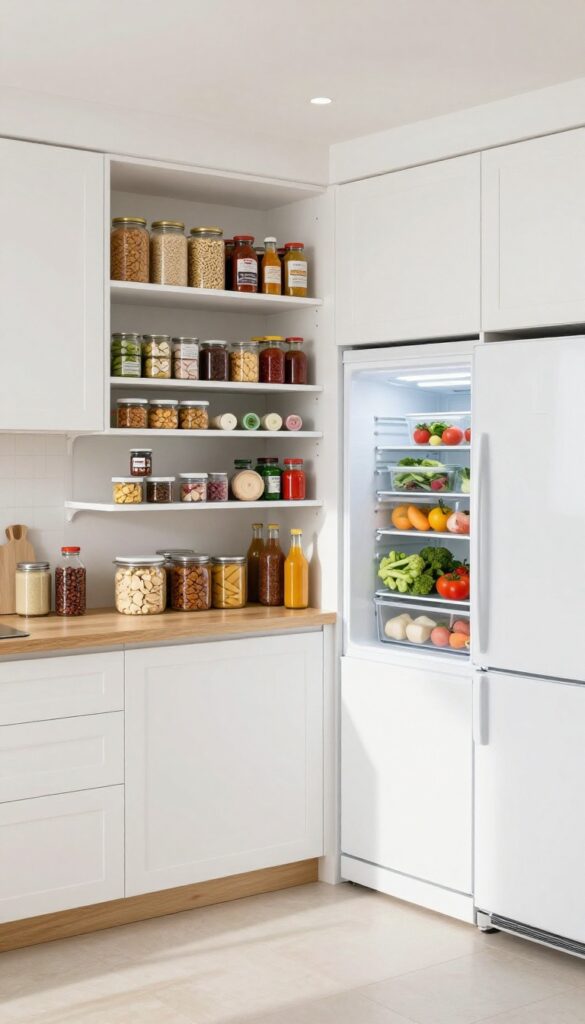
Before you even think about making a shopping list, open your pantry, fridge, and freezer. See what's actually in there. It's easy to forget about that half-used jar of pasta sauce or the bag of frozen vegetables hiding in the back.
Taking five minutes to do a quick inventory saves you from buying duplicates and helps you plan meals around what you already have.
Start by scanning every shelf and drawer. Group items by category—canned goods, grains, condiments, frozen proteins, and produce. Make a note of what's running low and what's plentiful.
This simple step prevents you from picking up another can of black beans when you already have three. It also sparks meal ideas, like turning leftover veggies into a stir-fry or using up that open bag of rice.
What To Look For
Check expiration dates and note any items that need to be used soon. Look for partial packages of pasta, half-used spices, or frozen leftovers. Also, spot the basics you might be low on, like olive oil, salt, or flour.
This list becomes the foundation for your meal plan and shopping list.
How To Organize As You Go
While you're at it, group similar items together. Put all the canned tomatoes in one spot, all the grains on one shelf. This makes future inventories faster and helps you see what you have at a glance.
A tidy pantry is a frugal pantry.
Meal Planning From Your Inventory
Use what you have to build meals. Got a bag of potatoes and some onions? That's the start of a potato soup or roasted veggie side.
Have chicken breasts and a jar of salsa? You're halfway to a slow cooker meal. This approach cuts down on waste and reduces the number of items you need to buy.
2. Make a Detailed Shopping List
A list is your best defense against impulse buys. But not just any list—a detailed one that's organized by store layout. That way, you're not zigzagging across the store and getting tempted by end caps.
Write down exactly what you need, organized by store section, to prevent impulse buys and forgotten items. Stick to it like a roadmap.
Start With Your Meals
Plan your dinners for the week, then list all ingredients. Check what you already have so you don't double up. This cuts waste and saves money.
Organize By Aisle
Group items by produce, dairy, meat, pantry, and frozen. This speeds up your trip and keeps you from wandering into snack aisles.
Be Specific About Quantities
Instead of "tomatoes, " write "3 Roma tomatoes. " Exact amounts prevent overbuying and help you stick to your budget.
Free PDF Download
Not Sure Which Side Hustle Fits You Best?
Take the free Side Hustle Matchmaker Quiz and get a simple 7-day starter plan to help you choose a beginner-friendly idea based on your time, skills, comfort level, and goals.
You’ll get this free PDF plus access to the full Marketerna Save More & Earn More PDF Kit. No spam. Unsubscribe anytime.
3. Plan Your Meals for the Week
Meal planning is the secret weapon of frugal shoppers. When you know exactly what you'll eat, you buy only what you need and use up what you already have. That means less food waste and fewer last-minute takeout runs.
Start by checking your pantry, fridge, and freezer for ingredients that need to be used up. Then look at the weekly store ads to see what's on sale. Build your meals around those items.
For example, if chicken breasts are discounted, plan several chicken-based dinners. This approach saves money and cuts down on trips to the store.
Use What You Have First
Before you plan anything, take inventory. That half-used jar of salsa, the wilted spinach, or the leftover rice can become a meal. This step alone can knock $20 off your weekly bill.
Match Meals To Sales
Check store flyers or apps for deals. If ground beef is on sale, plan tacos, meat sauce, and burgers. Buying what's discounted rather than what you crave keeps your budget in check.
Keep It Simple
You don't need elaborate recipes. Aim for 3–4 dinners that share ingredients to avoid buying a whole bottle of something you'll use once. Think stir-fry, sheet pan meals, or pasta with whatever veggies are on hand.
4. Check Store Flyers and Digital Coupons
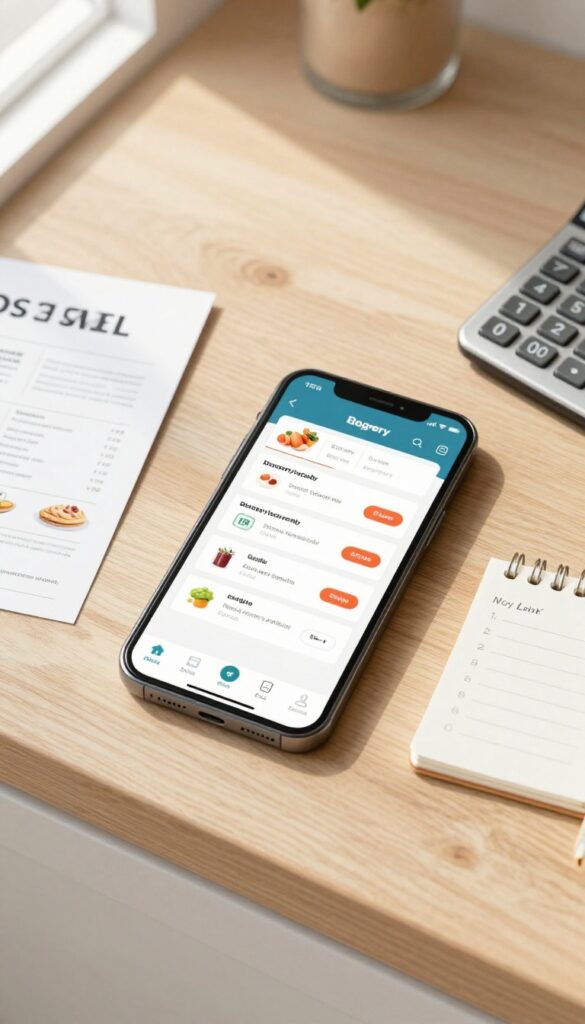
Weekly ads aren't just junk mail—they're a roadmap to serious savings. Spending five minutes scanning flyers and loading digital coupons before you shop can cut your bill by 10–20% without any extra effort at the register.
Most stores update their digital coupons every Tuesday or Wednesday. Make it a habit to check your loyalty app or website the night before you shop. Stack store coupons with manufacturer coupons for double savings.
And don't forget to clip coupons for items you already buy, not just things that look like a good deal.
Where To Find The Best Deals
Start with your store's own app—it often has exclusive digital coupons not available in print. Then check sites like Coupons. com or your store's weekly ad online. Many stores also offer a 'digital coupon match' feature that automatically applies discounts at checkout.
How To Stack And Time Your Coupons
Combine a store coupon with a manufacturer coupon for the same item to maximize savings. Keep an eye on coupon expiration dates and plan your shopping trip around them. Some stores even allow you to stack a digital coupon with a paper coupon from the Sunday paper.
Avoid The Coupon Trap
Only clip coupons for items you actually need. It's easy to get excited about a deal and buy something you wouldn't normally purchase. Stick to your list and use coupons to lower the cost of essentials, not to justify impulse buys.
Free PDF Download
Not Sure Which Side Hustle Fits You Best?
Take the free Side Hustle Matchmaker Quiz and get a simple 7-day starter plan to help you choose a beginner-friendly idea based on your time, skills, comfort level, and goals.
You’ll get this free PDF plus access to the full Marketerna Save More & Earn More PDF Kit. No spam. Unsubscribe anytime.
5. Compare Unit Prices Online
You might think the jumbo size is always the better buy, but that's not always the case. Stores often price smaller packages lower per ounce during sales, or the giant container might be a loss leader that's actually pricier per unit. The only way to know for sure is to check the unit price—and you don't have to wait until you're in the aisle to do it.
Before you head to the store, pull up your grocery store's app or website and search for the staple items you buy regularly. Look for the unit price (price per ounce, per pound, per count) listed in the product details. Compare different sizes and brands of the same item to see which one truly gives you the most for your money.
This quick research can save you a surprising amount over time, especially on things like cereal, peanut butter, and canned goods.
Know Where To Look
Most major grocery chains have apps that show unit prices right on the product page. If you're not sure where to find it, look for a small "per unit" label near the price. Some apps even let you sort products by unit price, making comparison a breeze.
Focus On Staples
You don't need to compare every item in your cart. Concentrate on the things you buy most often—flour, sugar, rice, pasta, canned tomatoes, and toilet paper. Those are the items where a few cents per unit really add up over a month.
Don't Forget Store Brands
Store brands often have the best unit prices, but not always. A sale on a name-brand item can sometimes beat the store brand's regular price. Comparing online lets you catch those deals without standing in the aisle doing mental math.
6. Eat a Snack or Meal Before You Go
Grocery shopping on an empty stomach is a recipe for overspending. When you're hungry, everything looks tempting, and your willpower takes a nosedive. A simple pre-shop snack or meal keeps your brain clear and your wallet safe.
A full belly helps you stick to your list and resist those end-cap displays and checkout lane candies. It's one of the easiest frugal habits you can adopt.
The Science Behind The Snack
Studies show that hunger triggers the release of ghrelin, a hormone that makes you crave high-calorie foods. That's why a hungry shopper is more likely to grab chips, cookies, and other impulse buys. Eating beforehand balances your blood sugar and helps you make rational choices.
What To Eat Before You Shop
Go for something with protein and fiber—think a handful of almonds, a banana with peanut butter, or a small bowl of oatmeal. Avoid sugary snacks that cause a crash later. The goal is steady energy, not a sugar spike.
Make It A Habit
Treat this as a non-negotiable step in your grocery routine. Eat something before you grab your keys. If you're shopping after work, keep a protein bar in your bag.
A few minutes of planning can save you dollars at the register.
7. Set a Realistic Budget and Bring Cash

Knowing exactly what you can spend before you walk into the store is like having a shield against overspending. A budget isn't just a number—it's a commitment to yourself. And when you pair that number with cold, hard cash, you add a layer of discipline that plastic just can't match.
Start by reviewing your weekly food expenses and decide on a realistic limit. Then withdraw that exact amount in cash and leave your cards at home. When the cash is gone, you're done—no exceptions.
Why Cash Works
Paying with cash makes you feel every dollar leaving your hand. Studies show people spend less when using cash because it's more painful to part with than swiping a card. That physical transaction creates a natural brake on impulse buys.
How To Set A Realistic Number
Look back at your last few receipts to see what you actually spent. Then subtract 10–15% as your target. Factor in your meal plan and any sales you've spotted.
Write the number down and commit to it.
What If You Run Out?
If you hit zero before you're done, you've learned something important. Maybe you need to adjust your budget or your list. Either way, you've avoided debt and gained insight.
Next time, you'll plan better.
8. Review Your Leftovers and Food Waste
Before you even think about a shopping list, take a hard look at what's already in your fridge. That half-empty container of yogurt, the wilting spinach, the leftover chili from Tuesday—they're all clues for what you should cook next. Planning meals around what's about to go bad is one of the fastest ways to cut your grocery bill.
You stop buying duplicates, you use what you already paid for, and you send less food to the landfill. It's a triple win for your wallet and the planet.
Do A Fridge Audit
Pull everything out and group items by expiration date. Anything within two days of going bad gets flagged for immediate use. This simple step prevents the dreaded "science experiment" at the back of the shelf.
Plan Leftover-based Meals
Got leftover roast chicken? Plan a chicken salad or soup. Half a bag of frozen peas?
Toss them into a pasta dish. Design your weekly menu around what needs to be eaten first, not what sounds exciting.
Use The "eat Me First" Shelf
Designate a spot in your fridge for items that need to be consumed soon. Label it clearly so everyone in the household knows to grab from there first. It's a small habit that can save you from throwing away dollars.
9. Check for Rain Checks and Price Match Policies
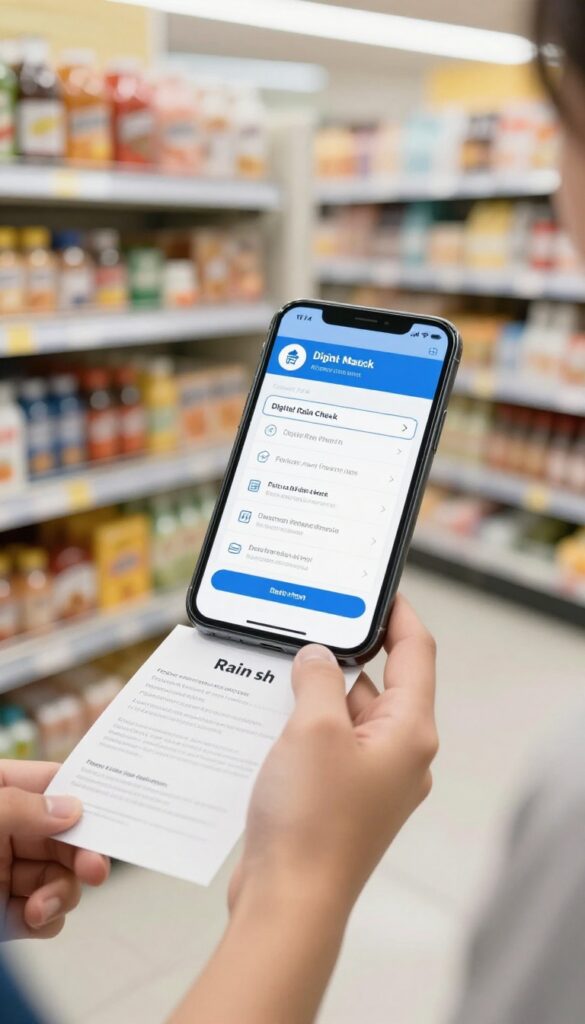
Not every sale item will be on the shelf when you arrive. That's where rain checks come in—they let you lock in the discounted price even if the store is out of stock. And if your grocery store offers price matching, you can snag competitor deals without making extra stops.
Knowing these policies ahead of time means you never have to pay full price for something that was advertised on sale. It's a simple step that can save you a few dollars every trip.
How Rain Checks Work
Most major grocery chains will issue a rain check if a sale item is out of stock. Just ask customer service before you leave. The rain check typically lets you buy the item at the sale price within 30 to 60 days.
Some stores even honor rain checks for limited-time deals, so it's always worth asking.
Price Matching Basics
Many stores will match a competitor's advertised price on identical items. Bring the ad or show it on your phone at checkout. Policies vary—some match only local competitors, others require the item to be exactly the same brand and size.
Check your store's website or ask customer service for details.
Pro Tips For Both
Keep a small notebook or note on your phone listing which stores offer rain checks and price matching. If you see a great deal at a store across town, ask your local store if they'll match it. And always check the expiration date on rain checks—set a reminder so you don't forget to use them.
10. Organize Coupons and Loyalty Cards
Nothing stings more than realizing you left a coupon at home or forgot to scan your loyalty card. A quick pre-shop organization session ensures you actually use every discount you've collected.
Sort By Aisle Or Expiration
Group paper coupons by grocery department—dairy, snacks, frozen, etc. —so you can grab them easily when you're standing in front of the right shelf. Check expiration dates and toss anything that's already expired.
Digitize What You Can
Load store loyalty cards into your phone's wallet or use the store app to clip digital coupons. That way you won't need to fumble with paper at checkout, and you'll never forget your loyalty card again.
Make A Coupon Quick-list
Jot down a short list of items you have coupons for and attach the coupon to your shopping list. This keeps you focused on buying only what you have a discount for, reducing impulse grabs.
11. Decide on Store Choice Based on Your List
Not all grocery stores are created equal when it comes to prices. Some excel at produce, others at pantry staples, and a few have unbeatable loss-leaders each week. Instead of defaulting to the closest store, let your shopping list guide you to the right one.
Even driving a few extra miles can save you a surprising amount if the store matches your needs.
Match your list to the store that offers the best prices on the bulk of your items. A quick scan of weekly ads or a price-check app can reveal which store is cheapest for your specific list. Over time, you'll learn which stores are best for which categories, and you can plan your route accordingly.
Know Your Store's Strengths
Every store has its sweet spot. Maybe Aldi is great for canned goods and dairy, while a local chain has the best meat prices. Keep a mental note or a simple list of which items to buy where.
That way, you can split your shopping trips efficiently without wasting time or gas.
Use Digital Flyers And Apps
Before heading out, pull up weekly ads on your phone or use apps like Flipp or Basket to compare prices across stores. You can quickly see which store has the best deals on the items you need. This takes just a few minutes and can easily save you 10-20% on your total bill.
Factor In Travel Costs
Driving extra miles costs gas and time, so only go out of your way if the savings are significant. A good rule of thumb: if you'll save at least $5-10 more than the cost of gas, it's worth the trip. For small lists, stick with the nearest store to avoid eroding your savings.
12. Check for Bulk Bin and Generic Options
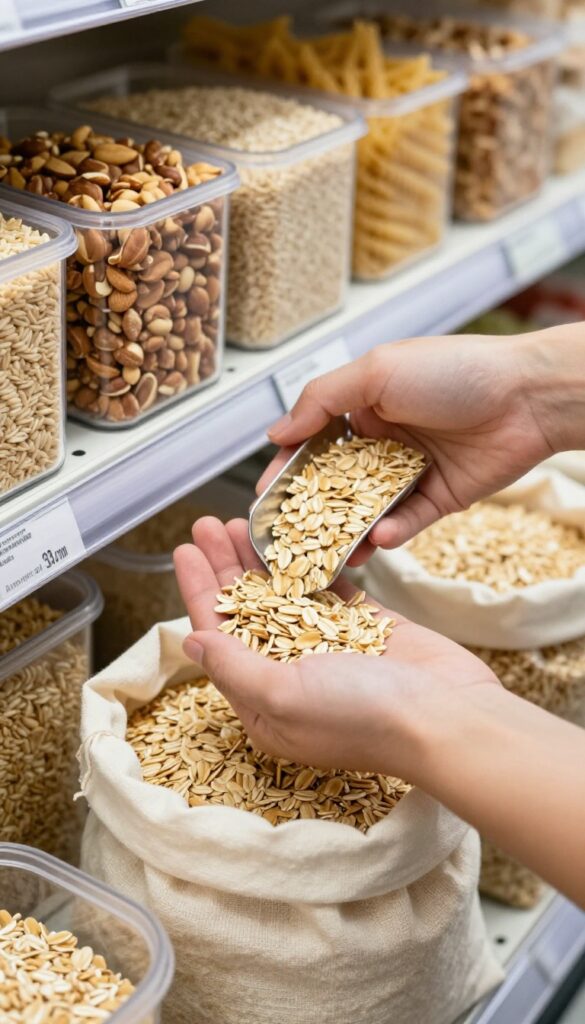
Bulk bins and store brands are two of the easiest ways to cut costs without cutting quality. Many shoppers overlook them because they assume generic means inferior, but that's rarely the case. A quick scan of the bulk section and a willingness to try the store brand can shave dollars off your total.
Why Bulk Bins Win
Bulk bins let you buy exactly the amount you need, which means less waste and lower cost per ounce. Staples like oats, rice, pasta, nuts, and spices are often cheaper when you scoop them yourself. Just bring your own bags or containers to save even more.
Store Brands Are Often The Same
Many store-brand products come from the same manufacturers as name brands, just with different labels. Start with pantry basics like flour, sugar, canned tomatoes, and frozen vegetables. You'll likely notice zero difference in taste, but a big difference in price.
How To Compare Smartly
Check the unit price on shelf tags to see if bulk or generic truly beats the name brand. Sometimes a sale on a national brand can be cheaper, so do a quick comparison. Also, taste-test a few generics at home to find your go-to items.
13. Time Your Trip Strategically
When you shop can be just as important as what you buy. Grocery stores follow predictable rhythms, and savvy shoppers use them to their advantage. A simple shift in timing can mean fewer crowds, fresher stock, and deeper discounts on items you actually need.
Shopping at the right time isn't just about avoiding long lines—it directly impacts your wallet. Early mornings and late evenings on weekdays are prime windows for scoring markdowns on perishables like meat, bakery items, and prepared foods. Stores often discount these items to clear them out before the next delivery, so you can grab quality food at a fraction of the price.
Early Morning Edge
Hit the store right when it opens, typically 6–8 AM on weekdays. Shelves are fully stocked, produce is freshest, and you'll find the best selection of sale items before others snatch them up. Many stores also place markdowns on meat and dairy early, so check those sections first.
Late Evening Steals
If mornings aren't your thing, try shopping an hour or two before closing. That's when stores slash prices on bakery goods, rotisserie chickens, and deli items that need to sell by day's end. You can often save 30–50% on these items, perfect for meal prepping or freezing.
Avoid Peak Chaos
Steer clear of weekends and late afternoons (4–6 PM) when stores are busiest. Crowds mean longer waits, emptier shelves, and more impulse buys from stress. Weekday mornings or evenings give you a calmer shopping experience and better deals.
14. Bring Reusable Bags and a Calculator
You already know reusable bags are better for the planet, but they also save you money. Many stores charge a small fee per bag, and those dimes and quarters add up over time. A calculator, whether a physical one or the one on your phone, helps you keep a running total as you shop so you never get surprised at the register.
Reusable bags are a no-brainer for frugal shoppers. Most stores charge 5 to 10 cents per bag, so if you shop weekly, that's $5 to $10 a year saved just by bringing your own. Keep a stash in your car or by the front door so you never forget them.
A calculator is your secret weapon against overspending. As you drop items in your cart, add them up. It's easy to lose track when you're grabbing a few extra things, but seeing the total climb keeps you honest.
You'll think twice before tossing in that pricey snack or unplanned treat.
How Reusable Bags Cut Costs
Bag fees might seem small, but they're a pure waste of money. A family that shops twice a week could save up to $20 a year just by using reusable bags. Plus, many stores offer a small discount (like 5 cents per bag) when you bring your own, so you're actually earning money back.
Keep a few bags folded in your purse or backpack so you're always prepared.
Using A Calculator To Stay On Budget
Before you start shopping, set a budget for your trip. Then, as you add items to your cart, punch in the prices. This simple habit prevents the dreaded checkout shock.
If you see the total creeping too high, you can swap a brand-name item for a store brand or skip a non-essential. It also helps you compare deals: is that bulk pack really cheaper per unit? A quick calculation answers that.
Pro Tip: Combine Both
Use your reusable bags as a visual cue. When a bag is full, you know you've spent a certain amount. Pair that with your calculator tally, and you've got a double layer of budget control.
You'll also avoid buying more than you can carry, which naturally limits impulse purchases.
15. Review Your Shopping List One Last Time
You've checked the pantry, planned your meals, and written a list. But before you grab your keys, give that list one final glance. This last review is your chance to catch impulse items that snuck in and confirm you haven't forgotten anything critical.
It takes thirty seconds but can save you a surprising amount.
A quick final scan does two things: it helps you remove any non-essentials that might have made it onto the list, and it reassures you that you have everything needed for the week's meals. This simple habit prevents both overspending and extra trips to the store.
Check For Duplicates
Look through your list for items you might have written twice or that you already have at home. It's easy to jot down "tomatoes" for pasta sauce when you still have a can in the cupboard. Catching these duplicates before you shop keeps your cart lean.
Confirm Meal Coverage
Quickly scan your meal plan and make sure every recipe's ingredients are accounted for. Missing one key item can derail a dinner plan and lead to a costly last-minute takeout order. A final check gives you peace of mind.
Spot The Wants Vs. Needs
That bag of chips or fancy cheese might have ended up on your list out of habit. Ask yourself: do I really need this this week? If not, cross it off.
Your wallet will thank you.
FAQ
How much can I save by doing these pre-grocery steps?
Most people save 15-30% on their grocery bill by planning ahead, using coupons, and avoiding impulse buys. That can add up to hundreds of dollars a month.
Do I need to do all 15 steps every time?
Not at all. Pick the ones that fit your lifestyle. Even doing 5-6 consistently will make a noticeable difference.
What's the single most effective frugal tip before shopping?
Making a detailed list and sticking to it is the number one money-saver. It prevents impulse purchases and ensures you buy only what you need.
How do I handle cravings or unexpected deals?
Allow yourself one small treat if it's within budget, but for bigger unplanned deals, check if it's something you'll actually use before buying.
Is it worth driving to a different store for better prices?
Only if the savings outweigh the time and gas cost. For big hauls or specialty items, it can be worth it. Otherwise, stick to one store.
Conclusion
None of these tips require a total lifestyle overhaul. Pick one or two that feel doable this week—maybe checking your pantry before shopping or making a list based on sales.
Small shifts like these add up fast, leaving you with a fuller wallet and a less stressful trip to the store.
Free PDF Download
Not Sure Which Side Hustle Fits You Best?
Take the free Side Hustle Matchmaker Quiz and get a simple 7-day starter plan to help you choose a beginner-friendly idea based on your time, skills, comfort level, and goals.
You’ll get this free PDF plus access to the full Marketerna Save More & Earn More PDF Kit. No spam. Unsubscribe anytime.