15 Side Hustle Ideas With Recurring Income Streams
Last updated on May 5th, 2026 at 03:41 pm
Imagine earning money while you sleep—not from a lottery ticket, but from work you do once that pays you again and again. That's the power of recurring income.
These 15 side hustles are designed to build streams that keep flowing, whether through subscriptions, digital products, or passive sales. No chasing hourly gigs, just smart setups that reward your effort long after the initial push.
Ready to trade one-time payments for ongoing revenue? Let's dive into ideas that actually compound.

Free PDF Download
Not Sure Which Side Hustle Fits You Best?
Take the free Side Hustle Matchmaker Quiz and get a simple 7-day starter plan to help you choose a beginner-friendly idea based on your time, skills, comfort level, and goals.
You’ll get this free PDF plus access to the full Marketerna Save More & Earn More PDF Kit. No spam. Unsubscribe anytime.
1. Create a Print-on-Demand Store

Print-on-demand lets you sell custom-designed products without ever touching inventory. When a customer places an order, your supplier prints and ships it directly to them. You earn a markup on each sale, and the income keeps coming as long as designs stay popular.
This model is perfect for creatives who want to test multiple niches without financial risk. Platforms like Printful and Redbubble handle production, shipping, and customer service, so you can focus on designing and marketing.
Why It Works For Recurring Income
Once you upload a design, it can sell for months or years with little ongoing effort. Seasonal trends, viral social media posts, and repeat buyers create a steady trickle of orders. The more evergreen designs you build, the more predictable your income becomes.
Getting Started Without Design Skills
You don't need to be a professional artist. Use tools like Canva or hire freelancers on Fiverr for custom designs. Start with simple text-based quotes or minimalist graphics that appeal to a specific audience—like dog lovers or fitness enthusiasts.
Platforms To Consider
Printful integrates with Shopify and WooCommerce for full control over your store. Redbubble and Teespring are marketplace-style, meaning they bring their own traffic but take a larger cut. Test a few to see where your designs perform best.
2. Build a Niche Membership Site
A membership site turns your expertise into a reliable monthly paycheck. Instead of selling one-off courses or ebooks, you charge a recurring fee for ongoing access to exclusive content, community, or tools. The key is picking a niche where people are willing to pay regularly—think fitness plans, knitting patterns, or stock trading tips.
Pick A Hungry Niche
The best membership sites solve a recurring problem or feed a passionate hobby. Look for topics where people already spend money on subscriptions—like meal prep, language learning, or investing. Validate demand by checking existing Facebook groups, Reddit communities, or competitor sites.
Decide Your Content Model
You can offer a weekly video series, monthly downloadable resources, a private forum, or a combination. For example, a fitness membership might include new workout videos each week plus a community chat. Keep it simple at first—you can always add more later.
Set Up And Launch
Platforms like Patreon, Memberful, or Kajabi make it easy to start. Price your membership between $5 and $50 per month depending on the value you provide. Promote through your existing social media, email list, or by guest posting in your niche.
Aim for 100 members to start seeing meaningful income.
Free PDF Download
Not Sure Which Side Hustle Fits You Best?
Take the free Side Hustle Matchmaker Quiz and get a simple 7-day starter plan to help you choose a beginner-friendly idea based on your time, skills, comfort level, and goals.
You’ll get this free PDF plus access to the full Marketerna Save More & Earn More PDF Kit. No spam. Unsubscribe anytime.
3. Sell Digital Products on Etsy
Etsy isn't just for handmade candles and vintage finds. It's a massive marketplace where digital products sell themselves. You create a file once—a printable planner, a set of digital art prints, or a resume template—and customers buy it over and over.
No inventory, no shipping, no restocking. Etsy brings the traffic; you collect the royalties. It's about as close to set-it-and-forget-it as side hustles get.
What Sells Best
Planners, budget trackers, and habit trackers are consistent winners. Digital art prints for home decor or nursery themes also move fast. Resume templates and cover letter bundles appeal to job seekers year-round.
Niche down—like wedding planning checklists or teacher lesson planners—to stand out.
How To Get Started
Open an Etsy seller account (it's free to list). Use Canva or Adobe Illustrator to design your product. Create a mockup showing the product in use—people buy with their eyes.
Price between $3 and $15 for most printables. Etsy takes a small fee per sale, but your profit margin stays high since there's no production cost.
Tips For Passive Sales
Optimize your titles and tags with keywords buyers actually search (e. g. , 'minimalist weekly planner printable PDF'). Offer bundles to increase average order value. Keep your shop active by adding a new product every month.
Once you have 20–30 listings, sales can trickle in daily with little effort.
4. Start a Subscription Box Service

Subscription boxes are the gift that keeps on giving—both for your customers and your bank account. You curate a themed box once, then ship it out monthly to subscribers who pay you on autopilot. Whether it's gourmet coffee, indie beauty products, or craft kits for kids, the model works because people love surprises and convenience.
Best of all, you don't need a warehouse or a huge inventory to start. Many successful box creators begin by packing orders from their living room. With the right niche and reliable sourcing, you can turn a fun curation hobby into a steady recurring income stream.
Subscription boxes are the gift that keeps on giving—both for your customers and your bank account. You curate a themed box once, then ship it out monthly to subscribers who pay you on autopilot. Whether it's gourmet coffee, indie beauty products, or craft kits for kids, the model works because people love surprises and convenience.
Best of all, you don't need a warehouse or a huge inventory to start. Many successful box creators begin by packing orders from their living room. With the right niche and reliable sourcing, you can turn a fun curation hobby into a steady recurring income stream.
Find Your Niche
Start by picking a specific theme that has a passionate audience. Think snack boxes for keto dieters, self-care kits for busy moms, or art supplies for watercolor beginners. The more targeted, the easier it is to market and retain subscribers.
Avoid broad categories like 'general gifts'—niche boxes win every time.
Source Products And Packaging
Partner with small brands, wholesalers, or even make some items yourself. Aim for a mix of full-size and sample products to keep costs low while delivering value. For packaging, use sturdy boxes and add a personal touch like a handwritten note or a branded insert.
It makes unboxing feel special.
Set Up Recurring Billing
Use a platform like Cratejoy or Subbly to handle subscriptions, payments, and shipping labels automatically. You can offer monthly, quarterly, or prepaid plans. Just set your pricing to cover product costs, shipping, and a healthy profit margin—then let the system do the rest.
Free PDF Download
Not Sure Which Side Hustle Fits You Best?
Take the free Side Hustle Matchmaker Quiz and get a simple 7-day starter plan to help you choose a beginner-friendly idea based on your time, skills, comfort level, and goals.
You’ll get this free PDF plus access to the full Marketerna Save More & Earn More PDF Kit. No spam. Unsubscribe anytime.
5. Write and Self-Publish Ebooks
Ever thought about writing a book but figured it was too hard or time-consuming? Self-publishing has changed the game. You can write a short, focused ebook on a topic you know well—like gardening, budgeting, or pet care—and publish it on Amazon KDP.
Once it's live, you earn royalties every time someone downloads or buys it. That's recurring income from a single effort.
The key is to pick a niche you're passionate about and that has a hungry audience. Keep it concise—around 50 to 100 pages is plenty. Focus on solving a specific problem or teaching a skill.
With Amazon's massive reach, your ebook can generate passive income for years. Plus, you can bundle multiple short ebooks into a series or a larger book later.
Choose The Right Topic
Don't try to write the next great novel. Stick to practical, how-to content that people search for. Think: "10 Easy Indoor Plants for Beginners" or "How to Save $500 a Month Without Feeling Deprived.
" Use keyword research tools to see what's in demand but not oversaturated.
Format And Publish On Kdp
Amazon's Kindle Direct Publishing makes it easy. You just upload your manuscript (formatted as a Word doc or PDF), write a compelling description, and set your price. KDP handles printing and delivery.
You can even offer it for free temporarily to build reviews and visibility.
Promote Without Spending A Fortune
Leverage your existing social media or start a simple blog. Offer a free chapter to build an email list. Consider running a limited-time discount or enrolling in KDP Select to reach Kindle Unlimited subscribers.
Reviews are gold—ask friends or offer review copies to bloggers in your niche.
6. Launch a YouTube Channel with Memberships
Video content keeps growing, and YouTube is still the king of long-form. But instead of relying on ad revenue alone, you can set up channel memberships once you hit 1, 000 subscribers. That means your viewers pay you a monthly fee for exclusive perks—like bonus videos, badges, or behind-the-scenes content.
It’s a steady income stream that grows with your audience.
Choose a niche you genuinely enjoy talking about—cooking, tech reviews, travel vlogs, or even book discussions. Consistency is key: upload on a schedule, engage with comments, and keep improving your production quality. Once you unlock memberships, offer real value to justify the monthly fee.
Think early access, members-only livestreams, or exclusive Q&As. Over time, a loyal community can turn your channel into a reliable recurring revenue source.
Pick A Niche That Sticks
Your channel needs a clear focus. Don't try to cover everything. Pick something you're passionate about and that has an audience.
Cooking, tech reviews, personal finance, or even niche hobbies like miniature painting all work well. The more specific, the easier it is to build a dedicated community.
Grow To 1,000 Subscribers
This is the milestone for membership eligibility. Focus on quality content, catchy thumbnails, and SEO-friendly titles. Collaborate with other creators in your niche.
Promote your videos on social media. It takes time, but once you hit that number, you can enable memberships.
Design Irresistible Membership Perks
Your members need a reason to pay each month. Offer exclusive content like bonus videos, members-only livestreams, early access, custom badges, or shoutouts. Keep the perks fresh and valuable.
Listen to your community to see what they'd love most.
7. Offer a Paid Newsletter
Newsletters are making a comeback, and people are willing to pay for quality content delivered straight to their inbox. Whether you're an expert in a niche or just deeply curious about a topic, you can build a loyal subscriber base that pays you monthly. Platforms like Substack and ConvertKit make it dead simple to set up, manage, and monetize your writing.
Find Your Niche
Pick a topic that's specific enough to stand out but broad enough to have an audience. Think local food scene, productivity hacks for remote workers, or deep dives into classic films. The more unique your angle, the easier it is to attract paying subscribers.
Decide What's Free Vs. Paid
Most successful paid newsletters offer a mix of free and premium content. Free posts build trust and showcase your voice. Premium editions go deeper—exclusive interviews, data analysis, or actionable templates.
Keep the paid tier valuable enough that readers feel it's a steal.
Grow Your List Before Launching
Start with a free version to build an email list. Share snippets on social media, collaborate with other writers, or offer a lead magnet like a free guide. Once you have a few hundred engaged readers, introduce a paid tier.
Your existing subscribers are your best bet for early conversions.
8. Create an Online Course
You've got skills and knowledge that others are willing to pay for. Packaging that expertise into an online course lets you teach once and earn repeatedly. Platforms like Udemy, Teachable, and Skillshare handle the tech and audience, so you can focus on creating great content.
Online courses are a classic recurring income model. Students pay upfront or via payment plans, and you keep the revenue long after the course is built. The key is choosing a topic with demand and delivering real value.
Once your course is live, it can generate income for years with minimal upkeep.
Pick A Profitable Topic
Start with what you know and love, then validate demand. Browse Udemy or Teachable to see what's popular in your niche. Look for gaps—topics with few courses but lots of search interest.
For example, if you're a graphic designer, a course on "Logo Design for Beginners" might have steady demand.
Structure For Success
Break your course into bite-sized modules with clear learning outcomes. Use a mix of video lessons, downloadable resources, and quizzes. Keep videos under 10 minutes to maintain engagement.
A well-structured course leads to better reviews and more referrals.
Pricing And Payment Plans
Set a price that reflects the value you provide. Many creators use a one-time fee, but offering a payment plan (e. g. , 3 monthly installments) can boost sales and create recurring revenue. Platforms like Teachable allow you to set up payment plans easily.
9. Rent Out Your Stuff on Fat Llama
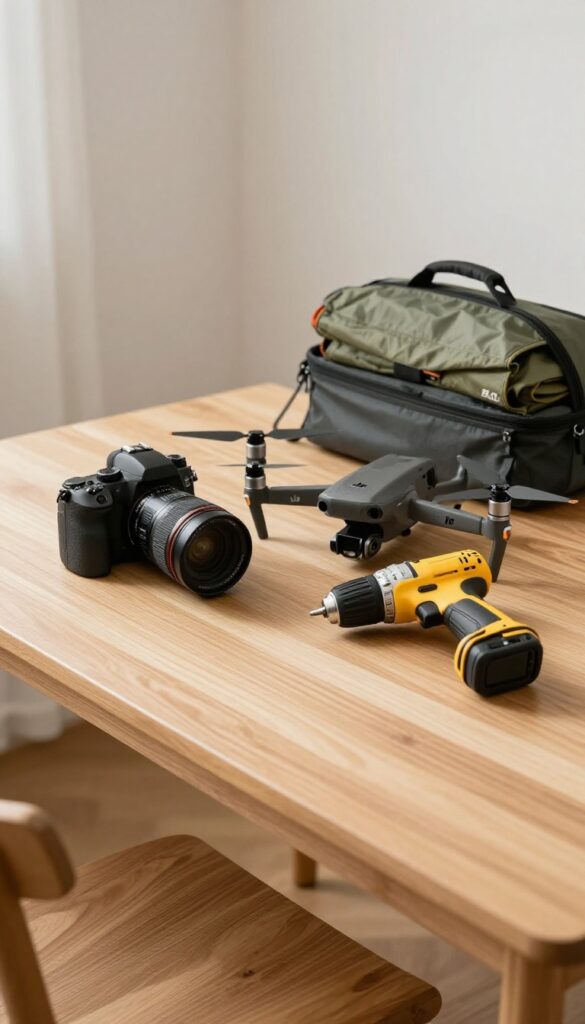
That expensive DSLR you used twice? The power tools gathering dust in the garage? They could be earning you money.
Fat Llama lets you list almost anything for rent—from camera gear to camping equipment. Each booking puts cash in your pocket without you ever having to sell your stuff. It's perfect for high-value items you rarely use.
Fat Llama is like Airbnb for your belongings. You set the rental price, availability, and pickup details. The platform handles payments and offers insurance protection up to £25, 000 (or equivalent in your region).
Renters search for exactly what they need nearby, and you get paid when they book. It's a simple way to turn idle assets into recurring income.
What To Rent
Start with items that have high demand but low personal usage. Camera bodies and lenses, DJI drones, professional tools like saws or pressure washers, camping tents and cookware, and even musical instruments. Think about what people need for short-term projects or trips but don't want to buy.
Pricing And Availability
Check what similar items rent for in your area and price competitively. You can offer daily, weekly, or monthly rates. Set clear availability windows—weekends are often busiest for gear like camping equipment.
The platform makes it easy to block off dates when you need your stuff.
Tips For Success
Take clear photos and write honest descriptions. Include any quirks or wear. Respond quickly to booking requests.
A little friendliness goes a long way. Also, consider offering delivery for an extra fee—it can dramatically increase your booking rate. And always inspect items after returns to keep quality high.
10. Become a Virtual Assistant on Retainer
Busy entrepreneurs and small business owners are drowning in inboxes, calendars, and admin tasks. They'd happily pay someone reliable to take that load off—especially if that someone offers a predictable monthly rate. That's where you come in as a virtual assistant on retainer.
You get steady income, they get peace of mind.
Virtual assistants (VAs) handle everything from email management to social media scheduling to customer follow-ups. By charging a flat monthly retainer for a set number of hours (say, 20 or 40 hours per month), you create a recurring revenue stream that grows as you add more clients. Start with one retainer client, prove your value, then scale to two or three.
What You'll Actually Do
Tasks vary by client, but common ones include: managing email, booking appointments, handling travel arrangements, creating basic reports, and organizing files. You'll become their right hand, remotely. No need to be a tech wizard—just organized and responsive.
How To Price Your Retainer
Research what other VAs charge in your niche—typically $25–$50 per hour. Then bundle hours into a monthly retainer. For example, 20 hours at $40/hour = $800/month.
Offer a slight discount for a 30-hour retainer to encourage commitment. Always have a contract outlining scope and boundaries.
Finding Your First Client
Start with your network: past coworkers, local business groups, or online communities like LinkedIn and Facebook. Offer a free trial week to build trust. Once you have a testimonial, pitch to similar businesses.
Specializing in one industry (e. g. , real estate or e-commerce) makes you more attractive.
11. Sell Stock Photos and Videos
That expensive camera you already own can become a passive income machine. Stock photography and video platforms let you upload your work once and earn royalties every time someone downloads it. The best part?
Your portfolio keeps earning long after you've moved on to other projects.
Stock media is a classic recurring income stream because each piece of content can sell hundreds or thousands of times over years. Shutterstock, Adobe Stock, and iStock are the biggest marketplaces. Contributors earn a percentage of each sale—typically 15% to 40% depending on exclusivity and volume.
Videos earn more per download than photos, but both can generate steady passive income once you build a decent portfolio.
What Sells Best
Think commercial, not artistic. Businesses need images of people working, exercising, eating, or using technology. Authentic lifestyle shots with diverse models outperform staged studio photos.
For video, short clips of everyday activities—like someone typing on a laptop or pouring coffee—are in high demand. Niche topics like remote work, sustainability, and health are trending.
Getting Started Without A Studio
You don't need a fancy setup. Natural light and a clean background work fine for product shots or flat lays. For people shots, ask friends or family to model (get a signed release).
Focus on filling gaps in the market—search for a topic on Shutterstock and see what's missing. Uncluttered, well-composed images with space for text sell well.
Scale Your Earnings Over Time
Upload consistently—aim for 20-50 images or videos per week. Quality matters more than quantity, but volume increases your chances of being found. Once you have 500+ assets, earnings become more predictable.
Review your analytics to see what's trending and create more of that. Some contributors earn thousands per month from portfolios built years ago.
12. Start a Dropshipping Store
Dropshipping lets you run an online store without ever touching inventory. You list products, a customer buys, and the supplier ships directly to them. Your profit is the markup you set, and the best part?
No boxes to pack, no warehouse to rent. It's a low-risk way to test products and build a business that runs mostly on autopilot.
Dropshipping is an ecommerce model where you partner with suppliers who handle storage and shipping. You focus on marketing and customer service. Platforms like Oberlo (for Shopify) or Spocket (for US/EU suppliers) make it easy to import products and automate orders.
The key is choosing a niche with demand but not too much competition, and building a brand that stands out.
Finding Your Winning Niche
Don't start with a generic store selling random gadgets. Pick a specific audience—like eco-friendly pet owners, home gym enthusiasts, or minimalist travelers. Research trends on Google Trends or social media, and look for products with consistent demand but room for your unique angle.
A focused niche makes marketing easier and builds customer loyalty.
Setting Up For Automation
The real magic of dropshipping is automation. Use apps like Oberlo to auto-import products and fulfill orders with one click. Set up email sequences for abandoned carts and post-purchase follow-ups.
Integrate with AliExpress or US-based suppliers for faster shipping. The less manual work, the more scalable your side hustle becomes.
Marketing Without Ads Burnout
You don't need a huge ad budget to start. Use organic social media—Instagram Reels, TikTok, or Pinterest—to showcase products in action. Partner with micro-influencers in your niche for affordable shoutouts.
Once you find a winning product, scale with targeted Facebook or Google ads. Track your metrics to avoid wasting money.
13. Offer a Coaching or Consulting Subscription
People crave guidance, but they don't always want to commit to a one-off session. A subscription model lets you build deeper relationships while securing predictable income. Whether you're a career coach, fitness trainer, or business consultant, charging a monthly fee for ongoing access to your expertise creates a win-win: your clients get continuous support, and you get recurring revenue.
The key is packaging your knowledge into a format that feels valuable month after month. Think weekly group coaching calls, monthly strategy sessions, or a private community where you answer questions. You can also include resources like templates, checklists, or recorded trainings.
The goal is to make clients feel they're getting more than their money's worth, so they stay subscribed.
Choose Your Delivery Format
Decide how you'll deliver your expertise. Group coaching calls work well for accountability and community. Monthly one-on-one strategy sessions feel premium and allow personalized advice.
A private Slack or Discord group lets you answer questions asynchronously. Mix and match to create a tiered offering—basic access for a lower fee, premium for more personal attention.
Set Your Pricing And Billing
Start with a price that feels fair for the value you provide. Common ranges are $30–$100 per month for group coaching, and $200–$500 for monthly one-on-one. Use a platform like Patreon, Memberful, or Stripe to handle recurring billing.
Offer a discount for annual payments to reduce churn and get cash upfront.
Attract And Retain Subscribers
Promote your subscription through your existing network, social media, and email list. Share testimonials and success stories. To retain members, consistently deliver high-quality content and engagement.
Ask for feedback and adjust your offering based on what they value most. A monthly survey can help you stay aligned with their needs.
14. Create a Mobile App or Game
You don't need to be a coding genius to build an app anymore. No-code platforms like Glide and Adalo let you drag and drop your way to a functional mobile app or simple game. Once it's live, you can earn recurring revenue through in-app purchases, subscriptions, or ads.
The best part? You build it once, and it keeps generating income with minimal ongoing effort.
Pick The Right No-code Tool
Glide is great for data-driven apps like directories or simple tools, while Adalo offers more flexibility for custom designs and games. Both have free tiers so you can prototype without risk. Start with a simple idea—a habit tracker, a trivia game, or a niche calculator—and test the waters before adding complexity.
Monetize Without Annoying Users
In-app purchases work well for games—think extra lives or power-ups. For utility apps, a small monthly subscription (like $2. 99) can feel reasonable.
Ads are another option, but keep them non-intrusive; rewarded video ads (where users watch for a bonus) tend to perform best and keep retention high.
Launch And Iterate
Don't wait for perfection. Publish a minimum viable version, gather feedback, and update regularly. App stores reward active developers with better visibility.
Even a few hundred downloads can bring in steady passive income if your monetization is smart.
15. Invest in Dividend-Paying Stocks or REITs

This isn't a side hustle in the traditional sense—you're not trading time for money. But investing in dividend-paying stocks or real estate investment trusts (REITs) can create a reliable stream of passive income that pays you just for owning assets. Start small, reinvest your dividends, and watch your portfolio grow over time.
The beauty of dividend investing is that it requires no ongoing work once you've set it up. You buy shares of companies or REITs that distribute a portion of their profits to shareholders, typically every quarter. Over time, as you reinvest those dividends, your income compounds.
It's a slow build, but a powerful one.
Why Dividends Work For Recurring Income
Dividend stocks and REITs provide predictable cash payments without you lifting a finger. Many established companies have a long history of paying and even increasing dividends annually. REITs are required by law to distribute at least 90% of taxable income to shareholders, making them a solid choice for passive income seekers.
How To Start Without A Lot Of Money
You don't need thousands to begin. Many brokerages allow you to buy fractional shares, so you can invest as little as $5 into a dividend-paying stock or REIT. Focus on companies with a strong track record of dividend growth and a sustainable payout ratio.
Reinvest all dividends to accelerate your compounding.
Risks To Keep In Mind
Dividends aren't guaranteed—companies can cut or suspend them during tough times. REITs can be sensitive to interest rate changes. Diversify across sectors and consider dividend-focused ETFs to reduce risk.
Treat this as a long-term play, not a get-rich-quick scheme.
FAQ
How much money can I make from recurring side hustles?
It varies widely. Some people earn a few hundred dollars a month from digital products, while others build full-time incomes with membership sites or courses. Consistency and quality matter most.
Do I need technical skills to start?
Not necessarily. Many ideas—like print-on-demand, newsletters, or stock photography—require only basic computer skills. No-code tools make app creation and course building accessible too.
How long does it take to see recurring income?
Some hustles pay quickly (e. g. , print-on-demand sales can happen within days), but building a steady stream usually takes 3–6 months of consistent effort.
Can I do these side hustles with a full-time job?
Absolutely. Most require just a few hours per week upfront, then less maintenance over time. Start with one idea and scale as you find what works.
What's the best recurring side hustle for beginners?
Selling digital products on Etsy or starting a print-on-demand store are beginner-friendly. They require low upfront cost and have built-in marketplaces to help you get started.
Conclusion
The beauty of recurring income is that it keeps paying you long after the initial work is done. Pick one idea that fits your skills and schedule, then commit to testing it for a month.
That first automated payment could be the start of something much bigger.
Free PDF Download
Not Sure Which Side Hustle Fits You Best?
Take the free Side Hustle Matchmaker Quiz and get a simple 7-day starter plan to help you choose a beginner-friendly idea based on your time, skills, comfort level, and goals.
You’ll get this free PDF plus access to the full Marketerna Save More & Earn More PDF Kit. No spam. Unsubscribe anytime.