17 Frugal Habits to Build a Better Money Routine
Building a solid money routine doesn't require a complete lifestyle overhaul or a huge income. It's about adopting small, consistent habits that quietly shift your financial picture over time. These 17 frugal practices are designed to feel doable, not depriving.
From automating your savings to embracing no-spend days, each tip focuses on making smart choices easier than wasteful ones. You'll learn how meal planning, the 24-hour rule, and negotiating bills can free up cash without sacrificing quality of life. The best part?
Most of these habits take just minutes to set up but pay off month after month. Pick a few that resonate, start small, and watch your money routine transform naturally.

Free PDF Download
Not Sure Which Side Hustle Fits You Best?
Take the free Side Hustle Matchmaker Quiz and get a simple 7-day starter plan to help you choose a beginner-friendly idea based on your time, skills, comfort level, and goals.
You’ll get this free PDF plus access to the full Marketerna Save More & Earn More PDF Kit. No spam. Unsubscribe anytime.
1. Automate Your Savings First
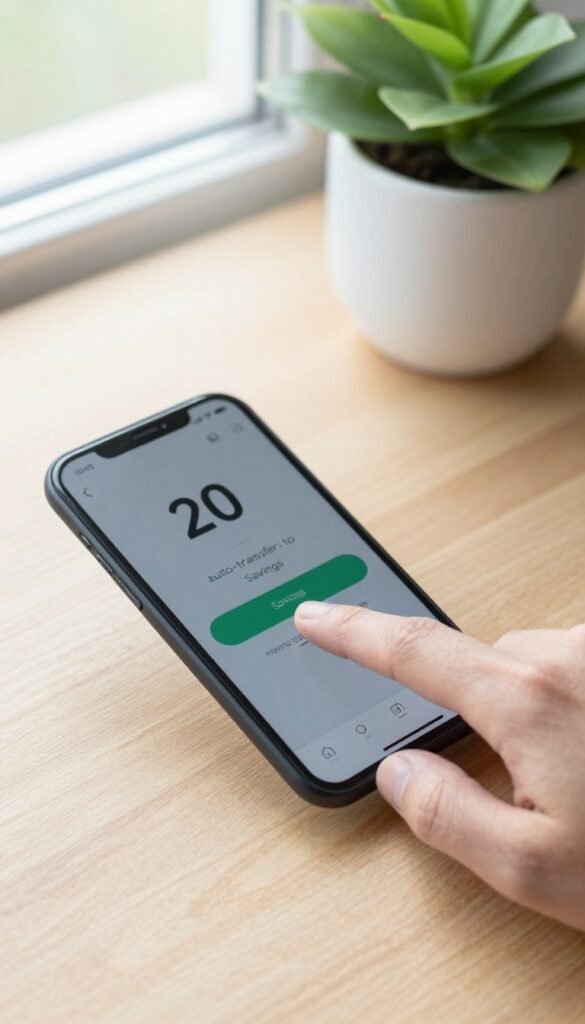
The easiest way to save money is to never see it in your checking account. By automating your savings, you remove the temptation to spend and make building wealth a set-it-and-forget-it process. This simple shift can turn saving from a struggle into a habit that happens automatically.
Set up an automatic transfer from your checking to your savings account on payday. Even $20 per paycheck adds up over time. The key is to treat savings like a non-negotiable bill—just like rent or utilities.
You'll be surprised how quickly you adjust to living on the remaining balance.
Pick The Right Amount
Start small if you're unsure. Aim for 10% of your income, but even 5% is a win. The goal is consistency, not perfection.
You can always increase the amount later as your budget allows.
Choose The Right Account
Use a high-yield savings account or a separate account at a different bank. This adds a tiny friction that discourages impulsive withdrawals. Out of sight, out of mind—and into your future.
2. Plan Your Meals Weekly
That weekly grocery run can be a budget minefield when you walk in hungry and without a list. Meal planning removes the guesswork and keeps your wallet safe from impulse buys and last-minute takeout. It's one of the highest-impact frugal habits you can build.
Spending 20 minutes each Sunday mapping out your meals and writing a grocery list can dramatically cut food waste and unnecessary spending. You'll shop with purpose, cook with confidence, and stop throwing away wilted produce and forgotten leftovers.
Start With What You Have
Before planning, check your pantry, fridge, and freezer. Build meals around ingredients you already own. This prevents buying duplicates and forces you to use up what's sitting around.
Batch Cook For Busy Days
Double recipes when you cook and freeze portions for hectic weeknights. Having a ready-made meal in the freezer means you're far less likely to order pizza on a tired Tuesday.
Keep A Flexible Framework
Plan a loose structure like Meatless Monday, Taco Tuesday, or Stir-Fry Friday. It simplifies decision-making and makes the weekly plan feel less rigid. Swap days as needed without stress.
Free PDF Download
Not Sure Which Side Hustle Fits You Best?
Take the free Side Hustle Matchmaker Quiz and get a simple 7-day starter plan to help you choose a beginner-friendly idea based on your time, skills, comfort level, and goals.
You’ll get this free PDF plus access to the full Marketerna Save More & Earn More PDF Kit. No spam. Unsubscribe anytime.
3. Use the 24-Hour Rule for Non-Essentials
Impulse buys are budget killers. That shiny gadget or trendy top feels essential in the moment, but the urge often fades fast. The 24-hour rule gives you a cooling-off period to separate genuine needs from fleeting wants.
Before buying anything non-essential, force yourself to wait a full day. Add it to a wish list or take a screenshot. When you revisit it tomorrow, you'll often realize you don't really want it—or you'll find a better deal.
How It Stops Impulse Spending
The delay disrupts the emotional high of shopping. Your brain's reward system cools down, and logic kicks in. You start asking: Do I have something similar?
Can I borrow it? Will I use it next week? Most of the time, the answer is no.
Make The Rule Stick
Set a phone reminder or use a note app to log potential purchases. For online shopping, leave items in the cart overnight. For in-store, take a photo and walk away.
After 24 hours, if you still want it, consider buying it—but you'll likely skip it.
When To Break The Rule
It's okay to bypass the rule for true emergencies or replacements of broken essentials. The goal isn't to avoid all spending, just to eliminate the mindless kind. Use your judgment: a new phone charger when yours dies?
Fine. A new phone because it's on sale? Wait.
4. Track Every Expense for a Month

You can't fix what you don't see. That's why tracking every dollar you spend for 30 days is one of the most eye-opening habits you can adopt. It's not about judgment—it's about awareness.
Once you see where your money actually goes, you can make small adjustments that add up fast.
Grab a notebook, use a spreadsheet, or download a free app like Mint or YNAB. The method doesn't matter as long as you record every purchase, no matter how small. That $3 coffee, the $1.
50 parking meter, the random app subscription—they all count. At the end of the month, review your list. You'll likely find a few surprises, like how much you spend on takeout or those little convenience buys.
That awareness alone can curb future spending.
Why 30 Days?
A full month gives you a complete picture. Weekly tracking might miss irregular expenses like haircuts, oil changes, or subscription renewals. Thirty days captures your true spending rhythm, including weekend splurges and mid-month slumps.
What To Look For
Scan for patterns: Are you buying lunch every workday? Paying for a gym membership you never use? Subscribing to three streaming services?
These are the leaks. Once identified, you can plug them one by one. Even cutting one small habit can save you $50–$100 a month.
Make It A Habit, Not A Chore
Track in real time—don't rely on memory. Set a daily reminder on your phone to log expenses. After a week, it'll feel automatic.
The goal isn't perfection; it's building a muscle of mindfulness that sticks long after the 30 days are up.
Free PDF Download
Not Sure Which Side Hustle Fits You Best?
Take the free Side Hustle Matchmaker Quiz and get a simple 7-day starter plan to help you choose a beginner-friendly idea based on your time, skills, comfort level, and goals.
You’ll get this free PDF plus access to the full Marketerna Save More & Earn More PDF Kit. No spam. Unsubscribe anytime.
5. Cook at Home More Often
Restaurant meals and takeout are expensive, and they often come with hidden costs like tips, delivery fees, and impulse add-ons. Cooking at home puts you in control of both your budget and your nutrition. It doesn't have to be gourmet—simple, batch-cooked meals can save you hundreds each month.
Start by planning a weekly menu around affordable staples like rice, beans, pasta, and seasonal vegetables. Aim to cook at least five dinners at home, and intentionally make extra portions for next-day lunches. This habit alone can slash your food spending by 50% or more, while also reducing food waste.
Start With A Simple Meal Plan
Pick two or three breakfasts, lunches, and dinners to rotate. Write a shopping list based on those meals and stick to it. This prevents impulse buys and ensures you have ingredients on hand, making it easier to resist ordering out.
Cook Once, Eat Twice
Double your dinner recipes and pack leftovers for lunch the next day. You'll save time and money—no more buying lunch out. Batch cooking on weekends (like chili, soups, or casseroles) can stock your freezer for busy nights.
Make It A Habit, Not A Chore
Set a regular cooking schedule, like Sunday meal prep or Tuesday pasta night. Use a slow cooker or sheet pan meals to cut down on effort. The more routine it becomes, the less you'll crave the convenience of takeout.
6. Embrace No-Spend Days
Designating one or two days each week where you spend zero money is a surprisingly effective way to reset your spending habits. It's part game, part discipline, and the awareness it builds can stick with you long after the day ends.
No-spend days train your brain to pause before every purchase. On those days, you'll find yourself getting creative with meals, entertainment, and transportation. The savings add up quickly, and the mindfulness around money becomes second nature.
Start Small With One Day A Week
Pick a day that's naturally low-spend for you, like a Tuesday when you work from home. Prepare by cooking extra the night before and planning free activities. The first few times might feel weird, but soon you'll look forward to the challenge.
Make It A Game With A Friend
Accountability makes no-spend days easier. Text a friend on your no-spend days and share what you did instead of spending. A little friendly competition can keep you motivated and give you new ideas for free fun.
Track Your No-spend Wins
Keep a simple tally of how much you saved on each no-spend day. Watching that number grow is incredibly satisfying. Over a month, even two days a week can save you hundreds of dollars.
7. Negotiate Your Bills Annually

Most people set up their internet, insurance, or phone bill once and never look back. But prices creep up over time, and providers rarely reward loyalty with lower rates. A single 15-minute phone call once a year can knock hundreds off your annual expenses.
The key is to treat it like a routine checkup, not a confrontation. Companies expect customers to ask for discounts, especially if you mention competitor offers. Even if you don't have a competing quote, simply asking for a loyalty discount or promotional rate often works.
Do Your Homework First
Before calling, jot down what you currently pay and what competitors are charging for similar service. A quick search online gives you leverage. If you're a long-term customer with a good payment history, mention that too.
Use The Right Script
Keep it friendly and direct: "Hi, I'm reviewing my budget and wondering if there are any current promotions or loyalty discounts available for my account. " If the first rep says no, politely ask to speak with the retention or cancellation department—they often have more flexibility.
Set A Calendar Reminder
Pick a date each year—maybe your birthday month or January—and block 30 minutes to tackle your top three bills. Put it in your phone with a note like "Save $200. " Consistency turns this one-time win into a lasting habit.
8. Use a Library Card
Your local library is a goldmine for free entertainment and education. That plastic card in your wallet can save you hundreds of dollars a year on books, movies, music, and more. Plus, libraries have evolved far beyond dusty shelves—many now offer digital lending, streaming services, and even free passes to museums and parks.
Borrow Physical Items For Free
Books, audiobooks, DVDs, and even video games are all available at no cost. Instead of buying a new release or renting a movie, place a hold online and pick it up. You can borrow multiple items at once, renew them easily, and never pay a late fee at many libraries.
Access Digital Resources From Home
Apps like Libby, Hoopla, and Kanopy let you borrow e-books, audiobooks, and stream movies or TV shows right from your phone or tablet. No need to drive to the library. Most services are free with your library card and offer a huge selection of current bestsellers and classics.
Take Advantage Of Free Programs And Perks
Libraries host free workshops, author talks, kids' story times, and even skill-building classes. Some also offer free passes to local museums, state parks, or cultural attractions. Check your library's website for a calendar of events—it's like having a free community center.
9. Buy Generic Brands
Store brands have come a long way. In many cases, the only difference between a generic and a name brand is the packaging and the price. You can save 20 to 30 percent on everyday items without sacrificing quality.
Start with pantry staples like flour, sugar, pasta, and canned goods. Cleaning supplies are another easy swap—most store-brand disinfectants and detergents work just as well. Once you build trust with a few products, you'll wonder why you ever paid extra for a logo.
What To Buy Generic
Focus on items where ingredients or formulations are nearly identical: baking staples, spices, oats, rice, vinegar, bleach, and dish soap. Over-the-counter medications like ibuprofen or allergy pills are also regulated to be equivalent to name brands.
What To Skip
Some generics fall short—think cheap paper towels that disintegrate or off-brand snacks that taste off. It's fine to stick with name brands for things where quality really matters to you. The goal is saving, not suffering.
How To Compare
Check the ingredient list and nutrition facts side by side. Often they're identical. Look at the unit price too—sometimes store brands are cheaper even per ounce.
Give each product one try before deciding.
10. Practice the 'One In, One Out' Rule
Clutter isn't just a space issue—it's a money issue. Every item you own cost money, takes up space, and demands mental energy. The 'one in, one out' rule is a simple way to keep both your home and your spending in check.
For every new thing you bring in, let go of something old. It’s a small commitment that prevents impulse buys and keeps your possessions meaningful.
Why It Works
This rule creates a natural spending limit. Before buying something new, you have to decide what you're willing to part with. That pause alone kills many impulse purchases.
Plus, selling or donating items puts cash back in your pocket or clears space for what you actually use.
How To Start Today
Pick one category—like clothes, books, or kitchen gadgets—and apply the rule there first. When you buy a new shirt, donate an old one. When a new cookbook arrives, pass along one you never use.
The habit builds quickly and feels satisfying.
Sell The Unused
Don't just toss things that still have value. Use apps like Facebook Marketplace, Poshmark, or eBay to sell items you're replacing. The money you earn can offset the cost of the new item or go straight into savings.
It turns decluttering into a mini side hustle.
11. Cancel Unused Subscriptions
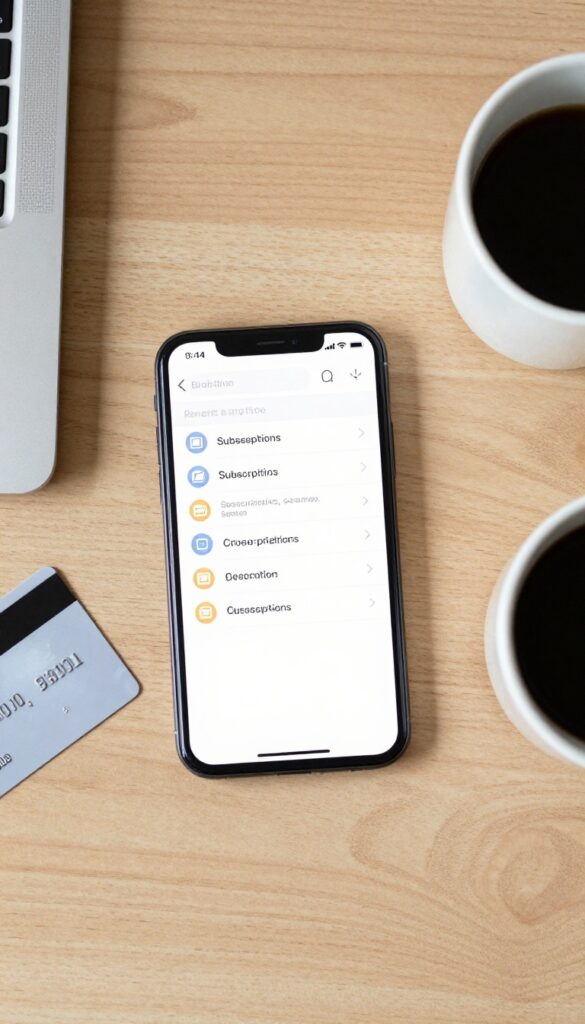
It's easy to sign up for a free trial or a new service and then forget about it. Months later, you're still paying for something you barely use. Those small monthly fees add up fast, quietly draining your bank account without you noticing.
Take a hard look at your bank and credit card statements from the past few months. Highlight every recurring charge—streaming services, apps, gym memberships, subscription boxes, even cloud storage. If you haven't used it in the last 30 days, cancel it.
You can always re-subscribe later if you miss it.
How To Find Them All
Go through your bank statements line by line. Also check your app store subscriptions on your phone. Services like Truebill or Rocket Money can scan for you, but a manual review is just as effective and free.
The 30-day Rule
If you haven't opened an app, streamed a show, or visited a gym in the past month, you're not likely to start now. Cancel without guilt. You can always sign up again if your habits change.
What To Keep
Don't cancel everything. Keep subscriptions that truly add value—like a tool you use for work or a service that saves you money. The goal is to eliminate waste, not joy.
12. Shop with a List
Walking into a store without a list is like navigating a maze blindfolded—you're bound to take wrong turns and end up with things you didn't need. A simple list keeps you focused, saves time, and protects your wallet from those tempting end-cap displays. It's one of the easiest frugal habits to adopt, yet it makes a huge difference in your monthly spending.
The key is to make your list before you leave the house. Check your pantry, fridge, and cupboards to see what you actually need. Then stick to it like it's a rule—no adding extras just because they're on sale or look good.
If you see something you want but isn't on the list, give yourself a 24-hour cooling-off period before buying it.
Plan Your Meals First
A shopping list works best when it's based on a meal plan. Take ten minutes each week to decide what you'll eat for breakfast, lunch, and dinner. Then write down only the ingredients you need.
This prevents buying random items that end up spoiling in the fridge.
Use The 'one In, One Out' Rule
For non-food items like toiletries or cleaning supplies, follow the one-in-one-out rule. Don't buy a new bottle of shampoo until the current one is empty. This keeps your list short and your storage clutter-free.
Avoid Shopping Hungry Or Tired
Grocery shopping on an empty stomach is a recipe for impulse buys. Eat a snack before you go. Also, avoid shopping when you're tired—low energy makes you more likely to grab convenience items that cost more.
13. Learn Basic DIY Skills
You don't need to be a handyman or a seamstress to save real money. Simple repairs like fixing a leaky faucet, patching a hole in drywall, or sewing a button back on can keep you from calling in a pro. Over a year, those service calls add up fast.
YouTube has turned almost every home repair into a step-by-step tutorial. Next time something breaks, search for a fix before reaching for the phone. You'll be surprised how often you can handle it yourself with basic tools and a little patience.
Start Small
Begin with one skill that's likely to come up in your home. Changing a toilet flapper, unclogging a drain, or replacing a light fixture are all beginner-friendly. Once you've done one, you'll feel more confident tackling the next.
Tools That Pay For Themselves
A basic toolkit with a hammer, screwdrivers, pliers, and a drill covers most small jobs. You don't need expensive gear—just reliable tools. The cost of a few DIY fixes will quickly offset the initial investment.
Beyond Repairs
DIY skills extend to sewing, basic car maintenance like changing wiper blades or air filters, and even simple gardening. Each skill you learn is another expense you can cut from your budget.
14. Use Cash Envelopes for Variable Spending
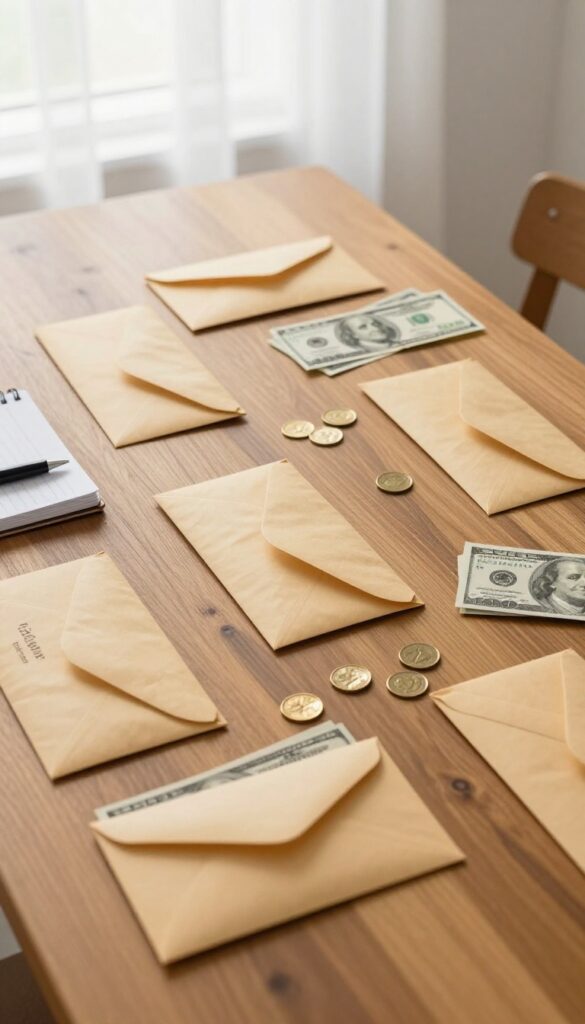
Plastic makes it too easy to overspend. Swiping a card doesn't feel like real money leaving your account. Cash, on the other hand, is tangible.
When you hand over those bills, you feel the loss. The cash envelope system puts that feeling to work for you. Here's the simple premise: withdraw cash for categories where you tend to overspend—groceries, dining out, entertainment.
Put that cash in labeled envelopes. When the envelope is empty, you're done spending in that category until next month. No exceptions.
The cash envelope system is a classic for a reason—it works. By using physical cash, you create a natural spending limit that's impossible to ignore. You become more mindful of each purchase because you can literally see your budget shrinking.
Which Categories Work Best
Start with your most variable expenses. Groceries, eating out, personal care, and entertainment are great candidates. Fixed bills like rent or insurance don't need envelopes.
Choose two or three categories that always seem to bust your budget and try the envelope method there first.
How To Make It Stick
Label each envelope clearly and keep them somewhere accessible but not too convenient—like a drawer or a wallet divider. When you get paid, fill the envelopes with the allocated cash. If you run out early, resist the urge to borrow from another envelope.
That's the whole point: the limit teaches you to prioritize.
What About Online Spending?
Online purchases obviously can't use cash. For those, create a virtual envelope. Use a prepaid debit card or a separate checking account with only the budgeted amount.
Or, simply transfer the cash to a digital savings bucket. The principle stays the same: once the money is gone, no more spending.
15. Take Advantage of Free Community Events
Entertainment costs can quietly drain your budget. But fun doesn't have to come with a price tag. Many communities offer free events year-round, from outdoor concerts to fitness classes.
You just need to know where to look.
Start by checking your local library, community center, or city website for event calendars. Many towns host free movie nights in the park, live music, or art walks. You can also find free fitness classes like yoga or Zumba hosted by local studios.
Make it a habit to scan these listings weekly and mark a few events on your calendar. Not only will you save money, but you'll also discover new hobbies and meet neighbors.
Where To Find Them
Libraries, parks departments, and local Facebook groups are goldmines. Also check community bulletin boards at coffee shops or grocery stores. Many museums offer free admission days too.
Make It A Social Habit
Invite friends or family to join you. Shared experiences at free events can be just as memorable as pricey outings. Plus, planning ahead builds anticipation and makes the habit stick.
16. Wait for Sales on Big Purchases
Big purchases—think appliances, electronics, or furniture—can wreck your budget if you buy them on a whim. But with a little patience, you can slash the price significantly. Timing your buys around major sales events like Black Friday, Amazon Prime Day, or end-of-season clearances can save you 20% to 50% or more.
The key is planning ahead so you're ready to pounce when the deal drops.
Instead of buying that new laptop or winter coat the moment you need it, mark your calendar for predictable sale periods. Retailers follow reliable cycles: mattresses go on sale in January, grills in fall, and TVs around the Super Bowl. If you can wait a few weeks or months, you'll often get the same item for hundreds less.
Know The Calendar
Major holidays and seasonal changes trigger deep discounts. For example, Labor Day is great for appliances, Memorial Day for outdoor gear, and January for fitness equipment. A quick online search for "best time to buy [item]" gives you a cheat sheet.
Add these dates to your phone's calendar so you don't forget.
Set Price Alerts
Use tools like CamelCamelCamel for Amazon or Honey for general shopping. They track price history and notify you when an item drops to your target price. This takes the guesswork out of waiting—you'll know when it's truly a good deal, not just a fake markdown.
Stack Discounts
Combine sale prices with cashback apps (like Rakuten), store coupons, and credit card rewards. For instance, buy a discounted TV during Black Friday, get 5% cashback, and use a store coupon for free shipping. That small extra effort can push your total savings past 50%.
17. Review Your Financial Goals Monthly
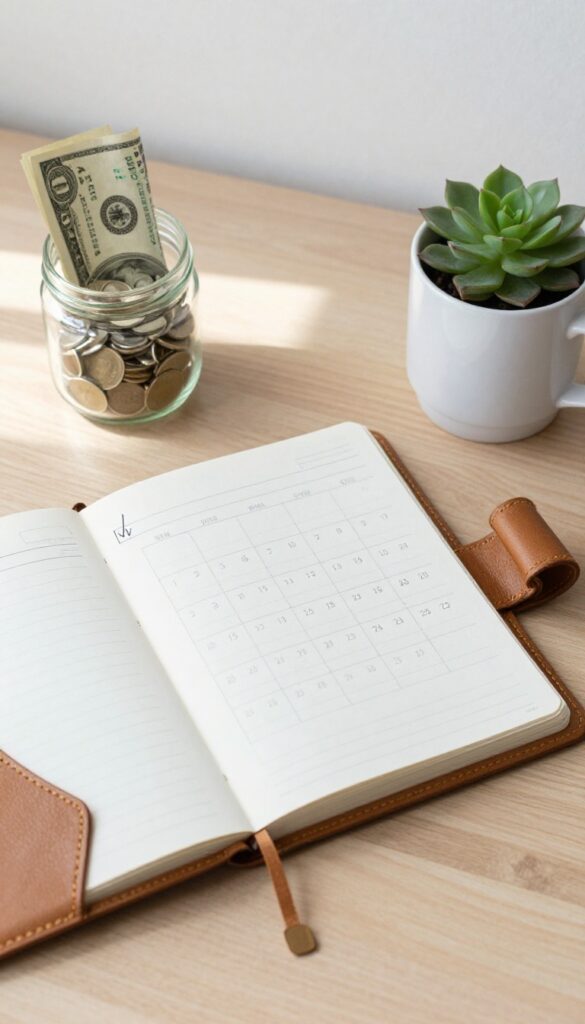
Monthly check-ins are the secret sauce to staying on track without obsessing over money every day. Life changes, priorities shift, and a goal that made sense in January might feel irrelevant by June. That's why setting aside 30 minutes once a month to review your progress keeps your habits aligned with what actually matters to you right now.
A monthly review isn't about beating yourself up over missed targets. It's a chance to see what's working, what isn't, and where you can tweak your approach. Maybe you've been killing it with meal prep but falling short on the 24-hour rule for purchases.
Adjust accordingly. And don't forget to celebrate small wins—they fuel motivation.
What To Look At
Pull up your budget, savings account, and any debt balances. Compare where you are now to where you planned to be. Notice trends: are you consistently underspending in one category?
Overspending in another? Use this data to reset your targets for the next month.
How To Adjust
If a goal feels too tight, loosen it. If you're breezing past a savings target, challenge yourself to bump it up. The key is flexibility—your monthly review is a steering wheel, not a report card.
Write down one or two specific changes you'll make in the coming weeks.
Celebrate The Small Stuff
Did you resist an impulse buy? Cook at home all week? Put an extra $20 into savings?
That's worth acknowledging. Small wins build momentum. Give yourself a pat on the back or treat yourself to a low-cost reward like a favorite coffee or a movie night at home.
FAQ
How many frugal habits should I start with?
Start with 2-3 habits that feel easiest to you. Once they become automatic, add more. Consistency beats intensity.
Will frugal habits make me feel deprived?
Not if you focus on what you gain—financial freedom, less clutter, and more intentional spending. It's about value, not sacrifice.
How long does it take to see results?
You'll notice small changes in your spending within the first month. Significant savings typically appear after 3-6 months of consistent practice.
Can I still enjoy life while being frugal?
Absolutely. Frugality helps you prioritize spending on what truly matters to you, so you can enjoy more of the things you love.
What if I slip up and overspend?
Don't stress. Acknowledge it, learn from it, and get back on track the next day. Perfection isn't the goal—progress is.
Conclusion
Building a better money routine doesn't require a complete lifestyle overhaul. Small, consistent frugal habits add up to big financial wins over time. Pick one habit from this list and practice it for the next 21 days.
Once it feels natural, add another.
You'll be amazed at how much control you gain over your finances. Remember, frugality is a tool, not a punishment. Use it to build the life you want, one smart choice at a time.
Free PDF Download
Not Sure Which Side Hustle Fits You Best?
Take the free Side Hustle Matchmaker Quiz and get a simple 7-day starter plan to help you choose a beginner-friendly idea based on your time, skills, comfort level, and goals.
You’ll get this free PDF plus access to the full Marketerna Save More & Earn More PDF Kit. No spam. Unsubscribe anytime.