
17 Old Fashioned Frugal Living Tips That Still Work
Frugal living isn't about deprivation—it's about being smart with your resources. Many of the best money-saving habits were common decades ago, but they've been forgotten in our modern convenience-driven world. The good news?
These old-fashioned tips still work brilliantly today. By embracing a few simple practices, you can cut expenses, reduce waste, and gain more control over your finances. These aren't extreme measures—just practical, everyday choices that add up over time.
Ready to save money the old-fashioned way? Let's dive into 17 tips that have stood the test of time.

Free PDF Download
Not Sure Which Side Hustle Fits You Best?
Take the free Side Hustle Matchmaker Quiz and get a simple 7-day starter plan to help you choose a beginner-friendly idea based on your time, skills, comfort level, and goals.
You’ll get this free PDF plus access to the full Marketerna Save More & Earn More PDF Kit. No spam. Unsubscribe anytime.
1. Mend Your Clothes Instead of Replacing Them
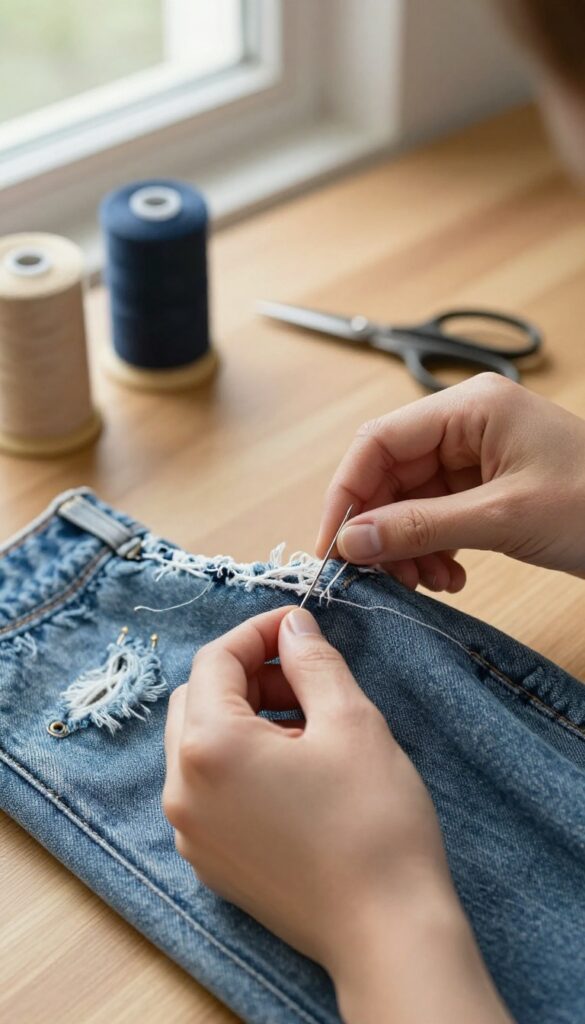
Learning a few basic sewing skills can save you a ton of money and reduce waste. A torn seam, a missing button, or a small hole doesn't mean the end of a garment's life. With just a needle and thread, you can fix most issues in minutes.
This old-fashioned habit keeps your wardrobe going for years and cuts down on shopping trips.
Start Simple: Needle And Thread Basics
You don't need a fancy sewing machine. A basic sewing kit with needles, thread in common colors, and a few buttons is enough. Learn how to sew a straight stitch and a backstitch.
These two techniques can fix most tears and seams. Practice on an old piece of fabric first.
Fix Common Issues Fast
Replacing a button takes less than five minutes. Sewing a small hole in a seam is just as quick. For larger rips, use a patch from an old garment or a scrap of similar fabric.
Iron-on patches work for denim and heavy fabrics. Tackle repairs as soon as you notice them so they don't get worse.
Extend Life With Preventative Care
Mending isn't just about fixing damage. Reinforce weak spots like pocket corners and crotch seams before they tear. Use a small stitch to secure loose buttons before they fall off.
A little preventative sewing can double the lifespan of your favorite clothes.
2. Cook from Scratch as Much as Possible
One of the biggest money leaks in a modern budget is food—especially processed convenience items and takeout. Cooking from scratch puts you back in control, letting you stretch ingredients further and avoid costly markups. It’s not about spending hours in the kitchen every day; it’s about building simple habits that make homemade meals easy and affordable.
When you cook from scratch, you skip the packaging, processing, and marketing costs that get tacked onto store-bought foods. A bag of dried beans costs pennies per serving compared to canned versions. A whole chicken can be roasted for dinner, then turned into soup, sandwiches, and broth.
Batch cooking on weekends saves time during the week and ensures you always have a cheap, healthy meal ready.
Start With Staples
Focus on versatile ingredients like rice, beans, oats, potatoes, and seasonal vegetables. These are cheap, filling, and can be used in countless ways. Learn a few basic recipes—like a simple tomato sauce, a stir-fry, or a grain bowl—and build from there.
Use Leftovers Creatively
Leftovers don’t have to be boring. Turn roast chicken into tacos, casseroles, or salads. Stale bread becomes croutons or bread pudding.
Vegetable scraps can be simmered into stock. A little creativity can turn what would be waste into another meal.
Batch Cook And Freeze
Dedicate a couple of hours on a weekend to cook large batches of soups, stews, or casseroles. Portion them into freezer containers for quick weeknight dinners. This cuts down on the temptation to order takeout when you’re tired.
Free PDF Download
Not Sure Which Side Hustle Fits You Best?
Take the free Side Hustle Matchmaker Quiz and get a simple 7-day starter plan to help you choose a beginner-friendly idea based on your time, skills, comfort level, and goals.
You’ll get this free PDF plus access to the full Marketerna Save More & Earn More PDF Kit. No spam. Unsubscribe anytime.
3. Grow Your Own Vegetables and Herbs
There's something deeply satisfying about stepping into your yard or onto your balcony and picking what's for dinner. Growing your own food isn't just a hobby—it's a direct way to slash your grocery bill while eating fresher, healthier meals. You don't need acres of land or a green thumb to get started.
Even a small garden or a few pots on a balcony can yield fresh produce. Herbs like basil and mint are easy to grow and save money on expensive store-bought bunches.
Start Small And Simple
Begin with a few easy-to-grow crops like lettuce, tomatoes, or peppers. These are forgiving for beginners and produce quickly. A single tomato plant can give you dozens of fruits over a season, costing pennies per tomato compared to store prices.
Herbs Are A No-brainer
Fresh herbs at the store cost a few dollars per small bunch, but a $3 herb plant will keep producing for months. Basil, parsley, cilantro, and mint thrive in pots on a windowsill. Snip what you need, and they keep growing.
Save Seeds And Cuttings
Old-fashioned gardeners never bought new seeds every year. Save seeds from your best plants, or propagate herbs from cuttings. It's free and ensures you have a steady supply year after year.
4. Use a Clothesline Instead of a Dryer
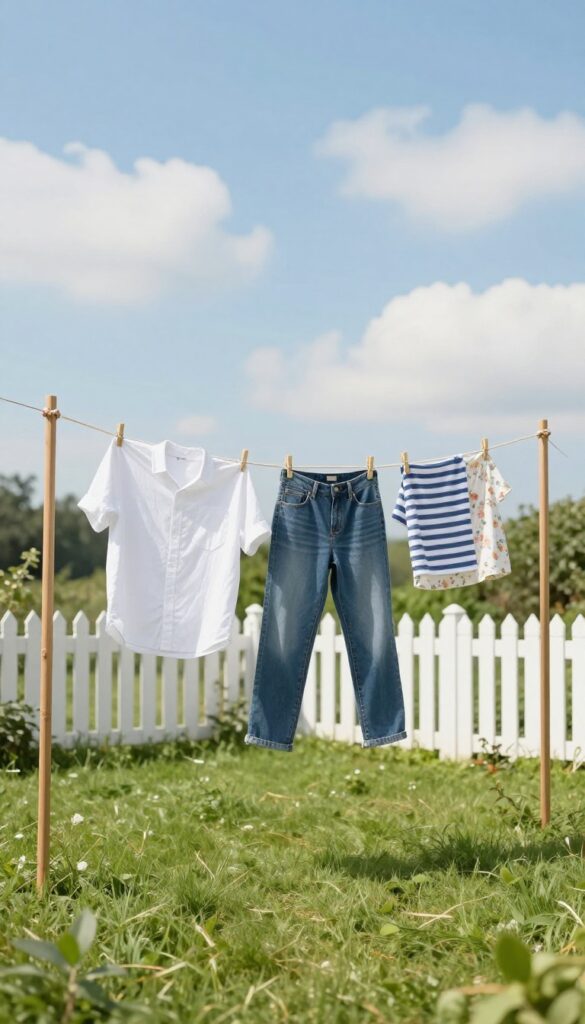
Your dryer is one of the biggest energy hogs in your home. Air-drying your clothes is a simple, free alternative that saves electricity, extends the life of your fabrics, and gives everything that unbeatable fresh outdoor scent. It's a small habit shift with real savings.
Hanging clothes outside takes just a few extra minutes but can cut your utility bill noticeably. Plus, you'll never have to deal with shrunken sweaters or static cling again.
The Cost Of Convenience
Running a dryer costs about 30 to 50 cents per load, depending on your rates and machine efficiency. For a family doing five loads a week, that's up to $130 a year. Over a decade, you're looking at over a thousand dollars just to dry clothes.
Gentler On Your Clothes
Dryer heat and tumbling break down fibers, fade colors, and weaken elastic. Air-drying is much gentler, so your favorite jeans and T-shirts last longer. You'll buy fewer clothes over time, which is a win for your wallet and the planet.
Fresh Air, Fresh Clothes
Sunlight naturally bleaches whites and kills bacteria. The wind carries away odors, leaving your laundry smelling clean and crisp without any artificial fragrances. Even on cloudy days, line-dried clothes smell better than anything from a dryer sheet.
Free PDF Download
Not Sure Which Side Hustle Fits You Best?
Take the free Side Hustle Matchmaker Quiz and get a simple 7-day starter plan to help you choose a beginner-friendly idea based on your time, skills, comfort level, and goals.
You’ll get this free PDF plus access to the full Marketerna Save More & Earn More PDF Kit. No spam. Unsubscribe anytime.
5. Make Your Own Cleaning Products
Walk down the cleaning aisle at any grocery store and you'll see shelf after shelf of specialized sprays, wipes, and powders. Each one promises to tackle a different mess, and each one costs a few dollars. But here's the secret your grandmother knew: you don't need a dozen different bottles.
With just a few basic ingredients, you can handle almost any cleaning task for pennies.
The core trio—white vinegar, baking soda, and lemon juice—can replace everything from glass cleaner to bathroom scrub. Vinegar cuts grease and kills mold. Baking soda gently scrubs without scratching.
Lemon juice adds antibacterial power and a fresh scent. Combine them in different ways and you've got a whole cleaning arsenal.
All-purpose Cleaner
Mix equal parts water and white vinegar in a spray bottle. Add a few drops of lemon juice or essential oil if you want fragrance. This works on countertops, windows, mirrors, and most surfaces.
Just avoid using it on natural stone like granite or marble.
Scrubbing Paste
For tough grime in sinks, tubs, and stovetops, make a paste from baking soda and a little water. Apply it with a sponge or brush, let it sit for a few minutes, then scrub and rinse. For extra grease-cutting power, add a splash of vinegar—but be ready for some fizzing.
Glass & Mirror Spray
Skip the expensive blue spray. Combine 1 cup water, 1 cup vinegar, and 1 tablespoon cornstarch in a spray bottle. Shake well before each use.
Spray on glass or mirrors, then wipe with a microfiber cloth or crumpled newspaper for a streak-free shine.
6. Buy Used or Thrifted Items First
Before you pull out your wallet for something new, take a moment to check if you can find it used. Thrift stores, garage sales, and online marketplaces are treasure troves for everything from furniture to kitchenware. You'll often snag items at a fraction of the retail price, and many are in excellent condition.
It's a simple habit that keeps money in your pocket and reduces waste.
Make it a rule: always look for used first. You'll be surprised how much you can find—brands you love, quality pieces, and unique items you won't see in every home. Over time, this one shift can save you hundreds or even thousands of dollars a year.
Where To Look
Start local. Thrift stores like Goodwill or Salvation Army are great for clothes, books, and small furniture. Garage sales and estate sales can yield high-quality items at rock-bottom prices.
Online, try Facebook Marketplace, Craigslist, or Freecycle. For specific categories, like used books or electronics, sites like ThriftBooks or Back Market are worth a look.
What To Buy Used
Some items are almost always better bought used. Furniture, especially solid wood pieces, can be refinished or painted. Clothing, particularly for kids who outgrow things fast, is a no-brainer.
Books, DVDs, and kitchen gadgets are also safe bets. Avoid used mattresses, car seats, and electronics with short lifespans unless you know what to check.
Tips For Smart Thrifting
Go often, as inventory changes quickly. Have a list of what you need, but stay open to unexpected finds. Inspect items carefully for damage or stains.
For clothing, try on when possible or know your measurements. Don't be afraid to negotiate at garage sales—most sellers expect it. And always clean or sanitize your finds before bringing them into your home.
7. Practice the 30-Day Rule for Non-Essentials

Impulse buying is a budget killer. That shiny gadget, trendy outfit, or kitchen gadget you saw online feels urgent in the moment. But most of the time, the urgency fades fast.
The 30-day rule gives you a simple way to separate genuine needs from fleeting wants.
Whenever you feel the urge to buy something non-essential, write it down and set a reminder for 30 days. During that month, ask yourself: Do I still want this? Would I rather have the money?
Often, the answer is no. This pause stops regret spending and frees up cash for what truly matters.
How It Works
Keep a list on your phone or a notepad. When you see something you want to buy, add it with the date. Then wait.
After 30 days, review the list. You'll be surprised how many items no longer appeal to you. Only buy the ones that still feel important.
Why It Works
The rule leverages a psychological principle called the 'cooling-off period. ' It breaks the emotional connection between seeing an item and buying it. Without that rush, logic takes over. You realize most purchases are optional, and the money stays in your pocket.
Real-life Example
Say you spot a new coffee maker on sale for $100. It looks amazing, but your current one works fine. Add it to your 30-day list.
A month later, you might find you're perfectly happy with your old brewer. That's $100 saved for something you actually need.
8. Preserve Food by Canning, Freezing, or Drying
When fruits and vegetables are in season, prices drop and quality peaks. That's the perfect time to stock up and preserve the bounty for later. Canning, freezing, and dehydrating are old-school methods that let you enjoy summer tomatoes in January without paying premium prices.
Preserving food isn't complicated, and the savings add up fast. A bushel of peaches bought at a roadside stand might cost a fraction of what you'd pay for canned peaches at the store. Plus, you control the ingredients—no added sugars or preservatives unless you want them.
Start With Water Bath Canning
Water bath canning is perfect for high-acid foods like tomatoes, jams, and pickles. You just need a large pot, jars, lids, and a rack. It's a straightforward process that seals in freshness for up to a year.
Beginners often start with jam or salsa.
Freeze Your Surplus
Freezing is the easiest preservation method. Blanch vegetables like green beans or broccoli for a couple minutes, then freeze them in airtight bags. Berries and chopped peppers freeze well without blanching.
Label everything with dates so you use the oldest first.
Try Dehydrating For Shelf-stable Snacks
A dehydrator or even your oven on low heat can turn apples into chips, herbs into seasonings, and tomatoes into sun-dried treats. Dried food takes up little space and lasts for months. It's also great for making your own trail mix or jerky.
9. Use a Library Card Instead of Buying Books
Remember the library card you had as a kid? It's still one of the best tools for saving money. Libraries offer free access to books, audiobooks, movies, and even digital resources.
It's one of the best entertainment bargains available.
Free Entertainment For Everyone
Libraries aren't just about dusty books anymore. Most have DVDs, video games, and streaming services like Kanopy or Hoopla. You can borrow the latest bestseller or watch a new release without spending a dime.
Digital Resources At Your Fingertips
Many libraries offer e-books and audiobooks through apps like Libby or OverDrive. You can download them straight to your phone or tablet. No late fees, no trips to the library—just free reading on demand.
Beyond Books: Workshops And Events
Libraries host free classes, storytimes, and workshops. From resume writing to gardening, you can learn new skills without paying for a course. Check your library's calendar—you might be surprised what's available.
10. Walk or Bike for Short Trips
Think about all the times you hop in the car for a quick errand that's less than a mile away. That short drive burns gas, adds wear on your vehicle, and often takes longer than walking or biking when you factor in parking. Before you grab your keys, ask yourself: can I get there on foot or by bike instead?
Choosing to walk or bike for short trips is a simple way to save money and improve your health. You'll cut down on gas costs, reduce maintenance expenses, and avoid parking fees. Plus, it's a great way to sneak in daily exercise without needing extra time at the gym.
Over a year, those quarter-mile trips add up to significant savings and a smaller carbon footprint.
The One-mile Rule
Make it a habit to walk or bike for any trip under one mile. That includes grabbing a coffee, picking up a prescription, or visiting a neighbor. You'll be surprised how many errands fit this distance.
Keep a comfortable pair of walking shoes by the door, or a bike with a basket for carrying small items.
Make It Convenient
Set yourself up for success. Keep your bike ready to ride with inflated tires and a lock. Store reusable bags near the door so you can grab them on your way out.
If you're walking, plan a route that avoids busy roads. The easier you make it, the more likely you'll stick with it.
Track Your Savings
Use an app or a simple notebook to track how many car trips you skip each week. Calculate the gas and wear-and-tear savings. Seeing the numbers pile up is motivating.
You might even set a goal, like saving enough to treat yourself to something nice at the end of the month.
11. Make Your Own Gifts and Greeting Cards
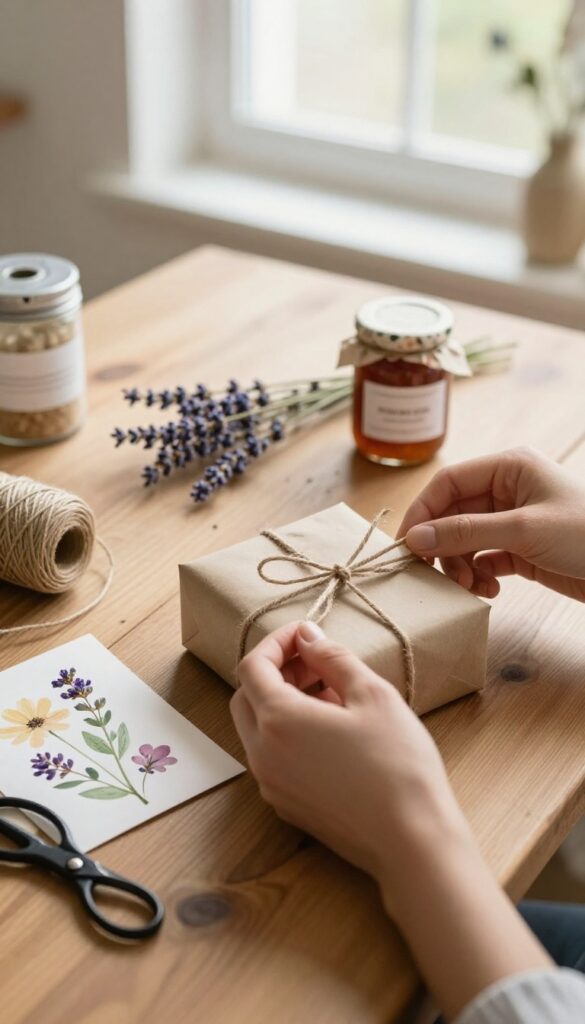
Store-bought gifts and cards can quickly eat into your budget, especially during holidays and birthdays. But homemade presents carry a personal touch that money can't buy. From a batch of cookies to a hand-knitted scarf, these gifts show you care without costing a fortune.
Plus, the act of creating something yourself can be a rewarding hobby that saves money year-round.
Homemade gifts don't have to look amateurish. With a little practice, you can produce items that rival store quality. Start with simple projects like baked goods in decorative tins, or try your hand at handmade soap or candles.
For cards, use watercolor paints or collage techniques for a unique look. The key is to match the gift to the recipient's tastes—a personalized touch makes all the difference.
Gift Ideas That Impress
Think beyond the usual baked goods. Consider homemade vanilla extract, infused olive oils, or a custom spice blend. For crafty folks, knit a scarf or sew a simple tote bag.
Plants in decorated pots or a jar of homemade granola are also winners. The goal is to create something useful that feels special.
Card Making On A Dime
You don't need fancy supplies. Use recycled cardstock, old buttons, fabric scraps, or pressed flowers. A simple watercolor wash or a hand-drawn doodle can be stunning.
Blank cards are cheap to buy in bulk, or you can fold your own from heavy paper. Add a heartfelt message inside, and you've got a card that beats anything from the store.
Saving Time And Money
Batch make gifts during a free afternoon. For example, bake several loaves of banana bread and freeze them. Or create a stack of blank cards to decorate later.
This approach spreads out the effort and ensures you're never scrambling at the last minute. Plus, homemade gifts often cost a fraction of retail prices.
12. Repair Broken Items Before Replacing Them
Before you toss that broken toaster or wobbly chair, consider this: many common household items can be fixed with a little effort and a few basic tools. Repairing instead of replacing saves you money, reduces waste, and gives you a sense of accomplishment. Plus, with countless free tutorials online, you're never alone in the process.
Start With Small Appliances
Coffee makers, toasters, and blenders often fail due to simple issues like a clogged filter, a loose wire, or a worn-out gasket. A quick search on YouTube can walk you through the fix. For example, replacing a toaster's heating element costs a few dollars versus buying a new one for $50.
Furniture Fixes Are Easier Than You Think
A wobbly table leg usually just needs tightening or a dab of wood glue. Scratches on wooden furniture can be masked with a walnut or a furniture marker. Reupholstering a chair seat is a beginner-friendly weekend project that can save you hundreds.
Electronics: Don't Give Up Too Soon
Many electronic failures are fixable: a cracked phone screen can be replaced with a kit, a laptop that won't charge might just need a new battery or charging port. iFixit and other sites provide step-by-step guides with difficulty ratings, so you know what you're getting into.
13. Plan Your Meals Around Sales and Seasonal Produce
Grocery shopping without a plan is like walking into a store with an open wallet and a blindfold. You end up with things you don't need, spend more than you intended, and still have nothing to eat for dinner. The old-fashioned solution?
Let the weekly sales flyer be your guide. By planning meals around what's discounted and what's in season, you save money and eat better.
Start by checking your local grocery store's weekly ad—either online or the paper version that lands in your mailbox. Look for proteins, produce, and pantry staples that are marked down. Then build your menu around those items.
For example, if chicken thighs are on sale, plan a few chicken-based dinners. If bell peppers are cheap, add a stir-fry or stuffed peppers to the lineup. Seasonal produce is almost always cheaper and tastes better because it's harvested at its peak.
Summer berries, fall squash, spring asparagus—buying in season means you get the best flavor for the lowest price. Meal planning also cuts down on waste. When you know exactly what you're cooking each night, you buy only what you need and use up leftovers intentionally.
No more sad, wilted lettuce at the back of the fridge.
How To Start A Sales-based Meal Plan
Pick one day a week to review the ads. Write down the best deals, then sketch out a rough menu. Keep it simple—maybe three or four dinners, plus lunches from leftovers.
Don't overcomplicate it. A rotation of staples like rice, beans, pasta, and frozen veggies can fill in the gaps. Stick to your list when you shop, and resist impulse buys.
Why Seasonal Produce Saves You Money
Out-of-season produce has to travel long distances, which drives up the price. When fruits and vegetables are harvested locally at their natural time, supply is high and costs are low. Plus, they're more nutritious and flavorful.
Learn what's in season in your area—it changes by region—and build meals around those items.
Stretch Your Budget With Bulk And Batch Cooking
When you find a great deal on something like ground beef or whole chickens, buy extra and cook in batches. Make double portions of soups, casseroles, or sauces, then freeze half for busy nights. This saves time and prevents the temptation of takeout when you're tired.
14. Use Cash Envelopes for Budgeting

Plastic makes spending too easy—swipe and forget. Cash envelopes bring back the physical feel of money leaving your hands. When you see a dwindling stack of twenties, you naturally think twice before buying that extra snack.
This system works because it creates a hard stop. Once the envelope is empty, no more spending in that category until next month. No overdrafts, no credit card interest—just pure, intentional budgeting.
How To Set Up Your Envelopes
Start with 3 to 5 categories that tend to bust your budget: groceries, dining out, entertainment, and personal spending. Label one envelope per category. Withdraw the cash you've allocated for each when you get paid.
Making It Stick
Carry only the envelope you need for today's errands. Leave the rest at home. When you're tempted to dip into another envelope, remind yourself that borrowing from groceries means less food later.
What About Online Purchases?
For online spending, use a prepaid debit card loaded with your cash envelope amount. Or simply buy a gift card with your envelope cash and use that online. Same principle, digital wrapper.
15. Cut Your Own Hair or Learn Simple Trims
A trip to the salon can easily set you back $20 to $50 or more, depending on where you live. For families, those costs multiply fast. Learning to cut your own hair or handle basic trims for your kids is a skill that pays for itself after just one or two uses.
You don't need to be a professional stylist to keep hair looking tidy. With a good pair of shears, a comb, and some online tutorials, you can maintain simple cuts at home. Start with small trims and work your way up as you gain confidence.
Start Simple
Begin with basic trims rather than full restyles. For men and boys, a simple buzz cut or clipper trim is easy to master. For longer hair, focus on dusting split ends or taking off an inch from the bottom.
There are countless free video guides that walk you through each step.
Invest In Quality Tools
A cheap pair of scissors can make hair look ragged. Spend around $20 on proper hair-cutting shears—they stay sharp longer and give cleaner cuts. A set of clippers with guards is also a good investment for family cuts.
Practice Makes Perfect
Don't expect salon-perfect results on your first try. Practice on willing family members or even a mannequin head if you're nervous. Over time, you'll get faster and more precise, saving hundreds of dollars a year.
16. Barter Services with Friends and Neighbors
Money isn't the only currency that matters. Trading skills with people you trust can save you hundreds each year while strengthening your community. Whether it's watching each other's kids or fixing a leaky faucet, bartering puts your talents to work without a cash register involved.
Bartering is about swapping services instead of paying for them. It's an old practice that still makes perfect sense in a world where many of us have complementary skills. You might trade a few hours of tutoring for a home-cooked meal, or offer lawn care in exchange for car repairs.
The key is to keep it fair and friendly.
What Can You Trade?
Think about what you're good at—gardening, baking, tech support, pet sitting, or even organizing. Then look around your neighborhood or friend group. Someone probably needs exactly what you offer, and they might have a skill you need.
Common trades include babysitting swaps, handyman work, or sharing homegrown produce.
How To Get Started
Start small. Mention your skills casually to neighbors or post in a local social media group. Be clear about what you're offering and what you're looking for.
Keep it informal but reliable—agree on expectations upfront, like hours or scope of work. A simple verbal agreement usually works, but you can jot down notes if it's a bigger trade.
The Hidden Benefits
Besides saving money, bartering builds trust and connection. You get to know your neighbors better, and you often receive higher quality service because both parties care about the relationship. Plus, it reduces waste—no packaging, no shipping, just real help from real people.
17. Reduce Utility Bills with Simple Habits
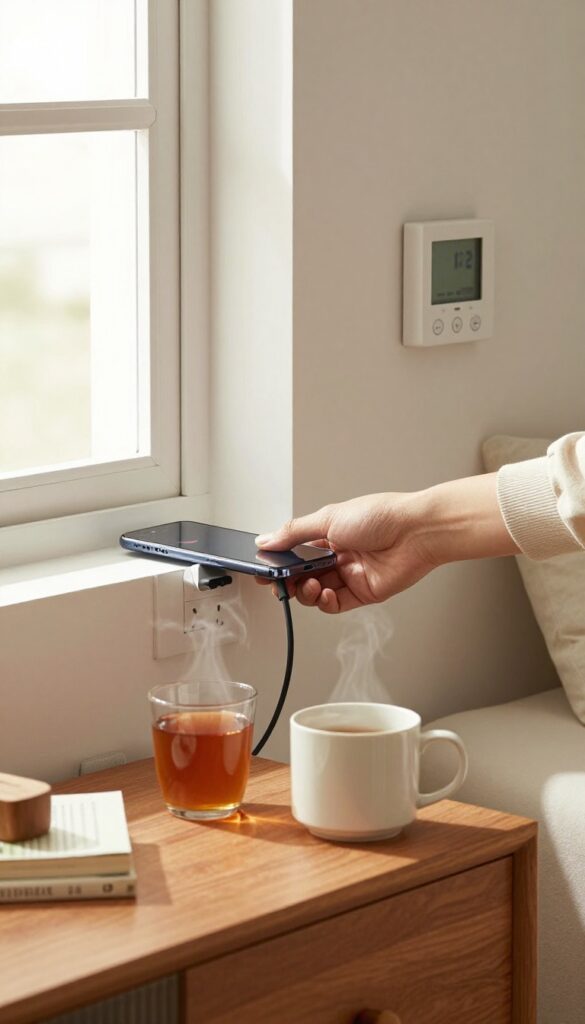
Utility bills can quietly eat up a big chunk of your monthly budget. But you don't need a home renovation or expensive smart gadgets to bring them down. A few old-fashioned habits—things your grandparents probably did without thinking—can make a real difference.
Start small and stay consistent. Turn off lights when you leave a room, unplug electronics that aren't in use, and seal drafts around doors and windows. Lowering your thermostat by just a few degrees in winter (and raising it in summer) adds up to noticeable savings over time.
These tiny tweaks become second nature fast.
The Power Of Unplugging
Many devices draw power even when they're off—this is called phantom load. Unplug phone chargers, kitchen appliances, and entertainment systems when not in use. Or plug them into a power strip and flip the switch off.
It's a simple step that can shave dollars off your electric bill each month.
Draft-proof Your Home
Draft stoppers aren't just quaint—they work. Place them at the bottom of doors, and use weatherstripping or caulk to seal gaps around windows. This keeps warm air in during winter and cool air in during summer, so your heating and cooling systems don't have to work as hard.
Embrace The Thermostat Adjustment
Turning your thermostat down by 7–10 degrees for eight hours a day can save you up to 10% on heating costs. Do it while you're asleep or away from home. In summer, raise it a few degrees when you're out.
A programmable thermostat makes this effortless, but a sticky note on the wall works too.
FAQ
Is frugal living the same as being cheap?
No, frugal living is about spending wisely on what matters to you, while being cheap often means sacrificing quality or value. Frugality focuses on long-term savings and intentional choices.
How much money can I save by following these tips?
Savings vary, but many people report cutting monthly expenses by 10–30% by adopting several of these habits. Even a few changes can make a noticeable difference.
Do I need to give up all modern conveniences?
Not at all. The goal is to choose which conveniences are worth the cost. You can still enjoy technology and services while being frugal in other areas.
Are these tips suitable for families?
Absolutely. Many tips like cooking from scratch, mending clothes, and using the library are great for families and can involve children in learning valuable skills.
How do I start being more frugal without feeling overwhelmed?
Pick one or two tips that seem easiest and start there. Gradually add more as they become habits. Small steps lead to lasting change.
Conclusion
Old-fashioned frugal living isn't about going back in time—it's about rediscovering smart habits that still make sense today. These 17 tips prove that saving money doesn't require complicated strategies or extreme sacrifices. Start with one or two ideas that resonate with you.
As you see the savings add up, you'll likely want to try more. The beauty of frugal living is that it gets easier over time, and the rewards go beyond your bank account. You'll gain skills, reduce waste, and feel more in control of your finances.
Free PDF Download
Not Sure Which Side Hustle Fits You Best?
Take the free Side Hustle Matchmaker Quiz and get a simple 7-day starter plan to help you choose a beginner-friendly idea based on your time, skills, comfort level, and goals.
You’ll get this free PDF plus access to the full Marketerna Save More & Earn More PDF Kit. No spam. Unsubscribe anytime.