17 Frugal Lifestyle Ideas for Beginners
Imagine waking up with more money in your bank account each month, not because you got a raise, but because you learned to spend smarter. That's the real power of frugal living—it's not about pinching pennies until they scream. It's about making intentional choices that align with your values and goals.
Frugality is a skill anyone can learn, and it starts with small, manageable changes. You don't need to overhaul your entire life overnight. Just pick one or two ideas from this list and give them a try.
Ready to transform your relationship with money? Let's dive into 17 beginner-friendly frugal lifestyle ideas that actually work.

Free PDF Download
Not Sure Which Side Hustle Fits You Best?
Take the free Side Hustle Matchmaker Quiz and get a simple 7-day starter plan to help you choose a beginner-friendly idea based on your time, skills, comfort level, and goals.
You’ll get this free PDF plus access to the full Marketerna Save More & Earn More PDF Kit. No spam. Unsubscribe anytime.
1. Cook at Home More Often
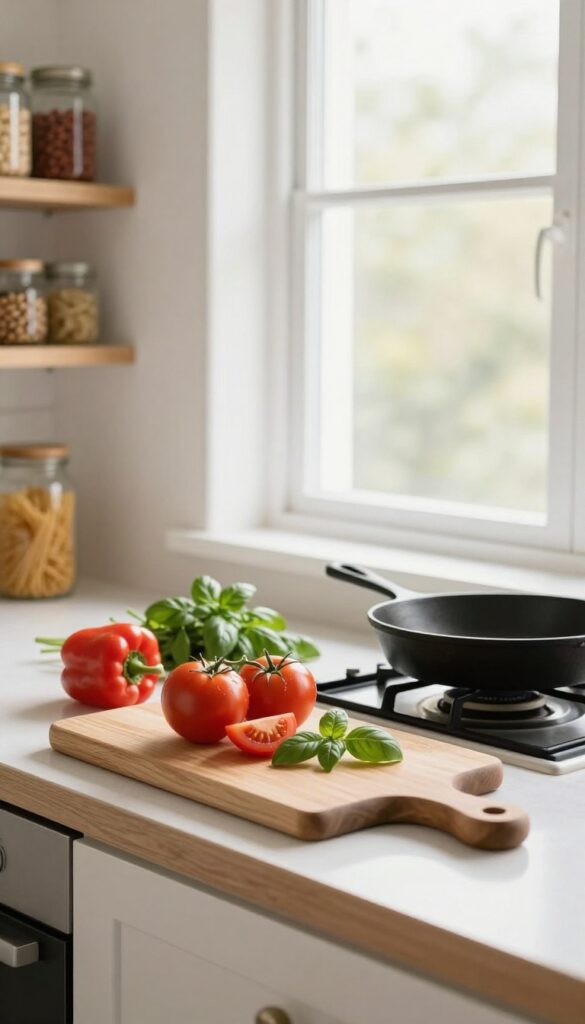
Restaurant meals and takeout are convenient, but they come with a hefty price tag. Cooking at home is one of the most effective ways to slash your monthly spending without sacrificing flavor or satisfaction. You don't need to be a master chef—just a willingness to try.
Start by planning a few simple meals each week. Focus on recipes with overlapping ingredients to minimize waste and save on groceries. Batch cooking on weekends can provide ready-to-eat meals for busy weekdays, reducing the temptation to order in.
Over time, you'll build a repertoire of go-to dishes that are both delicious and budget-friendly.
Start Simple
Begin with dishes that have few ingredients and straightforward steps, like pasta with homemade sauce, stir-fries, or sheet pan meals. As you gain confidence, gradually try new recipes. The goal is to make cooking a habit, not a chore.
Batch Cook For The Week
Dedicate a couple of hours on Sunday to prepare large portions of staples like rice, beans, roasted vegetables, or grilled chicken. Store them in containers for easy assembly during the week. This approach cuts down on daily cooking time and helps you resist the urge to order takeout when you're tired.
Reduce Food Waste
Use leftovers creatively—turn last night's roasted veggies into a frittata or soup. Keep a list of what's in your fridge and pantry to avoid buying duplicates. Composting scraps is also a great way to minimize waste and enrich your garden if you have one.
2. Embrace a 'No-Spend' Challenge
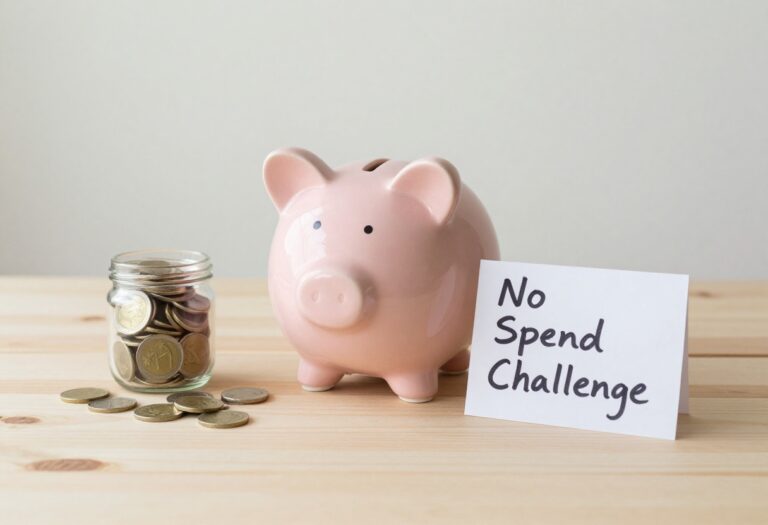
Sometimes the best way to reset your spending habits is to hit pause entirely. A 'no-spend' challenge is exactly that—a commitment to avoid all non-essential purchases for a set period. Think of it as a financial detox that reveals just how much you spend on things you don't truly need.
Start Small
If the idea of a whole week sounds intimidating, begin with a single day. Pick a Saturday and decide that the only money leaving your wallet will be for absolute necessities like groceries or gas. You might be surprised how many small purchases you can skip without missing them.
Track Your Wins
During the challenge, jot down every expense you avoided—like that coffee shop latte or the impulse buy at the checkout counter. At the end of the challenge, add up the savings. Seeing the total in black and white can be a powerful motivator to extend your no-spend days.
Make It Fun
Turn it into a game with friends or family. Challenge each other to a no-spend weekend and share tips on free activities. You'll build accountability and discover creative ways to have fun without spending a dime.
Free PDF Download
Not Sure Which Side Hustle Fits You Best?
Take the free Side Hustle Matchmaker Quiz and get a simple 7-day starter plan to help you choose a beginner-friendly idea based on your time, skills, comfort level, and goals.
You’ll get this free PDF plus access to the full Marketerna Save More & Earn More PDF Kit. No spam. Unsubscribe anytime.
3. Use the Library, Not the Bookstore
Books, movies, music—entertainment costs add up fast. But there's a place where all of it is free: your local library. Beyond physical books, most libraries now offer digital lending, streaming services, and even skill-building workshops.
It's one of the best frugal swaps you can make.
Free Entertainment Galore
Libraries aren't just about dusty novels. You can borrow the latest bestsellers, blockbuster DVDs, video games, and even audiobooks. Many also offer free streaming of movies and music through apps like Kanopy and Hoopla.
Digital Resources At Your Fingertips
Don't want to leave home? Use apps like Libby or OverDrive to borrow ebooks and audiobooks instantly. Magazines and newspapers are often available for free too—no subscription needed.
More Than Just Media
Libraries host free events, workshops, and classes. From resume help to yoga sessions, you can learn new skills without paying a dime. Some even lend out tools, seeds, or museum passes.
4. Master Meal Planning
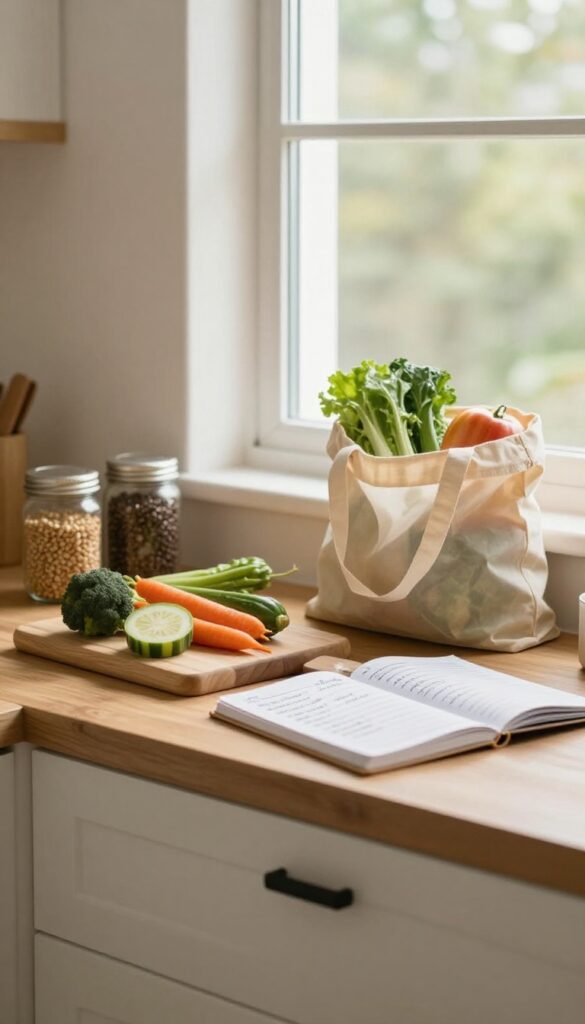
The kitchen is one of the biggest money drains in a typical household, but it's also where you can save the most. Meal planning flips the script from reactive spending to proactive saving. Instead of staring into the fridge wondering what to cook, you'll have a clear roadmap for the week.
Meal planning doesn't have to be complicated. Start by checking your pantry, fridge, and freezer to see what ingredients you already have. Then, look at your local grocery store's weekly sales flyer and plan meals around those discounts.
This simple habit cuts down on impulse buys and food waste, which can save hundreds each month.
Start With A Simple System
You don't need fancy apps or templates. Grab a notebook or use a whiteboard on the fridge. Write down seven dinners, then list the ingredients you need to buy.
Keep it flexible—swap nights around if something comes up.
Shop Your Kitchen First
Before you head to the store, take inventory. That half-used bag of rice, the can of beans in the back of the cupboard—those are free ingredients. Build your meals around what you already own, and only buy what's missing.
Double Up And Save
Cook once, eat twice. When you make a casserole, chili, or soup, double the recipe. Freeze half for a busy night later.
This cuts down on cooking time and prevents the temptation to order takeout when you're tired.
Free PDF Download
Not Sure Which Side Hustle Fits You Best?
Take the free Side Hustle Matchmaker Quiz and get a simple 7-day starter plan to help you choose a beginner-friendly idea based on your time, skills, comfort level, and goals.
You’ll get this free PDF plus access to the full Marketerna Save More & Earn More PDF Kit. No spam. Unsubscribe anytime.
5. Cut the Cord on Cable
Cable TV bills are one of those monthly expenses that quietly drain your bank account. The average American pays over $100 a month for cable, but you can easily slash that to $20 or even $0. Streaming services and free over-the-air TV give you access to all the shows and movies you love without the bloated price tag.
Ditching cable doesn't mean giving up entertainment. It means choosing a cheaper, more flexible way to watch what you want. With a few simple swaps, you can save $50–$100 per month and still enjoy your favorite programs.
Pick Your Streaming Mix
Instead of a giant cable package, subscribe to one or two streaming services that cover your must-watch shows. Netflix, Hulu, Disney+, or HBO Max each cost around $10–$15 per month. Rotate them every few months to keep things fresh and avoid paying for multiple services at once.
Go Free With An Antenna
A basic digital antenna costs $20–$30 one time and gives you access to major networks like ABC, NBC, CBS, and Fox in crystal-clear HD. That's live sports, news, and prime-time shows for free. Pair it with a streaming service, and you've got everything you need.
Share Accounts The Smart Way
Most streaming platforms allow multiple profiles under one account. Split the cost with family or friends—just make sure you trust them. Services like Netflix and Spotify even have family plans that are cheaper per person than individual subscriptions.
6. Automate Your Savings
Saving money is one of those things that feels great when you do it, but actually doing it can be a struggle. The temptation to spend is always there, especially when you see that paycheck hit your account. The solution?
Take your own willpower out of the equation entirely. Set up an automatic transfer from your checking account to a savings account on payday. You won't miss the money because you never see it in your spending account, and your savings will grow without any extra effort on your part.
Choose The Right Account
Open a separate savings account that isn't linked to your debit card or checking account. Look for one with no monthly fees and a competitive interest rate. Online banks often offer higher yields and make it easy to set up automatic transfers.
Start Small, Increase Later
If you're new to saving, start with an amount that feels painless—maybe $25 or $50 per paycheck. Once you get used to living without that money, bump it up a little. Even small amounts add up over time, and the habit is more important than the dollar amount.
Make It Invisible
Schedule the transfer for the same day your direct deposit hits. That way, the money is gone before you have a chance to spend it. Out of sight, out of mind.
You'll be surprised how quickly your emergency fund or vacation stash grows.
7. DIY Household Cleaners
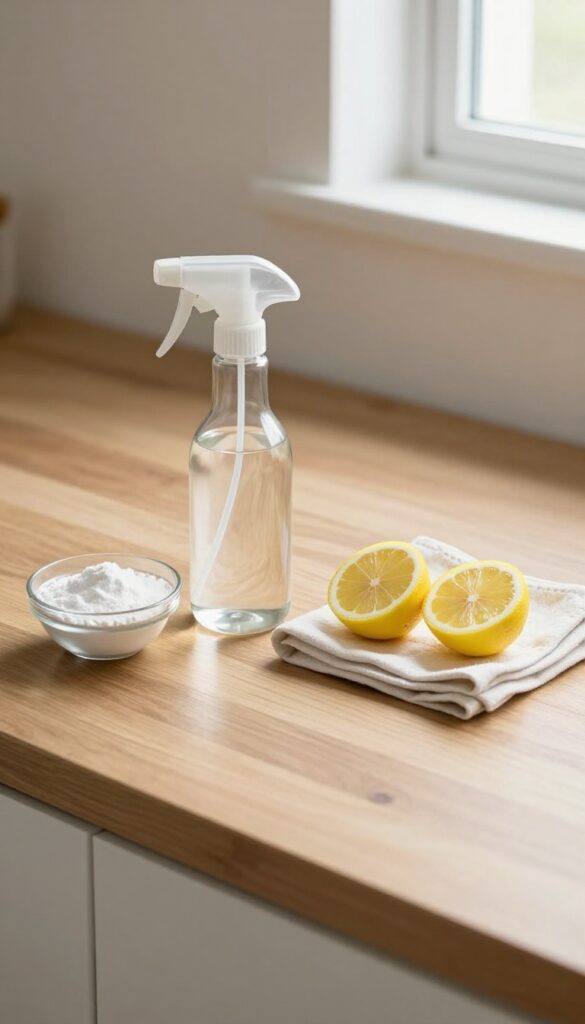
Store-bought cleaners are expensive and often packed with chemicals you don't need. Making your own at home is cheaper, safer, and surprisingly effective. With just a few basic ingredients, you can tackle almost any mess.
Vinegar, baking soda, and lemon juice form the holy trinity of DIY cleaning. They're cheap, non-toxic, and work just as well as commercial brands. Plus, you'll cut down on plastic waste and save a ton over time.
All-purpose Cleaner
Mix equal parts white vinegar and water in a spray bottle. Add a few drops of lemon or tea tree oil for a fresh scent. Use it on countertops, sinks, and windows.
Avoid vinegar on natural stone like granite.
Scrubbing Paste
Combine baking soda with a little water to form a thick paste. Apply it to tubs, sinks, and stovetops. Let it sit for 10 minutes, then scrub and rinse.
It cuts through grime without scratching.
Glass & Mirror Spray
Mix 1 cup water, 1 cup vinegar, and 1 tablespoon cornstarch in a spray bottle. Shake well before each use. Spray on glass and wipe with a microfiber cloth for a streak-free shine.
8. Shop Secondhand First
Before you buy anything new, check if you can find it used. Thrift stores, consignment shops, and online marketplaces are treasure troves for quality clothing, furniture, and electronics at a fraction of retail prices. You'll be surprised how much you can save—and how fun the hunt can be.
Secondhand shopping isn't just for bargain hunters anymore. It's a smart, sustainable way to furnish your home, build your wardrobe, and even score high-end electronics without the sticker shock. The key is knowing where to look and what to look for.
Where To Start
Begin with local thrift stores and consignment shops—they often have hidden gems. Online, sites like Facebook Marketplace, eBay, and Poshmark make it easy to search for specific items. Don't forget garage sales and estate sales for furniture and decor.
What To Buy Used
Furniture, especially solid wood pieces, is a great buy. Clothing and accessories are also safe bets, as long as you check for stains or damage. Electronics can be trickier, but refurbished items from reputable sellers can save you hundreds.
Tips For Success
Shop often and be patient—inventory changes daily. Inspect items carefully for wear and tear. Know your prices so you can spot a real deal.
And always negotiate politely at garage sales or on Facebook Marketplace.
9. Reduce Energy Usage
Your home is probably leaking money in ways you don't even notice. Energy bills add up fast, but a few small changes can slash them without sacrificing comfort. The best part?
Most of these tweaks are free or cheap to implement.
Start by turning off lights when you leave a room and unplugging electronics that aren't in use. Even devices in standby mode can draw power—known as vampire energy. A programmable thermostat is a worthwhile investment; set it to lower the temperature when you're asleep or away.
Over a year, these habits can save you hundreds of dollars.
Lighting Swaps
Replace old incandescent bulbs with LED ones. They use up to 75% less energy and last much longer. Focus on the rooms you use most—kitchen, living room, and home office.
Smart Thermostat Settings
Set your thermostat to 68°F in winter and 78°F in summer when you're home. Adjust it by 7–10 degrees while sleeping or away. Many smart thermostats let you control this from your phone.
Vampire Power Hunt
Unplug chargers, small appliances, and electronics when not in use. Use power strips to switch off multiple devices at once. Your TV, computer, and gaming consoles are common culprits.
10. Use Cash Envelopes for Discretionary Spending
Plastic money makes it easy to overspend. Swiping a card doesn't feel like real money leaving your wallet. Cash envelopes flip that script.
You physically hand over bills, and once they're gone, that's it. No more spending until next month.
The cash envelope system is simple: decide how much you can spend on categories like dining out, entertainment, or hobbies. Withdraw that amount in cash and put it in labeled envelopes. When you go out, take only the envelope you need.
When it's empty, you stop. This forces you to prioritize and makes every purchase more deliberate.
Why Cash Works Better Than Cards
Studies show people spend up to 50% more when using credit or debit cards compared to cash. The physical act of handing over money triggers a psychological pain that makes you think twice. Cash also makes it impossible to overdraft or carry a balance, so you stay within your means automatically.
How To Set Up Your Envelopes
Start with one or two categories you struggle with most—maybe eating out or impulse buys. Label an envelope for each and write the monthly budget on the front. Withdraw that amount in cash at the beginning of the month.
Keep envelopes in a secure spot, and only take the one you need when heading out.
What If You Run Out Early?
That's the whole point. If your dining out envelope is empty by the 15th, you cook at home for the rest of the month. No exceptions.
This teaches you to plan ahead and find free or low-cost alternatives. You'll be surprised how creative you get when there's no backup card.
11. Learn Basic Mending and Repair
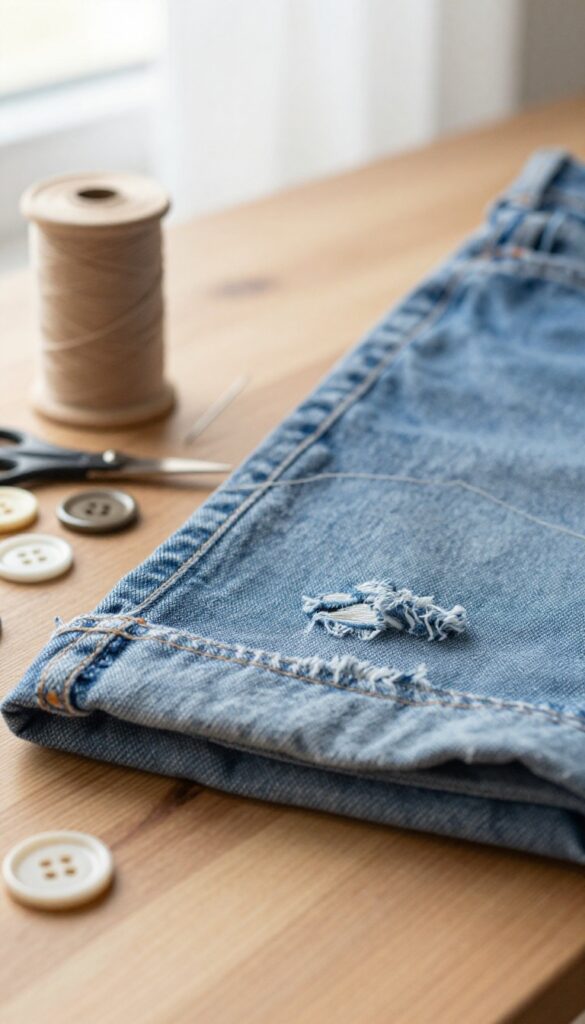
That small tear in your favorite jeans doesn't mean it's time to shop. A needle and thread can fix most clothing mishaps in minutes. Mending is a skill that pays for itself over and over again.
You don't need to be a master tailor. Simple repairs like sewing a button or patching a hole are easy to learn with a quick online tutorial. The result?
More money in your pocket and less waste in the landfill.
Learning basic mending is one of the most practical frugal skills. It keeps your wardrobe functional without constant replacements. Start with a basic sewing kit: needles, thread in common colors, buttons, and a small pair of scissors.
Practice on old items first. Soon you'll be fixing rips, replacing zippers, and hemming pants like a pro.
Start With The Essentials
You only need a few tools to begin: a needle, thread, a few buttons, and a seam ripper. Watch a YouTube video on how to sew a button or fix a seam. It takes less than 10 minutes and can save you from buying new clothes.
Extend The Life Of Everything
Mending isn't just for clothes. Fix a torn backpack strap, repair a hole in a blanket, or patch a cushion cover. The same skills apply to many fabric items around your home.
Each repair delays a purchase and keeps your belongings useful longer.
Make It A Habit
Keep your sewing kit handy and set aside 15 minutes each month to check for repairs. When you notice a loose button or a frayed hem, fix it right away. Small, consistent mending prevents bigger damage and saves you money in the long run.
12. Cancel Unused Subscriptions
You might be surprised how much money slips away each month on subscriptions you forgot about. A gym membership you never use, a streaming service you signed up for a free trial of and never canceled, an app that charges you monthly—they all add up. The fix is simple: audit your bank statements and cut anything that doesn't bring you value.
Take an hour to review your bank and credit card statements from the last three months. Look for recurring charges—gym memberships, streaming services, cloud storage, subscription boxes, apps, and even old software licenses. Make a list of everything you're paying for, then ask yourself: do I use this regularly?
Is it worth the cost? If the answer is no, cancel it. Most services let you cancel online or through customer support.
If you're worried about losing access, you can always resubscribe later if you miss it. The money you save can go toward your savings goals or something you truly enjoy.
How To Find Hidden Subscriptions
Start with your bank and credit card statements. Look for small recurring charges you might have missed. Also check your app store subscriptions (Apple or Google Play) and any payment processors like PayPal.
Many people find they're paying for services they forgot they signed up for.
Which Subscriptions To Keep
Not all subscriptions are bad. Keep the ones you use regularly and that add real value to your life. For everything else, don't hesitate to cancel.
You can always sign up again later if you change your mind. The goal is to stop paying for things you don't need.
Make It A Habit
Set a reminder every three to six months to review your subscriptions. New ones can sneak in, and your usage might change. Staying on top of this simple task can save you hundreds of dollars a year with almost no effort.
13. Grow Your Own Herbs and Vegetables
Fresh herbs and veggies from the store add up fast. But you don't need a big backyard to grow your own. A sunny windowsill or small balcony can produce basil, tomatoes, lettuce, and more.
It's a simple way to slash grocery bills and enjoy tastier meals.
Starting a small garden is easier than you think. Pick a few easy-to-grow plants like mint, chives, or cherry tomatoes. Use pots or hanging baskets if space is tight.
Water them regularly and give them plenty of sunlight. Within weeks, you'll have fresh ingredients ready to harvest.
What To Plant First
Begin with herbs like basil, parsley, and cilantro—they're forgiving and grow fast. Leafy greens such as lettuce and spinach also do well in containers. Cherry tomatoes and peppers are great for small spaces and produce a lot.
Setting Up Your Space
Choose a spot that gets at least 6 hours of sunlight daily. Use pots with drainage holes and quality potting soil. Vertical planters or wall-mounted shelves can maximize a tiny balcony.
A simple watering schedule keeps plants happy without overdoing it.
Saving Money And Eating Better
A packet of seeds costs less than a single bunch of herbs at the store. Homegrown produce tastes fresher and reduces packaging waste. You'll also avoid price spikes on organic greens.
Plus, gardening is a relaxing hobby that pays for itself.
14. Use Public Transportation or Carpool

Driving everywhere alone is expensive. Gas, insurance, parking, and maintenance add up fast. Switching to public transit or sharing rides can cut those costs dramatically while reducing your carbon footprint.
Even a few trips per week can make a noticeable difference in your budget. Plus, you get time back to read, listen to podcasts, or simply relax.
Calculate Your Savings
Track what you spend on gas and parking for a month. Then compare that to a bus pass or carpool contribution. You might be surprised how much you save.
Make It Convenient
Use transit apps to plan routes and check schedules. For carpools, set a regular meeting spot and rotate drivers. Consistency makes it easy.
Combine Trips
When you do drive, bundle errands into one trip. Hit the grocery store, bank, and post office in one go to maximize fuel efficiency.
15. Practice the 30-Day Rule for Non-Essentials
Impulse buys are budget killers. That shiny gadget or trendy jacket feels urgent in the moment, but most of the time the urgency fades fast. The 30-day rule gives you a cooling-off period to separate genuine needs from fleeting wants.
Here's how it works: whenever you feel the urge to buy something non-essential, write it down along with the date. Then wait a full 30 days before purchasing. If you still want it after that time, you can buy it guilt-free.
More often than not, you'll cross it off your list before the month ends.
This simple habit trains your brain to pause before spending. It also reveals how many purchases are driven by emotion rather than logic. Over time, you'll naturally buy less and save more.
Why 30 Days Works
The waiting period breaks the impulse cycle. Your brain's desire for instant gratification cools down, and you start to see the item more objectively. You might realize you already own something similar, or that the item doesn't fit your lifestyle as well as you thought.
How To Make It Stick
Keep a running list on your phone or a notepad. When you add an item, set a reminder 30 days later. If you still want it, consider if it fits your budget and priorities.
If not, delete it and celebrate your self-control.
What Counts As Non-essential
This rule is for wants, not needs. Groceries, gas, rent, and medicine are essential. New clothes, gadgets, home decor, and takeout are typical non-essentials.
Be honest with yourself—if you're unsure, err on the side of waiting.
16. Make Your Own Coffee and Lunches
Grabbing a latte on the way to work and buying lunch near the office feels harmless in the moment. But those daily $5 coffees and $12 sandwiches add up to a surprising amount by the end of the month. Brewing at home and packing your lunch is one of the easiest ways to save without feeling deprived.
The math is simple: a coffee shop visit costs about $5, and a workday lunch runs $10–$15. If you do both five days a week, that's $75–$100 per week, or $300–$400 per month. Making coffee at home costs maybe $0.
50 per cup, and a packed lunch averages $3–$4. That's a savings of $100–$200 per month, with just a few minutes of prep.
Coffee At Home: Better And Cheaper
Invest in a simple drip coffee maker or a French press. Buy whole beans and grind them fresh—it tastes better than pre-ground. If you like flavored lattes, a milk frother costs less than ten café drinks.
Make a thermos of coffee before you leave, and you're set.
Packing Lunch: Easy And Flexible
Cook extra dinner the night before and pack the leftovers. Or do a Sunday meal prep session: make a big batch of grain bowls, salads, or wraps. Use reusable containers and a lunch bag.
You can even prep five lunches in under an hour. The key is to keep it simple so you actually stick with it.
17. Host a Clothing Swap with Friends

Clothing swaps are one of the most fun ways to refresh your wardrobe without spending a dime. Instead of buying new pieces, you and your friends exchange items you no longer wear. Everyone walks away with something 'new' to them, and it turns into a social event that strengthens friendships.
Organizing a swap is simple. Invite a group of friends, set a few ground rules (like clean, gently used items only), and let the trading begin. You can even make it a regular thing—quarterly swaps keep your closet feeling fresh year-round.
How To Organize A Swap
Pick a date and ask everyone to bring 5–10 items. Set up areas for different categories: tops, bottoms, shoes, and accessories. Provide mirrors and a space to try things on.
Keep it casual with snacks and music.
What To Swap (and What Not To)
Stick to clothes, shoes, and accessories in good condition. Avoid heavily worn items or things with stains. Accessories like scarves and belts are always popular.
If something doesn't get claimed, donate it to a local charity.
Make It A Themed Event
Add a theme like 'workwear swap' or 'cozy winter layers' to keep it focused. You could also combine it with a potluck or a movie night. The more fun the event, the more likely people will want to do it again.
FAQ
What is the first step to start living frugally?
Start by tracking your spending for a month. You'll see exactly where your money goes, then you can pick one or two areas to cut back.
Will frugal living make me feel deprived?
Not if you focus on what you gain—financial freedom, less clutter, and more intentional living. Frugality is about prioritizing, not sacrificing.
How much money can I save by cooking at home?
The average family saves about $200–$300 per month by cooking at home instead of eating out. Even cutting one restaurant meal per week adds up.
Is it worth buying in bulk to save money?
Yes, but only for non-perishable items you use regularly. Be careful with perishables—they can go to waste if you buy too much.
Can frugal living help me pay off debt faster?
Absolutely. By reducing expenses, you free up extra cash to put toward debt. Many people use frugal strategies to accelerate their debt payoff plan.
Conclusion
The beauty of frugal living is that it's not about sacrifice—it's about smarter choices that free up your money for what really matters. Start with one small change, like cooking one extra meal at home or skipping that impulse buy.
You'll be surprised how quickly these habits build momentum. Before long, you'll have more savings, less stress, and a newfound confidence in managing your finances.
Free PDF Download
Not Sure Which Side Hustle Fits You Best?
Take the free Side Hustle Matchmaker Quiz and get a simple 7-day starter plan to help you choose a beginner-friendly idea based on your time, skills, comfort level, and goals.
You’ll get this free PDF plus access to the full Marketerna Save More & Earn More PDF Kit. No spam. Unsubscribe anytime.