23 Work From Home Ideas for Extra Income
Not every side hustle requires a big upfront investment or a massive time commitment. Some of the best work-from-home opportunities are surprisingly low-key—like freelancing, virtual assisting, or selling printables. The trick is finding something that fits your current schedule and skill set.
Whether you're looking to make an extra $200 a month or build a full-time income, there's a path here that doesn't demand a huge leap of faith. Many of these ideas let you start small, test the waters, and scale up once you see what clicks.
Below are 23 realistic ways to earn from home, each broken down into clear, actionable steps. No fluff, no hype—just honest options you can begin exploring today.

Free PDF Download
Not Sure Which Side Hustle Fits You Best?
Take the free Side Hustle Matchmaker Quiz and get a simple 7-day starter plan to help you choose a beginner-friendly idea based on your time, skills, comfort level, and goals.
You’ll get this free PDF plus access to the full Marketerna Save More & Earn More PDF Kit. No spam. Unsubscribe anytime.
1. Freelance Writing

Freelance writing is one of the most flexible ways to earn from home. Businesses, blogs, and marketing agencies constantly need fresh content, and they're willing to pay for it. You don't need a journalism degree—just a knack for clear, engaging writing and a willingness to learn the ropes.
Rates typically range from $0. 10 to $1 per word, depending on the niche and your experience. Beginners often start with smaller gigs on platforms like Upwork or Fiverr, then move to higher-paying clients as they build a portfolio.
Specializing in areas like finance, health, or tech can boost your earning potential significantly.
Getting Started
Create a simple portfolio website or use a platform like Contently. Write 3-5 sample pieces on topics you know well. Pitch directly to blogs or businesses in your niche.
Many writers land their first clients by emailing a short, friendly pitch with links to their samples.
Where To Find Clients
Job boards like ProBlogger, BloggingPro, and LinkedIn are solid starting points. Cold pitching to companies you admire can also work—check their blogs for a "Write for Us" page. Social media, especially Twitter and LinkedIn, is great for networking with editors and other writers.
Scaling Your Income
Once you have a few regular clients, consider raising your rates. You can also diversify by writing email newsletters, white papers, or case studies. Some writers move into copywriting, which pays more than general blog posts.
The key is to keep improving your craft and delivering reliable work.
2. Virtual Assistant
If you're organized and good with details, becoming a virtual assistant (VA) is a solid way to earn from home. Entrepreneurs and small business owners often need help managing their inbox, scheduling meetings, and handling admin work. It's a role that can start part-time and grow into a steady income stream.
Virtual assistants handle a mix of tasks that keep a business running smoothly. Typical duties include email management, calendar scheduling, data entry, and customer follow-ups. Pay ranges from $15 to $30 per hour, depending on your experience and the complexity of tasks.
You can find VA jobs on platforms like Upwork, Belay, or through networking.
Skills You'll Need
No degree required, but strong communication and time management are key. Familiarity with tools like Google Workspace, Microsoft Office, and project management apps like Trello or Asana helps. Basic bookkeeping or social media skills can boost your rate.
How To Get Started
Create a simple website or LinkedIn profile highlighting your admin skills. Start with general VA roles, then specialize as you learn. Consider offering a free trial to your first client to build testimonials and confidence.
Scaling Your Va Business
Once you have a few clients, consider raising your rates or offering packages. You can also outsource overflow work to other VAs. Many successful VAs eventually build agencies or niche down into areas like real estate or e-commerce support.
Free PDF Download
Not Sure Which Side Hustle Fits You Best?
Take the free Side Hustle Matchmaker Quiz and get a simple 7-day starter plan to help you choose a beginner-friendly idea based on your time, skills, comfort level, and goals.
You’ll get this free PDF plus access to the full Marketerna Save More & Earn More PDF Kit. No spam. Unsubscribe anytime.
3. Online Tutoring
If you have expertise in a subject—whether it's math, English, music, or test prep—online tutoring lets you monetize that knowledge from home. Platforms like VIPKid, Wyzant, and Chegg connect you with students worldwide, and you can set your own hours. The pay is solid, typically ranging from $15 to $60 per hour depending on your subject and experience.
Online tutoring is flexible and rewarding. You don't need a teaching degree to start—just strong knowledge and good communication skills. Many platforms handle student matching and payment processing, so you can focus on teaching.
Getting Started
Sign up on a platform that fits your style. VIPKid is great for teaching English to kids in China, while Wyzant lets you tutor a wide range of subjects to all ages. You'll usually need to pass a background check and subject assessment.
Once approved, you create a profile and set your availability.
Setting Your Rate
New tutors often start at $15–$20 per hour, but as you gain reviews and experience, you can raise your rate. Specialized subjects like advanced math or test prep command higher pay. Some platforms let you set your own price, so research what others charge in your niche.
Tips For Success
Be reliable and prepared. Use a quiet space with good lighting and a stable internet connection. Keep sessions interactive—ask questions, use visual aids, and give feedback.
Positive reviews lead to more students and higher earnings.
4. Sell Printables on Etsy
Selling printables is one of those rare side hustles where you do the work once and earn from it over and over. Digital planners, wall art, worksheets, or even party decorations—once you upload them to Etsy, each sale happens without any extra effort from you. Prices typically range from $2 to $10, and with the right designs, those small amounts add up fast.
The beauty of printables is that there's no inventory, no shipping, and no restocking. You create a PDF or JPEG file, list it, and Etsy handles the delivery. The key is finding a niche that people are actively searching for—like budget planners, motivational quotes, or homeschool worksheets.
Start with a handful of well-designed products, then expand based on what sells.
What Sells Best
Top-selling printables fall into a few categories: planners and organizers (daily, weekly, meal, budget), wall art (quotes, farmhouse style, nursery decor), and educational materials (flashcards, worksheets, coloring pages). Seasonal items like Christmas gift tags or Halloween party printables also do well. Browse Etsy to spot trends and gaps.
Tools To Get Started
You don't need expensive software. Canva is free and has templates you can customize. For more control, Affinity Designer or Adobe Illustrator are one-time purchases.
Use a tool like Creative Market or Envato for fonts and graphics. A simple mockup (showing your design in a frame or on a desk) helps buyers visualize the product.
Pricing And Listing Tips
Price your printables between $2 and $10. Lower-priced items (under $5) sell quickly and build reviews. Use clear, keyword-rich titles and descriptions—think "minimalist weekly planner printable PDF" instead of just "planner.
" Include multiple photos showing different uses. Offer a bundle deal to increase average order value.
Free PDF Download
Not Sure Which Side Hustle Fits You Best?
Take the free Side Hustle Matchmaker Quiz and get a simple 7-day starter plan to help you choose a beginner-friendly idea based on your time, skills, comfort level, and goals.
You’ll get this free PDF plus access to the full Marketerna Save More & Earn More PDF Kit. No spam. Unsubscribe anytime.
5. Transcription Work

Transcription is one of those work-from-home gigs that doesn't get enough credit. You listen to audio files—interviews, meetings, podcasts—and type what you hear. It's straightforward, requires no special equipment beyond a computer and headphones, and you can start with basic typing skills.
Beginners typically earn $15 to $25 per audio hour, which translates to about $300 to $500 a month if you put in a few hours daily.
Transcription work is ideal if you have good listening skills and can type quickly. Many companies outsource transcription to freelancers, so there's steady demand. You can specialize in fields like legal, medical, or general transcription, each with its own pay scale and requirements.
The key is accuracy and meeting deadlines.
Getting Started
You don't need a degree, but you do need a decent typing speed—at least 60 words per minute. Start by taking a free typing test online to gauge your speed. Then, sign up on platforms like Rev, TranscribeMe, or GoTranscript.
They offer beginner-friendly work with flexible hours. Some require a short grammar test or sample transcription to approve you.
Tools Of The Trade
A good pair of noise-canceling headphones and a foot pedal can speed up your workflow. Foot pedals let you pause, rewind, and fast-forward without taking your hands off the keyboard. Transcription software like Express Scribe is free and helps manage audio files.
You'll also need a reliable internet connection and a quiet space.
Boosting Your Earnings
Once you gain experience, aim for specialized transcription. Medical and legal transcription pays higher—up to $45 per audio hour—but requires learning specific terminology. You can take online courses or certifications to qualify.
Another tip: proofread your work thoroughly to avoid errors and build a reputation for accuracy, which leads to repeat clients.
6. Social Media Management
Small businesses know they need to be active on social media, but most owners are too busy running their operations to post consistently. That's where you come in. Social media management is a high-demand skill that lets you work remotely, set your own hours, and earn a solid monthly retainer.
You don't need a marketing degree—just a good eye for content and a willingness to learn the platforms.
Clients typically pay $300–$1, 500 per month per account, depending on the number of platforms and the depth of service. You'll schedule posts, engage with followers, track analytics, and sometimes create simple graphics or captions. Many managers start with one or two clients and grow from there.
What You'll Actually Do
Your main job is to keep the client's social presence active and engaging. That means planning a content calendar, writing captions, scheduling posts (using tools like Buffer or Later), responding to comments and DMs, and reporting on what's working. Some clients also want help with hashtag research or influencer outreach.
How To Land Your First Client
Start by offering to manage a friend's small business page for free or at a discount for one month. Use that to build a portfolio of before-and-after metrics (like follower growth or engagement rate). Then pitch local businesses, e-commerce brands, or service providers.
A simple cold email or DM with a few specific ideas for their account can go a long way.
Tools Of The Trade
You'll need a scheduling tool (Buffer, Later, or Hootsuite), a basic design tool (Canva is perfect), and a way to track analytics (native insights or a tool like Sprout Social). Most of these have free tiers. A reliable internet connection and a quiet workspace are all you need to get started.
7. Data Entry
Data entry work is straightforward and often requires nothing more than basic computer skills and a reliable internet connection. Companies need people to input information into spreadsheets, databases, or customer management systems. It's not glamorous, but it's steady and can be done in short bursts around your schedule.
Most data entry gigs pay between $10 and $20 per hour, depending on the complexity and speed required. You'll typically receive clear instructions and templates, so there's little guesswork. The key is accuracy and consistency.
Many platforms like Upwork, Clickworker, and specialized data entry sites list these jobs regularly.
What To Expect
Tasks vary from typing handwritten forms into digital records to updating inventory lists or entering survey responses. Some jobs require basic Excel skills, like sorting or filtering data. Others are simple copy-paste work.
You'll usually be given a deadline and a specific format to follow.
How To Get Started
Create profiles on freelance marketplaces and apply to entry-level data entry projects. Highlight your typing speed, attention to detail, and any experience with spreadsheets. Start with smaller tasks to build a reputation, then move to higher-paying contracts.
Some companies also hire directly for remote data entry roles.
Tips For Success
Invest in a comfortable keyboard and a second monitor if possible—it makes a big difference. Double-check your work before submitting, as errors can lead to rejected tasks. Use tools like auto-correct or text expanders to speed up repetitive entries.
And always communicate clearly with clients about deadlines and expectations.
8. Sell Handmade Crafts on Etsy
If you're crafty and enjoy making things with your hands, Etsy can turn your hobby into a steady income stream. From knitted scarves to soy candles, handmade goods have a loyal audience willing to pay for quality and uniqueness. Many sellers report earning $500 to $2, 000 a month once they find their groove.
Find Your Niche
Don't try to sell everything at once. Pick one or two products you genuinely enjoy making and that have proven demand. Browse Etsy's search trends or use tools like eRank to see what's popular.
For example, personalized gifts or eco-friendly items are hot categories right now.
Perfect Your Listings
Great photos and clear descriptions make all the difference. Use natural light or a lightbox to show your products clearly. Write descriptions that highlight materials, size, and care instructions.
Include keywords buyers might search for, like 'handmade soy candle' or 'custom knit beanie'.
Price For Profit
Calculate your costs carefully—materials, packaging, Etsy fees, and your time. Many new sellers underprice, thinking lower prices attract sales. Instead, set a price that covers expenses and leaves a healthy margin.
As you gain reviews, you can gradually increase prices.
9. Bookkeeping
Small business owners often dread managing their finances, which creates a steady demand for remote bookkeepers. If you're organized and comfortable with numbers, this gig pays well and can be done entirely from home. You'll handle invoices, track expenses, and reconcile accounts—no accounting degree required, though certification helps.
Bookkeeping is a flexible, high-demand work-from-home opportunity. Clients range from freelancers to local shops, and you can set your own hours. With rates averaging $25–$50 per hour, it's a solid path to extra income.
What You'll Do
Your main tasks include recording transactions, sending invoices, tracking payments, and categorizing expenses. You might also prepare monthly financial reports or help with tax prep. Most work is done using software like QuickBooks, Xero, or Wave.
Getting Started
You don't need a degree, but basic bookkeeping knowledge is a must. Take a free online course (many are available) and get familiar with popular accounting tools. Then start pitching to small businesses on freelance platforms or local Facebook groups.
Offering a free trial month can help you land your first clients.
Scaling Your Income
As you gain experience, raise your rates or specialize in a niche like e-commerce or real estate. You can also offer add-on services like budgeting or financial forecasting. Many bookkeepers eventually build a full client roster and earn a full-time income.
10. Customer Service Rep

Companies like Amazon, Apple, and Zappos hire remote customer service reps to handle support tickets, live chats, and inbound calls. It's a straightforward role that doesn't require a degree—just decent communication skills and a quiet workspace. Pay typically lands between $12 and $18 per hour, with many positions offering flexible scheduling.
What You'll Actually Do
Most roles involve answering questions about orders, troubleshooting basic tech issues, or processing returns. You'll use a company-provided system to log interactions and escalate complex problems. The work is repetitive but low-stress once you learn the scripts.
Equipment & Requirements
You'll need a reliable computer, a high-speed internet connection, and a headset with a noise-canceling microphone. Some companies require a dedicated landline or VoIP setup. A quiet room is non-negotiable—background noise is a common reason reps get let go.
Where To Find Openings
Check the careers pages of major retailers and tech companies directly. Amazon's virtual customer service jobs are posted on their jobs site. Apple's At Home Advisor roles are popular.
Also try sites like FlexJobs, Rat Race Rebellion, and Working Solutions for vetted listings.
11. Online Surveys & Testing
Getting paid for your opinion sounds almost too easy, but it's a legit way to earn a little extra cash. Companies want to know what real people think about their products, websites, and ads, and they're willing to pay for that feedback. Think of it as giving your two cents—literally.
Online surveys and testing sites pay you to share your thoughts or try out websites and apps. You won't get rich, but it's a low-effort way to earn gift cards or a bit of cash during downtime. The key is to sign up for multiple reputable platforms and be consistent.
Treat it like a micro-task, not a job.
Where To Start
Stick with well-known sites like Swagbucks, Survey Junkie, and UserTesting. These have a track record of paying out. Avoid any platform that asks for a fee upfront.
You can also try InboxDollars or Pinecone Research for more variety.
Maximizing Your Time
Focus on higher-paying tasks like website testing or focus groups. These pay $10–$30 for 20–30 minutes. Use a separate email to keep survey invites organized.
Set a daily limit—say 30 minutes—so it doesn't eat into your day.
What To Expect
Don't expect to make more than $50–$100 a month unless you put in serious hours. It's best as a side earner while watching TV or commuting. Payouts are usually via PayPal or gift cards.
Keep your expectations realistic and enjoy the extra pocket money.
12. Affiliate Marketing
Affiliate marketing is one of those rare side hustles where you can earn while you sleep—literally. You promote products you actually like, share a special link, and get a commission when someone buys. The top players make six figures, but most people start with a modest blog or social media account and build from there.
The beauty is you don't need your own product, inventory, or customer support.
The key is picking a niche you're genuinely interested in—whether it's fitness gear, tech gadgets, or eco-friendly home goods. Then you create content (reviews, tutorials, roundups) that naturally includes your affiliate links. Platforms like Amazon Associates, ShareASale, and Impact are great places to find programs.
Start with one product category, test what resonates, and expand slowly.
Choosing Your Niche
Don't just chase high commissions. Pick something you know about and enjoy talking about. That makes content creation feel less like work and more like sharing advice.
Narrow it down—instead of "fitness, " try "home gym equipment for small spaces. " Specific niches often have less competition and more engaged audiences.
Building An Audience
You don't need millions of followers. A small, loyal audience that trusts your recommendations is worth more than a huge, disengaged one. Start a blog, YouTube channel, or Instagram page focused on your niche.
Share honest reviews, comparison posts, and "best of" lists. Always disclose your affiliate relationships—it builds trust and keeps you compliant.
Driving Traffic And Sales
Create content that solves a problem or answers a question. For example, "Best Budget Running Shoes for Beginners" is a searchable, helpful post. Use SEO basics (keywords, headings, internal links) to get organic traffic.
Promote your content on social media and in relevant online communities. Over time, you can also use email marketing to nurture repeat buyers.
13. Sell Stock Photos
Stock photography is a surprisingly accessible way to earn passive income from home. If you have a decent camera or even a modern smartphone, you can start uploading images to platforms like Shutterstock, Adobe Stock, or iStock. The key is volume—each download pays a small fee, so the more quality photos you have in your portfolio, the more you can earn over time.
Stock photography is a surprisingly accessible way to earn passive income from home. If you have a decent camera or even a modern smartphone, you can start uploading images to platforms like Shutterstock, Adobe Stock, or iStock. The key is volume—each download pays a small fee, so the more quality photos you have in your portfolio, the more you can earn over time.
It's not about being a professional photographer. Many buyers look for authentic, everyday shots—people working from home, coffee cups, office supplies, or nature scenes. Focus on subjects that are in demand but not oversaturated, like diverse workplace scenarios or local landmarks.
What Sells Best
Generic lifestyle shots often perform well—think someone typing on a laptop, a family eating dinner, or a person walking in a park. Business and technology themes are also steady sellers. Avoid clichés like handshakes or staged boardroom meetings.
Instead, capture candid, natural moments that feel real.
Technical Tips For Beginners
You don't need a fancy camera. Smartphones with good sensors (like recent iPhones or Pixels) can produce acceptable results. Use natural light whenever possible, keep backgrounds clean, and ensure images are sharp and well-composed.
Most platforms require at least 4 megapixels, so check their guidelines before uploading.
Consistency Pays Off
Uploading 10–20 photos per week is more effective than dumping 100 at once. Regular uploads signal to the platform's algorithm that you're active, which can boost your visibility. Over time, a portfolio of 500+ images can generate a steady trickle of passive income.
14. Graphic Design
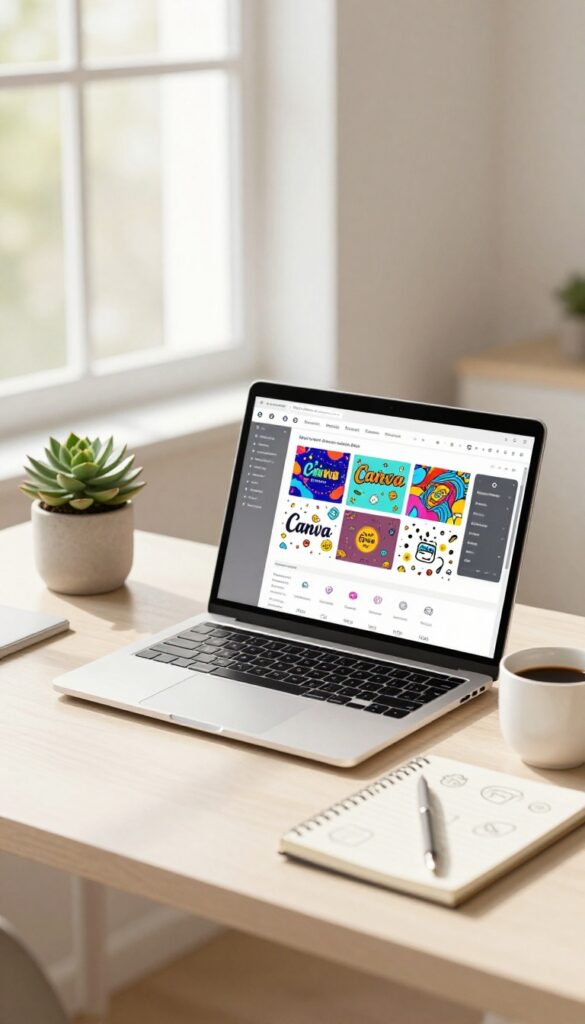
If you have an eye for visuals and enjoy creating things that look good, graphic design is a flexible way to earn from home. You don't need a degree or years of experience—just a willingness to learn and a tool like Canva or Adobe Express. Small businesses, bloggers, and startups constantly need logos, social media posts, and flyers, and many are happy to pay a freelancer who can deliver clean, professional work quickly.
What You Can Offer
Start with simple projects like social media graphics, business cards, or flyers. As you gain confidence, move into logo design, brand kits, or even simple website graphics. Most clients care more about speed and clarity than fancy effects, so focus on clean, readable designs.
How To Get Your First Clients
Create a portfolio with 5–10 sample projects, even if they're for fictional brands. Then join platforms like Fiverr, Upwork, or 99designs. You can also reach out to local small businesses or post in Facebook groups for entrepreneurs.
Offering a discounted first project can help you land that initial testimonial.
Tools And Pricing Tips
Canva is free and beginner-friendly, but Adobe Express or Affinity Designer give you more control. Price your work by project or by hour—common rates range from $25 to $75 per hour depending on complexity. As you build a reputation, you can raise your rates.
15. Dropshipping
Dropshipping lets you run an online store without ever touching inventory. When a customer places an order, your supplier ships it directly to them. You set the retail price, keep the profit, and never have to stock boxes in your garage.
It's a low-risk way to test product ideas, but success depends on smart marketing and solid supplier relationships.
Profit margins typically land between 20% and 40%, which means you need decent traffic to make real money. The biggest challenge is standing out in a crowded space—so niche selection and branding matter more than you'd think. Start with one product category you know well, and build from there.
Pick A Profitable Niche
Don't just sell "gadgets" or "home decor. " Narrow it down to something specific like eco-friendly kitchen tools or ergonomic desk accessories. Use tools like Google Trends or TikTok to spot rising demand.
A tight niche makes marketing easier and helps you build a loyal audience.
Find Reliable Suppliers
Platforms like AliExpress, Spocket, or CJ Dropshipping connect you with vetted suppliers. Order samples yourself to check quality and shipping times. A bad supplier can tank your reviews, so take this step seriously.
Look for suppliers with fast processing and good communication.
Drive Traffic With Content
Social media is your best friend. Create short videos showing your products in use—unboxings, comparisons, or quick tips. Run targeted ads on Instagram or Facebook once you have a few winning products.
Email marketing and SEO for your store also help bring repeat visitors.
16. Print on Demand
Ever wanted to sell your own merch without the risk of buying a bunch of inventory that might not sell? Print on demand (POD) solves that problem. You design the artwork, list the products, and a third-party printer handles production and shipping.
It's a low-risk way to turn your creative ideas into cash.
POD platforms like Printful, Redbubble, and Teespring make it easy to get started. You can sell t-shirts, hoodies, mugs, phone cases, and even home decor. The key is finding a niche or a unique design that stands out.
Many successful sellers focus on humor, hobbies, or trending topics. Once your store is set up, you just promote it and let the printer do the rest.
Choosing Your Niche
Instead of trying to appeal to everyone, pick a specific audience. Think about pet lovers, gamers, teachers, or fitness enthusiasts. A focused niche makes your designs more relevant and easier to market.
You can also create designs for local communities or inside jokes.
Design Tips For Beginners
You don't need to be a professional designer. Tools like Canva or Adobe Express offer templates and easy-to-use features. Keep designs simple and bold—they look better on products.
Use high-resolution files (300 DPI) to ensure crisp prints. And always check the platform's guidelines for file formats and color limits.
Where To Sell
You can set up your own online store using Shopify or WooCommerce integrated with a POD service. Or you can sell on marketplaces like Redbubble, Society6, or Amazon Merch. Each has pros and cons: your own store gives you more control and higher margins, while marketplaces bring built-in traffic.
17. Online Course Creation
If you've got a skill or knowledge that others find valuable, packaging it into an online course can turn your expertise into a steady income stream. Platforms like Teachable, Udemy, or Skillshare handle the hosting and payment processing, so you don't need any technical know-how. You record the lessons once, and they can sell on autopilot for months or years.
Pick A Profitable Topic
Look for subjects where people are actively seeking solutions—things like “how to start a podcast, ” “watercolor for beginners, ” or “Excel formulas for small business. ” Check forums, social media groups, or keyword tools to see what's in demand. Avoid overly saturated topics unless you have a unique angle.
Keep Production Simple
You don't need a fancy studio. A decent microphone, good lighting, and screen recording software (like OBS or Loom) are enough. Record in short, digestible modules—5 to 15 minutes each.
Students appreciate concise lessons they can fit into a lunch break.
Pricing And Promotion
Start with a competitive price—$20 to $50 is common for introductory courses. Use email lists, social media, or a free mini-course to build an audience. Platforms like Teachable let you run discounts and coupons, which can help you get those first enrollments.
18. Podcast Editing
Podcasts are booming, but not every host has the time or skill to edit their episodes. That's where you come in. Podcast editing is a flexible, in-demand skill that pays well—typically $30 to $100 per episode depending on length and complexity.
You don't need a fancy studio, just a decent computer, editing software like Audacity or Descript, and a good ear for pacing and clarity.
Start by learning the basics of audio editing: removing filler words, balancing volume levels, adding intro/outro music, and cleaning up background noise. Practice on free podcasts or offer to edit a few episodes at a discount to build a portfolio. Once you have samples, pitch your services on platforms like Upwork, Fiverr, or directly to podcasters in your network.
Many hosts prefer ongoing monthly contracts, which means recurring income for you.
What You'll Need
A quiet workspace, a reliable computer, and editing software. Free options like Audacity work great for beginners, while paid tools like Descript offer transcription and AI-assisted editing. Noise-canceling headphones are a plus for catching audio flaws.
How To Get Clients
Join podcasting communities on Facebook, Reddit, or LinkedIn. Offer a free sample edit to show your skills. You can also reach out to new podcasters who might need help polishing their early episodes.
Pricing And Scaling
Start at $30–$50 per episode for simple cuts, then raise rates as you gain experience. Bundle services like show notes or social media clips for higher packages. Once you're booked solid, consider hiring other editors to scale.
19. Resume Writing

Job hunting is stressful enough without worrying about whether your resume stands out. That's where you come in. Resume writing is a high-value service that helps job seekers land interviews, and you can do it entirely from home.
The best part? You don't need to be a career coach to start. If you can write clearly, highlight achievements, and tailor content to job descriptions, you already have the foundation.
Many resume writers charge $100–$300 per resume, and a single project can take just a few hours.
What You Need To Get Started
You'll need a computer, word processing software, and a few sample resumes to showcase your style. Familiarity with applicant tracking systems (ATS) is a huge plus, since many companies use software to screen resumes. You can learn ATS best practices from free online resources.
How To Find Clients
Start by offering your services on freelance platforms like Upwork or Fiverr. You can also reach out to your professional network—friends, former colleagues, or LinkedIn connections. Many resume writers build a steady client base through referrals and by posting before-and-after samples (with permission).
Pricing And Packages
Typical pricing ranges from $100 for a basic resume review to $300+ for a full rewrite plus cover letter. Some writers offer tiered packages: a simple edit, a full rewrite, or a premium package with LinkedIn profile optimization. You can adjust your rates as you gain experience and testimonials.
20. Renting Out Space or Equipment
Got a spare room, a garage you barely use, or camera gear sitting in a closet? You can turn that unused space or equipment into cash with almost zero daily effort. Platforms like Airbnb and Fat Llama make it easy to list what you have and let others pay you for access.
List A Room On Airbnb
If you have an extra bedroom, consider listing it on Airbnb. You don't need a fancy setup—just a clean, comfortable space. Many hosts earn a few hundred dollars a month with minimal interaction, especially if you set clear house rules and automate check-in.
Rent Out Equipment On Fat Llama
Fat Llama lets you rent out anything from cameras and drones to tools and musical instruments. List your item, set a daily rate, and handle pickups or shipping. It's perfect for gear that sits idle most of the time—your camera could earn more in a weekend than it costs to own.
Parking Or Storage Space
If you have a driveway, garage, or even a closet, you can rent it for parking or storage. Apps like Neighbor and JustPark connect you with people who need space for their car, boat, or boxes. This is truly passive—once you list it, the platform handles most of the logistics.
21. Language Translation
If you're fluent in two or more languages, translation work is a flexible way to earn extra cash. Businesses, authors, and website owners constantly need content translated accurately. Rates typically range from $0.
08 to $0. 20 per word, so a 1, 000-word document could net you $80–$200. You don't need a degree—just strong language skills and attention to detail.
Platforms like Upwork, ProZ, and Gengo connect translators with clients quickly.
Translation projects vary from legal documents and marketing materials to website content and subtitles. Specializing in a niche like medical, technical, or literary translation can command higher rates. Building a portfolio with sample translations helps attract better clients.
Consistency and meeting deadlines are key to getting repeat work and referrals.
Where To Find Translation Gigs
Start on freelance marketplaces like Upwork, Fiverr, and ProZ. Specialized platforms like Gengo and One Hour Translation offer steady work for vetted translators. Also, reach out directly to local businesses, law firms, and medical clinics that serve multilingual communities.
Tips To Boost Your Income
Focus on a specific industry (e. g. , legal, medical, tech) to charge premium rates. Use CAT tools like SDL Trados or MemoQ to increase efficiency. Offer proofreading and editing services as an upsell.
Building a strong profile with client testimonials helps you land higher-paying projects.
Tools That Make It Easier
A good CAT tool speeds up work and ensures consistency. Free options like OmegaT are great for beginners. Invest in a reliable grammar checker (Grammarly) and a bilingual dictionary for your language pair.
A fast internet connection and a quiet workspace are essential.
22. Pet Sitting or Dog Walking
Love animals? Turn that into a flexible side hustle that gets you out of the house (or not). Apps like Rover and Wag connect you with pet owners who need someone to walk their dog, drop in on their cat, or even house-sit while they're away.
It's a low-barrier way to earn $15 to $30 per visit or walk, and you can set your own schedule.
Pet sitting and dog walking are in high demand, especially in urban areas where owners work long hours. You don't need any special certification to start—just a love for animals and a reliable way to get to clients. The apps handle payments, background checks, and insurance, so you can focus on the furry friends.
Getting Started On Rover Or Wag
Sign up, create a profile with photos of you with pets, and set your services and rates. Both platforms run a background check (Rover charges a small fee, Wag is free). Once approved, you can start accepting requests from nearby owners.
Pro tip: offer a discount for first-time clients to get reviews rolling in.
Maximizing Your Earnings
Beyond walks, offer drop-in visits for cats or small pets, and overnight house-sitting. You can also add services like feeding, administering medication, or basic grooming. Building regular clients leads to steady weekly income.
Some walkers earn $50k+/year by scaling to multiple walks per day.
Safety And Reliability Tips
Always meet the pet and owner beforehand. Confirm details like leash behavior, commands, and any medical needs. Use the app's GPS tracking so owners know their pet is safe.
Being punctual and communicative (send photos! ) leads to five-star ratings and more bookings.
23. Selling Used Items Online

Your home is probably hiding a surprising amount of cash. That old smartphone, the blender you never use, or the designer jeans that don't fit anymore can all turn into money with minimal effort. Selling used items online is one of the quickest ways to earn extra income, especially if you already have stuff to declutter.
The key is knowing where to sell and how to price items for a fast sale. Clothes and accessories do well on platforms like Poshmark or Depop, while electronics and furniture move faster on Facebook Marketplace or eBay. You don't need to be a professional reseller—just honest about condition and quick to respond to buyers.
What To Sell
Start with items you already own. Clothes, shoes, handbags, electronics, books, and home decor are top sellers. Check what similar items are selling for to set a fair price.
If you enjoy hunting for bargains, you can also source from thrift stores or garage sales and flip for a profit.
Where To List
Facebook Marketplace is great for bulky items and local pickup. eBay works well for shipping smaller items with a broader audience. For fashion, Poshmark and Depop have built-in buyer bases. Take clear photos in natural light and write honest descriptions to build trust.
Pricing And Shipping Tips
Price slightly higher than your minimum to leave room for negotiation. Offer bundle discounts to encourage multiple purchases. For shipping, use flat-rate boxes from the post office or weigh items at home to calculate exact costs.
Free shipping on higher-priced items can attract more buyers.
FAQ
Which work-from-home idea pays the most?
Freelance writing, bookkeeping, and online tutoring often pay $30–$60 per hour once you gain experience. Affiliate marketing and course creation can scale much higher but take longer to build.
Do I need any special equipment to start?
Most ideas only require a reliable computer and internet connection. For graphic design or podcast editing, you might need specific software, but free or low-cost options exist.
How much time do I need to commit?
It varies. Surveys and data entry can be done in a few hours a week. Freelancing or running an online store may need 10–20 hours weekly to see meaningful income.
Can I do these ideas if I have no experience?
Yes. Many gigs like transcription, data entry, or selling used items require no prior experience. For skilled work like writing or design, you can learn through free online resources.
Are these ideas legitimate or scams?
All listed are legitimate, but always research companies and platforms. Avoid any that ask for upfront fees or promise unrealistic earnings.
Conclusion
You don't need to quit your day job to start earning extra income from home. Pick just one idea from this list that fits your schedule and skills, then give it a focused 30-day trial.
Small, consistent steps build real momentum. Your first side hustle dollar is closer than you think—start today.
Free PDF Download
Not Sure Which Side Hustle Fits You Best?
Take the free Side Hustle Matchmaker Quiz and get a simple 7-day starter plan to help you choose a beginner-friendly idea based on your time, skills, comfort level, and goals.
You’ll get this free PDF plus access to the full Marketerna Save More & Earn More PDF Kit. No spam. Unsubscribe anytime.