21 Frugal Grocery Tips for Busy Families
Grocery bills can feel like a second mortgage when you're feeding a family. Between work, school, and activities, finding time to save money often falls by the wayside. But a few smart changes can make a big difference without adding stress.
These 21 tips are designed for real life. They focus on practical, time-saving strategies that actually work for busy households. No extreme couponing or hours of prep required.
Each idea tackles a common pain point, from overspending on snacks to throwing away spoiled produce. Pick one or two to start, and watch your grocery budget shrink while your sanity stays intact.

Free PDF Download
Not Sure Which Side Hustle Fits You Best?
Take the free Side Hustle Matchmaker Quiz and get a simple 7-day starter plan to help you choose a beginner-friendly idea based on your time, skills, comfort level, and goals.
You’ll get this free PDF plus access to the full Marketerna Save More & Earn More PDF Kit. No spam. Unsubscribe anytime.
1. Plan Your Weekly Menu Around Sales
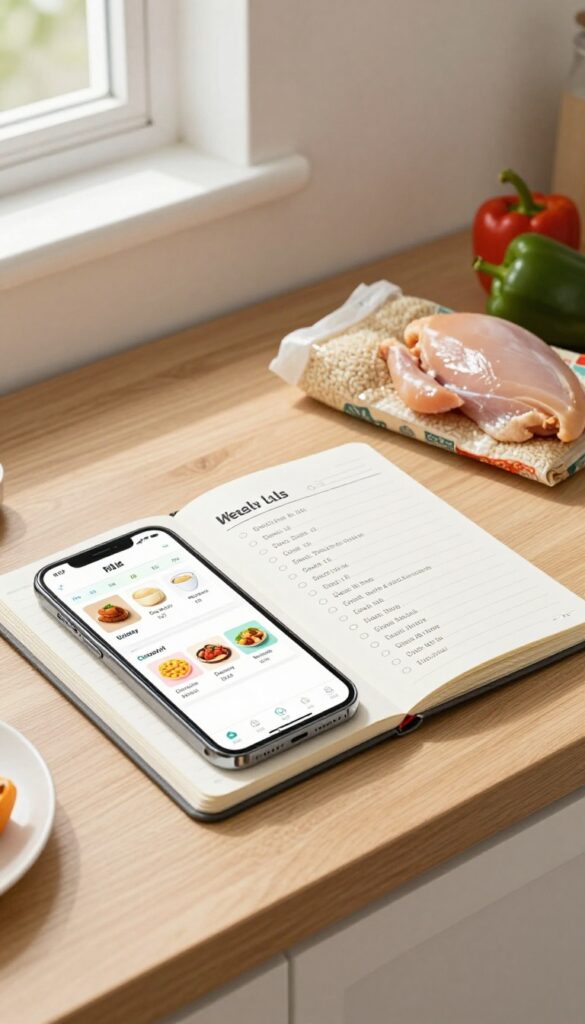
One of the easiest ways to slash your grocery bill is to let the sales dictate what's for dinner. Instead of deciding what you want to eat and then hunting for deals, flip the process. Start with what's on sale, then build your menu from there.
This simple shift can save you up to 30% on your total bill without any extra effort.
Check your local store's weekly ad or a grocery app like Flipp before you write your shopping list. Look for proteins, produce, and pantry staples that are marked down. Then plan your meals around those items.
For example, if chicken breasts are on sale, you might make grilled chicken salads, stir-fry, and chicken tacos. If bell peppers are cheap, stuff them or add them to pasta. This approach not only saves money but also reduces decision fatigue during the week.
Start With The Sales Flyer
Grab the weekly ad (online or paper) and circle the best deals. Focus on items your family actually eats. Don't buy something just because it's cheap if no one will touch it.
A sale on black beans is great if you already use them in chili or tacos. If not, skip it.
Build A Flexible Menu
Create a loose plan for the week. Assign each sale item to a meal. For instance, sale ground beef can become Monday's burgers, Tuesday's meat sauce, and Wednesday's tacos.
Keep it simple—you don't need a different recipe every night. Leftovers can be repurposed for lunch.
Stock Up On Staples
When pantry staples like rice, pasta, or canned tomatoes go on sale, buy extra. They have a long shelf life and form the base of many meals. This way, you only need to buy fresh sale items each week, cutting your overall spending.
2. Use a Master Grocery List
A master grocery list is your secret weapon against impulse buys and forgotten staples. It’s a simple system that saves both time and money by keeping you organized before you even step into the store. Instead of starting from scratch each week, you’ll have a ready-to-use list that evolves with your family’s needs.
Start by creating a list of everything you regularly buy—milk, bread, eggs, produce, pantry staples, and household items. Keep this list on your phone or a magnetic pad on the fridge. As you run out of an item, add it to the list right away.
When it’s time to shop, you’ll never wonder what you need or end up with duplicates.
Digital Vs. Paper: Pick What Sticks
A notes app or shared grocery app works great for families. Everyone can add items in real time, so nothing gets forgotten. If you prefer paper, a magnetic notepad on the fridge is just as effective.
The key is consistency—choose one method and use it every time.
Organize By Store Layout
Group items by store section: produce, dairy, meat, pantry, frozen, and non-food. This saves you from crisscrossing the store and reduces the chance of impulse buys. You’ll get in and out faster, which is a win for busy parents.
Keep A Running “stock-up” List
Separate your master list into weekly essentials and stock-up items (like rice, canned goods, or toilet paper). When you see a sale on a stock-up item, you’ll know exactly what you need. This prevents overbuying and helps you take advantage of deals without clutter.
Free PDF Download
Not Sure Which Side Hustle Fits You Best?
Take the free Side Hustle Matchmaker Quiz and get a simple 7-day starter plan to help you choose a beginner-friendly idea based on your time, skills, comfort level, and goals.
You’ll get this free PDF plus access to the full Marketerna Save More & Earn More PDF Kit. No spam. Unsubscribe anytime.
3. Shop Once a Week (or Less)
Fewer trips to the store mean fewer chances to grab something you don't need. When you shop every day or every other day, you're more likely to pick up snacks, drinks, or convenience items that add up fast. Committing to one big weekly shop forces you to plan ahead and stick to a list, which naturally cuts down on impulse spending.
Limiting grocery trips also saves time and gas. For busy families, that's a double win. The key is making that one trip count: buy enough fresh and shelf-stable items to last the full week, and resist the urge to pop in for "just one thing" midweek.
If you do run out of something, see if you can substitute or go without until the next scheduled shop.
Pick A Consistent Day
Choose a day that works with your schedule—maybe Sunday afternoon or Tuesday evening—and make it your grocery day. Having a set routine helps you plan meals around that trip and reduces the temptation to stop by the store on a whim. Over time, it becomes a habit that protects your budget.
Use A Detailed List
A list is non-negotiable for a once-a-week shop. Write it out by category (produce, dairy, frozen, etc. ) to make the trip faster and more efficient. Stick to it like glue.
If something isn't on the list, ask yourself if you really need it. Chances are, you don't.
Stock Up On Staples
Make sure your pantry and freezer are stocked with versatile basics like rice, pasta, canned tomatoes, frozen vegetables, and spices. That way, even if you run out of fresh ingredients midweek, you can still throw together a meal without a store run. This reduces impulse buys and keeps your budget on track.
4. Buy in Bulk for Staples You Use Often
Rice, pasta, oats, and canned goods are cheaper per unit in bulk. Just make sure you have storage space and will use them before expiry. Bulk buying isn't just for warehouse clubs—many regular grocery stores have bulk bins or larger packages that save you money over time.
Focus on non-perishable items you go through quickly. A big bag of rice or a case of canned tomatoes can cut your per-meal cost significantly. Just check the unit price to confirm you're actually saving.
Start With What You Know You'll Use
Don't buy a 25-pound bag of lentils if your family has never tried them. Stick to staples like pasta, oatmeal, flour, and sugar that you already use weekly. That way, you won't end up with expired food taking up space.
Check Storage Before You Stock Up
Bulk deals aren't a bargain if you have nowhere to put the stuff. Make sure you have a cool, dry pantry or a dedicated shelf. Airtight containers help keep pests out and food fresh longer.
Compare Unit Prices, Not Package Prices
Sometimes the jumbo size isn't actually cheaper per ounce. Look at the unit price label on the shelf edge. If the bulk option is only a penny cheaper, it might not be worth the storage hassle.
Free PDF Download
Not Sure Which Side Hustle Fits You Best?
Take the free Side Hustle Matchmaker Quiz and get a simple 7-day starter plan to help you choose a beginner-friendly idea based on your time, skills, comfort level, and goals.
You’ll get this free PDF plus access to the full Marketerna Save More & Earn More PDF Kit. No spam. Unsubscribe anytime.
5. Embrace Store Brands
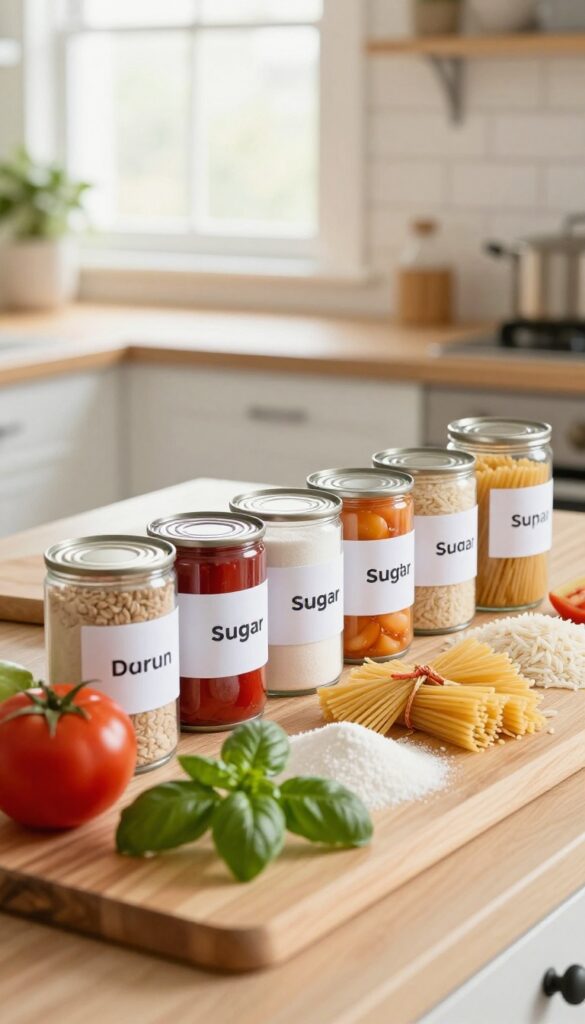
Let's be honest: fancy packaging doesn't make food taste better. Store brands often use the same suppliers as name brands, just with a simpler label. The savings add up fast, especially on pantry staples.
You'll free up cash for treats or fresh produce without sacrificing quality.
Switching to store brands is one of the easiest ways to cut costs without changing your shopping habits. Most supermarkets have their own line of products that are directly comparable to national brands. Start with basics like flour, sugar, canned vegetables, and pasta.
These items are nearly identical in taste and texture. Once you're comfortable, branch out to condiments, frozen vegetables, and even snacks. Many store brands now offer organic or gluten-free options too.
The key is to try one or two items at a time. Your family probably won't notice the difference, but your wallet will.
Where To Start
Begin with dry goods and canned items. These are the safest bets because the ingredients are simple and regulated. Store-brand flour, rice, beans, and canned tomatoes are reliable choices.
You'll save 20–30% right off the bat.
Don't Overlook Dairy And Frozen
Store-brand milk, butter, and yogurt are often produced by the same dairies as name brands. Frozen fruits and vegetables are also a great swap—they're picked at peak ripeness and flash-frozen, so quality is high. The savings here can be significant.
Taste Test For Picky Eaters
If your family is skeptical, do a blind taste test. Buy both the name brand and store brand of a few items, then compare. You might be surprised how often the store brand wins.
For items like ketchup or cereal, the difference is minimal.
6. Cook Once, Eat Twice (or More)
Batch cooking is a game-changer for busy families. By doubling your dinner recipes and freezing half, you save time on hectic nights and cut down on expensive takeout. It's a simple habit that pays off in both money and sanity.
Start with meals that freeze well: soups, stews, chili, lasagna, and casseroles. When you cook, make a double batch and portion the extra into freezer-safe containers. Label each with the date and dish name so you know what's inside.
On a crazy weeknight, just reheat and serve. You'll have a homemade meal ready in minutes, no drive-thru required.
Choose Freezer-friendly Recipes
Not all dishes freeze well. Stick to saucy, moist meals like spaghetti sauce, curry, or pulled pork. Avoid recipes with cream or crispy toppings, as they can separate or get soggy.
A good rule: if it's a one-pot meal, it's probably freezer-safe.
Portion For Your Family's Needs
Freeze meals in sizes that match your family's appetite. Use quart-sized bags for individual servings or larger containers for family dinners. This prevents waste and makes thawing faster.
For quick lunches, freeze single portions of soup or chili in mason jars.
Make It A Weekly Habit
Dedicate one cooking session each week to batch cooking. Sunday afternoons work well for many. Cook two or three double batches in a row, and within a month you'll have a freezer stocked with variety.
Rotate through your favorites to keep meals interesting.
7. Use a Price Book to Track Deals
Ever wonder if that "sale" price is actually a good deal? A price book takes the guesswork out of grocery shopping. It's simply a list of the lowest prices you've seen for the items you buy most.
When a sale matches that rock-bottom price, you know it's time to stock up.
How To Start Your Price Book
Grab a notebook or use a simple app. For each staple item—like milk, bread, chicken, or canned tomatoes—note the store, date, and price you paid. Over a few weeks, you'll see patterns.
Some stores always have cheaper eggs; others run better sales on cereal.
Recognize True Bargains
When you see a price that matches your recorded low, buy extra. But don't be fooled by flashy signs. A "50% off" sticker might still be higher than the regular price at another store.
Your price book keeps you honest.
Keep It Simple
You don't need to track every item. Focus on the 20–30 products you buy most often. Update prices occasionally, especially if costs change.
Soon, you'll spot deals instantly—and save without thinking twice.
8. Stop Buying Pre-Cut Produce
It's tempting to grab that bag of pre-chopped onions or the container of sliced melon. The convenience feels worth it when you're rushing through the store. But those few minutes of saved time come with a steep markup—often double or triple the price of whole produce.
Plus, pre-cut fruits and vegetables spoil faster because they've already been exposed to air. Buying whole and doing the chopping yourself takes just a few extra minutes, saves money, and keeps your produce fresher longer.
The savings add up fast. A bag of pre-cut broccoli florets might cost $3. 99 per pound, while a whole head of broccoli is often under $1.
- The same goes for carrots, celery, and bell peppers. Over a month, that difference can be significant.
And because whole produce lasts longer, you'll throw away less food. Set aside 15 minutes after your weekly grocery run to wash and chop everything at once. Store chopped veggies in airtight containers, and they'll be ready for quick meals all week.
The Price Difference Is Real
Retailers charge a premium for the labor of cutting and packaging. A whole pineapple costs around $2. 50, while pre-cut chunks can run $5.
00 for the same amount. Pre-shredded cheese is another common culprit—blocks of cheese are cheaper and don't contain anti-caking agents. Once you start comparing unit prices, you'll see the pattern everywhere.
How To Make Prepping Painless
You don't need to chop everything from scratch every night. Pick one day—Sunday afternoon works well—to wash, peel, and chop your veggies for the week. Store them in clear containers so you can see what you have.
Onions, peppers, and carrots keep well for 5–7 days when prepped this way. Leafy greens should be washed and dried, then stored with a paper towel to absorb moisture.
Start Small And Build The Habit
If you're used to buying pre-cut, don't try to overhaul everything at once. Start with one or two items you buy most often, like onions or bell peppers. Once you see how easy it is, add more.
In a few weeks, it'll feel like second nature, and your grocery bill will thank you.
9. Shop the Perimeter First
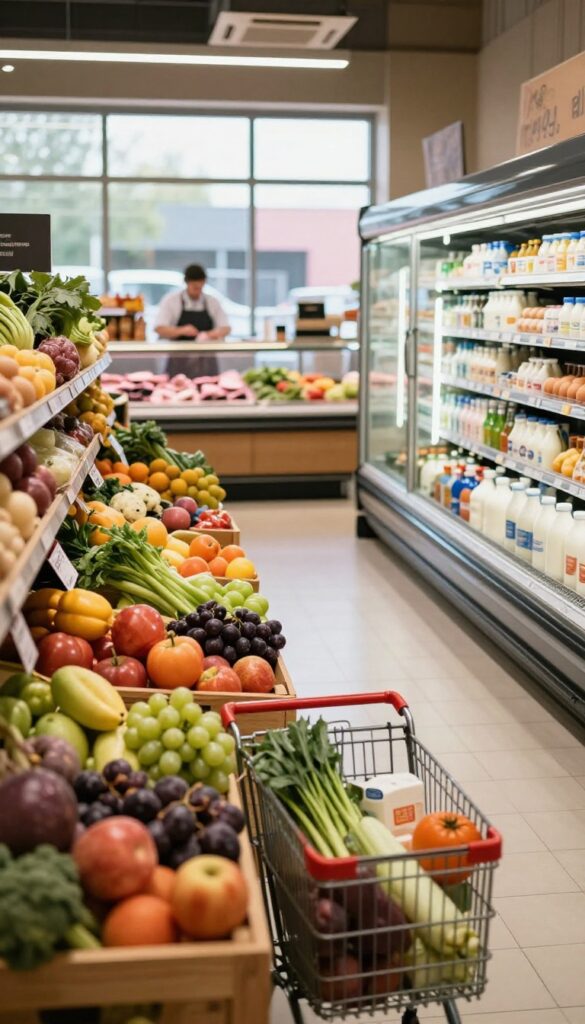
Most grocery stores are designed to tempt you with processed foods in the center aisles. The outer perimeter, however, is where the real food lives: fresh produce, dairy, meat, and seafood. By starting your shopping trip along the walls, you fill your cart with whole ingredients before you ever see the chips and cookies.
This simple habit naturally limits impulse buys and keeps your meals healthier.
When you enter the store, turn left or right and follow the outer edges. Load up on fruits, vegetables, milk, eggs, yogurt, and fresh meat first. By the time you reach the inner aisles, your cart is already full, and you'll only grab what you truly need—like canned beans, pasta, or spices.
This strategy cuts down on processed food purchases and helps you stick to your list.
Why It Works
The perimeter is where stores place their freshest, least processed items. These foods are often cheaper per serving than boxed alternatives and have higher nutritional value. Plus, shopping this way reduces the time you spend in tempting aisles, making it easier to resist sugary snacks and impulse buys.
How To Make It A Habit
Write your grocery list in perimeter order: produce, dairy, meat, then center aisles. Stick to that route every time. If you have kids, let them pick a new fruit or vegetable from the perimeter as a fun challenge.
Over time, this pattern becomes automatic and your grocery bill will thank you.
10. Use Cash or a Dedicated Grocery Card
Plastic makes it easy to lose track of spending — especially when you're juggling a dozen other things. A simple switch to cash or a prepaid grocery card can put you back in control without a complicated system.
Set a realistic weekly grocery budget based on your family's needs. Withdraw that exact amount in cash or load it onto a prepaid card. When the money's gone, it's gone.
That physical limit forces you to prioritize and cuts impulse buys automatically.
Why Cash Works Better
Handing over actual bills hurts more than swiping a card. That psychological friction makes you think twice before tossing extras into the cart. Studies show people spend up to 20% less when using cash.
Setting Up Your Dedicated Card
If you prefer not to carry cash, get a reloadable prepaid card or a separate debit account just for groceries. Transfer your budget each week and leave the main cards at home. No overdraft, no surprises.
Staying Flexible Without Overspending
If you have leftover cash one week, roll it into the next week's budget or treat yourself to a small splurge. The goal isn't perfection — it's awareness. Over time, you'll naturally adjust your budget to what actually works.
11. Grow Your Own Herbs
Fresh herbs can cost three or four dollars a bundle, and half the time they wilt before you use them up. That's a fast way to burn cash. A small windowsill garden solves both problems — you get fresh flavor for pennies, and you pick exactly what you need.
Growing herbs indoors is surprisingly easy, even if you've never kept a plant alive. Start with three forgiving varieties: basil, parsley, and mint. They thrive in small pots with basic potting soil and a sunny window.
A single $3 seed packet yields months of harvests, paying for itself many times over.
What You'll Need
Grab a few 4- to 6-inch pots with drainage holes, some all-purpose potting mix, and seeds or small starter plants. Place them on a south- or west-facing windowsill that gets at least six hours of light. Water when the top inch of soil feels dry — usually every couple of days.
Easy Herbs To Start
Basil grows fast and loves warmth. Parsley is slow to sprout but keeps producing for months. Mint is practically indestructible — just keep it in its own pot because it spreads aggressively.
All three are kitchen workhorses that save you money on everything from pasta sauces to salads.
Harvesting Tips
Snip leaves from the top down, never taking more than one-third of the plant at once. This encourages bushier growth. Use scissors for a clean cut.
Regular harvesting keeps plants productive, so don't be shy — the more you pick, the more you get.
12. Make Your Own Snack Packs
Those single-serving snack packs are convenient, but they come with a hefty price tag. You're paying for the packaging and marketing as much as the food itself. A much smarter move is to buy in bulk and do the portioning yourself.
It takes just a few minutes and saves a surprising amount over time.
Start with large bags of crackers, nuts, dried fruit, or pretzels. Grab a set of reusable containers or small zip-top bags. Set aside 10 minutes once a week to portion everything out.
You'll have grab-and-go snacks ready for lunches, after-school activities, or road trips without the premium price.
Choose The Right Containers
Reusable silicone bags or small BPA-free plastic containers work great. They're dishwasher safe and last for years. If you prefer disposable, buy bulk-sized boxes of snack bags instead of the individual packs.
Either way, you're cutting out the middleman.
Mix It Up For Variety
Don't just portion one item. Create custom trail mixes with nuts, seeds, and a few chocolate chips. Or pair crackers with a small cheese stick.
Variety keeps kids from getting bored and makes the homemade packs feel just as fun as store-bought.
Get The Kids Involved
Turn snack prep into a quick family activity. Even young kids can help scoop and seal bags. It teaches them about portion sizes and budgeting, and they're more likely to eat what they helped make.
Plus, it saves you time.
13. Use Leftovers Creatively
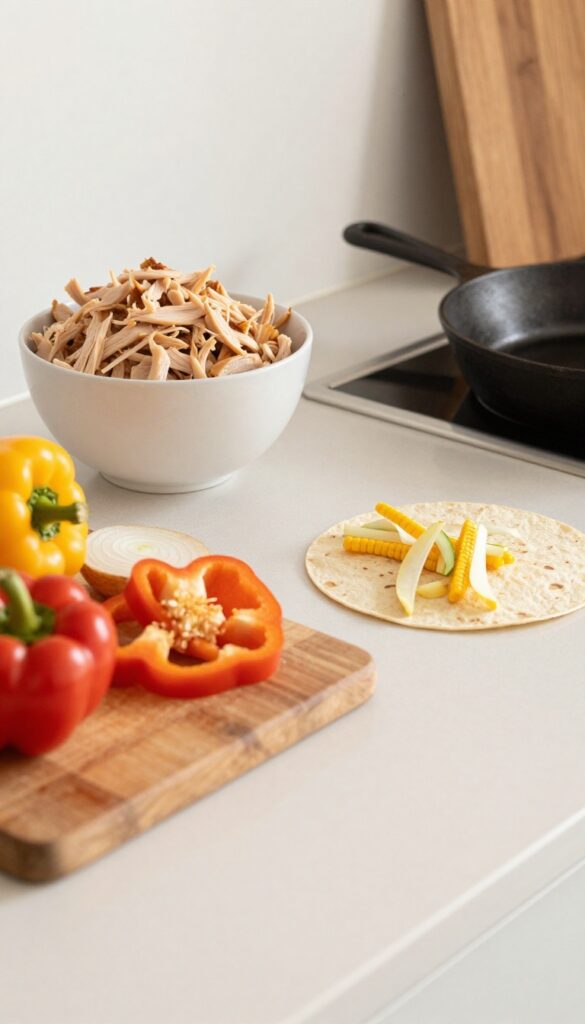
That container of last night's roasted chicken sitting in the fridge? It's a head start on tonight's dinner, not a problem to solve. A little creativity can turn odds and ends into something new, saving both time and money.
Leftovers often get a bad rap, but they're actually a secret weapon for busy families. Instead of letting them languish until they're tossed, plan to repurpose them within a day or two. This cuts down on food waste and gives you a free pass on cooking from scratch.
Turn Proteins Into New Meals
Shred leftover chicken for tacos, slice steak for stir-fry, or cube ham for omelets. A simple shift in seasoning and presentation makes it feel like a different dish entirely.
Transform Starches And Veggies
Leftover rice becomes fried rice or a quick casserole. Roasted vegetables can be blended into soup, folded into frittatas, or tossed with pasta. Even mashed potatoes can be shaped into patties and pan-fried.
Make A Weekly Repurpose Plan
When you meal plan, intentionally cook extra on certain nights. Monday's roast chicken becomes Tuesday's chicken salad, and Wednesday's extra rice is Thursday's stir-fry base. This system saves effort and keeps meals varied.
14. Compare Unit Prices
That jumbo box of cereal might look like a steal, but the price tag can be deceiving. Stores often place smaller packages at eye level with lower total prices, while the larger ones sit on the bottom shelf. The trick is to check the unit price — the cost per ounce, pound, or quart — listed on the shelf tag.
It’s the only way to know if you’re actually saving money.
Unit pricing reveals the true cost of a product, helping you spot when a bigger package isn’t a better deal. For example, a 12-ounce bag of chips might cost $3. 50, while the 16-ounce bag is $5.
- The unit price shows that the smaller bag is actually cheaper per ounce. This works for everything from canned goods to toilet paper.
Make it a habit to glance at the unit price before tossing items in your cart. Over time, those pennies add up to real savings.
Where To Find Unit Prices
Look at the shelf label below each product. Most stores display the unit price in small print next to the total price. It’s usually listed as $ per ounce, pound, quart, or count.
If you can’t find it, check the product’s own label or use a calculator app on your phone.
When Unit Prices Surprise You
Don’t assume bigger is always cheaper. Sometimes a bulk pack is priced higher per unit because of packaging or brand premiums. For example, a 32-ounce jar of pasta sauce might cost more per ounce than a 24-ounce jar.
Always compare unit prices across sizes and brands.
Unit Price Hack For Busy Families
Save time by memorizing common unit prices for staples you buy weekly. For example, know that a good price for cereal is under 15 cents per ounce, or that chicken breast should be under $3 per pound. This helps you spot deals instantly without doing math at the store.
15. Avoid Shopping When Hungry
You've probably heard this one before, but it's worth repeating because it actually works. Hunger is a budget-killer. When your stomach is growling, everything in the store looks good, and you're way more likely to toss extra snacks, frozen pizzas, or that bag of chips into the cart.
A quick bite before you leave can save you a surprising amount of money.
Hunger triggers impulse buys, especially for high-margin convenience foods and snacks. Studies show that shoppers who are hungry buy more calories and spend more overall. The fix is simple: eat a small meal or snack before you head to the store.
Even a piece of fruit or a handful of nuts can help you stick to your list and avoid those unplanned purchases.
The Science Behind It
When you're hungry, your body releases ghrelin, a hormone that makes food look more appealing. This isn't just in your head — it actually changes how your brain responds to food cues. That's why a bag of chips you'd normally skip suddenly seems irresistible.
Knowing this can help you take control.
What To Eat Before You Go
You don't need a full meal. Something with protein and fiber will keep you satisfied longer. Try a hard-boiled egg, a yogurt, an apple with peanut butter, or a handful of almonds.
Even a glass of milk can take the edge off. The goal is to take hunger out of the equation so you can make clear, budget-friendly choices.
Make It A Habit
Tie your pre-shop snack to a routine. If you always shop after work, keep a snack in your bag or car. If you go on weekends, eat a small breakfast or lunch first.
After a few trips, it becomes automatic — and your grocery total will thank you.
16. Freeze Overripe Fruit
Bananas turning brown? Berries getting soft? Don't toss them—freeze them.
Overripe fruit is actually perfect for smoothies, baking, or even homemade jam. This simple habit saves money and cuts down on food waste, which is a win for both your wallet and the planet.
When fruit gets too ripe, it's still packed with flavor and nutrients. Freezing locks in that sweetness, giving you ready-to-use ingredients for future recipes. No more guilt over spoiled produce or last-minute trips to the store.
Best Fruits To Freeze
Bananas, berries, mangoes, peaches, and pineapple freeze beautifully. Peel bananas and slice them into chunks. Wash and dry berries, then spread them on a baking sheet to freeze individually before bagging.
This prevents clumping.
How To Use Frozen Fruit
Toss frozen bananas into smoothies for a creamy texture without yogurt. Use frozen berries in muffins, pancakes, or overnight oats. Overripe mangoes make a great base for tropical smoothie bowls or even sorbet.
Pro Tip: Label And Date
Write the fruit type and freeze date on the bag. Frozen fruit stays good for up to 6 months. This way, you'll always know what you have and avoid mystery freezer burn.
17. Join Store Loyalty Programs
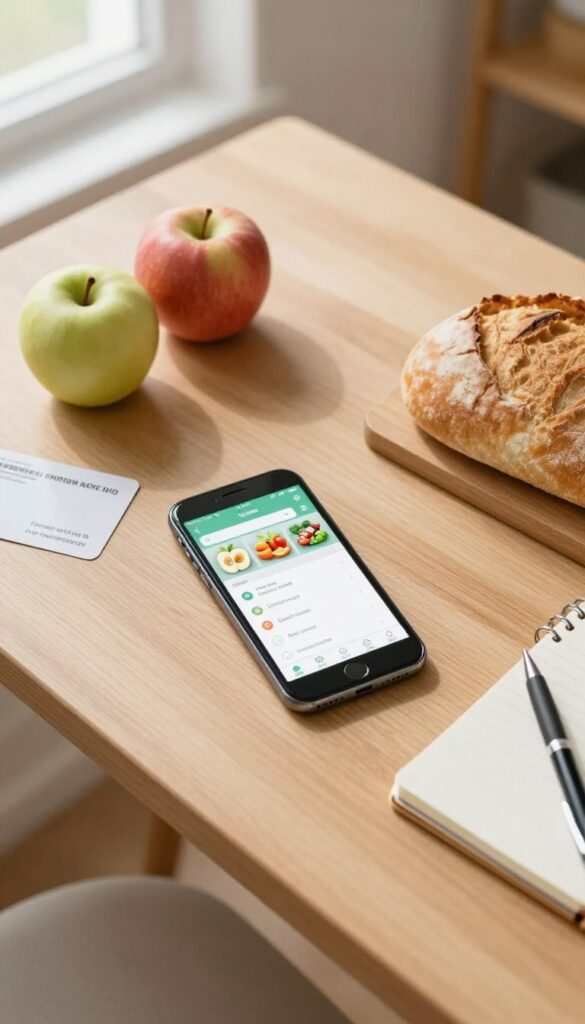
Loyalty programs are one of the easiest ways to save without clipping a single coupon. Most grocery stores offer free cards that unlock member-only prices and digital deals. Signing up takes two minutes, and the savings add up fast.
These programs are designed to reward repeat customers, so take advantage. Load digital coupons to your account before you shop, and watch the discounts apply automatically at checkout. Many stores also send personalized offers based on your purchase history, helping you save on items you actually buy.
How To Get Started
Head to your store's website or customer service desk to grab a loyalty card. Most chains now offer a digital version you can add to your phone's wallet. Link your phone number to the account so you never forget the card at home.
Stacking Savings
Combine loyalty discounts with manufacturer coupons or store sales for even bigger savings. Some programs let you earn points toward free groceries or gas discounts. Check your account regularly for bonus offers like double points days.
Don't Overlook The App
Store apps often have exclusive deals not available in-store. They also let you browse weekly ads, build shopping lists, and scan items for price checks. Set notifications for your favorite products so you never miss a sale.
18. Buy Whole Chickens or Large Cuts of Meat
Paying for pre-cut chicken parts or small steaks is convenient, but you're also paying for that convenience. Whole chickens and large roasts usually cost less per pound, and they open the door to multiple meals from one purchase. With a little planning, one protein can stretch further than you'd expect.
A whole chicken is one of the best bargains at the grocery store. Roast it for Sunday dinner, then pick the carcass clean for sandwiches, tacos, or casseroles. Simmer the bones with veggies for a rich homemade stock.
That's three meals from one bird. The same logic applies to large cuts like pork shoulder or beef chuck—cook once, eat twice.
One Roast, Many Meals
Start with a simple roast chicken seasoned with salt, pepper, and herbs. Serve the breasts and thighs as the main dish. The next day, shred the remaining meat for chicken salad sandwiches or toss it into a quick stir-fry.
The bones go into a pot with onion, carrots, and celery to make stock for soups or grains.
Bulk Cuts Save Per Pound
Large cuts like whole pork loins or beef roasts are often half the price per pound of their pre-sliced counterparts. Buy one, roast or slow-cook it, then portion the cooked meat into freezer bags. You'll have ready-to-use protein for weeknight dinners without the premium markup.
Stock From Scraps
Don't toss the bones and veggie trimmings. Combine chicken carcass, onion skins, carrot ends, and celery leaves in a slow cooker with water. Simmer overnight, strain, and you've got free, flavorful stock.
Use it for soups, rice, or freezing for later.
19. Use a Slow Cooker or Instant Pot
Slow cookers and Instant Pots are game-changers for frugal families. They transform tough, inexpensive cuts of meat into tender, flavorful meals while you're at work or shuttling kids to practice. Plus, they use less energy than an oven and let you buy in bulk without spending hours cooking.
These appliances make cheap cuts of meat tender and flavorful. They also save time by cooking while you're busy with other tasks.
Cheap Cuts, Rich Flavor
Chuck roast, pork shoulder, and chicken thighs become melt-in-your-mouth delicious after hours of slow cooking. These cuts cost a fraction of pricier steaks or breasts, but come out just as satisfying.
Set It And Forget It
Throw ingredients in before school drop-off or your morning meeting, and come home to a ready meal. No last-minute takeout because you're too tired to cook.
One-pot Wonders Stretch Further
Soups, stews, and chilis are perfect for using up leftover veggies or small amounts of meat. They also freeze well, giving you ready-made dinners for hectic nights.
20. Skip the Middle Aisles for Snacks
Processed snacks are a huge budget drain. They're expensive per ounce, and because they're low in protein and fiber, kids are hungry again in an hour. The middle aisles are full of these packaged temptations, but the perimeter of the store has much better options for both your wallet and your family's health.
Instead of grabbing bags of chips and cookies, stock up on yogurt, cheese sticks, fresh fruit, and popcorn kernels. These items are cheaper per serving and keep everyone full longer. You'll save money and reduce the after-school grazing that can blow your budget.
Shop The Perimeter First
The outer edges of the grocery store typically hold produce, dairy, meat, and fresh bread. That's where the real food lives. Make a habit of filling your cart from the perimeter before even glancing at the aisles.
You'll naturally buy fewer processed items.
Diy Snack Packs
Buy large containers of yogurt, blocks of cheese, and whole fruit. Portion them into reusable containers or bags. This costs a fraction of single-serving packs and cuts down on packaging waste.
Plus, you control the portions.
Popcorn: The Ultimate Cheap Snack
A bag of popcorn kernels costs about $2 and makes dozens of servings. Air-pop it or use a paper bag in the microwave. Add a little butter and salt, and you have a healthy, filling snack that kids love.
Compare that to $4 for a box of 12 individual chip bags.
21. Review Your Receipt After Shopping
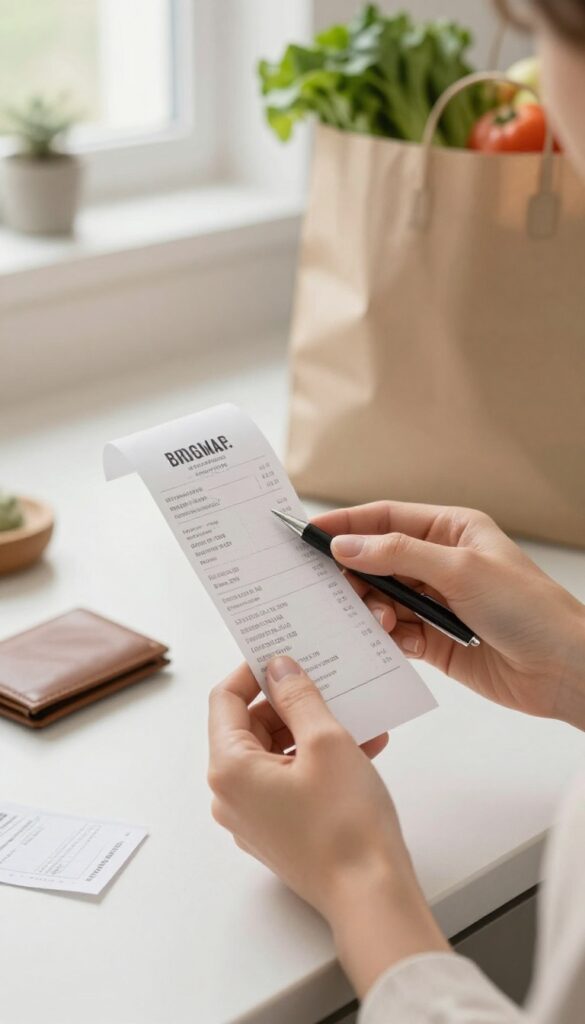
It's easy to toss the receipt in a bag and forget about it, especially when you're juggling kids and groceries. But taking two minutes to scan that slip can uncover pricing errors or missed discounts that quietly eat into your budget. Many stores will refund the difference if an item rang up wrong, so that quick check is pure profit.
Common Pricing Errors To Spot
Look for items that didn't ring up at the sale price, especially if you grabbed a deal from a store display. Also check for double scans, where a cashier accidentally rings the same item twice. Produce weighed at the register can sometimes be entered under the wrong code, costing you more.
How To Get A Refund
Most grocery stores have a policy to honor the correct price if you point out an error. Head to customer service with your receipt and the item (if you still have it). Be polite, and they'll usually refund the difference or even give you the item for free.
Some stores offer a small bonus for catching mistakes.
Make It A Habit
Keep a designated spot in your car or kitchen for receipts, and review them while you unload groceries. It takes less than a minute and can save you a few dollars each trip. Over a year, those small refunds add up to a nice little savings.
FAQ
How much can a family save by using these tips?
Most families report saving 20-30% on their grocery bills, which can add up to $100-$200 per month depending on spending habits.
What's the best way to start meal planning?
Begin by checking what you already have in your pantry and fridge. Then look at weekly sales and plan 3-4 meals around those items. Keep it simple at first.
Are store brands really as good as name brands?
Often yes, especially for pantry staples like flour, sugar, and canned goods. For items like ketchup or cereal, taste test to see if you notice a difference.
How do I avoid food waste with a busy schedule?
Plan meals that use similar ingredients, freeze leftovers, and keep a 'use it up' shelf in your fridge for items that need to be eaten soon.
Is it worth buying organic for a frugal family?
Prioritize organic for the 'Dirty Dozen' (like strawberries and spinach) if budget allows. For other produce, conventional is fine and much cheaper.
Conclusion
Saving money on groceries doesn't require hours of coupon clipping or a complete lifestyle overhaul. Small, consistent changes add up over time, freeing up cash for what matters most to your family. Start with just two or three tips that feel manageable.
Maybe it's planning meals around sales or switching to store brands. Once those become habits, add another. Before you know it, you'll be spending less and stressing less about the grocery bill.
Free PDF Download
Not Sure Which Side Hustle Fits You Best?
Take the free Side Hustle Matchmaker Quiz and get a simple 7-day starter plan to help you choose a beginner-friendly idea based on your time, skills, comfort level, and goals.
You’ll get this free PDF plus access to the full Marketerna Save More & Earn More PDF Kit. No spam. Unsubscribe anytime.