17 Simple Rules for Spending Less on Food
You know the feeling: you walk out of the grocery store with a receipt that's way higher than you expected, wondering where all your money went. The good news is that cutting your food bill doesn't require drastic changes or coupon-clipping marathons. These 17 simple rules are about working smarter, not harder, in the kitchen.
Start with strategies like planning meals around sales or embracing frozen produce—small shifts that add up fast. You'll learn how to stretch ingredients, reduce waste, and avoid the traps that lead to impulse spending.
Pick one or two rules to try this week. Before you know it, you'll have extra cash in your pocket and a fridge full of food that actually gets eaten.

Free PDF Download
Not Sure Which Side Hustle Fits You Best?
Take the free Side Hustle Matchmaker Quiz and get a simple 7-day starter plan to help you choose a beginner-friendly idea based on your time, skills, comfort level, and goals.
You’ll get this free PDF plus access to the full Marketerna Save More & Earn More PDF Kit. No spam. Unsubscribe anytime.
1. Plan Your Meals Around What's on Sale
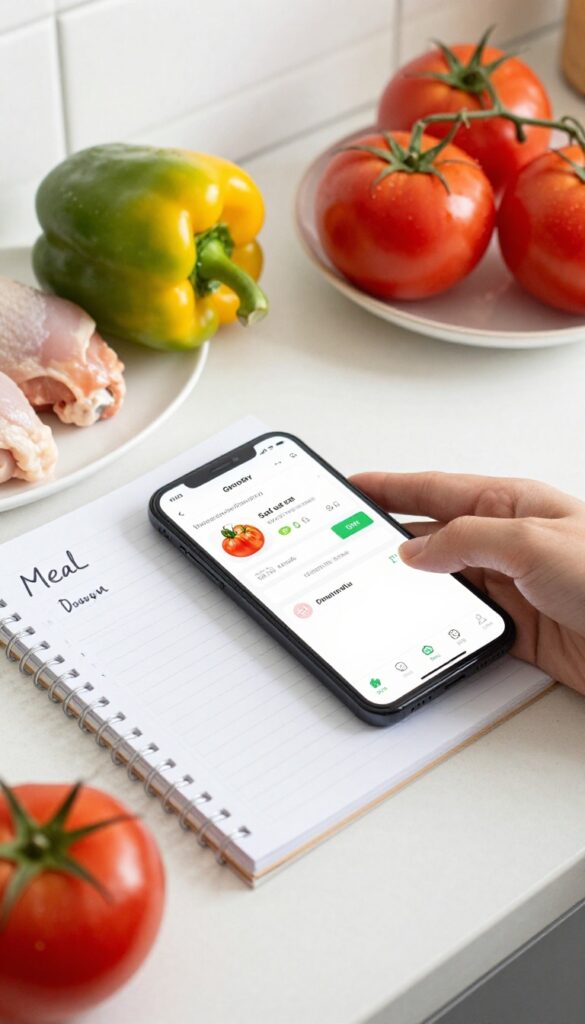
Checking store flyers or apps before you shop is one of the easiest ways to save. Instead of deciding what you want to eat and then buying ingredients at full price, flip the script: see what's discounted first, then build your menu around those items. This simple switch can cut your grocery bill by 20% or more without sacrificing variety.
Start by scanning weekly ads from your local grocery stores. Most chains release new deals on Wednesdays, so make it a habit to check before you plan. Look for proteins, produce, and pantry staples that are marked down.
Then, brainstorm a few meals that use those items as the star ingredients. For example, if chicken thighs are on sale, plan a stir-fry, sheet pan dinner, and soup that all use chicken. This approach not only saves money but also reduces food waste because you're buying with a purpose.
Master The Art Of The Meal Map
Once you know what's on sale, sketch out a loose meal plan for the week. It doesn't have to be fancy—just a list of 4-5 dinners that share ingredients. For instance, if bell peppers and ground beef are discounted, you could make stuffed peppers, tacos, and a beef and pepper stir-fry.
This way, you buy in bulk and use everything up.
Don't Forget The Bogo Deals
Buy-one-get-one-free offers are goldmines. When you see BOGO on items like pasta, canned tomatoes, or yogurt, grab them. Even if you don't need two immediately, you can store the extra for later.
Just make sure the items are non-perishable or freezable so they don't go to waste.
Use Apps To Your Advantage
Store apps often have digital coupons and exclusive discounts that aren't in the paper flyer. Download a few from your favorite supermarkets and check them before you shop. Some apps even let you clip coupons directly to your loyalty card, so the savings apply automatically at checkout.
2. Stick to a Grocery List and Never Shop Hungry
A list keeps you focused, and a full stomach helps you resist impulse buys. Two simple habits that save big. Think about it: every unplanned item in your cart is a tiny decision you didn't think through.
Combine that with a growling stomach, and you're practically begging your wallet to take a hit.
The grocery store is designed to tempt you. End caps, checkout lanes, and colorful displays are all engineered to trigger impulse purchases. Your best defense is a written list and a meal in your belly.
Together, they form a one-two punch against overspending.
Why A List Works
A list turns your shopping trip into a mission. You go in, grab what you need, and get out. Without one, you're wandering the aisles, vulnerable to every sale and shiny package.
Studies show that shoppers who use a list spend up to 23% less. That's real money.
The Hunger Trap
When you're hungry, everything looks good. Your brain craves immediate energy, so it pushes you toward high-calorie, high-cost items like snacks, prepared foods, and sugary drinks. A quick snack before you shop—an apple, a handful of nuts—can save you from tossing a bag of chips into the cart.
How To Build A Better List
Start with your meal plan for the week. Check your pantry and fridge for what you already have. Then write down only what's missing.
Organize your list by store layout—produce, dairy, meat, etc. —to avoid backtracking. Stick to it like a contract with yourself.
Free PDF Download
Not Sure Which Side Hustle Fits You Best?
Take the free Side Hustle Matchmaker Quiz and get a simple 7-day starter plan to help you choose a beginner-friendly idea based on your time, skills, comfort level, and goals.
You’ll get this free PDF plus access to the full Marketerna Save More & Earn More PDF Kit. No spam. Unsubscribe anytime.
3. Buy Whole Foods Instead of Pre-Cut or Packaged
It's easy to grab a bag of baby carrots or a container of chopped onions when you're in a hurry. But that convenience comes with a serious markup. Whole vegetables, fruits, and grains cost significantly less per pound—and you're paying for someone else to do the work.
When you buy pre-cut produce, you're paying for the labor, packaging, and the waste that the store has already removed. A whole head of lettuce costs a fraction of a bag of salad mix. A block of cheese is cheaper than shredded cheese.
The same goes for whole grains like rice or oats versus instant packets. The savings add up fast.
The Price Gap Is Real
Compare the per-pound price of whole carrots versus baby carrots. Or a whole chicken versus boneless, skinless breasts. You'll often see a 30% to 50% difference.
That's money you can keep in your pocket with just a few extra minutes of prep.
A Little Knife Work Goes A Long Way
Chopping your own veggies or shredding your own cheese takes maybe five minutes. If you batch prep once a week, you'll have ready-to-use ingredients without the premium price. Plus, whole foods stay fresh longer, so you'll waste less.
Watch Out For Packaged Grains And Snacks
Instant rice packets, oatmeal cups, and pre-made trail mixes are convenient but pricey. Buying bulk grains and mixing your own snacks saves money and lets you control the ingredients. A large bag of rolled oats costs pennies per serving.
4. Cook Once, Eat Twice (or More)
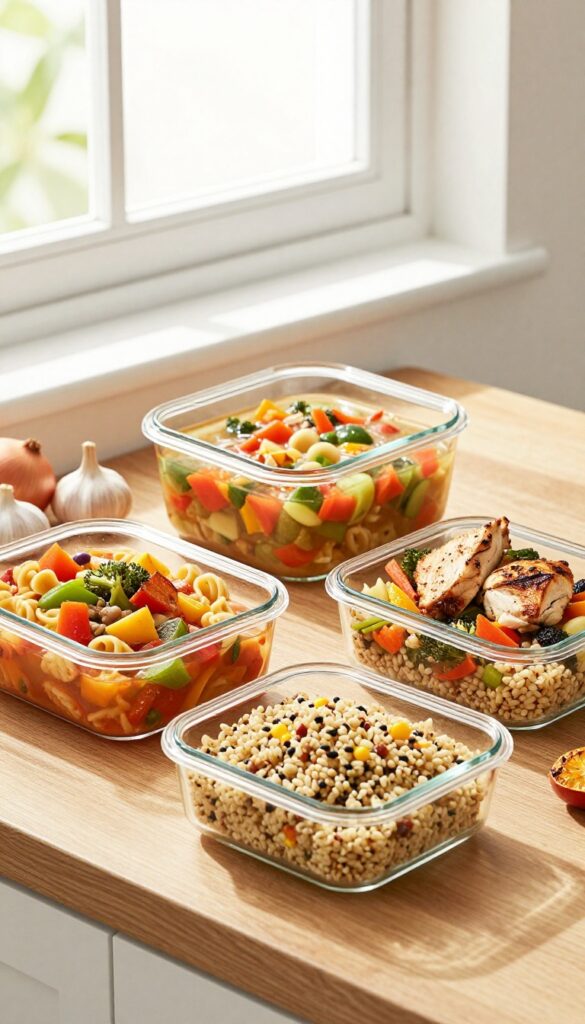
Cooking from scratch takes time, so why not make that time count double? By scaling up your recipes, you can turn one evening of effort into several meals. It's one of the simplest ways to save both money and sanity during a busy week.
Leftovers aren't just for reheating—they're a strategic tool. When you cook extra, you're essentially prepping future lunches or dinners with zero extra effort. Plus, buying ingredients in bulk often costs less per serving, so you save at the checkout too.
Choose Recipes That Scale Well
Not every dish freezes or reheats beautifully. Stick with soups, stews, casseroles, pasta sauces, and grain bowls. These hold their texture and flavor, so you won't end up with sad, soggy leftovers.
Make Leftovers Exciting Again
A little creativity prevents leftover fatigue. Turn last night's roasted veggies into a frittata, or shred leftover chicken into tacos. A new sauce or a different carb can make the same protein feel like a completely different meal.
Freeze In Single Portions
Portion out extras into individual containers before you store them. That way, you can grab a single serving for lunch without thawing a giant block. Label with the date and contents—future you will thank present you.
Free PDF Download
Not Sure Which Side Hustle Fits You Best?
Take the free Side Hustle Matchmaker Quiz and get a simple 7-day starter plan to help you choose a beginner-friendly idea based on your time, skills, comfort level, and goals.
You’ll get this free PDF plus access to the full Marketerna Save More & Earn More PDF Kit. No spam. Unsubscribe anytime.
5. Embrace Frozen Fruits and Vegetables
Fresh produce is great, but it's also the fastest thing to go bad in your fridge. That's where frozen fruits and vegetables come in. They're picked at peak ripeness and flash-frozen, so they retain their nutrients—sometimes even more than fresh produce that's been sitting on a truck for days.
Plus, they're almost always cheaper, and you only use what you need.
Frozen produce is a budget-friendly powerhouse. It's just as nutritious, often cheaper, and lasts for months in your freezer. No more throwing away slimy spinach or moldy berries.
You can stock up during sales and always have ingredients on hand for smoothies, stir-fries, soups, and more.
Nutrition That Stays Put
Frozen fruits and vegetables are flash-frozen right after harvest, locking in vitamins and minerals. Studies show they can be just as nutritious as fresh, sometimes even more so because they don't lose nutrients during transport and storage. So you're not sacrificing health for savings.
No More Food Waste Guilt
How many times have you bought fresh spinach only to find it wilted three days later? Frozen produce solves that. You can take out exactly what you need and keep the rest for later.
That means less money down the drain and less guilt about wasted food.
Always In Season, Always On Sale
Frozen produce isn't subject to seasonal price spikes. You can buy frozen berries in January for the same price as in July. Plus, stores often run sales on frozen items, so you can stock up and save even more.
6. Shop at Discount Grocers or Bulk Stores
Not all grocery stores are created equal when it comes to your wallet. Stores like Aldi, Lidl, and Costco have built their reputations on low prices, and they deliver. The trick is knowing what to buy there and what to skip.
A quick trip to a discount grocer can slash your weekly bill by 20–30% without any coupons or apps.
Discount grocers and bulk stores work because they cut costs on branding, packaging, and overhead. Aldi and Lidl focus on store brands and limited selection, which keeps prices low. Costco and Sam's Club sell in bulk, lowering the per-unit cost.
The key is to compare unit prices—the price per ounce, pound, or piece—not just the total price. That giant bag of rice might seem expensive, but per serving it's a steal. Stick to shelf-stable staples, frozen goods, and non-perishables at bulk stores.
For fresh produce, discount grocers often have great deals, but check quality before loading up.
Know What's Worth Buying In Bulk
Bulk stores shine for items you use regularly and that don't spoil quickly. Think rice, pasta, canned goods, spices, olive oil, and paper products. Avoid bulk buys for things like fresh dairy, delicate produce, or anything you might not finish before it goes bad.
A 5-pound block of cheese is only a deal if you actually eat that much.
Compare Unit Prices Every Time
Unit prices are your best friend. They're usually listed on the shelf tag in small print. A larger box isn't always cheaper per ounce—sometimes the smaller size is actually a better deal.
Take a second to check, especially when buying in bulk. That's how you spot the real bargains.
Don't Assume Everything Is Cheaper
Discount grocers have amazing prices on staples, but not everything is a steal. Sometimes name-brand items or specialty products cost the same as anywhere else. Stick to store brands and basics.
If you see a flashy display or a trendy snack, it's probably not the best value.
7. Cut Down on Meat – Even One Day a Week
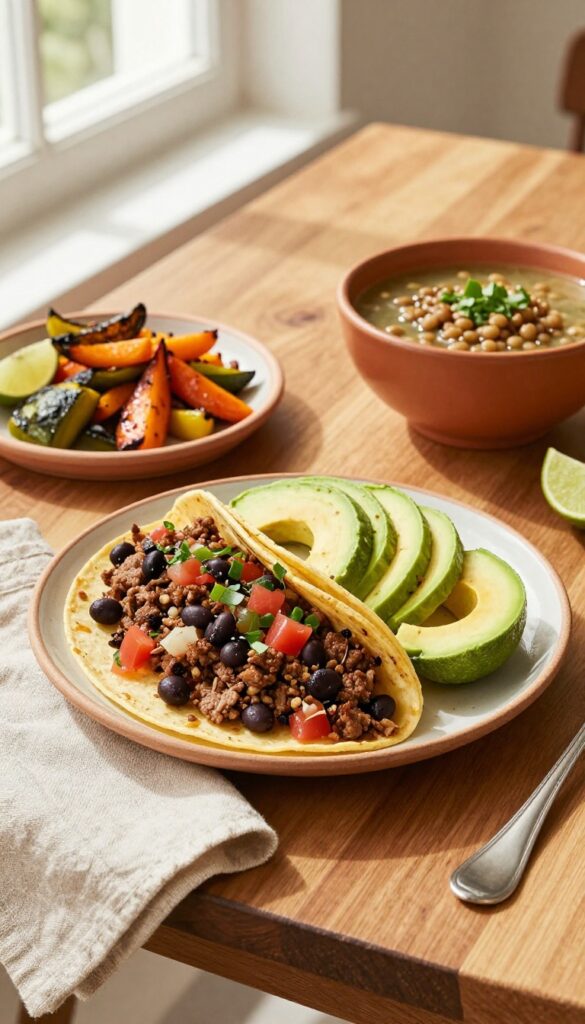
Meat is often the priciest item in your cart, but you don't have to go full vegetarian to save. Even cutting out meat one day a week can make a real dent in your grocery bill. It's a small change that's easy to stick with, and you might be surprised at how satisfying meatless meals can be.
Start with one meatless day per week, like Monday. Use that day to experiment with hearty vegetables, beans, or lentils. You'll save money and discover new flavors.
Over time, you can add more meatless days or simply use smaller portions of meat in your usual dishes.
Try Meatless Monday
Pick a day—Monday works great—and commit to no meat. Plan a filling meal like black bean tacos, lentil soup, or a veggie stir-fry with tofu. You'll cut costs and maybe even look forward to it.
Stretch Meat With Veggies
When you do cook meat, use less of it. Bulk up stir-fries, pasta sauces, and casseroles with extra vegetables, beans, or grains. Half the meat, same satisfying dish.
8. Use Every Scrap – Broth, Bones, and Veggie Tops
Think about all the peels, ends, and bones you toss every week. That's money in the trash. Homemade stock turns those scraps into liquid gold, and it's dead simple.
Start a bag in your freezer for veggie scraps—onion skins, carrot peels, celery ends, mushroom stems. When it's full, dump them in a pot with chicken bones or beef bones, cover with water, and simmer for a few hours. Strain, cool, and you've got free broth that beats anything from a box.
What To Save
Onion skins add color, carrot peels add sweetness, and celery ends add savory depth. Avoid broccoli or cabbage—they can make stock bitter. Also save chicken carcasses, beef bones, and shrimp shells for seafood stock.
How To Use It
Use your stock for soups, stews, rice, or pasta water. Freeze in ice cube trays for small portions. One batch can replace several store-bought cartons, saving you a few dollars each time.
Beyond Broth
Veggie tops like beet greens or radish leaves can be sautéed as a side. Herb stems infuse oils or vinegars. Stale bread becomes croutons or breadcrumbs.
Every scrap has a second life.
9. Stop Buying Bottled Water and Soda
Bottled water and soda are two of the biggest money wasters in a typical grocery run. Tap water costs pennies per gallon, while a single bottle of soda can cost more than a gallon of milk. Cutting these out alone can save you hundreds a year.
The markup on bottled drinks is enormous. A 12-pack of soda might cost $5, but the ingredients are worth maybe 50 cents. The rest is packaging, marketing, and profit.
Meanwhile, tap water is essentially free. If you don't like the taste, a simple filter pitcher pays for itself in weeks.
The Real Cost Of Convenience
A single 20-ounce bottle of soda costs around $1. 50 at a convenience store. That's over $7 per gallon.
Compare that to tap water at less than a penny per gallon. Even if you buy soda on sale, you're still paying a huge markup for flavored sugar water.
Health And Wallet Win
Cutting out sugary drinks not only saves money but also improves your health. The average American spends over $1, 000 a year on soft drinks. Replace that with tap water and you've got an extra $1, 000 for groceries or savings.
Easy Swaps That Stick
If you crave fizz, try sparkling water with a squeeze of lemon. If you need flavor, brew iced tea at home. A reusable water bottle makes it easy to stay hydrated without buying plastic.
Start by cutting one soda a day and watch your savings add up.
10. Grow Your Own Herbs and Simple Veggies
Fresh herbs and salad greens are tiny but pricey. A single bunch of basil can cost as much as a whole plant. Growing your own is easier than you think, and it pays off fast.
You don't need a garden or even a yard. A sunny windowsill or a small balcony is enough. Start with herbs like basil, mint, or parsley—they're forgiving and grow quickly.
Cherry tomatoes or lettuce also work well in pots. The upfront cost of a pot and soil is recouped after just a few harvests.
What To Grow First
Basil, mint, chives, and oregano are the easiest herbs for beginners. They thrive in small pots and need only regular watering and sunlight. For veggies, try cherry tomatoes, leaf lettuce, or green onions—they grow fast and don't require much space.
Simple Setup Tips
Use pots with drainage holes and quality potting soil. Place them where they get at least 4–6 hours of sunlight daily. Water when the top inch of soil feels dry.
A little attention goes a long way.
How It Saves You Money
A $3 basil plant yields leaves for months, while store-bought bunches cost $2–$3 each. Over a season, you can save $20–$50 on herbs alone. Plus, you'll always have fresh flavor on hand.
11. Avoid Shopping at Convenience Stores
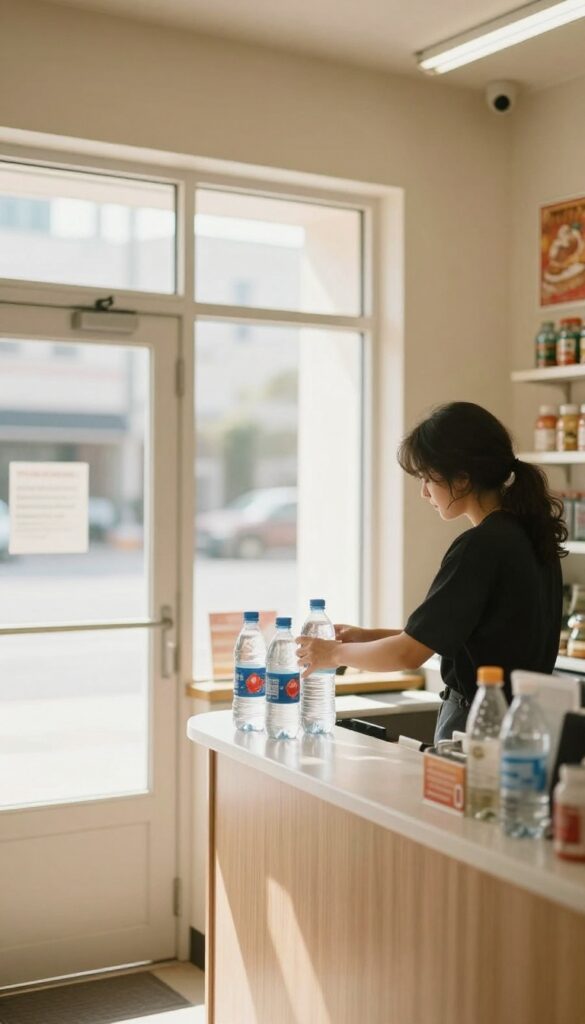
Convenience stores are designed for impulse buys, not real savings. Their prices on everyday items like milk, bread, and snacks can be 50% higher than at a regular grocery store. The trick is to plan ahead so you never need to rely on them.
The Price Of Convenience
A single bottle of soda or a bag of chips can cost double what you'd pay at a supermarket. Even basic staples like eggs or butter come with a markup. Over time, those "quick trips" add up fast.
How To Plan Ahead
Keep a small stash of non-perishable snacks in your car or bag—granola bars, nuts, or dried fruit. That way, when hunger hits, you have a cheap option ready. Also, map out your route so you pass a regular grocery store, not just a gas station.
The Emergency Exceptions
Sometimes you truly need something urgently. If you must buy at a convenience store, stick to one item and avoid the snack aisle. Pay at the pump for gas so you're not tempted to go inside.
12. Check Your Pantry Before You Shop
How many times have you bought a jar of cumin or a bag of rice, only to find two more at home? It’s an easy trap—and a money waster. Taking five minutes to see what you already have can save you from buying duplicates and help you plan meals around what needs to be used up.
Before you write your shopping list, open your pantry, fridge, and freezer. Note what’s running low and what’s overflowing. This simple habit stops you from buying extras and sparks meal ideas from forgotten ingredients.
Do A Quick Inventory
Scan your shelves and jot down staples you already own—canned tomatoes, pasta, spices, frozen veggies. You might be surprised how many meals you can make with what’s on hand.
Plan Around Perishables
Check for items nearing their expiration date, like yogurt, cheese, or fresh herbs. Design one or two meals around those ingredients first. That way, nothing goes to waste.
Avoid The ‘just In Case’ Buy
When you know you have three bottles of soy sauce, you won’t grab another. Stick to your inventory list and only buy what you truly need. Your wallet will thank you.
13. Buy in Bulk for Staples You Use Often
Rice, pasta, oats, and spices are cheaper per ounce in bulk. Just make sure you'll use them.
Bulk bins and large bags are your friends for pantry staples. The per-unit cost drops significantly, and you avoid the markup of fancy packaging. But only buy what you'll actually eat within a reasonable time.
That 20-pound bag of rice is a steal if you cook rice weekly, not if it sits for years.
What To Buy In Bulk
Stick with non-perishables: grains, legumes, pasta, flour, sugar, salt, and spices. Oats, quinoa, and lentils are great choices. For spices, buy only what you use often—cumin, paprika, garlic powder—and store them in airtight containers away from light.
Where To Find Bulk Deals
Check warehouse clubs like Costco or Sam's Club, but also local co-ops and grocery stores with bulk bins. Compare unit prices (price per ounce or pound) to ensure you're actually saving. Sometimes a regular store's sale beats the bulk price.
Storage Tips To Avoid Waste
Use airtight containers—mason jars, plastic bins, or vacuum-sealed bags. Label with purchase date. Keep bulk items in a cool, dark pantry.
For longer storage, freeze grains or flour for a few days to kill any pantry pests.
14. Learn to Love Leftovers – Reinvent Them
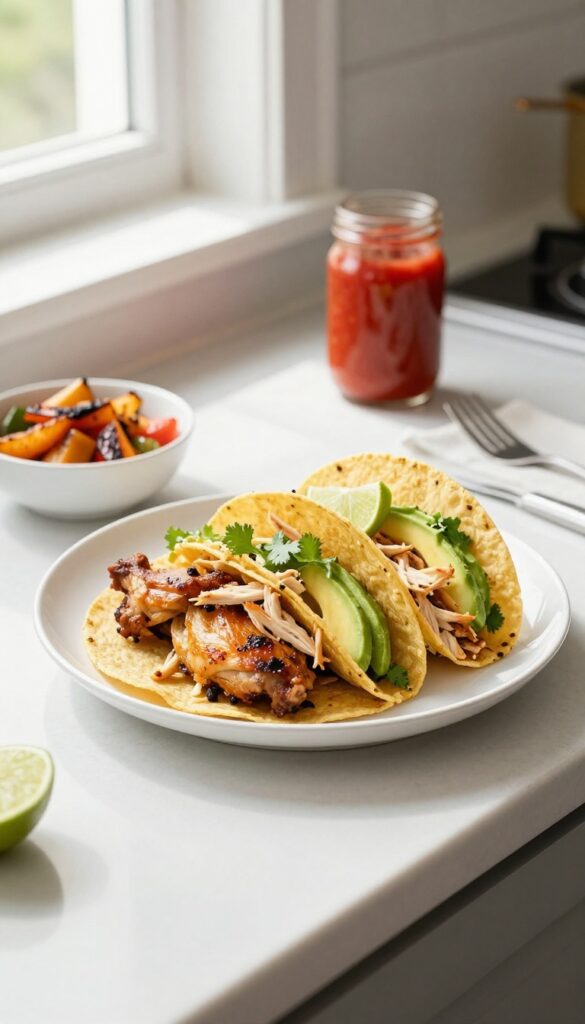
Leftovers get a bad rap, but they're actually a secret weapon for saving money. The trick is to see them as ingredients, not just reheated meals. With a little creativity, you can turn last night's dinner into something completely new and exciting.
Boredom is the enemy of frugality. If you eat the same thing two nights in a row, you'll be tempted to order takeout. Instead, transform leftovers into different dishes.
That roast chicken becomes tacos, soup, or a salad. Cooked veggies can be blended into a pasta sauce or folded into a frittata. A little planning and a few pantry staples are all you need.
The Reinvention Mindset
When you cook, think ahead. Make extra of versatile components like roasted vegetables, grilled chicken, or cooked grains. Then, during the week, combine them with fresh or frozen ingredients for quick meals.
For example, leftover rice can become fried rice, a grain bowl, or even rice pudding.
Leftover Makeovers
Try these easy swaps: Turn chili into sloppy joes or nachos. Mash leftover potatoes into patties and pan-fry for crispy cakes. Blend roasted veggies into a creamy soup.
The key is to add new flavors—a splash of soy sauce, a handful of cheese, or a fresh herb can completely change the dish.
15. Use Cash or a Dedicated Grocery Card
Swiping a card feels almost like free money—until the bill arrives. Using cash or a separate grocery card makes your spending tangible and trackable. It's a simple psychological trick that can shave dollars off every trip.
The Psychology Of Cash
Handing over physical bills creates a real sense of loss. You're less likely to toss in that extra bag of chips or fancy cheese when you see your twenties disappearing. Studies show people spend up to 30% less when paying with cash.
Set A Weekly Cash Budget
Withdraw your grocery budget in cash each week. Leave the debit and credit cards at home. Once the cash is gone, you're done shopping—no excuses.
This forces you to prioritize needs over wants.
The Dedicated Card Strategy
If cash isn't practical, use a separate debit card or a prepaid grocery card. Load it with your weekly budget. This creates a clear boundary between grocery money and other spending.
Plus, you can review your transactions easily to see where your money went.
16. Skip the Middle Aisles (Mostly)
Ever notice how the healthiest, cheapest foods are all along the walls? That's not an accident. Grocery stores are designed to funnel you into the middle aisles, where processed, packaged items have the highest markups.
Stick to the perimeter for most of your shopping, and you'll naturally spend less and eat better.
The perimeter of the store is where you'll find fresh produce, meat, dairy, and eggs—whole foods that are cheaper per serving than anything in a box. The middle aisles are packed with snacks, sugary cereals, and convenience meals that cost more and offer less nutrition. Make a habit of filling your cart from the edges first, and only venture into the middle for specific staples like rice, pasta, or canned beans.
What's Actually In The Middle?
Think chips, cookies, soda, frozen pizzas, and boxed dinners. These are the high-margin items that stores push because they make the most profit. They're also the ones that blow up your grocery bill.
By limiting your time in these aisles, you avoid both the price tag and the temptation.
Exceptions Worth Making
Some middle-aisle items are still good buys. Canned tomatoes, beans, lentils, oats, and spices are cheap and versatile. Just read labels to avoid added sugars and sodium.
The key is to go in with a list and grab only what you need—no browsing.
The Perimeter Rule In Practice
Start your shopping trip at the produce section, then move to the meat and dairy counters. Circle the store's outer edges and only dip into the middle for those few essentials. You'll spend less time in the store and less money overall.
Plus, your cart will be full of real food.
17. Eat Before You Go Out or Order In
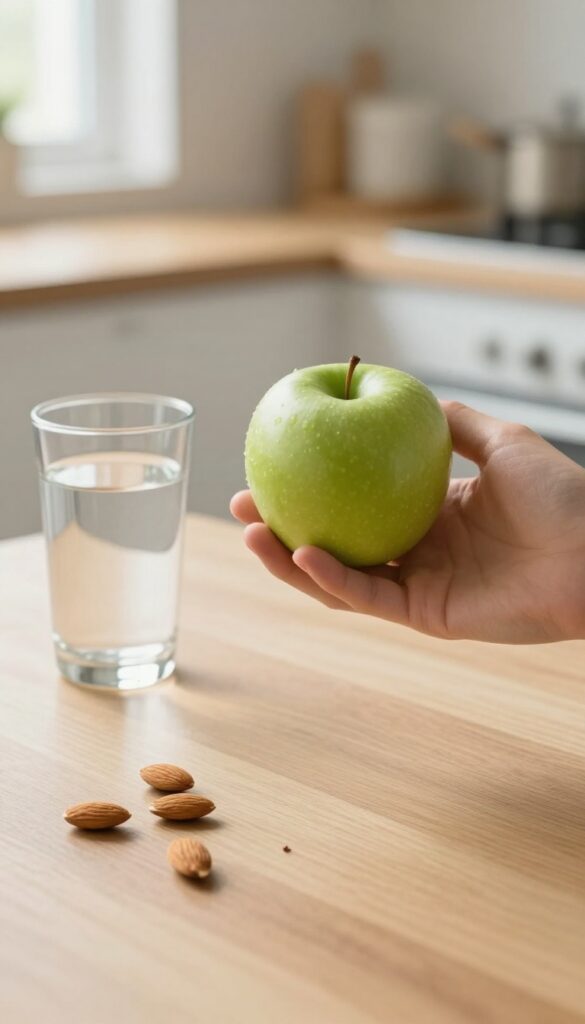
Hunger is a terrible financial advisor. When your stomach is growling, everything on the menu looks essential, and the extra appetizer or dessert seems like a great idea. By eating a small, satisfying snack before you leave the house or open a delivery app, you take the edge off that primal urge.
A full stomach reduces the temptation to overspend at restaurants or order extra sides. It's a simple psychological trick: when you're not starving, you make more rational decisions about what and how much to order. You'll stick to what you actually want, not what your hunger pangs are screaming for.
The 10-minute Rule
Before ordering takeout, eat a piece of fruit or a handful of nuts. Wait ten minutes. You'll often realize you're not as hungry as you thought, and the craving for a full meal fades.
Pre-game With Protein
A snack with protein and fiber—like Greek yogurt, an apple with peanut butter, or a hard-boiled egg—keeps you full longer. That means fewer impulse add-ons when you're out.
Drink Water First
Thirst often masquerades as hunger. Drink a full glass of water before you head out or order. It fills your stomach slightly and helps you distinguish between true hunger and habit.
FAQ
How much can I realistically save by following these rules?
Most people save 20-30% on their monthly food bill, which can be $100-$200 or more depending on your current spending.
Do I have to give up eating out completely?
No. The goal is to reduce frequency and make smarter choices when you do eat out. Even cutting one takeout meal per week helps.
Is buying organic worth the extra cost?
Only for certain items on the 'Dirty Dozen' list. For most produce, conventional is fine and much cheaper.
How do I avoid food waste with bulk buying?
Freeze what you can't use quickly. Portion out bulk items into smaller containers. Only buy bulk for items you use regularly.
What if I have dietary restrictions?
These rules work for any diet. Focus on whole foods, plan around sales, and cook from scratch to control ingredients and costs.
Conclusion
You don't need to overhaul your entire grocery routine overnight. Pick just one rule from this list—like shopping with a list or skipping the middle aisles—and try it for a week. Small changes add up fast.
Before you know it, you'll see real savings without feeling deprived. Start with one simple swap today.
Free PDF Download
Not Sure Which Side Hustle Fits You Best?
Take the free Side Hustle Matchmaker Quiz and get a simple 7-day starter plan to help you choose a beginner-friendly idea based on your time, skills, comfort level, and goals.
You’ll get this free PDF plus access to the full Marketerna Save More & Earn More PDF Kit. No spam. Unsubscribe anytime.