21 No Spend Challenge Ideas for Beginners
Starting a no spend challenge can feel overwhelming, especially when you're not sure where to begin. That's why these 21 ideas are designed specifically for beginners, focusing on small, manageable changes that won't disrupt your entire lifestyle. Each challenge targets a common spending habit, making it easier to build momentum and see real savings without the stress.
The key is to start small and gradually increase the difficulty as you gain confidence. From a simple No Takeout Tuesday to a full Pantry Raid Week, these challenges turn frugality into a fun game rather than a punishment.
You'll discover how much you can save by cutting just one or two expenses at a time. Ready to give your wallet a break?

Free PDF Download
Not Sure Which Side Hustle Fits You Best?
Take the free Side Hustle Matchmaker Quiz and get a simple 7-day starter plan to help you choose a beginner-friendly idea based on your time, skills, comfort level, and goals.
You’ll get this free PDF plus access to the full Marketerna Save More & Earn More PDF Kit. No spam. Unsubscribe anytime.
1. The Pantry Raid Week
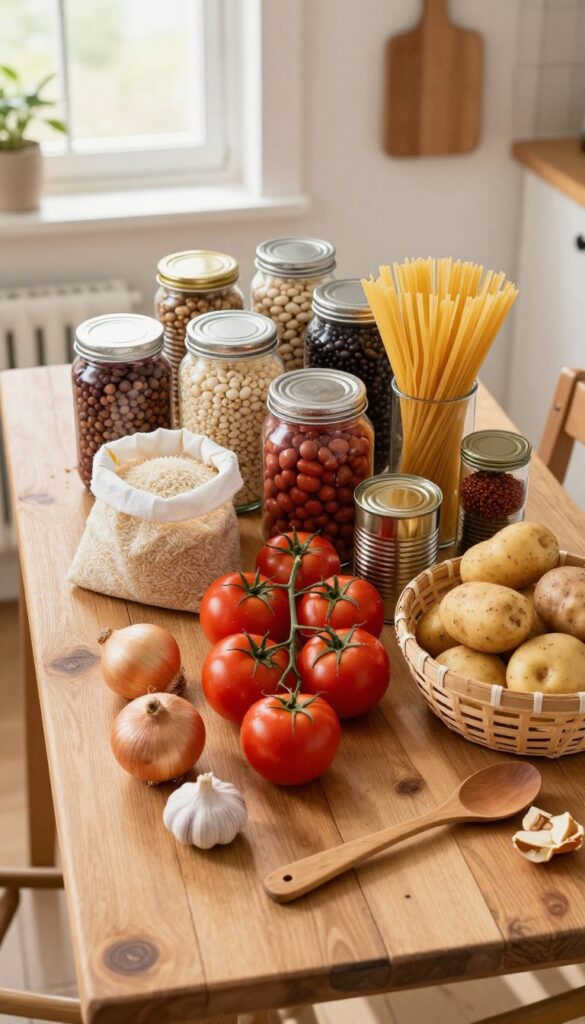
Ever looked at your overflowing pantry and thought, 'There's nothing to eat'? This challenge proves you wrong. For one week, you eat only what's already in your kitchen—no grocery shopping allowed.
It's like a cooking show challenge, but for real life.
The Pantry Raid Week is the perfect starter challenge because it requires zero prep and zero spending. You'll be amazed at the meals you can create with a little creativity. Plus, clearing out old food means less waste and more space for fresh groceries later.
What Counts As Pantry Food?
Anything already in your home: dry goods, canned items, frozen veggies, condiments, and leftovers. The only exception is basic essentials like milk or eggs if you run out—but try to use substitutes first.
Meal Planning Without Shopping
Start by taking inventory. Write down everything you have, then plan meals around those ingredients. Think soups, stir-fries, pasta bakes, or breakfast-for-dinner.
Google 'pantry recipes' for endless ideas.
What If I Get Stuck?
Get creative with substitutions. No pasta? Use rice or quinoa.
No fresh veggies? Canned or frozen work fine. This challenge is about resourcefulness, not perfection.
You might discover a new favorite meal.
2. No Takeout Tuesday
Takeout is one of those expenses that sneaks up on you. A few orders a week can easily add up to hundreds of dollars a month. No Takeout Tuesday is a simple way to break that habit without going cold turkey.
Pick one day—Tuesday works great because it's early in the week—and commit to cooking all three meals at home. No ordering in, no drive-through, no restaurant lunch. The goal isn't perfection; it's building the muscle of home cooking.
You'll save money, eat healthier, and discover that a home-cooked meal can be just as satisfying as takeout.
Plan Your Tuesday Menu
A little planning prevents the 5 p. m. panic. On Monday, decide what you'll eat for breakfast, lunch, and dinner on Tuesday. Keep it simple—things like oatmeal, sandwiches, and pasta are quick and cheap.
Write it down or set a reminder on your phone.
Make It Fun, Not A Chore
Turn Tuesday into a theme night. Try taco Tuesday, pizza from scratch, or breakfast for dinner. Get the family involved—let everyone pick a dish once a month.
When cooking feels like a game, you'll look forward to it instead of dreading it.
Track Your Savings
Keep a jar or a note on your phone where you add the money you would have spent on takeout. Seeing that number grow is incredibly motivating. After a month, you'll have a tangible reward—maybe treat yourself to something you actually need.
Free PDF Download
Not Sure Which Side Hustle Fits You Best?
Take the free Side Hustle Matchmaker Quiz and get a simple 7-day starter plan to help you choose a beginner-friendly idea based on your time, skills, comfort level, and goals.
You’ll get this free PDF plus access to the full Marketerna Save More & Earn More PDF Kit. No spam. Unsubscribe anytime.
3. The Free Weekend Challenge
Weekends often come with a hidden price tag—brunch out, movie tickets, shopping trips. But what if you could reclaim that time without spending a dime? The Free Weekend Challenge asks you to plan a Saturday and Sunday with a strict zero-spend rule.
It's a reset button for your wallet and a creativity boost for your leisure time.
The goal is simple: from Friday evening to Sunday night, no money leaves your accounts. That means no takeout, no gas station runs, no online shopping. Instead, you'll rely on free activities you already have access to—parks, libraries, your own DVD collection, or board games.
It's a chance to rediscover how much fun you can have without a credit card.
Scout Free Local Gems
Start by checking your city's parks and recreation website. Many towns offer free concerts, farmers markets (just look, don't buy), or nature trails. Libraries often have free movie rentals, museum passes, or craft workshops.
Make a short list of options before the weekend hits.
Host A No-cost Movie Night
Pick a film from your own collection or a free streaming service you already pay for. Pop some popcorn you have in the pantry, dim the lights, and invite family or roommates. It's cozy, zero-cost, and way more personal than a theater.
Embrace The Outdoors
Weather permitting, spend at least a few hours outside. Hiking, biking, or even a long walk in a scenic neighborhood costs nothing. Pack a water bottle and a simple snack from home to avoid any temptation to stop for coffee or a treat.
Cook From What You Have
Challenge yourself to make all meals from pantry and fridge staples. It's like a mini Iron Chef game—invent a stir-fry from leftover veggies, or bake using only ingredients you already own. You'll save money and reduce food waste.
4. Coffee Shop Freeze
That daily latte or iced mocha adds up faster than you think. A coffee shop freeze means hitting pause on all café purchases for a set period—a week, two weeks, or even a month. The goal isn't to give up coffee; it's to bring it home and see how much you save without the drive-thru markup.
Brewing your own coffee is one of the easiest swaps for beginners. A bag of quality beans costs a fraction of what you'd spend on a week's worth of café drinks. Plus, you get to experiment with flavors and methods—French press, pour-over, or a simple drip machine.
The savings can be eye-opening, often $20–$50 per week depending on your habits.
Make It A Morning Ritual
Instead of rushing to a coffee shop, carve out five extra minutes at home. Grind beans, heat water, and enjoy the process. Pair it with a good book or your favorite podcast.
That small shift can turn a hurried expense into a relaxing start to your day.
Stock Your Home Café
Invest in a reusable travel mug, a simple brewer, and a bag of whole beans you love. Keep milk or creamer on hand, and maybe a flavored syrup if that's your thing. Having everything ready removes the temptation to swing by a café out of convenience.
Track Your Savings
Write down what you would have spent each day. At the end of the challenge, tally it up. Use that number as motivation to extend the freeze or to redirect the money toward a specific goal, like a weekend trip or paying down debt.
Free PDF Download
Not Sure Which Side Hustle Fits You Best?
Take the free Side Hustle Matchmaker Quiz and get a simple 7-day starter plan to help you choose a beginner-friendly idea based on your time, skills, comfort level, and goals.
You’ll get this free PDF plus access to the full Marketerna Save More & Earn More PDF Kit. No spam. Unsubscribe anytime.
5. The 30-Day No Clothes Buy

Clothes shopping is one of those expenses that feels justified because you 'need' it. But most of us have way more than we actually wear. This challenge asks you to press pause on all clothing, shoe, and accessory purchases for 30 days.
It's a chance to break the habit of retail therapy and rediscover what's already hanging in your closet.
Why It Works
Fashion is a huge budget drain, and the constant cycle of new trends keeps us spending. By taking a full month off, you reset your relationship with shopping. You'll realize how many outfits you already own and how little you actually need.
How To Survive The Urge
Unsubscribe from store emails and unfollow fashion influencers for the month. When you feel the itch to buy, try a 'closet swap' with a friend or host a clothing swap party. Rearranging your wardrobe can feel like getting new clothes for free.
What You'll Gain
Besides saving money, you'll develop a more mindful approach to future purchases. After 30 days, you'll only buy items you truly love and need, not impulse buys. Plus, you might discover a forgotten favorite piece that feels brand new again.
6. Gas Station Snack Ban
Gas stations are designed to tempt you. Between the candy bars, chips, and sugary drinks, it's easy to drop $5 to $10 every time you fill up. That adds up fast—especially if you're on the road often.
This challenge asks you to break that habit entirely.
For the duration of your challenge, commit to zero snack or drink purchases at gas stations. Instead, pack your own treats before you leave. A reusable water bottle, a bag of almonds, or a piece of fruit can save you hundreds over a month.
You'll also avoid the impulse buys that always seem to appear at the register.
Why It Works
Gas station markups are huge. A bottle of water that costs $0. 50 at the store might be $2.
50 at the pump. The same goes for snacks. By planning ahead, you skip those inflated prices and keep more cash in your pocket.
How To Prep
Keep a small stash in your car: a reusable water bottle, some shelf-stable snacks like granola bars or trail mix, and maybe a travel mug for coffee. Refill your water at home or at work. If you need caffeine, brew it before you leave.
What To Do When You're Tempted
When you pull up to the pump, remind yourself of your goal. Take a deep breath and focus on the savings. If you really need something, pull over at a grocery store instead—you'll pay less and have more options.
7. The No Delivery Month
Food delivery apps make it almost too easy to spend money without thinking. A single order often costs double what you'd pay at the grocery store, and that convenience fee adds up fast. This challenge asks you to press pause on all delivery for 30 days and rediscover the joy of cooking at home.
For one month, no DoorDash, Uber Eats, Grubhub, or any food delivery service. If you absolutely must eat out, you have to physically go to the restaurant and pick it up yourself. The goal is to break the habit of ordering in and see how much money you save by simply preparing meals at home.
Why It Works
Delivery fees, service charges, and tips can easily add $10 or more to every order. If you order delivery twice a week, that's over $80 a month in extra costs alone. By cutting it out completely, you save that money and also avoid the temptation of impulse ordering when you're tired or bored.
How To Succeed
Stock your pantry with easy-to-make meals like pasta, rice, canned beans, and frozen vegetables. Plan a few simple recipes for the week and prep ingredients in advance. When cravings hit, remind yourself that a 15-minute homemade meal is faster and cheaper than waiting for delivery.
What To Do When You Craze Takeout
Keep a list of quick recipes you can make in under 20 minutes. Or try recreating your favorite delivery dish at home—it's often easier than you think. If you really want the experience of eating out, go pick up takeout yourself.
The extra effort usually makes you think twice.
8. Digital Detox Spending Freeze
Our phones are basically pocket-sized shopping malls. Notifications, targeted ads, and one-click checkout make it dangerously easy to spend without thinking. A digital detox spending freeze cuts off that access entirely.
For a set period—try a weekend or a full week—avoid all online shopping. No Amazon, no Etsy, no apps with in-app purchases. The goal is to break the habit of buying on impulse and realize how often you reach for your wallet out of boredom.
Unsubscribe From Temptation
Marketing emails are designed to lure you back. Take five minutes to unsubscribe from every store newsletter or promotional email. Out of sight, out of mind—and out of your budget.
Replace Scrolling With Something Else
When you'd normally browse online, have a replacement ready. Read a book, go for a walk, or call a friend. The key is to fill that time with a free activity so you don't feel deprived.
Delete Shopping Apps Temporarily
Remove apps like Amazon, Target, or any retail app from your phone. You can always reinstall them after the challenge. This small barrier makes impulse buying much harder.
9. The No Spend Weekend (Extended)

A single no spend day is a great start, but stretching it to a full weekend unlocks deeper savings and more creative fun. From Friday evening through Sunday night, you commit to spending zero dollars—no takeout, no shopping, no streaming rentals. It sounds challenging, but with a little planning, you'll discover how much free entertainment is already around you.
The extended weekend forces you to rethink how you fill your time. Instead of reaching for your wallet, you'll reach for board games, library books, or a hiking trail. It's also a powerful reset for your spending habits—after two days of zero spending, Monday morning feels different.
Plan Ahead For Friday Night
Friday evening is the hardest because you're tired and tempted to order in or grab drinks. Prep a simple meal Thursday night, queue up a free movie from your local library, or invite friends over for a potluck (everyone brings a dish they already have).
Saturday: Adventure Mode
Saturday is your day to explore. Go for a long hike, visit a free museum, or have a picnic in the park. If the weather is bad, host a board game marathon or a DIY spa day with items you already own.
The key is to treat it like a real weekend getaway—just without spending.
Sunday Reset And Reflect
Use Sunday to wind down and plan ahead. Cook a big batch of meals for the week using pantry staples, read a book, or journal about how the weekend felt. Many people find that by Sunday evening, they feel less stressed about money and more connected to their hobbies.
10. Beauty Product Ban
Beauty products are one of those categories where we often buy more than we need. A new lipstick here, a fancy serum there—it adds up fast. For the next 30 days, challenge yourself to use only what you already own.
No new makeup, skincare, or haircare purchases allowed.
You might be surprised how many half-used products are hiding in your bathroom cabinet. This challenge helps you rediscover forgotten favorites and actually finish things instead of letting them expire. Plus, it's a great way to save money and reduce clutter.
Shop Your Stash
Start by gathering all your beauty products in one place. You'll likely find duplicates, samples, and items you forgot about. Make a plan to use them up before buying anything new.
This alone can stretch your supplies for weeks.
Focus On Routines, Not Products
Instead of chasing the next best thing, stick to a simple routine. Cleanse, moisturize, protect—that's really all you need. You'll save time and money while giving your skin a break from constant product switching.
Get Creative With What You Have
Use a tinted lip balm as a cream blush, or mix a bit of eyeshadow with clear lip gloss for a custom color. Makeup is versatile—experimenting can be fun and helps you see your collection in a new light.
11. The No Entertainment Spend Week
Entertainment costs add up fast. Between streaming subscriptions, movie tickets, and video games, it's easy to drop a hundred dollars without noticing. This challenge asks you to pause all paid entertainment for seven days.
The goal isn't to be bored—it's to rediscover how much free fun is already around you.
What To Cut Out
Cancel or pause any streaming services like Netflix, Spotify, or Disney+. Skip movie theaters, concerts, and arcades. No buying new video games or renting movies.
Also avoid paid apps, in-app purchases, and any digital content that costs money.
Free Alternatives That Actually Work
Visit your local library for books, movies, and even video games. Go for a hike, bike ride, or walk in a park. Host a board game night with friends using games you already own.
Listen to free podcasts or use ad-supported music apps. Many museums offer free admission days—check their schedules.
Tips To Stay On Track
Tell friends and family you're doing the challenge so they don't invite you to paid events. Unsubscribe from promotional emails that tempt you with deals. Keep a list of free activities nearby so you have options when boredom strikes.
And remember, it's only one week—you can do anything for seven days.
12. Cash Only Week
Swiping a card feels almost like free money, but handing over physical cash makes every purchase real. That's the whole idea behind this challenge. For one week, you leave your debit and credit cards at home and rely solely on cash you've withdrawn in advance.
It's a simple shift that changes how you think about every dollar you spend.
The goal is to set a realistic cash budget for the week—covering essentials like groceries, gas, and a small buffer for unexpected needs. Once the cash is gone, you stop spending. No tapping, no swiping, no digital wallets.
This forces you to prioritize and question every purchase before it happens.
How Much Cash To Withdraw
Look at your typical weekly spending on variable expenses like food, transportation, and entertainment. Subtract fixed bills like rent or insurance. Withdraw that amount in cash, plus a tiny cushion for emergencies.
Break it into envelopes if that helps—one for groceries, one for gas, one for everything else.
Tips For Sticking With It
Tell friends and family you're doing a cash-only week so they don't offer to split a meal with your card. Keep your cash in a wallet separate from your cards to avoid temptation. And if you run out, get creative—eat from your pantry, walk instead of drive, or find free activities.
What You'll Learn
You'll notice how often you reach for a card without thinking. Cash makes you pause and ask, "Do I really need this? " Most people are surprised by how much they save just by using physical money.
It's a powerful lesson in mindful spending that sticks with you long after the week ends.
13. The No Lunch Out Challenge
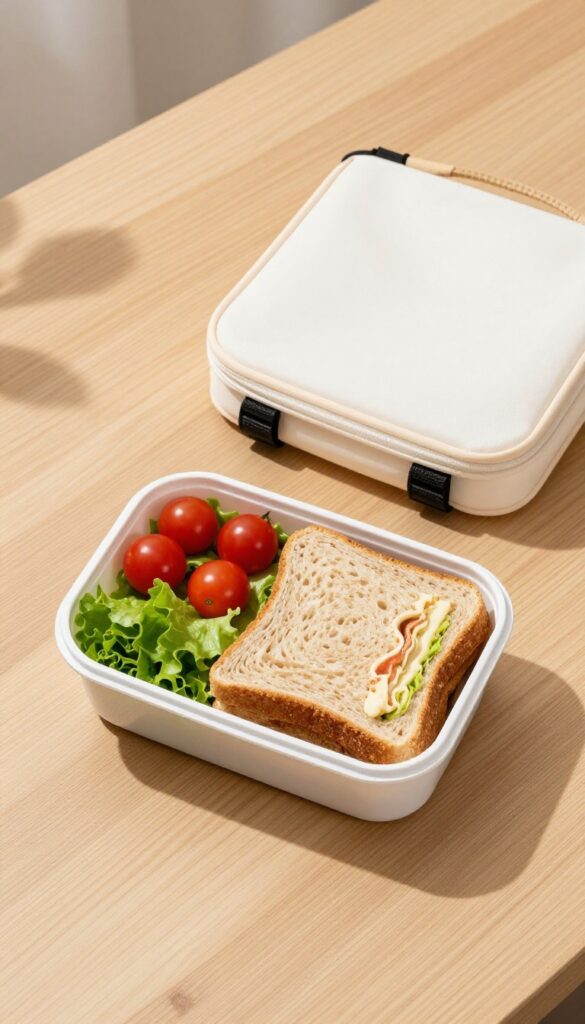
Think about how much you spend on lunch each week. A sandwich here, a salad there, maybe a coffee run. It adds up fast.
This challenge asks you to pack your lunch every single day for a set period, whether that's a week or a full month. Not only will you save money, but you'll also likely eat healthier since you control the ingredients.
The No Lunch Out Challenge is a simple way to cut a major daily expense. By preparing meals at home, you avoid the markup of restaurant food and the temptation of impulse purchases. Plus, you can use leftovers from dinner to make lunch even easier.
Why It Works
Lunch out can cost $10 to $15 per meal, while a packed lunch might be $3 to $5. Over a month, that's a savings of $200 or more. It also reduces decision fatigue—no more wandering around looking for something to eat.
How To Make It Easy
Start by planning your lunches for the week. Cook extra dinner portions and pack them the night before. Invest in a good lunch bag and reusable containers.
Keep staples like pre-washed greens, canned beans, and whole-grain bread on hand for quick assembly.
What About Social Pressure?
If coworkers invite you out, it's okay to say no. Explain you're doing a challenge. Or suggest a picnic in the park if the weather's nice.
You can still enjoy their company without spending money.
14. Hobby Freeze
Hobbies are wonderful for your soul, but they can be surprisingly expensive. Between new yarn, paint sets, or that subscription box, hobby costs add up fast. A hobby freeze means you commit to 30 days without buying any new supplies.
Instead, you dive into what you already own or explore free versions of your favorite pastimes.
This challenge is perfect for crafters, gamers, or anyone with a closet full of unused gear. You'll rediscover forgotten projects and realize you probably have enough to keep busy for months. Plus, it's a great way to break the habit of buying more before finishing what you started.
Shop Your Stash
Take inventory of your current supplies. You might find half-finished projects or materials you forgot about. Challenge yourself to use up what you have before buying anything new.
Try Free Alternatives
If you're tempted to buy something new, look for a free substitute. Borrow a book from the library instead of buying it, or watch a free tutorial online instead of purchasing a course.
Set A Reward
At the end of the 30 days, consider allowing yourself one small purchase if you stuck to the freeze. This gives you something to look forward to while building discipline.
15. The No Impulse Buy Rule
Impulse purchases are the silent budget killers. You walk in for milk and walk out with a candle, a snack, and a new phone charger you didn't need. This challenge puts a simple pause between you and the checkout button.
By waiting just 24 hours before buying anything non-essential, you give your brain time to realize that most wants aren't urgent. It's a small rule that stops a lot of regret.
This rule isn't about never buying fun stuff. It's about making sure you actually want it before you spend. The 24-hour wait works because it forces you to separate genuine needs from fleeting urges.
Most impulse buys lose their appeal by the next day. Start with a simple list. When you feel the urge to buy something that isn't a necessity, write it down with the date and price.
If after 24 hours you still want it and it fits your budget, you can consider it. But you'll be surprised how many items never make it off that list.
Why 24 Hours Works
The brain's reward system craves immediate gratification. Waiting a day interrupts that loop. Studies show that the initial excitement of a purchase fades quickly, and after 24 hours, the same item often feels less compelling.
This simple delay helps you buy only what truly matters.
How To Handle Online Shopping
Online shopping is especially dangerous because it's so easy. When you feel the urge to click "buy now, " add the item to your cart or save it to a wishlist. Then close the tab.
Set a reminder for the next day to review your cart. You'll often find you've lost interest or found a better use for the money.
What Counts As Non-essential?
Essentials are things like groceries, gas, medicine, and bills. Everything else is fair game for the 24-hour rule. That includes clothes, gadgets, home decor, takeout, and entertainment.
If you're unsure, ask yourself: "Can I live without this for one day? " If yes, it's non-essential.
16. Alcohol-Free Month
Giving up alcohol for a month is a classic money-saving challenge for good reason. The average drinker spends hundreds of dollars each month on booze, whether at bars, restaurants, or the store. Cutting it out completely frees up cash fast, and you might wake up feeling clearer and more energetic too.
This challenge is straightforward: no alcohol purchases for 30 days. That means skipping the wine with dinner, the after-work beers, and the cocktail at happy hour. The savings add up quickly, especially if you're used to buying drinks out.
How Much You Can Save
A single night out can easily cost $30 or more. Multiply that by a few weekends, and you're looking at $100–$300 saved in a month. Even if you mostly drink at home, a six-pack or bottle of wine a few times a week can total $50–$100.
Tips To Stay On Track
Stock up on tasty non-alcoholic alternatives like sparkling water, kombucha, or mocktail ingredients. Let friends know you're doing the challenge so they don't pressure you. Find a fun alcohol-free activity to replace your usual drinking routine, like a board game night or a hike.
Bonus Benefits
Besides the cash savings, you'll likely sleep better, have more energy, and maybe even lose a few pounds. Use the extra money to treat yourself to something you really want at the end of the month.
17. The No New Books Challenge

Book lovers, this one's for you. It's easy to drop $20 or more on a new release without thinking twice. But for the next 30 days, you're not buying a single new book.
Instead, you'll dive into that stack of unread books on your nightstand or make friends with your local library. You might be surprised how many great reads are already within reach.
Why It Saves Money
New books can cost anywhere from $10 to $30 each. If you buy just two a month, that's $240–$720 a year. Skipping new purchases for one month puts that cash right back in your pocket.
Plus, you'll finally make a dent in your reading backlog.
How To Make It Work
Start by cataloging all the books you already own but haven't read. Pick one to start with. If you finish it, grab another from your shelf.
Use the library for anything you're dying to read—it's free and supports your community. E-books from Libby or Hoopla also count as library reads.
What About Book Swaps?
Trading books with friends is totally allowed. It's a great way to get something new without spending money. You can also join a local book swap group or use an app like BookMooch.
Just don't let the trade turn into a purchase.
18. DIY Week
Ever notice how much you spend on things you could easily do yourself? From cooking to basic repairs, we often pay a premium for convenience. A DIY Week challenges you to handle all those little tasks at home instead of outsourcing them.
It's a crash course in self-sufficiency that can save serious cash.
For seven days, commit to doing everything yourself that you'd normally pay someone else for. That means cooking every meal, cleaning your own home, fixing minor issues, and handling your own grooming. The goal isn't perfection—it's to see how much you can accomplish with your own two hands.
Cook From Scratch
Skip takeout and restaurants entirely. Plan meals using ingredients you already have or buy in bulk. You'll be amazed at what you can whip up with a little creativity.
Bonus: you control the ingredients, so it's healthier too.
Handle Minor Repairs
Before calling a handyman, try fixing it yourself. Watch a quick YouTube tutorial for that leaky faucet or squeaky door. Most small repairs need just basic tools and a bit of patience.
You'll gain confidence and keep your money.
At-home Grooming
Skip the salon or barber for a week. Trim your own hair, do your own nails, or try a home facial. It might not be perfect, but it's free.
And you might discover a new skill you enjoy.
19. The No Vending Machine Rule
Vending machines are sneaky budget drains. That $2 soda or $1. 50 candy bar adds up fast when you're grabbing one every day.
This challenge is simple: no buying anything from a vending machine for the entire challenge period. Instead, carry a reusable water bottle and pack snacks from home. It's a small habit shift that saves you money and keeps you hydrated with healthier options.
Vending machines are everywhere—at work, school, gyms, and even laundromats. They prey on convenience and impulse. By cutting them out, you'll notice how often you reach for them out of boredom or habit, not true hunger.
Why It Works
Vending machine prices are massively marked up. A bag of chips that costs $0. 50 at the store might be $1.
50 in a machine. Over a month, even one daily purchase can add up to $45 or more. Plus, you avoid the sugar and processed ingredients.
How To Prep
Invest in a reusable water bottle and a small container for snacks like nuts, granola bars, or fruit. Keep them in your bag or desk drawer. When cravings hit, you'll have a better option ready.
Track Your Savings
Every time you resist a vending machine, put the money you would have spent into a jar or a separate savings account. At the end of the challenge, you'll have a tangible reward for your willpower.
20. Subscription Audit Month
Subscriptions are easy to sign up for and easy to forget. Streaming services, apps, gym memberships, and box deliveries can quietly drain your bank account month after month. This challenge asks you to take a hard look at every single recurring payment and decide what truly earns a spot in your budget.
For 30 days, pause or cancel any subscription you haven't used in the past week. Keep only the ones you rely on daily—like internet or a necessary software. You might be surprised how many you don't miss.
How To Start Your Audit
Grab your bank and credit card statements from the last three months. Highlight every recurring charge—even small ones. Then ask yourself: Did I use this in the last month?
Would I notice if it disappeared?
What To Cancel Vs. Pause
For services with cancellation fees or annual commitments, pausing might be smarter. For monthly subscriptions you barely touch, cancel outright. Most streaming services let you reactivate anytime.
Tracking Your Savings
Add up the total monthly cost of everything you paused or canceled. That number is your challenge win. Consider putting that saved money toward a financial goal or a one-time treat.
21. The No Spend Year (One Day at a Time)
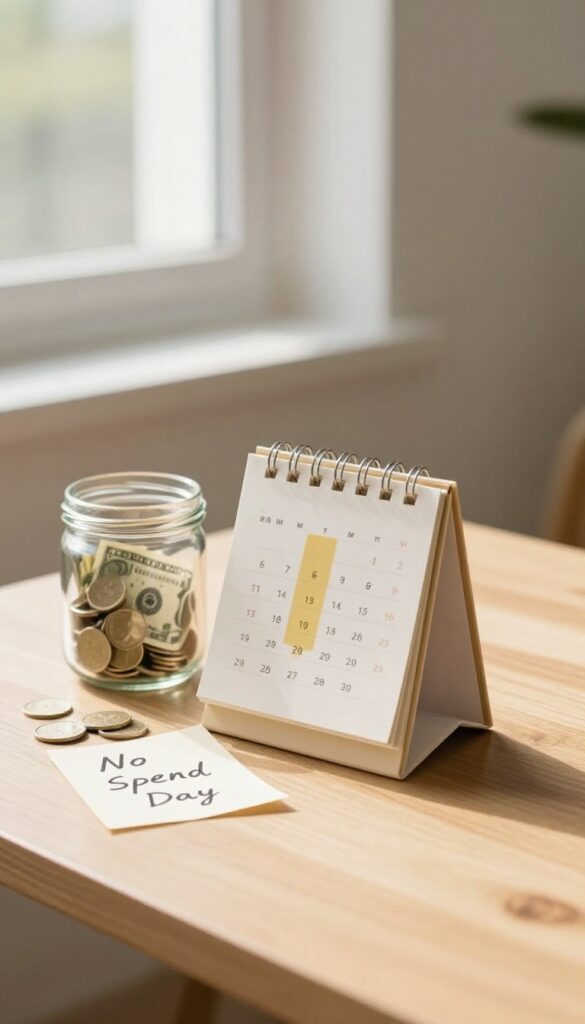
A year-long commitment sounds intimidating, but this challenge breaks it down into just one day per week. Pick one day—maybe a Tuesday or Thursday—and declare it a no spend day. No buying coffee, no online shopping, no takeout.
Just use what you already have. Over 52 weeks, that's 52 days of zero spending. It's a gentle way to build a lasting habit without the pressure of a full month or year.
The beauty of this challenge is its flexibility. If you miss a week, just start again the next. The goal isn't perfection—it's progress.
As you get comfortable, you might find yourself naturally adding more no spend days. But even sticking to one day a week will save you hundreds of dollars by year's end.
Why One Day A Week Works
Starting small prevents burnout. A single day feels doable, so you're more likely to stick with it. Plus, it gives you a weekly reset to reflect on your spending habits and identify triggers.
How To Make It Stick
Plan ahead: meal prep, fill your gas tank, and avoid browsing stores or apps on your no spend day. Tell a friend or use a habit tracker to stay accountable. Treat each successful day as a win.
Tracking Your Savings
Keep a simple note of what you would have spent. At the end of the year, add it up. You'll be amazed at how those single days compound into real savings—money that can go toward a debt, an emergency fund, or something meaningful.
FAQ
What is a no spend challenge?
A no spend challenge is a period where you avoid all non-essential spending. You still pay for bills, rent, and necessities, but cut out extras like dining out, shopping, and entertainment.
How long should a beginner's no spend challenge last?
Start with a week or a weekend. Short challenges are easier to stick with and build confidence for longer ones.
What counts as essential spending?
Essentials include rent/mortgage, utilities, groceries (basic food), transportation to work, and necessary medical expenses. Everything else is non-essential.
Can I still pay bills during a no spend challenge?
Yes. No spend challenges focus on discretionary spending, not fixed bills. Always pay your bills on time.
What if I slip up during the challenge?
Don't give up. Acknowledge the slip, learn from it, and continue the challenge. Consistency matters more than perfection.
Conclusion
These 21 no-spend challenges prove you don't need a big budget to make progress with your money. Pick just one that feels doable this week—maybe a pantry-only meal day or a free evening walk instead of shopping. That single small win builds confidence and shows you what's possible.
Start with the easiest idea on this list and see where it takes you. Your future self will thank you for the cushion you're building right now.
Free PDF Download
Not Sure Which Side Hustle Fits You Best?
Take the free Side Hustle Matchmaker Quiz and get a simple 7-day starter plan to help you choose a beginner-friendly idea based on your time, skills, comfort level, and goals.
You’ll get this free PDF plus access to the full Marketerna Save More & Earn More PDF Kit. No spam. Unsubscribe anytime.