15 Frugal Daily Routine Ideas to Spend Less Without Stress
Saving money doesn't have to mean overhauling your life or feeling deprived. The best frugal habits are the ones that blend into your day so smoothly you barely notice them. You just end up with more cash at the end of the month.
These 15 ideas are designed to reduce spending without adding mental load. They're small shifts that create real impact over time. You'll see the payoff in your bank account and your peace of mind.
No complicated budgets or extreme sacrifices here. Just practical, everyday tweaks that make frugality feel natural and even enjoyable.

Free PDF Download
Not Sure Which Side Hustle Fits You Best?
Take the free Side Hustle Matchmaker Quiz and get a simple 7-day starter plan to help you choose a beginner-friendly idea based on your time, skills, comfort level, and goals.
You’ll get this free PDF plus access to the full Marketerna Save More & Earn More PDF Kit. No spam. Unsubscribe anytime.
1. Brew Your Own Coffee (and Make It a Ritual)

A daily coffee run adds up fast. That $5 latte becomes $150 a month—enough for a nice dinner out or a small emergency fund. But giving it up doesn't mean suffering through instant coffee.
The trick is to turn home brewing into something you actually look forward to.
Invest in a quality mug that feels good in your hands and a bag of beans you love. The morning ritual—grinding, brewing, sipping—becomes a calm moment before the day starts. You save $3–$5 per cup, and you might even enjoy it more than the rushed coffee shop version.
Pick Your Brew Method
You don't need a fancy espresso machine. A simple French press or pour-over cone costs under $20 and makes excellent coffee. Choose a method that fits your morning pace.
French press takes 4 minutes; pour-over about 3. Both beat waiting in line.
Buy Beans In Bulk
Whole beans stay fresh longer and cost less per cup when bought in larger bags. Look for local roasters or online subscription services that offer discounts for bulk orders. Store them in an airtight container away from light and heat.
Make It A Ritual, Not A Chore
Light a candle, play a favorite song, or sit by a window while you sip. Pair your coffee with a few minutes of quiet reading or journaling. When the experience feels special, you won't miss the coffee shop atmosphere.
2. Pack a No-Waste Lunch
Lunch out can quietly drain your budget. A sandwich and a drink from the deli might seem harmless, but five days a week adds up to hundreds of dollars a year. The fix is simple: bring your own meal from home.
And the smartest way to do that costs almost nothing.
Start by cooking a little extra dinner on purpose. Leftover pasta, stir-fry, or roasted vegetables make a perfect next-day lunch. You've already paid for the ingredients and done the work.
Just scoop into a reusable container and you're set. No extra grocery run, no prep time, no money spent.
Choose Reusable Containers
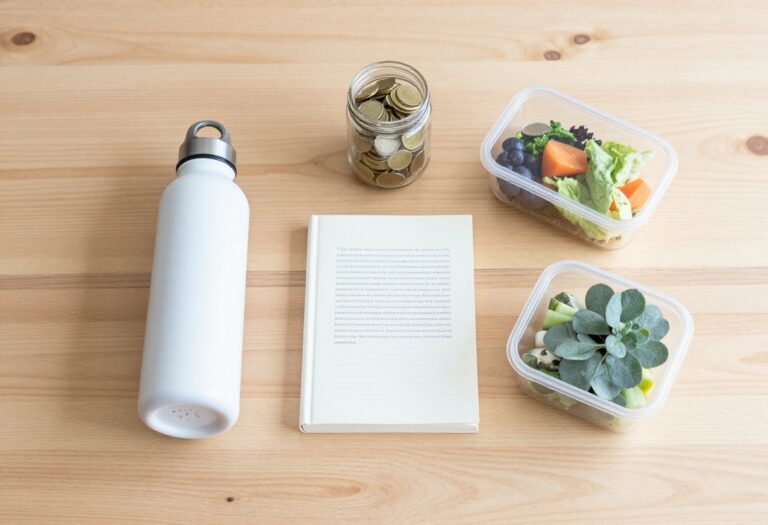
Invest in a good set of glass or BPA-free plastic containers with tight lids. They last for years and eliminate the need for disposable baggies and plastic wrap. Wash them right after lunch so they're ready for the next day.
A small upfront cost saves a steady stream of waste and cash.
Make It A Habit
Pack your lunch the night before while cleaning up dinner. This five-minute routine prevents morning scramble and last-minute takeout decisions. Keep a reusable water bottle and utensils in your bag so you're never tempted to buy single-use items.
Free PDF Download
Not Sure Which Side Hustle Fits You Best?
Take the free Side Hustle Matchmaker Quiz and get a simple 7-day starter plan to help you choose a beginner-friendly idea based on your time, skills, comfort level, and goals.
You’ll get this free PDF plus access to the full Marketerna Save More & Earn More PDF Kit. No spam. Unsubscribe anytime.
3. Walk or Bike for Short Trips
Think about how many times you hop in the car for a quick errand that's less than a mile or two. The grocery run for one item. Dropping off a package.
Picking up takeout. Those short trips burn more gas per mile than highway driving and add unnecessary wear and tear. Walking or biking instead saves you money and gives you a little fresh air and movement—no gym required.
The Two-mile Rule
Set a personal rule: if the destination is under two miles, you walk or bike. That covers most coffee shops, pharmacies, banks, and small grocery runs. Over a month, skipping just ten two-mile car trips saves roughly $5 to $10 in gas alone—plus you avoid adding miles to your car's maintenance schedule.
Make It Easy To Choose
Keep your bike ready to go—tires pumped, basket attached. Have a comfortable pair of walking shoes by the door. If you're worried about arriving sweaty, plan for it: bring a change of shirt or choose a bike with a relaxed pace.
The fewer barriers, the more likely you'll actually do it.
Double Up Your Trips
Combine a short errand with a walk you'd take anyway. Need to mail a letter? Walk to the post office and loop through the park on the way back.
Picking up a prescription? Bike there and swing by the library. You're not adding time—you're just swapping the car for movement.
4. Use a 24-Hour Rule for Non-Essential Purchases
Impulse buys are budget killers. That cute mug, the latest gadget, or a random sale item feels urgent in the moment. But most of the time, the urge fades fast.
A simple 24-hour pause stops regret before it happens.
When you spot something you want but don't need, wait a full day. If you still want it tomorrow, consider it. More often than not, you'll forget about it or realize it wasn't worth it.
Why 24 Hours Works
Your brain's reward system craves instant gratification. Waiting breaks that spell. After a day, the emotional high drops, and logic takes over.
You see the item clearly—cost, usefulness, and whether it fits your life.
How To Make It Stick
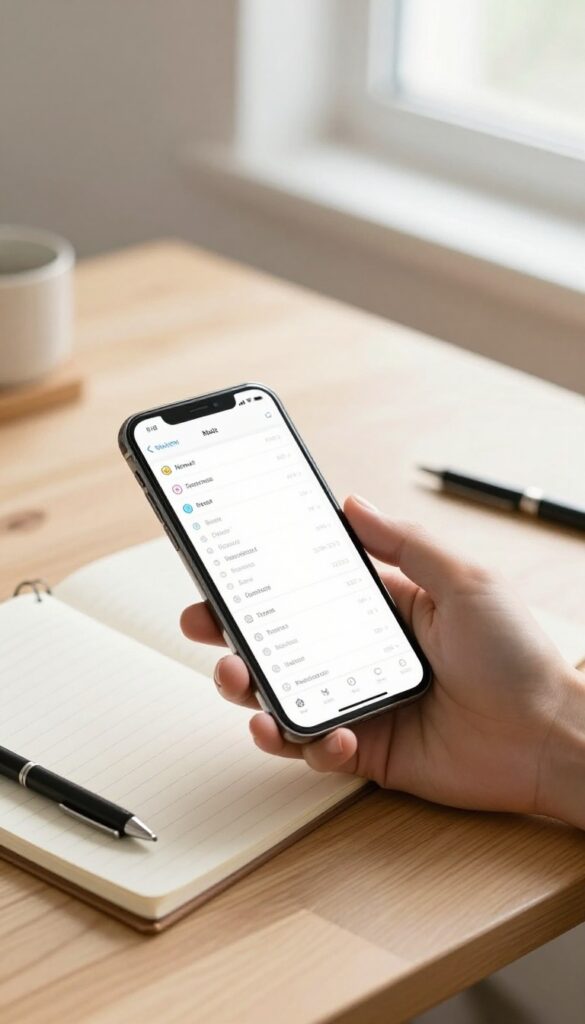
Keep a note on your phone or a small notebook. When you want something, write it down with the date and price. Review the list after 24 hours.
Delete or buy. This simple habit trains your brain to pause automatically.
Exceptions To The Rule
This rule applies to non-essentials only. Groceries, medicine, and urgent needs don't wait. But for everything else—clothes, decor, gadgets, treats—the 24-hour rule is your best defense against impulse spending.
Free PDF Download
Not Sure Which Side Hustle Fits You Best?
Take the free Side Hustle Matchmaker Quiz and get a simple 7-day starter plan to help you choose a beginner-friendly idea based on your time, skills, comfort level, and goals.
You’ll get this free PDF plus access to the full Marketerna Save More & Earn More PDF Kit. No spam. Unsubscribe anytime.
5. Cook One Extra Portion at Dinner
Dinner is often the biggest meal of the day, so why not make it work double duty? By cooking just a little more than you need, you can create a ready-made lunch or a backup meal for hectic evenings. This simple habit cuts down on takeout cravings and stops leftovers from going to waste.
When you plate your dinner, immediately pack the extra portion into a container. Pop it in the fridge for tomorrow's lunch or freeze it for a night when you're too tired to cook. That single extra serving can save you $5–$10 each time you'd otherwise buy lunch or order in.
Over a month, those savings add up fast.
Choose Recipes That Scale Well
Stir-fries, pasta dishes, soups, and casseroles are perfect for this trick. They reheat beautifully and taste just as good the next day. Avoid recipes with delicate textures like crispy fried foods or fresh salads—they don't hold up as well.
Make It A Non-negotiable Step
Right after serving dinner, pack the extra portion before you sit down to eat. If you wait until after the meal, you're more likely to skip it or eat the leftovers as seconds. A little discipline in the moment makes the habit stick.
6. Unplug Electronics When Not in Use
That little glow from your TV standby light? It's costing you. Electronics draw power even when they're off—called phantom or vampire energy.
It might not seem like much, but add up all the chargers, game consoles, and kitchen gadgets, and you're paying for electricity you're not even using. Unplugging is one of the easiest ways to trim your bill without changing your habits.
The Biggest Energy Vampires
Some devices are worse than others. Cable boxes, DVRs, and gaming consoles can use nearly as much power in standby as when they're on. Phone chargers left plugged in draw a small trickle, but it adds up over a year.
Focus on the big offenders first: entertainment centers, home offices, and kitchen counters with coffee makers and toasters.
Make It Easy With Power Strips
Plug multiple devices into one power strip and switch it off when you leave the room or go to bed. Smart strips even cut power to peripherals when the main device is off. No more crawling behind furniture to unplug each thing.
It's a one-click solution that saves you money without effort.
Create A Unplugging Routine
Get in the habit of unplugging chargers once your phone is full. Before bed, do a quick sweep of the living room and kitchen. You can even put sticky notes on your TV or coffee maker as reminders.
After a week, it becomes second nature—and you'll see a small dip in your next electric bill.
7. Make Your Own Cleaning Supplies
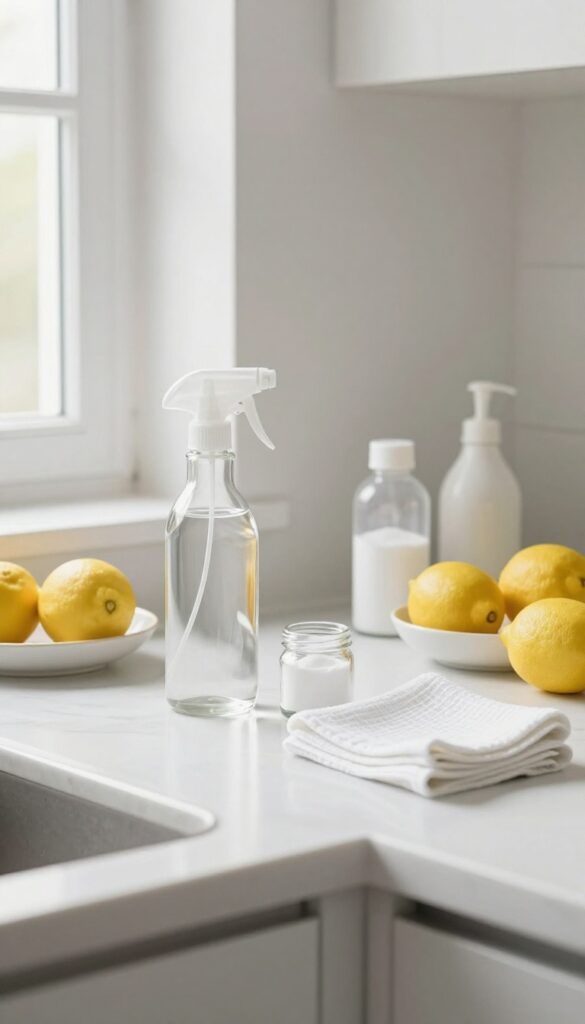
Store-bought cleaners can cost a small fortune, especially if you're buying different ones for every surface. The good news is you probably already have everything you need to make effective, non-toxic cleaners at home. A simple mix of vinegar, baking soda, and lemon juice handles most household cleaning.
It costs pennies per batch and avoids harsh chemicals.
The basic ingredients are cheap and versatile. White vinegar cuts grease and kills bacteria. Baking soda scrubs away grime and deodorizes.
Lemon juice adds a fresh scent and boosts cleaning power. You can mix them in different ratios for different jobs. A spray bottle of diluted vinegar is perfect for countertops, while a paste of baking soda and water cleans sinks and tubs.
All-purpose Cleaner
Mix equal parts water and white vinegar in a spray bottle. Add a few drops of lemon juice for scent. Use this on kitchen counters, bathroom surfaces, and windows.
Avoid using on natural stone like granite or marble, as vinegar can etch the surface.
Scrubbing Paste
Combine baking soda with just enough water or lemon juice to form a thick paste. Apply to sinks, tubs, and stovetops. Let it sit for a few minutes, then scrub with a sponge.
Rinse well. This paste is gentle enough for most surfaces but tough on grime.
Glass Cleaner
Mix two cups of water, 1/4 cup of white vinegar, and a tablespoon of cornstarch in a spray bottle. Shake well before each use. Spray on mirrors and windows, then wipe with a microfiber cloth.
The cornstarch helps prevent streaks.
8. Plan Your Meals Around Sales and Pantry Staples
Grocery shopping can feel like a guessing game, but it doesn't have to be. The trick is to let the weekly sales flyers and your pantry lead the way. When you build meals around what's already on your shelves and what's discounted, you cut down on waste and avoid those expensive last-minute runs.
Start by checking the weekly ads for your local stores. Look for proteins, produce, and pantry items that are marked down. Then, take a quick inventory of what you already have—canned goods, pasta, rice, spices.
Combine these with the sale items to create a loose meal plan for the week. You'll be surprised how many meals you can make with a few key ingredients.
Shop Your Pantry First
Before you even look at a flyer, open your cabinets and fridge. Make a list of everything that needs to be used up soon. This is your starting point.
Then, when you see a sale on chicken or tomatoes, you can plan meals that incorporate those pantry staples. It reduces food waste and saves money.
Build A Flexible Menu
Instead of planning every meal rigidly, create a flexible menu. For example, if ground beef is on sale, you can plan tacos one night, spaghetti the next, and a stir-fry later. This way, you're not tied to a specific recipe, and you can swap ingredients based on what you have.
It makes grocery shopping easier and less stressful.
Stock Up Strategically
When a staple you use often goes on sale, buy extra. Canned tomatoes, rice, pasta, and frozen vegetables have a long shelf life. Stocking up when prices are low means you always have a base for meals, and you'll rarely need to pay full price.
Just be careful not to overbuy—only get what you'll realistically use.
9. Use a Library Card for Entertainment

Your local library is a goldmine of free entertainment. Beyond books, most libraries offer movies, music, audiobooks, and even video games. Many have digital lending apps like Libby or Hoopla, so you can borrow ebooks and stream films from your couch.
It's one of the easiest ways to cut entertainment costs without cutting fun.
A library card costs nothing to get and saves you hundreds each year. Instead of buying books or renting movies, borrow them for free. Libraries also host free events like author talks, craft workshops, and movie nights.
It's a no-brainer for frugal living.
Digital Borrowing
Apps like Libby and Hoopla let you borrow ebooks, audiobooks, and stream movies and music directly to your device. No late fees, no trips to the library. Just instant access to a huge catalog for free.
Free Events And Workshops
Libraries often host free classes, book clubs, and kids' activities. Check their calendar for events that match your interests. It's free learning and entertainment in one.
Beyond Books
Many libraries lend more than media: board games, puzzles, tools, even kitchen gadgets. Some have seed libraries or museum passes. Ask your librarian what's available.
10. Set a Weekly 'No-Spend Day'
Picking one day a week to spend absolutely nothing is a surprisingly effective way to save. It's not about deprivation—it's about giving yourself a break from the constant urge to buy. You might discover how much you already have at home.
Choose a day that works for your schedule, like a Tuesday or Sunday. Plan ahead by making sure you have groceries, gas, and any essentials before that day arrives. On your no-spend day, get creative with what you already own—cook from pantry staples, watch a movie you already have, or go for a walk.
The challenge builds awareness of your spending habits and often becomes something you look forward to.
How To Pick Your Day
Look at your weekly routine and choose a day when you're least likely to need to buy anything. For many, that's a weekend day when you're home. Avoid days when you know you'll be out running errands or meeting friends for coffee.
What To Do Instead Of Spending
Use the day to enjoy free activities: read a book, try a new recipe with ingredients you have, do a DIY project, or have a game night. The key is to replace the shopping habit with something equally enjoyable.
Make It A Family Challenge
Get your household involved. Turn it into a fun game—see who can come up with the best free activity. Kids often love the creativity of it, and it teaches them valuable lessons about money without feeling like a lecture.
11. DIY Your Morning Coffee Creamer
If you're a daily coffee drinker, flavored creamers can quietly eat into your budget. A bottle here and there adds up fast, and most are packed with oils, thickeners, and artificial flavors. Making your own creamer at home is cheaper, cleaner, and takes just a few minutes.
Skip the store-bought bottles and whip up a simple vanilla creamer that tastes even better. All you need is three ingredients: milk, sweetened condensed milk, and vanilla extract. Mix one cup of milk with half a can of condensed milk and a teaspoon of vanilla.
Shake or stir well, and you've got a week's worth of creamer for pennies per serving. Adjust the sweetness by adding more or less condensed milk, or try different extracts like almond or hazelnut for variety.
Why Homemade Wins
Store-bought creamers often contain hydrogenated oils, carrageenan, and high fructose corn syrup. Your homemade version has just real milk, sugar, and vanilla. You control the ingredients and the sweetness level.
Plus, a batch costs about a third of what you'd pay for a comparable store-brand bottle.
Flavor Variations To Try
Once you master the basic recipe, experiment with flavors. Add a pinch of cinnamon or nutmeg for a warm spice note. Use coconut milk instead of dairy for a tropical twist.
Or stir in a tablespoon of cocoa powder for a mocha creamer. Each variation costs just cents more and keeps your morning routine interesting.
Storage Tips
Pour your creamer into a clean glass jar or bottle and refrigerate. It stays fresh for about a week. Give it a shake before each use since the condensed milk can settle.
If you make a larger batch, freeze extra in an ice cube tray and pop a cube into your coffee later.
12. Use Cash Envelopes for Variable Expenses
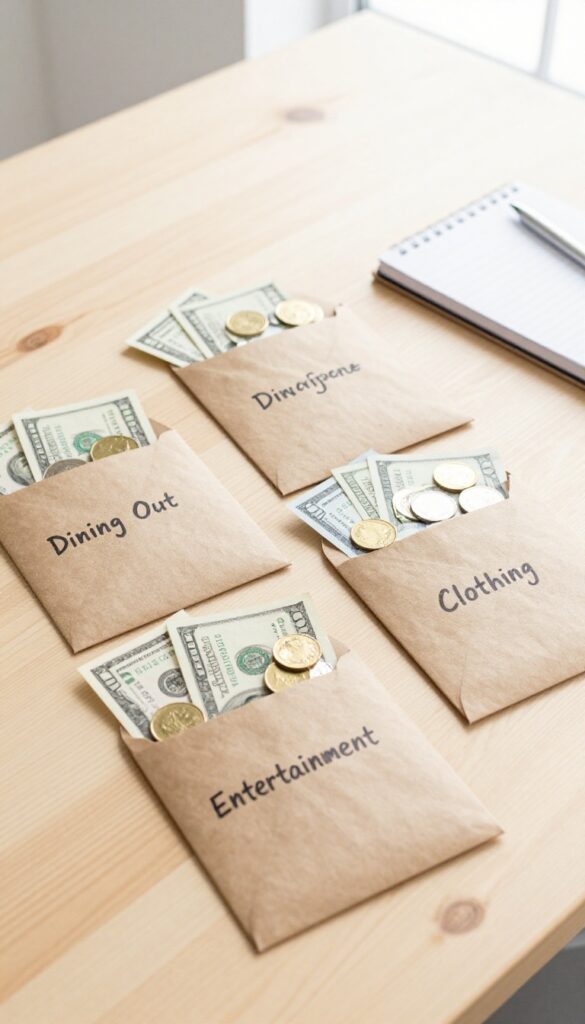
Plastic is painless until the bill arrives. That's where cash envelopes come in. By pulling out physical money for categories like dining out, entertainment, or clothing, you create a natural spending limit.
When the envelope runs out, you stop. No guilt, no math.
Pick Your Categories
Start with one or two areas where you tend to overspend. Dining out and entertainment are common culprits. Withdraw a set amount of cash each week or month for each category.
Keep the envelopes in your wallet or a dedicated pouch.
Make It A Ritual
Set aside five minutes every Sunday to refill your envelopes. This small habit keeps you connected to your spending without feeling like a chore. You'll start to see patterns and naturally adjust amounts over time.
What To Do With Leftover Cash
If you have money left at the end of the period, roll it into next month or add it to savings. This little win feels great and reinforces the habit. You're not restricting yourself—you're just choosing where your money goes.
13. Repair Before Replacing
That torn shirt or wonky blender might not be ready for the landfill just yet. Before you hit "add to cart" on a replacement, take a moment to see if a simple fix can save the day. A few basic tools and a little patience can keep your money where it belongs—in your pocket.
Repairing instead of replacing is one of the most satisfying frugal habits. It saves cash, reduces waste, and gives you a sense of accomplishment. Plus, you often end up with a sturdier item than the new version you'd buy.
Start With The Basics
Keep a small sewing kit, super glue, and a basic screwdriver set handy. Most common repairs—like a loose button, a cracked handle, or a wobbly leg—take less than ten minutes and cost pennies. YouTube is your best friend here; search for the specific problem and you'll likely find a step-by-step tutorial.
Know When To Let Go
Not everything is worth fixing. If the repair costs more than half the price of a new item, or if the item is unsafe (like a frayed electrical cord), it's time to replace. But for most everyday stuff, a quick fix extends its life by months or years.
Build A Repair Mindset
Before you toss something, ask yourself: "Can I fix this in under 30 minutes? " If yes, give it a shot. Over time, you'll get faster and more confident.
You'll also start noticing how many things are designed to be repaired—if only we take the time.
14. Turn Off Lights and Use Natural Light
This might sound too simple to matter, but flipping switches is one of the easiest ways to shave dollars off your electric bill. Natural light is free, feels great, and makes your home look bigger and more inviting. Once you get in the habit, you'll wonder why you ever had lamps on at noon.
The Dollar Impact
Lighting can account for about 10-15% of your home's electricity use. By relying on daylight for most of the day, you can cut that chunk significantly. Even turning off lights in empty rooms for just a few hours a day adds up to real savings over a month.
Make It A Habit
Start with one room: the living room or kitchen. Open curtains fully in the morning and leave lights off until dusk. Put a sticky note on the light switch as a reminder.
After a week, it'll feel automatic.
Bonus Mood Boost
Natural light improves your mood, helps regulate your sleep cycle, and makes your space feel more open. You're not just saving money—you're creating a more pleasant home environment without spending a cent.
15. Practice a 'One In, One Out' Rule for Clutter

Every new purchase comes with hidden costs—not just the price tag, but the space it takes up, the time spent organizing it, and the mental clutter it adds. The 'one in, one out' rule is a simple way to keep your home streamlined and your spending in check. By committing to remove one item for every new one you bring in, you naturally become more selective about what you buy.
That impulse purchase loses its appeal when you have to part with something you already own. It's a gentle but powerful brake on unnecessary spending.
Why It Works
The rule forces you to confront the real cost of a new item. You can't just swipe a card and forget—you have to physically choose what leaves. That extra step makes you pause and ask, "Do I want this enough to give up something else?
" Most of the time, the answer is no. Over time, your home stays clutter-free without expensive storage bins or shelving units. You save money on both the things you don't buy and the organizing solutions you don't need.
How To Start
Pick one category to begin with—clothing, books, or kitchen gadgets work well. For each new item you bring home, find one to donate, sell, or recycle. Keep a donation box handy so the outgoing item leaves quickly.
Don't stress about perfect balance. If you buy a pair of shoes, you don't need to donate shoes specifically. Any item that's no longer serving you counts.
The goal is progress, not precision.
Long-term Benefits
After a few months, you'll notice a shift in your shopping mindset. You start valuing experiences over things and feel less tempted by sales or trends. Your home becomes easier to clean and more peaceful to live in.
Plus, donating or selling items gives them a second life. You might even earn a little cash from things you no longer use. It's a win for your wallet, your space, and the planet.
FAQ
How much can I realistically save with these frugal habits?
It varies, but many people save $200–$500 per month by adopting just a handful of these ideas. The key is consistency—small daily savings add up fast.
Do I have to do all 15 ideas to see results?
Not at all. Pick 3–5 that fit your lifestyle and start there. Even one or two changes can make a noticeable difference in your spending.
Will these habits make me feel deprived?
No, the focus is on stress-free saving. Most of these ideas replace spending with simple, satisfying routines—like brewing coffee at home or walking instead of driving.
How do I stay motivated to keep these habits long-term?
Track your savings weekly and reward yourself with a small treat (like a movie night at home). Seeing the numbers grow is motivating enough for many.
Can I combine these ideas with a budget?
Absolutely. These habits support any budget by reducing everyday expenses. They work especially well with a zero-based or envelope budgeting system.
Conclusion
Saving money doesn't mean overhauling your entire life. These 15 ideas show that small, intentional tweaks to your daily routine can add up to real savings without the stress.
Pick one or two that feel doable and start there. Over time, these tiny habits become second nature—and your wallet will thank you.
Free PDF Download
Not Sure Which Side Hustle Fits You Best?
Take the free Side Hustle Matchmaker Quiz and get a simple 7-day starter plan to help you choose a beginner-friendly idea based on your time, skills, comfort level, and goals.
You’ll get this free PDF plus access to the full Marketerna Save More & Earn More PDF Kit. No spam. Unsubscribe anytime.