23 Frugal Living Ideas for Beginners Who Want to Spend Less
You've decided to spend less, but where do you actually start? Frugal living isn't about deprivation—it's about making intentional choices that align with your financial goals. The good news is that small changes add up fast.
Many beginners overcomplicate budgeting or try extreme cutbacks that don't stick. Instead, focus on simple, repeatable habits that save money without feeling like a sacrifice. These 23 ideas are designed to be practical, not painful.
Whether you're tackling grocery bills, utility costs, or entertainment expenses, there's something here for you. Pick a few that resonate and start there. Consistency matters more than perfection.

Free PDF Download
Not Sure Which Side Hustle Fits You Best?
Take the free Side Hustle Matchmaker Quiz and get a simple 7-day starter plan to help you choose a beginner-friendly idea based on your time, skills, comfort level, and goals.
You’ll get this free PDF plus access to the full Marketerna Save More & Earn More PDF Kit. No spam. Unsubscribe anytime.
1. Cook One Extra Meal Each Week

The easiest way to cut food spending without overhauling your kitchen routine is to cook one extra meal from scratch each week. That single swap—replacing a takeout order or a frozen dinner with a home-cooked dish—can save you hundreds over a year. It's not about becoming a gourmet chef; it's about building a simple habit that pays off.
Start With A Meal You Already Love
Pick a dish you already enjoy eating out, like pasta with marinara or a simple stir-fry. Look up a quick recipe and make it at home. You'll likely spend half of what you would at a restaurant, and you can control the ingredients.
Batch Cook For Leftovers
Double the recipe and store the extra portions for busy nights. Having ready-to-eat meals in the fridge or freezer means you're less tempted to order delivery when you're tired. That second meal is essentially free.
Track Your Savings
Note how much you spent on ingredients versus what a takeout version would have cost. Seeing the actual difference—often $10 to $15 per meal—reinforces the habit and motivates you to keep going.
2. Use the 24-Hour Rule for Non-Essential Purchases
Impulse buys are budget killers. That flashy gadget or trendy top feels urgent in the moment, but most of the time, the urge fades fast. The 24-hour rule gives you a cooling-off period to separate wants from needs.
Before buying anything that isn't a necessity, pause for a full day. This simple delay helps you avoid regret and keeps more money in your pocket. You'll be surprised how many purchases seem unnecessary after a good night's sleep.
How It Works
When you feel the urge to buy something non-essential, add it to a list or cart and set a reminder for 24 hours later. After the wait, ask yourself: Do I still want this? Do I have a real use for it?
Can I afford it without stress? Often, the answer is no.
Why It's Effective
The rule exploits the natural decline of desire. Retailers rely on impulse triggers like limited-time offers or flash sales. Waiting removes that pressure, letting logic catch up with emotion.
Over time, you'll notice fewer impulse buys and more intentional spending.
Tips For Success
Keep a running wishlist on your phone. Use it to track items you've waited on. If you still want something after a week, consider it more seriously.
For online shopping, leave items in your cart overnight—many stores even send a discount code to close the sale.
Free PDF Download
Not Sure Which Side Hustle Fits You Best?
Take the free Side Hustle Matchmaker Quiz and get a simple 7-day starter plan to help you choose a beginner-friendly idea based on your time, skills, comfort level, and goals.
You’ll get this free PDF plus access to the full Marketerna Save More & Earn More PDF Kit. No spam. Unsubscribe anytime.
3. Audit Your Subscriptions Quarterly
It's easy to lose track of all the monthly subscriptions floating around your bank statements. A streaming service here, a fitness app there, a box of snacks you forgot you signed up for. Before you know it, you're paying for things you barely use.
A quick quarterly checkup can save you hundreds without changing your lifestyle.
Set a recurring calendar reminder every three months to review your bank and credit card statements for recurring charges. Look for services you haven't used in the past month or that you forgot existed. Cancel them on the spot.
Many services make it easy to sign up but harder to cancel, so be persistent. If you're unsure, pause the subscription for a month and see if you miss it.
Where To Look
Start with your bank and credit card statements. Go back at least three months and highlight every recurring charge. Don't forget app store subscriptions, Patreon, or cloud storage.
You'll often find duplicates or services you meant to cancel.
How To Decide What Stays
Ask yourself: Did I use this in the last 30 days? Would I pay the full price today if I didn't already have it? If the answer is no, cancel.
For services you use occasionally, consider downgrading to a free tier or sharing a family plan.
Make It A Habit
Set a recurring calendar reminder for the first week of every quarter. Use a tool like Rocket Money or Trim to track subscriptions automatically. The goal isn't to eliminate all fun spending—just to stop paying for things that don't add value.
4. Switch to a Cash Envelope System for Variable Expenses
A cash envelope system might sound old-fashioned, but it's one of the most effective ways to control variable spending. By using physical cash for categories like dining out, entertainment, or clothing, you create a natural spending limit. When the envelope is empty, you stop spending in that category – no excuses.
This method works because it makes spending tangible. Swiping a card feels abstract, but handing over cash feels real. You'll think twice before pulling out that last $20 for a coffee run.
How To Set It Up
Start by identifying two or three variable categories you overspend on most. Withdraw cash for each category after payday and put it in labeled envelopes. Leave debit and credit cards at home for those categories.
What To Do When The Envelope Is Empty
That's it – no more spending in that category until next pay cycle. It forces you to prioritize and get creative. Maybe you cook at home instead of ordering takeout, or find free entertainment.
Why It Works For Beginners
Cash envelopes are simple and visual. There's no app to learn, no spreadsheet to update. You see exactly how much you have left, which makes it easy to stick to your budget without feeling deprived.
Free PDF Download
Not Sure Which Side Hustle Fits You Best?
Take the free Side Hustle Matchmaker Quiz and get a simple 7-day starter plan to help you choose a beginner-friendly idea based on your time, skills, comfort level, and goals.
You’ll get this free PDF plus access to the full Marketerna Save More & Earn More PDF Kit. No spam. Unsubscribe anytime.
5. Master the Art of Meal Planning

Meal planning is a game-changer for your wallet. Instead of staring blankly into the fridge every evening, you'll have a clear plan based on what's on sale and what you already have. This simple habit slashes food waste and eliminates those desperate takeout orders that blow your budget.
Start With Sales And Pantry
Check your grocery store's weekly ad before planning. Build meals around discounted proteins and produce, then supplement with pantry staples like rice, pasta, and canned goods. This approach keeps your list short and your bill low.
Batch Cook For Busy Days
Dedicate a couple of hours on the weekend to prep ingredients or cook full meals. Portion them into containers for grab-and-go lunches or quick dinners. You'll avoid the temptation of ordering pizza when you're tired.
Use A Template To Save Time
Create a rotating menu of 5-10 favorite meals that use affordable ingredients. Themes like Meatless Monday, Taco Tuesday, or Stir-Fry Thursday simplify decision-making. Swap in seasonal veggies to keep it fresh without extra cost.
6. Lower Your Utility Bills with Simple Adjustments
Utility bills can eat up a surprising chunk of your monthly budget, but you don't need a home renovation to bring them down. A few tiny tweaks—like swapping bulbs or unplugging idle gadgets—can shave dollars off your electric and gas bills without any sacrifice. These changes are so easy you'll barely notice them, but your bank account will.
Start by replacing your most-used light bulbs with LEDs. They use up to 75% less energy and last years longer. Next, get in the habit of unplugging electronics when they're not in use—phone chargers, game consoles, and coffee makers still draw power even when off.
Finally, adjust your thermostat: lower it by 3 degrees in winter and raise it by 3 degrees in summer. Programmable or smart thermostats make this automatic.
Switch To Led Bulbs
LED bulbs cost a bit more upfront, but they pay for themselves within months. They use a fraction of the energy of incandescent bulbs and last up to 25 times longer. Focus on the lights you use most—living room, kitchen, and bedroom—and swap them out gradually.
Unplug Vampire Electronics
Many devices keep sipping electricity even when turned off. This "vampire" energy can add 10% to your bill. Unplug chargers, laptops, and kitchen appliances when not in use, or plug them into a power strip and flip it off at night.
Tweak Your Thermostat Settings
You won't notice a few degrees difference, but your wallet will. Set your thermostat to 68°F (20°C) in winter and 78°F (26°C) in summer. A programmable thermostat can adjust temperatures automatically while you're asleep or away, saving even more.
7. Embrace Free or Low-Cost Entertainment
Entertainment doesn't have to drain your wallet. In fact, some of the best experiences are free or nearly free. Shifting your mindset from spending to exploring can open up a world of fun without the financial hangover.
Start by checking your local library—it's not just for books. Many libraries lend movies, video games, musical instruments, and even tools. They also host free workshops, book clubs, and children's storytimes.
Next, look into community events like outdoor concerts, farmers' markets, or art walks. These are often free and give you a chance to connect with neighbors. Finally, don't underestimate nature.
Hiking, biking, or simply walking in a local park costs nothing and boosts your mood.
Library Treasures Beyond Books
Your library card is a goldmine. Borrow DVDs, audiobooks, and magazines. Many libraries offer free streaming services like Kanopy or Hoopla.
Some even have passes to museums and state parks. Check their event calendar for free classes and meetups.
Community Events And Festivals
Town calendars are packed with free fun: summer concert series, movie nights in the park, holiday parades, and street fairs. Follow your city's social media pages or visit the local visitor center to stay in the loop. These events often have free samples and activities too.
Outdoor Adventures On A Budget
Hiking trails, nature preserves, and national forests are often free or have a small parking fee. Geocaching turns a walk into a treasure hunt. Camping in a tent can be surprisingly cheap—many state parks have sites for under $20 a night.
8. Practice the 'No-Spend Day' Challenge
One of the simplest ways to reset your spending habits is to declare a no-spend day. Pick one or two days each week where you commit to spending zero money. No coffee runs, no online shopping, no takeout.
It sounds easy, but you'll quickly notice how often you reach for your wallet out of habit. This challenge builds awareness and helps you distinguish between wants and needs.
Start small—choose one day this week. Plan ahead by prepping meals, filling your gas tank, and grabbing cash if needed. The goal isn't perfection; it's to notice your spending triggers.
Over time, you can expand to a no-spend weekend or even a full week. The money you save adds up, and you'll gain a sense of control over your finances.
How To Pick Your No-spend Days
Choose days when you're least likely to be tempted. For many, that's a weekday when you're at work or busy with routines. Avoid days when you know you'll be out with friends or running errands.
Start with just one day and see how it feels.
What Counts As Spending?
Only essential bills like rent, utilities, and pre-scheduled payments are allowed. Everything else—snacks, entertainment, gas, even a bottle of water—is off-limits. If you're unsure, ask yourself: 'Can this wait until tomorrow? ' If yes, skip it.
Make It Fun And Rewarding
Turn no-spend days into a game. Track your streak on a calendar or with a friend. At the end of the month, put the money you saved into a savings account or treat yourself to something meaningful (but free).
The satisfaction of seeing your savings grow is its own reward.
9. Buy Generic or Store Brands
Brand loyalty costs money. Store brands often use the same suppliers as name brands, just with simpler packaging. You can save 20–30% on average without sacrificing quality.
Start with basics like rice, pasta, and canned goods—items where taste differences are minimal.
The savings add up fast. A weekly grocery trip switching five staple items to store brand could save you $10–15. Over a year, that's $500–750.
And many store brands now offer organic or specialty options too.
What To Buy Generic First
Pantry staples are the safest bet: flour, sugar, salt, baking soda, oats, and spices. Canned vegetables, beans, and tomatoes are nearly identical. Frozen fruits and vegetables are also great—they're flash-frozen at peak ripeness, often cheaper than fresh.
What To Skip
Some items are worth the brand name. Ketchup, mayonnaise, and peanut butter can taste noticeably different. Also, check labels on cleaning products—some generics have different formulas.
For electronics or batteries, stick with trusted brands to avoid performance issues.
How To Test Without Risk
Buy one generic item alongside your usual brand. Do a blind taste test at home with family. If no one notices the difference, you've found a permanent swap.
If not, you're only out a dollar or two. Repeat with other products over time.
10. Repair Before Replacing
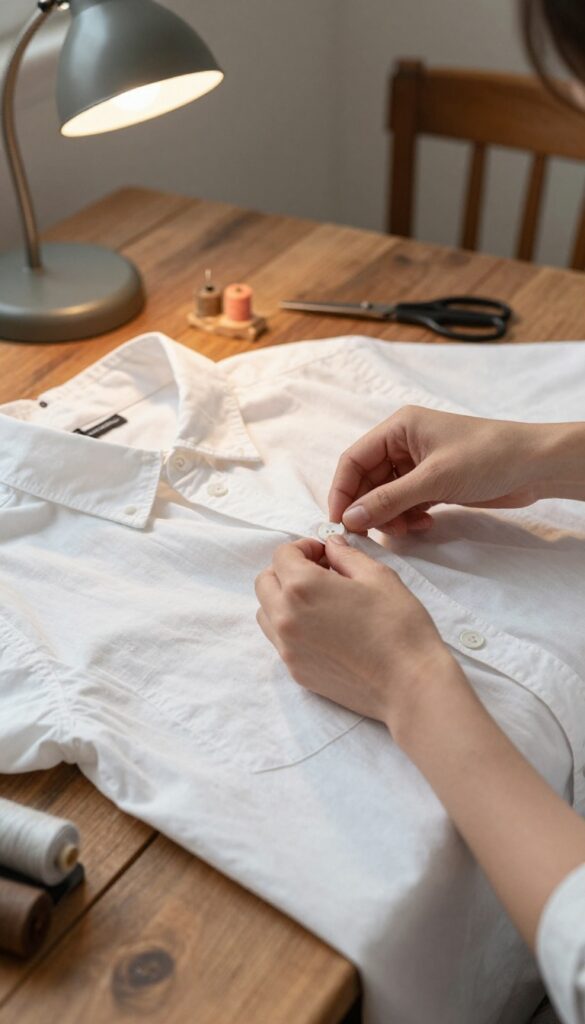
Before you toss that torn shirt or flickering lamp, ask yourself: can this be fixed? Learning basic repairs saves money and reduces waste. A few simple tools and a bit of patience can give your belongings a second life.
Plus, the satisfaction of fixing something yourself is hard to beat.
Start small. A missing button, a loose screw, or a small tear in fabric are easy fixes. For electronics or appliances, check YouTube for specific tutorials—many issues have simple solutions.
Over time, you'll build confidence to tackle bigger repairs. The goal is to delay replacements, not become a master handyperson overnight.
Clothing Fixes Anyone Can Do
You don't need to be a seamstress. Learn to sew a button, fix a hem, or patch a small hole. A basic sewing kit costs less than a new shirt.
For zippers, a little wax or soap can often get them sliding again.
Small Appliance Troubleshooting
Before replacing a toaster or blender, check the cord, fuse, or a stuck switch. Many appliance issues are simple to fix with a screwdriver and a quick online search. You might be surprised how often the problem is just a loose wire.
Furniture Revival
Tighten loose screws, glue wobbly legs, or sand and paint a scratched surface. Upholstery repairs like tightening sagging cushions or patching small tears can extend a sofa's life by years. A little effort can make old furniture feel new again.
11. Use a Grocery List and Stick to It
Walking into a grocery store without a list is like walking into a casino without a budget—you're likely to lose more than you planned. Stores are designed to tempt you with endcaps, seasonal displays, and buy-one-get-one deals that look great but don't always save you money. A simple list keeps you focused and cuts impulse buys fast.
A grocery list is your first line of defense against overspending. It turns a passive shopping trip into an active mission. You know exactly what you need, so you're less likely to grab that bag of chips or fancy cheese that wasn't on the menu.
Plus, you'll save time and mental energy.
Plan Around What You Already Have
Before you write your list, check your pantry, fridge, and freezer. You might already have half the ingredients for a few meals. Base your list on what needs to be used up first.
This cuts waste and saves money at the same time.
Organize Your List By Store Layout
Group items by category—produce, dairy, meat, pantry—in the order you'll walk through the store. This prevents backtracking and reduces the chance of wandering into tempting aisles. You'll be in and out faster, with fewer unplanned purchases.
Use A Digital List For Easy Updates
A notes app or a dedicated grocery app lets you add items throughout the week as you run out. That way, you're not trying to remember everything on the spot. Some apps even let you share the list with family members so everyone stays on the same page.
12. Reduce Food Waste with Creative Leftovers
Throwing away food is like throwing away money. The average household tosses hundreds of dollars of groceries each year. But with a little creativity, you can turn scraps and leftovers into delicious meals that save you cash.
Soup From Scraps
Keep a bag in the freezer for vegetable peels, ends, and leftover herbs. Once it's full, simmer them with water and seasonings for a flavorful broth. Add leftover meat or beans for a hearty soup.
Stale Bread Revival
Don't toss that hard loaf. Cube it, toss with oil and spices, and bake for croutons. Or make breadcrumbs, bread pudding, or a savory strata.
Stale bread is a blank canvas.
Rice Makeover
Extra rice becomes fried rice in minutes. Sauté leftover vegetables, add soy sauce, and crack an egg. Or turn it into rice pudding with milk, sugar, and cinnamon for a cheap dessert.
13. Negotiate Bills and Services
Many people assume their monthly bills are set in stone, but that's rarely the case. Providers often have hidden discounts, loyalty rates, or promotional offers that they won't volunteer unless you ask. A short phone call can shave $10, $20, or even $50 off your recurring expenses, adding up to hundreds saved per year.
Start with your internet, phone, insurance, and streaming services. Call customer service and politely ask if there are any current promotions, loyalty discounts, or ways to lower your rate. Be friendly but persistent—mention you're considering switching providers if they can't offer a better deal.
Often, they'll transfer you to a retention specialist who has more flexibility. Even if you only get a small reduction, it's money you keep without changing your lifestyle.
What To Say On The Call
Keep it simple: 'Hi, I've been a loyal customer for X years and I'm reviewing my budget. Are there any discounts or promotions available to lower my monthly bill? ' If the first rep says no, ask to speak to the retention or cancellation department. They're empowered to offer deals to keep you.
Services Worth Negotiating
Prioritize high-value bills: internet, cell phone plans, cable or streaming bundles, car and home insurance, and even gym memberships. For insurance, shop around and use competitor quotes as leverage. Many companies will match or beat a competitor's rate.
When To Call Back
Mark your calendar to renegotiate every 6 to 12 months. Promotions often expire after a year, and companies regularly introduce new offers. A quick annual check can prevent your bill from creeping back up.
14. Shop Secondhand First

Before you buy anything new, check if you can find it used. Thrift stores, consignment shops, and online marketplaces offer quality clothing, furniture, and electronics at a fraction of retail price. The key is knowing where to look and what to expect.
Shopping secondhand isn't just for vintage lovers or extreme savers. It's a smart habit for anyone who wants to stretch their dollars. You'll often find items that are barely used or even brand new with tags.
Plus, buying used keeps perfectly good items out of landfills.
Where To Start
Begin with local thrift stores and consignment shops. Goodwill, Salvation Army, and smaller charity shops are goldmines for clothes, books, and housewares. For electronics and furniture, try Facebook Marketplace, Craigslist, or OfferUp.
Set up alerts for items you need so you can snag deals quickly.
What To Look For
Focus on items that hold their value or are easy to clean. Clothing in natural fabrics like cotton and wool often lasts longer. Wood furniture can be refinished.
Electronics should be tested before buying. Avoid mattresses, car seats, and anything with a safety risk.
Tips For Success
Visit thrift stores often because inventory changes daily. Go during weekday mornings for the best selection. Inspect items carefully for stains, tears, or missing parts.
Don't be afraid to negotiate at garage sales or on marketplace listings. Patience pays off.
15. Automate Your Savings
The easiest way to save money is to make it happen without thinking. When you automate your savings, you remove the temptation to spend that cash first. Set up a recurring transfer from your checking to your savings account on payday, and watch your savings grow effortlessly.
Automation turns saving into a habit that requires zero willpower. You're essentially paying your future self first. Start with a small amount—even $25 per paycheck—and increase it over time.
Most banks and credit unions offer free automatic transfers, and many employer direct deposit systems let you split your paycheck between accounts.
Choose The Right Account
Pick a high-yield savings account (HYSA) to earn more interest. Online banks often offer rates 10–20 times higher than traditional brick-and-mortar banks. Make sure the account is separate from your everyday checking so you're less tempted to dip into it.
Start Small And Increase Gradually
If $100 per month feels too tight, start with $20. The key is consistency. After a few months, bump it up by $10 or 1% of your income.
Small increments feel painless but add up over time.
Use Payday Triggers
Schedule the transfer for the same day your paycheck hits. That way, the money moves before you even see it in your checking account. Out of sight, out of mind.
16. Cut the Cord on Expensive Cable
TV bills can easily run over $100 a month, and most people only watch a handful of channels. Cutting the cord is one of the fastest ways to slash your entertainment costs without giving up your favorite shows. Streaming services and antennas give you plenty of options for a fraction of the price.
Free Over-the-air Tv
An antenna picks up local channels like ABC, NBC, CBS, and Fox for free. A one-time purchase of $20 to $50 gives you access to news, sports, and prime-time shows without any monthly fee. Check your location at sites like AntennaWeb to see which channels are available in your area.
Budget Streaming Bundles
Instead of a $150 cable package, pick one or two streaming services that cover what you actually watch. Services like Netflix, Hulu, or Disney+ cost around $10–$15 each. For live TV, consider Sling TV or Philo, which start under $30 a month.
Rotate subscriptions monthly to keep costs low.
Free Streaming Options
Don't overlook free ad-supported services like Pluto TV, Tubi, and Freevee. They offer thousands of movies and shows without charging a cent. Your local library may also provide free access to Kanopy or Hoopla for streaming.
17. Use Public Transportation or Carpool
Cars are expensive. Between gas, insurance, maintenance, and parking, the costs add up fast. Public transportation or carpooling can slash those expenses significantly, even if you only do it part-time.
Switching to public transit or sharing rides isn't just good for your wallet—it's also easier on the environment. Start small: pick one day a week to leave the car at home. You might find you enjoy the extra time to read, listen to podcasts, or just relax during your commute.
Calculate Your Savings
Track what you spend on gas, parking, tolls, and maintenance for a month. Then compare that to the cost of a bus pass or average carpool contribution. The difference is often eye-opening—hundreds of dollars a month in many cases.
Make It Work For Your Schedule
Not every route or schedule is convenient at first. Use transit apps to plan your trip, or set up a carpool group with coworkers who live nearby. Even a hybrid approach—driving two days, taking transit three days—can save money without a huge lifestyle change.
Try It Before You Commit
You don't have to sell your car tomorrow. Experiment for a week or two. Many people discover that the savings and reduced stress are worth the extra planning.
If it doesn't work for you, no harm done.
18. Pack Your Lunch and Coffee
Grabbing lunch and coffee on the go feels convenient, but it quietly drains your wallet. A $5 coffee and $12 lunch five days a week adds up to $85 a week—over $340 a month. Packing these items from home is one of the simplest ways to keep more cash in your pocket without sacrificing taste or routine.
The Daily Savings Add Up Fast
A homemade coffee costs about $0. 25, and a packed lunch averages $3–$4. Compare that to $5 for a latte and $12 for a restaurant meal.
Over a month, you save around $300. Over a year, that's over $3, 600—enough for a vacation or an emergency fund boost.
Make It Easy With Prep
Set aside 20 minutes the night before. Brew coffee and pour it into a thermos, or prep overnight oats. For lunch, cook extra dinner and pack leftovers.
Keep a stash of reusable containers and a good insulated bag so you're always ready to grab and go.
Keep It Interesting
Variety prevents boredom. Rotate sandwich fillings, salads, and wraps. Try different coffee roasts or add a splash of vanilla.
Invest in a reusable mug and a lunch box you actually like—having gear you enjoy makes the habit stick.
19. Borrow Instead of Buy

That new book you want to read or the power drill you need for one project—do you really need to own them? For things you'll use only occasionally, borrowing is a smarter move. It saves money, reduces clutter, and often builds community connections.
Borrowing isn't just for libraries anymore. From tools to camping gear, there are more options than you think. The key is knowing where to look and how to ask.
Start With Your Local Library
Libraries have evolved beyond books. Many now lend movies, video games, musical instruments, sewing machines, and even kitchen tools. All you need is a free library card.
Check their online catalog before buying anything.
Ask Friends And Neighbors
Most people are happy to lend items they rarely use. Post in your neighborhood group or simply ask around. Offer to return the favor or share something you own.
It's a great way to build goodwill and save money.
Try Peer-to-peer Sharing Platforms
Websites and apps like Nextdoor, Tool Libraries, or local Buy Nothing groups make borrowing easy. You can find everything from ladders to party tents. Just arrange pickup and return it in good condition.
20. Track Every Expense for a Month
It's easy to think you know where your money goes, but small purchases slip through the cracks. A coffee here, a snack there, a subscription you forgot about—they add up fast. Tracking everything for just 30 days gives you a clear picture of your actual spending habits.
Grab a notebook, use a spreadsheet, or try a free app like Mint or Goodbudget. Write down every single purchase, no matter how small. At the end of the month, review your categories.
You'll likely spot areas where you're overspending without realizing it. This awareness is the first step to making intentional cuts.
Choose Your Tracking Method
Pick something you'll actually stick with. A simple notebook works if you carry it everywhere. Apps can auto-categorize transactions, making analysis easier.
The best method is the one you'll use consistently.
Review And Identify Patterns
After a month, look for surprises. Maybe you spent $60 on vending machine snacks or $40 on app subscriptions you don't use. Highlight the top three areas where you can easily cut back.
Set A Realistic Budget
Use your tracking data to create a budget that reflects your real spending. Allocate money to categories like groceries, dining out, and entertainment. This makes it easier to stick to your goals without feeling deprived.
21. Use Cashback and Rewards Apps Wisely
Cashback apps like Rakuten and Ibotta promise money back on purchases you already make. The trick is using them for planned spending, not as a reason to buy more. When used right, they're a simple way to stretch your budget without extra effort.
These apps work best when you treat them as a bonus, not a goal. Stack them with store sales and coupons for maximum savings, but avoid impulse buys just because an app offers cash back. A small percentage back on something you don't need is still a loss.
Set Up For Automatic Savings
Install browser extensions like Rakuten that automatically apply cash back when you shop online. That way you don't have to remember to activate offers. For in-store purchases, use Ibotta to scan receipts after planned grocery trips.
Stick To Your List
Only use cashback apps for items already on your shopping list. If an app prompts you to buy something extra, pause and ask if you'd buy it without the cash back. If not, skip it.
The savings vanish if you overspend.
Cash Out Strategically
Most apps let you withdraw once you hit a minimum, often $20 or more. Let your cash back accumulate and withdraw only when you need the money or can transfer it to a gift card for an extra bonus. Avoid cashing out small amounts frequently.
22. Downsize or Declutter to Sell Unused Items
Most homes have a surprising amount of stuff that's just taking up space. That old smartphone, a barely-used blender, or clothes that no longer fit could be turned into cash. Selling these items not only clears your space but also puts money back in your pocket.
Start by going room by room and identifying items you haven't used in the past year. Be honest—if it's collecting dust, it's a candidate for sale. Focus on categories that sell well: electronics, brand-name clothing, furniture, and collectibles.
Even small items like books or DVDs can add up when sold in bundles.
Where To Sell
Online marketplaces like Facebook Marketplace, eBay, and Poshmark are great for reaching buyers. For quick local sales, Facebook Marketplace and Craigslist work well. If you want convenience, consider decluttering apps like OfferUp or Letgo.
For specialty items, try platforms like Decluttr for electronics or ThredUp for clothing.
Pricing For A Quick Sale
Research similar items to see what they're selling for. Price yours slightly lower to attract buyers quickly. Remember, the goal is to declutter and earn cash, not to maximize every dollar.
A fast sale at a fair price is better than waiting months for top dollar.
What To Do With The Cash
Direct the extra money toward a specific goal, like building an emergency fund or paying off debt. This turns decluttering into a purposeful financial move. Even a few hundred dollars can make a difference when allocated wisely.
23. Adopt a 'Use It Up' Mindset

Before you run out to buy more stuff, take a good look at what you already have. The 'use it up' mindset is about making a game out of finishing products before opening new ones. It's a simple shift that saves money and reduces clutter.
Start with your pantry and bathroom cabinet. Challenge yourself to use up that half-empty bottle of shampoo, that nearly empty ketchup bottle, and those cleaning supplies you forgot about. You'll be surprised how long they last when you're actually trying to finish them.
Check Your Pantry First
Before grocery shopping, take inventory of what's already there. Plan meals around those items. You'll cut down on food waste and avoid buying duplicates.
Make A 'finish It' List
Write down all the partially used products in your home—from lotions to spices. Tackle one item at a time. It's satisfying to cross them off and see your empty shelf space grow.
Get Creative With Leftovers
That last bit of jam can be stirred into yogurt, and that nearly empty peanut butter jar can be swirled into oatmeal. Small amounts add up to free meals.
FAQ
What is the easiest frugal living habit for beginners?
Start with a no-spend day once a week. It's simple, requires no setup, and immediately builds awareness of your spending triggers.
How much money can I save by cooking at home?
Cooking at home instead of eating out can save $100–$300 per month for an individual, depending on frequency and choices.
Do I need a strict budget to be frugal?
Not necessarily. Many frugal beginners succeed by tracking expenses and using cash envelopes for flexible categories without a rigid budget.
Will frugal living make me feel deprived?
It shouldn't. Frugal living focuses on spending on what truly matters and cutting waste, not eliminating joy. Small adjustments often feel empowering.
How long until I see results from frugal habits?
You'll notice savings within the first month, especially from cutting subscriptions, dining out less, and reducing impulse buys. Consistency compounds over time.
Conclusion
Frugal living isn't about pinching every penny until it hurts. It's about making small, intentional changes that align your spending with your values. The 23 ideas here are designed to be approachable and sustainable for beginners.
Start with one or two that feel doable.
Once those become habits, add another. Over time, these small shifts will build into a lifestyle that saves money without making you feel like you're missing out. You've got this.
Free PDF Download
Not Sure Which Side Hustle Fits You Best?
Take the free Side Hustle Matchmaker Quiz and get a simple 7-day starter plan to help you choose a beginner-friendly idea based on your time, skills, comfort level, and goals.
You’ll get this free PDF plus access to the full Marketerna Save More & Earn More PDF Kit. No spam. Unsubscribe anytime.