23 Money Saving Tips That Actually Work
Twenty-three money-saving tips might sound overwhelming, but you don't need to try them all at once. Even picking just three from this list can put hundreds of dollars back in your pocket by next month. The secret is focusing on habits that give you the biggest return for the least effort.
These aren't generic suggestions like 'spend less'—they're specific actions that actually work in real life. From negotiating bills to cooking one extra meal per week, each tip targets a different area where money leaks out unnoticed.
Start with the easiest wins first, like canceling unused subscriptions or switching to generic brands. Once you see the savings add up, you'll feel motivated to tackle the bigger changes.

Free PDF Download
Not Sure Which Side Hustle Fits You Best?
Take the free Side Hustle Matchmaker Quiz and get a simple 7-day starter plan to help you choose a beginner-friendly idea based on your time, skills, comfort level, and goals.
You’ll get this free PDF plus access to the full Marketerna Save More & Earn More PDF Kit. No spam. Unsubscribe anytime.
1. Automate Your Savings
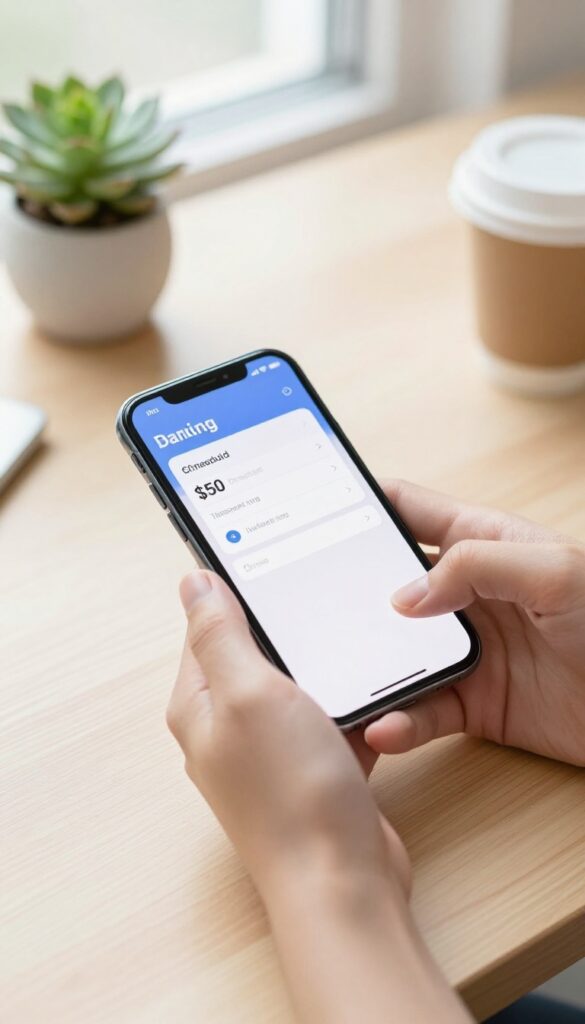
Saving money often fails because we rely on willpower. By the end of the month, there's nothing left to transfer. Automation removes the temptation to spend first and save later.
It's the single most effective way to build savings without thinking about it.
Set up an automatic transfer from your checking account to your savings account on payday. Even $50 per paycheck adds up to $1, 300 in a year. Most banks let you schedule recurring transfers online in minutes.
You won't miss money you never see, and your savings grow effortlessly.
Start Small And Increase Gradually
If $50 feels too much, start with $25. The key is consistency, not amount. After a few months, increase the transfer by $10 or $20.
You'll adjust to the lower balance quickly, and your savings will accelerate without pain.
Use Separate Accounts For Different Goals
Consider opening multiple savings accounts for specific purposes: emergency fund, vacation, holiday gifts. Name them clearly. When you see the balance grow in each account, you'll feel motivated to keep going.
Automation makes this hands-off.
Time It Right
Schedule the transfer for the same day your paycheck hits. That way the money moves before you have a chance to spend it. If your payday varies, set the transfer for the 1st or 15th of the month.
Consistency beats timing perfection.
2. Track Every Dollar for One Month
You can't fix what you don't measure. Most people have no idea where their money actually goes each month. That coffee run, the streaming service you forgot about, the takeout when you were too tired to cook—they all add up silently.
By tracking every single expense for just 30 days, you'll uncover exactly where your cash is leaking. And once you see those leaks, plugging them becomes easy.
Grab a free app like Mint, YNAB, or just a simple spreadsheet. Record every purchase, no matter how small. At the end of the month, categorize your spending.
You'll likely be surprised by how much goes to things you don't truly value. That awareness alone can save you hundreds.
Spot Hidden Subscriptions
Those $5. 99 monthly charges for apps you haven't opened in months? They're easy to miss.
Your tracking will reveal every recurring payment. Cancel the ones you don't use and watch your savings grow instantly.
Identify Spending Patterns
Maybe you spend $40 a week on lunch out, or $60 on impulse buys at the checkout. Seeing these patterns in black and white makes it easier to change them. You'll realize small shifts—like packing lunch twice a week—can save you over $100 a month.
Set A Realistic Budget
Once you know your actual spending, you can create a budget that fits your life. Not a generic one-size-fits-all plan, but a budget based on your real habits. You'll see exactly where to cut and where you can still enjoy your money.
Free PDF Download
Not Sure Which Side Hustle Fits You Best?
Take the free Side Hustle Matchmaker Quiz and get a simple 7-day starter plan to help you choose a beginner-friendly idea based on your time, skills, comfort level, and goals.
You’ll get this free PDF plus access to the full Marketerna Save More & Earn More PDF Kit. No spam. Unsubscribe anytime.
3. Negotiate Your Recurring Bills
Most people never question their monthly bills. They just pay them and move on. But here's the truth: companies expect you to negotiate.
They have retention departments whose job is to keep you happy—and they're authorized to lower your rate. A single phone call can save you hundreds per year.
Start with your internet, cable, and insurance providers. Call them up, be polite, and ask if there are any loyalty discounts or promotions available. If they say no, mention you're considering switching to a competitor.
Often, they'll transfer you to a retention specialist who can offer a better deal. Even a $10 monthly reduction adds up to $120 annually.
Do Your Homework First
Before calling, check competitor prices online. Know exactly what other providers are offering new customers. This gives you leverage.
When you can say, 'I can get the same plan for $20 less with Company X, ' the retention agent is more likely to match or beat that offer.
Be Polite But Firm
Customer service reps are human. Being rude won't help. Start with a friendly tone: 'Hi, I've been a loyal customer for years and love your service, but my bill has gotten too high.
Can you help me find a way to lower it? ' If they can't, politely ask to speak to the retention or cancellation department.
Set A Calendar Reminder
Negotiation isn't a one-time thing. Promotional rates often expire after 6 to 12 months. Set a reminder on your phone to call again before the discount ends.
Many people forget and end up paying full price. A recurring calendar event can save you hundreds year after year.
4. Use the 24-Hour Rule for Non-Essentials
Impulse buying is a silent budget killer. That "amazing deal" on a gadget or a trendy jacket often feels urgent, but in reality, you have time to think. The 24-Hour Rule is a simple way to break the cycle of spontaneous spending without feeling deprived.
Before buying anything over $50 that isn't a necessity, force yourself to wait a full day. Add it to a wishlist or take a screenshot, then walk away. When you come back tomorrow, you'll be surprised how many items no longer seem worth it.
Why 24 Hours Works
The initial excitement fades quickly. After a day, your brain shifts from emotional wanting to rational thinking. You'll notice flaws, realize you already have something similar, or simply forget about it.
Most impulse purchases fail this test.
How To Make It Stick
Set a rule: for any non-essential over $50, you must sleep on it. Keep a running list on your phone. If you still want it after 24 hours and it fits your budget, go ahead—but you'll find that many items get crossed off.
Exceptions And Fine Print
This rule doesn't apply to essentials like groceries or gas. But for clothes, electronics, home decor, and hobby gear, it's a game changer. You can also extend the waiting period to 48 or 72 hours for bigger purchases.
Free PDF Download
Not Sure Which Side Hustle Fits You Best?
Take the free Side Hustle Matchmaker Quiz and get a simple 7-day starter plan to help you choose a beginner-friendly idea based on your time, skills, comfort level, and goals.
You’ll get this free PDF plus access to the full Marketerna Save More & Earn More PDF Kit. No spam. Unsubscribe anytime.
5. Cook One Extra Meal Per Week

Takeout is convenient, but it's also one of the fastest ways to drain your wallet. Cooking just one more meal at home each week can save you $10 to $20 per person. That adds up to over $1, 000 a year for a family of four.
Start small. Pick one night where you'd normally order in or eat out, and commit to making something at home instead. It doesn't have to be fancy—pasta, stir-fry, or sheet pan dinners work great.
The key is to plan ahead so you're not tempted to cave.
Pick Your Easiest Swap
Look at your week and find the meal that feels most replaceable. Maybe it's Friday pizza night or a quick lunch from the deli. Swap it with a home version that takes about the same time.
Frozen pizza with added toppings or a 15-minute stir-fry can fill the same craving.
Make It A Habit, Not A Chore
Instead of trying to cook every night, just focus on that one extra meal. Once it becomes routine, you can add another. The savings multiply without feeling like a sacrifice.
Use leftovers for lunch the next day to double the value.
Track The Savings
Keep a note of what you would have spent on takeout versus what you spent on groceries for that meal. Seeing the actual numbers—like $18 saved from making pasta instead of ordering Italian—keeps you motivated. After a month, treat yourself with part of the savings.
6. Switch to Generic Brands
You’ve seen them on the shelf—plain white boxes with bold black letters that say things like "Canned Corn" or "All-Purpose Cleaner. " They sit right next to the colorful name brands, often at half the price. And here’s the thing: most of the time, the product inside is nearly identical.
Store brands are made by the same manufacturers, using the same ingredients, just without the marketing budget. Making the switch for everyday staples can slash your grocery bill by 20–30% without changing what you actually eat or use.
Start with items where taste and performance are least noticeable: pantry staples like flour, sugar, salt, and spices. Then move to canned goods, frozen vegetables, and dairy products like milk and butter. Cleaning supplies are another easy win—generic dish soap, laundry detergent, and all-purpose cleaners work just as well.
The key is to try one category at a time. If you hate the generic ketchup, go back to the name brand. But you’ll probably find that most store brands are perfectly fine, and your wallet will thank you.
What To Buy Generic First
Start with shelf-stable items like pasta, rice, oats, canned tomatoes, and baking supplies. These have the least variation between brands. Also try generic over-the-counter medications—by law, they must contain the same active ingredients as name brands.
You can save up to 50% on pain relievers, allergy meds, and vitamins.
What To Keep Name Brand
Some things are worth paying extra for. If you’re a coffee snob, generic coffee might not cut it. Same goes for certain condiments, peanut butter, or snacks where taste matters a lot.
Also, be careful with beauty and personal care items—generic shampoo or lotion can sometimes have different formulas that don’t work as well for your skin or hair.
How To Compare
Flip the package over and read the ingredient list. If the first few ingredients are identical, you’re getting the same thing. Also check the nutrition label.
Many store brands are actually produced by the same companies that make the name brands—just packaged differently. If you’re still unsure, do a blind taste test at home with your family.
7. Cancel Unused Subscriptions
Let's be honest—how many subscriptions are you paying for right now that you barely use? A streaming service you watched one show on months ago, a gym membership you haven't used since January, or an app subscription you forgot to cancel after the free trial. These small monthly charges add up fast, and they're pure waste.
Auditing your subscriptions is one of the easiest ways to save money because it requires zero behavior change—you just stop paying for things you don't use. Most people can find at least $50–$100 per month in forgotten charges. That's $600–$1, 200 a year for a few minutes of work.
How To Find Them
Check your bank and credit card statements for the last three months. Look for recurring charges you don't recognize or don't use. Also check your app store subscriptions (Apple or Google) and any direct debits from your accounts.
What To Cancel First
Start with anything you haven't used in the last 30 days. That includes streaming services, gym memberships, meal kits, subscription boxes, cloud storage, and premium app features. If you're on the fence, cancel anyway—you can always resubscribe later.
Don't Forget The Sneaky Ones
Some subscriptions are easy to overlook: annual renewals you forgot about, free trials that converted to paid, or add-ons like extra cloud storage or insurance on a credit card. Set a reminder to review your subscriptions every six months.
8. Use Cash Envelopes for Variable Spending
Plastic makes spending too easy. Swiping a card doesn't feel like real money leaving your hands, so it's simple to overspend. The cash envelope system fixes that by making you physically hand over bills.
When the envelope is empty, you're done—no exceptions. It's a simple but brutally effective psychological trick.
Start by identifying your most flexible spending categories—groceries, dining out, entertainment, and personal care. Withdraw the budgeted amount in cash for each category and put it in a labeled envelope. Once the cash is gone, you stop spending in that category until the next month.
No borrowing from other envelopes, no using a card as backup. This forces you to prioritize and think twice before every purchase.
Why It Works
Cash feels real. Handing over $20 triggers a sense of loss that a card swipe doesn't. Studies show people spend significantly less when paying with cash.
The envelope system also creates a natural stopping point—you can't spend what isn't there.
How To Start
Pick two or three categories where you tend to overspend. Withdraw the cash for the month and divide it into envelopes. Keep them in a secure spot, not your wallet, so you're less tempted to dip in.
Track your spending for a month to see where you can adjust the amounts.
Common Pitfalls To Avoid
Don't try to cover every category with cash—start small. Avoid the temptation to 'borrow' from next month's envelope. And if you run out early, resist using a card.
That defeats the purpose. Instead, learn from it and adjust your budget next month.
9. Lower Your Thermostat by 3 Degrees
Heating and cooling eat up nearly half of your home's energy bill. But you don't need to suffer through extreme temperatures to save. A tiny adjustment—just three degrees—can make a real difference without sacrificing comfort.
That small change adds up fast. In winter, set your thermostat to 68°F instead of 71°F. In summer, aim for 78°F instead of 75°F.
You'll barely notice the shift, especially if you dress for the season or use a fan. The Department of Energy says you can save up to 10% on heating and cooling per year just by turning it back 7–10°F for eight hours a day. Even a steady 3°F adjustment shaves off a noticeable chunk.
Make It Automatic
A programmable thermostat does the work for you. Set it to adjust while you're asleep or away, and return to a comfortable temp before you wake up or come home. Smart thermostats learn your schedule and can be controlled from your phone, so you never forget.
Layer Up Or Down
In winter, throw on a sweater or use a blanket instead of cranking the heat. In summer, wear lighter clothes and use ceiling fans to feel cooler without lowering the AC. Fans cost pennies to run compared to central air.
Don't Forget Maintenance
A dirty filter or leaky duct makes your system work harder. Change filters monthly, seal gaps around windows and doors, and get an annual HVAC checkup. An efficient system stretches every degree further.
10. Buy in Bulk for Non-Perishables
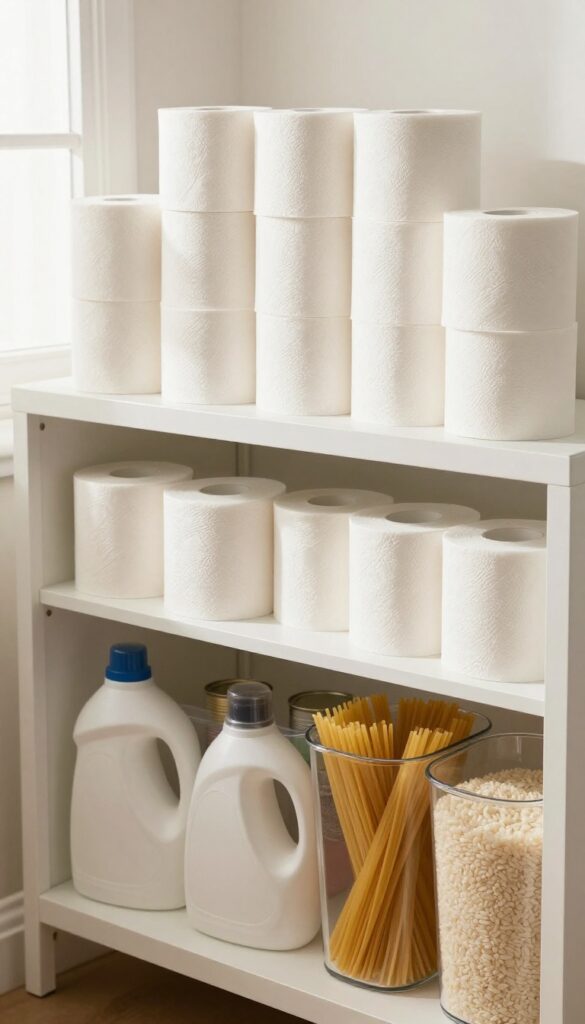
Warehouse clubs and bulk bins can feel intimidating, but they're goldmines for saving on stuff you'll definitely use. The trick is knowing which items are worth stocking up on and which will just gather dust. Focus on non-perishables with long shelf lives—things like toilet paper, laundry detergent, canned goods, and pasta.
When you buy these in bulk, the per-unit price often drops significantly, sometimes by 30% or more.
Start by making a list of the non-perishables your household goes through most. Then, check unit prices (the price per ounce or per sheet) to compare bulk sizes with regular sizes. Only buy what you have room to store—a garage shelf, a linen closet, or even under the bed.
And don't forget to actually use them; rotate stock so older items get used first. Bulk buying works best for items you consistently consume, not trendy snacks you might abandon.
What To Buy In Bulk
Toilet paper, paper towels, trash bags, laundry detergent, dish soap, canned vegetables, beans, rice, pasta, peanut butter, and shelf-stable milk are all great candidates. Avoid things like spices, oils, or nuts that can go rancid before you finish them.
Storage Tips
Designate a dedicated storage area and keep it organized. Use clear bins or labels so you can see what you have. Store heavy items on lower shelves and keep lighter ones up high.
Check expiration dates and arrange items so the oldest ones are in front.
When Not To Bulk Buy
Skip bulk buys for items that are on sale individually for less than the bulk price. Also avoid perishables like fresh produce, dairy, or bread unless you can freeze or use them quickly. And never buy something just because it's cheap—if you won't use it, it's not a saving.
11. Pack Lunch Three Days a Week
Bringing lunch from home sounds boring, but it's one of the easiest ways to save without feeling deprived. You don't have to do it every day—just three times a week can make a real difference. That's around $30 to $50 back in your pocket each month, adding up to over $500 a year.
And it takes almost no extra effort once you get into the rhythm.
The key is to start small. Pick three days—maybe Monday, Wednesday, and Friday—and commit to packing lunch those days. Use leftovers from dinner to make it even easier.
Over time, you'll build a habit that feels automatic, and your wallet will thank you.
Keep It Simple
You don't need fancy meal prep containers or elaborate recipes. A sandwich, some fruit, and a yogurt are perfectly fine. The goal is to avoid spending $10 to $15 on lunch out, not to become a gourmet chef.
Use Leftovers Strategically
When you cook dinner, make a little extra on purpose. Pack the leftovers for lunch the next day. It's practically zero extra work, and you get a hot, homemade meal without the restaurant price.
Track Your Savings
Keep a note on your phone or a jar where you put the cash you would have spent. Watching that number grow is surprisingly motivating. After a month, you'll see exactly how much those three days are worth.
12. Use a Cashback Credit Card Wisely
Cashback credit cards are one of the few ways to earn money while spending. But they only work if you treat them like a debit card—never carry a balance. The key is picking a card with a flat rate of 2% or more on everything you buy, then paying it off in full every month.
That way, the rewards are pure profit.
Cashback credit cards are one of the few ways to earn money while spending. But they only work if you treat them like a debit card—never carry a balance. The key is picking a card with a flat rate of 2% or more on everything you buy, then paying it off in full every month. That way, the rewards are pure profit.
Choose The Right Card
Look for a card that offers a flat 2% cashback on all purchases. Avoid cards with rotating categories or annual fees unless you spend enough to offset them. A simple, no-fee 2% card is the easiest to manage and maximizes your return without hassle.
Automate Your Payments
Set up autopay for the full statement balance each month. This ensures you never miss a payment and avoids interest charges. Treat the card like a debit card—only spend what you have in your checking account.
Redeem Strategically
Many cards let you redeem cashback as a statement credit, direct deposit, or gift cards. Statement credit is the simplest and most flexible. Some cards offer bonus redemption rates for travel or gift cards, but only go that route if you'd use them anyway.
13. Shop with a List and Stick to It
Walking into a store without a plan is like going to battle without a strategy—you're bound to get ambushed by impulse buys. A simple list is your shield against those tempting displays and unplanned purchases. Studies show that shoppers who use a list spend up to 20% less per trip.
That's serious savings just for writing down what you need before you leave the house.
The key is to commit to buying only what's on that list. No exceptions. If it's not on the paper, it doesn't go in the cart.
This discipline alone can cut your grocery bill by 10–20% every time you shop. Over a month, that's a noticeable chunk of change.
Make Your List At Home
Don't try to wing it in the parking lot. Sit down with your meal plan for the week and check your pantry first. Write down exactly what you need—quantities included.
This prevents overbuying and ensures you actually use everything you purchase.
Organize By Store Layout
Group items by aisle or section (produce, dairy, frozen, etc. ). This saves time and reduces the chance of wandering into temptation zones. You'll zip through the store, grab what's on your list, and get out faster—with fewer impulse buys.
Use A List App For Extra Accountability
Digital lists can be shared with family members and updated in real time. Some apps even track your spending history and help you stick to a budget. Plus, you always have your phone with you, so no more forgetting the list at home.
14. Do a No-Spend Weekend Each Month

A no-spend weekend is exactly what it sounds like: from Friday evening to Sunday night, you don't spend a single dollar. No coffee runs, no takeout, no shopping. It forces you to use what you already have and rediscover free fun.
After just one weekend, you'll see how much money you normally burn through in 48 hours.
Pick one weekend per month where you spend zero money. Eat from your pantry, use free entertainment, and stay home. It resets your spending habits.
Plan Your Pantry Meals
Before the weekend, take stock of what's in your fridge, freezer, and cabinets. Challenge yourself to make meals from those ingredients. You'll likely clear out leftovers and reduce food waste—a double win for your wallet.
Find Free Fun
Look for free activities in your area: hiking trails, library events, park picnics, or movie nights at home. You don't need to spend money to have a good time. Rediscover board games, books, or just a long walk.
Break The Habit Loop
A no-spend weekend breaks the automatic spending patterns. You realize you don't need that latte or that new gadget. The pause helps you see which expenses are wants versus needs, making it easier to cut back long-term.
15. Refinance High-Interest Debt
High-interest debt, especially credit card debt, can eat away at your finances faster than you realize. The average credit card APR is over 20%, meaning every month you carry a balance, you're throwing money away on interest. But you don't have to live with that.
Refinancing that debt to a lower rate can free up cash immediately.
The goal is simple: replace expensive debt with cheaper debt. This isn't about borrowing more—it's about restructuring what you already owe so more of your payment goes toward the principal, not interest. Even a few percentage points can save you hundreds over a year.
Balance Transfer Cards
If your credit is decent, a balance transfer card with a 0% introductory APR can be a lifesaver. You move your existing credit card balance to the new card and pay zero interest for 12 to 18 months. Just watch for transfer fees (usually 3-5%) and make sure you can pay off the balance before the promo period ends.
Personal Loans
A personal loan from a bank or credit union often has a much lower fixed rate than credit cards. You get a lump sum to pay off your cards, then repay the loan in installments. This simplifies your payments and stops the cycle of revolving debt.
Plus, fixed rates mean no surprises.
Diy Negotiation
Before you apply for anything, call your current credit card company. Tell them you're considering a balance transfer and ask if they can lower your rate. Many will offer a temporary or permanent reduction just to keep your business.
It takes five minutes and costs nothing.
16. Use the Library Instead of Buying Books
If you're a regular book buyer, those $15–$30 purchases add up fast. Your local library offers the same content for free, and it's not just about paperbacks anymore. From bestsellers to audiobooks and streaming movies, libraries have evolved into full media centers.
Best of all, you don't even have to leave your couch—many libraries now offer digital lending through apps like Libby and Hoopla.
Borrowing instead of buying can save you hundreds of dollars a year. Most libraries let you check out up to 10 items at a time, and you can place holds on popular titles online. If you read a book and love it, you can always buy a copy later—but you'll know for sure it's worth the money.
Digital Borrowing Is A Game Changer
Apps like Libby and Hoopla let you borrow ebooks, audiobooks, and even magazines directly to your phone or tablet. No late fees, no trips to the library—just download and read. Many libraries also offer streaming movies and music through Kanopy and Freegal.
Don't Overlook Physical Media
Libraries still have DVDs, Blu-rays, and even video games. Instead of renting a movie for $5 or buying a game for $60, check if your library has it. You might be surprised by the selection, especially for older titles.
Use Interlibrary Loan For Anything
If your local library doesn't have a specific book, ask about interlibrary loan. They can usually borrow it from another library system for free. It might take a week or two, but it's way cheaper than buying a copy you'll only read once.
17. Cut Your Own Hair or Learn Simple Trims
A basic haircut costs $20–$50, and if you go every six weeks, that's $170–$430 a year. Learning to trim your own hair—or a family member's—can slash that expense to nearly zero. Even a few DIY cuts per year add up to serious savings, and the skill is easier to pick up than you think.
Start with simple trims using quality scissors. Watch a few YouTube tutorials for your hair type. Practice on dry hair first, and only cut a little at a time.
You'll gain confidence quickly and save hundreds annually.
Start With The Right Tools
Invest in a pair of professional hair-cutting shears ($15–$30) and a fine-tooth comb. Regular scissors will fray ends, causing split ends. Good shears make clean cuts and last for years.
Master The Basics
Focus on trimming split ends and maintaining layers. For straight cuts, part hair down the center, bring sections forward, and snip straight across. For men's cuts, clippers with guards are foolproof.
Practice On Family First
If you're nervous, start with a partner or kid's hair. Kids' cuts are simpler and mistakes grow out fast. You'll build skill without the pressure of your own visible hair.
18. Unplug Electronics When Not in Use
You might not realize it, but your electronics are sipping power even when they're turned off. That glowing standby light on your TV, the charger left plugged in with nothing attached—they're all quietly adding to your electric bill. This is called phantom load, and it can account for 5–10% of your home's energy use.
The fix is simple: unplug things when you're done with them.
Make it a habit to unplug chargers, small appliances, and entertainment systems when they're not in active use. For devices that are hard to reach, plug them into a power strip and flip the switch off. Over a year, this small change can save you $50–$100 or more, depending on your home's setup.
The Biggest Culprits
Some devices are worse than others. Game consoles, desktop computers, cable boxes, and older TVs are notorious for drawing power even in standby. A cable box can use as much electricity in a year as a new refrigerator.
Unplugging these when you're not using them makes a real dent.
Power Strips Make It Easy
Instead of crawling behind furniture to unplug individual cords, use a power strip for clusters of electronics. One switch cuts power to everything at once. You can even buy smart power strips that automatically shut off when devices go into standby.
Don't Forget The Kitchen
Small kitchen appliances like coffee makers, toasters, and microwaves often have clocks or displays that run 24/7. Unplugging them when not in use saves a few dollars a year, but it adds up across multiple appliances. Plus, it's safer.
19. Buy Used or Refurbished Electronics

New gadgets are tempting, but they lose value the second you open the box. Buying used or refurbished can save you a ton without sacrificing performance. Many devices are practically new—just discounted because the packaging was opened or the model is a year old.
Where To Find Reliable Refurbished Gear
Stick with manufacturer-certified refurbished products from Apple, Samsung, Dell, or other major brands. They go through rigorous testing and often come with a warranty. Amazon Renewed and Best Buy's open-box section are also solid options.
Avoid random sellers on third-party marketplaces unless they have stellar reviews.
What To Check Before Buying
Look for a warranty that covers at least 90 days. Check the return policy in case something's off. For phones, verify the battery health and that it's unlocked.
For laptops, confirm the storage and RAM are enough for your needs. A little research upfront prevents headaches later.
How Much You Can Save
Certified refurbished phones typically cost 30–50% less than new. Last year's laptop model can be 40% cheaper. Tablets and smartwatches see similar discounts.
The savings add up fast—you could pocket $300 or more on a single purchase.
20. Plan Your Meals Around Sales
Grocery stores rotate sales in predictable cycles. By aligning your weekly menu with what's discounted, you can cut your food bill by 20-30% without changing what you eat. It's not about coupon clipping—it's about smart timing.
Start by checking your store's weekly ad online. Pick two or three proteins and a few produce items that are on sale. Then build your meals around those ingredients.
You'll naturally buy less at full price and reduce impulse purchases.
Stock Up On Staples
When pantry items like rice, pasta, or canned tomatoes go on sale, buy enough to last until the next cycle. This locks in lower prices and gives you a base for any meal.
Use A Meal Planning Template
Create a simple grid for the week. List the sale items you bought, then fill in breakfast, lunch, and dinner slots. This keeps you organized and prevents last-minute takeout.
Cook Once, Eat Twice
Double your recipes when sale items are plentiful. Freeze half for busy weeks. You'll avoid paying full price later and save time.
21. Use a Water Filter Instead of Bottled Water
Bottled water is one of the biggest money wasters hiding in plain sight. A single bottle costs about $1. 50, but if you drink the recommended eight glasses a day, that's over $500 a year.
A simple pitcher filter costs around $30 upfront, and replacement filters run about $10 each—working out to pennies per gallon. The savings add up fast, and you're also cutting down on plastic waste.
Switching to filtered tap water is one of the easiest swaps you can make. It takes five seconds to fill the pitcher, and you'll never have to haul heavy cases from the store again. Plus, many filters improve taste and remove common contaminants, so you're not sacrificing quality for savings.
The Math Behind The Savings
Let's break it down. If you drink 64 ounces of water per day, that's about 0. 5 gallons.
Bottled water costs roughly $1 per gallon on average, while filtered tap water costs about $0. 02 per gallon. Over a year, that's $182.
50 for bottled versus $3. 65 for filtered. Even with the initial filter investment, you save over $150 in the first year alone.
Which Filter Should You Pick?
Pitcher filters from brands like Brita or PUR are affordable and effective. They remove chlorine, lead, and other impurities. If you want something more permanent, consider a faucet-mounted filter or a countertop model.
For renters, pitchers are the easiest—no installation needed.
Environmental Bonus
The average American uses 167 plastic water bottles per year. Most end up in landfills or oceans. By switching to a filter, you're keeping hundreds of bottles out of the waste stream.
It's a small change with a big impact on your wallet and the planet.
22. Swap One Night Out for a Home Gathering
A typical night out—drinks, dinner, maybe an Uber—can easily run $100 or more per person. Multiply that by a group of friends, and you're looking at a serious dent in your budget. The alternative?
Host a low-key get-together at home. It costs a fraction of what you'd spend out, and often ends up being more fun anyway.
Inviting people over doesn't mean you have to cook a gourmet meal or redecorate. Keep it simple: ask everyone to bring a dish or a drink, set up a board game or a movie, and let the conversation flow. You'll be surprised how much people appreciate a relaxed evening without the pressure of a restaurant bill.
Potluck Power
Assign each guest a category—appetizer, main, side, dessert—so you're not stuck making everything. This spreads the cost and the effort, and everyone gets to show off their favorite dish. Bonus: leftovers mean lunch for the next day.
Game Night On A Dime
Dust off a classic board game or try a free app-based party game. No need to buy new ones; friends can bring their own. Add a simple playlist and you've got entertainment that beats any bar tab.
Drinks Without The Markup
Instead of $12 cocktails, make a big batch of sangria or punch. A bottle of wine and some fruit goes a long way. Or ask guests to BYOB—most are happy to bring their favorite drink.
23. Review Your Insurance Policies Annually

Insurance is one of those things you set and forget—but that's exactly how you end up overpaying. Rates change, new competitors enter the market, and your own circumstances shift. A quick annual check can uncover savings you didn't know existed.
Loyalty doesn't pay here. Insurance companies often raise premiums incrementally, hoping you won't notice. Spending 30 minutes comparing quotes for auto, home, or renters insurance can save you hundreds of dollars a year.
It's one of the highest-ROI tasks you can do.
Why Loyalty Costs You
Many insurers offer low introductory rates, then bump them up after a year or two. They're betting you'll stay out of convenience. Don't.
Use comparison sites or an independent agent to see what else is out there.
What To Compare
Don't just look at the premium—check deductibles, coverage limits, and exclusions. A slightly higher deductible might lower your monthly cost significantly. Also ask about bundling discounts for combining multiple policies.
When To Switch
The best time is just before your renewal date. That way you avoid cancellation fees and have a seamless transition. Even if you stay, use the competing quotes to negotiate a better rate with your current provider.
FAQ
How much can I realistically save with these tips?
Most people save between $200 and $600 per month by implementing several of these strategies. The exact amount depends on your current spending habits and how many tips you apply.
Do I need to follow all 23 tips to see results?
No. Pick 3–5 that fit your lifestyle and start there. Even small changes like packing lunch or negotiating bills can save you hundreds each year.
How long does it take to see savings?
Some tips, like canceling subscriptions or switching to generic brands, save money immediately. Others, like automating savings, build over time. You'll see results within the first month.
Are these tips suitable for low-income households?
Absolutely. Many tips focus on reducing expenses rather than earning more, making them ideal for tight budgets. Tips like cooking at home and using the library are especially helpful.
Will these tips make me feel deprived?
Not if you choose the right ones. The goal is to cut waste, not joy. For example, swapping one takeout meal for home cooking still lets you enjoy eating out sometimes.
Conclusion
These 23 tips aren't about deprivation—they're about making your money work smarter. Start with just one or two changes, and you'll see the difference in your bank account.
Small habits add up to big savings over time.
Free PDF Download
Not Sure Which Side Hustle Fits You Best?
Take the free Side Hustle Matchmaker Quiz and get a simple 7-day starter plan to help you choose a beginner-friendly idea based on your time, skills, comfort level, and goals.
You’ll get this free PDF plus access to the full Marketerna Save More & Earn More PDF Kit. No spam. Unsubscribe anytime.