21 Things to Stop Buying to Save More Money
Cutting expenses doesn't mean sacrificing everything you love. By simply avoiding a handful of common purchases, you can keep hundreds—even thousands—of dollars in your pocket each year. These 21 swaps are painless, practical, and surprisingly effective.
Start with the easiest wins: ditch bottled water and brand-name groceries. Once you see how fast the savings add up, you'll be motivated to tackle bigger changes like canceling unused gym memberships and skipping fast fashion.
You don't need to overhaul your entire budget overnight. Pick three items from this list to stop buying this week and watch your savings grow without feeling deprived.

Free PDF Download
Not Sure Which Side Hustle Fits You Best?
Take the free Side Hustle Matchmaker Quiz and get a simple 7-day starter plan to help you choose a beginner-friendly idea based on your time, skills, comfort level, and goals.
You’ll get this free PDF plus access to the full Marketerna Save More & Earn More PDF Kit. No spam. Unsubscribe anytime.
1. Bottled Water
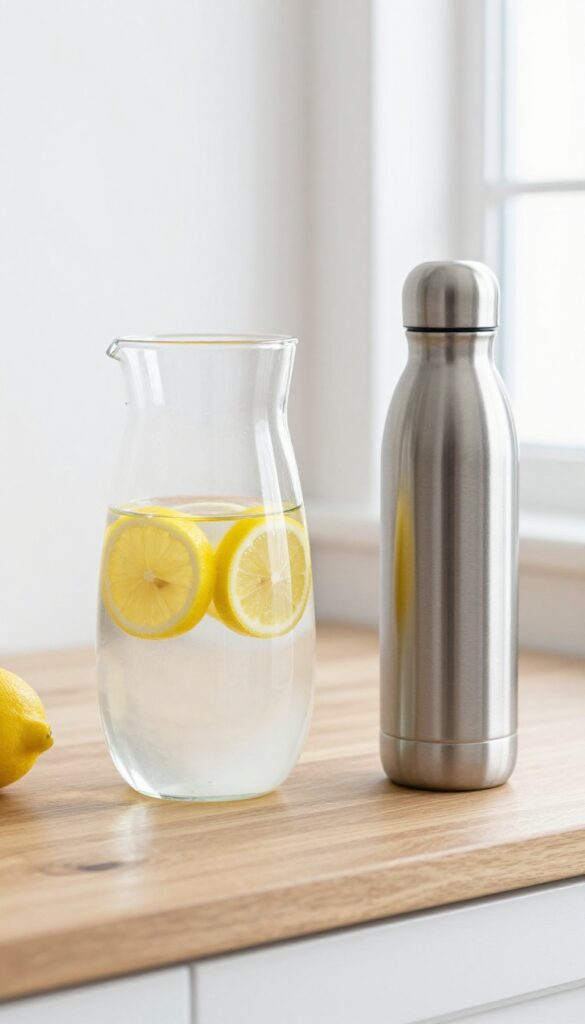
Let's start with one of the easiest money leaks to plug: bottled water. That daily plastic bottle might seem harmless, but the cost adds up fast. A single bottle can cost $1.
50 or more, and if you buy one every workday, that's over $350 a year. Plus, you're paying for something that's essentially free from your tap.
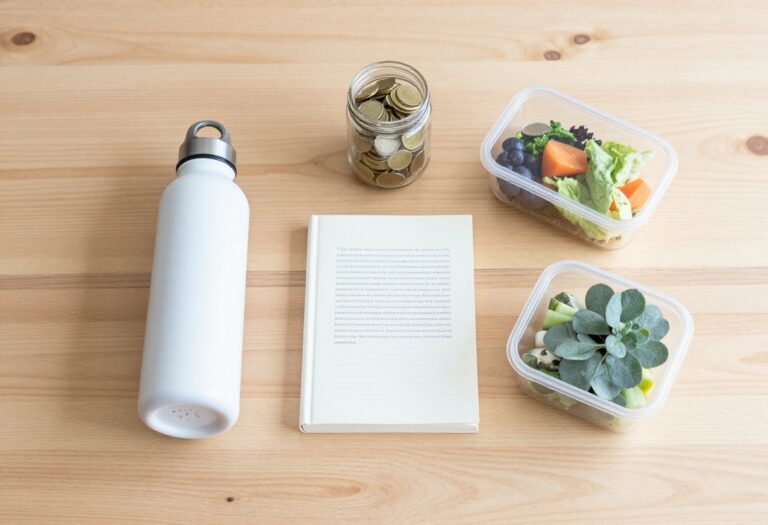
The fix is simple and cheap. Get a reusable water bottle—stainless steel or BPA-free plastic—and fill it with tap water. If you're worried about taste, a basic pitcher filter costs pennies per gallon.
You'll save hundreds annually and stop contributing to the plastic pollution crisis. Keep a bottle in your bag, car, and desk so you're never tempted to buy.
The Real Cost
Think bottled water is just a dollar here and there? Add it up. One bottle a day for a year = $365–$550.
For a family of four, that can easily exceed $1, 000. Meanwhile, tap water costs less than a penny per gallon.
Better Options
Invest in a reusable bottle (under $20) and a faucet or pitcher filter (around $30). After the first month, your only cost is the water bill. Many reusable bottles keep drinks cold for hours, so you'll actually prefer it.
Environmental Win
Americans buy about 50 billion plastic water bottles each year, and most end up in landfills or oceans. By switching, you'll reduce your plastic footprint significantly. It's a small change with a big impact.
2. Brand-Name Groceries
You don't need to buy the fancy box to get good food. Store brands often taste the same or even better than their pricier counterparts. Switching can cut your grocery bill by 25-30% without sacrificing quality.
The Taste Test Myth
Most people can't tell the difference in blind taste tests. From cereal to canned tomatoes, generic brands are frequently made in the same factories as name brands. You're paying extra for marketing, not ingredients.
Where To Start
Begin with pantry staples like flour, sugar, rice, and pasta. These are almost identical across brands. Then move to frozen vegetables, dairy, and spices.
The savings add up fast.
Watch For Sales And Coupons
Store brands already save you money, but you can stack even more by buying them on sale or using store loyalty apps. Some stores double coupons on their own brands, making the deal unbeatable.
Free PDF Download
Not Sure Which Side Hustle Fits You Best?
Take the free Side Hustle Matchmaker Quiz and get a simple 7-day starter plan to help you choose a beginner-friendly idea based on your time, skills, comfort level, and goals.
You’ll get this free PDF plus access to the full Marketerna Save More & Earn More PDF Kit. No spam. Unsubscribe anytime.
3. Daily Coffee Shop Runs
A daily latte habit can quietly drain your budget. That $5 cup adds up to over $150 a month. Brewing at home is a simple swap that saves you $50 to $100 monthly, depending on your order.
You don't have to give up coffee shop visits entirely—just make them a treat, not a routine.
The biggest savings come from turning a daily expense into an occasional one. A $5 coffee every weekday costs about $100 a month. Even cutting back to twice a week saves you $60.
Invest in a good thermos and a bag of quality beans, and you'll have a better cup for pennies.
The Real Cost Of Convenience
That $5 latte seems harmless, but over a year it's $1, 825. If you're grabbing a coffee and a pastry, it's even more. Brewing at home costs roughly $0.
30 per cup. The math is simple: home coffee saves you over $1, 500 a year.
Make Your Morning Ritual Special
You don't need a fancy machine. A French press or pour-over setup costs less than two weeks of coffee shop runs. Pair it with a cozy mug and your favorite music, and you might enjoy it more than the drive-through line.
When To Treat Yourself
Reserve coffee shop visits for social outings or days when you really need a pick-me-up. By making it intentional, you'll appreciate it more and spend less. Set a monthly limit—say four visits—and stick to it.
4. New Books
That shiny new hardcover at the bookstore looks tempting, but paying full price for a book you’ll finish in a week is a fast way to drain your budget. The good news: you can read all you want for a fraction of the cost—or even free.
Libraries are the ultimate hack. Most let you borrow e-books and audiobooks through apps like Libby or Hoopla, so you don't even have to leave home. Book swaps with friends or local “little free libraries” are another zero-cost option.
And if you must own a copy, used bookstores or online resellers like ThriftBooks have titles for a few dollars instead of $20. You still get the joy of reading without the sting of overspending.
The Library Advantage
Your local library is a goldmine. Beyond physical books, you can borrow bestsellers digitally, often with no wait. Many libraries also offer access to magazines, movies, and even museum passes—all free with your card.
Swap And Share
Start a book exchange with friends or coworkers. Everyone brings a few books they’ve finished and leaves with something new. It’s social, sustainable, and costs nothing.
Buying Used Online
Sites like ThriftBooks, AbeBooks, and eBay sell used books for as little as $3. 99 with free shipping. Condition is usually described honestly, so you know what you’re getting.
For popular titles, you can often find like-new copies for a song.
Free PDF Download
Not Sure Which Side Hustle Fits You Best?
Take the free Side Hustle Matchmaker Quiz and get a simple 7-day starter plan to help you choose a beginner-friendly idea based on your time, skills, comfort level, and goals.
You’ll get this free PDF plus access to the full Marketerna Save More & Earn More PDF Kit. No spam. Unsubscribe anytime.
5. Gym Memberships You Don't Use
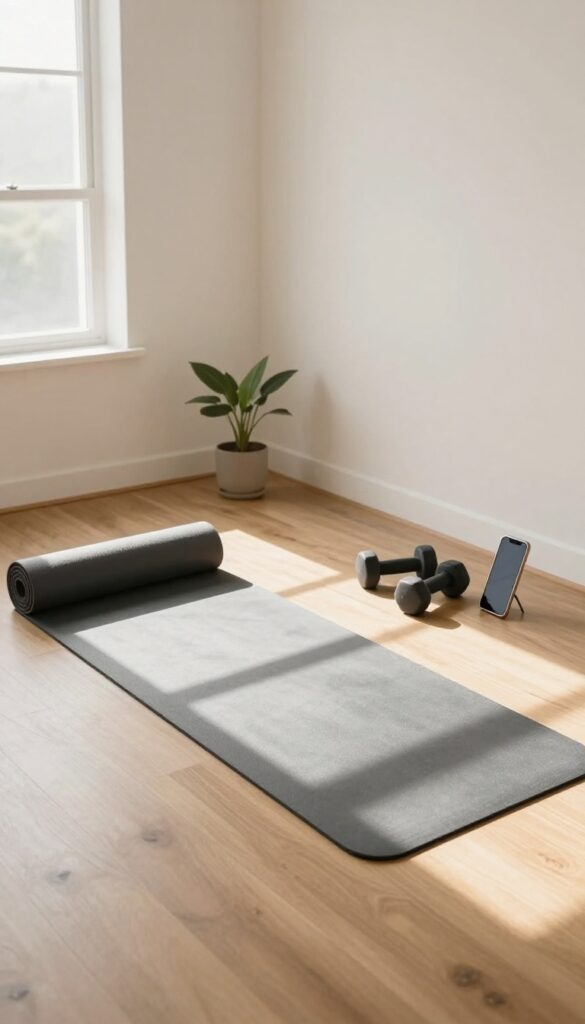
That monthly gym fee might feel like a harmless splurge, but if you haven't stepped foot inside since January, it's a complete waste. The average unused membership costs hundreds per year. Cancel it today and redirect that cash toward something you'll actually enjoy.
The money you're spending on a gym you don't use could fund a new hobby, a weekend trip, or even a home workout setup. You don't need a fancy facility to stay fit. Walking, running, and free workout videos are just as effective—and completely free.
The Real Cost Of That Unused Card
Let's do the math. If your gym costs $40 a month and you haven't gone in six months, that's $240 down the drain. Over a year, it's nearly $500.
That's real money you could be using for something that actually brings value to your life.
Free Alternatives That Actually Work
You don't need a gym to get in shape. Walking or jogging outside costs nothing. YouTube is packed with free workout videos—from yoga to HIIT to strength training.
Apps like Nike Training Club offer free routines. No equipment required.
How To Cancel Without The Guilt Trip
Gyms often make cancellation a hassle. Check your contract—some require written notice or a visit in person. If they push back, stay firm.
You're saving money, not quitting fitness. Once it's done, you'll feel relieved and richer.
6. Disposable Paper Products
Paper towels, napkins, and tissues are convenient, but they're also a steady drain on your wallet. The average household spends over $100 a year on these single-use items. The good news?
You can replace almost all of them with reusable alternatives that pay for themselves in just a few months.
Switching to cloth napkins, rags, and reusable towels is one of the simplest money-saving swaps you can make. Not only do you save cash, but you also cut down on household waste. Start by designating a drawer or basket for cloth napkins and rags, and toss them in with your regular laundry.
You'll be surprised how quickly the habit sticks.
Cloth Napkins Over Paper
Buy a set of cloth napkins—even a pack of 12 costs about the same as a few months' worth of paper napkins. They look nicer, feel better, and last for years. Just wash them with your towels and you're set.
Rags Instead Of Paper Towels
Cut up old t-shirts, towels, or buy a bundle of bar mop towels. Keep a stack under the sink for spills and cleaning. When they get dirty, throw them in the wash.
No more buying roll after roll.
Reusable Towels For The Kitchen
Swap paper towels for Swedish dishcloths or unpaper towels. They absorb like crazy, can be wrung out and reused, and last for months. One roll of unpaper towels can replace dozens of paper towel rolls.
7. Single-Use Cleaning Wipes
Those pop-up canisters of cleaning wipes are convenient, but they're also a sneaky budget killer. A pack might cost $5 to $10, and if you clean regularly, you can burn through one in a week. Over a year, that's hundreds of dollars spent on little more than wet paper with a bit of soap.
The better alternative? Microfiber cloths and a reusable spray cleaner. They work just as well—often better—and cost pennies per use.
Plus, you're not throwing away a pile of chemically-soaked wipes every week.
The switch is simple: buy a pack of microfiber cloths (around $10 for a set of 24) and a bottle of all-purpose cleaner or make your own with vinegar and water. Use a cloth, toss it in the laundry, and reuse it dozens of times. No more running out mid-clean or feeling guilty about the waste.
Why Wipes Are A Waste
Most cleaning wipes aren't flushable or biodegradable, so they clog landfills and sewers. And the cost per wipe adds up fast—about 10 to 20 cents each. If you use two wipes per day, that's $73 to $146 annually for something you could do for free with a cloth.
The Microfiber Advantage
Microfiber cloths trap dust and grime better than wipes because of their electrostatic charge. They can be used dry for dusting or damp for wiping. One cloth can replace dozens of wipes, and they hold up to hundreds of washes.
No streaking, no lint, no waste.
How To Make The Swap Stick
Keep a stack of clean microfiber cloths in a basket under your sink and a spray bottle of cleaner next to them. When you finish cleaning, toss the used cloths in a small laundry bag. Wash them on hot with no fabric softener.
That's it—no more buying wipes.
8. Extended Warranties
Extended warranties are a huge moneymaker for retailers because most people never use them. Electronics and appliances rarely fail within the first few years, and when they do, the cost of repair is often less than the warranty. Skip the upsell and keep that cash in your pocket.
The Odds Are Against You
Studies show that extended warranties have extremely low claim rates—often below 10%. That means you're essentially paying for peace of mind that you'll never need. Instead, set aside the warranty cost in a small emergency fund.
If something breaks, you'll have the money ready.
Credit Cards Often Cover You
Many credit cards automatically extend the manufacturer's warranty by an extra year at no cost. Check your card's benefits before you even consider buying an extended warranty. This free perk can save you $50 to $200 per purchase.
Self-insure For Big Purchases
For expensive items like laptops or refrigerators, put the warranty money into a dedicated savings account. Over time, this self-insurance fund will cover repairs or replacements without paying a middleman. You'll come out ahead financially.
9. Pre-Cut Fruits and Vegetables
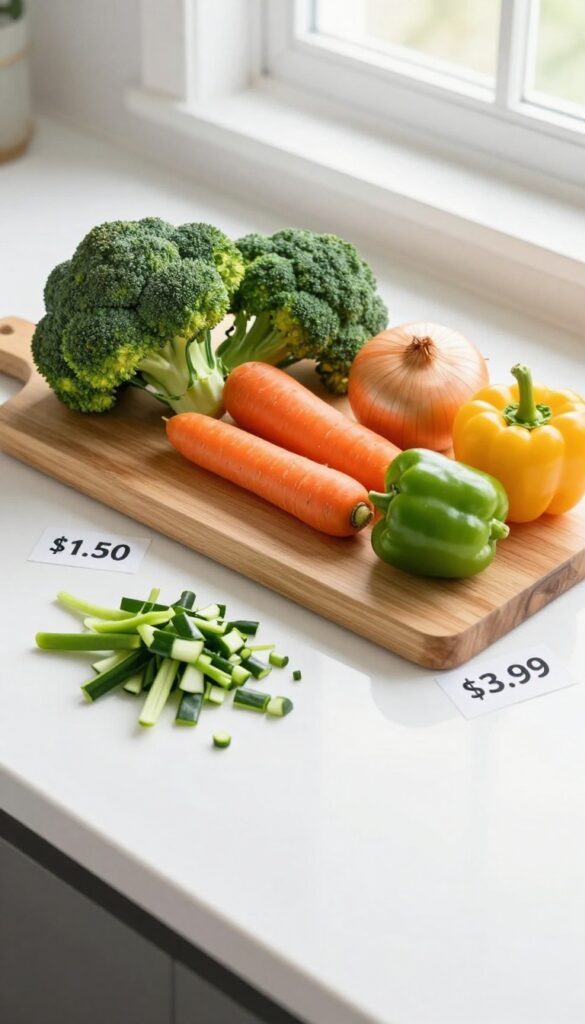
That bag of pre-chopped onions or container of diced mango feels like a time-saver, but you're paying a huge premium for convenience. Whole produce is almost always cheaper per pound, and it stays fresh much longer in your fridge. A few minutes with a knife can save you a surprising amount over time.
Pre-cut produce is often marked up by 30–50% or more. Plus, it tends to spoil faster because it's already been cut, losing moisture and nutrients. Buying whole fruits and vegetables means you control the freshness and quantity.
The Cost Difference Is Real
A bag of pre-cut broccoli florets might cost $3. 99 per pound, while a whole head of broccoli is often $1. 50 or less.
Same for carrots, bell peppers, and melons. Over a month, that markup adds up to real cash.
Lasts Longer, Less Waste
Whole produce stays fresh for days longer than pre-cut options. You can buy in bulk, prep what you need, and store the rest properly. Less spoilage means more food actually gets eaten.
Quick Prep Tips
Spend 10 minutes after grocery shopping washing and chopping your produce. Store in airtight containers, and you'll have ready-to-eat veggies for the week without the premium price tag.
10. Name-Brand Medications
You don't need a prescription to save on meds. Over-the-counter pain relievers, allergy pills, and cold medicines from store brands work just as well as the big names. The active ingredients are identical, so you're only paying extra for the logo.
Generic drugs contain the same active ingredients in the same doses. The FDA requires them to be just as safe and effective. The only difference is the price—store brands can cost 50% to 80% less.
Next time you reach for Advil or Tylenol, grab the store brand instead. Your wallet will thank you.
Why Store Brands Are Cheaper
Name-brand companies spend heavily on marketing, packaging, and research. Generic manufacturers skip most of that, passing the savings to you. The actual medicine is made in the same FDA-approved facilities.
What To Look For
Check the active ingredient list on the back of the box. If it matches the name brand, you're getting the same thing. For example, store-brand ibuprofen is identical to Motrin.
Just confirm the dosage is the same.
Exceptions To The Rule
Some medications have special delivery systems or coatings that affect absorption. For time-release or enteric-coated pills, stick with the name brand if your doctor recommends it. For standard tablets and capsules, generics are a safe bet.
11. Impulse Buys at Checkout
You know the drill: you're standing in line, bored, and your eyes land on a display of candy bars, travel-size gadgets, or glossy magazines. It's just a few dollars, right? But those small, unplanned purchases add up fast.
A $3 candy bar twice a week becomes over $300 a year. That magazine habit? Another $100 or more.
The checkout aisle is designed to tempt you. Retailers place those items strategically because they know you're a captive audience. The easiest way to beat the system is to simply not look.
Keep your eyes on your phone, your shopping list, or the cashier. Better yet, use self-checkout and skip the display entirely.
Those candy bars, magazines, and gadgets add up. Stick to your list and avoid the end caps.
The Real Cost Of A 'small' Treat
A pack of gum here, a lottery ticket there—it feels harmless. But if you buy just one $2 item per checkout trip and you shop twice a week, that's $208 a year. Over a decade, that's over $2, 000.
Imagine what that money could do in a savings account or invested.
How To Break The Habit
Make a rule: nothing from the checkout aisle. Period. If you're tempted, remind yourself that the item will be there next time—and you don't need it.
Another trick: keep a reusable water bottle or a snack in your bag so you're not tempted by thirst or hunger.
What To Do Instead
Use the time in line to review your shopping list or plan your next meal. If you really want a treat, add it to your grocery list ahead of time and buy it at a lower price. That way, you're in control, not the store.
12. Fast Fashion
Those $10 t-shirts and $20 dresses feel like a steal in the moment, but they're designed to fall apart after a few washes. The real cost adds up fast when you're constantly replacing worn-out pieces. By ditching fast fashion, you can keep your wardrobe fresh and your bank account happy.
The Math Of Disposable Clothing
A cheap shirt might cost $15, but if it only lasts 10 wears, that's $1. 50 per wear. A quality shirt at $60 that lasts 100 wears is just $0.
60 per wear. The math is clear: buying cheap is actually more expensive in the long run.
Build A Capsule Wardrobe
Focus on versatile, timeless pieces that mix and match easily. Think solid colors, classic cuts, and natural fabrics like cotton, linen, and wool. A capsule wardrobe of 30–40 items can replace a closet full of disposable trends.
Thrift And Swap
Secondhand shopping is a goldmine for quality clothing at a fraction of the price. Thrift stores, consignment shops, and online resale apps like Poshmark or Depop let you score high-end brands for less. Host clothing swaps with friends to refresh your wardrobe for free.
13. Premium Cable or Streaming Packages
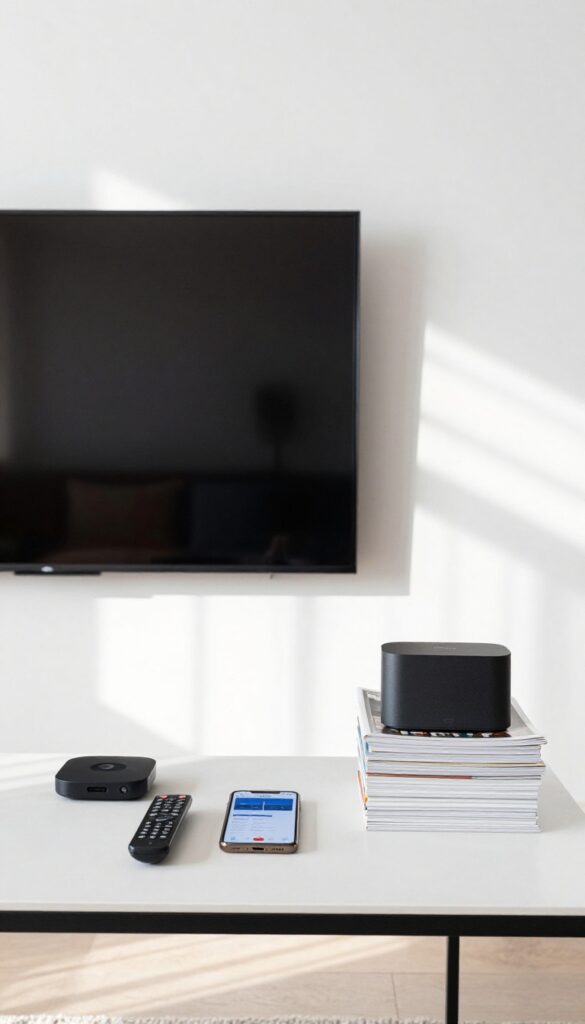
Let's be honest: how many of those 200+ channels do you actually watch? Or the five different streaming services you're paying for every month? Most people binge one or two shows at a time and ignore the rest.
That's a lot of money going to content you never touch.
The average American spends over $100 a month on TV and streaming. Cut that in half by dropping the premium cable package or rotating your streaming subscriptions. You'll barely notice the difference—except in your bank account.
Audit Your Watching Habits
Look at your last month of viewing history. Which services did you actually open? Which channels did you watch for more than five minutes?
Cancel the ones you didn't touch. You can always resubscribe later if a new season drops.
Share Or Rotate Subscriptions
Split a family plan with friends or family. Rotate services month by month—subscribe to Netflix in January, Hulu in February, and so on. You'll always have something new to watch without paying for everything at once.
Free Alternatives Work
Free ad-supported services like Pluto TV, Tubi, and Freevee offer thousands of movies and shows. The trade-off is a few commercials, but you save $50–$100 a month. Worth it.
14. Lottery Tickets
That quick flutter of hope when you buy a lottery ticket is expensive. The odds of winning big are astronomically low—you're more likely to get struck by lightning. Spending just $5 a week adds up to $260 a year, money that could be building real wealth instead of funding a near-impossible dream.
The lottery is a tax on people who don't understand math. Even small, regular purchases drain your budget without any realistic return. Redirect that cash into a high-yield savings account or a low-cost index fund, and you'll see actual growth over time.
The Odds Are Worse Than You Think
Your chance of winning a major lottery jackpot is about 1 in 292 million. To put that in perspective, you're more likely to be attacked by a shark, become a movie star, or be elected president. Each ticket is essentially a donation to the state.
Small Drips, Big Leaks
A $2 ticket twice a week doesn't feel like much, but that's $208 a year. If you invested that money with a 7% annual return, you'd have over $2, 800 after ten years. Not life-changing, but a lot better than a stack of losing tickets.
Replace The Rush With A Real Reward
The excitement of a potential win is real, but you can get a similar thrill from setting a savings goal and watching it grow. Try a savings challenge or a small investment account. The payoff is guaranteed, not a long shot.
15. ATM Fees
Paying $3 or more to withdraw your own money is like throwing cash into a trash can. Those fees add up fast, especially if you hit the ATM a couple times a week. The solution is simple: plan ahead and stick to in-network machines.
ATM fees are a sneaky drain on your wallet. Between the surcharge from the machine owner and your own bank's fee, a single withdrawal can cost $5 or more. Do that twice a week and you're out $40+ a month—almost $500 a year.
All for the convenience of not walking an extra block to your bank's ATM.
Find Your Bank's Free Atms
Most banks have a network of fee-free ATMs, often at branches or partner locations. Use your bank's app or website to locate the nearest one. Many credit unions also participate in shared networks, giving you thousands of free options.
Get Cash Back Instead
When you're at a store, just add a few extra dollars to your purchase and get cash back. Most grocery stores, drugstores, and big-box retailers offer this service for free. It's a no-fee way to get cash without hunting for an ATM.
Withdraw Larger Amounts Less Often
Instead of pulling out $20 every other day, take out $100 or $200 once a week. Fewer trips mean fewer fees. You'll also be less tempted by small impulse buys when you have a larger stash of cash.
16. Disposable Razors
Those plastic razors with replaceable cartridges are a sneaky budget drain. A pack of four might cost $10–$15, and you're supposed to swap the blade every week or two. That adds up to $100–$200 a year for something that doesn't even give you a great shave.
The real kicker? The cartridges are designed to dull quickly so you buy more.
Switching to a safety razor or an electric shaver is a one-time investment that pays for itself fast. A decent safety razor costs around $30–$40, and a pack of 100 blades runs about $10. That's a year or more of shaving for the price of a single pack of disposables.
Electric shavers are pricier upfront ($50–$150) but can last years with basic maintenance.
The Upfront Cost Myth
People often assume safety razors are expensive because the handle looks old-fashioned or fancy. In reality, the handle is a one-time buy, and the blades are dirt cheap. You'll break even after just a few months compared to disposables.
Better Shave, Less Waste
Safety razors give a closer, less irritating shave because they use a single, sharp blade. Plus, you're not tossing plastic cartridges into the landfill every week. It's a small change that helps both your wallet and the planet.
Electric Options For Convenience
If you prefer speed and don't want to deal with blades at all, a good electric shaver is a solid alternative. Look for one with replaceable heads that last 12–18 months. The initial cost is higher, but over five years you'll still spend less than on disposables.
17. Bottled Salad Dressing

That bottle of ranch or vinaigrette in your fridge door is costing way more than you think. Store-bought dressings are mostly water, cheap oil, and preservatives—yet they can run $4 to $6 for a small bottle. Making your own takes two minutes and costs pennies per serving.
A simple vinaigrette uses a 3: 1 ratio of oil to vinegar, plus salt, pepper, and any herbs you like. Whisk it up, store it in a jar, and you'll never go back. Plus, you control the ingredients—no added sugar, artificial flavors, or thickeners.
The Price Tag Shock
A 12-ounce bottle of name-brand dressing can cost $5. That's about $0. 42 per ounce.
Homemade dressing costs roughly $0. 10 per ounce—a savings of 75% or more. If your household uses one bottle every two weeks, you'll save over $50 a year just on dressing.
Healthier By Default
Most bottled dressings are loaded with sugar, sodium, and unhealthy fats. A single serving of some ranch dressings has 2 grams of sugar and 140 milligrams of sodium. Homemade versions let you use olive oil, fresh herbs, and no added sugar.
Your salads become a true health food, not a hidden junk food.
Endless Variety, Zero Effort
Once you master the basic formula, you can create endless flavors: add Dijon for a tangy vinaigrette, yogurt for a creamy ranch, or tahini for a Middle Eastern twist. Keep a jar in the fridge and shake it up when you need it. No more buying a new bottle every time you want a different taste.
18. Greeting Cards
That $5. 99 card at the drugstore? It's basically a piece of paper with a pre-printed sentiment.
You're paying for the convenience, not the thought. And if you buy multiple cards a year for birthdays, holidays, and thank-yous, the cost adds up fast. The good news: you can skip this expense entirely without anyone feeling less appreciated.
A heartfelt message, whether typed, handwritten on scrap paper, or drawn on construction paper, carries more weight than any store-bought card. The recipient cares about your words, not the embossing or foil stamping. Save the money and put it toward something that actually matters.
The Text Message Alternative
A thoughtful text or email can be just as meaningful, especially for casual occasions. Take 30 seconds to write a personal note instead of browsing the card aisle. You'll save time and money, and the recipient will appreciate the directness.
Homemade Cards That Impress
A simple card made from recycled paper, a photo, or even a piece of cardboard can feel more personal than anything Hallmark sells. Kids' drawings, a pressed flower, or a handwritten poem show effort and creativity. No artistic talent required—sincerity is what counts.
Digital Card Services
Free e-card websites and apps let you send animated or musical greetings instantly. Many allow you to add photos and custom messages. For recurring events like birthdays, set up a reminder and send a digital card.
Zero cost, zero waste, and still thoughtful.
19. Dry Cleaning for Everyday Clothes
That 'dry clean only' tag can feel like a command, but it's often more of a suggestion. Many garments labeled that way are perfectly fine with a gentle hand wash. Reserve the dry cleaner for your delicate silk blouses and structured wool coats—your everyday basics can be cared for at home.
Check the care label. If it says 'dry clean only, ' look for fabric content. Natural fibers like cotton, linen, and some wools can often be hand-washed in cold water with mild detergent.
Polyester blends are also usually safe. Use a mesh bag for machine washing on delicate cycle. Air dry flat to avoid shrinkage.
You'll save $5–$10 per item each time.
Which Items Are Safe To Hand-wash?
Cotton button-downs, linen pants, synthetic sweaters, and many polyester blouses can be hand-washed. Silk and rayon are riskier—test a hidden area first. Always use cold water and a gentle detergent.
How To Hand-wash Without Ruining Clothes
Fill a sink with cold water and a capful of mild detergent. Submerge the garment, gently swish for a few minutes, then rinse. Roll in a towel to remove excess water, then lay flat to dry.
Avoid wringing.
When To Still Use The Dry Cleaner
Save dry cleaning for structured items like suits, wool coats, and anything with intricate beading or pleats. Also for stains that don't come out with gentle washing—dry cleaning solvents are stronger.
20. Unused Subscription Boxes
Subscription boxes are fun in theory, but in practice, many end up as clutter you pay for every month. That curated snack box? You ate two things and forgot the rest.
The beauty box? Half the samples sit untouched. These recurring charges easily slip under the radar, quietly draining your bank account month after month.
The key is to audit your subscriptions monthly. Go through your bank statements and ask yourself honestly: Did I look forward to this box arriving? If the answer is no, cancel it immediately.
Most services let you pause or cancel online in under two minutes. That small effort can save you $20 to $50 per box, adding up to hundreds a year.
How To Spot The Waste
Look for boxes you haven't opened in the last two months. Check your email for shipping notifications you ignore. If you can't remember what's inside your latest delivery, that's a clear sign it's not worth the cost.
Easy Cancellation Tips
Set a recurring calendar reminder to review subscriptions. Use a service like Truebill or Rocket Money to track them automatically. When you cancel, take a screenshot of the confirmation so you have proof if charges continue.
What To Do Instead
Redirect that money toward something you truly enjoy. A one-time purchase of a high-quality item you love will bring more joy than a monthly box of surprises you don't need. Or simply add the savings to your emergency fund.
21. New Tech on Launch Day
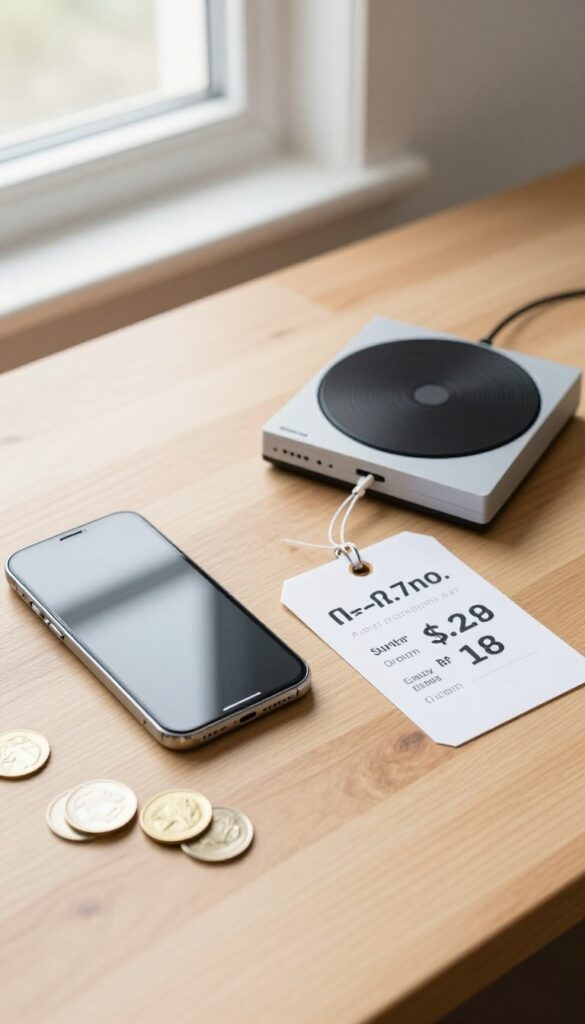
That shiny new smartphone or gaming console looks irresistible on launch day, but buying it immediately is one of the fastest ways to burn cash. Prices drop significantly within a few months, and refurbished models offer the same performance for a fraction of the cost. Patience pays off big time here.
Waiting a few months after a tech release can save you 20–30% or more. Refurbished devices from reputable sellers come with warranties and are often indistinguishable from new. You get the same features without the premium price tag.
The Price Drop Pattern
Most electronics see a price cut within 3–6 months of release. For example, flagship phones often drop by $100–$200 during holiday sales or when the next model is announced. Set a price alert and buy when the hype fades.
Refurbished Is A Smart Bet
Certified refurbished products are tested, repaired if needed, and sold at a discount. They come with warranties and look like new. Apple, Samsung, and Amazon all offer reliable refurbished options.
Skip The Pre-order Frenzy
Pre-ordering locks you into full price and often comes with mediocre freebies. Instead, wait for reviews and real-world tests. You might find that the upgrade isn't worth it at all.
FAQ
How much can I save by cutting these items?
It varies, but many people save $200-$500 per month by eliminating most of these. Even a few changes can make a noticeable difference.
Do I have to stop buying all 21 things?
Not at all. Pick the ones that fit your lifestyle. Even cutting five or six items can add up to significant annual savings.
What's the easiest thing to stop buying first?
Bottled water and daily coffee shop runs are simple swaps that yield quick savings. Start there for an immediate win.
Will I feel deprived cutting these purchases?
Most people don't miss these items once they find affordable alternatives. The key is to replace them with better habits, not just remove them.
How do I track my savings from these cuts?
Use a budgeting app or a simple spreadsheet. Note the items you've stopped buying and estimate the monthly savings to stay motivated.
Conclusion
Cutting these 21 items from your shopping list won't feel like sacrifice—it'll feel like freedom. Start with the easiest swaps, like skipping bottled water or saying no to brand-new books.
Within a month, you'll have extra cash for what truly matters, whether that's travel, savings, or just breathing easier.
Free PDF Download
Not Sure Which Side Hustle Fits You Best?
Take the free Side Hustle Matchmaker Quiz and get a simple 7-day starter plan to help you choose a beginner-friendly idea based on your time, skills, comfort level, and goals.
You’ll get this free PDF plus access to the full Marketerna Save More & Earn More PDF Kit. No spam. Unsubscribe anytime.