
19 Money Saving Habits to Start This Month
Imagine finding an extra $200 in your budget this month without earning more or cutting anything you love. That's the power of stacking small, intentional habits—like automating savings on payday or packing lunch just three days a week. These 19 actions target the exact places money slips away unnoticed, from forgotten subscriptions to impulse buys caught by a 24-hour pause.
You don't need to tackle them all at once. Pick the three easiest wins for your life—maybe switching to a high-yield savings account or setting one weekly no-spend day—and watch the savings compound.
Each habit is specific, practical, and designed to fit a real Tuesday, not a perfect world. Start this month, and your future self will thank you.

Free PDF Download
Not Sure Which Side Hustle Fits You Best?
Take the free Side Hustle Matchmaker Quiz and get a simple 7-day starter plan to help you choose a beginner-friendly idea based on your time, skills, comfort level, and goals.
You’ll get this free PDF plus access to the full Marketerna Save More & Earn More PDF Kit. No spam. Unsubscribe anytime.
1. Automate Your Savings on Payday
Payday feels great, but that money has a way of disappearing fast. The moment it hits your account, bills, subscriptions, and impulse buys start chipping away. By the end of the week, you might wonder where it all went.
The fix is simple: make savings the first thing that happens, not the last.
Set up an automatic transfer from your checking to your savings account for the same day you get paid. Even $50 per paycheck adds up to $1, 300 in a year. You won't miss money you never see, and your savings will grow without any effort on your part.
It's the ultimate set-it-and-forget-it habit.
Pick The Right Amount
Start small if you're unsure. $20 or $50 per paycheck is a great beginning. You can always increase it later. The key is consistency, not the amount.
Once you see the balance growing, you'll feel motivated to bump it up.
Choose The Right Account
Use a separate savings account, preferably a high-yield one. Keeping it at a different bank from your checking adds a small friction that discourages withdrawals. You want your savings to be out of sight and out of mind.
Schedule It For Payday Morning
Set the transfer for the morning of payday, before you spend a cent. Most banks let you schedule recurring transfers. If your employer offers direct deposit splitting, even better—send a portion straight to savings.
2. Use the 24-Hour Rule for Non-Essentials
Impulse buys feel great in the moment, but that rush fades fast—unlike the credit card statement. The 24-hour rule is a simple way to pump the brakes on unnecessary spending. Before you buy anything that isn't a genuine need, force yourself to wait a full day.
You'll be surprised how many things lose their magic overnight.
Most purchases are emotional decisions, not logical ones. By waiting 24 hours, you give your brain time to reset and evaluate if you actually need it—or if it was just a fleeting want. This habit alone can slash your discretionary spending by a significant chunk.
How It Works
Whenever you feel the urge to buy something non-essential—like a new gadget, trendy clothes, or home decor—add it to a list or cart, then set a timer for 24 hours. When the time is up, revisit the item. You'll often find the desire has passed, and you can delete it without a second thought.
Why It Works So Well
Retailers are experts at triggering instant gratification. The 24-hour rule breaks that spell. It also helps you distinguish between a genuine need and a temporary craving.
Over time, you'll become more mindful about what you bring into your life and your budget.
Tips To Make It Stick
Keep a running wish list on your phone. After 24 hours, if you still want it, consider if it fits your monthly budget. For bigger purchases, extend the wait to 48 or 72 hours.
You can also ask yourself: 'Would I rather have this item or the money it costs? ' Often, the money wins.
Free PDF Download
Not Sure Which Side Hustle Fits You Best?
Take the free Side Hustle Matchmaker Quiz and get a simple 7-day starter plan to help you choose a beginner-friendly idea based on your time, skills, comfort level, and goals.
You’ll get this free PDF plus access to the full Marketerna Save More & Earn More PDF Kit. No spam. Unsubscribe anytime.
3. Track Every Dollar for One Month
You might think you know where your money goes, but the numbers often tell a different story. A 30-day tracking challenge reveals the truth—every coffee, snack, and forgotten subscription adds up. It's not about judgment; it's about awareness.
Once you see the leaks, you can plug them without feeling deprived.
Grab a simple app like Mint or a pocket notebook. For 30 days, log every single expense, no matter how small. At the end, review your categories.
You'll likely find surprises—like spending $80 on takeout or $40 on a subscription you never use. That awareness is the first step to saving without sacrifice.
Choose Your Tracking Tool
Pick what fits your lifestyle. Apps like YNAB or EveryDollar automate syncing, while a notebook gives you a tactile record. The key is consistency, not perfection.
Even a simple spreadsheet works if you update it daily.
What To Look For After 30 Days
Spot patterns: daily lattes, weekly fast food, recurring subscriptions you forgot. These are your low-hanging fruit. You don't have to cut everything—just the ones that don't bring you joy.
Redirect that money to your savings goals.
Turn Tracking Into A Habit
After the month, you don't need to track forever. But a quarterly check-in can keep you on track. Many people find that the awareness alone changes their spending behavior permanently.
It's like a financial mirror—once you see it, you can't unsee it.
4. Cook One Extra Meal at Home Each Week
Takeout is convenient, but it quietly drains your budget. That $15 delivery adds up fast when it happens three or four times a week. The fix is simpler than you think: just cook one more meal at home than you normally would.
Over a year, that single swap can save hundreds of dollars—and it barely feels like a sacrifice.
Start small. Pick one meal you usually order—maybe Friday night pizza or a quick lunch from the deli—and make a version at home. You don't need to be a chef.
A simple pasta, stir-fry, or sheet pan dinner works. The key is consistency: one extra home-cooked meal per week, every week.
Make It Easy On Yourself
Choose meals that take 20 minutes or less. Keep staple ingredients on hand—pasta, canned tomatoes, frozen veggies, eggs. Batch cook on Sunday so you have leftovers ready.
The less friction, the more likely you'll stick with it.
Track The Savings
Compare the cost of a takeout meal versus homemade. A restaurant burger and fries might cost $12, while a homemade version is $3. Multiply that by 52 weeks, and you're looking at $468 saved.
That's real money for something so simple.
Turn It Into A Ritual
Make your extra home-cooked meal something you look forward to. Try a new recipe each week, or cook with a partner or friend. Light a candle, play music, and treat it as a mini event.
When cooking feels like a treat, you'll naturally do it more often.
Free PDF Download
Not Sure Which Side Hustle Fits You Best?
Take the free Side Hustle Matchmaker Quiz and get a simple 7-day starter plan to help you choose a beginner-friendly idea based on your time, skills, comfort level, and goals.
You’ll get this free PDF plus access to the full Marketerna Save More & Earn More PDF Kit. No spam. Unsubscribe anytime.
5. Cancel Unused Subscriptions
That $14. 99 streaming service you haven't opened in months? It's still billing you.
Same goes for the gym membership you used twice last year and the app you downloaded for a single project. Those small charges add up fast, often totaling $50–$100+ per month without you noticing. The fix is simple: audit your subscriptions and cut the dead weight.
Start by pulling your last three months of bank and credit card statements. Highlight every recurring charge—streaming, apps, memberships, boxes, software, even insurance riders you no longer need. Then ask yourself: Do I use this at least once a month?
Does it bring me real value? If the answer is no, cancel it. Redirect that cash straight to savings or a high-yield account.
Where To Look
Check your bank statements, PayPal, Apple ID, Google Play, and any stored payment methods. Don't forget annual subscriptions that renew quietly—they're easy to overlook. Use a free app like Rocket Money or Trim to scan for charges you missed.
How To Cancel Painlessly
Most services let you cancel online, but some require a phone call. Set a 30-minute block to knock them out. For annual subscriptions, calculate the prorated refund if available.
If you're on the fence about a service, pause it for a month instead of canceling—you'll see if you miss it.
What To Do With The Savings
Set up an automatic transfer for the exact amount you freed up—say $75—into a savings account on the same day your subscriptions used to bill. That way, the money disappears before you can spend it. Over a year, that's $900 you wouldn't have had.
6. Switch to a High-Yield Savings Account
Your emergency fund is probably sitting in a regular savings account earning next to nothing. Moving it to a high-yield savings account could earn you hundreds of dollars a year with zero extra effort. Online banks often offer rates 10 to 20 times higher than traditional ones, and your money stays just as accessible.
High-yield savings accounts (HYSAs) are exactly like regular savings accounts but with much better interest rates. Online banks like Ally, Marcus, and Discover offer rates around 4-5% APY, compared to the national average of 0. 4%.
That means on a $10, 000 emergency fund, you'd earn about $400 a year instead of $40. The catch? None, really.
Your money is FDIC-insured, you can withdraw it anytime, and there are usually no fees.
Why Your Emergency Fund Deserves Better
Most people keep their emergency fund in a checking or low-interest savings account out of habit. But that money is meant to sit untouched, so it might as well earn as much as possible. A HYSA gives you the same safety and liquidity, but with a much higher return.
Even a 1% difference adds up over time.
How To Choose The Right Account
Look for accounts with no monthly fees, no minimum balance requirements, and easy online access. Check the current APY—rates change frequently. Also, consider how quickly you can transfer money to your checking account if you need it.
Most HYSAs offer transfers within 1-3 business days.
Set It And Forget It
Once you open the account, automate a recurring transfer from your checking account each month. This way, you build your emergency fund without thinking about it. The interest will compound automatically, growing your savings even faster.
It's one of the easiest money moves you can make.
7. Pack Your Lunch Three Days a Week
Let's be real—buying lunch every day is convenient, but it's also one of the fastest ways to drain your wallet. That $12 sandwich adds up fast. By packing lunch just three days a week, you can save $30 to $50 weekly without giving up your favorite takeout spots entirely.
Start Small, Stay Consistent
Three days a week is a realistic goal. Pick Monday, Wednesday, and Friday, or whatever fits your schedule. Prep the night before or batch cook on Sunday.
Even simple sandwiches, salads, or leftovers work.
The Math Adds Up Quickly
Saving $40 a week means over $2, 000 a year. That's a weekend getaway, a nice dinner out, or a chunk of your emergency fund. And you're still buying lunch twice a week, so you don't feel deprived.
Make It Easy On Yourself
Invest in a good lunch bag and reusable containers. Keep staples like canned tuna, pre-washed greens, and dressing at work. The easier it is, the more likely you'll stick with it.
8. Use Cash Envelopes for Variable Spending
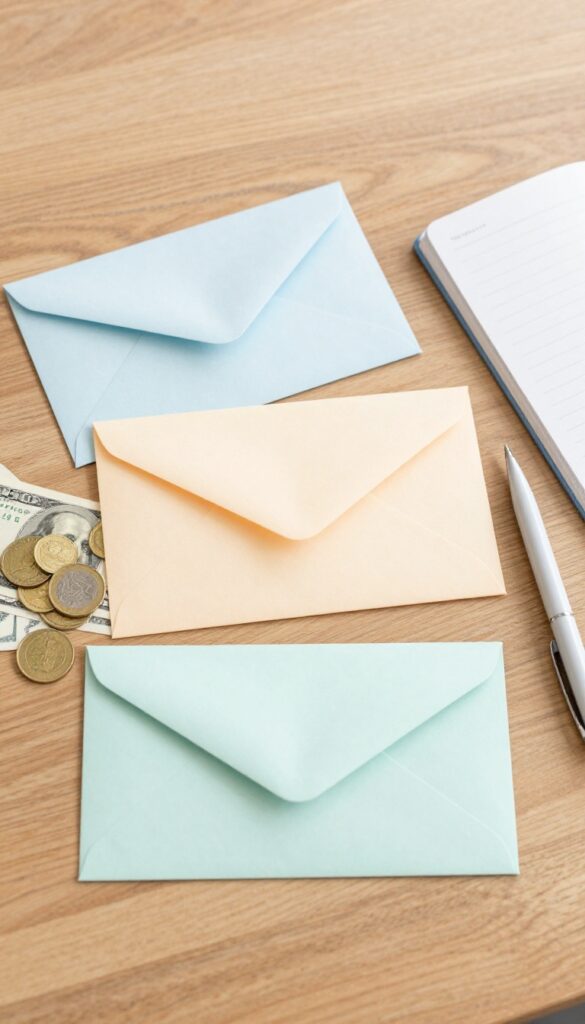
Swiping a card feels almost like play money—until the statement arrives. The cash envelope system makes spending physical again. You withdraw a set amount for categories like groceries, dining out, and entertainment, and place the cash in labeled envelopes.
When the envelope is empty, that's it—no more spending in that category until next month.
This method works because it introduces friction. Handing over actual bills makes you pause and think, "Is this worth parting with my cash? " It's a proven way to curb overspending without needing a spreadsheet or app.
Plus, it's impossible to accidentally go over budget—you can't spend what isn't there.
How To Set Up Your Envelopes
Start with 2-3 categories where you tend to overspend, like dining out or entertainment. Label an envelope for each and withdraw the budgeted cash from your bank. Keep the envelopes in a secure spot at home—only take the one you need when heading out.
What To Do With Leftover Cash
If you have money left in an envelope at month-end, roll it into next month's envelope or put it toward a financial goal. This creates a positive feedback loop—staying under budget feels rewarding, not restrictive.
When Cash Isn't Practical
For online purchases or emergencies, keep a small buffer in your checking account. The goal isn't to eliminate cards entirely but to use cash for your most flexible spending categories. You can also use a prepaid debit card loaded with your budgeted amount as a digital alternative.
9. Negotiate Your Bills Annually
Most people set up their internet, cable, insurance, and phone bills once and never think about them again. But providers regularly increase rates for loyal customers, hoping you won't notice. A single annual phone call can reverse those hikes and often save you hundreds of dollars.
The key is to treat negotiation as a routine task, not a confrontation. Companies have retention departments whose job is to keep you happy—and they have authority to lower rates, add discounts, or match competitor offers. All you have to do is ask.
What To Say
Call and say something like, 'I've been a customer for X years, but I noticed my bill went up. Can you check if there are any current promotions or loyalty discounts? ' Be polite but firm. If they say no, ask to speak to the retention or cancellation department.
When To Call
Schedule these calls for the same time each year—maybe your birthday month or January. Set a recurring reminder. Also, check competitor prices beforehand so you know what leverage you have.
What To Negotiate
Focus on services where competition is high: internet, cable, streaming bundles, cell phone plans, and insurance (auto, home, renters). Even a $10 monthly reduction on three bills adds up to $360 a year.
10. Buy Generic Brands for Staples
You don't need to buy everything generic—just the basics where quality differences are minimal. Store brands for flour, sugar, oats, canned goods, and cleaning supplies are often made in the same factories as name brands, just with different labels. Switching these staples alone can trim your grocery bill by 20–30% without sacrificing taste or performance.
What To Swap First
Start with pantry staples like baking ingredients, rice, pasta, and spices. Cleaning products like bleach, dish soap, and all-purpose cleaners are also safe bets. Avoid generic versions of items where brand really matters to you, like specialty sauces or favorite snacks.
How To Compare
Check the ingredients list—if it's nearly identical, the product likely is too. Look for store brands with satisfaction guarantees, so you can return them if you're not happy. Many stores even offer a money-back promise on their own labels.
The Savings Add Up
If your monthly grocery bill is $500, a 25% savings on staples (which might be half your total) means about $62. 50 back in your pocket each month. That's $750 a year just for choosing the store brand on basics.
11. Set a 'No-Spend Day' Each Week
Picking one day a week to spend absolutely nothing might sound impossible, but it's surprisingly freeing. It breaks the automatic habit of reaching for your wallet and forces you to get creative with what you already have. Plus, those 52 no-spend days a year add up to serious savings.
Choose a day that's already low-key—maybe a Tuesday or Wednesday when you're not tempted by weekend plans. On that day, no coffee runs, no takeout, no online shopping. You'll be amazed how much you can save just by pressing pause once a week.
How To Pick Your Day
Look at your week and find the day with the fewest obligations. If your weekends are packed with brunches and errands, a weekday is smarter. Make it the same day each week so it becomes a habit.
What Counts As 'no Spend'
Only essential bills like rent or utilities are exempt. Everything else—food, entertainment, gas, shopping—is off-limits. If you need groceries that day, plan ahead and buy them the day before.
Make It Fun, Not Punishing
Use your no-spend day to cook a meal from pantry staples, watch a movie you already own, or go for a walk. It's a chance to enjoy free activities and reset your spending mindset.
12. Use a Budgeting App to Stay on Track
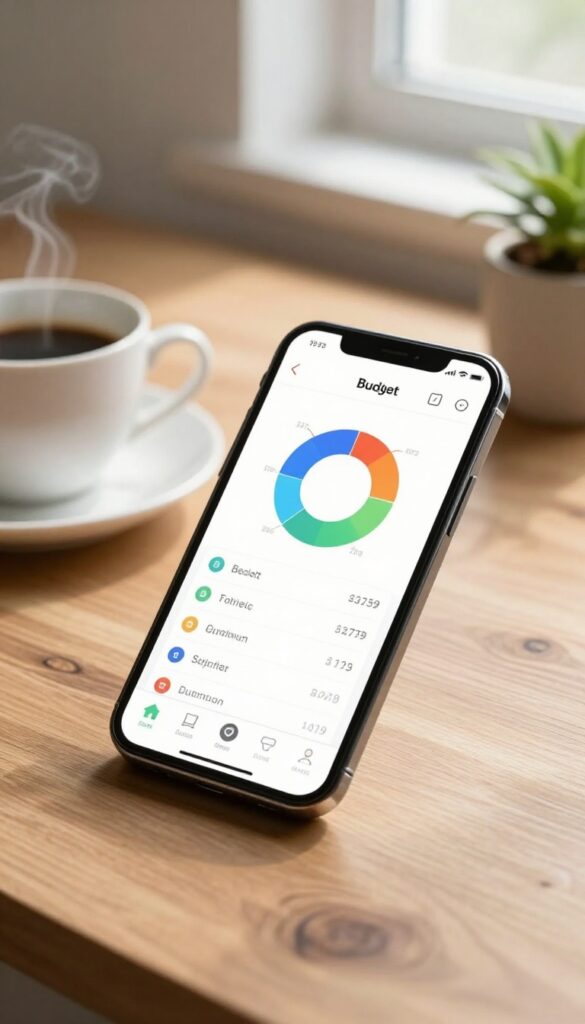
If your budget lives in your head or on a napkin, it's easy to lose track. A budgeting app does the heavy lifting—categorizing spending, showing trends, and alerting you when you're close to a limit. The result?
You stop wondering where your money went and start telling it where to go.
Budgeting apps take the guesswork out of managing money. Instead of manually tracking every coffee run, the app syncs with your accounts and updates in real time. You can see exactly how much is left in your dining out category before you order takeout.
This visibility alone can curb overspending because you see the impact immediately.
Pick An App That Fits Your Style
Not all budgeting apps are the same. YNAB (You Need A Budget) uses a zero-based approach where every dollar has a job—great if you want to be hands-on. EveryDollar, from Dave Ramsey, follows the same philosophy but is simpler.
Mint is more passive: it tracks spending and sends alerts. Choose the one that matches how much effort you want to put in.
Set Up Categories That Make Sense To You
Generic categories like "Shopping" or "Bills" might not help. Instead, create categories that reflect your actual life: "Coffee Shops, " "Streaming Services, " "Pet Supplies. " The more specific, the easier it is to spot leaks.
Most apps let you customize categories, so take five minutes to tailor them.
Check In Daily, Even For 30 Seconds
The real magic happens when you look at the app every day. A quick glance at your spending progress keeps you aware. You might see you've already spent half your dining budget by the 10th—prompting you to cook more for the rest of the month.
Daily check-ins turn budgeting from a chore into a habit.
13. Shop with a List and Stick to It
Grocery stores are designed to tempt you—end caps, checkout lane snacks, and "limited time" displays all engineered to trigger impulse buys. A simple list acts as your shield. Studies show shoppers who go in with a list spend up to 30% less because they skip the extras and remember what they actually need.
Before you head out, take five minutes to check your pantry and fridge. Write down exactly what you need, grouped by aisle if that helps. Then commit to buying only what's on that list.
If something isn't on it, it stays on the shelf—no exceptions. This single habit can save you hundreds each month.
Use A Digital List For Easy Updates
Keep a running list on your phone using apps like AnyList or Google Keep. Add items the moment you run out, so you never forget. Digital lists also let you share with family members, so everyone can contribute and stay on the same page.
Avoid Shopping Hungry Or Tired
When you're hungry, everything looks good. When you're tired, you're more likely to grab convenience items. Shop after a meal or a coffee break, and you'll stick to your list with less willpower required.
Review Your List Before Checking Out
Scan your cart against the list before you pay. If you see extras, put them back. This quick review catches impulse buys you might not have noticed in the moment.
14. Wait for Sales on Big Purchases
Big-ticket items like electronics, furniture, and appliances can eat up a huge chunk of your budget—unless you time them right. Retailers run predictable sales cycles, and waiting a few weeks or months can slash prices by 20–50%. The key is knowing when to hold off and when to strike.
Planning major purchases around seasonal sales is one of the smartest money moves you can make. Patience pays off literally.
Know The Best Times To Buy
Black Friday and Cyber Monday are famous for electronics and gadgets. End-of-season clearances are gold for furniture and clothing—think January for holiday decor, August for summer gear. Appliances often go on sale during holiday weekends like Labor Day or Memorial Day.
Do a quick search for "best time to buy [item]" before you pull the trigger.
Set Price Alerts And Track Trends
Don't rely on memory. Use tools like CamelCamelCamel for Amazon price history or Honey for coupon alerts. You can also set a calendar reminder a month before a major sale event.
This way, you know if the "deal" is actually a deal or just a marketing trick.
Build A Shopping List And Stick To It
When you see a sale, it's easy to impulse-buy things you don't need. Before any big sale, write down exactly what you want and your target price. If the item doesn't hit that price, walk away.
There will always be another sale.
15. Reduce Energy Usage at Home

Your home is probably leaking money in ways you haven't noticed. The good news? You don't need a full renovation to see savings.
Small tweaks to how you use electricity and heating can shave dollars off your monthly bills without sacrificing comfort.
Start with the easiest wins: swap out old incandescent bulbs for LEDs. They use up to 75% less energy and last years longer. Next, get in the habit of unplugging electronics when they're not in use—think phone chargers, toasters, and gaming consoles.
Even in standby mode, they sip power. Finally, adjust your thermostat by just a few degrees. In winter, set it to 68°F while you're awake and lower it when you sleep.
In summer, aim for 78°F. A programmable thermostat makes this effortless.
Switch To Led Bulbs
LED bulbs have dropped in price and are now available for every fixture. Replace the bulbs you use most first—kitchen, living room, and bedroom. You'll notice the difference on your next electric bill.
Unplug The Energy Vampires
Devices like cable boxes, printers, and phone chargers draw power even when off. Plug them into a power strip and flip the switch when you leave the room. It's a zero-effort way to stop phantom energy drain.
Dial In Your Thermostat
Heating and cooling make up nearly half of your home's energy use. A programmable thermostat lets you set temperatures for when you're home, asleep, or away. Over a year, those small adjustments add up to serious savings.
16. Borrow Instead of Buying
That new book, power drill, or camping gear you want? You probably don't need to own it. Borrowing saves cash and closet space.
Before any non-essential purchase, pause and ask: can I get this for free?
Borrowing is a simple swap: you get the item's benefit without the price tag or long-term clutter. Libraries, friends, and community tool libraries make it easy. The habit is just checking availability before clicking 'buy'.
What You Can Borrow
Books, movies, and music are obvious. But many libraries also lend board games, kitchen gadgets, sewing machines, and even telescopes. Tool libraries have everything from hedge trimmers to carpet cleaners.
Ask neighbors for rarely used items like a pressure washer or a tent.
How To Borrow Without Awkwardness
Be clear about timing and condition. Say, 'I need a drill for this weekend—can I borrow yours? I'll return it Monday. ' Offer to cover any damage.
A six-pack of thanks or a return favor keeps borrowing friendly.
The Financial Impact
One borrowed item can save $20–$200. If you borrow just two things a month, that's $240–$4, 800 a year. Plus, you avoid storage costs and the guilt of unused stuff.
It's a win for your wallet and your home.
17. Use a Cashback or Rewards Credit Card Wisely
Plastic doesn't have to be the enemy. If you're already spending on groceries, gas, and bills, why not get a little back? A cashback or rewards card can turn your everyday purchases into free money—as long as you play by the rules.
The key is treating your credit card like a debit card. Only spend what you can pay off in full each month. If you carry a balance, interest charges will wipe out any rewards you earn.
But if you're disciplined, that 1–5% cashback adds up fast.
Pick The Right Card For Your Spending
Not all cards are created equal. Look for one that matches your biggest expense categories. If you spend a lot on groceries, a card with 3–6% back at supermarkets is a no-brainer.
For general spending, a flat 1. 5–2% cashback card keeps things simple.
Set Up Automatic Payments
The easiest way to avoid interest is to automate your credit card payments. Set up autopay for the full statement balance each month. That way, you never forget and you never pay a cent in interest.
Stack Rewards On Top Of Sales
Maximize your savings by combining cashback with store sales and coupons. For example, buy a discounted item with your 5% cashback card, and you're effectively getting an extra discount. Just don't buy things you don't need just because they're on sale.
18. Plan Your Meals Weekly
Spending 30 minutes each weekend mapping out your meals can save you serious cash. You'll buy only what you need, cut down on food waste, and dodge the temptation of expensive last-minute takeout. It's a small time investment that pays off all week long.
Start With What You Have
Before you plan, check your pantry, fridge, and freezer. Use up those half-empty jars, wilting veggies, and frozen proteins first. This simple step stops you from buying duplicates and forces creative cooking.
Build A Flexible Menu
Pick 4 or 5 dinners that share ingredients to reduce waste. For example, buy a bag of spinach and use it in salads, stir-fries, and smoothies. Leave one night open for leftovers or a wildcard meal.
Shop With A List—and Stick To It
Write your grocery list based on the menu, and don't deviate. Studies show that shoppers who use a list spend up to 30% less. Bonus: you'll breeze through the store instead of wandering aimlessly.
19. Review Your Insurance Policies Annually

Insurance is one of those things you set and forget—until you need it. But loyalty doesn't always pay. Rates change, new competitors enter the market, and your own situation evolves.
A quick annual check could free up hundreds of dollars without reducing your coverage.
Set a calendar reminder for the same month each year. Gather your current auto, home, and life insurance policies, then get quotes from at least three different providers. Compare not just the premium but also deductibles, coverage limits, and exclusions.
You might find a better deal that fits your needs even better.
Auto Insurance: Don't Overlook Discounts
Ask about bundling with home or renters insurance, good driver discounts, low-mileage discounts, or even discounts for paying annually instead of monthly. If you've paid off your car, consider dropping collision and comprehensive on older vehicles worth less than the annual premium.
Home Insurance: Adjust For Current Value
Your home's replacement cost may have changed since you bought the policy. If you've made improvements like a new roof or updated electrical, you might qualify for lower rates. Also, raising your deductible from $500 to $1, 000 can cut your premium significantly.
Life Insurance: Reassess Your Needs
If your kids are grown or you've paid off major debts, you may not need as much coverage. Conversely, a new job or marriage might call for more. Term life insurance is often cheaper than whole life, so compare options if your current policy is pricey.
FAQ
How many of these habits should I start at once?
Start with just one or two habits that feel easiest. Trying to do all 19 at once can be overwhelming. Once those become automatic, add another.
How much money can I realistically save with these habits?
It varies, but many people save $200–$500 per month by combining a few habits like packing lunch, canceling subscriptions, and negotiating bills.
Do I need a strict budget to save money?
Not necessarily. While a budget helps, you can still save by automating savings and cutting one or two expenses. Start with what feels manageable.
What if I have irregular income?
Focus on percentage-based savings. For example, save 10% of every paycheck, no matter the amount. Also, build a buffer by saving extra during high-income months.
How long until I see results?
You'll notice a difference in your bank account within the first month if you cut a few expenses. Long-term, the compound effect of consistent habits becomes significant after 6–12 months.
Conclusion
Saving money doesn't require a complete lifestyle overhaul. Small, consistent habits—like automating savings or cooking one extra meal—can quietly transform your finances over time. Pick one habit from this list and commit to it for 30 days.
You'll likely see a difference in your bank account and your confidence.
And once that habit sticks, add another. The best time to start was yesterday. The second best time is today.
So go ahead—choose your first habit and make this month your turning point.
Free PDF Download
Not Sure Which Side Hustle Fits You Best?
Take the free Side Hustle Matchmaker Quiz and get a simple 7-day starter plan to help you choose a beginner-friendly idea based on your time, skills, comfort level, and goals.
You’ll get this free PDF plus access to the full Marketerna Save More & Earn More PDF Kit. No spam. Unsubscribe anytime.