
17 Ways to Lower Your Monthly Bills
Monthly bills have a way of creeping up. One month you're comfortable, the next you're wondering where all your money went. The good news is that small, intentional changes can make a big difference.
You don't need to overhaul your entire lifestyle or give up everything you enjoy. Most of these strategies take an hour or less to set up and can save you hundreds over the year.
Let's walk through 17 realistic ways to lower your monthly bills. Pick the ones that fit your situation and start seeing results right away.

Free PDF Download
Not Sure Which Side Hustle Fits You Best?
Take the free Side Hustle Matchmaker Quiz and get a simple 7-day starter plan to help you choose a beginner-friendly idea based on your time, skills, comfort level, and goals.
You’ll get this free PDF plus access to the full Marketerna Save More & Earn More PDF Kit. No spam. Unsubscribe anytime.
1. Negotiate Your Cable or Internet Bill

Your internet or cable bill might be higher than it needs to be. Providers often have unadvertised promotions and retention offers that can cut your monthly cost significantly. A simple phone call can save you $20 to $50 a month.
Start by checking what competitors are charging for similar speeds or packages. Then call your provider’s customer service line. Be polite but firm—mention competitor offers and ask if they can match or beat them.
If the first rep says no, ask to speak with the retention department. Many companies have dedicated teams whose job is to keep you from leaving.
Do Your Homework First
Before you call, look up current deals from other providers in your area. Know exactly what speed or channel lineup you need and what others are charging. This gives you leverage and shows you’re serious about switching.
Use The Right Language
Phrases like “I’m considering switching because of cost” or “Can you help me find a better rate? ” often trigger retention offers. Avoid being aggressive—being friendly and appreciative can go a long way.
Consider Bundling Or Downgrading
If you’re paying for premium channels you rarely watch, ask about a lower-tier package. Bundling internet with a streaming service or phone plan might also unlock discounts. Just make sure the bundle actually saves you money.
2. Switch to a Cheaper Phone Plan
Phone plans are one of those expenses you set and forget. But if you haven't shopped around in a while, you're probably overpaying. The big carriers love to lock you into contracts with features you never use.
A cheaper plan can cut your bill in half without changing your service at all.
Prepaid or no-contract carriers use the same towers as the major networks. You keep your phone number and often get identical coverage. The difference is price—sometimes $30 to $50 less per month.
Start by checking your data usage in your phone settings. If you're using less than 2GB a month, you can likely switch to a budget plan for under $25.
Compare Coverage Maps
Don't assume a cheaper carrier means worse signal. Most prepaid brands run on Verizon, AT&T, or T-Mobile networks. Look up coverage maps for your area before switching.
If the map looks solid, you'll get the same bars for less.
Right-size Your Data
Many people pay for unlimited data when they really use 3-5GB. Log into your account or check your phone's data tracker. If you're below your cap most months, drop to a lower tier.
You can always bump back up if needed.
Watch For Hidden Fees
Some cheap plans add fees for activation, SIM cards, or autopay discounts that disappear. Read the fine print before signing up. A truly cheap plan should have no surprises.
Free PDF Download
Not Sure Which Side Hustle Fits You Best?
Take the free Side Hustle Matchmaker Quiz and get a simple 7-day starter plan to help you choose a beginner-friendly idea based on your time, skills, comfort level, and goals.
You’ll get this free PDF plus access to the full Marketerna Save More & Earn More PDF Kit. No spam. Unsubscribe anytime.
3. Audit Your Subscriptions
It's easy to lose track of all the streaming services, apps, and membership fees flowing out of your account each month. Many of us sign up for a free trial and forget to cancel, or keep a service we barely use. A quick audit can reveal surprising savings.
Take 15 minutes to scan your bank or credit card statements for any recurring charges. List every streaming service, app subscription, gym membership, box service, or club fee. Then ask yourself: have I used this in the last 30 days?
If not, cancel it. Even one or two cancellations can free up $20–$50 monthly.
Where To Look
Check your bank and credit card statements for the past three months. Also look in your app store subscriptions (Apple or Google) and any auto-pay accounts. Don't forget annual memberships that renew once a year.
What To Cut
Be ruthless. If you haven't opened the app or visited the service in a month, it's likely not essential. Streaming services, meal kits, fitness apps, and cloud storage plans are common culprits.
How To Cancel
Most subscriptions can be canceled online in a few clicks. For tricky ones, you may need to call or send an email. Set a reminder to check again in six months so new subscriptions don't pile up.
4. Lower Your Energy Bill with Smart Thermostat Settings
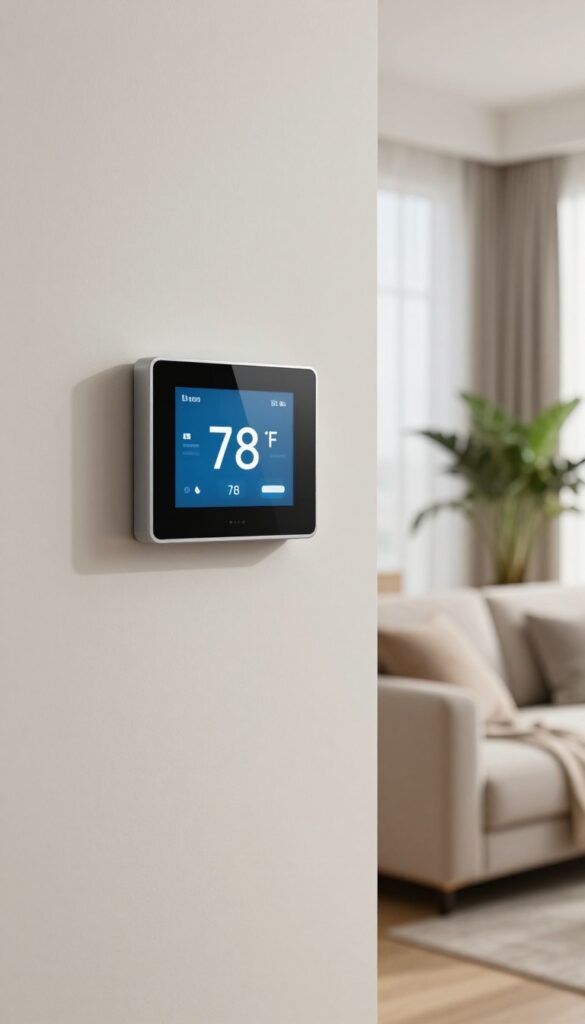
Heating and cooling eat up nearly half of your home's energy use. But you don't have to live in discomfort to save. A few simple thermostat tweaks can slash your bill without you even noticing.
Set your thermostat a few degrees higher in summer and lower in winter. Use programmable settings to adjust when you're asleep or away. This can cut heating and cooling costs by 10%.
The 7-10 Degree Rule
For maximum savings, set your thermostat back 7-10°F for eight hours a day. Do it while you're sleeping or at work. A smart thermostat can automate this so you don't have to remember.
Seasonal Adjustments
In summer, keep your thermostat at 78°F when you're home and 85°F when away. In winter, set it to 68°F during the day and 60°F at night. Every degree you adjust can save about 1% on your bill.
Use A Programmable Or Smart Thermostat
If you don't have one, consider upgrading. A smart thermostat learns your schedule and adjusts automatically. Many models pay for themselves within a year through energy savings.
Free PDF Download
Not Sure Which Side Hustle Fits You Best?
Take the free Side Hustle Matchmaker Quiz and get a simple 7-day starter plan to help you choose a beginner-friendly idea based on your time, skills, comfort level, and goals.
You’ll get this free PDF plus access to the full Marketerna Save More & Earn More PDF Kit. No spam. Unsubscribe anytime.
5. Refinance High-Interest Debt
High-interest debt is like a leak in your wallet. Credit cards and personal loans with double-digit rates can eat up a big chunk of your monthly income. The fix?
Move that debt to a lower-rate option. It's one of the fastest ways to free up cash without changing your spending habits.
Refinancing isn't just for mortgages. Balance transfer credit cards and personal loans can slash your interest rate, sometimes to 0% for an introductory period. That means more of your payment goes toward the principal instead of interest.
Just watch out for transfer fees and read the fine print. A few minutes of research could save you hundreds.
Balance Transfer Cards
Many cards offer 0% APR for 12 to 18 months on transferred balances. This gives you a window to pay down debt interest-free. Look for cards with no annual fee and a transfer fee of 3% or less.
Set a payoff plan before the intro period ends.
Personal Loans For Consolidation
If your credit score is decent, a personal loan can offer a fixed rate lower than your credit cards. You get one monthly payment instead of multiple, which makes budgeting easier. Compare rates from online lenders, credit unions, and banks.
What To Watch Out For
Refinancing only works if you don't rack up new debt. Avoid using old credit cards after transferring balances. Also, check for prepayment penalties on loans.
The goal is to lower your monthly payment, not extend your debt longer.
6. Bundle Insurance Policies
Insurance is one of those bills you pay without thinking twice. But if you have separate policies for your car, home, or renters insurance, you're probably leaving money on the table. Most insurers offer a multi-policy discount that can slash your premiums by 10–25%.
That's a quick win with just one phone call.
How Bundling Works
Bundling means buying two or more insurance policies from the same company. The most common combo is auto and home insurance, but you can also bundle renters, motorcycle, or even life insurance. Insurers reward loyalty with discounts because it's cheaper for them to keep you as a customer.
What To Watch For
Before you switch, compare the bundled price with what you're currently paying separately. Sometimes a discount isn't enough to offset a higher base rate. Also check coverage limits and deductibles to make sure you're not sacrificing protection for a lower price.
How To Get The Best Deal
Start by getting quotes from your current provider for adding another policy. Then shop around with at least two other companies. Ask about multi-policy discounts explicitly.
And don't forget to ask about other savings like safe driver or paperless billing discounts.
7. Reduce Your Water Usage

Water bills might not be the biggest line item in your budget, but they add up faster than you'd think. The average family spends over $1, 000 a year on water, and a lot of that goes straight down the drain without doing any good. The best part?
Cutting back doesn't mean taking shorter showers or letting your lawn turn brown. A few simple upgrades and habit tweaks can save you $10 to $20 a month without much effort.
Fix Leaks Immediately
A slow drip can waste hundreds of gallons a month. Check faucets, showerheads, and toilet flappers. Replacing a worn washer or tightening a connection takes minutes and can knock $5–$10 off your next bill.
Install Low-flow Fixtures
Swapping out old showerheads and faucet aerators for low-flow models is cheap and easy. They reduce water use by 30% or more without sacrificing pressure. Many utility companies even offer rebates or free kits.
Run Full Loads Only
Your dishwasher and washing machine use the same amount of water whether they're half full or packed. Wait until you have a full load, and you'll cut down on cycles and water usage. For dishes, skip the pre-rinse – modern machines handle it fine.
8. Cut the Cord on Expensive TV
Cable bills are one of the biggest monthly expenses that people rarely question. The average household pays over $100 a month for a bundle of channels they barely watch. Cutting the cord can free up serious cash without sacrificing your favorite shows.
Pick A Streaming Service That Fits
You don't need to keep every streaming platform. Look at what you actually watch and pick one or two services. Many offer free trials so you can test before committing.
Services like Netflix, Hulu, or Disney+ cost around $10–$15 a month each—far less than cable.
Don't Forget An Antenna
An over-the-air antenna gives you access to local channels like ABC, NBC, CBS, and FOX for free. One-time cost of $20–$50, and you get live news, sports, and network shows. It's a perfect complement to a streaming service.
Bundle Smartly
Some streaming services offer discounts if you bundle with internet or phone. Check if your internet provider has a streaming deal. Also consider ad-supported plans—they're cheaper and the ads are minimal.
9. Use Energy-Efficient Lighting
Lighting is one of the easiest places to cut your electricity bill without sacrificing comfort. The switch from old-school bulbs to LEDs is almost effortless, and the savings start piling up from day one.
Swapping out just five of your most-used bulbs for LEDs can save you about $75 a year. And since LEDs last 25 times longer, you won't be buying replacements anytime soon.
Start With The Rooms You Use Most
Focus on kitchen, living room, and bedroom lights first. Those are on the longest, so they'll give you the biggest return. A simple swap takes seconds.
Look For The Right Brightness
Ignore wattage and look for lumens instead. A 60-watt equivalent LED gives about 800 lumens. Pick a warm white (2700K) for cozy spaces and cool white (4000K) for task areas.
Take Advantage Of Rebates
Many utility companies offer discounts on LED bulbs. Check your provider's website before buying. You might get a few bulbs for free or at half price.
10. Review Your Bank and Credit Card Fees
Bank and credit card fees are easy to overlook because they're often small and automatic. But those $5 monthly maintenance fees, $3 ATM charges, and $35 overdraft penalties add up fast. A quick review of your statements could reveal hundreds of dollars in unnecessary costs each year.
Start by pulling up your last three months of bank and credit card statements. Look for any recurring fees: monthly service fees, ATM withdrawal fees, overdraft or insufficient funds fees, and foreign transaction fees. Then check your credit card statements for annual fees, late payment fees, or balance transfer fees.
Once you know what you're paying, you can decide which changes to make.
Switch To A No-fee Bank Or Credit Union
Many online banks and local credit unions offer checking and savings accounts with no monthly maintenance fees, no minimum balance requirements, and free ATM access. A quick switch can eliminate those recurring charges. If you prefer your current bank, call and ask if they'll waive the fee or switch you to a no-fee account.
Negotiate Or Downgrade Credit Card Fees
If you have a card with an annual fee, call the issuer and ask for a retention offer or a waiver. If they won't budge, consider downgrading to a no-fee version of the same card. This keeps your credit history intact and stops the annual charge.
Also, set up alerts to avoid late fees and overdrafts.
Use Fee-free Atm Networks
ATM fees can cost $3 to $5 per withdrawal. Use your bank's app to find in-network ATMs, or switch to a bank that reimburses out-of-network ATM fees. Many online banks offer unlimited ATM fee rebates, making this an easy fix.
11. Lower Your Car Insurance Premium

Car insurance is one of those bills that can quietly drain your budget if you let it. The good news is that you have more control over what you pay than you might think. A little effort every six months can put hundreds of dollars back in your pocket.
Start by shopping around for quotes from at least three different insurers. Rates vary wildly between companies, even for the same coverage. Then ask your current provider about discounts you might be missing.
Safe driver discounts, low-mileage discounts, and bundling with home or renters insurance are common. A quick phone call or online comparison can save you a surprising amount.
Compare Quotes Every Six Months
Insurance companies change their rates regularly. What was the best deal six months ago might not be today. Set a reminder to get new quotes every time your policy is up for renewal.
Many comparison sites make it easy to see multiple offers at once.
Ask About Discounts
You might qualify for discounts you don't even know about. Safe driving, taking a defensive driving course, low annual mileage, paying in full, or having certain safety features on your car can all lower your premium. Don't be shy—ask your agent to run through every possible discount.
Adjust Your Coverage
If your car is older and not worth much, consider dropping collision and comprehensive coverage. The payout might not justify the premium. Also, raising your deductible from $500 to $1, 000 can lower your rate significantly.
Just make sure you have that amount set aside in case of an accident.
12. Cook at Home More Often
Restaurant meals, takeout, and delivery come with a hefty markup. The ingredients in a $15 pasta dish might cost you $3 to make at home. Cooking doesn't have to be complicated or time-consuming.
A little planning goes a long way toward keeping your food budget in check without sacrificing flavor or variety.
Even cutting out two restaurant meals a month can save $50–$100. The key is making home cooking easy and enjoyable so you stick with it.
Plan Your Meals Weekly
Pick one day to plan meals for the week. Look at what you already have, choose recipes with overlapping ingredients, and make a shopping list. This reduces impulse buys and food waste.
You'll also avoid the dreaded "what's for dinner" panic that leads to ordering out.
Cook Once, Eat Twice
Double your recipes and repurpose leftovers. Roast extra vegetables to add to salads or wraps later. Make a big batch of chili or soup and freeze portions for busy nights.
Leftovers become quick lunches or easy dinners, saving both time and money.
Buy In Bulk And Stock Up
Staples like rice, pasta, oats, and canned goods are much cheaper per serving when bought in bulk. Join a warehouse club or split bulk purchases with a friend. Just make sure you have storage space and will actually use everything before it expires.
13. Use a Cashback or Rewards Credit Card Wisely
Plastic can actually save you money if you play it smart. The trick is using a card that pays you back for everyday spending—without falling into the interest trap.
If you pay your balance in full each month, use a card that gives cashback on groceries, gas, or bills. Just don't carry a balance or interest will erase the gains.
Pick The Right Card For Your Spending
Not all rewards cards are created equal. Look for one that offers bonus cashback on categories you spend the most on—like groceries, gas, dining, or utility bills. Some cards give a flat 1.
5% to 2% back on everything, which is simpler. Compare sign-up bonuses too, but don't chase them if the ongoing rewards don't match your habits.
Automate Payments To Avoid Interest
The golden rule: never carry a balance. Set up autopay for the full statement balance each month. That way you earn rewards without paying a cent in interest.
If you can't trust yourself to pay in full, a rewards card isn't for you—stick with a simple no-fee card instead.
Stack Rewards With Bill Payments
Many credit cards let you earn cashback on bill payments like internet, phone, and streaming services. Some even offer extra rewards when you pay through their online portal. Just make sure there's no convenience fee that wipes out the benefit.
A few minutes of research can turn a monthly expense into a small rebate.
14. Lower Your Prescription Drug Costs

Prescription prices can feel like a guessing game. The same medication might cost you $50 at one pharmacy and $150 at another. A few simple steps can bring those numbers way down without changing your treatment.
Ask About Generic Alternatives
Generic drugs contain the same active ingredients as brand-name versions but cost a fraction of the price. Next time your doctor writes a prescription, ask if a generic is available. In most cases, it's just as effective and a lot easier on your wallet.
Use Discount Cards And Apps
Programs like GoodRx, SingleCare, and WellRx offer free discount cards that can slash prices by up to 80%. Just show the card or app at the pharmacy counter. No membership needed, and you can use them even if you have insurance.
Compare Pharmacy Prices
Prices vary wildly between pharmacies. A month's supply of a common cholesterol drug might be $10 at Costco but $40 at a chain pharmacy. Use GoodRx or RxSaver to compare prices in your area.
Don't forget to check big-box stores like Walmart and Sam's Club.
15. Reduce Your Grocery Bill with a Simple System
Grocery shopping is one of those monthly expenses that can quietly balloon without you noticing. A few dollars here and there add up fast. The fix isn't complicated—it's about having a plan and sticking to it.
With a little discipline, you can shave 15–20% off your grocery bill without sacrificing quality or variety.
Most of us walk into the store with good intentions but get swayed by displays, sales, and hunger. A simple system removes the guesswork and keeps you on track. Start by making a list based on your weekly meals, then commit to buying only what's on it.
Store brands and loyalty programs are your friends—they offer the same products for less. Over a month, these small changes can save you a surprising amount.
Plan Before You Shop
Take 10 minutes to plan your meals for the week. Check your pantry and fridge first to avoid buying duplicates. Write a list organized by store layout (produce, dairy, etc. ) so you don't backtrack.
Stick to the list—if it's not on there, you don't need it.
Embrace Store Brands
Store brands often have the same ingredients as name brands but cost 20–30% less. Try them for staples like pasta, canned goods, and spices. You might be surprised how similar they taste.
The savings add up quickly.
Use Loyalty Programs Wisely
Sign up for your store's free loyalty program. You'll get exclusive discounts and sometimes cash back. But don't buy something just because it's on sale—only use the deals for items you already planned to buy.
16. Unplug Electronics When Not in Use
That little glowing light on your TV or microwave? It's costing you. Many electronics keep sipping power even when they're turned off, a phenomenon called "vampire power" or standby power.
It might not seem like much, but all those small drains add up. Unplugging devices when you're not using them is one of the easiest ways to stop that leak.
The average home has dozens of devices constantly drawing power. Phone chargers, gaming consoles, coffee makers, and even your laptop charger all consume electricity when plugged in, even if they're not actively charging or running. This standby power can account for 5-10% of your home's energy use.
By unplugging or using power strips to cut power completely, you can save up to $100 a year without changing your habits.
The Biggest Energy Vampires
Some devices are worse than others. Game consoles, desktop computers, and older TVs can use nearly as much power in standby as when they're on. Cable boxes and DVRs are notorious for drawing 20-40 watts constantly.
Even a simple phone charger left plugged in uses a small but steady trickle. Focus on these high-draw items first for the biggest savings.
Make It Easy With Power Strips
Unplugging everything individually is a hassle. Instead, plug groups of devices into a power strip and flip the switch when you're done. Better yet, get a smart power strip that automatically cuts power to devices when they go into standby.
For example, plug your TV, soundbar, and game console into one strip, then turn it off when you leave the room. It's a one-time setup that saves you money every month.
17. Reassess Your Housing Costs

Housing is likely your biggest monthly expense, so even a small reduction here can free up significant cash. Whether you rent or own, there are practical ways to lower that payment without sacrificing comfort. Let's look at a few strategies that could put hundreds back in your pocket.
Start by evaluating your current situation. If you rent, check local rental listings to see if similar units in your area are going for less. If they are, you have leverage to negotiate a lower rent with your landlord.
If you own, refinancing your mortgage could drop your rate and monthly payment. Even a half-point reduction can save you thousands over the life of the loan. Don't forget to also review your property tax assessment and appeal if your home's value has decreased.
Negotiate Your Rent
Landlords often prefer to keep a reliable tenant rather than find a new one. Research comparable rents in your neighborhood and approach your landlord with a polite request. Offer to sign a longer lease in exchange for a lower rate.
You might be surprised how often this works.
Refinance Your Mortgage
Interest rates fluctuate, and if they've dropped since you bought your home, refinancing could lower your monthly payment. Shop around for the best rates and terms. Even if you plan to move in a few years, a no-closing-cost refinance might still save you money in the short term.
Appeal Your Property Taxes
Property tax assessments aren't always accurate. If your home's value has declined or you spot errors in the assessment, you can file an appeal. Many homeowners succeed in reducing their tax bill, which directly lowers their monthly escrow payment.
FAQ
How much can I realistically save by negotiating my bills?
Many people save $20–$50 per month on internet or cable alone. Combined with other strategies, total savings of $200–$500 monthly are common.
Is it worth switching phone carriers to save money?
Yes. Prepaid plans from carriers like Mint Mobile or Visible can cost $15–$30 per month, compared to $60–$100 for traditional plans. Just check coverage in your area.
How often should I review my subscriptions?
Aim for a quick audit every three months. Set a reminder to cancel anything you haven't used in the past month. This prevents paying for forgotten services.
Will lowering my thermostat really save money?
Absolutely. The U. S.
Department of Energy says you can save about 1% per degree per eight hours. Setting it back 7–10 degrees for eight hours a day can save up to 10% annually.
Do I need to do all 17 tips to see results?
No. Start with the ones that are easiest for you. Even implementing two or three can make a noticeable difference.
Pick what fits your lifestyle and budget.
Conclusion
You don't have to tackle all 17 changes at once. Pick two or three that feel doable—like negotiating your internet bill or swapping out light bulbs—and try them for a month.
Small tweaks add up fast. Before you know it, you'll have extra cash each month without feeling like you're missing out.
Free PDF Download
Not Sure Which Side Hustle Fits You Best?
Take the free Side Hustle Matchmaker Quiz and get a simple 7-day starter plan to help you choose a beginner-friendly idea based on your time, skills, comfort level, and goals.
You’ll get this free PDF plus access to the full Marketerna Save More & Earn More PDF Kit. No spam. Unsubscribe anytime.