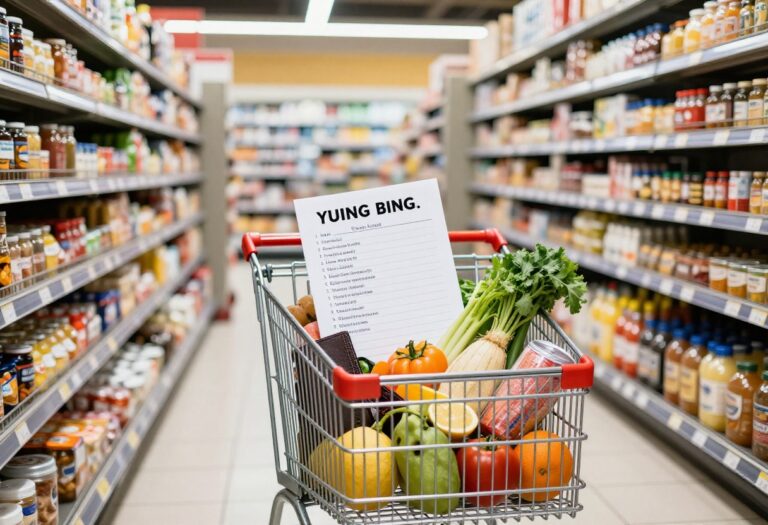
21 Small Changes That Save Money Over Time
Small, consistent changes can quietly transform your finances without requiring a total lifestyle overhaul. These 21 tweaks target the exact spots where money leaks out—like forgotten subscriptions and generic brand avoidance—so every dollar works harder for you. The best part?
You don't need to do them all. Pick two or three that feel effortless, and watch the savings compound over months. Start with the highest-impact wins, such as switching to a high-yield savings account or negotiating your internet bill.
Each action is practical, specific, and designed to fit into your real life, not a perfect plan. Try one today and let momentum do the rest.

Free PDF Download
Not Sure Which Side Hustle Fits You Best?
Take the free Side Hustle Matchmaker Quiz and get a simple 7-day starter plan to help you choose a beginner-friendly idea based on your time, skills, comfort level, and goals.
You’ll get this free PDF plus access to the full Marketerna Save More & Earn More PDF Kit. No spam. Unsubscribe anytime.
1. Switch to a High-Yield Savings Account
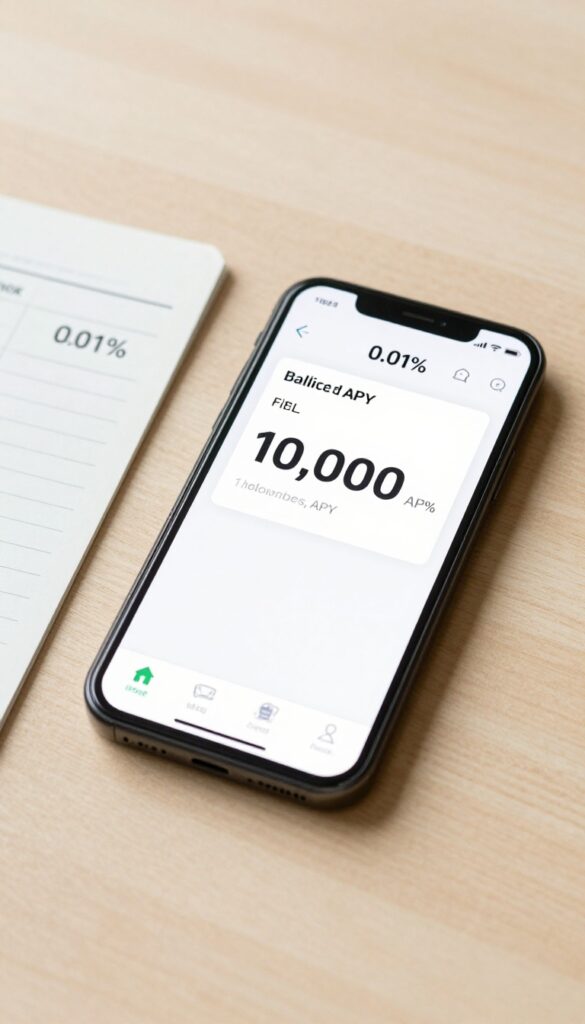
Your emergency fund is probably sitting in a regular savings account earning next to nothing. Moving it to a high-yield account is one of the easiest ways to earn hundreds of dollars a year without any extra work. Many online banks now offer 4% APY or more, compared to the national average of 0.
01% at traditional banks. On a $10, 000 balance, that difference adds up to $400 in extra interest annually—money you earn just by letting your savings sit.
High-yield savings accounts are typically offered by online banks, which have lower overhead costs and pass the savings to you. They're FDIC-insured, so your money is safe, and you can access it just as easily as a regular account—often with faster transfers. The switch takes about 15 minutes online, and once it's done, the extra interest starts compounding automatically.
How To Pick The Right Account
Look for an account with no monthly fees, no minimum balance requirements, and a competitive APY that's consistently high. Check if the bank offers easy transfers, a good mobile app, and customer support. Popular options include Ally Bank, Marcus by Goldman Sachs, and SoFi.
Compare rates on sites like Bankrate or NerdWallet to find the best current offer.
What About Accessibility?
Some worry that online banks make it hard to withdraw money quickly. But most high-yield accounts come with a debit card and allow electronic transfers to your checking account within one to two business days. For true emergencies, you can keep a small buffer in a local checking account and move the bulk to high-yield savings.
2. Unplug Electronics When Not in Use
That phone charger you leave plugged in all day? It's still sipping power even when nothing's attached. The same goes for your TV, microwave, and gaming console.
These "vampire devices" can quietly add $100–$200 to your annual electric bill. The fix is simple: unplug them when they're not actively being used.
Phantom energy, also called standby power, accounts for about 5–10% of residential electricity use. Many devices draw power just to stay ready for a remote signal or maintain a clock display. Over a year, that adds up.
The easiest solution is to plug multiple devices into a power strip and flip it off when you leave the room or go to bed.
Which Devices Are The Worst Offenders?
Anything with a remote, a digital display, or a constant power light is likely a vampire. Common culprits include TVs, cable boxes, game consoles, desktop computers, and kitchen appliances like coffee makers and microwaves. Even laptop chargers draw power when plugged in but not connected to a laptop.
Make It Effortless With Smart Strips
Smart power strips can automatically cut power to devices when they sense the main device is off. For example, plug your TV and all its peripherals into one strip—when the TV turns off, the strip kills power to the rest. No remembering required.
The One-month Test
Try unplugging everything you don't use daily for one month. Compare your electric bill to the previous month (adjusting for weather). You'll likely see a noticeable drop.
That's real money back in your pocket for almost zero effort.
Free PDF Download
Not Sure Which Side Hustle Fits You Best?
Take the free Side Hustle Matchmaker Quiz and get a simple 7-day starter plan to help you choose a beginner-friendly idea based on your time, skills, comfort level, and goals.
You’ll get this free PDF plus access to the full Marketerna Save More & Earn More PDF Kit. No spam. Unsubscribe anytime.
3. Use a Cashback Credit Card for Regular Purchases
If you pay your balance in full each month, a cashback credit card is basically free money. That 2% back on groceries and gas adds up fast—potentially $300 or more per year. The catch?
You must never carry a balance, or interest charges will eat your rewards alive.
Using a cashback card for everyday spending is one of the simplest ways to earn money on purchases you'd make anyway. The key is treating it like a debit card: spend only what you can pay off immediately.
How To Choose The Right Card
Look for a card with no annual fee and a flat 2% cashback on all purchases, or a tiered card that offers 3-5% on categories you spend the most on, like groceries, gas, or dining. Compare sign-up bonuses too—they can give you an extra $200-$300 in the first year.
Avoiding The Interest Trap
The average credit card APR is over 20%. If you carry a $1, 000 balance for a month, you'll pay roughly $17 in interest—wiping out months of cashback rewards. Set up automatic full balance payments from your checking account to stay on track.
Maximizing Rewards Without Overspending
Don't let cashback tempt you into buying things you don't need. Stick to your normal budget and use the card only for planned expenses. Treat the rewards as a bonus, not a license to splurge.
4. Pack Lunch Twice a Week
Eating out for lunch sneaks money out of your wallet faster than you think. A typical restaurant meal runs $10 to $15, while a homemade lunch costs around $3 to $4. Packing lunch just twice a week adds up to $1, 000 to $1, 500 in savings each year.
That's enough for a vacation or a solid boost to your emergency fund.
The beauty of this habit is its flexibility. You don't have to give up every restaurant meal—just two per week. Start small, and the savings will compound without feeling like a sacrifice.
Make It Easy
Prep lunches the night before or batch-cook on Sundays. Keep grab-and-go options like wraps, salads, or leftovers from dinner. A little planning removes the morning scramble.
Track Your Savings
Use a simple app or a jar to collect the money you would have spent. Watching that balance grow is surprisingly motivating. After a month, you'll see exactly what those two days are worth.
Upgrade Your Lunch Game
Packing lunch doesn't mean boring sandwiches. Experiment with new recipes or recreate your favorite takeout dishes. When your homemade meal tastes better than the restaurant version, you'll actually look forward to it.
Free PDF Download
Not Sure Which Side Hustle Fits You Best?
Take the free Side Hustle Matchmaker Quiz and get a simple 7-day starter plan to help you choose a beginner-friendly idea based on your time, skills, comfort level, and goals.
You’ll get this free PDF plus access to the full Marketerna Save More & Earn More PDF Kit. No spam. Unsubscribe anytime.
5. Negotiate Your Recurring Bills

Most people pay their internet, cable, and insurance bills without a second thought. But those monthly charges aren't set in stone. Providers regularly offer lower rates to new customers, and they'll often extend those deals to you if you just ask.
A single 20-minute phone call can save you $200–$500 per year. Set a calendar reminder to negotiate every 12 months. Before calling, check competitor pricing so you have leverage.
Be polite but firm—mention loyalty or threaten to switch. You'll be surprised how often they say yes.
Know Your Leverage
Research what competitors charge for similar service. Write down your current rate and the offer you want. When you call, say something like, 'I've been a loyal customer for X years, but I noticed Company Y offers a better deal.
Can you match it? '
Bundle Strategically
Combining internet and cable often unlocks discounts. But don't add services you don't need. Ask for a bundle discount on only what you use.
If they push extras, politely decline.
Set A Calendar Reminder
Put a recurring reminder on your phone for 12 months from now. When the reminder pops, spend 20 minutes repeating the process. It's a small habit that keeps hundreds of dollars in your pocket each year.
6. Buy Generic Brands for Staples
You don't need to buy fancy labels to get good food and clean dishes. Store-brand staples like flour, sugar, oats, and cleaning products often have identical ingredients to name brands—just at 30–50% less. That adds up fast.
Over a month, switching can save you $50 to $100 on groceries alone.
Start with the basics: pantry items and household cleaners. These are the easiest swaps because the quality is nearly identical. Once you see the savings, you'll wonder why you didn't switch sooner.
What To Swap First
Focus on items where taste or performance doesn't change. Baking staples (flour, sugar, baking soda), oats, rice, pasta, and spices are perfect candidates. For cleaning, store-brand dish soap, all-purpose cleaner, and laundry detergent work just as well.
Avoid generic versions of items where brand matters to you—like coffee or peanut butter—until you find a store brand you like.
How To Compare Prices
Check the unit price on the shelf label. Store brands almost always have a lower cost per ounce or per use. Also look for store-brand versions of your regular purchases.
Many stores offer a money-back guarantee if you don't like the product, so there's little risk.
The Monthly Impact
If you spend $400 a month on groceries, switching half your purchases to generic could save $60–$80. That's $720–$960 a year. Use that extra cash to pay down debt, boost savings, or treat yourself to something you actually enjoy.
7. Use a Programmable Thermostat
Heating and cooling eat up nearly half of your home's energy bill. A programmable thermostat lets you stop paying to heat or cool an empty house—or to keep it comfortable while you're asleep. It's a set-it-and-forget-it move that pays for itself within a year.
Set your thermostat to adjust when you're asleep or away. Saving 10°F for 8 hours a day can cut heating/cooling costs by 10% annually—about $150 for a typical home.
How Much Can You Save?
The U. S. Department of Energy estimates you can save up to 10% a year on heating and cooling by turning your thermostat back 7–10°F for 8 hours a day.
That's roughly $150 for an average American home. Even a 5°F setback can yield noticeable savings.
Which Thermostat Is Right For You?
Basic programmable models start around $20 and let you set weekday/weekend schedules. Smart thermostats ($100–$250) learn your habits and adjust automatically, plus you can control them from your phone. Look for ENERGY STAR certified models for guaranteed efficiency.
Tips For Maximum Savings
Set the temperature back 7–10°F when you're asleep or away. In winter, aim for 68°F when awake and 60–65°F when sleeping. In summer, set the thermostat to 78°F when home and 85°F when away.
Avoid drastic setbacks that make your system work too hard to recover.
8. Cancel Unused Subscriptions
Those monthly charges for streaming services, apps, or gym memberships can quietly drain your bank account. The average person wastes about $25 a month on subscriptions they forgot they had. That adds up to $300 a year—money you could put toward savings or something you actually enjoy.
A quick audit of your bank statements or payment apps reveals exactly where your money is going. You might find you’re paying for a premium app you never open, a streaming service you stopped watching months ago, or a gym membership you haven’t used since January. Canceling these isn’t just about saving a few bucks—it’s about reclaiming control over your spending.
Cancel Unused Subscriptions
How To Find Forgotten Subscriptions
Start by checking your bank and credit card statements for recurring charges. Look for anything labeled “monthly, ” “annual, ” or “subscription. ” Also, log into your app store account (Apple or Google) to see all active subscriptions in one place. Many people discover services they signed up for a trial and forgot to cancel.
Which Subscriptions To Cut First
Prioritize subscriptions you haven’t used in the last 30 days. Streaming services, meal kit deliveries, and fitness apps are common culprits. If you’re unsure, ask yourself: Would I pay this amount right now to keep it?
If the answer is no, cancel it today.
Tools To Automate The Audit
Apps like Truebill, Rocket Money, or Mint can scan your accounts and flag recurring charges. They even help you cancel subscriptions with a few taps. Some offer free versions that do the job without costing you anything extra.
9. Switch to Reusable Water Bottles and Coffee Cups
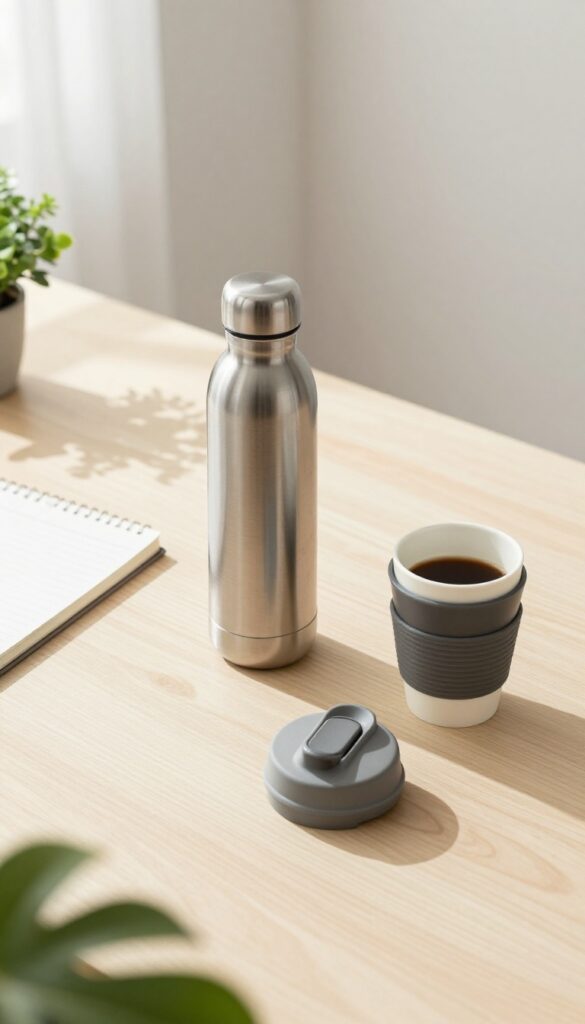
Think about how many times you grab a bottled water or a coffee to go. That $1. 50 here and $5 there adds up to hundreds of dollars a year.
A simple switch to a reusable bottle or cup can plug that leak instantly.
The upfront cost of a good reusable bottle or cup is usually under $30. Compare that to spending $3–5 on coffee every workday—that's over $1, 000 a year. Even if you only buy bottled water occasionally, a $20 bottle pays for itself in a couple of weeks.
Pick One That Fits Your Routine
Choose a bottle you'll actually carry. If you commute, a slim stainless steel bottle fits in a bag. If you're at a desk, a larger glass or BPA-free plastic one works.
Same for coffee cups—get one that seals well and fits under your machine.
Make It A Habit With A Simple Rule
Keep your reusable bottle filled and visible—on your desk, in your car, or by the door. Pair it with a trigger: every morning before you leave, fill it. After a week, it becomes automatic.
Track The Savings To Stay Motivated
Use a notes app to tally what you would have spent. Seeing $200 saved in three months feels great and reinforces the habit. Plus, you're cutting plastic waste, which is a bonus.
10. Use the Library Instead of Buying Books
Libraries are one of the few places left where everything is free. Borrowing books, audiobooks, movies, and even digital content saves you from paying retail prices every time you want to read or watch something new. If you buy just two books a month at $15 each, switching to the library saves $360 a year—and that's not counting movies or audiobooks.
Most people don't realize how much their local library offers beyond physical books. Many libraries have apps like Libby or Hoopla for instant digital borrowing. You can reserve items online and pick them up curbside.
The key is to make the library your default first stop before buying anything.
Digital Borrowing Is Instant
You don't even have to leave home. Library apps let you borrow e-books, audiobooks, and magazines straight to your phone or tablet. No late fees, no driving—just free access to thousands of titles.
Movies And Tv Shows Too
Libraries carry DVDs and Blu-rays, and many have streaming services like Kanopy or Hoopla for movies and documentaries. Instead of renting or buying, check your library's digital catalog first.
Plan Your Borrowing
Place holds on upcoming releases so they arrive around the same time as the book launch. You can also request titles the library doesn't have—most will buy them if enough people ask.
11. Cook One Extra Meal at Home Each Week
That takeout habit feels harmless in the moment, but it adds up fast. Replacing just one restaurant meal per week with a home-cooked version can save you hundreds of dollars a year—without forcing you to give up dining out entirely. The math is simple: the average takeout meal costs around $20, while cooking the same dish at home runs about $5.
That's a $15 difference per meal, or $780 over 52 weeks.
Start small. Pick one meal you usually order out—maybe Friday night pizza or a weekday lunch—and make it at home instead. You don't need to be a gourmet chef; simple recipes work fine.
Batch cooking on weekends can make it even easier. Over time, this one swap becomes automatic, and your wallet will thank you.
Pick Your Target Meal
Choose a meal you order regularly and that's easy to replicate. Think pasta, stir-fry, tacos, or sheet-pan chicken. The easier the recipe, the more likely you'll stick with it.
Make It A Ritual
Turn your home-cooked meal into something you look forward to. Light a candle, play music, or involve the family. When it feels like a treat rather than a chore, you'll naturally choose it over takeout.
Double Up For Leftovers
Cook enough for two meals. Eat one that night and freeze or refrigerate the second portion. That way, you've already banked another home-cooked meal for later in the week—effortless savings.
12. Wash Clothes in Cold Water
Most of us don't think twice before selecting the warm or hot water cycle. But that simple choice is costing you more than you realize. Heating water accounts for about 90% of the energy your washing machine uses, so switching to cold is one of the easiest ways to cut your utility bill without any sacrifice.
Cold water washing saves roughly $60 a year on energy costs, according to the Department of Energy. It also helps your clothes last longer—hot water can cause colors to fade and fabrics to break down faster. Modern detergents are formulated to work just as well in cold water, so you won't notice a difference in cleanliness.
For most loads, cold is all you need.
Why Cold Works
Today's laundry detergents are designed with enzymes that activate in cold water, breaking down stains and dirt effectively. Cold water also reduces the risk of shrinking or damaging delicate fabrics. Unless you're dealing with oily stains or heavily soiled items (like cloth diapers), cold is the way to go.
How To Make The Switch
Start by changing the default setting on your machine to cold. For most loads, select the cold water tap symbol (usually a blue dot or snowflake). If you have tough stains, pre-treat them with a stain remover or soak in cold water before washing.
You can also use a cold-water-specific detergent for extra peace of mind.
When To Use Warm Or Hot
Reserve warm or hot water for items that really need it: underwear, towels, and bedding (to kill germs and dust mites), or heavily soiled work clothes. For everything else—t-shirts, jeans, sweaters, and workout gear—cold is perfectly fine. This simple habit can save you money and extend the life of your wardrobe.
13. Use a Shopping List and Stick to It

Impulse buys are the silent budget killers. Studies show they can add 20–30% to your grocery bill. A simple list keeps you focused and can save $50–$75 per trip.
Over a year, that's $2, 600 or more—just from writing things down.
The key is to make the list before you walk into the store, and then follow it like a rule. No detours. No "just one more thing.
"
Plan Your Meals First
A list works best when it's based on a meal plan. Spend 10 minutes each week sketching out dinners and lunches. Then write down exactly what you need.
This prevents buying ingredients that never get used.
Avoid The Temptation Zones
Stores are designed to lure you into impulse buys—end caps, checkout aisles, and seasonal displays. Stick to your list and skip those areas. If it's not on the list, you don't need it.
Use A List App Or Paper—whatever Works
Digital lists (like Google Keep or AnyList) are easy to update and share with family. Paper works too. The format doesn't matter as long as you actually use it.
Check items off as you go to stay on track.
14. Air Dry Your Clothes
Letting your clothes air dry is one of the simplest ways to cut your energy bill. A clothes dryer is a major electricity hog, often using 5–6 kWh per load. By air drying just half of your laundry, you can save $100–$200 annually.
Plus, your clothes last longer because they aren't tumbling around in high heat.
Air drying is a low-effort change that pays off quickly. It reduces wear and tear on fabrics, saves energy, and even makes your home feel fresher. Here's how to make it work without much hassle.
Save Energy And Money
A single dryer load can cost $0. 30–$0. 50 in electricity.
Over a year, that adds up fast. Air drying half your loads cuts that cost in half, and if you line dry everything, you could save over $200 annually. It's one of the easiest energy-saving swaps you can make.
Extend The Life Of Your Clothes
Dryer heat and tumbling cause fibers to break down, leading to fading, shrinking, and pilling. Air drying is gentle on fabrics, so your favorite shirts and jeans stay looking new longer. That means fewer replacements and more money saved.
Easy Setup Tips
You don't need a fancy setup. A simple drying rack or a clothesline works fine. Place the rack near a window or in a well-ventilated room.
For faster drying, spin your clothes on high in the washer before hanging. In winter, a dehumidifier can help speed things up.
15. Buy in Bulk for Non-Perishables
Stocking up on non-perishable items can slash your grocery bill significantly. Items like toilet paper, rice, pasta, and cleaning supplies often cost 20–40% less per unit when bought in bulk. The key is to only buy what you'll actually use and have enough storage space.
Bulk buying works best for items with a long shelf life and high daily usage. Think about your family's consumption patterns and start with a few staples. Over time, you'll see the savings add up without extra trips to the store.
What To Buy In Bulk
Focus on non-perishables you use regularly: toilet paper, paper towels, laundry detergent, dish soap, rice, pasta, canned goods, and spices. These items don't spoil and have a long shelf life, making them perfect for bulk purchases.
Where To Buy
Warehouse clubs like Costco or Sam's Club offer great deals, but don't overlook online retailers like Amazon or local co-ops. Compare unit prices to ensure you're actually saving money, and consider splitting large quantities with a friend or neighbor.
Storage Tips
Make sure you have adequate storage space before buying in bulk. Use clear bins, shelves, or a dedicated pantry to keep items organized. Rotate stock so older items are used first, and avoid buying perishables in bulk unless you have a plan to use them quickly.
16. Use a Rewards App for Groceries
Grocery shopping is a weekly necessity, but it doesn't have to be a pure expense. Rewards apps like Ibotta, Fetch, and store loyalty programs turn your regular purchases into cash back or gift cards. With just a few taps after each trip, you can earn $100–$200 a year without changing what you buy.
These apps work by offering rebates on specific items or by scanning your receipt. Some even link directly to your store loyalty card, so you earn automatically. The key is to pick one or two apps and make it a habit to check offers before you shop and scan receipts afterward.
How It Works
Download an app like Ibotta or Fetch, then browse available offers. Add the ones you want to your list, buy the items as usual, and scan your receipt. The rebate appears in your account within days.
Store loyalty programs, like Kroger's or Target Circle, work similarly but are tied to your membership.
Maximizing Your Earnings
Stack offers when possible. For example, use a store coupon plus an app rebate on the same item. Also, look for bonuses like 'earn $5 after your first redemption' or 'get 10% back on any purchase. ' Consistency matters more than chasing every deal.
Which App To Choose
Ibotta is great for specific product rebates, Fetch gives points for any receipt, and store apps offer personalized coupons. Start with one that matches your shopping habits. If you buy a lot of brand-name items, Ibotta shines.
If you shop at multiple stores, Fetch is simpler.
17. Lower Your Water Heater Temperature
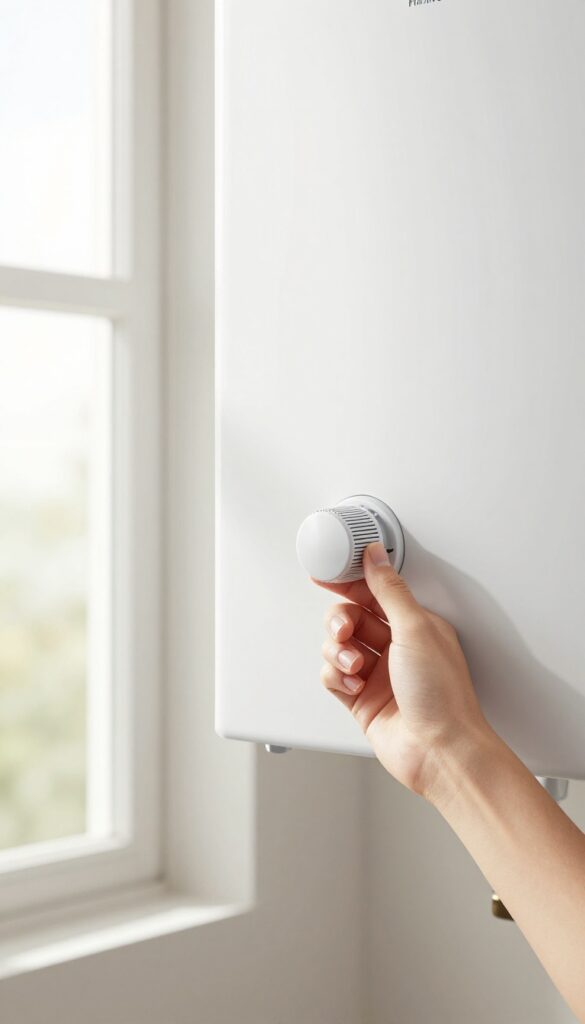
Your water heater is probably working harder than it needs to. Most manufacturers set the default to 140°F, but that's hotter than necessary for daily use. Dropping it to 120°F is a simple, one-time adjustment that can save you money every month without sacrificing comfort.
Turning down your water heater temperature to 120°F reduces energy consumption by 6–10%, which translates to roughly $30–$50 in annual savings. The change is barely noticeable in the shower or sink, but it adds up over time. Plus, it slows mineral buildup and corrosion, extending the life of your heater.
How To Adjust It
Find the thermostat dial on your water heater—usually near the bottom for electric models or on the gas valve for gas heaters. Turn it down to 120°F (often marked as 'low' or a triangle symbol). Wait a few hours, then test the hot water at a tap to confirm the temperature is comfortable.
Safety Bonus
Lower temperatures reduce the risk of scalding, especially important if you have kids or elderly family members. 120°F is still hot enough to kill most harmful bacteria, so you don't lose safety while gaining savings.
What About Dishwashers?
Modern dishwashers have internal heating elements that boost water temperature to sanitize dishes, so your heater doesn't need to be set high. If you have an older dishwasher without a booster, check the manual—but for most, 120°F is fine.
18. Use LED Light Bulbs
Lighting is one of those household expenses you barely notice until you see the bill. Switching to LED bulbs is a tiny change that pays off every single month. They use 75% less energy than incandescents and last 25 times longer, so you won't be buying replacements anytime soon.
Replacing just the 10 most-used bulbs in your home can save around $75 a year—that's free money for almost no effort.
LED bulbs have come a long way. They now offer warm, natural light and work with dimmers. Start with the bulbs you use most—kitchen, living room, bedroom lamps—and swap them out one at a time.
The upfront cost is small, and the savings add up fast.
Where To Start
Focus on high-traffic areas first. Your kitchen ceiling lights, living room floor lamps, and bathroom vanity lights are on for hours each day. Replacing those five bulbs alone can cut your lighting energy use by more than half.
Picking The Right Bulb
Look for the Energy Star label. Choose a brightness around 800 lumens for a standard 60-watt replacement, and pick a color temperature between 2700K and 3000K for a cozy, warm glow. Dimmable options are widely available.
Long-term Payoff
LEDs last about 25, 000 hours—that's over 22 years if used three hours a day. You'll save not only on electricity but also on replacement costs. Over a decade, that's hundreds of dollars back in your pocket.
19. Do a No-Spend Weekend Once a Month
A no-spend weekend is exactly what it sounds like: from Friday evening to Sunday night, you only pay for absolute essentials like rent, utilities, or pre-planned commitments. Everything else—takeout, shopping, entertainment—gets a hard pass. It's a simple reset button for your spending habits, and the savings add up fast.
One weekend a month can put $100 to $200 back in your pocket without feeling deprived.
Pick one weekend per month where you spend nothing beyond essentials. This breaks the habit of mindless spending and can save $100–$200 per weekend.
How To Plan Ahead
The key is preparation. Stock your fridge, fill your gas tank, and cancel any plans that involve spending before the weekend hits. Let friends know you're doing a no-spend challenge so they don't invite you out.
If you have kids, plan free activities like park visits or movie nights at home.
What Counts As Essential?
Essentials are bills you can't skip (rent, utilities, insurance) and pre-committed expenses (like a subscription you forgot to pause). Groceries count only if you're buying basics, not treats. Eating out, coffee runs, and impulse buys are out.
Be honest with yourself—if it's not a necessity, it can wait until Monday.
Make It Fun, Not Punishing
A no-spend weekend doesn't have to be boring. Use it to rediscover free hobbies: hiking, board games, reading, or cooking a meal from pantry staples. You'll often find you don't miss the spending—you miss the habit.
The money you save can go straight to a goal like an emergency fund or a future treat.
20. Use a Bidet Attachment
A $30 bidet attachment might sound like a quirky upgrade, but it pays for itself in toilet paper savings within months. By reducing TP usage by about 75%, a family of four can save $100–$200 annually. Plus, you'll make fewer trips to the store and reduce waste.
Bidet attachments are simple to install under your existing toilet seat. They use a water stream for cleaning, so you only need a small amount of toilet paper for drying. The savings add up fast, and many users report feeling cleaner too.
How Much You'll Save
A typical family of four goes through a 12-pack of toilet paper every two to three weeks, costing around $15–$25 per pack. With a bidet, that pack lasts over two months. Annual savings: $100–$200, depending on usage and brand.
Installation Is Diy-friendly
Most bidet attachments connect to your toilet's water supply line with a simple T-valve. No plumber needed—just a screwdriver and about 15 minutes. They come with clear instructions, and many models include a warm water option for comfort.
Bonus: Environmental Impact
Cutting toilet paper use by 75% means fewer trees cut, less water used in manufacturing, and less packaging waste. It's a small change that benefits both your wallet and the planet.
21. Review Your Insurance Policies Annually
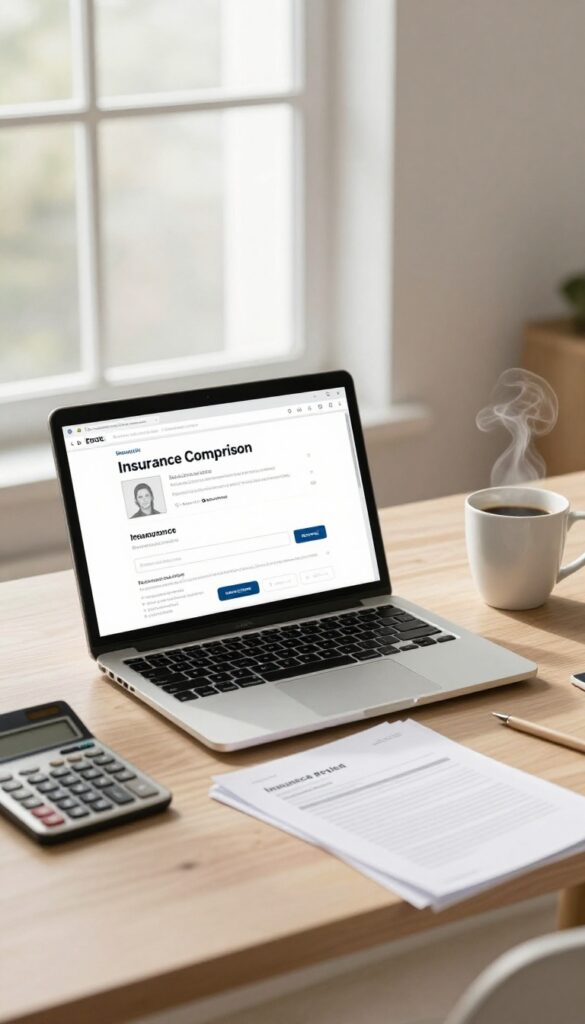
Insurance is one of those expenses you set and forget—but that's exactly how you end up overpaying. Most people stick with the same provider for years, assuming loyalty pays off. In reality, insurers often raise rates for long-term customers while offering better deals to new ones.
A quick annual review can uncover significant savings.
Shopping around for car, home, and renters insurance every year can save $200–$500 annually with the same coverage. Don't assume your current provider is giving you the best rate. Get quotes from at least three competitors, and use online comparison tools to streamline the process.
Even if you find a better deal, ask your current insurer to match it—they often will.
Bundle For Bigger Discounts
Many insurers offer multi-policy discounts if you bundle auto, home, and renters insurance. This can slash 10–25% off your total premium. Before switching, check if bundling with a new provider beats keeping separate policies.
Adjust Coverage To Your Life
Your insurance needs change over time. If your car is older, consider dropping collision or comprehensive coverage. If you've paid off your mortgage, you might not need as much life insurance.
Review deductibles too—raising them can lower your premium significantly.
Watch For Hidden Fees
Some policies include fees for paper billing, late payments, or installment plans. Ask about discounts for autopay, paperless statements, or paying the full annual premium upfront. These small tweaks add up.
FAQ
How much money can I realistically save with these small changes?
Combining just 10 of these changes can save $2, 000–$4, 000 per year. The exact amount depends on your habits and household size, but even a few tweaks add up significantly.
Do I need to make all 21 changes at once?
No, start with 2–3 that feel easiest. Once those become habits, add more. The goal is sustainable change, not overwhelm.
Will these changes require a lot of time or effort?
Most take less than 10 minutes to set up and then run on autopilot. For example, switching to a high-yield savings account takes 15 minutes and then does the work for you.
Are these tips only for people with high incomes?
Not at all. These changes work for any income level because they focus on reducing waste and optimizing spending, not on earning more.
How long before I see the savings?
Some changes, like canceling subscriptions, save money immediately. Others, like using a programmable thermostat, show results on your next utility bill. Over a year, the cumulative effect is substantial.
Conclusion
These 21 small changes prove that saving money doesn't require a drastic lifestyle shift. Pick just one or two that feel doable—like packing lunch or canceling an unused subscription—and stick with them for a month.
You'll likely see a real difference in your bank account without feeling deprived. Over time, these tiny habits compound into significant savings, giving you more financial breathing room and freedom to spend on what truly matters.
Free PDF Download
Not Sure Which Side Hustle Fits You Best?
Take the free Side Hustle Matchmaker Quiz and get a simple 7-day starter plan to help you choose a beginner-friendly idea based on your time, skills, comfort level, and goals.
You’ll get this free PDF plus access to the full Marketerna Save More & Earn More PDF Kit. No spam. Unsubscribe anytime.