19 Frugal Shopping Tips to Avoid Overspending
Overspending often happens in small, unnoticeable moments—an extra item in the cart, a flash sale you didn't plan for, or a quick click on a 'limited-time' offer. These 19 frugal shopping tips target those exact weak points, giving you simple strategies to keep more money in your pocket without feeling deprived.
From the 24-hour rule to price tracking apps, each tip is designed to make smart spending the easy choice. The key is building small habits that create a buffer between you and impulse buys.
A shopping list, paying with cash, or unsubscribing from retail emails can stop overspending before it starts. Even shopping on a full stomach helps you avoid those extra snacks or unplanned purchases.

Free PDF Download
Not Sure Which Side Hustle Fits You Best?
Take the free Side Hustle Matchmaker Quiz and get a simple 7-day starter plan to help you choose a beginner-friendly idea based on your time, skills, comfort level, and goals.
You’ll get this free PDF plus access to the full Marketerna Save More & Earn More PDF Kit. No spam. Unsubscribe anytime.
1. Create a Shopping List and Stick to It

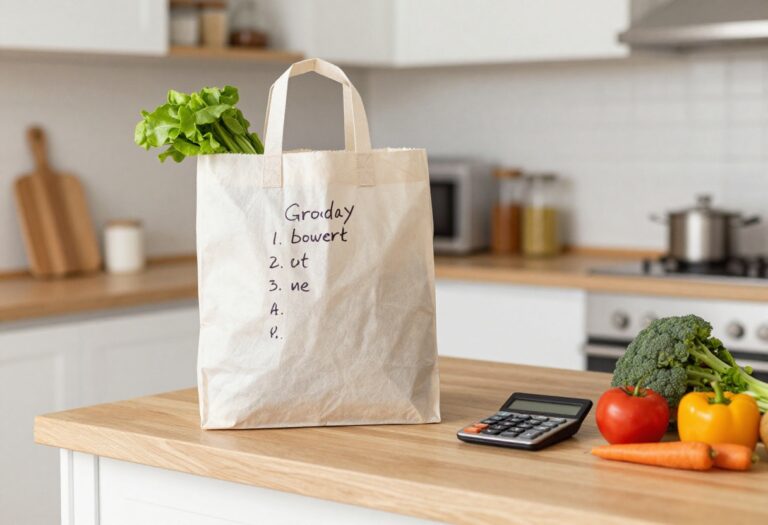
A shopping list is your best defense against impulse buys. It keeps you focused on what you actually need, not what catches your eye. Write it before you leave the house and commit to following it—no exceptions.
This simple habit can save you a surprising amount each trip.
Without a list, you're walking into a store with no plan, and that's when temptation strikes. A list acts as a contract with yourself: if it's not on there, you don't buy it. It also helps you avoid duplicate purchases and forgotten essentials that lead to extra trips.
Make It A Habit
Keep a running list on your phone or a notepad. Add items as you run out, so you're never scrambling before a trip. Review and organize it by store layout to save time and reduce browsing.
Stick To The List, No Exceptions
When you see something tempting, remind yourself: it's not on the list. If you still think you need it, add it to a 'maybe' list and wait 24 hours. Most of the time, you'll realize you don't need it.
Use A List For Online Shopping Too
Same rule applies online. Open a separate tab with your list and only add items that match. Avoid browsing 'recommended' or 'deals' sections—they're designed to distract you.
2. Use the 24-Hour Rule for Non-Essentials
Impulse buys thrive on the rush of the moment. That jacket looks perfect in the store, and that gadget seems essential at 2 a. m. But give it 24 hours, and the urgency often fades.
The 24-hour rule is a simple pause that separates genuine needs from fleeting wants.
By waiting a full day before buying anything non-essential, you create a cooling-off period. This helps you evaluate whether the item truly adds value or if it was just an emotional reaction. Most impulse purchases lose their appeal within hours, saving you money and regret.
How It Works In Practice
When you spot something you want but don't need, add it to a wishlist or take a photo. Set a reminder for the next day. If you still want it after 24 hours, consider buying it.
If not, you've dodged an unnecessary expense.
Why It Works
The rule leverages the brain's tendency to overvalue immediate rewards. Waiting reduces the emotional charge, allowing logic to take over. Studies show that delayed gratification leads to more satisfying purchases and less buyer's remorse.
When To Break The Rule
Exceptions exist for genuine emergencies or time-sensitive deals on items you've already researched. But for most non-essentials, the 24-hour rule is a reliable guardrail against overspending.
Free PDF Download
Not Sure Which Side Hustle Fits You Best?
Take the free Side Hustle Matchmaker Quiz and get a simple 7-day starter plan to help you choose a beginner-friendly idea based on your time, skills, comfort level, and goals.
You’ll get this free PDF plus access to the full Marketerna Save More & Earn More PDF Kit. No spam. Unsubscribe anytime.
3. Pay with Cash Only
Plastic money makes spending feel almost imaginary. Swiping a card or tapping your phone doesn't trigger the same pain as handing over physical bills. Cash, on the other hand, is tangible.
When you see your wallet getting thinner, you naturally slow down and think twice.
Leaving credit and debit cards at home forces you to work with a fixed amount. Once the cash is gone, you stop spending. No overdraft, no surprise bill next month.
It's a simple but powerful boundary.
Set A Cash Budget For Each Trip
Before heading out, decide exactly how much cash you'll need. Withdraw that amount and leave the rest at home. This forces you to prioritize what you actually need and skip extras that don't fit in the envelope.
Use The Envelope System
Label envelopes for different categories like groceries, dining out, or entertainment. Put the allocated cash in each envelope. When an envelope is empty, no more spending in that category until next pay period.
It's old-school but incredibly effective.
Feel The Pain Of Spending
Handing over cash activates the brain's pain centers, making you more mindful of each purchase. That slight discomfort helps you evaluate whether the item is worth the money. Over time, you'll naturally buy less and save more.
4. Unsubscribe from Retail Emails
Those daily sale alerts and "just for you" discounts are designed to make you feel like you're missing out. The truth is, every email is a tiny nudge toward buying something you probably don't need. Removing them from your inbox removes the temptation entirely.
Retailers spend a lot of effort crafting emails that trigger impulse buys. The subject lines are tested to create urgency, and the deals are often time-limited to rush your decision. By unsubscribing, you take away their ability to reach you at vulnerable moments—like when you're bored or tired.
It's a simple, one-time action that pays off every single day.
The Hidden Cost Of "just Looking"
You might think you can ignore those emails, but even glancing at a subject line can plant a seed. Your brain starts weighing the "deal" against your needs, and often the deal wins. Unsubscribing removes that mental load entirely.
How To Unsubscribe In Bulk
Use a tool like Unroll. me or manually unsubscribe using the link at the bottom of each email. Set aside 15 minutes to clear your inbox. You'll be surprised how much lighter your digital life feels—and how much less you spend.
What About Loyalty Program Emails?
If you're worried about missing genuine rewards, consider creating a separate email account just for those. Check it once a week when you actually need something. This way, you stay in control instead of being constantly marketed to.
Free PDF Download
Not Sure Which Side Hustle Fits You Best?
Take the free Side Hustle Matchmaker Quiz and get a simple 7-day starter plan to help you choose a beginner-friendly idea based on your time, skills, comfort level, and goals.
You’ll get this free PDF plus access to the full Marketerna Save More & Earn More PDF Kit. No spam. Unsubscribe anytime.
5. Shop with a Full Stomach

Ever notice how everything looks good when you're hungry? That bag of chips, the discounted bakery item, even that weird flavored soda. Hunger is a biological impulse that hijacks your rational brain, making you buy things you'd normally pass on.
Eating a balanced meal or snack before you head to the store is one of the simplest ways to keep your spending in check.
The Science Of Impulse Buying
When you're hungry, your body releases ghrelin, a hormone that increases food cravings and also makes you more impulsive in general. Studies show hungry shoppers spend up to 64% more on non-food items too. A full stomach keeps those cravings quiet and your wallet safe.
What To Eat Before You Shop
Aim for a meal with protein, fiber, and healthy fats—like eggs and avocado toast or a Greek yogurt with nuts. This keeps your blood sugar steady and hunger at bay for hours. Avoid sugary snacks that cause a crash mid-shop.
Make It A Habit
Before any shopping trip, whether it's groceries, clothes, or home goods, schedule a quick meal or snack. Set a reminder on your phone if needed. Over time, this becomes automatic, and you'll notice fewer unplanned purchases.
6. Compare Unit Prices
The price tag doesn't always tell the whole story. That jumbo size might look like a steal, but sometimes the smaller package is actually cheaper per ounce. Unit pricing—the cost per unit (ounce, pound, or item)—cuts through the marketing and shows you the real deal.
Once you start checking it, you'll never look at shelf tags the same way again.
Unit pricing is a simple but powerful tool. It's that small price-per-unit number usually printed on the shelf tag below the product. For example, a 12-ounce bag of coffee might be $8.
99, but the unit price is $0. 75 per ounce. A 24-ounce bag might be $15.
99, which is $0. 67 per ounce—a better value. But not always: sometimes the larger package is actually more expensive per unit because of packaging or marketing.
Always check.
Where To Find Unit Prices
Most grocery stores list unit prices on the shelf label, usually in small print. Look for the cost per ounce, pound, quart, or count. If you don't see it, use your phone's calculator or a unit price app.
Some stores even have a unit price converter on their app.
Bulk Buys: Not Always A Bargain
Bigger isn't always cheaper. Warehouse clubs and bulk bins can trick you into buying more than you need. Compare the unit price of the bulk size to the regular size.
Sometimes the smaller package wins, especially if you won't use the bulk item before it goes bad.
Watch For Different Units
Be careful: one brand might list price per ounce, another per pound, or per count. Convert to the same unit before comparing. For example, compare price per ounce for both, not ounces versus pounds.
A quick mental math or a calculator app saves you from a bad deal.
7. Buy Generic or Store Brands
You don't need to pay for fancy packaging to get quality products. Store brands often use the same manufacturers as name brands, just with a simpler label. Switching to generic for everyday items can save you a surprising amount over time.
The savings really add up when you make generic your default for pantry staples, cleaning supplies, and over-the-counter medications. Most store brands offer a satisfaction guarantee, so there's little risk in trying them. Start with one or two items and see if you notice any difference—chances are, you won't.
Where Generic Shines
Generic products work best for items where taste or performance is consistent across brands. Think pasta, rice, sugar, flour, baking soda, vinegar, dish soap, and trash bags. Even spices—many store brands source from the same suppliers as premium labels.
What To Keep Name-brand
Some products are worth the splurge. If you're particular about ketchup, mayonnaise, or a specific snack, stick with what you love. The goal isn't to force yourself to like something cheaper—it's to save where you genuinely don't care about the label.
How To Test The Waters
Next time you run out of a staple, buy the store brand instead. If you don't like it, you can always go back. Many stores will even refund or exchange a generic item you didn't enjoy.
That makes experimenting risk-free.
8. Use Price Tracking Apps
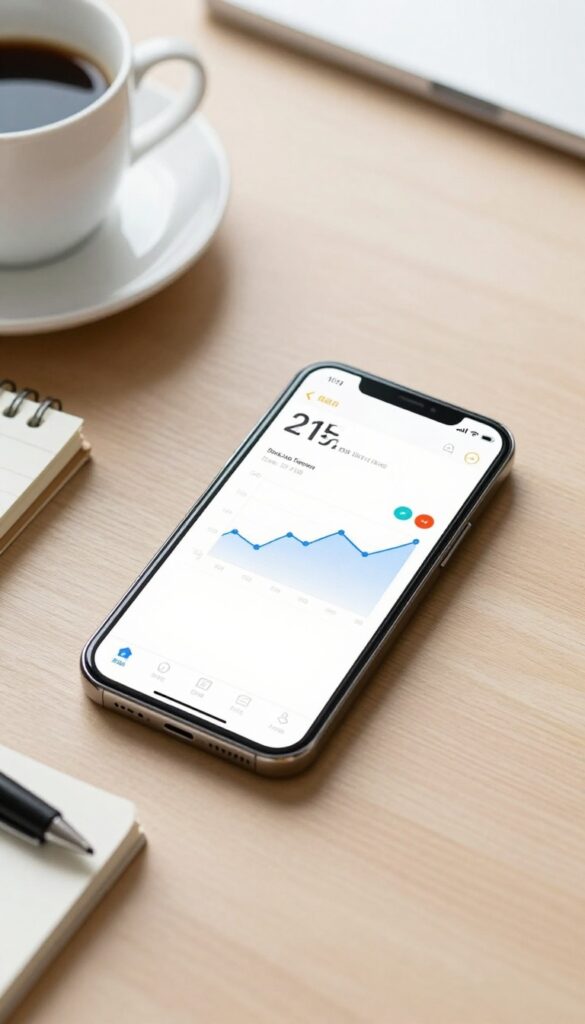
You don't have to guess when to buy. Price tracking apps do the waiting for you, alerting you the moment an item hits your target price. It's like having a personal shopper who only texts you about deals.
Apps like CamelCamelCamel and Honey track price history and send alerts when prices drop. You set your desired price, and they notify you when it's time to buy. No more checking every day or kicking yourself for missing a sale.
These tools also show you if a 'sale' is actually a good deal. Sometimes a 50% off tag is just a markup trick. Price history reveals the real story, so you know if you're truly saving.
Set It And Forget It
Add items to your watchlist and let the app monitor prices. You'll get an email or push notification when the price drops to your target. This removes the urge to buy impulsively because you know a better price might come.
Spot Fake Sales
Retailers often inflate prices before a 'sale' to make discounts look bigger. Price tracking shows the actual price history, so you can spot these tactics. If the 'sale' price is still higher than last month's average, skip it.
Combine With Coupons
Some price tracking apps also find coupon codes automatically. Honey, for example, tests codes at checkout. Use both features together to stack savings—lowest price plus a discount code.
9. Plan Meals Around Sales
Grocery shopping is one of the biggest budget busters if you go in without a plan. But you don't have to stick to a rigid menu that ignores what's actually cheap this week. Instead, let the sales flyers be your guide.
When you build your meals around discounted items, you naturally cut costs without feeling like you're sacrificing variety.
Start by checking your local store's weekly ad—most are available online or as a simple app. Pick out the proteins, produce, and pantry staples that are on special. Then, brainstorm a few meals that use those ingredients.
This approach forces you to buy what's affordable and reduces the temptation to grab pricier alternatives. Over time, you'll notice your grocery bill dropping, and you might even discover new recipes you wouldn't have tried otherwise.
Match Sales To Your Pantry
Before you plan, take a quick inventory of what you already have. If chicken breasts are on sale, but you've got a full bag of frozen thighs, adjust your menu to use what you own first. This prevents waste and keeps your spending in check.
Stock Up On Loss Leaders
Stores often sell certain items at a loss just to get you in the door. These loss leaders—like milk, eggs, or seasonal produce—are perfect to build meals around. Buy enough to last until the next sale cycle, but only if you'll actually use it.
Stay Flexible With Substitutions
Don't get locked into a recipe that calls for expensive ingredients. If bell peppers are on sale but the recipe asks for zucchini, swap them. Sales change weekly, so being flexible with your cooking keeps your budget on track.
10. Avoid Shopping When Bored or Stressed
Emotions can be expensive. When you're bored, stressed, or feeling down, shopping can seem like a quick fix—a little dopamine hit to change your mood. But that temporary high often leads to buyer's remorse and a lighter wallet.
The trick is to recognize those emotional triggers and find healthier outlets that don't cost a thing.
Next time you feel the urge to shop out of boredom or stress, pause and ask yourself: 'What am I really feeling? ' If it's boredom, try a 10-minute walk, a quick stretch, or calling a friend. If it's stress, journaling, deep breathing, or even a simple household chore can help reset your mood. The goal is to break the habit of reaching for your wallet when what you really need is a mental break.
Identify Your Emotional Triggers
Keep a small note or use your phone to jot down what you were feeling right before an impulse purchase. Over time, patterns emerge—maybe it's after a tough work call or late at night when you're lonely. Knowing your triggers is the first step to outsmarting them.
Create A 'pause And Replace' Habit
When the urge to shop hits, set a timer for 10 minutes and do something else: read a few pages of a book, do a quick puzzle, or step outside. By the time the timer goes off, the craving often fades. Over time, this replaces the shopping habit with a healthier one.
Unsubscribe And Unfollow
Retail emails and social media ads are designed to trigger emotional spending. Unsubscribe from store newsletters and mute or unfollow brands that tempt you. Out of sight really is out of mind—and out of your cart.
11. Set a Monthly Spending Cap
A spending cap is like a budget for fun money. You decide upfront how much you can afford to spend on non-essentials each month—things like dining out, entertainment, or impulse buys. Once that money is gone, you stop.
No exceptions.
This simple rule forces you to prioritize what truly matters. It turns vague intentions into a hard limit, making it easier to say no to unnecessary purchases.
How To Choose Your Cap
Look at your past few months of spending on non-essentials. Pick a realistic number that feels manageable but slightly lower than what you usually spend. Start there and adjust as needed.
Track Your Progress
Use a simple app or a notebook to log every non-essential purchase. Check your remaining balance weekly. Seeing the number shrink helps you stay mindful.
What To Do When You Hit The Limit
Stop spending on non-essentials for the rest of the month. Cook at home, watch movies you already own, or find free activities. The pause resets your habits and makes next month's cap easier to stick to.
12. Use the 'One In, One Out' Rule

Closets and drawers have a sneaky way of filling up. The 'one in, one out' rule keeps your home from turning into a storage unit while also making you think twice before buying. Every time a new item comes in, an old one goes out—donated, sold, or trashed.
It's a simple boundary that stops mindless accumulation.
This rule works because it forces you to confront the trade-off. Before buying something new, ask yourself: what am I willing to let go of? If nothing comes to mind, you probably don't need it.
It also keeps your space manageable and your spending in check.
Why It Curbs Impulse Buys
When you know you'll have to part with something you already own, that new purchase feels less like a free addition and more like a swap. That mental shift makes you evaluate whether the new item is truly worth losing the old one.
How To Make It Stick
Keep a donation box in your closet or a list on your phone. As soon as you bring something home, immediately remove the old item. If you hesitate, you're not ready to buy.
Over time, this habit becomes automatic.
What Counts As 'one'?
The rule works for clothes, shoes, books, kitchen gadgets—anything you have a limited space for. For categories like groceries or toiletries, adapt it to a 'use one, buy one' approach to avoid overstocking.
13. Buy Seasonal Produce
When fruits and vegetables are in season, they're at their peak flavor and lowest price. That's because local harvests mean less transportation and storage costs. Shopping this way not only saves money but also gives you better-tasting ingredients.
Plan your weekly meals around what's currently in season at your local market. You'll notice the price difference immediately—out-of-season produce can cost double or triple. Plus, seasonal items are often displayed prominently and may even be on sale.
Check What's In Season
A quick online search for 'seasonal produce [your month]' gives you a list. Or just look at what's abundant and cheapest at the store. In summer, that means berries and corn; in fall, squash and apples.
Buy In Bulk And Preserve
When a favorite fruit or veggie is at its cheapest, stock up. Freeze berries, can tomatoes, or make applesauce. This way you enjoy seasonal prices all year round.
Visit Farmers Markets Late
Farmers markets often lower prices near closing time. Vendors would rather sell at a discount than pack everything back up. You can score great deals on just-ripe produce.
14. Take Advantage of Price Match Guarantees
Price matching is one of those underused perks that can save you serious cash without any extra effort. Many big retailers—think Target, Best Buy, and Walmart—will match a lower price from a competitor if you ask. All you need is proof, like a current ad or a screenshot from your phone.
It's basically getting the best deal without driving across town.
The key is knowing which stores offer price matching and what their rules are. Some match online prices from major retailers, others only match local brick-and-mortar stores. A quick check of their policy page before you shop can save you headaches later.
And don't forget to ask at the register—sometimes they'll adjust the price on the spot.
Bring Proof, Save Instantly
Keep ads or open competitor apps on your phone while you shop. If you spot a lower price, show it to the cashier or customer service. Many stores will honor the match right then, so you walk out paying less.
Use Price Match Apps
Apps like Flipp or ShopSavvy aggregate current deals and let you compare prices across stores. Some even let you request a price match directly. It's like having a personal bargain hunter in your pocket.
Know The Exclusions
Price match policies often exclude clearance items, limited-time promotions, or online-only deals from marketplace sellers. Read the fine print so you don't get disappointed at checkout.
15. Borrow or Rent Instead of Buying

Not everything you need is worth owning. For items you'll use once or twice a year, borrowing or renting can save you hundreds of dollars and a ton of closet space.
Check Your Circle First
Before you buy that power washer or bread maker, ask friends, family, or neighbors if they have one you can borrow. Most people are happy to lend, especially if you return the favor. You'll strengthen relationships and keep your cash.
Rent For Rare Jobs
For bigger projects like carpet cleaning or landscaping, rental services are a smart move. You pay only for the time you use, and you don't have to store or maintain the equipment. Many hardware stores offer daily or hourly rentals.
Library Of Things
Public libraries now lend more than books. Some have tool libraries, kitchen equipment, board games, and even musical instruments. Membership is usually free, and you can borrow items for a week or two.
16. Use a Shopping App with Cash Back
Cash back apps are one of the easiest ways to save without changing your shopping habits. Apps like Ibotta and Rakuten give you real money back on everyday purchases—groceries, clothes, even toilet paper. The trick is to stack them with sales and coupons for maximum savings.
How Cash Back Apps Work
You simply browse offers in the app, buy the item as usual, and then scan your receipt or activate a link before shopping. The cash back gets added to your account, and once you hit a minimum threshold, you can withdraw it or get a gift card. It's that simple.
Stacking For Bigger Savings
The real magic happens when you combine cash back with store sales, coupons, and credit card rewards. For example, if a store has a 20% off sale, you use a coupon, and then get 5% cash back from Rakuten, you're saving way more than the sticker price suggests.
Which Apps To Start With
Ibotta is great for groceries and drugstore items—it has offers for everything from produce to pet food. Rakuten works best for online shopping at major retailers like Amazon, Target, and Macy's. Both are free and easy to use.
17. Buy in Bulk for Non-Perishables
Stocking up on non-perishable items when they're at their lowest price is a classic money-saving move. The trick is knowing what to buy and how to store it without wasting space or money.
Bulk buying works best for items you use regularly and that won't spoil. Think toilet paper, paper towels, rice, pasta, canned goods, cleaning supplies, and personal care products like toothpaste or soap. When you see a great sale, grab enough to last until the next sale cycle—usually around 6 to 12 weeks.
What To Buy In Bulk
Focus on items with a long shelf life and high usage frequency. Staples like rice, beans, oats, and pasta are perfect. Household essentials such as trash bags, laundry detergent, and dish soap also work well.
Avoid perishables unless you have a plan to use them quickly.
Storage Matters
Before you stock up, make sure you have enough space. A dedicated pantry shelf, a closet, or even under-bed storage bins can work. Use clear containers or labels so you know what you have and can rotate stock to use older items first.
Watch The Unit Price
Bigger packages aren't always cheaper. Check the unit price (price per ounce, per sheet, etc. ) to compare. Sometimes a larger pack costs more per unit than a smaller one, especially if it's a premium brand.
Stick to the best value, not just the biggest box.
18. Leave the Store If You Feel Tempted
Sometimes the best money move is to simply walk away. If you're standing in an aisle staring at something you know you don't need, your brain is already in negotiation mode. That's the moment to turn around and head for the exit.
Leaving the store isn't a failure—it's a reset. A few deep breaths of fresh air and a change of scenery can kill the impulse. You'll likely realize you didn't want it that badly after all.
When you feel that familiar tug toward an unnecessary purchase, give yourself permission to leave immediately. No lingering, no second-guessing. Just go.
The urge usually fades within minutes, and you'll be glad you didn't cave.
Why It Works
Impulse buying thrives on proximity and environment. The moment you remove yourself from the store, the triggers disappear. Your brain shifts from 'want mode' to 'logic mode, ' making it easier to see the purchase for what it is: an unnecessary expense.
How To Make It A Habit
Practice the exit strategy on small temptations first—like a candy bar at checkout or a discounted gadget. Each time you walk away, you strengthen the mental muscle. Soon it'll feel natural to bail when you sense trouble.
What To Do After You Leave
Don't just wander to another store. Go home, grab a glass of water, and distract yourself for 15 minutes. If you still want the item after that, consider it with a clear head.
Most of the time, you'll forget about it completely.
19. Review Your Receipts Before Leaving
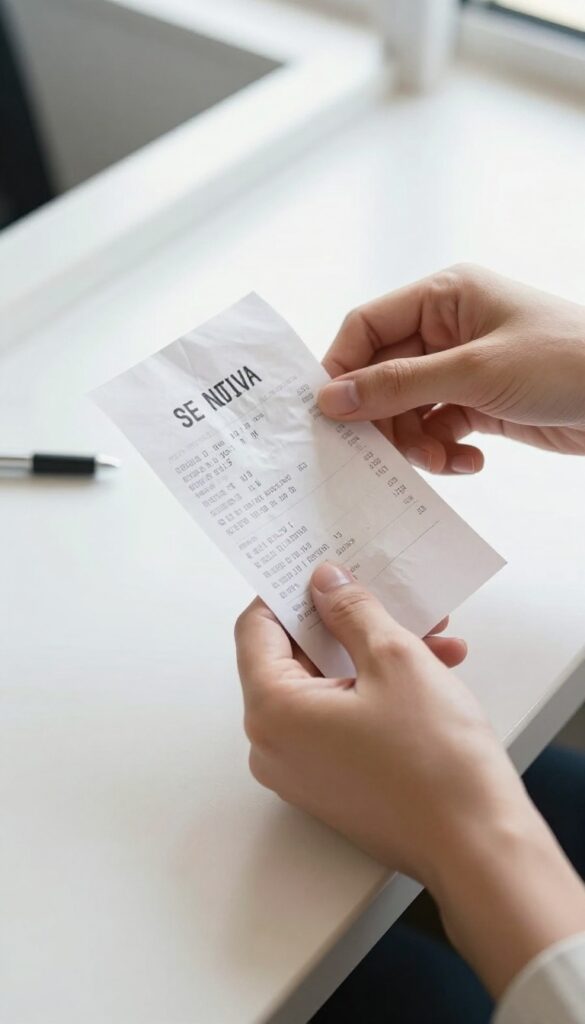
It's easy to grab your bags and rush out of the store, but taking just 60 seconds to scan your receipt can save you money. Stores make mistakes—items ring up at the wrong price, discounts don't apply, or you get charged twice for the same thing. Catching those errors before you leave means you can fix them on the spot instead of dealing with a hassle later.
Make it a habit to check your receipt at the register or right after checkout. Look for items that were supposed to be on sale, compare prices if you used a coupon, and watch for duplicate charges. It's a small step that often pays off.
Common Receipt Errors
The most frequent mistakes include sale items ringing up at full price, coupons not being applied, and accidental double scans. Also check for incorrect quantities—if you bought two but got charged for three, that's money you can get back immediately.
How To Handle Mistakes
If you spot an error, politely point it out to the cashier or customer service desk. Most stores will refund the difference or even give you the item for free if it's a pricing mistake. Don't be shy—stores expect these corrections and it's your right as a customer.
Digital Receipts Work Too
For online orders, review the digital receipt before you finalize the purchase. Check for unexpected shipping fees, taxes, or added items. After delivery, compare the packing slip with what you actually received to catch any billing errors.
FAQ
What is the most effective frugal shopping tip?
Using a shopping list and sticking to it is the most effective tip. It prevents impulse buys and keeps you focused on what you actually need.
How can I avoid impulse buying online?
Unsubscribe from retail emails, use the 24-hour rule, and remove saved payment methods to add friction to checkout.
Is buying in bulk always cheaper?
Not always. Compare unit prices to ensure bulk sizes are truly a better deal. Only buy bulk for items you use regularly.
How do I stick to a shopping budget?
Set a monthly spending cap, use cash, and track your expenses with an app. Review your spending weekly to stay accountable.
What are the best cash-back apps for shopping?
Popular options include Ibotta, Rakuten, and Fetch Rewards. They offer cash back on groceries, clothing, and more when you scan receipts or shop through their links.
Conclusion
Frugal shopping isn't about deprivation—it's about making intentional choices that align with your financial goals. By adopting even a few of these tips, you'll notice a real difference in your spending habits. Start small: pick one or two strategies and practice them until they become second nature.
Over time, these small changes add up to significant savings. Remember, every dollar you keep is a dollar you can put toward something that truly matters to you. Happy saving!
Free PDF Download
Not Sure Which Side Hustle Fits You Best?
Take the free Side Hustle Matchmaker Quiz and get a simple 7-day starter plan to help you choose a beginner-friendly idea based on your time, skills, comfort level, and goals.
You’ll get this free PDF plus access to the full Marketerna Save More & Earn More PDF Kit. No spam. Unsubscribe anytime.