
19 Simple Ways to Save Money Every Week
Saving money doesn't have to mean overhauling your entire lifestyle. Small, consistent changes—like planning meals around sales or brewing coffee at home—can add up to significant savings without feeling painful. The key is focusing on habits that require minimal effort but deliver real results.
You don't need to tackle all 19 tips at once. Start with the easiest wins, like canceling unused subscriptions or switching to generic brands, and watch your bank account grow. Each idea targets a specific area where money leaks out unnoticed.
Once you see the savings stack up, you'll feel motivated to try more. These aren't generic suggestions—they're practical actions that actually work in real life. Pick three to start and build from there.

Free PDF Download
Not Sure Which Side Hustle Fits You Best?
Take the free Side Hustle Matchmaker Quiz and get a simple 7-day starter plan to help you choose a beginner-friendly idea based on your time, skills, comfort level, and goals.
You’ll get this free PDF plus access to the full Marketerna Save More & Earn More PDF Kit. No spam. Unsubscribe anytime.
1. Plan Your Meals Around Sales
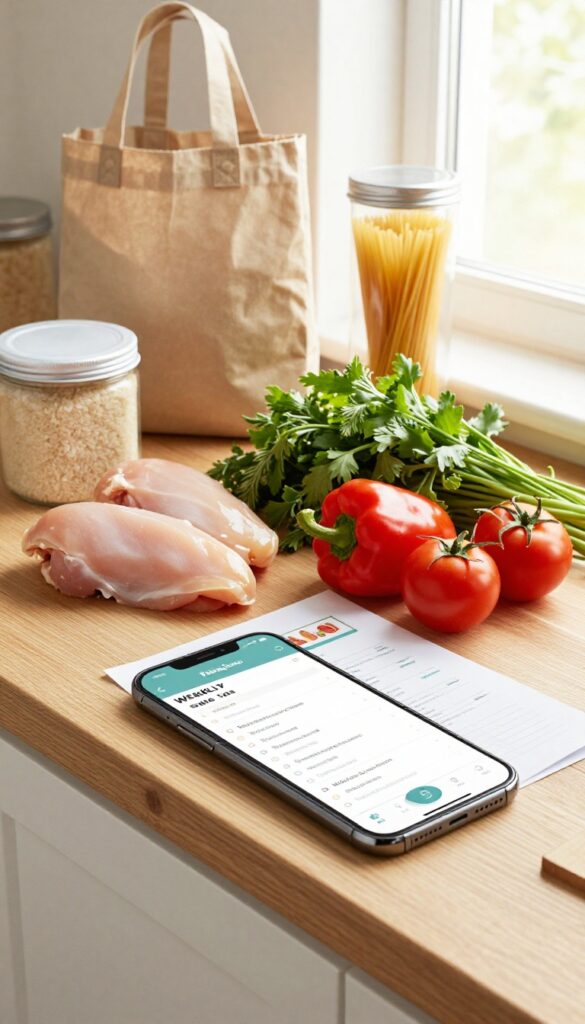
Grocery bills are one of the biggest budget busters, but they're also one of the easiest to control. The trick is to let the weekly sales flyer—not your cravings—decide what's for dinner. This one shift can slash your food spending without making you feel deprived.
When you plan meals around what's on sale, you naturally buy fewer full-price items and avoid those last-minute runs for expensive ingredients. You'll also cut down on food waste because you're buying exactly what you'll use. Over time, this habit can save you 20–30% on groceries each week.
Start With The Store Ad
Every week, your grocery store publishes a digital or paper ad with loss leaders—items sold at a deep discount. These are your meal anchors. If chicken breasts are on sale, plan a few chicken dinners.
If bell peppers are cheap, build a stir-fry around them.
Build A Flexible Menu
Don't overplan. Pick 3–4 sale items and create loose meal ideas around them. For example, sale ground beef can become tacos one night and spaghetti the next.
This flexibility keeps you from getting bored and makes sticking to the plan easy.
Stock Up On Staples
When pantry staples like rice, pasta, or canned tomatoes go on sale, buy extra. These items have long shelf lives and form the base of countless meals. Having them on hand means you can always build a cheap, quick dinner around whatever fresh item is discounted.
2. Brew Coffee at Home
That daily latte or cold brew from the café feels like a small treat, but it quietly drains your wallet. A $5 coffee every weekday adds up to $100 a month—or $1, 200 a year. Brewing your own coffee at home is one of the simplest swaps you can make, and the savings kick in immediately.
The Real Cost Of A Coffee Habit
A single coffee shop visit might not seem like much, but multiply it by five days a week. Even at $4 per cup, that's $80 a month. Over a year, you're looking at nearly $1, 000.
Compare that to a bag of quality beans costing around $10–15, which makes 30–40 cups. The math is clear: home brewing saves you at least $20 per week.
Make It A Ritual, Not A Chore
Invest in a simple French press or a pour-over cone—both are cheap and fast. Pick a coffee you genuinely enjoy. The few minutes it takes to brew can become a calming morning ritual.
You'll get a better-tasting cup exactly the way you like it, without the wait or the cost.
Level Up Without The Price Tag
Add a splash of vanilla syrup or a dash of cinnamon to mimic café flavors. Use a reusable mug to keep your coffee hot longer. If you miss the social aspect, invite a friend over for coffee instead of meeting at a shop.
You'll still get the connection, but at a fraction of the price.
Free PDF Download
Not Sure Which Side Hustle Fits You Best?
Take the free Side Hustle Matchmaker Quiz and get a simple 7-day starter plan to help you choose a beginner-friendly idea based on your time, skills, comfort level, and goals.
You’ll get this free PDF plus access to the full Marketerna Save More & Earn More PDF Kit. No spam. Unsubscribe anytime.
3. Use a Grocery List and Stick to It
Walking into a grocery store without a list is like walking into a casino without a budget—you're almost guaranteed to lose. Supermarkets are designed to tempt you with end-cap displays, BOGO deals, and impulse buys near the checkout. A simple list acts as your shield against all that clever marketing.
It keeps you focused on what you actually need, not what the store wants you to buy.
The key isn't just making a list—it's committing to it. Treat your list like a contract with your wallet. If it's not on the list, it doesn't go in the cart.
This single habit can slash your weekly grocery bill by 15–20% without changing what you eat.
Plan Around Sales And Pantry Staples
Check weekly ads before you write your list. Build meals around what's on sale, and always include basics like rice, pasta, and canned goods that you know you'll use. This prevents buying random sale items that end up expiring in the back of your cabinet.
Use A Template To Save Time
Create a reusable grocery list template organized by store aisle—produce, dairy, meat, etc. That way you're not rewriting the same staples every week. Just check off what you need and add a few extras based on your meal plan.
Faster shopping means fewer impulse buys.
Leave Room For One Treat
A rigid list can feel punishing. Allow yourself one small indulgence—a favorite snack or a fancy cheese. This makes the rule easier to follow long-term, and that one treat costs far less than the random four items you'd grab without a list.
4. Cancel Unused Subscriptions
Those monthly charges for services you barely touch add up fast. A streaming platform you opened once, a gym membership you haven't used since January, a random app subscription you forgot about—they quietly drain your account. The fix is simple: audit your bank statements and cut anything that isn't earning its keep.
Set a timer for 15 minutes and pull up your last three months of bank or credit card statements. Highlight every recurring charge—Netflix, Spotify, a meal kit service, a cloud storage plan, even that $5 monthly app. If you haven't used it in the past 30 days, cancel it.
Most subscriptions let you reactivate later if you change your mind, so there's no risk.
Where To Look
Start with your bank and credit card statements. Also check your PayPal, Apple ID, or Google Play account—these often hide forgotten subscriptions. Look for small, recurring charges you don't recognize.
How To Cancel Painlessly
Most services let you cancel online in a few clicks. If you run into a hassle, use a tool like Rocket Money or Truebill to manage cancellations. For gym memberships, you may need to send a certified letter—check the contract first.
What To Keep
Don't cancel everything. Keep subscriptions you actually use and enjoy. The goal is to eliminate waste, not all fun.
If you watch Netflix weekly, keep it. If you haven't opened it in two months, cut it.
Free PDF Download
Not Sure Which Side Hustle Fits You Best?
Take the free Side Hustle Matchmaker Quiz and get a simple 7-day starter plan to help you choose a beginner-friendly idea based on your time, skills, comfort level, and goals.
You’ll get this free PDF plus access to the full Marketerna Save More & Earn More PDF Kit. No spam. Unsubscribe anytime.
5. Pack Your Lunch for Work
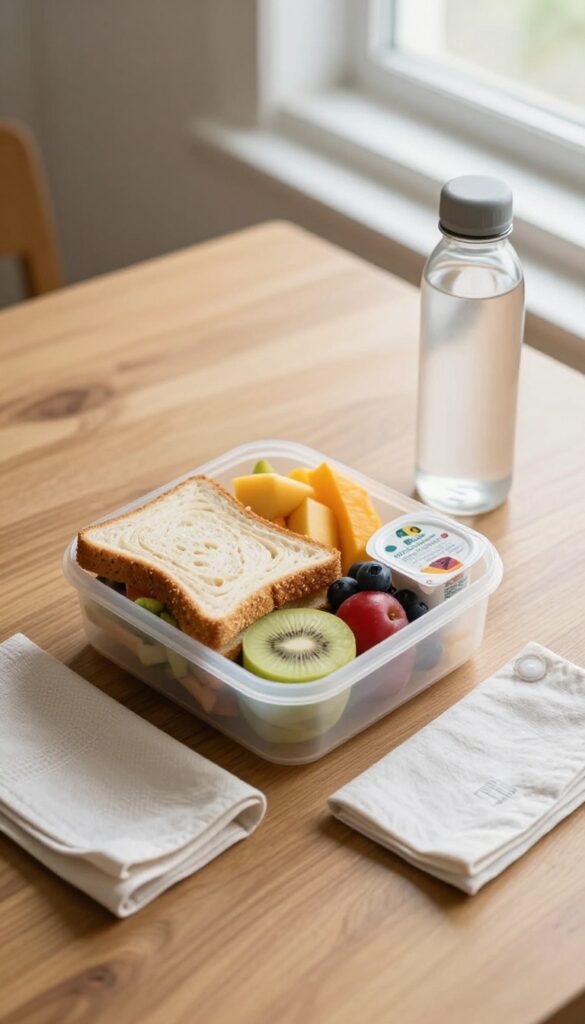
Eating out for lunch might feel like a well-deserved break, but those $10 to $15 meals add up fast. Packing your lunch just two or three times a week can put $15 to $30 back in your pocket—and often leads to healthier choices. It's one of those rare habits that saves money and improves your well-being at the same time.
Start small. You don't have to pack every day to see results. Aim for twice a week and build from there.
Use leftovers from dinner to make the process effortless. Keep a stash of reusable containers and a lunch bag ready so you can grab and go. Over a month, those two days a week save you around $60 to $120.
Make It Easy
The biggest hurdle is thinking you need to prep elaborate meals. Instead, double your dinner portions and pack the extras. A simple sandwich, some fruit, and a yogurt take five minutes to assemble.
Keep pantry staples like canned tuna, whole-wheat bread, and peanut butter on hand for zero-effort lunches.
Rotate Your Menu
Boredom kills good habits. Plan a simple rotation: Monday leftovers, Tuesday sandwich and salad, Wednesday wrap, Thursday soup, Friday treat yourself to takeout. Having a loose schedule keeps things interesting without requiring daily decisions.
You'll look forward to your homemade lunch instead of dreading it.
Track Your Savings
Seeing the numbers pile up is motivating. Use a simple app or a jar to collect the cash you would have spent eating out. Watch it grow over a month and treat yourself to something nice with the savings.
That visual reminder makes packing lunch feel like a win, not a chore.
6. Switch to Generic Brands
You don't need to buy the fancy label to get good quality. Store brands often have the same ingredients as name brands but cost a lot less. Start by swapping a few everyday items and watch the savings pile up without sacrificing taste or performance.
Start With Staples
Begin with pantry basics like flour, sugar, salt, and spices. These store-brand versions are nearly identical to name brands. You'll save a dollar or two per item, and no one will taste the difference in your cooking.
Compare Ingredients, Not Labels
Check the ingredient list on generic vs. name brand. Often they're almost identical, especially for processed foods like cereal, pasta, and canned goods. If the first few ingredients match, you're getting the same product for less.
Don't Forget Non-food Items
Generic brands aren't just for food. Over-the-counter medications, cleaning supplies, and paper products are great places to save. The active ingredients in pain relievers are identical, and store-brand trash bags are just as strong.
7. Automate Your Savings
Pay yourself first—it's the oldest trick in the personal finance book, and it works. When you automate a transfer from checking to savings on payday, you remove the temptation to spend that money. It's like putting your savings on autopilot: you don't have to think about it, and you won't miss what you never see.
Set up a recurring transfer for the same day your paycheck hits. Start small—even $25 or $50 per week adds up to $1, 300–$2, 600 a year. Most banks and credit unions let you schedule transfers online in minutes.
Once it's set, forget it. Your future self will thank you.
Pick The Right Amount
Choose a number that feels comfortable but still stretches you slightly. If you're not sure, start with 1% of your income and increase by 1% every month until you reach a goal like 10% or 15%. The key is consistency, not perfection.
Use Separate Accounts
Keep your savings in a different bank or a high-yield savings account. That way, you won't see the balance when you log into checking, which reduces the urge to dip into it. Out of sight, out of mind—and into your net worth.
Make It A Habit
Treat your automated savings like a non-negotiable bill. It's not optional; it's a priority. Over time, your spending adjusts to the lower checking balance, and the savings grow without any extra effort on your part.
8. Cut Your Own Hair or Learn Simple Trims

Haircuts add up fast, especially if you visit a salon every few weeks. Learning to trim your own hair—or even just touch up between appointments—can save you hundreds a year. It sounds intimidating, but with the right tools and a little patience, you can get salon-worthy results at home.
Start with a good pair of hair-cutting shears (regular scissors will cause split ends). Watch a few YouTube tutorials for your hair type and length. For simple trims, focus on small, gradual cuts—you can always take off more, but you can't put it back.
If you're nervous, try trimming just the ends first. Once you build confidence, you might even try layering or bangs.
What You'll Need
Invest in quality cutting shears (around $15–$30), a fine-tooth comb, and hair clips. A spray bottle for dampening hair helps too. That's it—no fancy equipment required.
Start Small
Begin with a basic dusting of the ends. Use the "point cutting" technique (cutting into the ends at an angle) for a softer, more forgiving look. Avoid cutting straight across unless you're experienced.
When To Call The Pros
Even if you DIY most trims, schedule a professional cut twice a year for shape and layers. That still saves money compared to monthly salon visits.
9. Use Cash for Discretionary Spending
Swiping a card makes spending feel almost invisible. Cash, on the other hand, is tangible and harder to part with. By using cash for your non-essential purchases, you create a natural spending limit that's easy to stick to.
Withdraw a fixed amount of cash each week for things like coffee, takeout, entertainment, and impulse buys. Once that cash is gone, you stop spending on those categories until next week. This simple system forces you to prioritize what you really want and cuts down on mindless swiping.
Why Cash Works Better Than Cards
When you pay with cash, you physically see the money leaving your hand. That psychological friction makes you think twice before buying. Studies show people spend less when using cash compared to credit or debit cards.
How To Set Your Weekly Cash Budget
Review your past discretionary spending to find a realistic amount. Start with a number that feels slightly tight but doable. Withdraw that amount every Monday, and keep it in a separate envelope or wallet section.
No topping up midweek.
What Counts As Discretionary Spending
This method works best for variable, non-essential expenses like dining out, entertainment, clothing, and hobbies. Don't include fixed bills or groceries. Be honest with yourself about what's truly optional.
10. Negotiate Your Bills
You might think your internet or insurance rate is set in stone, but that's rarely the case. Companies often have unadvertised discounts or loyalty offers they'll hand over if you just ask. A single 10-minute phone call can put hundreds of dollars back in your pocket each year.
Start by making a list of your recurring bills: internet, cable, phone, insurance, even your streaming services. For each one, call the customer service line and politely ask if there are any current promotions or discounts available. If they say no, mention you're considering switching providers—that often triggers a retention offer.
Be friendly but firm, and don't accept the first no. Sometimes you need to speak with a supervisor or the retention department. Keep notes on what you're offered and compare it to competitor pricing.
Even a $10 monthly reduction on three bills saves you $360 annually.
What To Say On The Call
Start with a simple script: "Hi, I'm reviewing my budget and wondering if there are any current discounts or promotions you can apply to my account. " If they push back, say, "I've been a loyal customer for X years, but I'm seeing better rates from competitors. Can you match or beat them?
" Stay calm and polite—customer service reps are more likely to help if you're nice.
Which Bills To Target First
Focus on the ones with the highest monthly cost or the most competition. Internet and cable are prime targets because providers constantly run new-customer deals. Insurance (car, home, renters) is another big one—you can often lower your premium by bundling or increasing your deductible.
Don't forget subscription services like streaming or gym memberships; many will offer a discounted rate if you threaten to cancel.
How Often To Renegotiate
Set a reminder to review your bills every 6 to 12 months. Prices change, competitors launch new offers, and your loyalty can earn you more over time. Mark it on your calendar so you don't forget.
After the first successful negotiation, you'll see how easy it is—and you'll be motivated to keep doing it.
11. Buy in Bulk for Non-Perishables
Stocking up on non-perishables when they're on sale is a no-brainer way to cut costs. Items like toilet paper, rice, pasta, and cleaning supplies don't spoil, so you can buy in bulk without worrying about waste. The trick is to only buy what you have room to store and what you'll actually use.
Bulk buying reduces the per-unit cost significantly, and you'll make fewer trips to the store—saving both time and impulse-buy temptation. Start with a small stockpile of essentials and expand as you find good deals.
Know What To Stockpile
Focus on items you use regularly: toilet paper, paper towels, laundry detergent, dish soap, canned goods, pasta, rice, oatmeal, and pet food. Avoid perishables unless you have a plan to freeze or preserve them.
Watch For Sales And Coupons
Combine bulk buys with store sales or digital coupons for maximum savings. Warehouse clubs like Costco or Sam's Club are great, but regular grocery stores also offer bulk discounts during sales events.
Storage Tips To Avoid Clutter
Designate a shelf, closet, or under-bed bin for bulk items. Use clear containers or labels to keep things organized. Rotate stock so older items get used first—first in, first out.
12. Reduce Energy Usage at Home

Your home is probably leaking money in ways you don't even notice. Electricity and gas bills can quietly eat up a chunk of your budget, but a few simple tweaks can reverse that trend. The best part?
Most of these changes take just seconds to implement and require zero upfront cost.
Start by turning off lights when you leave a room—it's a no-brainer but easy to forget. Unplug electronics like phone chargers, laptops, and kitchen appliances when they're not in use; they still draw power even when turned off. Adjust your thermostat by just a few degrees—lower in winter, higher in summer—and you'll see a noticeable drop in your monthly bill.
Lighting Switches
Make it a habit to flip switches off as you exit a room. Swap out old bulbs for LEDs, which use up to 80% less energy and last years longer. Even one or two changes can shave dollars off your electric bill.
Phantom Loads
Many devices keep sipping power even when they're off. Plug your TV, computer, and gaming console into a power strip and switch it off when not in use. You'll stop paying for electricity you're not actually using.
Thermostat Tweaks
Set your thermostat to 68°F in winter and 78°F in summer when you're home. When you're asleep or away, adjust it another 7–10 degrees. A programmable thermostat makes this automatic, saving you up to 10% on heating and cooling.
13. Do a No-Spend Challenge One Day a Week
Choosing one day each week where you spend absolutely nothing can reset your spending habits and save you money without feeling deprived. It's a simple way to build mindfulness around your purchases and break the cycle of impulse buying. You might be surprised how much you can save just by committing to a single no-spend day.
Pick a day that works for your schedule—maybe a weekday when you're busy or a Sunday when you can plan ahead. The rules are simple: no money leaves your wallet. That means no coffee runs, no online shopping, no takeout.
You can still use things you already have, like food in your fridge or a book from your shelf. The goal is to realize how many unnecessary expenses sneak into your week.
How To Prepare
Stock up on essentials the day before so you're not caught off guard. Make coffee at home, pack a lunch, and plan simple meals. If you usually hit the store for a snack, bring one from home.
A little prep goes a long way toward making your no-spend day effortless.
What Counts As Spending
Cash, card, or app payments all count. But bills and pre-scheduled payments are fine—just avoid any new purchases. If you're unsure, ask yourself: 'Do I really need this today? ' If the answer is no, skip it.
Make It A Habit
Start with one day a week and see how it feels. You might want to increase it to two days once you're comfortable. Track your savings and notice how much you didn't miss.
Over time, this challenge can help you cut back on daily spending without feeling like you're missing out.
14. Use Public Transportation or Carpool
Driving solo every day quietly drains your wallet. Gas, parking fees, tolls, and routine maintenance add up fast. If your commute or errands allow it, switching to public transit or sharing rides can cut those costs dramatically.
Calculate Your True Commute Cost
Track what you actually spend on gas, parking, tolls, and wear and tear for a month. You might be surprised—many people find they're spending hundreds of dollars more than they realized. That number makes the switch feel urgent.
Try A Hybrid Approach
You don't have to give up driving entirely. Maybe you take the bus two days a week or carpool with a coworker on Mondays and Wednesdays. Even partial changes save money and ease you into the habit.
Make It Work For Your Schedule
Check if your employer offers transit subsidies or preferred parking for carpools. Use apps to find ride matches or plan your bus route. A little upfront research makes the switch seamless and stress-free.
15. Sell Unused Items Around Your Home

That dusty guitar in the corner or the blender you never use? They're not just clutter—they're cash. Selling unused items is one of the fastest ways to put money back in your pocket without changing your daily routine.
Most of us have hundreds of dollars worth of stuff sitting around that we've forgotten about.
Start by doing a quick sweep of closets, drawers, and shelves. Look for electronics, clothes with tags still on, kitchen gadgets, books, and furniture. If you haven't used it in the past year, it's a candidate.
Take clear photos, write honest descriptions, and price items slightly below similar listings to sell fast. Apps like Facebook Marketplace, OfferUp, and Mercari make it easy. You'll be surprised how quickly small items add up—a few sales can net you $50-$100 in a single weekend.
Where To List
Facebook Marketplace is great for bulky items like furniture because buyers are local. For smaller items like electronics or clothing, try eBay or Poshmark. Garage sale apps like Letgo (now part of OfferUp) work well too.
Stick to one or two platforms to avoid overwhelm.
Pricing For Quick Sales
Check what similar items are selling for and price yours 10-20% lower if you want a fast sale. Bundle smaller items together (like a set of books) to move more at once. Be open to reasonable offers—a quick sale is better than holding out for top dollar.
What To Do With The Money
Deposit the cash directly into your savings account or use it to pay down debt. If you prefer, set a rule: 50% goes to savings, 50% to something fun. Either way, seeing the tangible reward motivates you to keep decluttering.
16. DIY Simple Home Repairs
You don't need to call a handyman every time something breaks. A leaky faucet or a squeaky door can be fixed in minutes with a few basic tools and a quick YouTube tutorial. Learning these simple repairs saves you the cost of a service call—often $100 or more—and gives you a sense of accomplishment.
Start with the most common issues: a running toilet, a clogged drain, or a loose cabinet hinge. Most fixes require only a wrench, screwdriver, or plunger. Watch a short video, follow along, and you'll be surprised how easy it is.
Over a year, these small repairs can save you hundreds of dollars.
Start With The Easy Wins
Begin with repairs that have a low risk of making things worse. Fixing a squeaky door hinge with a drop of oil or tightening a loose doorknob takes seconds. Unclogging a slow drain with baking soda and vinegar costs pennies.
These are safe, simple, and instantly satisfying.
Build A Basic Toolkit
You don't need an expensive set. A hammer, screwdriver set, adjustable wrench, pliers, and a tape measure cover most small repairs. Add a utility knife and a small level, and you're ready for 90% of common household fixes.
Buy these once and they'll pay for themselves many times over.
Use Youtube As Your Coach
Search for the exact issue you're facing, like "fix a leaky faucet" or "repair a running toilet. " Watch a few videos from different creators to get multiple perspectives. Pause, rewind, and follow along step by step.
You'll gain confidence with each repair and soon tackle bigger projects.
17. Wait 24 Hours Before Non-Essential Purchases
Impulse buys are budget killers. That cute sweater or new gadget feels essential in the moment, but a day later, the urge often fades. By giving yourself a mandatory cooling-off period, you separate genuine needs from fleeting wants.
The 24-hour rule is simple: whenever you're tempted to buy something that isn't a necessity, pause for a full day. This short delay lets your rational brain catch up with your emotions. You'll be surprised how many items lose their appeal by tomorrow.
How To Make The Rule Stick
Keep a running wish list on your phone. When you want something, add it with the date. Next day, review it.
If you still want it and it fits your budget, consider buying. Most items never make it off the list.
What Counts As Non-essential?
Groceries, gas, and medicine don't need a wait. But clothes, electronics, home decor, and takeout do. If you're unsure, ask yourself: "Will I need this tomorrow?
" If not, it can wait.
The Psychological Trick Behind It
Our brains release dopamine when we anticipate a purchase, making us feel good. Waiting lets that rush subside. Without the emotional high, you see the item for what it is—often something you don't really need.
18. Use a Water Filter Instead of Bottled Water
Bottled water is one of those expenses that seems small but adds up fast. A pack of 24 bottles might cost $5, but if you drink two bottles a day, that's over $150 a year. A reusable bottle and a filter pitcher cost pennies per gallon and pay for themselves in weeks.
Switching to filtered tap water is a no-brainer for both your wallet and the environment. Plastic bottles create waste and require energy to produce and transport. A simple countertop filter or pitcher gives you clean, great-tasting water without the markup.
The Real Cost Of Bottled Water
Bottled water can cost 300 to 2, 000 times more than tap water. A family of four spending $10 a week on bottled water is looking at over $500 annually. Meanwhile, a $30 filter pitcher lasts months, and replacement filters run about $10 each.
Filter Options That Fit Your Life
Pitcher filters are the easiest and cheapest. Faucet-mounted filters are convenient for cooking and drinking. Under-sink systems cost more upfront but filter faster and last longer.
Choose what works for your kitchen and budget.
Make It A Habit
Keep your reusable bottle filled and in the fridge so it's always ready. Set a reminder to change the filter on schedule. Once you get used to the taste, you won't miss the plastic bottles at all.
19. Host a Potluck Instead of Eating Out

Socializing with friends often means meeting at a restaurant or bar, but those tabs add up fast. A potluck flips the script: everyone brings a dish, and you provide the space. It's cheaper than a night out, and the variety of homemade food often beats any menu.
Potlucks are a win-win. You get to catch up with friends without worrying about the bill, and everyone gets to show off their cooking skills. Plus, leftovers mean you've got lunch sorted for the next day.
Keep It Simple
You don't need a formal invitation. A group text or a quick Facebook event works fine. Ask everyone to bring a main dish or a side, and you handle drinks or dessert.
Keep the guest list manageable—6 to 10 people is ideal.
Theme It Up
A theme makes potlucks more fun and avoids ending up with five pasta salads. Try taco night, Italian feast, or breakfast for dinner. It guides what people bring and adds a festive twist.
Make It Easy On Yourself
Use disposable plates and utensils to skip cleanup. Set up a buffet-style table so people can serve themselves. And don't stress about your own dish—store-bought is totally fine if you're short on time.
FAQ
How much money can I realistically save each week using these tips?
It varies, but many people save $50–$100 per week by implementing just a few of these strategies. Start with the ones that fit your lifestyle best.
Do I need to track every penny to save money?
Not at all. While tracking can help, these tips are designed to work without a detailed budget. Simple habits like using cash or automating savings can make a big difference.
What's the easiest tip to start with?
Brewing coffee at home or packing lunch are two of the simplest changes. They require little effort and yield immediate savings.
How do I stay motivated to keep saving?
Set small, weekly goals and celebrate when you hit them. Also, remind yourself what you're saving for—whether it's a trip, an emergency fund, or debt repayment.
Can these tips help if I'm already on a tight budget?
Absolutely. Many of these ideas, like negotiating bills or reducing energy use, free up cash without requiring you to spend less on essentials.
Conclusion
Saving money doesn't mean overhauling your entire lifestyle. Pick two or three tips from this list and try them for a month—you'll likely notice the difference without feeling deprived.
Small, consistent changes are what really build long-term financial habits.
Free PDF Download
Not Sure Which Side Hustle Fits You Best?
Take the free Side Hustle Matchmaker Quiz and get a simple 7-day starter plan to help you choose a beginner-friendly idea based on your time, skills, comfort level, and goals.
You’ll get this free PDF plus access to the full Marketerna Save More & Earn More PDF Kit. No spam. Unsubscribe anytime.