21 Pinterest Pin Title Ideas That Get Clicks
Staring at a blank Pinterest pin template, wondering what title will actually stop the scroll? You're not alone.
The right headline can double your click-through rate, but coming up with one that works consistently feels like guesswork. That's exactly why I put together this list of 21 proven pin title formulas.
Each one is designed to solve a specific problem—whether you need more saves, higher engagement, or just a title that doesn't sound like everyone else's. Pick the ones that fit your content, tweak them, and watch your pins start working harder for you.
Free PDF Download
Not Sure Which Side Hustle Fits You Best?
Take the free Side Hustle Matchmaker Quiz and get a simple 7-day starter plan to help you choose a beginner-friendly idea based on your time, skills, comfort level, and goals.
You’ll get this free PDF plus access to the full Marketerna Save More & Earn More PDF Kit. No spam. Unsubscribe anytime.
1. The How-To Title
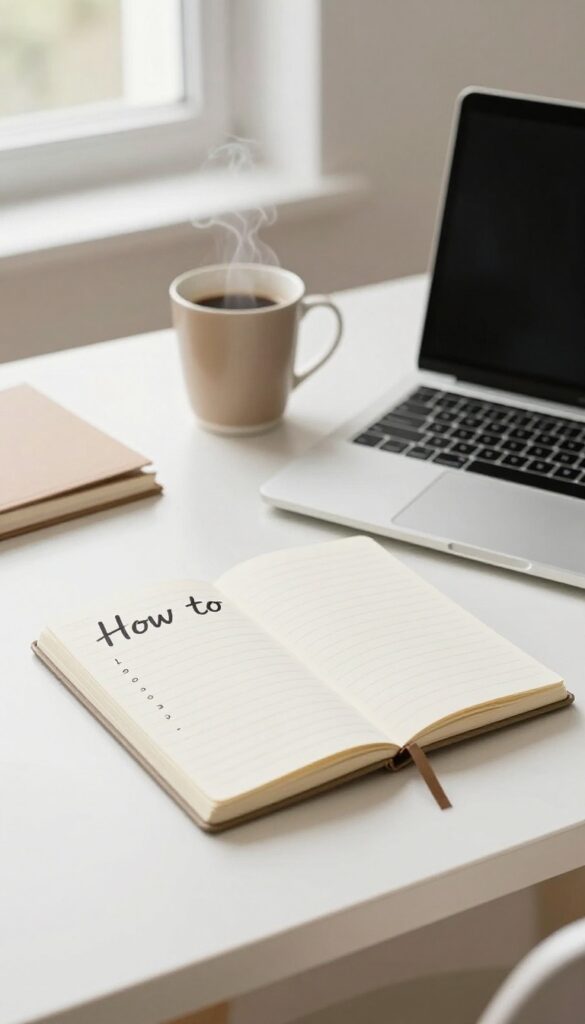
Nothing grabs attention like a clear promise of a solution. When someone sees 'How to' in a pin title, their brain immediately registers value. They know exactly what they'll get if they click.
That's why this format consistently outperforms vague or clever headlines.
The magic is in the specificity. 'How to Grow Your Email List' is okay, but 'How to Grow Your Email List in 30 Days' is better. Adding a time frame, a number, or a specific outcome makes the promise feel more concrete and achievable. Think about the exact problem your audience faces and lead with the solution.
Pick One Clear Outcome
Don't try to solve everything at once. Focus on a single, desirable result. 'How to Write a Resume That Gets Interviews' is stronger than 'How to Improve Your Job Search'. Your audience scans quickly—make the benefit obvious.
Add A Time Or Effort Cue
People love shortcuts. 'How to Meal Prep in 2 Hours' or 'How to Learn Spanish with 10 Minutes a Day' sets expectations and reduces resistance. It tells them the payoff is worth the investment.
Use Action Verbs That Feel Easy
Words like 'grow', 'save', 'get', 'create', and 'build' imply progress. Pair them with the specific pain point. 'How to Save $500 This Month' feels more actionable than 'How to Reduce Expenses'.
2. The Numbered Listicle
Numbers stop the scroll because they promise a quick, digestible read. A pin title like '7 Ways to Style a Blazer' tells the viewer exactly what they'll get and how long it will take to consume. This format works across every niche because it sets clear expectations.
Numbered listicles are a staple for a reason: they're scannable, specific, and easy to remember. The key is to choose a number that feels substantial but not overwhelming—odd numbers like 7 or 9 often perform slightly better. Pair your number with a benefit or a clear topic to maximize clicks.
Pick The Right Number
Odd numbers (7, 9, 11) tend to grab more attention than even ones. But the most important rule is to match the number to the content depth. '5 Quick Tips' works for a short list; '21 Healthy Lunch Ideas' suggests more variety. Avoid going too high unless you can genuinely deliver value for each item.
Lead With A Benefit
The number alone isn't enough. Add a benefit or a specific outcome to make the title irresistible. For example, '10 Easy Dinner Recipes for Busy Weeknights' promises convenience and speed.
Without the benefit, it's just a number—with it, you're solving a problem.
Keep It Scannable
Your pin title should be easy to read at a glance. Use simple words and a clear structure: number + adjective + noun + benefit. Avoid long phrases or jargon.
Test your title by reading it quickly—if it takes more than a second to understand, simplify it.
Free PDF Download
Not Sure Which Side Hustle Fits You Best?
Take the free Side Hustle Matchmaker Quiz and get a simple 7-day starter plan to help you choose a beginner-friendly idea based on your time, skills, comfort level, and goals.
You’ll get this free PDF plus access to the full Marketerna Save More & Earn More PDF Kit. No spam. Unsubscribe anytime.
3. The Question Title
When someone types a question into Google or Pinterest, they're actively looking for an answer. That's why question titles perform so well—they match the exact phrasing your audience already has in mind. A well-placed question can feel like a direct response to their search, making the click almost automatic.
The key is to ask something specific, not vague. "How to Decorate a Small Living Room? " is okay, but "How to Decorate a Small Living Room on a Budget?
" is better because it narrows the audience and the solution. Use question words like why, how, what, and when to trigger curiosity. And always follow up with a hint of the answer in the title itself, like "5 Common Mistakes" or "7 Easy Fixes.
"
Why Questions Work
Questions mirror the way people think when they have a problem. If your pin title matches their internal question, they feel like you get them. That instant connection boosts the chance of a click.
Plus, question titles often get higher engagement because they invite the reader to compare their own experience with your answer.
Avoid Yes/no Questions
Questions that can be answered with a simple yes or no don't create enough curiosity. Instead of "Is Your Succulent Dying? " go with "Why Is My Succulent Dying?
5 Common Mistakes. " The second version promises a list of reasons and solutions, which feels more valuable. Open-ended questions almost always outperform closed ones.
Match Search Intent
Use Pinterest search suggestions and Google autocomplete to find the exact questions people ask. For example, if you're in the fitness niche, "How to Lose Belly Fat Fast? " might be too generic.
But "How to Lose Belly Fat Without Exercise? " targets a specific audience with a specific need. The more precise the question, the better your click-through rate.
4. The Ultimate Guide
People love a resource that promises to cover everything in one place. When you label your pin as the 'ultimate guide, ' you signal authority and thoroughness. It tells your audience they don't need to look anywhere else.
This works especially well for complex topics or step-by-step processes where beginners feel overwhelmed.
The key is to actually deliver on the promise. Your pin title might say 'The Ultimate Guide to Starting a Vegetable Garden, ' and your content should walk someone from soil prep to harvest. Break it into clear stages so readers feel confident they're getting the full picture.
Why 'ultimate' Works
The word 'ultimate' implies completeness. It reduces the fear of missing out because readers assume everything is included. On Pinterest, where users save for later, an ultimate guide becomes a one-stop reference they'll return to again and again.
Best Topics For Ultimate Guides
Choose topics with multiple steps or components. Think: 'The Ultimate Guide to Decluttering Your Kitchen' or 'The Ultimate Guide to Freelance Pricing. ' Avoid very narrow subjects that don't need a comprehensive treatment. The broader the topic, the more value the guide provides.
How To Format Your Guide
Structure your guide with clear headings, bullet points, and visuals. Use a table of contents at the top so readers can jump to sections. Add a printable checklist or summary at the end—that's what gets saved and shared.
Make it scannable, but thorough.
Free PDF Download
Not Sure Which Side Hustle Fits You Best?
Take the free Side Hustle Matchmaker Quiz and get a simple 7-day starter plan to help you choose a beginner-friendly idea based on your time, skills, comfort level, and goals.
You’ll get this free PDF plus access to the full Marketerna Save More & Earn More PDF Kit. No spam. Unsubscribe anytime.
5. The Mistake Title
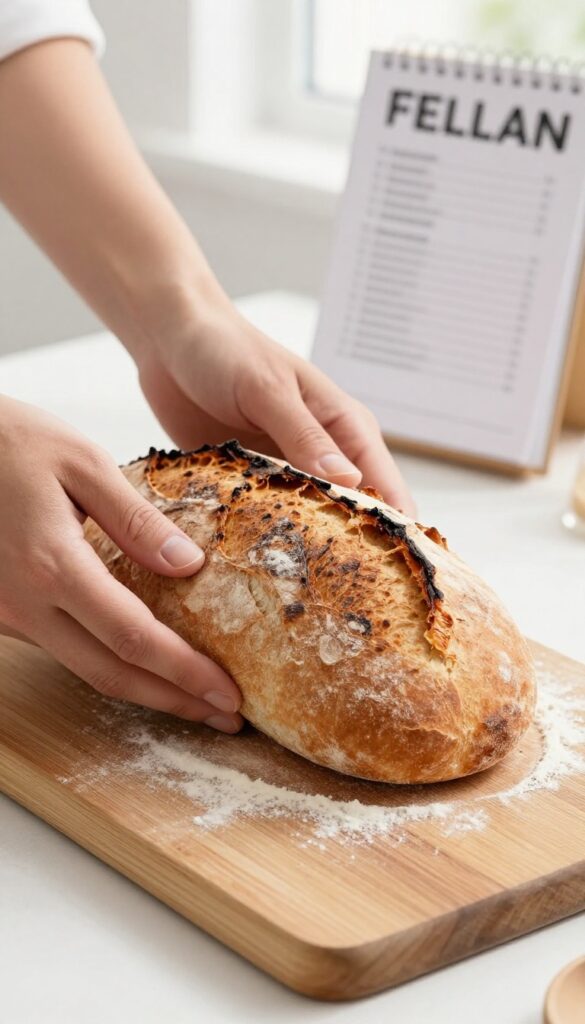
Nobody wants to make a mistake, especially when they're trying to save time or money. A mistake title works because it triggers a fear of missing out on crucial information—or worse, repeating an error that ruins the result. It's a gentle nudge that says, 'Hey, you might be doing this wrong, and here's how to fix it. '
Mistake titles are perfect for tutorials, recipes, DIY projects, or any content where a small error can lead to big disappointment. They create urgency without being pushy. The key is to make the mistake specific and relatable, so readers instantly think, 'Oh no, do I do that? '
Pick A Mistake That Hurts
The best mistake titles target errors that have noticeable consequences. For a bread recipe, a soggy crumb or a dense loaf is a real bummer. For a skincare routine, breaking out or irritation is a nightmare.
Choose a mistake that your audience already worries about, and they'll click to see if they're guilty.
Use A Number For Extra Punch
Adding a number makes the mistake list feel complete and scannable. '7 Mistakes That Ruin Your Homemade Bread' sounds more authoritative than 'Mistakes That Ruin Your Bread. ' The number also sets an expectation—readers know exactly how many tips they'll get, which increases the perceived value.
Flip It Into A Solution
You don't have to end on a negative note. The mistake title works best when it leads into a solution. After listing the errors, offer a quick fix or a better method.
That way, readers leave feeling empowered, not just warned. For example, '5 Mistakes That Ruin Your Resume (And How to Fix Each One)'.
6. The Before and After
Nothing sells a transformation like a side-by-side comparison. People love seeing what's possible, and a dramatic before-and-after shot proves your method works. Whether you're sharing a recipe, a DIY project, or a productivity hack, this format builds instant credibility.
The key is to pick a transformation that's noticeable but relatable. A $100 bathroom makeover sounds achievable; a $10, 000 renovation might feel out of reach. Focus on changes that require minimal investment but deliver maximum impact.
Use clear, well-lit images that highlight the difference, and let the results speak for themselves.
Pick A Relatable Starting Point
Choose a 'before' that looks like something your audience might have in their own home. A cluttered closet, a plain wall, or a tired piece of furniture works well. The more familiar the starting point, the stronger the emotional pull.
Show The Process Briefly
You don't need to reveal every step in the pin title, but hint at the effort. Phrases like 'one weekend project' or 'using only thrifted items' add intrigue and make the transformation feel more impressive.
Use Numbers To Anchor The Scale
Adding a specific cost, time, or number of steps makes the title more clickable. 'Before and After: A $100 Bathroom Makeover' is stronger than just 'Bathroom Makeover. ' Numbers give readers a concrete takeaway.
7. The Time-Saver Title
Everyone is short on time. When a pin promises to save them some, they pay attention. These titles work because they tap into the desire to get more done in less time—no fluff, just efficiency.
Why Speed Sells
A time-saver title signals that your content respects the reader's schedule. It implies you've cut out the unnecessary steps and delivered only what matters. That's a powerful promise on a platform where every second counts.
Crafting The Promise
Be specific about the time saved. Instead of "Quick Dinner Recipes, " try "20-Minute Pasta That Tastes Like It Simmered All Day. " The more concrete the time frame, the more believable and clickable the title becomes.
Examples That Work
Think of tasks your audience dreads or postpones. Then promise a shortcut. "5-Minute Morning Routine for More Energy, " "One-Pan Cleanup: Dinner Ready in 15 Minutes, " or "Speed Clean Your House in 10 Minutes Flat.
" Each one offers a clear, immediate benefit.
8. The Budget-Friendly Title
Not everyone has a limitless wallet, and calling that out in your pin title can work wonders. When you signal that your content is affordable, you instantly attract readers who are looking for smart ways to save. Budget-friendly titles promise value without sacrificing quality, which is a powerful combination.
These titles work across many niches, from home decor to meal planning to fashion. The key is to be specific about the price point—whether it's under $20, under $50, or just "cheap. " That clarity helps the right audience find you.
Use A Specific Price Cap
Numbers catch the eye. Instead of "Affordable Decor Ideas, " try "10 Decor Ideas Under $20. " The exact figure makes the promise concrete and easy to trust.
Highlight The Savings
Words like "budget, " "cheap, " "thrifty, " and "frugal" signal value. Combine them with a benefit: "Budget-Friendly Meals That Taste Expensive" or "Thrifty Fashion Finds That Look Designer. "
Promise Quality On A Budget
Readers worry that cheap means low quality. Address that head-on. Titles like "Stylish Home Upgrades for Under $50" or "Cheap Kitchen Gadgets That Actually Work" reassure them they're not sacrificing quality.
9. The Comparison Title
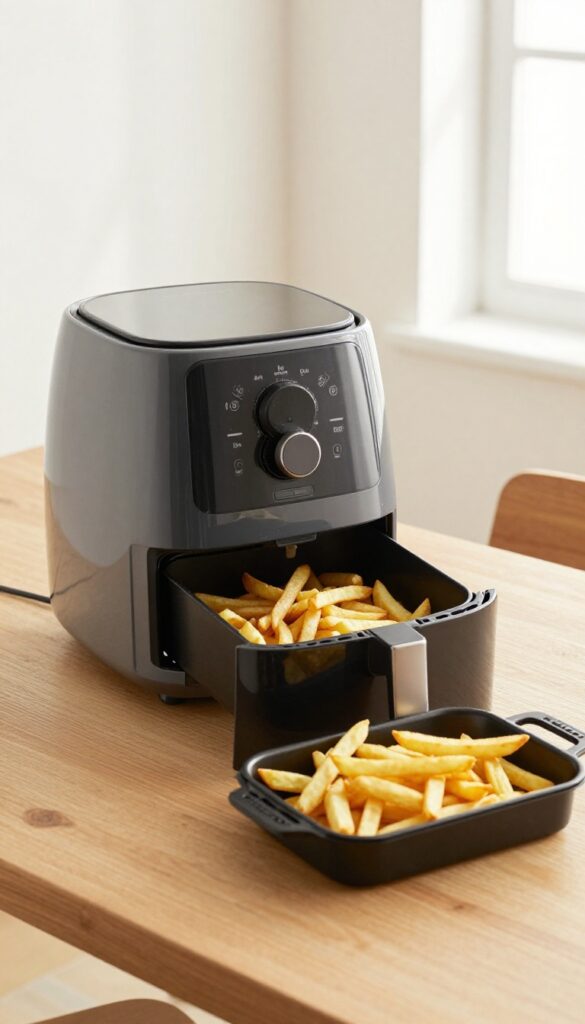
Pitting two options against each other is a surefire way to grab attention. People love a good debate, and comparison titles promise to settle it once and for all. Whether you're comparing products, methods, or lifestyles, this format taps into our natural desire to make the best choice without doing all the research ourselves.
Comparison titles work because they create instant tension. The reader has a stake in the outcome—they want to know which option wins. Keep it fair and specific.
Vague comparisons like 'A vs. B' don't cut it. Instead, highlight the exact benefit or scenario, like 'Which Is Better for Crispy Fries? ' or 'Which Saves More Time? '
How To Structure A Comparison Title
Start with the two options separated by 'vs. ' or 'or. ' Then add a clear, benefit-driven question or statement. For example: 'Air Fryer vs. Oven: Which Makes Crispier Fries? ' or 'Notion vs.
Evernote: The Better Note-Taking App for Creatives. ' The key is to make the winner obvious from the title itself.
When To Use This Format
Use comparison titles when you have two strong contenders that people commonly debate. It works for product reviews, method comparisons, or even lifestyle choices (e. g. , 'City Living vs. Suburbs: Which Is Cheaper? ').
Avoid comparing something clearly inferior—it feels like a waste of time.
Real-world Examples
Here are a few that have performed well: 'iPhone 15 vs. Samsung S24: Which Camera Is Better? ', 'Keto vs. Paleo: Which Diet Works Faster? ', 'Canva vs.
Photoshop: Best for Beginners. ' Notice how each zeroes in on a specific pain point or desire.
10. The Step-by-Step Title
People love knowing exactly what to do next. A step-by-step title promises a clear, actionable process that removes guesswork. When someone sees 'How to' or 'Step-by-Step, ' they instantly feel more confident clicking because they know they'll get a structured guide, not a vague overview.
This formula works especially well for tutorials, recipes, DIY projects, and any content where order matters. The key is to be specific about what the reader will achieve by following along. Vague steps don't inspire clicks—concrete outcomes do.
Lead With The Result
Start your title with the end benefit, then add 'Step-by-Step. ' For example, 'Step-by-Step Guide to Painting a Room Like a Pro' tells readers they'll get professional results by following your process. This works because it combines a desirable outcome with a clear path to get there.
Number The Steps
Adding a number to your step-by-step title makes it even more clickable. '5 Steps to Perfectly Cooked Steak Every Time' signals a manageable, predictable process. People love knowing exactly how many steps are involved before they commit to reading.
Use Action Verbs
Start each step with a strong action verb in your title or description. 'Transform Your Skin in 3 Simple Steps' feels more dynamic than 'A Simple Skincare Routine. ' Action verbs like 'build, ' 'create, ' 'master, ' or 'achieve' create momentum and make the process feel active.
11. The Secret Title
Everyone loves feeling like they're in on something exclusive. A title that promises insider knowledge taps into that curiosity and makes people click to uncover what others don't know. It's not about being vague—it's about hinting at a specific, valuable piece of information that feels like a shortcut or a hidden gem.
When done right, this approach builds trust and positions you as an authority who shares the good stuff.
The key is to make the secret feel real and worth their time. Avoid overhyping or promising something that doesn't deliver. Instead, focus on a specific pain point or desire your audience has, and frame your solution as the little-known trick that makes all the difference.
For example, 'The Secret to Perfectly Fluffy Pancakes Every Time' works because it addresses a common cooking frustration with a promise of a reliable outcome.
Pick A Specific Secret
Don't just say 'the secret'—pair it with a concrete result or method. 'The Secret to Keeping Your Succulents Alive' is more clickable than 'The Secret to Better Plants' because it targets a specific struggle. The more precise you are, the more credible the secret feels.
Keep It Believable
Your audience has seen too many clickbait secrets. Make sure the secret is genuinely useful and not something they could find with a quick Google search. If it's a clever hack or a lesser-known technique, it will earn their trust and keep them coming back for more.
Test The Curiosity Gap
The secret title works because it creates a curiosity gap—people want to close it. But if the secret is too obvious or too obscure, it falls flat. Try a few variations and see which one gets the most saves.
For instance, 'The Secret to No-Fail Pie Crust' might outperform 'The Secret to Perfect Pie Crust' because 'no-fail' adds an extra layer of reassurance.
12. The Checklist Title
Checklist titles are pure gold because they promise a ready-to-use solution. People love the feeling of having a complete list they can just follow—no thinking required. It’s like handing them a shortcut to success.
These titles work especially well for travel, productivity, home organization, or any niche where a step-by-step list saves time. The key is making the checklist sound essential and specific.
Why Checklists Convert
A checklist title instantly signals value. Readers know exactly what they’ll get: a complete, actionable list. No fluff, no missing steps.
That clarity builds trust and drives clicks.
How To Write One
Start with a clear benefit and a specific number if possible. Use words like “ultimate, ” “complete, ” or “essential. ” Then name the task or goal. Example: “The Ultimate Packing Checklist for a Beach Vacation” or “10-Step Home Cleaning Checklist for Busy Moms. ”
Best Niches For This Format
Travel, home organization, meal prep, fitness routines, and wedding planning are all perfect fits. Any topic where a list of steps or items saves the reader time and effort.
13. The Trend Title
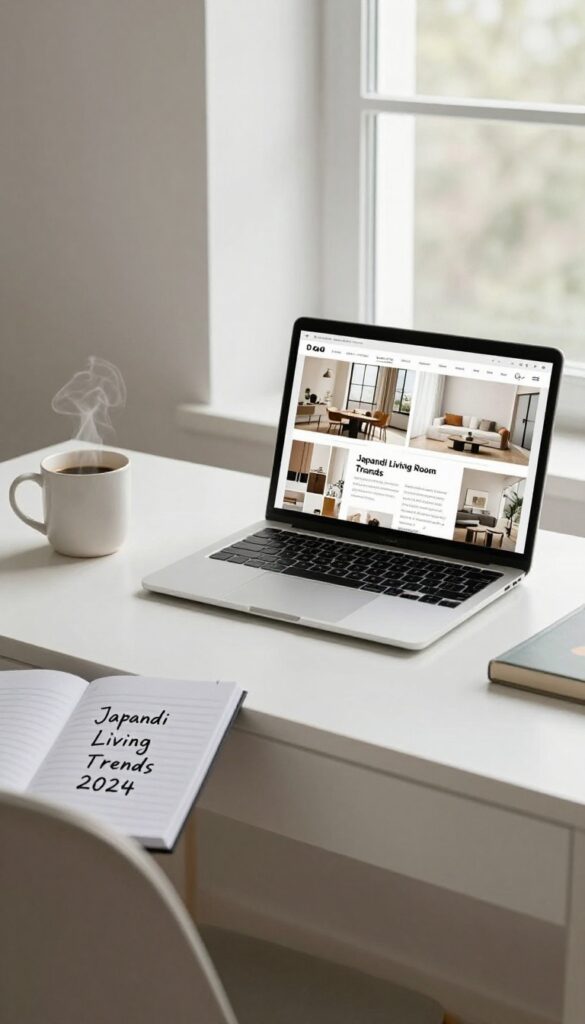
Trending topics get extra love from the Pinterest algorithm. When you pin about what people are already searching for, your content rides a wave of existing interest. The trick is to spot the trend early and frame it in a way that feels fresh, not recycled.
Trend titles work because they promise relevance. Readers want to know what's in right now, and if your pin delivers, they'll click. Keep it specific: instead of 'Trending Home Decor, ' say 'Japandi Living Room Trends 2024. ' That specificity signals authority and timeliness.
Find Trends Before They Peak
Use Pinterest Trends, Google Trends, or even TikTok to spot rising topics. Look for keywords that are climbing but not yet saturated. A trend title like 'Underrated 2024 Color Palettes' can outperform a broad 'Color Palette Ideas' because it feels exclusive and timely.
Add A Time Stamp For Urgency
Including the year or season in your title boosts click-through. 'Fall 2024 Capsule Wardrobe Essentials' tells the reader it's current. Update old pins with new years to keep them relevant without starting from scratch.
14. The Problem-Solver Title
When someone types a question into Pinterest, they're looking for an answer. A problem-solver title meets them right where they're stuck. It's direct, helpful, and promises a fix—no fluff, no mystery.
These titles work because they match the exact language people use when searching. If you can name the pain point clearly, you've already earned their trust. And that first click is just the beginning.
The key is to be specific about the problem and the solution. Vague titles like 'Fix Your Home' don't cut it. Instead, get precise: 'How to Fix a Leaky Faucet Without a Plumber' or '5 Ways to Remove Red Wine Stains from Carpet'.
The more relatable the problem, the higher the click-through. Pair your title with a pin image that shows the problem or the result. A before-and-after shot works wonders.
Keep the text minimal—let the image do the storytelling.
Start With 'how To'
This classic opener signals a clear, actionable guide. It's simple but effective. Example: 'How to Organize Your Kitchen in 30 Minutes'.
The promise of a quick win makes it irresistible.
Name The Pain Point
Use the exact words your audience would use when frustrated. For instance, 'Tired of Tangled Earphones? Here's the Fix' or 'Stop Wasting Money on Disposable Razors'.
It shows you get them.
Offer A Quick Win
People love fast results. Titles like 'Fix a Stuck Zipper in 10 Seconds' or 'Remove Gum from Hair Instantly' tap into that desire for immediate relief. Keep it short and specific.
15. The Benefit-Driven Title
When people scroll through Pinterest, they're asking themselves one question: "What's in it for me? " A benefit-driven title answers that immediately. It puts the outcome front and center, so the reader knows exactly what they'll gain by clicking.
This formula works because it taps into the core motivation behind every search: solving a problem or achieving a result.
Benefit-driven titles are all about clarity and value. Instead of describing what the content is, they describe what the reader will get. Think of it as a promise—and the more specific the promise, the better.
For example, '5 Morning Habits That Will Double Your Energy' is stronger than 'Morning Habits to Try. ' The key is to lead with the benefit, not the feature.
Lead With The Transformation
Start your title with the end result. Words like 'boost, ' 'save, ' 'get, ' and 'achieve' signal immediate value. For instance, 'Get Glowing Skin in 7 Days' is more compelling than 'A 7-Day Skincare Routine. ' The transformation is the hook.
Add Specificity For Credibility
Vague benefits feel like fluff. Add numbers, timeframes, or concrete outcomes to build trust. 'Save $200 on Your Grocery Bill This Month' is far more clickable than 'Save Money on Groceries. ' Specificity makes the promise feel real and achievable.
Pair With An Emotional Trigger
Benefits work even better when they tap into an emotion. 'Finally Sleep Through the Night with These 3 Tricks' combines a benefit (sleep) with relief (finally). The emotional payoff makes the title irresistible.
16. The Curated Collection
Some pins work because they save people time researching. A curated collection does exactly that—it gathers the best resources on a topic into one handy list. Think of it as your greatest hits album, but for tools, books, apps, or products your audience actually needs.
When you present a roundup of top recommendations, you position yourself as a trusted curator. Readers appreciate not having to hunt down each item themselves. Plus, these titles tend to get saved because people want to come back to the list later.
Curated collection titles work across niches because they promise a vetted, time-saving resource. The key is to be specific about what you're rounding up and why it's valuable. Avoid vague phrases like "best stuff"—instead, name the exact type of resource and the benefit.
Pick A Focused Theme
Don't just list random favorites. Choose a narrow theme that solves a specific problem. For example, instead of "Best Tools for Bloggers, " go with "15 Time-Saving Tools for Solopreneurs.
" The more targeted, the more clickable.
Curate, Don't Just List
Add a short reason why each item made the cut. A one-liner like "This app cuts my editing time in half" adds credibility. People trust curated lists more when they understand the selection criteria.
Use Numbers That Feel Complete
Odd numbers like 15 or 21 often perform better than even ones. They feel more specific and less like a random roundup. Also, aim for a number that feels comprehensive but not overwhelming—usually between 10 and 25 items.
17. The Challenge Title
People love a good challenge, especially when it promises visible results in a set timeframe. A challenge title taps into that desire for transformation and accountability. It gives your audience a clear, time-bound goal that feels achievable and exciting.
Challenge titles work because they create urgency and a sense of community. Readers imagine themselves completing the challenge and reaping the rewards. The key is to be specific about the duration and the outcome, like '7-Day Flat Tummy Challenge' or '30-Day Yoga for Flexibility. '
Pick A Clear Duration
Short challenges (3–7 days) feel easy to start, while longer ones (21–30 days) imply deeper results. Match the duration to your content—quick wins for simple habits, longer for bigger transformations.
Name The Benefit
The challenge should promise a concrete benefit in the title. 'Glow-Up Skin Challenge' is better than 'Skin Challenge. ' The benefit tells readers exactly what they'll gain.
Add A Hook Word
Words like 'Ultimate, ' 'Simple, ' or 'Proven' add appeal. 'The Ultimate 30-Day Plank Challenge' sounds more authoritative than just '30-Day Plank Challenge. '
18. The Myth-Buster Title
People love having their assumptions challenged. A myth-buster title grabs attention by promising to clear up confusion and reveal what's actually true. It positions you as a trusted source who cuts through the noise.
Myth-buster titles work because they tap into curiosity and the desire to stop wasting time on bad advice. They're especially effective in niches like health, finance, parenting, and productivity, where misinformation runs rampant.
Why They Work
When someone sees a myth they've believed, they feel a mix of surprise and urgency to learn the truth. This emotional hook drives clicks. Plus, debunking myths makes your content feel authoritative and helpful.
How To Craft One
Start by identifying a common misconception in your niche. Then frame it as a myth that needs busting. Use numbers to add specificity, like '5 Myths About [Topic] You Should Stop Believing. ' Keep the language direct and benefit-focused.
Examples Across Niches
For fitness: '7 Myths About Carbs That Are Keeping You From Losing Weight. ' For finance: '3 Myths About Credit Scores That Are Costing You Money. ' For parenting: '5 Myths About Sleep Training You Need to Ignore. '
19. The Seasonal Title
Seasons and holidays come with built-in urgency and emotional pull. People start searching for seasonal content weeks in advance, so if your pin aligns with what they're already looking for, it's practically guaranteed to get clicks. A simple tweak like swapping "recipes" for "cozy fall recipes" can make your pin feel timely and relevant.
The key is to match the season or holiday naturally with your content. Don't force it—if you're a home decor blogger, "Spring Cleaning Checklist" works better than "Spring Cleaning for Dog Owners" if that's not your niche. Use the season as a frame, not a gimmick.
Why Seasonal Works
Pinterest is a planning platform. People search for summer outfits in May, holiday decor in November, and New Year's resolutions in late December. By adding a seasonal label, you're meeting them where they already are.
It also makes your pin feel fresh and timely, which Pinterest's algorithm tends to favor.
How To Pick The Right Season
Think about your content's natural rhythm. If you post about gardening, spring and summer are obvious. But fall gardening (like planting bulbs) works too.
For general lifestyle content, holidays like Christmas, Valentine's Day, and Halloween are goldmines. Just don't stretch it—"Summer Slow Cooker Recipes" might confuse people unless you're in a cold climate.
Examples That Work
"Cozy Fall Recipes to Warm Your Soul" is a classic because it pairs a season with a feeling. Other examples: "Spring Cleaning Hacks That Actually Save Time, " "Summer Skincare Routine for Oily Skin, " "Christmas Gift Guide for Him. " Notice each one ties the season to a specific benefit or audience.
20. The Insider Tip Title
People love feeling like they're getting the inside scoop. Insider tip titles work because they promise exclusive knowledge that isn't obvious to the average person. When you position your pin as a secret shared by experts, it becomes irresistible to click.
These titles borrow authority from professionals or insiders, making your content feel more credible and valuable. They work especially well for niches where expert advice is highly sought after, like home decor, beauty, finance, or career advice.
Why It Works
The psychology is simple: exclusivity drives clicks. When a title suggests that real experts are sharing their personal picks or hidden strategies, readers trust it more. They feel like they're getting a shortcut to the best information.
How To Use It
Start by identifying a credible source—could be "designers, " "chefs, " "fitness trainers, " or even "Pinterest power pinners. " Then pair it with a specific, desirable outcome or item. Keep the wording tight and benefit-focused, like "Financial Advisors Share Their Top 5 Budgeting Apps.
"
21. The Resource Roundup
Curating a list of valuable resources is a surefire way to get saves and clicks. People are always on the lookout for tools, courses, or guides that can make their lives easier. By packaging them into one tidy roundup, you become the go-to source for quality recommendations.
A resource roundup works because it saves your audience hours of research. Instead of scouring the web, they get a handpicked selection of the best stuff—all in one pin. The key is to choose resources that are genuinely useful and relevant to your niche.
For example, if you're in the personal development space, you might compile a list of free online courses. If you're in design, gather the best free fonts or stock photo sites. Make sure each item has a clear benefit, and use a descriptive title that promises value upfront.
Pick A Specific Theme
A broad list can feel overwhelming. Narrow it down to one theme, like '10 Free Online Courses to Learn a New Skill' or '7 Essential Tools for Remote Workers'. This makes the pin more targeted and easier to digest.
Keep It Actionable
Each resource should solve a real problem or teach something practical. Avoid fluff. If you're listing apps, mention what they do best.
If it's a course, note the skill it teaches. Your audience should walk away ready to take action.
Update Regularly
Resources go out of date. Revisit your roundup every few months to remove dead links and add fresh finds. This keeps your pin evergreen and trustworthy.
FAQ
How long should a Pinterest pin title be?
Aim for 40-60 characters. Pinterest truncates longer titles, so keep the key info early.
Should I include keywords in my pin title?
Yes. Use relevant keywords naturally to help your pin show up in search results.
Can I reuse the same title for multiple pins?
It's better to vary titles to test what works. But you can tweak a winning formula.
Do pin titles affect SEO?
Indirectly. Pinterest uses titles to understand content, which can improve discoverability.
What's the difference between a pin title and a description?
The title is the headline on the pin image; the description appears below and provides more context.
Conclusion
Whether you're a seasoned pinner or just starting out, these title ideas can transform your Pinterest game. Test a few, track what resonates with your audience, and refine your approach over time.
The right title might be the difference between a pin that gets lost and one that drives traffic for months.
Free PDF Download
Not Sure Which Side Hustle Fits You Best?
Take the free Side Hustle Matchmaker Quiz and get a simple 7-day starter plan to help you choose a beginner-friendly idea based on your time, skills, comfort level, and goals.
You’ll get this free PDF plus access to the full Marketerna Save More & Earn More PDF Kit. No spam. Unsubscribe anytime.