19 Ways to Be Frugal Without Feeling Restricted
Frugal living often gets a bad rap, but it doesn't have to mean giving up the things you love. The secret is focusing on smart swaps and intentional habits that save money without making you feel deprived.
From auditing subscriptions to hosting clothing swaps, these 19 ideas are designed to fit seamlessly into your routine. You'll keep more cash in your pocket while still enjoying life to the fullest.
Pick one or two that resonate with you and watch your savings grow.

Free PDF Download
Not Sure Which Side Hustle Fits You Best?
Take the free Side Hustle Matchmaker Quiz and get a simple 7-day starter plan to help you choose a beginner-friendly idea based on your time, skills, comfort level, and goals.
You’ll get this free PDF plus access to the full Marketerna Save More & Earn More PDF Kit. No spam. Unsubscribe anytime.
1. Audit Your Subscriptions

You might be surprised how many small monthly charges slip under the radar. Streaming services, app subscriptions, gym memberships—they add up fast. A quick audit can free up cash without asking you to change a thing.
Start by pulling up your last three months of bank or credit card statements. Highlight every recurring charge, then ask yourself: Do I actually use this? Cancel anything that doesn't bring real value.
You'll likely save $50–100 a month without feeling a pinch.
Spot The Sneaky Charges
Look for free trials that converted to paid subscriptions, old app purchases, or services you forgot you signed up for. Even a $5 monthly fee is $60 a year—money that could go toward something you truly enjoy.
Use A Tracking App
Tools like Rocket Money or Bobby can scan your accounts and list all subscriptions in one place. They'll even help you cancel with a few taps. It's a low-effort way to stay on top of your spending.
Set A Renewal Reminder
Before any subscription renews, ask if you've used it enough. A simple calendar reminder once a month lets you decide consciously instead of auto-paying. You stay in control, and your wallet thanks you.
2. Embrace the Library
Libraries have evolved far beyond dusty book stacks. Today, they're community hubs packed with free resources—from bestsellers and blockbuster DVDs to streaming services and digital magazines. A library card is basically a key to unlimited entertainment without the price tag.
Think of your library as a free entertainment center. You can borrow the latest novels, cookbooks, and travel guides. Many libraries also offer Kanopy or Hoopla for streaming movies and audiobooks.
Plus, you can access digital magazines like The New Yorker or Consumer Reports without a subscription.
Borrow More Than Books
Most people know libraries lend books, but did you know they also have video games, board games, musical instruments, and even tools? Some branches let you check out a ukulele or a sewing machine. It's a great way to try a hobby before buying your own gear.
Free Digital Resources
Your library card gives you access to apps like Libby for ebooks and audiobooks, and Kanopy for indie films and documentaries. You can also read full issues of popular magazines on Flipster. No late fees if you set up automatic returns.
Attend Free Events
Libraries host workshops, author talks, movie nights, and kids' story times—all free. Check their calendar for resume help, language classes, or even yoga sessions. It's a budget-friendly way to learn something new and meet people.
Free PDF Download
Not Sure Which Side Hustle Fits You Best?
Take the free Side Hustle Matchmaker Quiz and get a simple 7-day starter plan to help you choose a beginner-friendly idea based on your time, skills, comfort level, and goals.
You’ll get this free PDF plus access to the full Marketerna Save More & Earn More PDF Kit. No spam. Unsubscribe anytime.
3. Cook Once, Eat Twice
One of the easiest ways to save money and time in the kitchen is to cook in bulk. Instead of making a single meal, double the recipe and stash half in the freezer. You'll have a homemade dinner ready on those nights when ordering takeout feels like the only option.
Batch cooking doesn't have to mean eating the same thing all week. Freeze individual portions so you can grab a different meal each night. Soups, stews, casseroles, and pasta sauces freeze beautifully.
Label everything with the date and contents to avoid mystery containers.
Pick Freezer-friendly Recipes
Not all dishes freeze well. Stick to recipes that hold their texture, like chili, curry, lasagna, and meatballs. Avoid creamy sauces or dishes with lots of fresh greens, which can turn mushy.
A little planning goes a long way.
Use The Right Containers
Invest in a set of freezer-safe containers or heavy-duty zip-top bags. Portion out single servings so you can defrost exactly what you need. Squeeze out excess air from bags to prevent freezer burn and save space.
Make It A Habit
Designate one day a week as your batch cooking day. Sunday afternoons work well for many. Put on a podcast or music, and knock out a few recipes at once.
You'll thank yourself on busy weeknights.
4. Use Cash Envelopes
If swiping a card makes it too easy to overspend, cash envelopes bring back a tactile sense of money. You decide upfront how much goes into categories like groceries, dining out, or entertainment. Once the cash is gone, you stop—no guilt, no second-guessing.
The envelope system works because it turns a mental budget into a physical boundary. It's not about restricting fun; it's about making your spending visible and intentional. You'll find yourself making smarter choices without feeling punished.
Set Up Your Categories
Start with two or three categories where you tend to overspend—maybe dining out, groceries, and personal care. Label an envelope for each and withdraw the budgeted cash for the month. Keep the envelopes in your wallet or a designated spot at home.
Spend Until It's Gone
When you go out to eat, pay from the dining envelope. When it's empty, you cook at home or skip the restaurant until next month. No need to track every penny in an app—you see exactly what's left.
Roll Over Or Celebrate
If you have money left in an envelope at month's end, you can roll it into next month or treat yourself to something small. That leftover cash feels like a win, not a restriction.
Free PDF Download
Not Sure Which Side Hustle Fits You Best?
Take the free Side Hustle Matchmaker Quiz and get a simple 7-day starter plan to help you choose a beginner-friendly idea based on your time, skills, comfort level, and goals.
You’ll get this free PDF plus access to the full Marketerna Save More & Earn More PDF Kit. No spam. Unsubscribe anytime.
5. Master the Art of the 'No-Spend Day'

One day a week, you don't spend a single penny. Sounds impossible? It's not.
A no-spend day is a fun challenge that resets your spending habits and shows you how much free fun is already around you. You'll quickly see that most of your daily purchases are optional.
Pick one day each week—maybe Sunday or Wednesday—and commit to spending $0. That means no coffee runs, no takeout, no online shopping. You can still eat from your pantry, walk in the park, or binge a show you already pay for.
The goal is to prove you can enjoy a full day without opening your wallet.
Plan Ahead To Avoid Temptation
The night before, prep your meals and snacks so you're not caught hungry and tempted. Fill your water bottle, pack a lunch if you'll be out, and disable one-click purchasing on your phone. Knowing you have a plan makes it easy to say no to impulse buys.
Rediscover Free Activities
Use your no-spend day to explore free local events, hike a trail, visit a museum on its free admission day, or host a game night at home. You'll often have more fun than you do on a typical spending day because you're being intentional about your time.
Track Your Savings For Motivation
Keep a simple note of how much you saved each no-spend day. Watching that number grow is incredibly motivating. After a month, you'll have saved enough for a nice treat—guilt-free.
6. Buy Generic Brands
You don't need to pay a premium for a fancy label. Store brands often contain the exact same ingredients as their name-brand counterparts, especially for pantry staples. The savings can add up quickly, and most people can't tell the difference in taste or quality.
Start with items where the brand matters least: pasta, canned vegetables, frozen fruits, and spices. Once you see how much you save, you'll feel more confident trying generics in other categories.
What To Swap First
Focus on simple, single-ingredient foods. Generic canned tomatoes, rice, oats, and sugar are almost always identical to name brands. Even spices are often sourced from the same suppliers—just packaged differently.
Watch For Exceptions
Some products do differ, like ketchup, mayonnaise, or paper towels. For these, do a blind taste test or compare quality. But for most dry goods and canned items, the generic version is a no-brainer.
Check The Ingredient List
Flip the package over and compare. If the ingredients and nutritional info are nearly identical, you're paying for marketing, not quality. Many store brands are made by the same manufacturers as the big names.
7. Plan Your Meals Around Sales
Grocery shopping can feel like a guessing game, but it doesn't have to be. By checking weekly ads and building your menu around what's on sale, you take control of your spending. This simple shift reduces impulse buys and slashes your grocery bill without sacrificing taste or variety.
Start by scanning store circulars or apps for the best deals. Then, design a flexible meal plan that uses those discounted items as the star ingredients. You'll save money and discover new recipes along the way.
Start With The Sales Flyer
Before you write your grocery list, open the weekly ad. Look for proteins, produce, and pantry staples that are marked down. These become the foundation of your menu for the week.
Build A Flexible Menu
Don't lock yourself into rigid meals. Instead, plan a few core dishes around sale items and leave room for substitutions. For example, if chicken breasts are cheap, you might roast them one night and shred them for tacos the next.
Stock Up Strategically
When a non-perishable you use often hits a rock-bottom price, buy extra. Canned tomatoes, pasta, and rice keep forever. This way, you always have ingredients on hand for a budget-friendly meal.
8. DIY Your Cleaning Products

Cleaning supplies can quietly eat up your budget, especially if you buy specialty products for every surface. The good news? You probably already have the ingredients for a powerful all-purpose cleaner sitting in your pantry.
A simple mix of vinegar, water, and a few drops of essential oil cuts through grime, disinfects, and leaves your home smelling fresh—without the harsh chemicals or the high price tag.
The Basic Recipe
Combine equal parts white vinegar and water in a spray bottle. Add 10–15 drops of tea tree, lemon, or lavender essential oil for a pleasant scent and extra antimicrobial power. Shake gently before each use.
That's it—you've got a cleaner that works on countertops, windows, mirrors, and most hard surfaces.
Why It Works So Well
Vinegar is acidic enough to dissolve dirt, soap scum, and hard water stains, while essential oils add antibacterial properties and a natural fragrance. Unlike store-bought cleaners, there are no synthetic fragrances, dyes, or preservatives. Plus, you're reusing the same spray bottle, cutting down on plastic waste.
Customize For Different Jobs
For glass and mirrors, swap the vinegar for rubbing alcohol (1: 1 with water) to avoid streaks. For a heavy-duty scrub, mix baking soda with a little of your vinegar cleaner to form a paste. For a toilet bowl cleaner, pour undiluted vinegar around the rim, let it sit for 15 minutes, then scrub and flush.
9. Use a Shopping List and Stick to It
Never go to the store without a list. It keeps you focused and prevents those extra, unplanned purchases that add up. A list turns a potentially expensive errand into a quick, efficient trip where you buy exactly what you need.
A shopping list is your best defense against impulse buys and forgotten items that lead to extra trips. By planning ahead, you avoid the temptation of sales and displays designed to separate you from your money.
Plan Before You Shop
Take five minutes before heading out to check your pantry and fridge. Write down what you actually need, not what you think you might want. This small habit can cut your grocery bill by 20% or more.
Stick To The List, No Exceptions
Once you're in the store, treat your list like a contract. If it's not on the list, don't buy it—unless it's a true emergency. This discipline trains your brain to ignore marketing tricks.
Use Apps To Stay Organized
Digital list apps like AnyList or OurGroceries let you share lists with family and track past purchases. Some even show you what you bought last time, helping you avoid duplicates and save money.
10. Unplug Electronics When Not in Use
It's easy to forget that electronics still draw power even when they're turned off. This "phantom" or "vampire" energy can quietly add a surprising amount to your monthly electric bill. The fix is simple: unplug devices you aren't actively using.
It's a small habit that pays off with zero sacrifice.
Many devices—like phone chargers, TVs, microwaves, and gaming consoles—continue to sip power when plugged in but idle. Over a year, that standby drain can cost you $100 or more. Unplugging them when not in use is an effortless way to keep that money in your pocket.
Which Devices Are The Biggest Culprits?
Anything with a remote, a digital display, or a charging block is likely a phantom energy user. Common examples include TVs, cable boxes, computers, printers, coffee makers, and phone chargers. Even your laptop charger draws power if it's plugged into the wall, even when not connected to the laptop.
Make It Easy With Power Strips
Plugging multiple devices into a power strip makes it effortless to cut power to everything at once. Flip the switch off when you leave the room or go to bed. You can even use smart power strips that automatically shut off power to devices that go into standby mode.
How Much Can You Really Save?
According to the U. S. Department of Energy, phantom energy can account for 5–10% of your home's electricity use.
For an average household, that's around $100–$200 per year. Unplugging just a few high-draw items—like a cable box or gaming console—can make a noticeable dent in your bill.
11. Swap Clothes with Friends
Your wardrobe doesn't need a big budget to feel fresh. A clothing swap with friends gives you new-to-you pieces without spending a dime. Plus, it turns decluttering into a fun social event.
Host a clothing swap party. You refresh your wardrobe for free and get social time in the bargain.
How To Host
Invite a handful of friends and ask each to bring gently used clothes, shoes, and accessories. Set a simple rule: bring at least as many items as you plan to take. Lay everything out on tables or racks, then let the swapping begin.
Make It A Party
Add snacks, music, and maybe a theme like “cozy sweaters” or “work wear. ” It turns a practical swap into a memorable get-together. Leftover items can go to a local charity.
Swap Beyond Clothes
Extend the idea to books, home decor, or kitchen gadgets. A multi-category swap keeps things interesting and helps everyone find something useful.
12. Take Advantage of Free Events

Entertainment doesn't have to come with a price tag. Most communities offer a surprising number of free events—from outdoor concerts to art walks—that can fill your calendar with fun without draining your wallet. The trick is knowing where to look and making it a habit to check what's happening nearby.
Start by bookmarking your local city or town website, library, and community center pages. Many post monthly calendars of free activities. Also follow local parks departments and cultural organizations on social media—they often announce last-minute events there.
Once you get in the loop, you'll be amazed at how many free things are going on around you.
Free Concerts And Performances
Summer concert series in parks are a classic, but many towns also host free shows year-round at indoor venues like libraries or community halls. Jazz nights, open mic sessions, and local theater previews are common. Pack a picnic blanket and some snacks, and you've got a date night that costs nothing.
Movie Nights Under The Stars
Outdoor movie screenings are popular in warmer months. Bring your own chair or blanket, grab some popcorn from home, and enjoy a blockbuster on a big screen. Some libraries also host free indoor movie nights for adults or families—check their event calendar.
Festivals And Street Fairs
Many street fairs, art festivals, and cultural celebrations are free to enter. You can browse local art, watch performances, and sample food (though buying is optional). These events are great for people-watching and soaking up community vibes without spending a cent.
13. Negotiate Your Bills
Many people assume their monthly bills are set in stone, but that's far from true. A quick phone call to your internet, cable, or insurance provider can unlock discounts, loyalty rates, or promotional offers. It's one of the highest-return activities you can do—sometimes saving hundreds per year for just a few minutes of effort.
Start by gathering your current bills and researching competitor prices. Call your provider's retention or customer service department, be polite, and simply ask if there are any discounts, loyalty rates, or promotions available. If they say no, mention you're considering switching to a competitor.
Often, they'll offer a better deal to keep you. Remember to also review your insurance policies annually—bundling home and auto can lead to significant savings.
The Power Of A Simple Call
Don't underestimate the impact of a five-minute conversation. Many companies have unadvertised rates for loyal customers. Just ask: 'Are there any current promotions or discounts I'm eligible for? ' You might be surprised at what they offer.
Use Competitor Offers As Leverage
Before calling, check what competitors are charging. If you find a better deal, mention it. Providers often match or beat competitor offers to keep your business.
This works especially well for internet and cable services.
Set A Calendar Reminder To Re-negotiate
Promotional rates usually expire after a year. Mark your calendar to call again before your discount ends. This way, you can maintain lower rates year after year without much effort.
14. Grow Your Own Herbs
Fresh herbs can cost three or four dollars a bundle at the grocery store, and they often wilt before you use them all. Growing your own on a sunny windowsill changes that entirely. A small pot, some soil, and a few seeds or starter plants give you a steady supply of basil, mint, rosemary, and more for just pennies.
Plus, snipping what you need as you cook feels surprisingly satisfying.
Start with herbs that thrive indoors and get plenty of use in your kitchen. Basil, mint, chives, and parsley are forgiving choices that grow quickly. Place pots where they get at least four to six hours of sunlight daily, or use a small grow light if your windows are dim.
Water when the top inch of soil feels dry, and pinch back leaves regularly to encourage bushy growth. Within a few weeks, you'll have enough to season meals, make tea, or garnish drinks without a trip to the store.
Best Herbs For Beginners
Basil loves warmth and light, making it a great kitchen companion. Mint is nearly impossible to kill and spreads fast, so keep it in its own pot. Rosemary and thyme are more drought-tolerant and add big flavor to roasted dishes.
Chives grow like grass and come back after cutting. Start with two or three that match what you cook most.
Low-cost Setup Tips
You don't need fancy planters. Reuse yogurt cups, tin cans, or takeout containers with drainage holes poked in the bottom. Buy a bag of potting mix and a few seed packets for under five dollars total.
If you want faster results, pick up small starter plants from a garden center for about the price of one store-bought herb bunch.
Harvesting And Using Your Herbs
Harvest in the morning when oils are strongest. Cut no more than one-third of the plant at a time to keep it producing. Use fresh herbs immediately in salads, pastas, and sauces, or dry extras by hanging small bundles upside down in a cool, dark place.
You can also freeze chopped herbs in olive oil inside ice cube trays for quick flavor cubes all winter.
15. Use a Rewards Credit Card Wisely
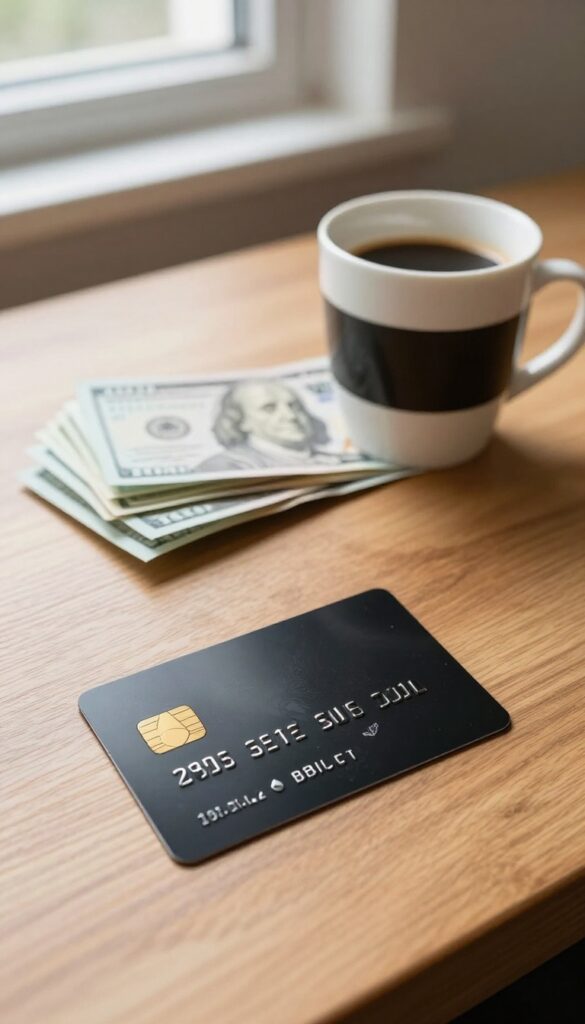
Credit cards get a bad name in frugal circles, but when used right, they can actually put money back in your pocket. The trick is treating them like a debit card—never spend more than you can pay off in full each month. If you can stick to that rule, a rewards card turns your regular spending into cash back or travel points, essentially giving you a discount on things you'd buy anyway.
The key is choosing a card that matches your spending habits. If you spend a lot on groceries and gas, look for a card with bonus categories in those areas. If you prefer simplicity, a flat-rate cash back card works great.
Just be sure to avoid annual fees unless the rewards clearly outweigh the cost. And always, always pay the statement balance in full—interest charges will wipe out any rewards you earn.
Pick The Right Card
Not all rewards cards are created equal. Some offer 5% back on rotating categories, while others give a flat 2% on everything. Think about where your money goes each month and choose a card that rewards those purchases.
If you travel often, a travel rewards card might be a better fit. But if you prefer cash, go with a straightforward cash back card.
Automate Payments
Set up automatic payments for the full statement balance each month. This ensures you never miss a payment and never pay interest. It also keeps your credit score healthy, which can save you money on loans and insurance down the line.
Use It For Everything (but Don't Overspend)
Once you have a good card, put all your everyday expenses on it—groceries, gas, subscriptions, even utilities if there's no fee. But here's the catch: you still need to stick to your budget. The rewards are a bonus, not a reason to spend more.
If you can't trust yourself, stick to cash or debit.
16. Buy Used or Refurbished
Buying second-hand doesn't mean settling for junk. From electronics to furniture, pre-owned items often work just as well as new ones for a fraction of the cost. Thrift stores, Facebook Marketplace, and eBay are goldmines if you know where to look.
The key is patience and a little know-how. You can score high-quality items that still have plenty of life left, saving hundreds or even thousands over retail prices.
Electronics And Gadgets
Refurbished electronics from reputable sellers often come with warranties. Think laptops, phones, or even kitchen appliances. Check manufacturer refurbished programs or Amazon Warehouse.
Furniture And Home Decor
Solid wood furniture lasts for decades. Thrift stores and estate sales are great for unique finds. A fresh coat of paint or new hardware can make it feel custom.
Clothing And Accessories
Consignment shops and online resale platforms like Poshmark or Depop offer designer pieces at deep discounts. Look for items in excellent condition with original tags.
17. Practice the 30-Day Rule
Impulse buys are the enemy of a frugal lifestyle. The 30-day rule is a simple way to curb those spur-of-the-moment purchases without feeling like you're depriving yourself. Whenever you want something non-essential that costs more than a certain amount, write it down and wait 30 days.
More often than not, you'll realize you don't really need it.
The rule works because it forces you to separate emotional desire from genuine need. After a month, many items lose their appeal. If you still want it, you can buy it with a clear conscience—and you've had time to research the best deal.
This practice alone can save hundreds of dollars a year.
Set Your Threshold
Decide what dollar amount triggers the rule. For some, it's $30; for others, $100. The key is to pick a threshold that catches those impulse buys but still lets you live comfortably.
If you're not sure, start with $50 and adjust as needed.
Create A Waiting List
Keep a physical note or a digital list of items you're considering. Include the price and the date. After 30 days, review the list.
You'll be surprised how many things you cross off because the urge faded.
Reflect Before You Buy
Use the waiting period to ask yourself: Will this improve my life? Is there a cheaper alternative? Can I borrow or rent it?
This reflection helps you make smarter purchases and reduces buyer's remorse.
18. Make Your Own Coffee
That daily latte habit adds up fast. A $5 coffee every weekday costs you over $1, 200 a year. The good news?
You can replicate that experience at home for a fraction of the price, and it doesn't have to feel like a compromise.
Brewing at home saves you $3–$5 per cup. Invest in a good thermos, and you'll hardly miss the coffee shop. With a little practice, your homemade brew can taste just as good—if not better.
Start With Quality Beans
Skip the pre-ground cans and buy whole beans from a local roaster or even the bulk section. Grinding right before brewing makes a huge difference in flavor. A bag of good beans costs about the same as three café drinks but lasts for weeks.
Get The Right Gear
You don't need a fancy espresso machine. A simple French press, pour-over cone, or AeroPress costs under $30 and produces excellent coffee. Pair it with a thermal mug that keeps your drink hot for hours.
Make It A Ritual
Part of the café appeal is the experience. Create your own morning ritual: grind beans, heat water, and savor the aroma. Add a dash of cinnamon or vanilla syrup to make it feel special.
You'll look forward to it just as much.
19. Batch Errands to Save Gas
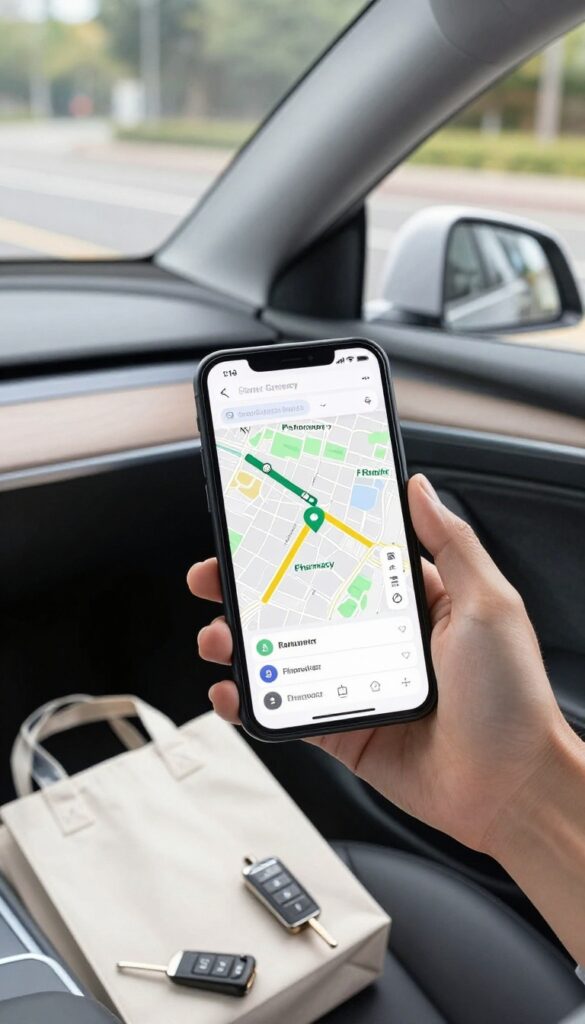
Running errands one at a time wastes fuel and time. By grouping your trips into a single route, you cut down on driving and keep more money in your pocket. It's a simple shift that makes a real difference.
Plan your trips to combine errands in one route. You'll use less fuel and reduce wear on your car.
Map Your Route
Before you head out, list all the places you need to go. Use a mapping app to find the most efficient order. Start with the farthest stop and work your way back home.
This reduces backtracking and saves miles.
Group By Location
Cluster errands that are near each other. If the grocery store is next to the pharmacy, do them together. Even small detours add up over time.
Set A Weekly Errand Day
Designate one day per week for all your out-of-home tasks. This cuts down on multiple short trips and gives you more free time the rest of the week.
FAQ
Does being frugal mean I have to give up everything I enjoy?
Not at all. Frugality is about prioritizing spending on what matters to you and cutting back on things that don't. You can still enjoy hobbies, dining out, and travel—just in a more intentional way.
How much money can I realistically save with these tips?
It varies, but many people save hundreds of dollars per month by implementing just a few of these strategies. Small changes add up quickly.
Is it worth buying generic brands?
Yes, especially for staples like canned goods, pasta, and spices. Often the quality is identical, and you can save 20–30% compared to name brands.
How do I start a no-spend day?
Pick one day a week where you commit to spending zero money. Plan ahead by cooking meals at home, filling your gas tank, and avoiding stores. Use the day for free activities like hiking or reading.
Can negotiating bills really work?
Absolutely. Many companies have retention discounts or promotional rates. A polite call asking for a better deal can lower your internet, cable, or insurance bill by 10–20%.
Conclusion
Frugal living isn't about saying no to everything—it's about saying yes to what truly matters. Pick one or two ideas from this list that feel exciting, not restrictive. Maybe it's hosting a potluck instead of dining out or learning to mend your favorite jeans.
As these small shifts become habits, you'll notice your savings grow without the sting of deprivation. Before long, you'll wonder why you didn't start sooner.
Free PDF Download
Not Sure Which Side Hustle Fits You Best?
Take the free Side Hustle Matchmaker Quiz and get a simple 7-day starter plan to help you choose a beginner-friendly idea based on your time, skills, comfort level, and goals.
You’ll get this free PDF plus access to the full Marketerna Save More & Earn More PDF Kit. No spam. Unsubscribe anytime.