23 Savings Challenge Ideas for a Small Budget
Saving money on a small budget isn't about drastic cuts—it's about clever challenges that make frugality feel like a game. These 23 ideas are designed to fit tight wallets, turning spare change and small habits into real savings.
You don't need a big income to see results, just consistency and a little creativity. Ready to transform your finances one challenge at a time?
Let's dive into practical, low-pressure ways to stash cash without sacrificing joy.

Free PDF Download
Not Sure Which Side Hustle Fits You Best?
Take the free Side Hustle Matchmaker Quiz and get a simple 7-day starter plan to help you choose a beginner-friendly idea based on your time, skills, comfort level, and goals.
You’ll get this free PDF plus access to the full Marketerna Save More & Earn More PDF Kit. No spam. Unsubscribe anytime.
1. The 52-Week Money Challenge (Modified for Small Budgets)
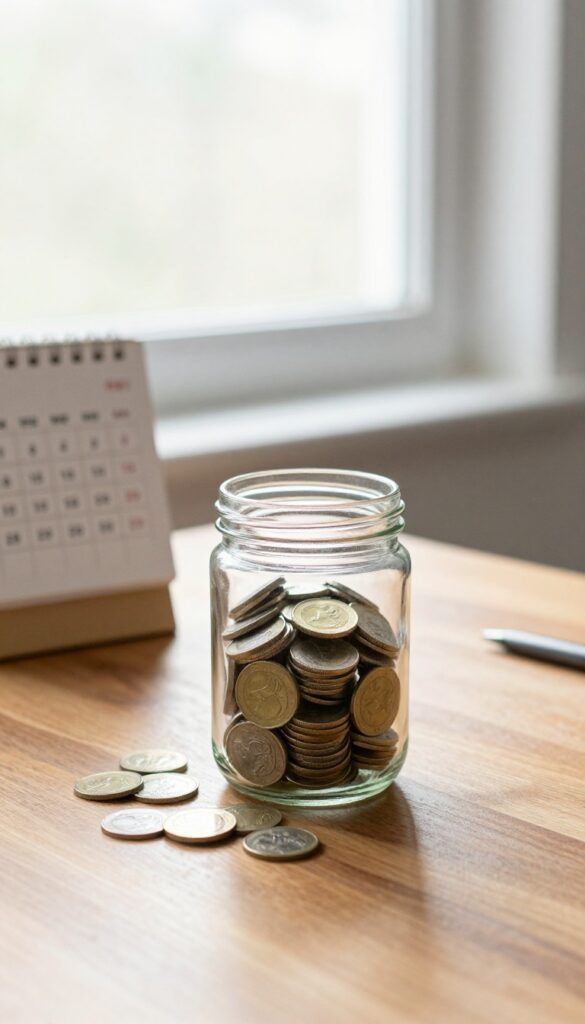
Start with just $1 in week one, then add an extra dollar each week. By week 52, you'll have saved $1, 378 without ever feeling the pinch. This classic challenge gets a small-budget makeover—no big deposits required.
The traditional 52-week challenge asks you to save $1, then $2, then $3, and so on. At the end, you have $1, 378. For a small budget, the key is starting tiny.
You barely notice the first few weeks, and by the time the amounts grow, you've built the habit.
How To Start Without Stress
Use a jar or a separate savings account. Each week, transfer the exact amount. If you miss a week, just double up the next week or restart at a lower amount.
The goal is consistency, not perfection.
Customize It For Your Cash Flow
If $52 in week 52 feels too high, reverse the challenge: start with $52 and work down to $1. Or pick a smaller increment like 50 cents. The math still works—you'll save half as much but with half the effort.
Track Progress Visually
Print a checklist or use a savings app. Crossing off each week gives a dopamine hit that keeps you motivated. Pair it with a reward at the end—like a guilt-free treat—to celebrate your discipline.
2. No-Spend Days Challenge
Some of the best savings tricks feel like you're not even trying. The no-spend days challenge is exactly that—a simple way to build a buffer in your budget without overhauling your life. Pick two days each week where you commit to spending absolutely nothing.
No coffee runs, no takeout, no impulse buys. Just you and what you already have. That adds up to 104 no-spend days a year.
Even if you'd normally drop just $10 on those days, you're looking at over $1, 000 saved annually. And the best part? You never feel deprived because you're still spending the other five days.
The no-spend days challenge is a low-effort, high-impact way to save money on a tight budget. By choosing two days a week to spend nothing, you create a habit of mindful consumption without feeling restricted. Over a year, those 104 days can save you hundreds or even thousands of dollars, depending on your usual spending.
It's flexible—you can pick days that work for your schedule, like Mondays and Thursdays, or align them with your busiest days when you're less likely to shop. The key is to plan ahead: prep meals, fill your gas tank, and avoid tempting situations. This challenge teaches you to distinguish between wants and needs, and it often reveals how many small purchases are actually unnecessary.
How To Choose Your No-spend Days
Start by looking at your weekly routine. Pick days when you're least likely to be tempted—maybe a busy workday or a day when you're home most of the time. Avoid days with planned social outings or errands that require spending.
You can also choose two non-consecutive days to keep it manageable. Write them on your calendar and treat them as non-negotiable.
What Counts As 'no Spend'?
Only essential bills and pre-planned expenses are exempt. That means no buying coffee, snacks, clothing, or entertainment. But it's okay to use what you already have—cook at home, watch a movie you own, or go for a walk.
The goal is to avoid any new transaction. If an emergency comes up, that's fine; just restart the next week.
Tips To Make It Stick
Plan ahead to remove friction. Meal prep the night before, fill your water bottle, and bring snacks if you'll be out. Unsubscribe from sale emails and avoid browsing stores online.
Tell a friend about your challenge for accountability. Track your savings each week—seeing the numbers grow is surprisingly motivating.
Free PDF Download
Not Sure Which Side Hustle Fits You Best?
Take the free Side Hustle Matchmaker Quiz and get a simple 7-day starter plan to help you choose a beginner-friendly idea based on your time, skills, comfort level, and goals.
You’ll get this free PDF plus access to the full Marketerna Save More & Earn More PDF Kit. No spam. Unsubscribe anytime.
3. Spare Change Round-Up Challenge
This challenge turns pocket change into a savings habit without you even noticing. Every time you buy something, you round up the cost to the nearest dollar and move the difference into a savings jar or app. It's a small, painless way to build a stash over time.
The beauty of this challenge is its simplicity. You don't have to change your spending habits—just your awareness. Over a month, those few cents per transaction can add up to a surprising amount.
It's like finding money in your couch cushions, but on purpose.
How To Start With A Jar
Get a clear jar and label it with your goal (like "Emergency Fund" or "Fun Money"). Every evening, empty your pockets or wallet of coins and drop them in. If you want to be more precise, keep a small notebook to track each purchase and the round-up amount, then add the total weekly.
Using A Round-up App
Apps like Acorns or Qapital automatically round up your card purchases and invest or save the difference. You can set a multiplier (e. g. , round up to the next $2) to accelerate savings. Just link your debit card and forget it.
Tips For Maximum Impact
To boost results, combine this challenge with a no-spend day once a week. Also, consider rounding up to the nearest $5 for larger purchases. The key is consistency—even if you only save $5 a week, that's $260 in a year.
4. The $5 Bill Challenge
This one is almost too easy. Every time you get a $5 bill as change, you set it aside instead of spending it. That's it.
No tracking, no envelopes, no spreadsheets. Just a simple rule that turns a common occurrence into a savings win.
The beauty of this challenge is how passive it feels. You're not cutting anything out or changing your spending habits—you're just redirecting a specific bill when it shows up. Over a month, those fives can really stack up.
Where To Stash Them
Pick one spot and stick with it. A jar in your closet, a specific pocket in your wallet, or even a separate bank account. The key is consistency—if you mix them with your regular cash, the challenge falls apart.
What To Do With The Stash
Once you've collected a decent amount, decide on a payout. Maybe it goes toward an emergency fund, a small treat, or a debt payment. Having a goal makes it more motivating, but even without one, you'll end up with a nice little pile.
When To Expect Results
If you get a $5 bill once a week, that's $260 in a year. More frequent? Even better.
The challenge works best if you pay with cash often, but even occasional cash users will see results.
Free PDF Download
Not Sure Which Side Hustle Fits You Best?
Take the free Side Hustle Matchmaker Quiz and get a simple 7-day starter plan to help you choose a beginner-friendly idea based on your time, skills, comfort level, and goals.
You’ll get this free PDF plus access to the full Marketerna Save More & Earn More PDF Kit. No spam. Unsubscribe anytime.
5. Pantry Challenge

Ever looked at your pantry and thought, "I have nothing to eat" while it's actually stuffed? The Pantry Challenge flips that. For one week each month, you commit to eating only what you already have—no grocery runs except for absolute essentials like milk or eggs.
It's a fun way to clear out old cans, use up that random bag of lentils, and save a surprising amount of cash.
This challenge works because it forces you to get creative with what's already there. You'll rediscover forgotten ingredients and reduce food waste. Plus, that week of no grocery shopping gives your budget a nice breather.
Start small: pick a week when your fridge is already full, and see how far you can stretch it.
How To Prep
Before your challenge week, take inventory. List everything in your pantry, fridge, and freezer. Group items by type—grains, proteins, veggies, sauces.
Then plan a rough menu around what you have. Don't stress about perfect meals; the goal is to use stuff up, not to win a cooking show.
What To Expect
The first day or two might feel easy. By day four, you might be staring at a can of chickpeas and a half-bag of frozen spinach wondering what to do. That's okay!
Look up recipes for those specific ingredients. You'll be surprised how many meals you can make with basics like rice, beans, and spices.
Make It A Habit
Once you've done one pantry week, try doing it monthly. Over time, you'll naturally buy less and waste less. You might even enjoy the challenge of creating meals from scraps.
It's a small shift that keeps your budget and your kitchen lean.
6. No-Eating-Out Week Challenge
Restaurant meals and takeout are convenient, but they quietly drain your budget. This challenge asks you to pick one week each month where you don't spend a dime on food prepared by someone else. That means no drive-thrus, no delivery apps, and no grabbing lunch at the café near work.
You'll pack your meals, cook at home, and get creative with what's in your pantry. At the end of the week, you'll see exactly how much you saved—and you might even discover a few new favorite recipes.
The goal is simple: zero restaurant or takeout meals for seven consecutive days. That includes coffee shop runs, fast food, and even that slice of pizza from the corner store. You'll need to plan ahead—think about breakfast, lunch, dinner, and snacks.
Batch cooking on the weekend can make the week much easier. The savings add up fast: a typical lunch out costs $10–15, while a homemade version might be $3. Multiply that by five workdays, and you're already looking at $35–60 saved in just one week.
How To Prepare
Start by checking your pantry, fridge, and freezer. Make a list of what you already have, then plan meals around those ingredients. You'll likely only need to buy a few fresh items.
Cook a big batch of grains or proteins on Sunday, and chop veggies in advance so you can throw together lunches quickly.
Make It Fun
Turn the challenge into a game. Try a new recipe each day, or have a “pantry cook-off” with your family. Use the money you would have spent on takeout to treat yourself to a small reward at the end of the week—like a movie rental or a fancy coffee you make at home.
Track Your Savings
Keep a note of every meal you would have ordered out and its estimated cost. At the end of the week, total it up. Seeing that number—often $50 to $100 or more—is powerful motivation to repeat the challenge next month.
7. The 30-Day No-Spend Challenge
This one is tough but transformative. For 30 days, you spend only on absolute essentials: rent, bills, groceries, and transportation. No new clothes, no gadgets, no takeout, no extras.
It's a reset button for your spending habits.
The rules are simple: define what 'essential' means for you, then stick to it. Every time you want to buy something non-essential, pause and ask if you really need it. You'll be surprised how many wants fade away.
At the end, you'll have saved a chunk of cash and gained a new perspective on your spending.
Set Clear Ground Rules
Write down what counts as essential and what doesn't. Be honest—groceries are essential, but that fancy coffee isn't. Having clear boundaries makes it easier to stay on track.
Find Free Fun
Boredom is the biggest enemy of a no-spend challenge. Plan free activities: hiking, library visits, movie nights at home, or potlucks with friends. You'll remember that fun doesn't have a price tag.
Track Your Progress
Keep a simple log of every day you succeed. Seeing a streak grow is motivating. If you slip, don't quit—just start fresh the next day.
The goal is progress, not perfection.
8. Cash Envelope Challenge
There's something about physically handing over cash that makes you think twice before spending. The Cash Envelope Challenge taps into that feeling, helping you stick to your budget without any apps or spreadsheets. You withdraw cash for each category—groceries, gas, fun money—and put it in labeled envelopes.
Once the envelope is empty, no more spending in that category until the next month. At the end of the month, whatever cash is left over goes straight into savings.
This challenge works because it forces you to see your money disappear. When you swipe a card, it's easy to lose track. But when you watch your envelope thin out, every purchase feels real.
The leftover cash at month's end is a tangible reward for your discipline.
How To Set It Up
Start by listing your variable expenses—things like dining out, entertainment, and groceries. Decide how much you want to allocate to each. Withdraw that exact amount in cash and put it in separate envelopes.
Label them clearly. Keep the envelopes somewhere safe but accessible, like a small box or a wallet divider.
Tips For Success
Don't go overboard with too many categories. Stick to 3 to 5 main ones to keep it simple. If you have leftover cash in one envelope, you can roll it into next month's savings or treat yourself—but the challenge works best if you actually move it to savings.
Also, avoid the temptation to borrow from another envelope; that defeats the purpose.
Why It Works On A Small Budget
This method doesn't require a big income—it's all about awareness. Even if you only have $50 for fun money, seeing that envelope shrink helps you prioritize. The leftover cash, even if it's just $5, adds up over time.
It's a low-tech, high-impact way to build savings without feeling deprived.
9. The 1% Savings Challenge
This challenge is about slow and steady progress. Instead of aiming for a big lump sum, you gradually increase how much you save each month by 1% of your income. The change is so small you barely feel it, but over time it adds up to serious money.
How It Works
Start by saving whatever you currently save, then add an extra 1% of your monthly income next month. For example, if you earn $3, 000 a month, that's just $30 more. Keep adding 1% each month until you reach a comfortable cap, like 20% of your income.
Why It Works
The gradual increase means your budget adjusts naturally. You won't feel a sudden pinch because the extra amount is tiny each time. Over a year, your savings rate can double without major lifestyle changes.
Tips For Success
Automate the increase so you don't have to think about it. Set up a recurring transfer that bumps up by 1% each month. If you get a raise, apply the same principle to save even more without noticing.
10. No-Buy Month Challenge
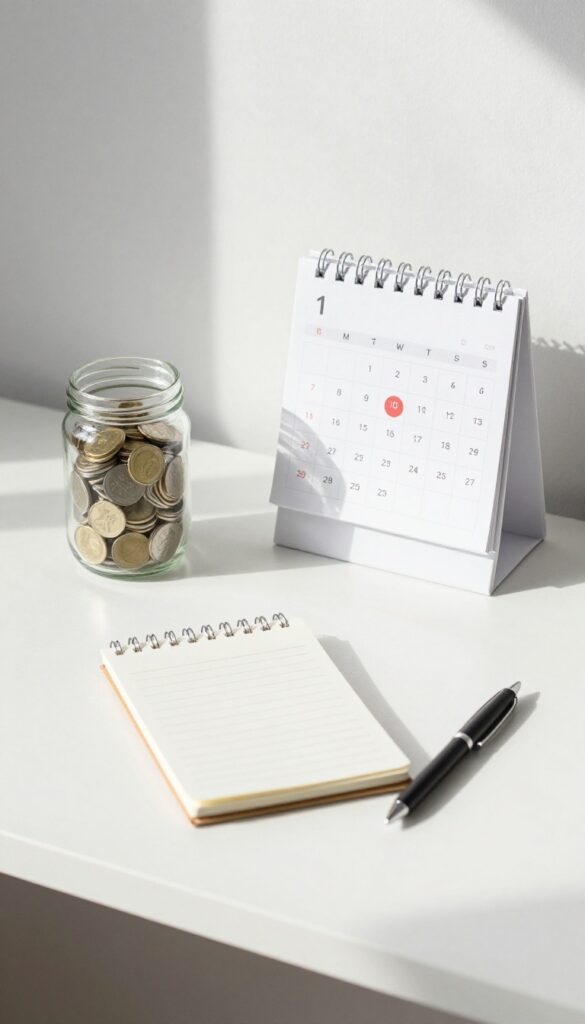
Pick one month to buy nothing except absolute necessities. That means no new clothes, books, home decor, or takeout coffee. It sounds extreme, but it's incredibly eye-opening.
You'll quickly realize how many of your purchases are wants, not needs. By the end of the month, you'll have reset your spending habits and saved a surprising amount of money.
The No-Buy Month Challenge is a powerful reset button for your finances. It forces you to distinguish between needs and wants, and it reveals just how much you spend on non-essentials. The key is to plan ahead: stock up on groceries, cancel subscriptions, and let friends know you're doing it so they don't invite you out.
You'll be amazed at how creative you get with what you already have.
How To Prepare
Before the month starts, take inventory of your pantry, toiletries, and household supplies. Buy any true essentials you'll run out of. Unsubscribe from marketing emails and delete shopping apps from your phone.
Set a clear list of what's allowed (rent, utilities, basic groceries, gas) and what's not (clothes, dining out, entertainment, gadgets).
What You'll Learn
You'll discover how often you buy out of boredom or habit. Without shopping, you'll find free ways to have fun—like hiking, reading books you already own, or hosting a potluck with friends. Many people report feeling liberated, not deprived, by the end of the month.
Tips For Success
Keep a journal of your urges to spend and what triggers them. Use cash only for allowed purchases to stay accountable. If you slip up, don't quit—just restart the next day.
The goal is progress, not perfection.
11. The $20 Weekly Challenge
Saving $20 each week might not sound like much, but it adds up fast. At the end of 52 weeks, you'll have $1, 040—a solid emergency fund or a nice vacation. This challenge works because it's a fixed, manageable amount that fits most budgets.
No complicated math, no guesswork. Just set aside $20 every week and watch your savings grow.
The $20 Weekly Challenge is all about consistency. Decide on a day—maybe Monday or payday—and transfer $20 to a separate savings account. Automate it if you can.
The key is treating that $20 like a non-negotiable bill. Over time, it becomes a habit, and the balance becomes a pleasant surprise.
Where To Keep The Money
Open a high-yield savings account or use a separate jar at home. The goal is to keep this money out of reach from daily spending. If you use a jar, label it clearly and resist the urge to dip in.
Out of sight, out of mind works wonders.
How To Find The $20
Skip one takeout meal a week, brew coffee at home, or cancel a small subscription you forgot about. Most people can find $20 without feeling deprived. It's about prioritization, not sacrifice.
What To Do With The $1,040
By year-end, you'll have over a thousand dollars. Use it to start an emergency fund, pay down debt, or treat yourself to something meaningful. Having a goal in mind makes the challenge more motivating.
12. The 52-Week Reverse Challenge
Flip the classic savings challenge on its head. Instead of starting small and growing, you start with a bigger deposit and shrink each week. This approach makes the most of your early enthusiasm and lightens the load later in the year when holiday expenses or seasonal costs hit.
It's a smart twist for anyone who wants to front-load their savings while the budget is a bit looser.
The reverse 52-week challenge works like this: in week one, you save $52. Then each week, you save one dollar less. So week two is $51, week three is $50, and so on.
By the end of the year, you've saved the same total as the classic version—$1, 378—but you've done the heavy lifting early. This is perfect if you know your budget will tighten later or if you want to build a habit with a strong start.
Why Start Big?
Motivation is highest at the beginning of a challenge. By starting with the largest amount, you capitalize on that fresh enthusiasm. Plus, if you have a bit of wiggle room in January or February, it's easier to stash away $52 than to scramble for it in November.
How To Adjust If $52 Is Too Steep
No problem. You can scale the challenge to fit your budget. For example, start at $26 and decrease by $0.
50 each week. Or start at $10 and decrease by $0. 20.
The key is keeping the reverse structure—front-loading your savings—so you still get the benefit of lighter weeks later.
Tracking Your Progress
Use a simple checklist or a savings app. Write down each week's amount and cross it off as you go. Some people like to put the cash in labeled envelopes.
Others prefer a dedicated savings account. Whatever method you choose, celebrate each completed week—it's a small win that keeps you going.
13. The 365-Day Penny Challenge
Ever thought a single penny could be the start of something big? The 365-Day Penny Challenge turns pocket change into a meaningful savings stash. You start with just one cent on day one, add two cents on day two, and keep going.
By the end of the year, those pennies add up to $667. 95. No big deposits required.
This challenge is perfect for tight budgets because it uses spare change you barely notice. It's a slow, steady climb that builds a nice cushion without hurting your wallet. Plus, watching the total grow each day is surprisingly motivating.
How It Works
Save one penny on day one, two pennies on day two, three on day three, and so on. Each day you add one more penny than the day before. By day 365, you'll be saving $3.
65—and the grand total is $667. 95. You can use a jar, envelope, or a simple spreadsheet to track progress.
Tips For Staying On Track
Set a daily reminder on your phone to drop in the coins. If you don't have exact change, round up and save the extra. Or prepay weekly: save the total for the next seven days at once.
That cuts down on daily hassle while keeping the math simple.
What To Do With The Money
At the end of the year, you'll have a nice little fund. Use it for an emergency buffer, a guilt-free treat, or a debt payment. The best part?
You built it from pennies, so it feels like found money.
14. The No-Spend Weekend Challenge

Designate one weekend per month as a no-spend weekend. Plan free activities at home or in nature. It's a simple reset for your wallet and your mind.
Pick one weekend each month where you commit to spending zero money. No dining out, no shopping, no streaming subscriptions. Instead, focus on what's already around you.
How To Plan Ahead
Check your pantry and fridge before the weekend. Cook meals from what you have. Make a list of free activities like hiking, reading, or board games.
Tell friends and family so they don't suggest pricier plans.
Free Activity Ideas
Go for a walk in a nearby park, have a movie marathon with library DVDs, try a new recipe from pantry staples, or do a deep clean of one room. Nature trails, picnics, and home spa days are all zero-cost options.
Track Your Savings
At the end of the weekend, add up what you would have spent. Transfer that amount to your savings account. Seeing the number grow can motivate you to repeat the challenge next month.
15. The $1 a Day Challenge
If you think you need to save big amounts to make a difference, this challenge proves otherwise. Stashing just one dollar every day adds up to $365 in a year, and the best part? You'll barely notice it's gone.
It's the perfect starting point for anyone with a tight budget.
The $1 a Day Challenge is as simple as it sounds: put aside one dollar each day. You can use a jar, a piggy bank, or a separate savings account. The key is consistency.
At the end of the year, you'll have a nice little pile of cash for a treat, an emergency, or a small investment.
Where To Keep Your Daily Dollar
Choose a spot that's visible but not too easy to grab. A clear jar on your dresser works well—you can watch your savings grow. Or go digital with a separate savings account and set up an automatic transfer of $1 per day.
Out of sight, out of mind, but still growing.
How To Stay On Track
Make it a habit by linking it to something you do every day, like brushing your teeth or making coffee. Use a habit tracker app or a simple calendar to mark off each day. If you miss a day, just double up the next day—no guilt, just keep going.
What To Do With Your $365
That year-end sum can go toward a small goal: a weekend getaway, holiday gifts, or a starter emergency fund. You could also invest it in a low-cost index fund or use it to pay down a tiny debt. The point is, you earned it with almost zero effort.
16. The Grocery Savings Challenge
Groceries are one of the biggest monthly expenses, but they're also one of the easiest to trim with a little strategy. The challenge: cut your grocery bill by 10% each week. That means if you usually spend $100, aim for $90.
It's small enough to be doable, but over a month, that's a solid $40 saved.
Start by tracking your current spending to know your baseline. Then, each week, try to shave off 10%. Use coupons, switch to store brands, and plan your meals around sales.
You'll be surprised how little you miss when you make a few smart swaps.
Coupon Clipping Made Easy
You don't need to become an extreme couponer. Just grab digital coupons from your store's app or clip a few from the weekly flyer. Focus on items you already buy, and stack store coupons with manufacturer ones for extra savings.
Store Brands Are Your Friend
Store brands often taste the same as name brands but cost 20-30% less. Try swapping staples like canned goods, pasta, and frozen veggies. You'll barely notice the difference, but your wallet will.
Meal Planning On A Budget
Plan your meals around what's on sale that week. Write a list and stick to it to avoid impulse buys. Batch cooking also helps you use ingredients fully, reducing waste and saving money.
17. The No-Impulse-Buy Challenge
Impulse buys are budget killers. They sneak in as small treats but add up fast. This challenge trains you to pause before every non-essential purchase, giving your wallet a break and your brain a reality check.
How It Works
Set a rule: for any purchase that isn't a necessity (groceries, bills, gas), wait 48 hours. Write down the item and the price. After two days, ask yourself if you still want it.
Most times, the urge fades. You'll be surprised how many things you don't actually need.
Track Your Wins
Keep a simple list of items you almost bought but skipped. At the end of the month, add up the total saved. Seeing that number is motivating.
It turns restraint into a tangible reward.
Make It A Habit
After a few weeks, the 48-hour rule becomes automatic. You'll start questioning every non-essential spend. This challenge isn't about deprivation—it's about giving yourself time to choose wisely.
Your budget will thank you.
18. The Utility Savings Challenge
Your monthly utility bills are a sneaky drain on your budget, but they're also full of savings potential. The Utility Savings Challenge turns your energy and water usage into a game: aim to cut your electricity, water, or gas bill by 5% each month. That's a small reduction that adds up fast—and the money you save goes straight into your savings account.
Start by checking your current utility bills to get a baseline. Then, pick one area to focus on—like electricity or water—and implement simple changes. Track your usage each month and celebrate when you hit that 5% target.
The savings are real, and the planet thanks you too.
Where To Start
Grab your latest utility bills and note the total for each service. Choose one to tackle first—electricity is usually the easiest. Set a goal to reduce that specific bill by 5% next month.
Small steps like unplugging devices, using LED bulbs, or taking shorter showers can make a big difference.
Easy Wins For Electricity
Switch off lights when you leave a room, unplug electronics when not in use, and replace old bulbs with LEDs. Wash clothes in cold water and air-dry when possible. These habits can easily shave 5% off your electric bill without much effort.
Saving On Water And Gas
Fix leaky faucets, install low-flow showerheads, and turn off the tap while brushing your teeth. For gas, lower your thermostat by a degree or two in winter and use a programmable thermostat. Even small adjustments can reduce your bills noticeably.
Track And Reward Yourself
Keep a simple spreadsheet or use a budgeting app to monitor your utility costs each month. When you hit your 5% reduction, transfer the difference to your savings account as a reward. Seeing that money grow will motivate you to keep going.
19. The Side Hustle Savings Challenge

This challenge turns your side gig into a dedicated savings machine. Instead of mixing that extra cash into your regular income, you funnel every dollar from freelancing, selling items, or odd jobs straight into savings. It's money you never planned on having, so you won't miss it.
The beauty of this challenge is that it works with any side hustle, no matter how small. Whether you earn $20 from a survey or $200 from a freelance project, that entire amount goes to savings. It's a painless way to build a nest egg without touching your main budget.
Pick Your Hustle
Choose something that fits your skills and schedule. Freelancing on platforms like Upwork or Fiverr, selling unused items on eBay or Facebook Marketplace, or even pet sitting can generate extra income. The key is consistency—set a weekly or monthly goal for your side gig earnings.
Automate The Transfer
Make it effortless by setting up an automatic transfer from your checking account to a dedicated savings account as soon as you receive payment. This removes the temptation to spend it. Many banks allow you to create rules for automatic transfers based on deposit amounts.
Track Your Progress
Keep a simple log of your side hustle earnings and savings. Watching the balance grow can be highly motivating. Use a spreadsheet or a savings app to see how your small efforts add up over time.
Celebrate milestones like $100 or $500 saved to stay encouraged.
20. The No-Subscription Challenge
Streaming services, app subscriptions, and monthly boxes can quietly eat up your budget. The No-Subscription Challenge asks you to cancel just one for a month and redirect that cash to savings. It's a small change that can reveal how much you're spending on autopilot.
Pick one subscription—Netflix, a meal kit, a fitness app, whatever you have. Pause or cancel it for 30 days. Put the money you would have spent into a savings jar or account.
At the end of the month, you'll have a little extra saved and a clearer picture of which services you truly value.
Which One To Cut?
Look at your bank or credit card statements for recurring charges. Choose the one you'd miss the least—maybe that streaming service you haven't opened in weeks or a box subscription that's piling up clutter. Don't overthink it; just pick one.
Make It Painless
Set a reminder to cancel, then immediately transfer the subscription cost to your savings. If you're worried about forgetting to restart it, mark your calendar for 30 days out. You can always reactivate if you really miss it.
What You'll Learn
You might find you don't miss it at all. Or you'll realize which subscriptions are worth keeping. Either way, you'll have saved money and gained insight into your spending habits.
21. The Found Money Challenge
Windfalls feel like little gifts from the universe, and this challenge treats them exactly that way. Instead of spending birthday cash, tax refunds, bonuses, or rebates, you save every single unexpected dollar. It's money you weren't counting on, so you won't miss it.
This challenge is perfect for small budgets because it doesn't require any extra effort or sacrifice. You simply reroute any surprise income straight into savings. Over a year, those small windfalls can add up to a surprisingly large sum.
What Counts As Found Money
Any money you didn't plan for qualifies: cash gifts, tax refunds, work bonuses, rebates, refunds, or even money you find in an old coat pocket. Set a rule that 100% of these go into your savings account.
How To Make It Automatic
Create a separate savings account just for windfalls. When you receive any unexpected money, transfer it immediately. Out of sight, out of mind—and into your future.
Track Your Progress
Keep a simple log of each windfall and its amount. Watching that number grow is surprisingly motivating. You'll start looking forward to unexpected cash instead of spending it.
22. The 30-Day No-Shopping Challenge
Retail therapy might feel good in the moment, but it can quietly drain your wallet. This challenge asks you to pause all non-essential spending for 30 days. No new clothes, gadgets, home decor, or impulse buys.
Just you and what you already own. Think of it as a reset button for your shopping habits. You'll likely discover that you don't need half the stuff you thought you did.
And the savings? They'll stack up fast.
The rules are simple: for 30 days, only spend money on absolute necessities like food, bills, and toiletries. No online browsing, no window shopping, no 'just looking. ' If you wouldn't buy it on a deserted island, skip it. Track your progress daily.
Each time you resist a purchase, add that amount to a savings jar or a note on your phone. At the end of the month, you'll have a tangible reward and a new perspective on spending.
How To Survive The Urge To Buy
Cravings will hit, especially in the first week. When they do, wait 24 hours before acting. Most urges pass.
Keep a list of things you 'want' and review it after the challenge ends. You'll likely cross off half of them.
What To Do Instead Of Shopping
Replace shopping time with free activities. Go for a walk, read a book, declutter a closet, or cook a new recipe. You'll fill the void without spending a dime.
23. The Savings Jar Challenge
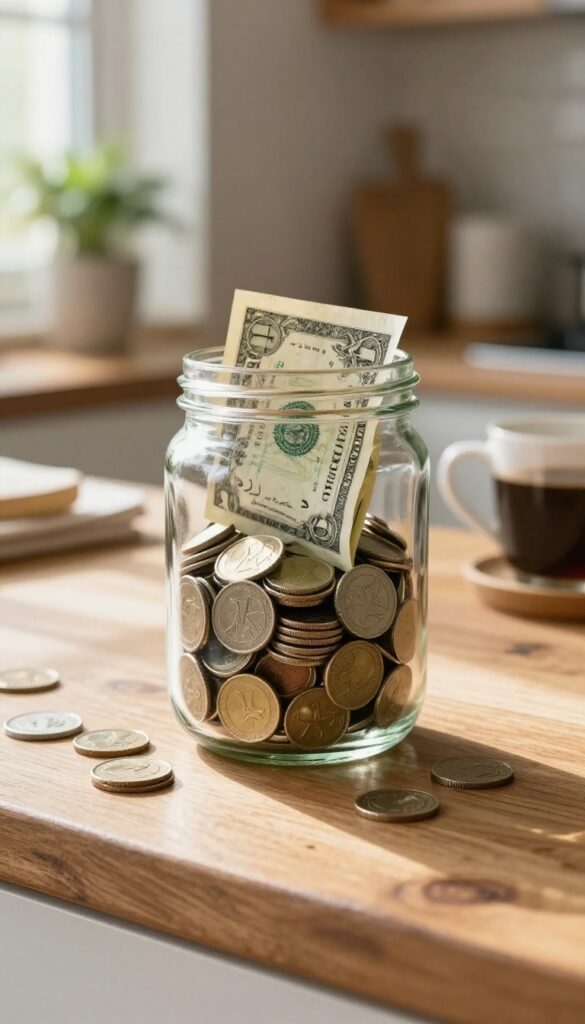
Sometimes the simplest methods work best. The Savings Jar Challenge is all about making saving a visual, tactile experience. You grab a clear jar—any size will do—and every evening, you drop in whatever spare change or small bills you have left from the day.
It's not about big deposits; it's about the habit of noticing and saving the little bits. Over time, that jar becomes a tangible reminder of your progress, and watching it fill up is surprisingly motivating.
The magic of this challenge is its zero-pressure approach. You don't have to set aside a fixed amount or meet a weekly goal. Just toss in what's left after your daily expenses—maybe the change from your coffee run, a dollar you found in your coat pocket, or the coins from buying lunch.
No amount is too small. The key is consistency: make it a nightly ritual. Soon, you'll find yourself looking forward to adding to the jar, and the growing pile of coins and bills will keep you inspired.
Why A Clear Jar Works
Using a transparent jar turns saving into a visual game. You can literally see your money grow, which gives you a psychological boost. It's much more satisfying than watching a number in a bank account.
Plus, the jar serves as a constant, physical reminder of your goal—place it somewhere you'll see every day, like your kitchen counter or desk.
Tips To Maximize Your Jar Savings
To make the most of this challenge, keep a small dish or bowl near your door or wallet where you can drop change throughout the day. At night, transfer it to the jar. You can also set a rule: every time you skip a small impulse purchase, add the amount you saved to the jar.
For example, if you resist buying a soda, drop that dollar in. This turns your jar into a reward for good habits.
FAQ
What is the easiest savings challenge for a small budget?
The $1 a Day Challenge is the simplest. Save just $1 each day, and you'll have $365 after a year. It's so small you won't feel it.
How much can I save with the 52-week challenge on a low income?
The modified version starts at $1 and increases by $1 each week, totaling $1, 378. If that's too much, try the reverse challenge starting at $52 and decreasing.
Can I combine multiple savings challenges?
Absolutely, but start with one to avoid burnout. Once it becomes a habit, add another. For example, pair the No-Spend Days Challenge with the Spare Change Round-Up.
What if I miss a week or can't save the full amount?
Don't stress. Just save what you can and pick up where you left off. The goal is progress, not perfection.
Even partial savings add up.
How do I stay motivated during a savings challenge?
Track your progress visually, like with a chart or a jar. Celebrate small milestones, and remind yourself why you're saving. Share your goal with a friend for accountability.
Conclusion
You don't need a big income to build real savings—just the right small habits. Pick one challenge from this list, whether it's the $1 bill trick or a no-spend weekend, and try it for a week. That tiny step builds momentum.
Before you know it, you'll have a cushion that gives you breathing room and confidence. Start today, even if it's small.
Free PDF Download
Not Sure Which Side Hustle Fits You Best?
Take the free Side Hustle Matchmaker Quiz and get a simple 7-day starter plan to help you choose a beginner-friendly idea based on your time, skills, comfort level, and goals.
You’ll get this free PDF plus access to the full Marketerna Save More & Earn More PDF Kit. No spam. Unsubscribe anytime.