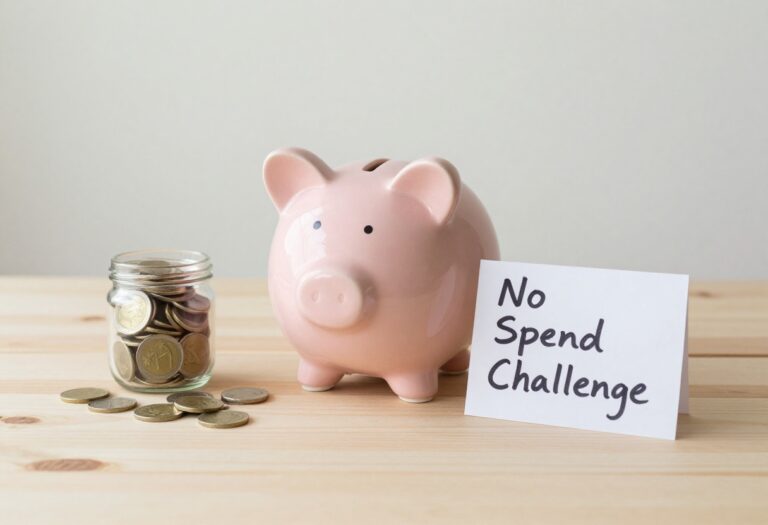
21 Frugal Habits That Save Money Every Month
Saving money doesn't have to mean giving up everything you enjoy. Small, consistent habits can add up to big savings over time. The key is to find changes that fit your lifestyle without making you feel deprived.
These 21 frugal habits are practical and budget-aware. They focus on cutting waste, making smarter choices, and getting the most out of what you already have. No extreme couponing or drastic lifestyle overhauls required.
Pick a few that resonate with you and give them a try. Even one or two new habits can make a noticeable difference in your monthly expenses. Let's dive in.

Free PDF Download
Not Sure Which Side Hustle Fits You Best?
Take the free Side Hustle Matchmaker Quiz and get a simple 7-day starter plan to help you choose a beginner-friendly idea based on your time, skills, comfort level, and goals.
You’ll get this free PDF plus access to the full Marketerna Save More & Earn More PDF Kit. No spam. Unsubscribe anytime.
1. Cook at Home More Often

Restaurant meals and takeout are convenient, but they come with a hefty price tag. Even a simple pasta dish at home costs a fraction of what you'd pay for the same meal out. Cooking at home puts you in control of ingredients, portions, and spending.
The average restaurant meal costs about four times more than a home-cooked version. That markup adds up fast, especially if you eat out multiple times a week. By cooking at home, you can save hundreds of dollars each month without sacrificing flavor or variety.
Start With Simple Meals
You don't need to be a gourmet chef. Focus on easy recipes with few ingredients. Pasta, stir-fries, sheet pan dinners, and soups are quick, affordable, and forgiving.
Build a small repertoire of go-to meals you can rotate.
Plan Your Weekly Menu
A little planning goes a long way. Decide on 3-4 dinners for the week, check your pantry, and make a targeted grocery list. This reduces impulse buys and food waste, two big money drains.
Cook Once, Eat Twice
Double your recipes and use leftovers for lunch or another dinner. A big batch of chili, curry, or roasted vegetables can be repurposed into different meals. It saves time and stretches your grocery budget further.
2. Use a Grocery List and Stick to It
Walking into a grocery store without a plan is like walking into a casino – you're likely to lose money. Impulse buys, clever product placement, and hunger pangs can easily double your bill. A simple list keeps you focused and prevents those unnecessary purchases.
A grocery list isn't just a reminder; it's a budget tool. By planning meals and snacks ahead, you buy only what you need and avoid waste. Plus, you're less likely to grab pre-packaged convenience items when you have a clear plan.
Plan Before You Shop
Take ten minutes before heading to the store to check your pantry and fridge. Note what you already have, then plan meals around those items. This reduces duplicate purchases and food waste.
Organize Your List By Aisle
Group items by store section – produce, dairy, meat, etc. This saves time and reduces the temptation to wander. The less time you spend in the store, the less likely you are to impulse buy.
Use A List App Or Paper
Whatever works for you – a notes app on your phone or a sticky note on the fridge. The key is to add items as you run out, so you're not guessing at the store. Stick to it like a contract.
Free PDF Download
Not Sure Which Side Hustle Fits You Best?
Take the free Side Hustle Matchmaker Quiz and get a simple 7-day starter plan to help you choose a beginner-friendly idea based on your time, skills, comfort level, and goals.
You’ll get this free PDF plus access to the full Marketerna Save More & Earn More PDF Kit. No spam. Unsubscribe anytime.
3. Embrace Meatless Meals a Few Times a Week
Meat is often the biggest chunk of your grocery bill. Swapping in plant-based proteins like beans, lentils, or eggs a few times a week can slash costs without sacrificing flavor. Plus, you might discover some new favorite dishes along the way.
Start With One Meatless Day
Pick a day like Monday or Wednesday and commit to no meat. Try a hearty lentil soup, black bean tacos, or a veggie stir-fry with tofu. You'll quickly see how easy and affordable it can be.
Stretch Meat When You Do Use It
Treat meat as a seasoning rather than the main event. Use smaller portions in stir-fries, pastas, or casseroles and bulk up the dish with vegetables and grains. You'll still get the flavor you love while cutting costs.
Batch Cook Plant-based Proteins
Cook a big pot of beans or lentils at the start of the week. Use them in salads, wraps, or as a base for quick dinners. They're cheap, filling, and ready when you need them.
4. Buy Generic or Store Brands
You don't need to pay a premium for a name on the package. Store brands and generic products often contain the same ingredients as their pricier counterparts. The difference is mostly marketing, not quality.
Switching can save you 20–30% on your grocery bill without any sacrifice.
Start with pantry staples like pasta, rice, canned tomatoes, and frozen vegetables. These are items where the generic version is virtually identical. Spices are another great place to save—store brands offer the same flavor for a fraction of the cost.
Once you build trust, branch out to other categories like cereal, condiments, and even snacks.
Compare Ingredients, Not Labels
Flip the package over and check the ingredient list. Many store brands are made by the same manufacturers as the big names. If the first few ingredients match, you're getting the same product for less.
Try One Swap At A Time
You don't have to overhaul your pantry overnight. Next time you run out of something, buy the store brand instead. If you like it, keep buying it.
If not, you've only lost a dollar or two.
Free PDF Download
Not Sure Which Side Hustle Fits You Best?
Take the free Side Hustle Matchmaker Quiz and get a simple 7-day starter plan to help you choose a beginner-friendly idea based on your time, skills, comfort level, and goals.
You’ll get this free PDF plus access to the full Marketerna Save More & Earn More PDF Kit. No spam. Unsubscribe anytime.
5. Cancel Unused Subscriptions

It's easy to sign up for a free trial and forget about it. Months later, you're paying for a streaming service you never watch or a gym membership you never use. Those small monthly charges add up fast.
A quick subscription audit can free up cash without changing your lifestyle.
Where To Look
Start with your bank and credit card statements. Look for recurring charges under $20 – those are the ones you might overlook. Common culprits include streaming platforms, meal kit services, app subscriptions, and online storage.
Also check for old gym memberships or magazine renewals you no longer need.
How To Decide What To Keep
Ask yourself: Have I used this in the last 30 days? Would I miss it if it were gone? If the answer is no, cancel it.
For services you use occasionally, consider pausing instead of canceling. Some apps let you freeze your account for a month or two.
Make It A Habit
Set a reminder every three months to review your subscriptions. Use a budgeting app that tracks recurring expenses, or keep a simple list in your notes. This small routine prevents money from leaking out unnoticed month after month.
6. Use a Budgeting App or Spreadsheet
You can't fix what you don't measure. Tracking your spending is the first step to taking control of your money. A budgeting app or simple spreadsheet shows you exactly where every dollar goes each month.
Once you see the numbers, you'll likely spot areas where you're overspending without realizing it. That daily coffee run or subscription you forgot about becomes obvious. This awareness alone can help you cut back naturally.
Choose Your Tool
You don't need fancy software. Free apps like Mint, YNAB, or EveryDollar sync with your bank accounts and categorize transactions automatically. If you prefer pen and paper, a spreadsheet works just as well.
The best tool is the one you'll actually use.
Set A Monthly Budget
Start by listing your income and fixed expenses like rent and utilities. Then allocate money for variable costs such as groceries, entertainment, and dining out. Give every dollar a job so you're not left wondering where it went.
Review And Adjust Weekly
Check in once a week to see how you're tracking. If you overspent in one category, adjust next week's spending to balance out. This keeps you on target without feeling restricted.
7. Automate Your Savings
Saving money is easier when you don't have to think about it. Automating your savings removes the temptation to spend and ensures you pay yourself first. Set it up once, and watch your savings grow without any extra effort.
Automation is a powerful tool because it leverages inertia. Once the transfer is set, it happens automatically. You adjust your spending to the lower balance in your checking account, and the savings pile up quietly.
Start Small And Increase Gradually
If you're new to automating savings, begin with a small amount – even $20 per paycheck. After a month, increase it by a little. You won't miss the money, and before you know it, you'll be saving hundreds each month.
Use Multiple Accounts For Different Goals
Consider opening separate savings accounts for different goals like an emergency fund, vacation, or Christmas gifts. Automate transfers to each account on payday. This keeps your savings organized and makes it harder to dip into funds meant for other purposes.
Schedule Transfers Right After Payday
Set your automatic transfer to occur the same day you get paid. That way, the money is saved before you have a chance to spend it. Treat it like a bill you have to pay – because your future self is counting on it.
8. Wait 24 Hours Before Non-Essential Purchases
Impulse buying is a budget killer. That split-second decision to grab something at the checkout or click "buy now" can wreck your monthly savings. A simple cooling-off period gives you time to think clearly.
It helps you separate wants from needs.
The 24-hour rule is straightforward: when you feel the urge to buy something non-essential, pause. Wait a full day before making the purchase. This short delay is often enough to kill the impulse.
You might realize you don't really need it, or you might find a better deal elsewhere.
Why It Works
Your brain's reward system craves instant gratification. Waiting 24 hours lets the initial excitement fade. You'll see the purchase more objectively.
Many times, you'll forget about it entirely. That's money saved without any effort.
How To Make It A Habit
Start with a simple rule: never buy anything over $20 without waiting a day. Use a notes app or a wish list to track items you're considering. After 24 hours, review the list.
You'll be surprised how many items you cross off.
Exceptions To The Rule
This doesn't apply to essentials like groceries or gas. It's for those tempting extras—clothes, gadgets, home decor. For big-ticket items, extend the wait to 48 or 72 hours.
The longer you wait, the smarter your decision.
9. Use Cash or a Debit Card Instead of Credit

There's a psychological difference between swiping a card and handing over physical cash. When you pay with cash, you literally feel the money leaving your hand. That tangible loss makes you think twice before spending.
Credit cards, on the other hand, create a buffer between you and the pain of payment. You get the item now but don't feel the cost until later, which can lead to overspending.
Switching to cash or debit for everyday purchases can help you stay within your budget. You'll only spend money you actually have, which naturally limits impulse buys. Plus, you avoid the risk of credit card debt and interest charges.
It's a simple habit that keeps your spending honest.
The Psychology Of Pain Of Paying
Studies show that paying with cash feels more painful than using a credit card. That discomfort is actually helpful—it makes you more mindful of each purchase. When you hand over bills, you're more likely to ask, "Do I really need this?
" With credit, the question often becomes, "Can I afford the monthly payment? " which is easier to justify.
Set A Weekly Cash Allowance
Withdraw a set amount of cash at the start of each week for variable expenses like groceries, dining out, and entertainment. Once the cash is gone, you stop spending in those categories. This creates a natural spending limit without needing to track every transaction.
You'll be surprised how much longer your money lasts.
Use Debit For Online Purchases
Online shopping is where credit cards really encourage overspending. One-click checkout and saved card details make it too easy. Switch to a debit card for online purchases.
You'll have to check your balance first, and you'll feel the impact immediately. If you're worried about fraud, use a debit card with fraud protection or link it to a separate account with a lower balance.
10. Pack Your Lunch and Coffee
Grabbing lunch out every workday or stopping for a specialty coffee can quietly drain your wallet. Those $12 sandwiches and $5 lattes add up fast. Packing your own meals and drinks is one of the easiest ways to keep more cash in your pocket without feeling like you're missing out.
The math is simple: a homemade lunch costs around $3–$5, while takeout runs $10–$15. Coffee from home? About $0.
25 versus $5 at a café. Over a month, that difference can easily top $200. And you're not sacrificing quality—you control the ingredients and can make things you actually enjoy.
Make It A Night-before Ritual
The biggest hurdle is morning chaos. Set aside 10 minutes each evening to pack your lunch and prep your coffee. Put a reusable bottle of cold brew in the fridge or set up your coffee maker on a timer.
When it's ready to grab, you'll actually do it.
Invest In Gear You Love
A good insulated lunch bag, a thermos for soup, and a travel mug you enjoy using make a huge difference. If your gear feels cheap or leaks, you'll ditch the habit. Spend a little upfront on items that make packing easy and pleasant.
Keep It Interesting
Eating the same sandwich every day gets old fast. Mix it up with leftovers from dinner, hearty salads, wraps, or bento-style boxes with variety. For coffee, try different roasts or add a splash of flavored syrup.
When your homemade meal feels like a treat, you'll stick with it.
11. Reduce Energy Usage at Home
Your home is probably leaking money in ways you don't even notice. A few small adjustments to how you use energy can shave dollars off your monthly bills without making you uncomfortable. The best part?
Most of these changes are completely free and take just seconds to implement.
Lighting Tweaks That Add Up
Switching to LED bulbs is one of the easiest energy-saving moves you can make. They use up to 75% less electricity than incandescent bulbs and last years longer. Also, get in the habit of turning off lights when you leave a room.
It sounds simple, but most of us forget. Make it a rule: if you're the last one out, flip the switch.
Unplug The Energy Vampires
Many electronics draw power even when they're turned off. Things like phone chargers, gaming consoles, and kitchen appliances can cost you up to $100 a year in standby power. Unplug them when not in use, or plug them into a power strip and flip it off.
Your wallet will thank you.
Thermostat Savvy
Adjusting your thermostat by just a few degrees can make a noticeable difference. In winter, set it to 68°F while you're home and lower it when you're asleep or away. In summer, aim for 78°F when you're home and higher when you're out.
A programmable thermostat makes this automatic, but even manual adjustments work.
12. Shop Secondhand First
Buying used is one of the fastest ways to stretch your budget. Thrift stores, consignment shops, and online marketplaces are packed with hidden gems at a fraction of retail prices. You can find everything from clothes and furniture to electronics and books, often in excellent condition.
The trick is knowing where to look and what to keep an eye out for.
Where To Find The Best Deals
Start with local thrift stores and consignment shops in wealthier neighborhoods—they tend to have higher-quality items. Online platforms like Facebook Marketplace, Craigslist, and eBay are great for furniture and electronics. For clothes, try apps like Poshmark, Depop, or ThredUp.
Garage sales and estate sales can also yield amazing bargains if you're willing to browse early.
What To Buy Secondhand (and What To Skip)
Furniture, books, kitchenware, and kids' clothes are almost always safe bets. Vintage decor and unique home goods are often cheaper and more interesting than new. Avoid buying used mattresses, car seats, or anything with safety or hygiene concerns unless you know the history.
Electronics can be tricky—test them before you buy if possible.
Tips For Smart Secondhand Shopping
Go in with a list to avoid impulse buys. Inspect items carefully for damage, stains, or missing parts. Don't be afraid to negotiate at garage sales or on Marketplace—most sellers expect a little haggling.
And be patient: the best finds come when you check regularly. Over time, you'll train your eye to spot quality pieces.
13. Do Your Own Simple Repairs
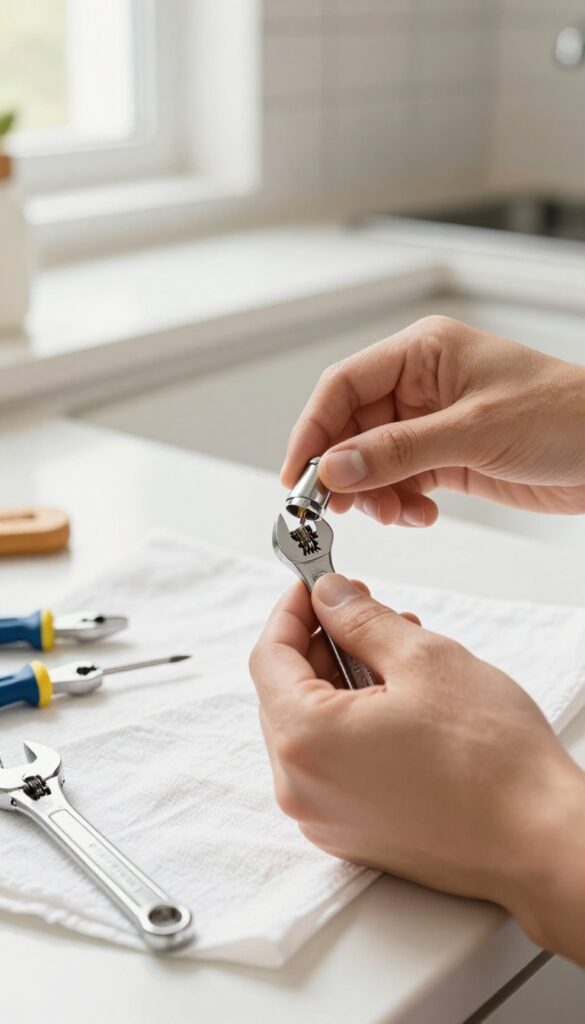
That leaky faucet or loose button might seem like a small thing, but calling a professional for every little fix adds up fast. Learning a handful of basic repair skills can save you hundreds of dollars a year in service calls and replacements. Plus, there's a real satisfaction in fixing something yourself.
Start with the most common household issues—things like unclogging a drain, patching a small hole in drywall, or replacing a worn-out washer. YouTube tutorials and online guides make it easy to learn step by step. You don't need to be a handyman; just a willingness to try.
Start Small And Build Confidence
Begin with simple tasks like sewing on a button, hemming pants, or tightening a loose cabinet hinge. These require minimal tools and almost no experience. Once you succeed, you'll feel more comfortable tackling slightly bigger projects.
Invest In A Basic Toolkit
A good starter toolkit doesn't have to be expensive. A hammer, screwdrivers, pliers, a tape measure, and an adjustable wrench cover most basic repairs. Add a sewing kit for fabric fixes.
The upfront cost pays for itself after just one or two DIY jobs.
Know When To Call A Pro
DIY doesn't mean doing everything yourself. For complex electrical, plumbing, or structural work, it's smarter and safer to hire a licensed professional. The goal is to handle the simple stuff so you only pay for the big, risky repairs.
14. Use a Library Card
Your local library is one of the best free resources around. For the cost of a quick sign-up, you get access to a world of entertainment and information. It's a simple habit that can save you hundreds each year.
Free Entertainment Galore
Libraries aren't just about books anymore. Most offer DVDs, Blu-rays, video games, music CDs, and even audiobooks. You can borrow the latest movies and albums without spending a dime.
Streaming services are great, but library loans are free.
Digital Resources At Your Fingertips
Many libraries provide free access to digital platforms like Libby, Hoopla, and Kanopy. You can download ebooks, audiobooks, comics, and stream movies and TV shows directly to your device. It's like having a free Netflix and Kindle combined.
More Than Media
Libraries often host free workshops, classes, and events. From resume help to children's storytime, there's something for everyone. Some even lend out tools, seeds, or museum passes.
Check your library's calendar for hidden perks.
15. Plan Your Errands to Save Gas
Gas prices can eat up a big chunk of your monthly budget, but a little planning goes a long way. Instead of making separate trips throughout the week, try grouping your errands into one efficient outing. You'll save both time and money.
Combine Multiple Stops
Make a list of everything you need to do in a week—groceries, pharmacy, post office, hardware store—and see which ones are near each other. Plan one route that hits them all in a logical order. This cuts down on backtracking and reduces total miles driven.
Use Route-planning Apps
Apps like Google Maps or Waze can help you find the most fuel-efficient route. They account for traffic, road conditions, and distance. Some even let you add multiple stops so you can optimize your trip before you leave the house.
Shop Less Often
If you normally go to the grocery store every other day, try stretching it to once a week. Stock up on essentials so you don't need to run out for one or two items. Fewer trips mean fewer gallons of gas used each month.
16. Grow Your Own Herbs and Vegetables
Fresh herbs and vegetables can be surprisingly expensive, especially if you only need a small amount for a recipe. Growing your own is a simple way to slash that cost while enjoying the freshest possible flavors. You don't need a big backyard or a green thumb—just a sunny windowsill or a small balcony will do.
Even a single pot of basil or a few tomato plants can save you money every month. Packaged herbs at the store can cost $2–$4 each, and they often wilt before you use them all. With your own plants, you pick exactly what you need, when you need it.
Plus, homegrown produce tastes better and has no packaging waste.
Start With Easy Winners
Begin with herbs that are hard to kill and expensive to buy: basil, mint, chives, and parsley. They grow quickly in small pots and don't need much attention. For vegetables, try cherry tomatoes, lettuce, or green onions.
These are forgiving and give you a steady harvest with minimal effort.
Use Small Spaces Creatively
A sunny windowsill, a balcony railing, or even a vertical wall planter can be your garden. Use recycled containers like yogurt cups or tin cans with drainage holes. Herbs like rosemary and thyme are compact and thrive in small pots.
Every bit of space counts when you're saving money.
Save More By Regrowing Scraps
Don't throw away the root ends of green onions, lettuce, or celery. Place them in a shallow dish of water and watch them regrow. You can also propagate basil or mint from cuttings.
This is essentially free food—just a little water and patience.
17. Make Your Own Cleaning Products
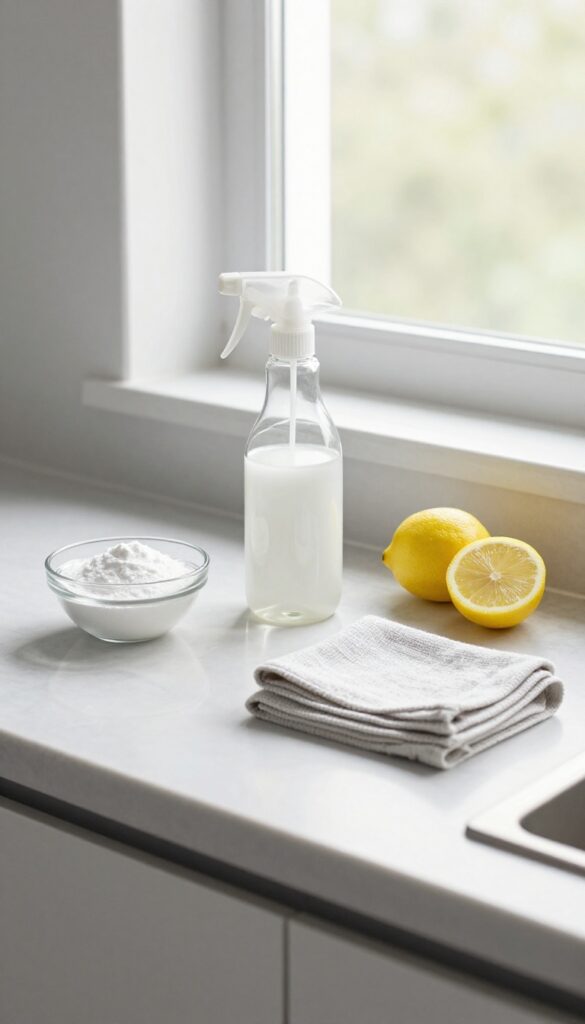
Store-bought cleaners are expensive and often packed with chemicals you don't need. A few simple ingredients can tackle almost any mess in your home for pennies. Plus, you'll know exactly what's in the bottle.
The All-purpose Cleaner
Mix equal parts white vinegar and water in a spray bottle. Add a few drops of lemon essential oil for a fresh scent. This works on countertops, windows, and most surfaces.
Just avoid using it on natural stone.
Scrubbing Power
For tough grime, make a paste of baking soda and a little water. Apply it to sinks, tubs, or stovetops, let it sit for a few minutes, then scrub. It's gentle enough for daily use but tough on stains.
Glass And Mirror Shine
Skip the expensive glass cleaners. Use a mix of 1 cup rubbing alcohol, 1 cup water, and 1 tablespoon vinegar. Spray on and wipe with a microfiber cloth for a streak-free shine.
18. Use a Programmable Thermostat
Heating and cooling make up nearly half of your home's energy bill. That's a lot of money going toward keeping your house comfortable when you're not even there to enjoy it. A programmable thermostat takes the guesswork out of saving energy by automatically adjusting the temperature based on your schedule.
You don't need to freeze or sweat to save money. Just program the thermostat to lower the heat or raise the AC when you're asleep or away. Even a few degrees can cut your bill by 10% or more per year.
Modern smart thermostats learn your habits and let you control everything from your phone, making it even easier to save without thinking about it.
How Much Can You Save?
According to the Department of Energy, turning your thermostat back 7–10°F for 8 hours a day can save you up to 10% annually on heating and cooling. That's roughly $180 per year for the average home. The savings add up quickly, especially in extreme seasons.
Simple Programming Tips
Set it and forget it. For winter, program 68°F when you're awake and 60°F when you're asleep or away. For summer, aim for 78°F when you're home and 85°F when you're out.
These settings keep you comfortable while cutting waste. If you have a smart thermostat, use geofencing so it adjusts automatically when you leave or come back.
Installation Is Easier Than You Think
Most programmable thermostats are DIY-friendly and cost between $25 and $100. Basic models take less than 30 minutes to install with just a screwdriver. If you're not handy, many utility companies offer rebates or even free installation as part of energy-saving programs.
19. Cut Your Own Hair or Learn Simple Trims
Haircuts are one of those recurring expenses that sneak up on you. A $40 trim every six weeks adds up to over $300 a year—more if you add styling or color. Learning to cut your own hair or handle simple trims for your family can put that money back in your pocket.
It's easier than you think, and the savings are immediate.
Start with the basics: a good pair of hair shears, sectioning clips, and a spray bottle. Watch a few YouTube tutorials for your hair type—curly, straight, fine, or thick. Practice on damp hair and take it slow.
You don't need a perfect salon cut; a neat trim that removes split ends is enough to keep your hair healthy. For family members, start with simple tasks like trimming bangs or cleaning up the neckline. Over time, you'll gain confidence and save hundreds each year.
Get The Right Tools
Invest in actual hair-cutting shears—regular scissors will damage your hair. A pair of quality shears costs $15–$30, which is less than one salon visit. You'll also need a fine-tooth comb, sectioning clips, and a handheld mirror to see the back.
Start Small And Simple
Don't attempt a full restyle right away. Begin with dusting the ends or trimming bangs. For longer hair, use the ponytail method: pull hair into a low ponytail, slide the elastic down to the desired length, and snip below it.
It's forgiving and gives a straight cut.
Involve The Whole Family
Trimming your partner's or kids' hair can double your savings. Kids' haircuts are often $15–$25 each, and they grow fast. A simple buzz cut for boys or a blunt trim for girls takes minutes.
Watch a tutorial together and make it a monthly routine.
Know When To Leave It To The Pros
Some cuts—like layered bobs, pixie cuts, or complex color—are best left to a stylist. But for basic trims and maintenance, DIY is a smart money move. You can stretch salon visits to every 8–12 weeks instead of every 4–6.
20. Barter Services with Friends or Neighbors
You have skills. Your neighbor has skills. Why not trade instead of paying cash?
Bartering is an ancient practice that still works beautifully today. It’s a win-win: you get help with tasks you dread, and you help someone else without either of you spending money.
Think about what you’re good at. Maybe you can tutor math, fix a leaky faucet, or bake amazing bread. Now think about what you need help with—babysitting, lawn care, or dog walking.
A simple trade can save both parties hundreds of dollars a year.
Start Small
You don’t need a formal contract. Just ask a friend or neighbor if they’d like to swap a skill. For example, offer to mow their lawn in exchange for them watching your kids for a few hours.
Keep it simple and fair.
Keep It Balanced
To avoid awkwardness, agree on the value upfront. One hour of tutoring might equal one hour of babysitting. Use a simple tracking system like a shared note or a free app.
This keeps things transparent and prevents resentment.
Expand Your Network
Once you’ve tried bartering with one person, consider starting a small group. A neighborhood swap group on social media can connect you with more people. You’ll be surprised how many skills are hiding right next door.
21. Review Your Insurance Policies Annually

Insurance is one of those bills you set and forget. But rates change, your situation changes, and new competitors enter the market all the time. Spending an hour once a year to compare policies could save you hundreds of dollars.
Loyalty to your current insurer rarely pays off. Many companies offer better rates to new customers, while quietly raising premiums on existing ones. An annual checkup ensures you're not overpaying for the same coverage.
Gather Your Current Policies
Pull together your auto, home, or renters insurance documents. Note your coverage limits, deductibles, and monthly premiums. Having this info handy makes comparison shopping much faster.
Shop Around For Quotes
Get at least three quotes from different insurers. Use online comparison tools or call independent agents who can check multiple companies at once. Be sure to compare apples to apples—same coverage levels and deductibles.
Ask About Discounts
Many insurers offer discounts you might not know about: bundling policies, good driving records, home security systems, or paying annually instead of monthly. Ask each company what discounts apply to you.
Adjust Your Coverage
If your car is older, consider dropping collision and comprehensive coverage. For home insurance, raising your deductible can lower your premium significantly. Just make sure you can afford the deductible if you need to file a claim.
FAQ
How much can I realistically save with these habits?
It varies, but many people save $200–$500 per month by adopting several of these habits. Even small changes add up.
Do I have to do all 21 habits to see results?
No. Start with 2–3 that feel doable. The goal is consistency, not perfection.
Are frugal habits only for people on a tight budget?
Not at all. Anyone can benefit from spending mindfully and reducing waste, regardless of income.
Will these habits make me feel deprived?
Most are about smarter choices, not sacrifice. You'll likely find you don't miss what you cut.
How long before I see savings?
Some habits save immediately (like canceling a subscription), while others take a month or two to show results.
Conclusion
Frugal habits aren't about deprivation—they're about making intentional choices that add up over time. Pick two or three from this list and stick with them for a month.
You'll likely notice the difference in your bank account without feeling like you're missing out. Small changes, repeated consistently, build real financial momentum.
Free PDF Download
Not Sure Which Side Hustle Fits You Best?
Take the free Side Hustle Matchmaker Quiz and get a simple 7-day starter plan to help you choose a beginner-friendly idea based on your time, skills, comfort level, and goals.
You’ll get this free PDF plus access to the full Marketerna Save More & Earn More PDF Kit. No spam. Unsubscribe anytime.