17 Budgeting Tips for Moms Managing a Busy Household
Last updated on May 5th, 2026 at 03:41 pm
You've got a full schedule, a family to feed, and a budget that needs to stretch further. Between school runs, grocery trips, and endless to-do lists, finding time to manage money can feel impossible. But small, smart changes can make a big difference without adding stress.
These 17 budgeting tips are designed for real life. They're practical, easy to start, and tailored to the chaos of a busy household. No guilt trips or complicated spreadsheets—just simple ways to keep more cash in your pocket.
Pick one or two to try this week. You don't have to do everything at once. Even small steps can lead to big savings over time.

Free PDF Download
Get the Free Budget Binder Starter Pack
Download simple printable budget sheets to plan your monthly money, track expenses, organize bills, and start building better money habits without feeling overwhelmed.
You’ll get this free PDF plus access to the full Marketerna Save More & Earn More PDF Kit. No spam. Unsubscribe anytime.
1. Track Your Spending for Just One Week

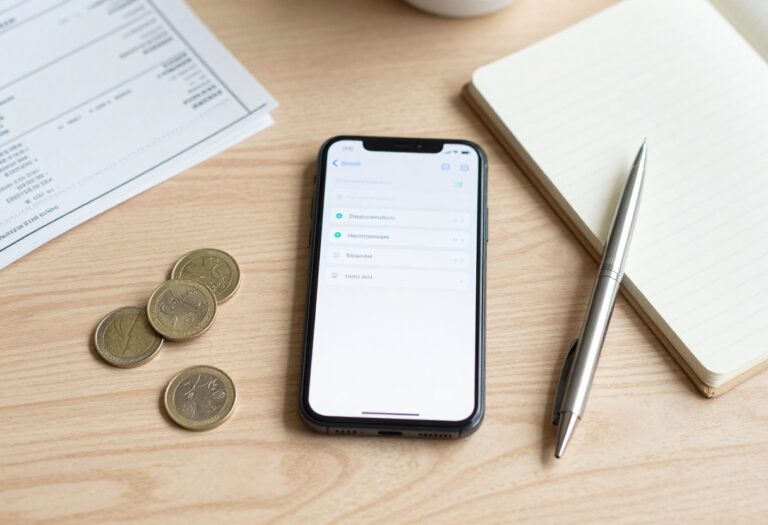
You can't fix what you don't see. That's why the first step to saving money is simply watching where it goes. For one week, write down every single purchase—the morning coffee, the kid's after-school snack, the last-minute Amazon buy.
It's not about judgment; it's about awareness. You might be surprised at the small leaks adding up.
Grab A Notebook Or Use An App
Pick whatever feels easiest. A small notebook in your purse works great, or use a free app like Mint or EveryDollar. The key is to record every expense right when it happens.
Don't rely on memory—it's too easy to forget that $4 latte.
Don't Change Anything Yet
This week is just for observation. Keep spending exactly as you normally do. The goal is to see your real habits, not a perfect version.
You'll spot patterns like buying lunch out every Tuesday or grabbing a soda at the gas station.
Look For The Easy Wins
After seven days, review your list. Highlight anything that was an impulse or a convenience buy. These are your quickest savings opportunities.
Even cutting out one small habit can free up $20 or more a week.
2. Create a Simple Envelope System for Variable Expenses
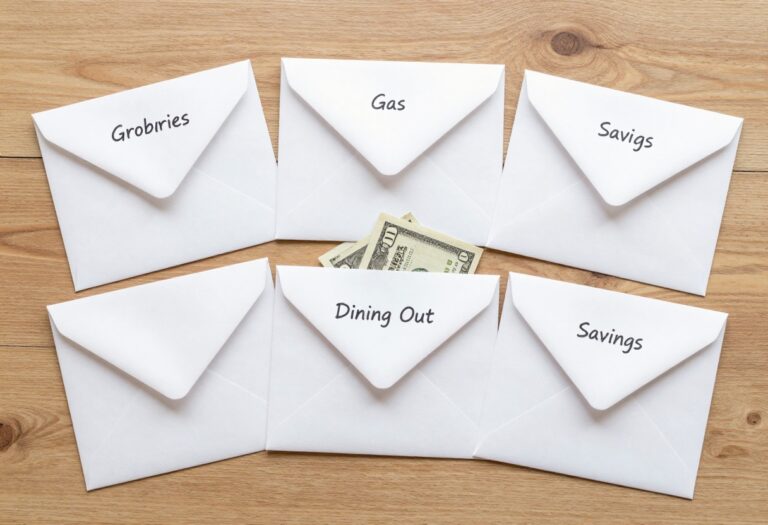
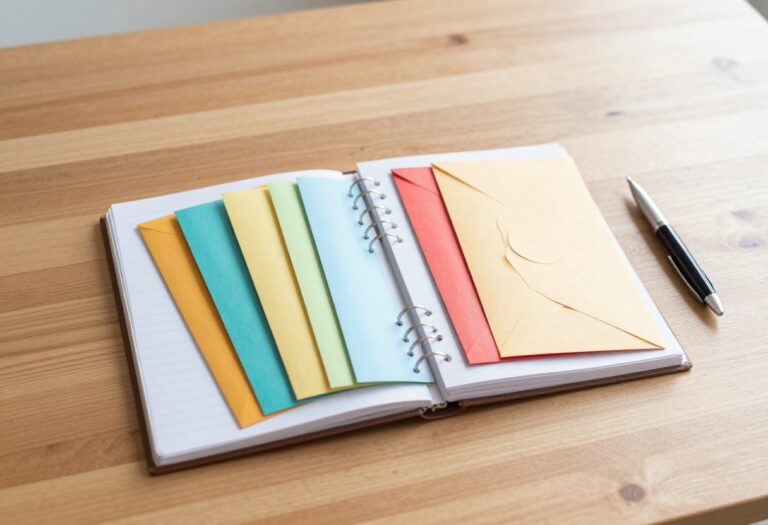
Variable expenses like groceries, gas, and entertainment can be tricky because they change every month. The envelope system gives you a clear, visual limit without needing an app or spreadsheet. You decide how much to spend, pull out cash, and once it's gone, it's gone.
This old-school method works because it forces you to see your money leave your hands. It's especially helpful for categories where overspending is easy. Start with just one or two envelopes, like groceries and dining out, and adjust as you go.
Pick Your Categories
Choose 2-4 variable expenses that tend to blow your budget. Common ones are groceries, gas, eating out, and fun money. Write the category name on each envelope and decide a realistic monthly amount based on past spending.
Withdraw And Divide
At the start of the month (or pay period), withdraw the total cash for those categories. Split it into the envelopes. Keep the cash in a safe spot, like a wallet divider or a small box, so you're not tempted to borrow from another envelope.
Spend Until Empty
Use cash from the envelope for every purchase in that category. When the envelope is empty, you stop spending on that thing until the next month. If you have money left over, roll it into next month or treat yourself—your choice.
Free PDF Download
Get the Free Budget Binder Starter Pack
Download simple printable budget sheets to plan your monthly money, track expenses, organize bills, and start building better money habits without feeling overwhelmed.
You’ll get this free PDF plus access to the full Marketerna Save More & Earn More PDF Kit. No spam. Unsubscribe anytime.
3. Plan Your Meals Around What's on Sale
Grocery shopping can feel like a guessing game, but it doesn't have to be. One of the easiest ways to save without coupon clipping is to let the sales flyer guide your menu. When you plan meals around discounted items, you're working with the store instead of against it.
This approach takes just a few minutes each week and can cut your grocery bill by 20% or more. Plus, it reduces the mental load of deciding what's for dinner every night.
Instead of deciding what you want to eat and then hunting for deals, flip the process. Start by checking your local store's weekly ad or a grocery app like Flipp. Look for markdowns on meat, fish, and produce—those are usually the biggest savings.
Then build your meal plan around those bargains. For example, if chicken thighs are on sale, plan a stir-fry, sheet pan dinner, and tacos using that protein. You'll waste less food and spend less money.
Start With The Sales Flyer
Most grocery stores release their weekly ad on Wednesday or Thursday. Spend 10 minutes scanning it for loss leaders—items priced below cost to get you in the door. Those are your best deals.
Jot down a few key proteins and produce items, then brainstorm meals that use them.
Build A Flexible Meal Plan
You don't need a rigid schedule. Just list 4–5 dinners that use the sale items. Keep it simple: grilled chicken with roasted veggies, beef stir-fry, fish tacos.
Leave one or two nights for leftovers or eating out. This flexibility makes the plan stick even on chaotic days.
Stock Up When Prices Are Low
If something you use often goes on a deep discount, buy extra. Chicken breasts, ground beef, and canned goods freeze well. This way you build a mini pantry of bargains that can carry you through weeks when sales are slim.
Just rotate your stock so nothing goes to waste.
4. Use a Cash-Back App for Everyday Purchases
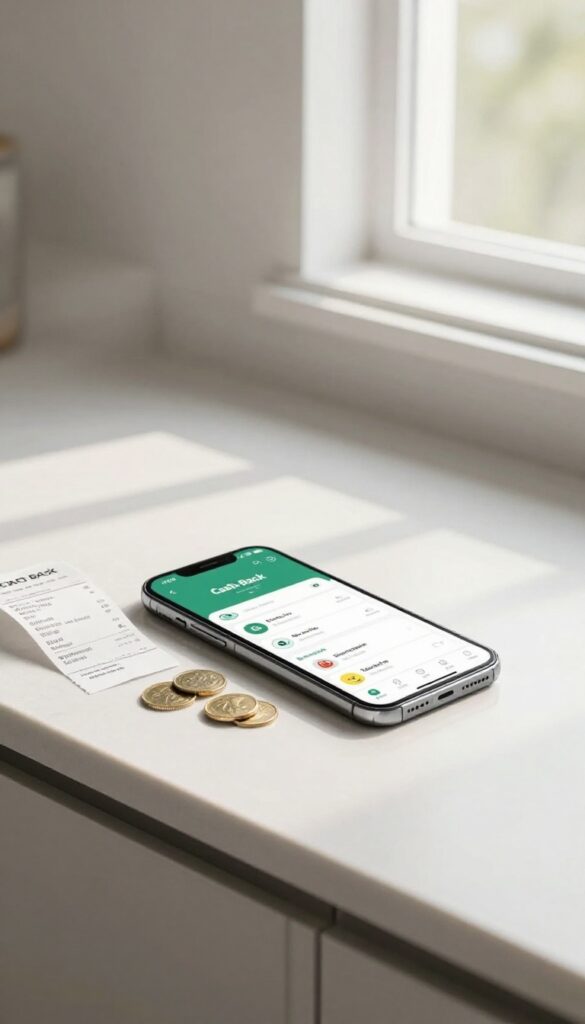
Getting paid for stuff you already buy sounds too good to be true, but cash-back apps make it happen. Apps like Ibotta, Fetch Rewards, and Rakuten give you money back on groceries, household essentials, and even online shopping. All you do is scan your receipt or link your account, and the savings pile up.
Cash-back apps are a simple way to stretch your budget without changing your shopping habits. You earn a little back on items you'd buy anyway, and over time those small amounts add up to real cash or gift cards. It's not a get-rich-quick thing, but it's free money for a few seconds of effort.
Which Apps Work Best?
Ibotta offers cash back on specific grocery items and has a bonus for your first scan. Fetch Rewards lets you scan any receipt—no need to pick items first—and gives points for everything. Rakuten is great for online shopping, with cash back at hundreds of stores.
Stack them: use Ibotta for groceries, then scan the same receipt into Fetch.
Easy Ways To Remember
Keep the app on your phone's home screen. Make it a habit to scan receipts right after you unpack groceries, or set a weekly reminder. Some apps also let you link your store loyalty cards so offers are added automatically.
No extra steps needed.
Turn Points Into Real Savings
Redeem earnings as cash via PayPal or bank transfer, or choose gift cards for places you already shop—like Amazon, Target, or Starbucks. Even a $5 gift card here and there feels like a win. Over a year, that can be $50–$100 back in your pocket.
Free PDF Download
Get the Free Budget Binder Starter Pack
Download simple printable budget sheets to plan your monthly money, track expenses, organize bills, and start building better money habits without feeling overwhelmed.
You’ll get this free PDF plus access to the full Marketerna Save More & Earn More PDF Kit. No spam. Unsubscribe anytime.
5. Automate Your Savings on Payday
Saving money often feels like one more chore you don't have time for. But what if it happened automatically, without you lifting a finger? That's the beauty of automating your savings on payday.
You decide the amount, set it once, and let your bank do the rest. Before you know it, those small transfers add up to real money.
Setting up an automatic transfer from checking to savings on payday removes the temptation to spend that cash first. Even a modest $25 per week becomes $1, 300 in a year—money you barely noticed leaving your account. It's a painless way to build an emergency fund, save for a family vacation, or just have a cushion for unexpected expenses.
Start Small And Increase Later
If $25 feels tight, try $10 or $15. The key is consistency, not the amount. You can always bump it up after a few months or when you get a raise.
Many banks let you set up recurring transfers in the app in under two minutes.
Pick The Right Account
Keep your savings in a separate account—ideally one that's not linked to your debit card. This makes it harder to dip into for everyday purchases. Look for a high-yield savings account to earn a little interest while you save.
Treat It Like A Bill
Think of your automatic savings transfer as a non-negotiable bill, just like rent or utilities. When you prioritize saving first, you learn to live on what's left. It's a mindset shift that pays off big time.
6. Cut One Subscription Service for a Month
Subscription fatigue is real. Between Netflix, Hulu, Disney+, and a dozen others, it's easy to lose track of what you're actually watching. The fix?
Rotate instead of stacking. Keep one service for a month, then switch to another. You'll always have fresh content and save a chunk of change each month.
Pick Your Top Two
List all your streaming subscriptions. Circle the two your family watches most. Cancel the rest.
You can always reactivate later.
Set A Monthly Rotation
Keep Netflix in January, switch to Hulu in February. Use a calendar reminder so you never miss a favorite show. Over a year, you could save hundreds.
Share With Family Or Friends
Splitting a subscription with a sibling or neighbor cuts the cost even more. Just make sure everyone's okay with sharing passwords.
7. Shop Your Pantry Before Going to the Store

Before you grab your keys, take a quick look in your pantry, fridge, and freezer. You might be surprised by what you already have. That half-used bag of rice, a can of tomatoes, or a bag of frozen veggies can become the base of a meal.
Planning around what you own first means you'll buy less and waste less.
This simple habit saves money and time. You won't end up with three jars of the same pasta sauce, and you'll use up ingredients before they expire. Plus, it cuts down on impulse buys because you know exactly what you need.
Take A 5-minute Inventory
Spend just five minutes checking your shelves. Jot down what you have plenty of—like canned beans, pasta, or spices. Then note what's running low, such as cooking oil or butter.
This quick list becomes your shopping guide and prevents buying things you already own.
Build Meals Around What You Have
Got a bag of frozen chicken and some broccoli? That's a stir-fry. Canned tomatoes and a box of pasta?
Instant marinara. Challenge yourself to create at least two dinners a week using only pantry staples. You'll stretch your grocery budget and get creative in the kitchen.
Use A "use It Up" Shelf
Designate a small bin or shelf for items that need to be eaten soon—like that lonely can of corn or the half-empty bag of tortilla chips. Plan meals around those first. This reduces food waste and clears space for new groceries.
8. Use a Budgeting App That Syncs with Your Bank
You don't have time to manually track every coffee or diaper purchase. Let technology do the heavy lifting. Budgeting apps that sync with your bank account automatically categorize your spending, so you can see where your money goes without lifting a finger.
For busy moms, this is a game-changer.
Apps like YNAB (You Need A Budget) and EveryDollar connect directly to your bank and credit cards. Every transaction is pulled in and sorted into categories you set up. You get a real-time view of your budget without any manual entry.
It's like having a personal accountant who never sleeps.
Set It And Forget It
Once you link your accounts and set up categories, the app does the rest. Every time you swipe your card, the transaction appears and gets categorized. You can check your budget in two minutes while waiting for soccer practice to end.
Real-time Alerts
Most apps send notifications when you're close to hitting a category limit. That means no more surprise overspending. You can adjust on the fly, like deciding to skip takeout because your dining-out category is almost maxed out.
Sync With Your Partner
Many budgeting apps allow shared access, so both you and your partner can see the same numbers. No more guessing who spent what. It keeps everyone on the same page and reduces money arguments.
9. Implement a 'No-Spend Weekend' Once a Month
A no-spend weekend is exactly what it sounds like: from Friday evening to Sunday night, you avoid all non-essential purchases. No takeout, no online shopping, no trips to the mall. You still pay for necessary items like gas or medication, but everything else is off-limits.
It’s a simple way to hit pause on your spending and reset your budget.
Pick one weekend each month where you commit to spending zero dollars on extras. Use up what’s in your pantry, plan free activities like a park visit or a board game night, and enjoy a movie marathon at home. You’ll be surprised how much you can save—and how refreshing it feels to take a break from the constant urge to buy.
Plan Ahead For Success
A no-spend weekend works best when you prepare. Stock up on groceries earlier in the week, and line up free activities your family will enjoy. Let everyone know the plan so there are no surprises.
A little forethought makes the weekend feel like a fun challenge, not a punishment.
Make It A Family Game
Turn it into a game by seeing who can come up with the most creative free activity. Kids can help choose meals from what’s already in the fridge or pick a movie for family night. The goal is to have fun without spending, and involving everyone makes it easier to stick to.
Track Your Savings
After the weekend, tally up what you would have spent on coffee, snacks, or impulse buys. Seeing that number can be motivating. Over a year, just one no-spend weekend per month could save you hundreds of dollars—money you can put toward a family goal or a little treat later.
10. Buy in Bulk for Non-Perishables and Freezer Staples
Stocking up on essentials when prices are low can feel like a small win, but it adds up fast. Think toilet paper, diapers, laundry detergent, and frozen chicken breasts. Warehouse clubs or bulk bins often cut costs by 20–30% compared to regular grocery runs.
The key is knowing what to buy in bulk and what to skip. Focus on items you use consistently and that won't spoil quickly. That way, you're not wasting money on something that expires before you can use it.
What To Stock Up On
Non-perishables like rice, pasta, canned goods, and paper products are perfect for bulk buying. Freezer staples such as chicken, ground beef, vegetables, and bread also freeze well and can save you multiple trips to the store.
Warehouse Clubs Vs. Bulk Bins
Warehouse clubs like Costco or Sam's Club offer great deals on large quantities, but a membership fee applies. If you don't want a membership, look for bulk bins at grocery stores for grains, nuts, and dried fruit—you only pay for what you need.
Watch For Sales And Coupons
Combine bulk buying with sales and coupons for even bigger savings. Stock up when your favorite items hit rock-bottom prices. Just check expiration dates and make sure you have storage space before you load up.
11. Negotiate Your Bills Annually

When was the last time you looked at your internet, insurance, or phone bill? If it's been more than a year, you're likely overpaying. Providers regularly raise rates for existing customers, but they'll often lower them if you ask.
A single phone call can free up cash without changing your service.
Take an hour once a year to review your recurring bills. Call each provider and ask for a better rate. Mention competitor offers if you have them.
Many companies have retention teams with authority to lower prices. Even a 10% discount on one bill adds up over the year.
How To Prepare For The Call
Before you call, check your current bill and any competitor deals. Write down what you want to ask for—like a lower rate or a loyalty discount. Keep the conversation friendly but firm.
You're not demanding; you're asking for fair treatment as a long-term customer.
Which Bills To Target First
Start with the biggest expenses: internet, cable, phone, and insurance. These often have the most wiggle room. Car and home insurance can sometimes be lowered by bundling or adjusting deductibles.
Cell phone plans may have hidden discounts for autopay or paperless billing.
What If They Say No?
If a provider refuses to budge, consider switching. Many companies offer new-customer deals that beat your current rate. Just make sure the switch doesn't come with hidden fees or contract penalties.
Sometimes threatening to leave is enough to get a call back from a retention specialist.
12. Start a Side Hustle That Fits Your Schedule
A little extra income can go a long way in easing budget pressure. The trick is finding something that works around your existing routine, not adds to the chaos. Many moms are turning their skills into cash without sacrificing family time.
Even five hours a week can bring in $200–$500 a month. That's enough to cover a grocery run or a utility bill. The key is choosing a flexible gig that bends around nap times, school drop-offs, and late-night feedings.
Identify Your Marketable Skills
Think about what you already do well. Writing, tutoring, crafting, bookkeeping, or even organizing closets can become a side hustle. If you enjoy meal planning, offer to create weekly menus for other busy parents.
The best gigs use talents you already have.
Pick Platforms That Offer Flexibility
Websites like Upwork, Fiverr, and Etsy let you set your own hours. For tutoring, try Wyzant or VIPKid. If you prefer selling physical items, Facebook Marketplace and local buy-sell groups work well.
Avoid anything with fixed shifts or minimum hours.
Set Realistic Income Goals
Start small. Aim for $50–$100 a week, then scale up if you have time. Track your earnings and hours to see what's worth continuing.
Remember, the goal is extra income without burning out. If a hustle feels like a second job, it's time to pivot.
13. Use the '30-Day Rule' for Non-Essential Purchases
Impulse buys are budget killers. That cute dress or new gadget feels essential in the moment, but the urge often fades fast. The 30-Day Rule gives you a cooling-off period to decide if you really need it.
Whenever you're tempted to buy something that isn't a necessity, write it down and wait 30 days. If you still want it after a month, go ahead and purchase. Most of the time, you'll forget about it or realize you don't need it.
This simple habit stops emotional spending and keeps your budget on track.
How To Start
Keep a note on your phone or a small notebook. When you see something you want, jot it down with the date and price. Set a reminder 30 days later.
When the reminder pops up, ask yourself: Do I still want this? Would I rather have the cash?
Why It Works
The rule tackles the psychology of impulse spending. The initial excitement fades, and you gain perspective. Many times, you'll find the item wasn't as important as it seemed.
Plus, waiting gives you time to research and find better deals.
Exceptions To Consider
This rule is for non-essentials only. Groceries, gas, and household necessities don't count. Also, if it's a limited-time sale or a rare find, you might need to decide faster.
But for most wants, 30 days is plenty.
14. Cook Once, Eat Twice (or More)
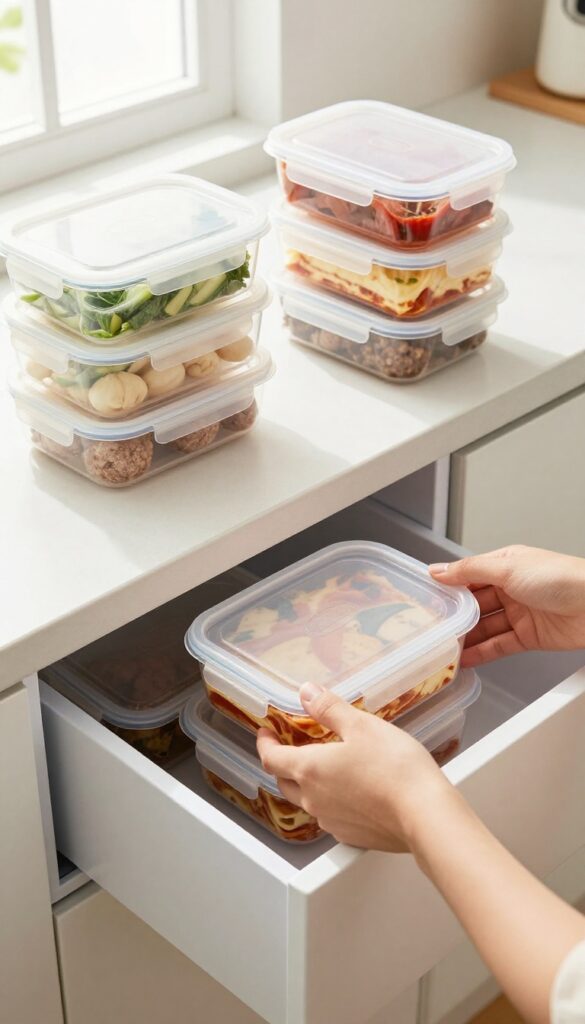
Double your dinner recipes and freeze half for busy nights. You'll save time and avoid ordering takeout when you're tired. It's like having a homemade frozen meal stash ready to go.
This strategy works best with soups, casseroles, pasta sauces, and stews. Just make a bigger batch, portion it out, and freeze. On hectic evenings, pull one out, reheat, and dinner is done.
Choose Freezer-friendly Recipes
Not all dishes freeze well. Stick to meals that hold their texture, like chili, lasagna, or meatballs. Avoid creamy sauces or crunchy toppings that get soggy.
Label And Rotate
Write the date and dish name on each container. Keep a list on your fridge so you know what's available. Use the oldest meals first to prevent freezer burn.
Stock Up On Containers
Invest in a set of reusable, microwave-safe containers in various sizes. They stack neatly and make it easy to grab single portions or family-sized meals.
15. Involve the Kids in Budgeting
Teaching kids about money doesn't have to be a formal lesson. When you bring them into your everyday budgeting tasks, they pick up valuable skills without even realizing it. Plus, you get an extra set of hands—or at least some enthusiastic help.
Start small by giving older children a budget for a family outing, like a trip to the movies or a pizza night. Let them decide how to spend it, and talk through the choices together. Younger kids can help clip coupons or sort coins.
It turns a chore into a game and builds money awareness early.
Make It A Game
Turn coupon cutting into a race or a scavenger hunt. Kids love competition, so see who can find the best deal in the weekly flyers. You'll save money and keep them entertained.
Set A Family Challenge
Challenge your kids to find ways to save money at home, like turning off lights or using less water. Offer a small reward for the best idea. It teaches resourcefulness and teamwork.
Let Them Own A Small Budget
Give each child a small weekly allowance for a specific category, like snacks or entertainment. Let them decide how to use it, and discuss what happens when it runs out. Real-life practice beats any textbook.
16. Review Your Insurance Policies for Overlaps
Insurance is one of those things you set up and then forget about. But when was the last time you actually looked at what your policies cover? You might be paying for coverage you already have elsewhere, or missing discounts that could lower your premiums.
A quick review can uncover some easy savings.
Start by gathering all your insurance documents—auto, home, renters, health, and any other policies. Look for duplicate coverage, like roadside assistance on both your car insurance and your credit card. Then check if bundling your home and auto with the same company gets you a discount.
Many insurers offer multi-policy discounts that can cut 10–25% off your total bill.
Check For Duplicate Coverage
You might have travel insurance through your credit card, extended warranties on appliances, or even health insurance that covers things you're paying separately for. Make a list of what each policy covers and see where they overlap. Dropping redundant coverage can save you hundreds a year without losing protection.
Bundle And Save
Call your insurance providers and ask about bundling. Combining auto and home insurance often brings a discount. Some companies even offer loyalty discounts for having multiple policies.
It's a simple phone call that can lower your monthly bills.
Raise Your Deductibles
If you have a healthy emergency fund, consider raising your deductibles on auto and home insurance. A higher deductible usually means a lower premium. Just make sure you can cover the deductible if something happens.
This one move can save you 15–30% on premiums.
17. Celebrate Small Wins Without Spending

Hitting a savings goal is a big deal, even if it's just $50 tucked away. You deserve a reward, but that doesn't mean you need to spend money to celebrate. Free treats can be just as satisfying and keep your momentum going without sabotaging your budget.
When you reach a milestone—like skipping takeout for a week or sticking to your grocery list—acknowledge it. A little positive reinforcement helps you stay motivated for the next goal. The key is to choose rewards that cost nothing but feel special.
Plan A Picnic At The Park
Pack a simple lunch from what's already in your fridge, grab a blanket, and head to a nearby park. Fresh air and a change of scenery feel like a mini vacation. Let the kids run around while you relax—it's a win for everyone.
Indulge In A Bubble Bath At Home
After the kids are in bed, draw a warm bath, light a candle you already have, and soak for 20 minutes. No fancy bath bombs needed. This quiet time can feel luxurious without costing a dime.
Host A Family Movie Night
Pick a movie you already own or stream one you've been meaning to watch. Make popcorn from scratch and snuggle up on the couch. The togetherness is the real reward, and it costs nothing extra.
FAQ
How much money can I realistically save with these tips?
It varies, but many moms save $200–$500 per month by implementing just a few of these strategies. Start with the ones that fit your lifestyle best.
What's the easiest tip to start with?
Tracking your spending for one week is the simplest and most eye-opening. You'll immediately see where your money goes and where to cut back.
Do I need to use a budgeting app?
No, but apps can make it easier. If you prefer pen and paper, the envelope system works great. Choose the method that feels least like a chore.
How do I get my partner on board with budgeting?
Start with a calm conversation about shared goals, like a family vacation or paying off debt. Show them how small changes can make a big difference without sacrificing fun.
What if I have irregular income?
Focus on saving during high-income months and use a baseline budget for essentials. The envelope system and automating savings can help smooth out the ups and downs.
Conclusion
Budgeting doesn't have to be a rigid, joyless process. These tips are meant to fit into your real life—not add more stress. Pick one or two that resonate with you and give them a try.
You're already doing an amazing job managing your household. With a few small tweaks, you can make your money work harder for your family. Start today, and watch your savings grow one step at a time.
Free PDF Download
Get the Free Budget Binder Starter Pack
Download simple printable budget sheets to plan your monthly money, track expenses, organize bills, and start building better money habits without feeling overwhelmed.
You’ll get this free PDF plus access to the full Marketerna Save More & Earn More PDF Kit. No spam. Unsubscribe anytime.