
17 Budget Routine Ideas for Saving More Every Month
Last updated on May 5th, 2026 at 03:43 pm
Saving more doesn't have to mean overhauling your entire lifestyle. Small, consistent habits—like automating transfers or skipping one takeout meal a week—can quietly add up to hundreds saved each month. The key is finding routines that fit your actual day-to-day, not forcing a system that feels like punishment.
These 17 budget ideas are designed to be practical and low-effort. No guilt trips, no complicated spreadsheets.
Just simple tweaks you can start today, like using cash for fun spending or reviewing your subscriptions while you wait for coffee. Pick one or two that resonate, test them for a week, and watch your savings grow without the struggle.

Free PDF Download
Get the Free Budget Binder Starter Pack
Download simple printable budget sheets to plan your monthly money, track expenses, organize bills, and start building better money habits without feeling overwhelmed.
You’ll get this free PDF plus access to the full Marketerna Save More & Earn More PDF Kit. No spam. Unsubscribe anytime.
1. Automate Your Savings First
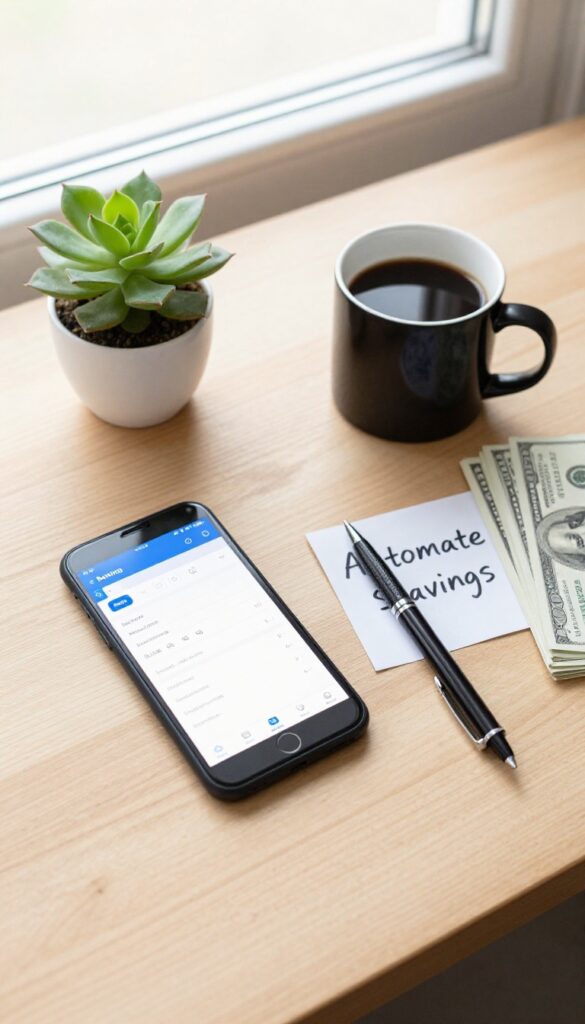
The simplest way to save more is to make it happen without thinking. When you automate a transfer from checking to savings on payday, you never miss the money because you never see it in your spending account. This 'pay yourself first' approach flips the script: instead of saving what's left after expenses, you save first and live on what remains.
Automation removes willpower from the equation. You don't have to remember to transfer money or resist the temptation to spend it. Just set it once and let the system work for you month after month.
Start Small, Then Increase
If you're new to automating, begin with a modest amount—maybe $25 or $50 per paycheck. After a few months, bump it up by $10 or $20. Small increments feel painless but add up fast.
Use A Separate Account
Open a high-yield savings account at a different bank than your checking. That way, your savings aren't visible in your main banking app, reducing the urge to dip into them.
Time It Right
Schedule the transfer for the same day as your direct deposit. Some banks let you split your paycheck automatically—even easier. If your employer offers direct deposit allocation, send a portion straight to savings.
2. Use the 24-Hour Rule for Non-Essentials
Impulse purchases are savings killers. That flash sale email or cute gadget in the checkout line can easily derail your budget. The 24-Hour Rule is a simple way to fight back: whenever you want to buy something that isn't a necessity, force yourself to wait a full day before making the purchase.
This cooling-off period helps separate genuine wants from fleeting desires. More often than not, you'll wake up the next day feeling less excited about that item—and happier about the money still in your account. It's a low-effort habit that can save you hundreds each month without feeling deprived.
How To Start The 24-hour Rule
When you spot a non-essential item you're tempted to buy, add it to a wishlist or note on your phone. Set a reminder for 24 hours later. During that time, ask yourself: Do I already have something similar?
Will I use this regularly? Is it worth the trade-off for my savings goal? After the wait, if you still want it and it fits your budget, go ahead—but you'll likely find many items lose their appeal.
When To Make Exceptions
The rule applies to non-essentials, so groceries, gas, and bills are exempt. Also, if you've planned for a purchase (like a new winter coat you've researched for weeks), no need to wait. The goal is to curb impulse buys, not to overthink every dollar.
Use common sense: if it's a genuine need or a planned expense, skip the wait.
Why It Works
The 24-hour delay breaks the dopamine loop of instant gratification. It gives your rational brain time to catch up with your emotional impulses. Over time, this habit rewires your spending patterns, making you more mindful about where your money goes.
Plus, it's free, easy, and requires no willpower after the first few tries.
Free PDF Download
Get the Free Budget Binder Starter Pack
Download simple printable budget sheets to plan your monthly money, track expenses, organize bills, and start building better money habits without feeling overwhelmed.
You’ll get this free PDF plus access to the full Marketerna Save More & Earn More PDF Kit. No spam. Unsubscribe anytime.
3. Track Every Dollar for One Week
You don't need a full-blown budget to start saving. Sometimes all it takes is a little awareness. Try logging every single expense for just seven days—coffees, subscriptions, that random app purchase.
You'll quickly see where your money actually goes, and that visibility alone can curb mindless spending.
Grab a notebook or open a notes app. For one week, write down every purchase, no matter how small. At the end of the week, review your list.
You'll likely spot a few surprises—like daily snacks adding up to a dinner out. This simple habit shifts your mindset from autopilot to intentional spending.
How To Start Tracking
Keep it simple. Use a small notebook you carry everywhere, or a free app like Google Keep. Jot down the amount and what you bought right after you pay.
Don't judge yourself—just record. The goal is data, not guilt.
What To Look For
After seven days, scan for patterns. Maybe you're buying lunch out three times a week, or paying for a streaming service you barely use. These are your spending leaks.
Once you see them, you can decide which ones to plug.
Turn Awareness Into Action
Pick one or two leaks to address. For example, if you spent $20 on vending machine snacks, try bringing a snack from home. Small changes based on real data stick better than random cuts.
That week of tracking can reshape your spending habits for good.
4. Plan Your Meals Around Grocery Sales

Grocery bills are one of the biggest monthly expenses, but they're also one of the easiest to trim without feeling deprived. The trick? Let the weekly sales flyer be your menu planner.
Instead of deciding what you want to eat and then hunting for deals, flip the process: see what's on sale, then build your meals around those ingredients.
This approach cuts down on impulse buys and food waste because you're only buying what you'll actually use that week. Plus, sale items are often staples like chicken, vegetables, or pasta—so you can create endless combinations without getting bored. Over a month, this simple shift can slash your grocery total by 20% or more.
Start With The Ads
Spend 10 minutes on Sunday scanning your local store's weekly ad online or in the paper. Note the best deals on proteins, produce, and pantry items. Then brainstorm 3–4 dinners and a few lunches using those ingredients as the base.
Stock Up On Loss Leaders
Stores often sell certain items at a loss to get you in the door—things like milk, eggs, or canned tomatoes. When these rock-bottom prices pop up, buy enough to last until the next sale cycle. Just make sure you have storage space and will actually use them.
Use A Flexible Template
Create a loose weekly meal template—like Monday pasta, Tuesday stir-fry, Wednesday soup—and swap in whatever ingredients are on sale. This gives you structure without rigidity, so you're always cooking with what's cheapest.
Free PDF Download
Get the Free Budget Binder Starter Pack
Download simple printable budget sheets to plan your monthly money, track expenses, organize bills, and start building better money habits without feeling overwhelmed.
You’ll get this free PDF plus access to the full Marketerna Save More & Earn More PDF Kit. No spam. Unsubscribe anytime.
5. Unsubscribe from Retail Emails
Retailers spend millions perfecting the art of the tempting offer. Those "flash sale" and "exclusive 20% off" emails are designed to trigger impulse buys. The easiest win?
Cut off the temptation at the source. Unsubscribing takes two minutes and removes the constant nudge to spend.
Every promotional email you see is a tiny invitation to shop. When you're bored, stressed, or just scrolling, one click can undo a week of frugal habits. By removing these digital triggers, you reduce the number of decisions you have to make—and each decision you avoid is money saved.
The One-tap Cleanup
Most email clients have an "unsubscribe" link at the top of promotional emails. Use it. Spend 10 minutes going through your inbox and unsubscribing from every store you don't genuinely need.
If you haven't bought from them in six months, they're just noise.
Use A Filter Or Separate Email
If you're not ready to fully cut ties, set up a filter that sends all retail emails to a folder you check once a week. Or create a separate email address just for shopping. That way, your main inbox stays clean and you only see deals when you're actively looking.
The 24-hour Rule For Remaining Emails
For the few stores you truly love, apply a 24-hour waiting rule. When you see a sale email, don't open it immediately. Wait a day.
Most impulse urges fade within hours, and you'll likely realize you don't need whatever's on sale.
6. Implement a 'No-Spend Day' Each Week
Designating one day a week where you spend absolutely nothing might sound simple, but it's surprisingly powerful. It forces you to plan ahead, resist impulse buys, and get creative with what you already have. Over a month, that's four days of zero spending—which can add up to significant savings without feeling deprived.
A no-spend day isn't about deprivation; it's about building awareness. You'll start noticing how often you reach for your wallet out of habit—like grabbing a coffee or ordering takeout when you're tired. By committing to just 24 hours, you train your brain to pause and ask, "Do I really need this?
" That mindfulness carries over into the rest of your week.
Pick Your Day Strategically
Choose a day that naturally lends itself to low spending. Maybe it's a weekday when you're busy at work, or a Sunday when you can cook at home and relax. Avoid scheduling it on a day when you know you'll be out with friends or running errands that tempt you to buy.
Plan Ahead To Avoid Pitfalls
The night before, prep meals, fill your water bottle, and charge your devices. If you usually buy lunch, pack one. If you tend to grab a snack on the go, bring something from home.
A little planning removes the excuses and makes the day feel easy.
Track Your Wins
At the end of each no-spend day, jot down how much you saved. Seeing the numbers add up is motivating. You might even challenge yourself to two days a week after a few weeks.
Small victories build momentum.
7. Review Subscriptions Monthly
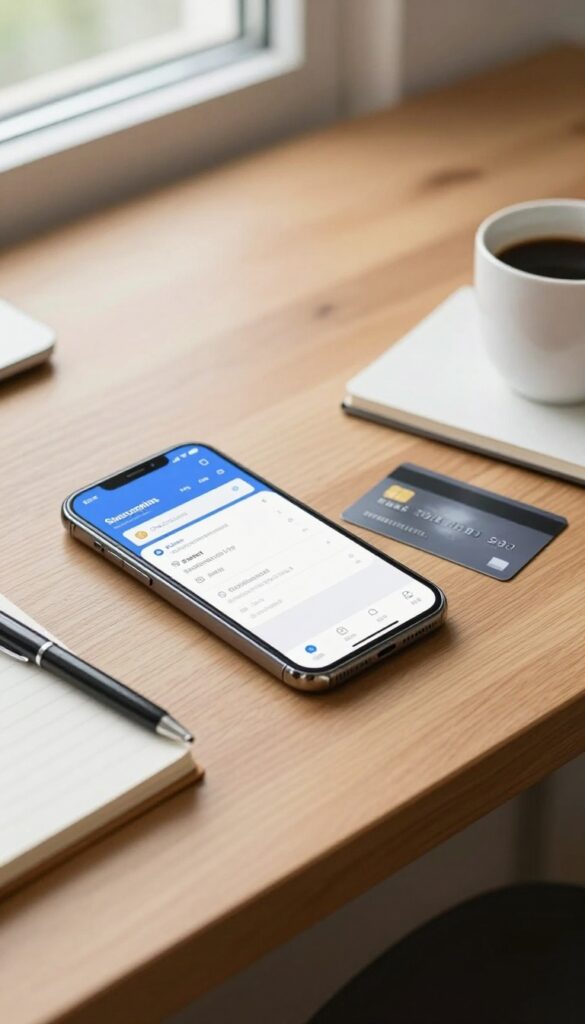
Streaming services, apps, gym memberships, and software subscriptions can quietly drain your budget month after month. It's easy to sign up for a free trial and forget to cancel, or keep a service you barely use because canceling feels like a chore. Setting aside 10 minutes each month to review your subscriptions can reveal hundreds of dollars in potential savings.
Make it a habit to scan your bank or credit card statements for recurring charges. Look for anything you no longer need or use regularly. Cancel those first.
Then consider downgrading plans you do use—like switching from a premium to a basic tier. Finally, set a calendar reminder to do this review again next month.
Spot The Sneaky Charges
Go through your last two months of statements. Highlight every recurring payment, even small ones. You might be surprised by forgotten subscriptions—like an old app subscription or a streaming service you only used for one show.
Cancel Or Downgrade
For each subscription, ask: Do I use this at least once a week? If not, cancel it. For services you keep, check if there's a cheaper plan.
Many streaming services offer ad-supported tiers that save you $5–$10 a month.
Set A Monthly Reminder
Put a recurring 10-minute appointment on your calendar for the first of each month. Use that time to quickly scan for new charges and repeat the process. Consistency is key to keeping those savings.
8. Use Cash for Discretionary Categories
Plastic makes spending too easy. Swiping a card doesn't feel like real money leaving your account, which is why budgets often get blown on takeout, drinks, or impulse buys. Cash changes that by adding a physical barrier between you and your wallet.
Withdraw a fixed amount each week for categories like dining out, entertainment, or coffee. Once the cash is gone, you stop spending in that category—no exceptions. It forces you to prioritize and makes every purchase more deliberate.
How Much To Withdraw
Look at your past few months of discretionary spending and pick a realistic but slightly lower number. Start with what you'd normally spend and trim 10–20%. You can always adjust later.
Where To Keep It
Use separate envelopes for each category—one for dining, one for fun, etc. Keep them in your bag or car so you're never tempted to grab a card instead. Out of sight, out of mind works both ways.
What About Emergencies?
This system isn't for emergencies. Keep your debit or credit card for true unexpected expenses. But for planned fun spending, cash keeps you honest and helps you see exactly where your money goes.
9. Set a Weekly 'Fun Fund' Limit
Budgeting doesn't mean saying no to everything fun. In fact, a little planned fun can keep you motivated and consistent. The trick is to give yourself a small, guilt-free allowance each week for whatever brings you joy—whether that's a coffee out, a new book, or a spontaneous movie night.
This way, you stay on track without feeling deprived.
Decide on a modest weekly amount—maybe $20 or $30—that you can spend on anything you want. Use cash or a dedicated prepaid card so you can physically see when it's gone. Once the fun fund is empty, wait until next week.
This simple boundary keeps impulse spending in check while still letting you enjoy life.
How Much Should You Allocate?
Start small. Look at your current non-essential spending and cut it by half. For example, if you spend $60 a week on takeout and snacks, set your fun fund at $30.
Adjust as needed—the goal is to feel free, not restricted.
Make It Tangible
Withdraw the cash at the start of each week and keep it in a separate envelope or wallet. When you pay with physical money, you're more aware of how much is left. No digital swipes that blur the line between 'fun' and 'necessity'.
Rollover Or Reset?
Decide upfront: does your fun fund reset every Monday, or can you roll over unspent money? Rolling over encourages saving for bigger treats, while a weekly reset keeps things simple and prevents hoarding. Pick what works for your personality.
10. Do a Monthly 'Spending Audit'
Once a month, take 20 minutes to review your bank and credit card statements. This isn't about judging yourself—it's about spotting patterns, celebrating wins, and making small adjustments. Over time, these monthly check-ins become a powerful tool for keeping your spending aligned with your goals.
What To Look For
Scan for recurring charges you forgot about, like old subscriptions or unused memberships. Also look for categories where you consistently overspend—maybe dining out or impulse buys. On the flip side, note where you saved or spent less than expected.
That's a win worth acknowledging.
How To Adjust
Based on what you find, make one or two small changes for the next month. For example, cancel that forgotten subscription, or set a weekly limit on takeout. Keep it simple—don't overhaul everything at once.
The goal is gradual improvement, not perfection.
Tools To Make It Easy
Use a budgeting app that categorizes transactions automatically, or just export your statements to a spreadsheet. Even a quick manual scan works. The key is consistency—set a recurring calendar reminder so you never skip a month.
11. Cook One Extra Meal at Home Each Week

Swapping just one takeout or restaurant meal for a home-cooked version can quietly save you a surprising amount each month. The average delivery order runs $15 to $25, while a homemade equivalent might cost $5 to $8. Multiply that by four weeks, and you're looking at an extra $40 to $80 in your pocket—without feeling deprived.
The beauty of this idea is its flexibility. You don't have to cook every night or become a gourmet chef. Just pick one meal you normally order out—maybe Friday night pizza or Wednesday lunch—and make it at home instead.
Over time, you might find yourself naturally adding more homemade meals as you see the savings stack up.
Start With Your Favorites
Think about the takeout meals you order most often. Is it tacos, stir-fry, or pasta? Chances are, you can recreate them at home with simple ingredients.
Look up a quick recipe online, buy the groceries once, and you'll have leftovers for lunch the next day. That's two meals for the price of one.
Batch Cook For Easy Wins
To make this habit stick, cook extra when you do make a meal. Double the recipe and freeze half. Next time you're tempted to order in, you'll have a homemade option ready in minutes.
It's the lazy way to save—and it works.
Track The Difference
For one month, note how much you spend on takeout versus cooking that extra meal at home. Seeing the actual numbers can be motivating. You might even decide to replace two meals a week once you realize how painless the switch really is.
12. Use the 'Envelope System' for Variable Expenses
Cash has a way of making spending feel more real than tapping a card. The envelope system taps into that psychology by forcing you to physically see your money disappear. It's a classic method that works especially well for categories where you tend to overspend.
Divide your monthly budget for variable expenses—like groceries, gas, and entertainment—into cash amounts. Label an envelope for each category and put the cash inside. Once the envelope is empty, you're done spending in that category until next month.
No exceptions, no borrowing from another envelope. This creates a natural hard stop that prevents mindless overspending.
Choose Your Categories Wisely
Pick 3 to 5 categories that are most prone to impulse spending. Groceries, dining out, entertainment, and personal care are common ones. Don't try to envelope everything—just the leaky spots.
Set Realistic Amounts
Track your actual spending for a month first, then set envelope limits based on that data. If you usually spend $400 on groceries, don't force $300. Start with a slight cut, like $375, and adjust as you go.
Keep The Envelopes Accessible But Safe
Store them in a dedicated wallet or a small pouch in your bag. Avoid leaving them in your car or at home where you might forget them. The goal is to have the cash ready when you need it, but not so accessible that you treat it like a free-for-all.
Roll Over Leftovers Or Save Them
If you have money left in an envelope at month's end, decide ahead of time: roll it into next month's same category, or transfer it to a savings envelope. This small reward reinforces the habit.
13. Wait for Sales Before Buying Big-Ticket Items
Big purchases can wreck a monthly budget if you buy them on a whim. But with a little patience, you can score major discounts—20 to 50 percent off—just by timing your buys around predictable sales events. The trick is knowing when to hold off and how to plan ahead.
Instead of buying that new laptop or couch the moment you need it, mark your calendar for key shopping seasons. Black Friday, Cyber Monday, end-of-season clearance, and holiday sales offer steep markdowns. Even Amazon Prime Day or store-specific anniversary events can save you hundreds.
The wait is rarely longer than a few months, and the savings make it worth it.
Know The Calendar
Major sales follow predictable patterns. Mattresses and bedding drop in price around Presidents' Day. Electronics hit lows during Black Friday and back-to-school season.
Appliances see discounts on Memorial Day and Labor Day. A quick online search for "best time to buy [item]" gives you a month-by-month cheat sheet.
Set A Price Alert
Don't rely on memory alone. Use tools like CamelCamelCamel or Honey to track price history and get email alerts when your desired item hits a target price. This takes the guesswork out of timing and ensures you never miss a deal.
Plan Your Purchase Window
If you can delay a purchase by three to six months, you can almost always catch a sale. For non-urgent items, set a reminder a few weeks before the expected sale date. When the discount arrives, you're ready to buy—no impulse decisions, just planned savings.
14. Negotiate Bills and Subscriptions Annually
You might be overpaying for services you already use. Internet, insurance, and phone providers often have hidden discounts or better rates for new customers. The trick is to ask for them—once a year, on a regular schedule.
Set a calendar reminder to review your recurring bills. Call each provider and say something like, 'I've been a loyal customer, but I'm seeing a better offer from a competitor. Can you match it or lower my rate? ' Many companies will reduce your bill rather than lose you.
Even a $10 monthly discount adds up to $120 a year. Combine this with a quick subscription audit to cancel unused services, and you've got easy savings without changing your lifestyle.
What To Negotiate
Start with your biggest recurring bills: internet, cable, phone plans, insurance (auto, renters, home), and streaming services. These companies expect churn and often have retention teams with authority to lower rates.
How To Prepare
Before calling, check competitor prices online. Know what you're currently paying and what you want. Be polite but firm.
If the first rep says no, ask to speak to a retention specialist. Often they have better offers.
Make It A Habit
Pick a month—like your birthday month or January—and schedule all your negotiation calls in one afternoon. Use a script if it helps. After a few calls, it becomes a simple routine that pays off year after year.
15. Practice a 'Low-Spend Week' Once a Month
A low-spend week is exactly what it sounds like: seven days where you only pay for non-negotiables like rent, utilities, and basic groceries. Everything else—takeout, new clothes, streaming subscriptions—gets put on hold. It's a reset button for your wallet and your habits.
This simple practice trains you to distinguish between wants and needs. By the end of the week, you'll likely notice how many impulse purchases you normally make without thinking. Plus, that one lean week can free up an extra $50–$150 depending on your usual spending.
How To Plan Your Low-spend Week
Pick a week that's naturally low on social obligations or big events. Schedule it right after payday so you can stock up on essentials beforehand. Write down your allowed expenses: rent, utilities, gas, basic groceries, and any necessary medical costs.
Everything else is off-limits.
What To Do Instead Of Spending
Use the week to tap into free activities: go for walks, cook from your pantry, visit the library, or host a movie night at home. You'll likely rediscover hobbies that don't cost a thing. Keep a note of how much you saved—it's motivating to see the number grow.
Make It A Habit Without Feeling Deprived
Start with one low-spend week per month. If that feels too restrictive, try a 'low-spend weekend' first. The goal isn't to suffer—it's to reset your spending autopilot.
After a few months, you'll naturally spend less even during normal weeks.
16. Use a Savings Challenge for Motivation
Saving money can feel like a chore, but turning it into a game makes it way more fun. Savings challenges tap into your competitive side and give you small, achievable goals that build momentum. Whether you're a beginner or a seasoned saver, these challenges add a playful twist to your monthly routine.
Try The 52-week Challenge
Start by saving $1 in week one, $2 in week two, and so on. By the end of the year, you'll have set aside $1, 378 without feeling a big pinch. Adjust the amounts to fit your budget—maybe start with $0.
50 or double the increments. The key is consistency, not the dollar amount.
Go For A No-spend Month
Pick one month where you only spend on essentials like rent, utilities, and groceries. Cut out dining out, shopping, and entertainment. You'll be amazed at how much you save—and how creative you get with free activities.
It's a reset button for your spending habits.
Use A Savings Jar Or App
Visual progress keeps you motivated. Drop spare change into a jar or use an app like Qapital that rounds up purchases and saves the difference. Watching the balance grow gives you a dopamine hit that makes you want to keep going.
17. Reflect on Your 'Why' Regularly

It's easy to stick with a budget when motivation is high, but what about three months in? That's when the novelty wears off and old habits creep back. Regularly reminding yourself why you started can keep you on track without extra effort.
Write down your top financial goals and revisit them weekly. Keeping your reasons front and center helps you stay committed to your budget.
Make Your Goals Visible
Place your written goals somewhere you'll see daily—on your fridge, as a phone wallpaper, or inside your wallet. A constant visual cue reinforces your commitment without having to think about it.
Schedule A Weekly Check-in
Set aside five minutes every Sunday evening to review your goals and your spending from the past week. Ask yourself: Did my purchases align with what I truly want? This quick habit keeps your budget connected to your bigger picture.
Celebrate Small Wins
When you hit a milestone—like saving your first $500 or paying off a small debt—acknowledge it. Treat yourself to a low-cost reward, like a movie night at home. Positive reinforcement makes the habit stick.
FAQ
How many of these budget routines should I start with?
Start with 2–3 that feel easiest to implement. Adding too many at once can be overwhelming. Once those become habits, layer in more.
What if I have irregular income?
Focus on percentage-based savings and a 'low-spend' baseline. Automate a fixed percentage of each paycheck, and keep essential expenses low during lean months.
How do I stay motivated to stick with a budget?
Track your progress visually—like a savings thermometer—and celebrate small wins. Remind yourself of your 'why' regularly to maintain momentum.
Are budgeting apps necessary for these routines?
No, but they can help. Many routines work with pen and paper or a simple spreadsheet. Choose the method that feels easiest for you.
What's the most effective routine for quick savings?
Automating your savings on payday is the most effective. It removes the temptation to spend and ensures you save before anything else.
Conclusion
Saving more doesn't require a complete lifestyle overhaul. Start with just one or two of these budget ideas that feel manageable—maybe the no-spend weekend or the 50/30/20 tweak. The real win is building a habit that sticks, not being perfect.
Try one change this month, see how it feels, then add another. Your bank account will thank you, and so will your peace of mind.
Free PDF Download
Get the Free Budget Binder Starter Pack
Download simple printable budget sheets to plan your monthly money, track expenses, organize bills, and start building better money habits without feeling overwhelmed.
You’ll get this free PDF plus access to the full Marketerna Save More & Earn More PDF Kit. No spam. Unsubscribe anytime.