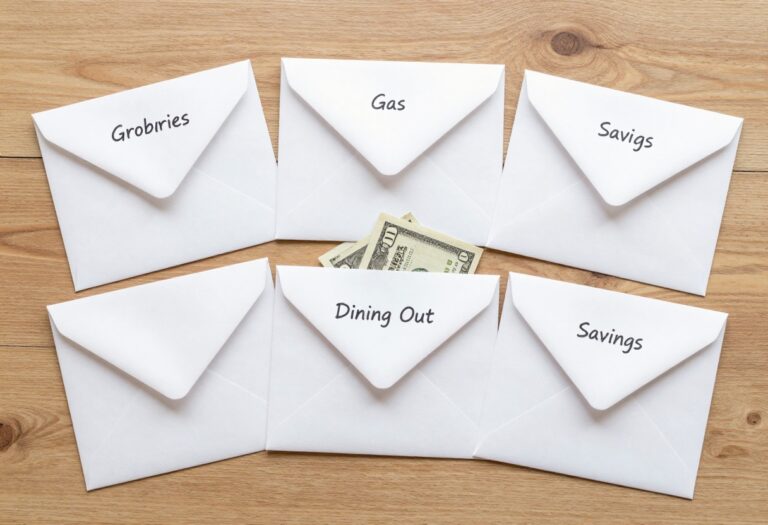
17 Weekly Budget Check-In Ideas to Stay on Track
Last updated on May 5th, 2026 at 03:43 pm
You've set up a budget, but life gets busy and suddenly you're three weeks behind on checking in. It happens to the best of us. The key isn't perfection—it's finding a rhythm that actually sticks.
A weekly budget check-in doesn't have to be a chore. In fact, with the right approach, it can be a quick, even enjoyable, part of your routine. These 17 ideas are designed to fit different lifestyles and energy levels.
Whether you have five minutes or an hour, there's a check-in style here for you. Pick one, try it out, and see how it feels. Small, consistent actions add up to big financial wins.

Free PDF Download
Get the Free Budget Binder Starter Pack
Download simple printable budget sheets to plan your monthly money, track expenses, organize bills, and start building better money habits without feeling overwhelmed.
You’ll get this free PDF plus access to the full Marketerna Save More & Earn More PDF Kit. No spam. Unsubscribe anytime.
1. The Five-Minute Balance Scan
If your week has been a blur of meetings, errands, and everything in between, a full budget review might feel impossible. That's where the five-minute balance scan comes in. It's the lowest possible bar for a check-in—just a quick glance at your accounts to see where you stand.
Log into your bank and credit card accounts. Note your current balances and compare them to your budgeted amounts. No judgment, just awareness.
This scan takes the pressure off and keeps you connected to your money without overthinking it.
What To Look For
Focus on your checking account balance and any credit card balances you're actively paying down. Jot down the numbers or just make a mental note. The goal is to catch any red flags early—like an unexpected charge or a balance that's creeping too high.
When To Do It
Pick a consistent time, like right after your morning coffee or during a lunch break. Tying it to an existing habit makes it stick. If you miss a week, don't sweat it—just pick it back up the next.
2. The 'Where Did My Money Go?' Review
Ever get that sinking feeling when you check your bank balance and wonder where all your cash disappeared to? This check-in is for those weeks. Instead of a full budget deep dive, you just skim through your transactions and look for anything that slipped through the cracks.
The goal isn't to beat yourself up. It's to spot patterns. Maybe you grabbed coffee three times because you were rushing in the morning.
Or that subscription you forgot about finally hit your account. Jot down a quick note about what you find, and think about one small change for next week.
Quick Scan Technique
Open your banking app and scroll through the last seven days. Don't analyze—just notice. Look for any charges that surprise you or that you don't remember making.
This takes about two minutes.
Categorize The Stragglers
Group those surprise expenses into loose categories like 'impulse buys, ' 'forgotten subscriptions, ' or 'necessary but unplanned. ' Seeing them together makes it easier to decide if you need to adjust your budget categories.
One Tweak For Next Week
Pick just one pattern you noticed and commit to a tiny change. For example, if you spent $30 on vending machine snacks, pack a snack from home for three days next week. Small adjustments stick better than big overhauls.
Free PDF Download
Get the Free Budget Binder Starter Pack
Download simple printable budget sheets to plan your monthly money, track expenses, organize bills, and start building better money habits without feeling overwhelmed.
You’ll get this free PDF plus access to the full Marketerna Save More & Earn More PDF Kit. No spam. Unsubscribe anytime.
3. The Goal Check-In
Your budget isn't just about tracking dollars—it's about making progress on what matters most. Whether you're saving for a trip, paying off debt, or building an emergency fund, your weekly check-in is the perfect time to see how those numbers are moving. This check-in is less about micromanaging every transaction and more about connecting your daily choices with your bigger financial picture.
It takes just a few minutes but can give you a real motivation boost.
Check Your Progress
Pull up your savings or debt payoff goal. How much have you added or paid down this week? Compare it to where you expected to be.
If you're ahead, give yourself a real pat on the back—maybe treat yourself to something small that doesn't break the budget. If you're behind, don't panic. Just note the gap.
Find One Small Fix
When you're behind, pick one tiny action to help catch up. Maybe it's skipping one coffee run, cooking an extra meal at home, or putting a few dollars from a side gig toward the goal. One small shift this week can make a surprising difference.
Write it down and commit to it.
Celebrate The Wins
Progress is progress, no matter how small. Did you stick to your spending plan? Resist an impulse buy?
Transfer even $10 extra to savings? That counts. Celebrating these wins builds momentum and keeps you motivated for the weeks ahead.
4. The Bill Pre-Pay Reminder

Nothing derails a budget faster than a forgotten bill that turns into a late fee. A weekly check-in that focuses on upcoming payments can save you money and stress. This isn't about reviewing every expense—it's a quick, proactive scan of what's due soon so you can stay ahead.
Each week, take five minutes to look at the bills coming due in the next seven days. Set up automatic payments if you haven't, or schedule manual reminders. This simple habit eliminates surprises and keeps your cash flow smooth.
Why It Works
Late fees are an unnecessary drain on your budget. By checking ahead, you give yourself time to move money around if needed. It also builds a routine that makes bill paying feel less like a scramble.
How To Do It
Open your calendar or a bill-tracking app. List every payment due in the next week—rent, utilities, subscriptions, loans. For each one, confirm the amount and due date.
Set a payment or a reminder right then.
Pro Tip
If your income is irregular, use this check-in to prioritize bills that have the steepest late penalties. Pay those first, then handle the rest as cash allows.
Free PDF Download
Get the Free Budget Binder Starter Pack
Download simple printable budget sheets to plan your monthly money, track expenses, organize bills, and start building better money habits without feeling overwhelmed.
You’ll get this free PDF plus access to the full Marketerna Save More & Earn More PDF Kit. No spam. Unsubscribe anytime.
5. The 'No-Spend Day' Recap
If you attempted a no-spend day this week, take a few minutes to replay how it went. These mini-challenges reveal a lot about your spending habits—what lures you in and what helps you stay strong. Use what you learn to make future no-spend days easier and more effective.
What Triggered Spending?
Think about the moments you almost spent money but didn't—or the times you did. Was it a sale notification, boredom, or a friend's invitation? Identifying triggers helps you anticipate and avoid them next time.
What Helped You Resist?
Did planning meals, unsubscribing from emails, or keeping a water bottle handy make a difference? Note what worked. These small strategies can become your go-to tools for future no-spend days.
Apply The Lessons
Take one insight from your recap and turn it into an action item. For example, if evening online shopping was a weak spot, schedule a different activity for that time. Small tweaks compound over weeks.
6. The Cash Envelope Count
If you're old-school with your money—or just love the tangibility of cash—the envelope system is a classic for a reason. But even the best system needs a weekly pulse check. Grab your envelopes, find a quiet spot, and get ready to count.
Physically counting the cash left in each envelope gives you an instant snapshot of where you stand. It's harder to ignore a dwindling grocery envelope when you can see and feel the shortage. Plus, the act of handling money makes your spending feel more real than tapping a card ever could.
How To Do Your Weekly Count
Set aside 10 minutes with your envelopes and a notepad. Empty each envelope, count the bills, and jot down the remaining amount. Compare it to your original budget for that category.
If you're way over or under, it's a signal to adjust for next week.
When To Rebalance
If one envelope is nearly empty but another is overflowing, consider shifting some cash between categories. For example, if you have extra in dining out but not enough for gas, move $20 over. Just be honest with yourself—don't rob from savings to fund fun.
Why It Works
The tactile nature of cash makes you more mindful. You feel the weight of each dollar leaving your hand. This weekly ritual keeps you grounded in your financial reality and prevents the envelope system from becoming a set-it-and-forget-it method.
7. The Subscription Audit
Subscriptions are sneaky. They quietly drain your account month after month, often for services you barely use. A weekly check-in on your active subscriptions can save you real money without changing your lifestyle.
List every subscription you're currently paying for—streaming services, apps, gym memberships, delivery boxes, cloud storage, anything. Then ask yourself: Did I actually use this in the past week? If not, cancel it.
Even a $5 monthly subscription adds up to $60 a year. That's a nice dinner out or a few coffees.
Where To Find Them All
Don't rely on memory. Check your bank statements, credit card transactions, and payment apps like PayPal or Apple Pay. Many subscriptions renew annually or quarterly, so look back at least three months.
The 'did I Use It?' Test
Be honest with yourself. If you haven't opened that app or watched that streaming service in the past week, you probably won't miss it. You can always resubscribe later if needed.
Small Savings Add Up
One $10 subscription feels harmless, but ten of them cost $100 a month—$1, 200 a year. That's a weekend getaway or a nice emergency fund boost. Every cancellation is a win.
8. The 'One Thing' Improvement
Big changes can feel overwhelming, but tiny tweaks? Those are doable. This check-in is about picking just one small money habit to work on for the upcoming week.
No need to overhaul your entire financial life—just focus on a single, manageable shift.
Maybe it's bringing lunch from home instead of buying out. Or cutting back on one coffee shop run. The goal is to choose something so small it feels almost too easy.
That's the sweet spot for building momentum.
Why One Thing Works
Trying to fix everything at once leads to burnout. By zeroing in on one behavior, you give it real attention. Success with that one change builds confidence and makes the next tweak feel natural.
How To Pick Your One Thing
Look back at your spending from last week. Is there a recurring expense that felt unnecessary? A habit that nags at you?
Pick that. It could be as simple as skipping the vending machine or turning off the lights when you leave a room.
Make It Stick
Write your one thing down and put it somewhere visible—on your phone wallpaper or a sticky note on your mirror. At the end of the week, check in: did you do it? Celebrate the win, then decide if you want to keep it or try something new.
9. The Savings Transfer Check
Automatic savings transfers are great—until they don't go through. Maybe the account was low, or the bank had a glitch. Either way, that money won't move itself.
This weekly check is your safety net to make sure your future self actually gets paid.
Open your banking app and confirm the transfer happened. If it didn't, move the money manually right then. Treat savings like any other bill: non-negotiable.
This habit builds consistency and keeps your goals on track.
Why It Matters
Even one missed transfer can throw off your savings timeline. Catching it early means you can fix it without stress. Over time, this check becomes a simple, powerful ritual.
How To Do It
Set a recurring reminder on your phone for the day after the transfer should post. Log in, verify the balance change, and if it failed, initiate the transfer immediately. Takes under a minute.
What If You're Tempted To Skip?
Remind yourself that this money is for future you—not for today's impulse. Treat the transfer like a bill that's already due. Your future self will thank you.
10. The Impulse Purchase Log
Impulse buys happen to everyone. That unplanned coffee, the flash-sale sweater, the gadget you didn't need. Instead of feeling guilty, turn them into data.
A simple log helps you spot patterns and understand your triggers. Over time, this awareness makes it easier to pause before pulling out your wallet.
Each week, jot down every unplanned purchase. Include the item, cost, and—this is key—the emotion you felt when you bought it. Were you bored, stressed, excited, or tired?
The goal isn't judgment; it's curiosity. You might notice you buy more when you're scrolling social media late at night or after a tough day at work.
What To Track
Keep it simple: item, price, date, and one-word emotion (e. g. , bored, happy, anxious). Use a notebook, a notes app, or a spreadsheet. The act of writing creates a pause that itself reduces impulse buying.
How To Review
At the end of the week, scan your log. Look for patterns. Maybe you always buy snacks when you skip lunch, or you splurge on clothes after a bad meeting.
Once you see the pattern, you can plan a healthier response—like a five-minute walk or a quick call with a friend.
Turning Awareness Into Action
Use your log to set small goals. For example: 'Next week, I'll wait 24 hours before buying anything over $20. ' Or create a 'cooling-off' list: add the item to a wishlist and revisit it in a week. Most impulse urges fade quickly.
11. The Meal Plan vs. Actual Spend

Meal planning is a great way to save money, but how often do you actually follow through? This check-in idea helps you close the gap between your plan and reality. It's not about guilt—it's about learning what works for your lifestyle.
Take a few minutes to compare your meal plan from last week with what you really spent on groceries and takeout. Did you stick to it? If not, look for patterns.
Maybe you planned too many ambitious recipes or forgot to account for a busy night. Use these insights to make next week's plan more realistic. Small adjustments add up to big savings.
Find The Leaks
Look at where your spending drifted from the plan. Was it a few extra snacks, a spontaneous dinner out, or buying ingredients for meals you never made? Identifying these leaks helps you tighten up without feeling deprived.
Adjust Portions And Variety
If you consistently overspend, your plan might be too ambitious. Try scaling back on variety or buying in bulk for staples. The goal is a plan that fits your actual eating habits, not an ideal version.
Celebrate The Wins
Notice when you stuck to the plan and saved money. Acknowledge that success—it reinforces good habits. Maybe you prepped lunches all week or skipped an unnecessary takeout order.
Those small victories matter.
12. The 'Money Date' with Your Partner
Budgeting solo is one thing, but when you share finances with a partner, it adds a whole new layer. Instead of letting money talks become tense or awkward, turn them into a regular 'money date. ' Set aside just 15 minutes each week to sit down together, review the numbers, and celebrate small wins. Keep the tone positive and solution-focused.
Teamwork really does make budgeting easier.
The key is consistency and a light touch. Don't dive into blame or stress. Grab a cup of coffee, pull up your budget app or spreadsheet, and walk through the week's spending together.
Ask each other: What went well? Where did we overspend? What do we need to adjust for next week?
End with a quick look at upcoming bills or goals. This keeps both partners aligned and accountable without any pressure.
Set The Scene
Pick a time when you're both relaxed—maybe Sunday evening or Saturday morning. No phones, no TV. Just the two of you and your finances.
A calm environment makes the conversation feel less like a chore and more like a partnership.
Stay Positive And Solution-focused
Instead of pointing fingers at who spent what, frame everything as 'we. ' Say things like, 'We went over on dining out this week—how can we trim that next week? ' Celebrate the wins too, like sticking to the grocery budget or finding a good deal. Positive reinforcement makes the habit stick.
Keep It Short And Sweet
Fifteen minutes is plenty. Set a timer if you need to. The goal is a quick check-in, not a deep dive.
If you need more time for a big decision, schedule a separate meeting. Short, regular touchpoints prevent financial fatigue and keep both partners engaged.
13. The Progress Snapshot
Numbers on a screen can feel abstract. But a screenshot of your actual account balance? That's real.
This check-in is about capturing a visual record of your financial progress, week by week. It turns an abstract number into a concrete timeline of your efforts.
Each week, take a screenshot of your net worth or a key savings account. Create a dedicated folder on your phone or computer and drop the image in. Over time, you'll build a visual story of your financial journey.
Seeing the numbers climb—or even hold steady during tough weeks—can be incredibly motivating. It's hard to argue with a picture of your own progress.
Why It Works
A screenshot is more tangible than a spreadsheet. It forces you to look at the actual number, not just a mental estimate. Plus, scrolling through a folder of snapshots gives you a quick, emotional boost that a graph might not.
How To Make It A Habit
Set a weekly reminder on your phone. Pick a consistent day and time—Sunday evening works well for many. Take the screenshot, name it with the date, and drop it in the folder.
That's it. No analysis needed.
What To Do With The Snapshots
Every month or quarter, flip through the folder. Notice the trends. Did a big expense set you back?
Did a bonus give you a jump? Use these visual cues to adjust your budget or celebrate wins.
14. The 'What Went Well' List
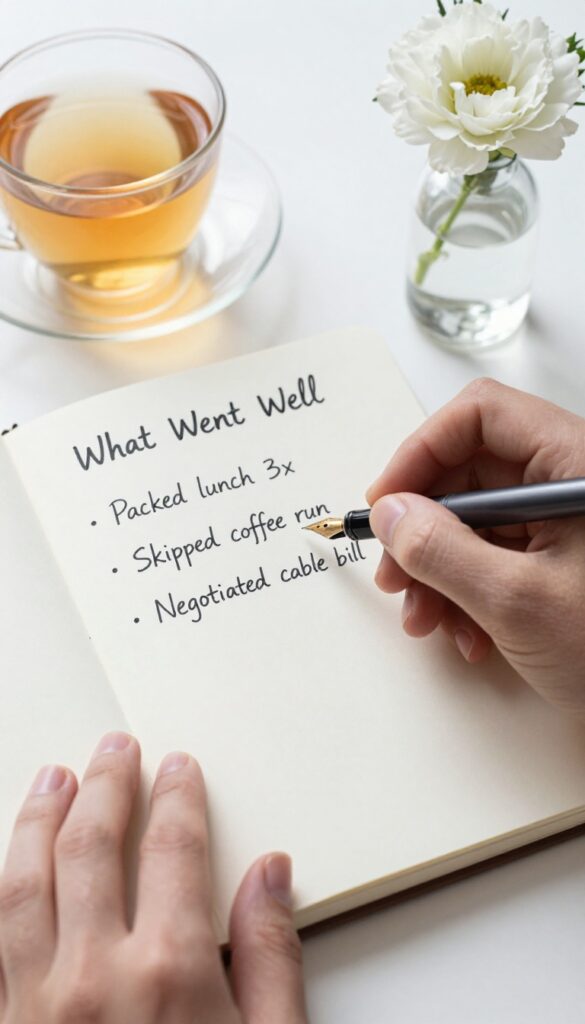
It's easy to focus on what went wrong with your budget—the overspend, the forgotten bill, the impulse buy. But dwelling on mistakes can drain your motivation. Flip the script by celebrating your wins, no matter how small.
Each week, jot down three financial victories. Maybe you resisted a sale, found a discount, or simply stuck to your grocery list. Recognizing these small successes builds positive momentum and makes budgeting feel less like punishment and more like progress.
Why Small Wins Matter
Acknowledging tiny achievements releases dopamine, the feel-good chemical that reinforces habits. Over time, this trains your brain to associate budgeting with reward, not restriction.
How To Start Your List
Keep a sticky note on your fridge or a note in your phone. Every evening, add one win. At week's end, pick your top three.
Examples: packed lunch three days, skipped a coffee run, or negotiated a lower cable bill.
Pair It With A Treat
Amplify the celebration by pairing your list with a small, free reward—like watching your favorite show or taking a relaxing bath. This links financial discipline with self-care.
15. The Upcoming Expenses Forecast
Most budget check-ins focus on what already happened. But the real power move is looking forward. By scanning the next two weeks for irregular costs, you can set money aside before the bill arrives.
No more scrambling when your friend's birthday dinner or a surprise car repair pops up.
Take five minutes to glance at your calendar and note any upcoming expenses that aren't part of your regular monthly bills. Think birthdays, anniversaries, doctor's appointments, car maintenance, or even a planned night out. Then adjust your spending or savings now so you're ready when the time comes.
Spot The Sneaky Costs
Irregular expenses often hide in plain sight. A wedding gift, a vet visit, or a subscription renewal can catch you off guard. Write down anything that's not a fixed monthly payment.
Even small items like a coffee date with a friend add up.
Set Aside Cash Immediately
Once you've identified the upcoming costs, move money into a dedicated category in your budget or a separate envelope. If you use digital tools, create a temporary savings goal. The key is to earmark the funds so you don't accidentally spend them elsewhere.
Review And Adjust Weekly
Make this forecast a regular part of your check-in. Each week, update the list as new events appear. Over time, you'll get better at predicting irregular expenses and your budget will feel more resilient.
16. The Budget Category Tweak
Budget categories aren't set in stone. If you keep overspending on dining out or underspending on groceries, your categories might need a tune-up. A flexible budget is a sustainable one, and small adjustments can make a big difference.
Spot The Patterns
Look at your last few weeks of spending. Which categories are consistently over or under budget? That's a sign your original estimates were off, not that you're bad at budgeting.
Adjust To Reality
Shift money from categories where you consistently underspend to ones where you overspend. For example, if you always go over on entertainment but under on clothing, swap some funds. This makes your budget more accurate and easier to stick to.
Keep A Buffer
Leave a small buffer category for unexpected expenses. That way, when something comes up, you can adjust without breaking your budget. It's a simple way to stay on track without feeling restricted.
17. The 'Next Week' Intentions

Looking ahead instead of back can shift your whole mindset. This check-in is less about reviewing mistakes and more about setting yourself up for success. You choose one clear financial intention for the upcoming week—something simple and doable.
Write down one financial intention for the upcoming week. For example, 'I will cook dinner at home three times. ' Intentions guide your actions. They're not rigid rules; they're a friendly nudge in the right direction.
Why Intentions Work
Intentions are proactive. They focus on what you can control, not what already went wrong. Plus, a single goal is easy to remember and accomplish, building momentum for bigger habits.
How To Choose Your Intention
Pick something that addresses a common spending trigger. If you often buy coffee out, your intention might be 'I'll make coffee at home every day. ' Keep it positive and specific.
Make It Visible
Write your intention on a sticky note and put it on your fridge, desk, or phone wallpaper. A daily reminder keeps it top of mind and increases your chances of following through.
FAQ
How long should a weekly budget check-in take?
It can be as short as 5 minutes or up to 30 minutes, depending on the depth you want. The key is consistency, not duration.
What if I miss a week?
Don't stress. Just pick up where you left off. The goal is progress, not perfection.
A missed week doesn't mean you've failed.
Can I combine multiple check-in ideas?
Absolutely. Mix and match based on your needs. For example, do a balance scan and a goal check-in together for a quick but thorough review.
Do I need a budgeting app for these check-ins?
No, but an app can make it easier. You can do all these with a simple spreadsheet or even pen and paper.
What's the best day of the week for a check-in?
Sunday evening or Monday morning works well for many people. Pick a day that feels natural and stick with it.
Conclusion
Consistency matters more than perfection. Pick one check-in idea from this list, try it for two weeks, and see how it feels.
Adjust as needed—the goal is to stay aware, not stressed. Your budget works best when you give it a little attention each week.
Free PDF Download
Get the Free Budget Binder Starter Pack
Download simple printable budget sheets to plan your monthly money, track expenses, organize bills, and start building better money habits without feeling overwhelmed.
You’ll get this free PDF plus access to the full Marketerna Save More & Earn More PDF Kit. No spam. Unsubscribe anytime.