
19 Ways to Save Money Without Feeling Miserable
Saving money often feels like a joyless math problem, but it doesn't have to be. These 19 strategies flip the script—helping you cut costs while actually enjoying your life more. You'll automate the boring stuff, swap a few habits, and keep the fun intact.
The trick is focusing on small, painless changes that add up fast. Cook one extra meal at home, use the library for free entertainment, or start a one-week no-spend challenge. Each idea is designed to fit your real routine, not a perfect plan.
Pick two or three that sound easy and try them this week. Before you know it, you'll have extra cash without feeling like you're missing out. That's the kind of saving that sticks.

Free PDF Download
Not Sure Which Side Hustle Fits You Best?
Take the free Side Hustle Matchmaker Quiz and get a simple 7-day starter plan to help you choose a beginner-friendly idea based on your time, skills, comfort level, and goals.
You’ll get this free PDF plus access to the full Marketerna Save More & Earn More PDF Kit. No spam. Unsubscribe anytime.
1. Automate Your Savings So You Never Miss It

Payday arrives, you pay bills, grab coffee, and somehow the money's gone. The fix? Remove your own willpower from the equation entirely.
Automation turns saving into a background task, like breathing or your phone's automatic updates. Set it once and watch your savings grow while you focus on everything else.
The easiest way to save is to never see the money in your checking account. When the transfer happens automatically on payday, your brain treats it as money that was never really there. No temptation, no decision fatigue.
Just a growing balance that feels like a pleasant surprise when you check it months later.
Pick Your Transfer Day And Amount
Choose the same day as your paycheck—ideally the morning it lands. Start small, even $25 per paycheck. Most banks let you set up recurring transfers in under two minutes.
The amount should feel noticeable but not painful. You can always bump it up later.
Use A Separate Account For Your Goal
Keep your savings in a different bank or a high-yield online account. Out of sight, out of mind works best when there's no easy way to transfer back. Label the account something motivating like "Emergency Fund" or "Europe Trip 2026.
" Seeing the name every time you log in reinforces the habit.
Automate Raises And Bonuses Too
When you get a raise or a bonus, immediately set up an automatic transfer for the extra amount. You've been living fine without that money, so you won't miss it. This one trick can double your savings rate without any lifestyle change.
2. Cook One Extra Meal Each Week
You don't need to meal prep every Sunday like a fitness influencer. Just one extra homemade meal per week can slash your food budget and reduce those last-minute takeout orders. It's a small shift that pays off fast.
Start by picking one dinner you already order out often—maybe pizza or stir-fry. Make a double batch next time you cook it at home, then freeze half for a busy night. That's one less delivery fee and tip to pay.
Double It Without Extra Effort
When you're already chopping veggies or browning meat, throw in a little more. It barely adds time but gives you a ready-made meal for later. Soups, stews, and casseroles freeze especially well.
Save The Takeout Cravings
Having a frozen backup meal means you can resist the urge to order in when you're tired. Just reheat and add a simple side salad or steamed veggie. You'll eat better and spend less.
Start Small, Stay Consistent
Don't aim to cook every single meal from scratch. One extra batch per week is enough to see savings. Over a month, that's four fewer takeout orders—easily $40–$60 back in your pocket.
Free PDF Download
Not Sure Which Side Hustle Fits You Best?
Take the free Side Hustle Matchmaker Quiz and get a simple 7-day starter plan to help you choose a beginner-friendly idea based on your time, skills, comfort level, and goals.
You’ll get this free PDF plus access to the full Marketerna Save More & Earn More PDF Kit. No spam. Unsubscribe anytime.
3. Use the 24-Hour Rule for Non-Essentials
Impulse buys are budget killers. That cute sweater or new gadget feels urgent in the moment, but the urgency fades fast. The 24-hour rule gives your brain time to catch up with your wallet.
Wait a full day before buying anything you don't truly need. You'll be surprised how many items lose their appeal overnight. It's a simple pause that saves you from regret and keeps your bank account happy.
The 24-hour rule is straightforward: when you see something you want but don't need, wait 24 hours before buying. This delay breaks the impulse cycle and lets you assess whether the purchase is worth it. Most of the time, you'll realize you didn't want it that badly.
This small habit can slash your discretionary spending without making you feel deprived.
Why It Works
Our brains are wired for instant gratification. The 24-hour rule interrupts that wiring. When you pause, the initial dopamine spike fades, and you can think clearly.
You'll often find the item wasn't as exciting as it seemed.
How To Make It Stick
Keep a running list of things you want to buy. When you add an item, set a reminder for 24 hours later. If you still want it after the reminder, consider it.
But be honest—most items will never make it off the list.
Exceptions To The Rule
This rule is for non-essentials only. Don't wait to buy groceries, medicine, or other necessities. For everything else, the wait is worth it.
You'll learn to separate true needs from fleeting wants.
4. Switch to a Cash-Only Budget for Fun Spending
Plastic makes spending painless—too painless. Swiping a card feels like play money until the statement arrives. Cash changes that.
When you physically hand over bills, you feel the loss. That tiny sting is exactly what keeps your budget in check.
Set a weekly cash allowance for fun stuff—eating out, movies, drinks with friends. Once it's gone, you're done. No overdraft fees, no guilt, no mental math.
It's a simple boundary that makes you think twice before buying another round or that fancy latte.
How Much To Withdraw
Start by tracking your current fun spending for two weeks. Then cut that number by 20%. Withdraw that amount in cash each week.
Keep it in a separate envelope or wallet compartment. When the envelope is empty, entertainment stops until next week.
Make It A Game
Challenge yourself to see how far the cash can stretch. Maybe you skip one takeout meal and use that money for a nicer dinner later. Or you find free events to stretch your envelope an extra day.
It becomes a fun puzzle, not a punishment.
What About Emergencies?
This rule applies only to discretionary fun spending. If a real emergency pops up, use your emergency fund, not your fun envelope. The cash-only trick is for everyday wants, not needs.
Keep your debit card for true necessities.
Free PDF Download
Not Sure Which Side Hustle Fits You Best?
Take the free Side Hustle Matchmaker Quiz and get a simple 7-day starter plan to help you choose a beginner-friendly idea based on your time, skills, comfort level, and goals.
You’ll get this free PDF plus access to the full Marketerna Save More & Earn More PDF Kit. No spam. Unsubscribe anytime.
5. Negotiate Your Recurring Bills

You probably haven't called your internet or insurance company in years. That's exactly why they're charging you more than a new customer would pay. A single phone call can unlock discounts, loyalty rates, or retention offers that slash your monthly bills.
It feels awkward at first, but the savings are real—and you don't have to be a hardball negotiator to get them.
Start by gathering your latest bills for internet, cable, phone, and insurance. Then call each provider and simply ask: "Are there any current promotions or loyalty discounts available for my account? " Be polite but persistent.
If they say no, ask if they can reduce your rate or match a competitor's offer. Often, just mentioning you're considering switching triggers a retention offer. Even a $10 monthly reduction adds up to $120 a year per bill.
What To Say On The Call
You don't need a script, but a few key phrases help. Start with: "I've been a loyal customer for X years and I'm reviewing my budget. Can you help me find a better rate?
" If they push back, try: "I saw a competitor offering $Y/month for similar service—can you match that? " Stay calm and friendly. Representatives are often empowered to give discounts to keep customers happy.
Which Bills To Target First
Start with internet and cable—these have the most competition and the biggest price gaps between new and existing customers. Next, call your auto and home insurance providers. Ask about bundling, safe driver discounts, or annual payment reductions.
Don't forget subscriptions like streaming services or gym memberships; many offer loyalty perks or reduced rates if you ask.
Set A Reminder To Repeat Annually
Savings from one call can vanish when promotional rates expire. Mark your calendar for 11 months from now and repeat the process. Some companies automatically increase rates after a year, so a quick check-in keeps your bills low.
Treat it like a yearly financial checkup—it takes 10 minutes and can save hundreds.
6. Embrace the Library for More Than Books
Your local library is a goldmine of free entertainment, and you're probably not using it to its full potential. Beyond the shelves of books, libraries offer a surprising array of resources that can save you hundreds of dollars a year.
Think of the library as your community's free media hub. You can borrow movies, audiobooks, e-books, and magazines without spending a dime. Many libraries also lend out museum passes, video games, and even tools or kitchen gadgets.
The key is to check what's available at your branch and make it a habit to browse before you buy.
Free Entertainment Beyond Books
Most libraries have extensive DVD and Blu-ray collections with new releases and classics. Instead of paying $5 to rent a movie, borrow it for free. You'll also find audiobooks and e-books through apps like Libby or Hoopla, which sync directly to your phone or tablet.
Museum Passes And Community Perks
Many libraries offer free or discounted passes to local museums, zoos, and cultural attractions. This can save a family of four $50 or more on a weekend outing. Some libraries even lend out Wi-Fi hotspots, laptops, or board games.
Digital Magazines And Newspapers
Skip the subscription fees for magazines and newspapers. Services like Flipster and PressReader give you free access to hundreds of titles through your library card. Read current issues of your favorite publications without paying a cent.
7. Start a 'No-Spend Challenge' for a Week
Pick one week per month to spend only on essentials. You'll reset your spending habits and discover how much you waste. It's like a financial detox—temporary but eye-opening.
Choose a week when you have no big events or travel. Pay your bills ahead of time, then stop all non-essential spending. No coffee runs, no takeout, no shopping.
Just rent, groceries, and gas. You'll be surprised how many wants are really just impulses.
Set Clear Rules
Define what counts as essential: groceries, rent, utilities, gas, medicine. Everything else is off-limits. Write it down so you don't cheat.
A vague challenge is easy to break.
Find Free Fun
Replace paid activities with free ones: hike, read, binge a show you already have, or visit a museum on a free day. You'll realize entertainment doesn't require a credit card.
Track Your Savings
At the end of the week, add up what you didn't spend. Put that amount into savings. Seeing the number makes the sacrifice feel worth it and motivates you to do it again.
8. Shop with a List and a Timer

Grocery stores are designed to make you spend more—bright displays, end-cap deals, and that smell of fresh bread. But you can beat the system with two simple tools: a list and a timer. The list keeps you focused on what you actually need, and the timer creates a gentle urgency that stops you from browsing.
The Power Of A Written List
Before you walk into the store, write down everything you need for the week. Stick to it like a contract. Studies show that shoppers who use a list spend significantly less than those who don't.
Plus, you'll avoid the dreaded "I forgot the milk" return trip.
Set A 15-minute Timer
Once you're inside, start a 15-minute timer on your phone. This forces you to move efficiently and skip the aisles you don't need. No more wandering into the snack aisle just because it's on the way.
You'll be amazed at how fast you can shop when you're racing the clock.
Avoid The Temptation Zones
The ends of aisles and the checkout lane are prime real estate for impulse buys. With your timer ticking, you'll have no time to linger. Keep your eyes on your list and your cart moving.
If it's not on the list, it doesn't go in the cart—no exceptions.
9. Unsubscribe from Retail Emails
Retail emails are designed to make you want things you didn't know existed. Every subject line is a tiny temptation. Unsubscribe from all but your absolute favorite stores, and you'll remove the trigger before the craving even starts.
The average person gets dozens of promotional emails a day. Each one is a mini advertisement that lands right in your pocket. By cutting the clutter, you stop seeing sales you don't need and start saving without thinking about it.
The One-click Fix
Spend ten minutes unsubscribing from every retail email you don't open. Use the built-in unsubscribe link at the bottom of each email. Or use a tool like Unroll.
Me to do it in batches. You'll instantly reduce temptation and inbox noise.
Keep Only The Favorites
If you genuinely love a store and shop there intentionally, keep their emails. But be honest—do you really need emails from five different clothing brands? Keep one or two that you actually use, and you'll still catch the best deals without the constant pressure.
Create A Shopping Email Address
Set up a separate email account just for shopping. Forward only the deals you actually want to your main inbox. This way, you control when you see promotions instead of letting them control your day.
10. Use the 'One In, One Out' Rule for Clothes
Your closet might be full, but do you actually wear everything in it? Chances are, you reach for the same 20 percent of your clothes most days. The 'one in, one out' rule is a simple way to keep your wardrobe manageable without feeling deprived.
For every new piece you bring home, you let go of an old one. It turns shopping into a mindful exchange rather than a mindless accumulation.
This rule works because it sets a clear limit. You can still buy that cute sweater or those trendy sneakers—you just have to decide what they'll replace. That moment of choice makes you pause and ask: Do I love this new item more than something I already own?
Often, the answer helps you skip impulse buys. Plus, clearing out clothes you no longer wear frees up space and makes getting dressed easier. You can donate, sell, or swap them, giving your old favorites a second life.
How To Start Without Overwhelm
Don't try to purge your whole closet in one go. Start with one category—like t-shirts or jeans. Pull out anything you haven't worn in the past year.
Those are your 'out' candidates. Then, when you buy something new, immediately remove one item from that pile. Over time, you'll naturally curate a wardrobe you actually use.
Make It A Game, Not A Chore
Turn the rule into a fun challenge. Set a goal to keep your closet at a certain number of items. Each time you shop, you're playing a mini game of 'what stays, what goes. ' You can even track it on a note or app.
It adds a layer of satisfaction when you see your collection shrink to just the pieces you love.
The Bonus: Extra Cash Or Closet Space
Selling your outgoing clothes on platforms like Poshmark or Depop can fund your new purchases. Or donate them for a tax deduction. Either way, you're not just saving money—you're making your wardrobe more intentional.
And a less cluttered closet means less time deciding what to wear.
11. Make Your Own Coffee Three Days a Week
That daily coffee run feels harmless, but it quietly eats your budget. A $5 latte adds up to $150 a month—enough for a nice dinner out or a streaming subscription. The fix is simple: brew at home a few days a week.
You still get your caffeine fix, and your wallet thanks you.
Brewing at home doesn't mean settling for bad coffee. A basic drip machine or French press costs less than two weeks of café visits. Buy whole beans from the grocery store and grind them fresh—it tastes almost as good as the café version.
Even three days a week of home-brewing can save you $30 to $50 monthly. That's $360 to $600 a year, just from one small swap.
Make It A Ritual, Not A Chore
Treat your morning brew like a mini ceremony. Use your favorite mug, play a podcast, and enjoy the quiet before the day starts. That café vibe is replicable at home—without the line or the price tag.
Upgrade Your Gear Gradually
You don't need a fancy espresso machine. Start with a simple pour-over cone or an Aeropress. They're affordable, easy to clean, and make excellent coffee.
Over time, you can add a milk frother or a burr grinder if you want.
Batch Brew And Save Time
Make a full pot and store leftovers in a thermos or fridge. Iced coffee is easy—just pour over ice the next morning. No extra effort, and you've got coffee ready to grab and go.
12. Host a Potluck Instead of Dining Out

Restaurant bills add up fast, especially when you're catching up with a group. But you don't have to give up social eating to save money. A potluck flips the script: everyone brings a dish, and you get a feast without the price tag.
Potlucks are naturally budget-friendly because costs are split among guests. Plus, you control the setting—no tip, no marked-up drinks, no pressure to order appetizers. The host provides the space and maybe a main dish, while guests round out the menu.
It's a win-win for your wallet and your social life.
Coordinate To Avoid Duplicates
Use a simple sign-up sheet or a group chat to assign dishes. That way you don't end up with seven pasta salads and no dessert. A little coordination keeps the meal balanced and everyone happy.
Make It A Themed Night
Themes add excitement without extra cost. Try taco night, breakfast for dinner, or a regional cuisine like Italian or Thai. Guests bring dishes that fit the theme, and the variety feels like a restaurant experience.
Keep The Hosting Simple
You don't need fancy plates or decorations. Use what you have, and ask guests to bring their own drinks if you want. The focus is on the company and the food, not on impressing anyone.
13. Cancel Unused Subscriptions
You're probably paying for services you forgot you had. A quick audit of your streaming, gym, and app subscriptions can reveal easy savings. Cancel anything you haven't used in the last month—instant cash back with zero effort.
Start by checking your bank statements for recurring charges. You'll likely find a streaming service you haven't opened in months, a gym membership you never use, or a productivity app you tried once. Cancel those first.
For subscriptions you're unsure about, set a reminder to review them quarterly. Many services let you pause instead of cancel, so you can test if you miss them.
Where To Look
Check your credit card or bank statements for recurring charges. Look for streaming services, gym memberships, app subscriptions, cloud storage, meal kits, and any monthly boxes. Don't forget free trials that may have converted to paid.
How To Decide
If you haven't used it in the past 30 days, cancel it. For services you use occasionally, consider a cheaper tier or a pay-per-use option. Some apps offer annual plans that are cheaper than monthly—only if you actually use them.
Make It A Habit
Set a calendar reminder every three months to review your subscriptions. Use a subscription tracking app like Bobby or Truebill to see all your recurring charges in one place. This small habit can save you hundreds a year.
14. Buy Generic Brands for Staples
You don't need to be a label snob to save money. Store brands have come a long way, and for everyday staples like pasta, spices, and cleaning supplies, they're often identical to the name-brand stuff. The savings add up fast without any sacrifice in quality.
Start by swapping out items you use most often. Pasta, sugar, flour, salt, and baking soda are nearly identical across brands. The same goes for many spices—store brands are often sourced from the same suppliers.
Cleaning products like bleach, dish soap, and all-purpose cleaners work just as well. Over a year, these simple switches can save you hundreds of dollars.
Check The Ingredients
For many packaged goods, the ingredient list is almost identical. Compare the label of a store-brand can of tomatoes with a name brand—you'll see the same tomatoes, same preservatives. The difference is just the label and the price.
Start With One Category
You don't have to overhaul your entire pantry overnight. Pick one category—like canned goods or baking supplies—and try the store brand next time you run out. If you like it, keep going.
Most people never notice the difference.
Watch For Sales And Coupons
Store brands are already cheaper, but they also go on sale. Some stores double coupons on their own brand. Combine that with a loyalty card and you'll save even more.
It's a no-brainer.
15. Use a Rewards Credit Card Wisely
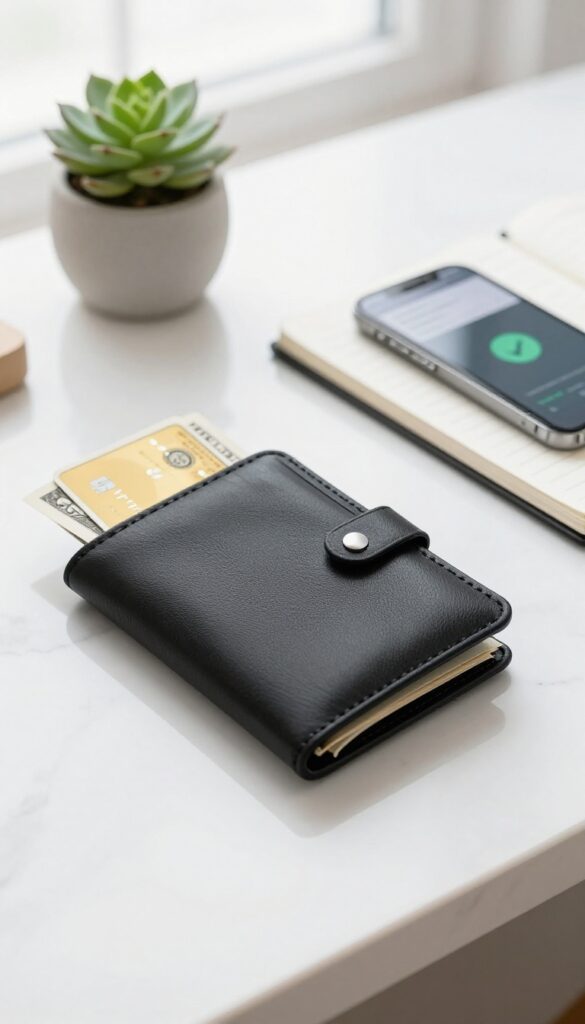
Credit cards get a bad rap, but when used right, they can actually put money back in your pocket. The key is treating them like a debit card—spend only what you can pay off each month. That way, you earn cash back or points on every purchase without paying a cent in interest.
The trick is to pick a card that matches your spending habits. If you spend a lot on groceries and gas, look for one with bonus rewards in those categories. If you prefer simplicity, a flat-rate cash back card works great.
Just remember: rewards are only valuable if you avoid interest.
Pick The Right Card For Your Spending
Not all rewards cards are the same. Some offer bonus points on dining, travel, or rotating categories. Choose one that aligns with where you spend the most.
For example, if you eat out often, a card with 3% back on restaurants is better than a generic 1% card.
Set Up Autopay To Avoid Interest
The biggest pitfall is carrying a balance. Set up automatic payments to pay the full statement balance each month. This ensures you never pay interest, so your rewards are pure profit.
Use It For Regular Bills, Not Extra Splurges
Put your recurring expenses like subscriptions, utilities, and groceries on the card. These are things you'd pay for anyway, so the rewards are a bonus. Don't let the card tempt you into buying things you wouldn't normally buy.
16. Plan Free Weekend Activities
Weekends don't have to be expensive to be enjoyable. With a little planning, you can fill your days off with fun experiences that cost nothing at all. The key is knowing where to look and being open to trying something new.
Research free local events, hiking trails, or museum free days. You'll have fun without spending a dime.
Check Community Calendars
Most towns have a community calendar listing free concerts, outdoor movies, or festivals. Bookmark your city's events page or follow local parks and recreation social media accounts. You'll be surprised how much is happening nearby for free.
Explore Nature Trails
Hiking, biking, or even a simple walk in a nature preserve costs nothing and boosts your mood. Use apps like AllTrails to find trails near you. Pack a picnic from home and make a whole day of it without spending a cent.
Take Advantage Of Free Museum Days
Many museums offer free admission on certain days or evenings. Plan your visit around those times. You get the full experience without the ticket price.
Some also have free entry for students, seniors, or military personnel.
17. Sell Unused Items Online
That dusty guitar in the corner or the blender you used once could be someone else's treasure. Selling unused items online clears clutter and puts cash in your pocket—without any extra effort beyond snapping a few photos.
Start by gathering items you haven't touched in a year. Clothes that don't fit, old electronics, furniture you've replaced—if it's in decent shape, list it. Facebook Marketplace and OfferUp are great for local pickup, while eBay works for shipping smaller items.
Price competitively by searching for similar listings, and write honest descriptions. The extra money feels like a bonus, and your home feels lighter.
What To Sell
Focus on categories that sell fast: brand-name clothing, smartphones, gaming consoles, and furniture. Books and DVDs move slowly unless they're collectible. If it's broken or missing parts, consider selling for parts or recycling.
Where To List
Facebook Marketplace is best for bulky items and local sales—no shipping hassle. eBay works for niche collectibles or items you're willing to ship. For clothes, try Poshmark or Depop. List on two platforms to maximize views.
Tips For A Quick Sale
Take photos in natural light against a clean background. Write a clear title with brand, size, and condition. Price 10-20% below similar listings to sell fast.
Respond to messages promptly and meet in a public place for safety.
18. Switch to a High-Yield Savings Account
Most people stash their emergency fund in a regular savings account earning 0. 01% interest. That's practically nothing.
Moving that cash to an online high-yield savings account can earn you 4% or more with zero extra work. It's one of those set-it-and-forget-it money moves that pays off quietly.
Online banks like Ally, Marcus, or SoFi offer high-yield savings accounts with competitive rates and no fees. Your money stays FDIC-insured and accessible whenever you need it. The only catch?
You might have to wait a day or two for transfers to your checking account. That's a small trade-off for earning hundreds more in interest each year.
Why Your Current Bank Is Shortchanging You
Big traditional banks often pay next to nothing on savings because they don't have to compete. Online banks have lower overhead and pass those savings to you. Check your current savings rate—if it's below 3%, you're leaving free money on the table.
How To Make The Switch Painless
Open a new account online in about 10 minutes. Link it to your existing checking account, then transfer your emergency fund. Set up automatic monthly transfers from checking to savings to keep growing your balance.
Most high-yield accounts have no minimum balance requirements.
What To Watch Out For
Some accounts have withdrawal limits (six per month is common) or require a minimum deposit. Read the fine print for fees. Also, remember that rates can change—they're variable, not fixed.
But even if rates drop, you'll still earn more than a brick-and-mortar savings account.
19. Practice Gratitude for What You Already Have

It sounds a little woo-woo, but appreciating what you already own can actually save you money. When you regularly notice the good stuff in your life—your cozy couch, that reliable blender, a closet full of clothes you like—the urge to buy more fades. Gratitude shifts your focus from what's missing to what's already enough.
Gratitude isn't just a feel-good practice; it's a spending antidote. Studies show that people who keep a gratitude journal report higher life satisfaction and lower desire for material goods. By consciously acknowledging what you have, you interrupt the 'I need this to be happy' loop that drives impulse buys.
Try it for a week and watch your shopping cravings shrink.
Start A Simple Gratitude Journal
Grab a notebook or use a notes app. Each day, jot down three things you're thankful for—big or small. It could be your morning coffee, a sunny day, or a friend who made you laugh.
This habit trains your brain to spot abundance, not lack. After a month, you'll naturally feel less inclined to shop for happiness.
Take A 'what I Already Have' Inventory
Before buying anything non-essential, do a quick mental scan of what you already own. Need a new book? Check your shelf—you might have an unread one.
Craving a new outfit? Open your closet and rediscover old favorites. This simple pause often reveals you don't actually need anything new.
Practice Saying 'thank You' To Your Stuff
Sounds silly, but try thanking your possessions out loud. Thank your kettle for hot tea, your bed for good sleep. It sounds weird, but it builds appreciation.
When you value what you have, you're less likely to replace it with something newer but not better.
FAQ
How much can I realistically save with these tips?
Depending on your habits, you could save $200–$500 per month. Small changes like canceling subscriptions and cooking at home add up quickly.
Will I feel deprived using these methods?
Not at all. These strategies focus on smart swaps and mindful spending, not extreme cuts. You'll still enjoy life, just more intentionally.
How do I start saving without a budget?
Begin with automation: set up a small automatic transfer to savings. Then try one or two tips, like the 24-hour rule or a no-spend week.
What if I have irregular income?
Focus on variable expenses you can control, like dining out or subscriptions. Save a percentage of each paycheck when it arrives.
How do I stay motivated long-term?
Track your savings progress and celebrate small wins. Remind yourself that each dollar saved brings you closer to financial freedom.
Conclusion
Saving money doesn't mean giving up joy—it's about spending smarter. Pick two or three of these tips that fit your lifestyle, like meal planning or using the library. Start small, and you'll see your savings grow without feeling deprived.
The key is to make changes that stick, not to overhaul everything at once. Before long, you'll have more financial breathing room and still enjoy life's little pleasures.
Free PDF Download
Not Sure Which Side Hustle Fits You Best?
Take the free Side Hustle Matchmaker Quiz and get a simple 7-day starter plan to help you choose a beginner-friendly idea based on your time, skills, comfort level, and goals.
You’ll get this free PDF plus access to the full Marketerna Save More & Earn More PDF Kit. No spam. Unsubscribe anytime.