
21 Frugal Household Tips That Actually Help
You already know the basics—turn off lights, clip coupons—but real savings come from the small, unexpected habits. These 21 frugal household tips go beyond the obvious, targeting everyday leaks like unused subscriptions and energy vampires. Each idea is simple enough to start today and specific enough to actually move the needle.
Think of this as your toolkit for cutting costs without the grind. From meal planning that saves more than just money to a no-buy challenge that resets your spending mindset, you'll find practical moves that fit real life.
No guilt trips or extreme sacrifices here. Just straightforward strategies that make frugal living feel natural—and your bank account a little happier.

Free PDF Download
Not Sure Which Side Hustle Fits You Best?
Take the free Side Hustle Matchmaker Quiz and get a simple 7-day starter plan to help you choose a beginner-friendly idea based on your time, skills, comfort level, and goals.
You’ll get this free PDF plus access to the full Marketerna Save More & Earn More PDF Kit. No spam. Unsubscribe anytime.
1. Master the Art of Meal Planning
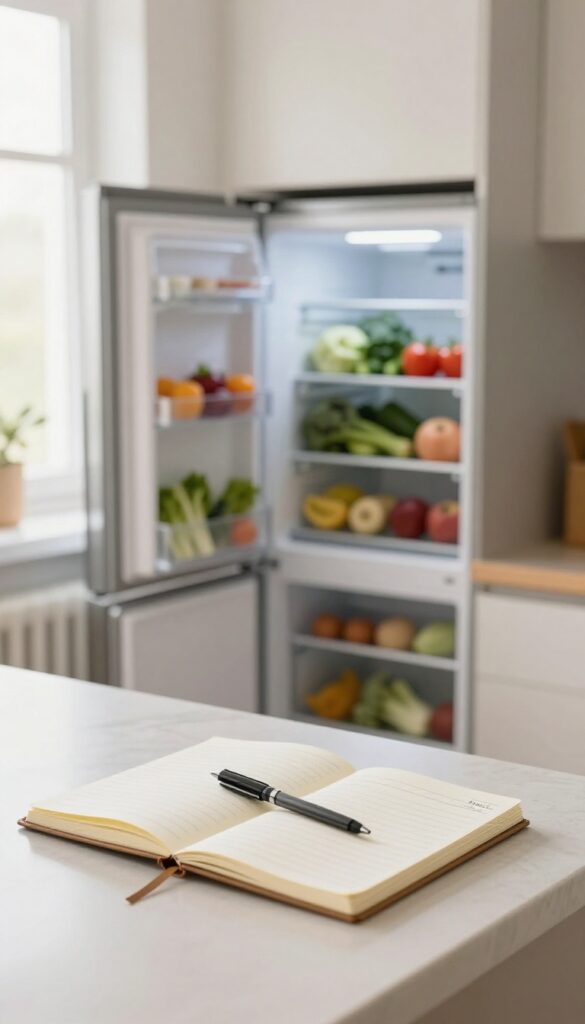
Meal planning is one of those habits that pays off in more ways than one. It cuts down on food waste, stops those last-minute takeout orders, and keeps your grocery bill in check. The trick is to keep it simple—no need for elaborate spreadsheets or fancy apps.
A basic weekly template and a firm shopping list are all you need to get started.
Start by picking one day a week to plan your meals. Look at what you already have in your pantry and fridge, then build meals around those ingredients. Write down your plan for the week—breakfast, lunch, dinner, and snacks—and create a shopping list based on that.
Stick to the list when you shop, and you'll avoid impulse buys that blow your budget.
Use A Simple Template
You don't need a complicated system. A simple notebook or a free printable template works fine. Block out each day and jot down your meals.
Leave room for leftovers or a flexible 'eat what's left' night. This structure helps you stay organized without feeling like a chore.
Shop With A List—and Stick To It
A list is your best defense against overspending. Before you head to the store, check your pantry and fridge, then write down exactly what you need. When you're shopping, buy only what's on the list.
This habit alone can shave a significant amount off your weekly grocery bill.
Plan For Leftovers
Cook extra portions on purpose. Leftovers make for easy lunches or a quick dinner later in the week. This reduces the temptation to eat out and ensures nothing goes to waste.
Just factor them into your plan so you're not stuck with more than you can eat.
2. Cook Once, Eat Twice
If you're already spending time in the kitchen, why not make it count double? Cooking in bulk doesn't mean eating the same thing all week—it means having a backup plan for those nights when you're too tired to cook. Freezing half your batch locks in flavor and keeps you from dialing for delivery.
The idea is simple: when you make a meal, make enough for two dinners. One goes on the table tonight, the other goes in the freezer. This habit saves time, reduces food waste, and cuts down on impulse takeout orders.
Over a month, those saved delivery fees add up fast.
Pick The Right Recipes
Not all meals freeze well. Soups, stews, chili, casseroles, and pasta sauces are perfect. Avoid creamy sauces or fried items that turn soggy.
Stick to recipes you already love—no need to experiment when the goal is convenience.
Label And Organize
A freezer full of mystery containers is useless. Write the dish name and date on each container. Stack flat to save space, and keep a running list on the freezer door.
That way you'll actually remember what's in there.
Make It A Routine
Pick one day a week to cook double batches. Sunday afternoon works great. Prep ingredients in bulk, cook two or three recipes, and portion them out.
By midweek, you'll have a lineup of ready-to-heat meals waiting.
Free PDF Download
Not Sure Which Side Hustle Fits You Best?
Take the free Side Hustle Matchmaker Quiz and get a simple 7-day starter plan to help you choose a beginner-friendly idea based on your time, skills, comfort level, and goals.
You’ll get this free PDF plus access to the full Marketerna Save More & Earn More PDF Kit. No spam. Unsubscribe anytime.
3. Use a Grocery Price Book
Ever grabbed a sale item only to realize later it wasn't actually a deal? That's where a grocery price book comes in. It's a simple tool that tracks the regular prices of your staple items at different stores, so you know exactly when a sale is worth your time.
Start Simple
Grab a small notebook or use a notes app. Each time you shop, jot down the price of a few staples—like milk, bread, eggs, or canned tomatoes—at each store you visit. After a few trips, you'll have a clear picture of which store has the best baseline prices.
Spot Real Deals
When you see a sale, compare it to your recorded regular price. If a store's "sale" price is still higher than another store's everyday price, you know to skip it. This prevents impulse buys on items that aren't actually cheaper.
Stock Up Smartly
Use your price book to identify rock-bottom prices for non-perishables and freezer-friendly items. When your book shows that chicken breast hits its lowest price every six weeks, you can buy enough to last until the next cycle—without overbuying.
4. Embrace the 'No-Buy' Challenge
A no-buy challenge is exactly what it sounds like: you pick one category of spending—clothes, snacks, gadgets, takeout, whatever—and you don't buy anything in that category for 30 days. It sounds simple, but it's surprisingly powerful. The goal isn't deprivation; it's awareness.
By forcing yourself to pause, you start to see how often you buy out of habit or boredom rather than genuine need.
After just a week, most people notice their impulse to buy fades. By day 30, you've often broken the cycle entirely. The money you save is a bonus—the real win is a clearer head and a spending reset that lasts well beyond the challenge.
Pick Your Category
Start with one area that feels like a money drain. For many, it's clothes or online shopping. For others, it's coffee runs or fast food.
Choose something you buy regularly but not absolutely essential. The more specific, the better—like 'no new workout gear' instead of 'no clothes. '
Set Clear Rules
Define what counts. Does a replacement count? What about gifts?
Write down your boundaries so there's no gray area. For example, 'no new clothes' might still allow thrifted items if that's your goal, or it might mean absolutely nothing new. Be honest with yourself.
Track Your Urges
Every time you want to buy something in your banned category, jot it down. Note what triggered it—an email, a social media ad, boredom. After 30 days, look back at the list.
You'll see patterns and realize how many of those 'needs' were just fleeting wants.
Celebrate The Reset
When the month ends, don't just rush back to old habits. Take a moment to see how much you saved and how you feel. Many people extend the challenge or make it a regular practice.
The real reward is a new relationship with spending—one where you're in control.
Free PDF Download
Not Sure Which Side Hustle Fits You Best?
Take the free Side Hustle Matchmaker Quiz and get a simple 7-day starter plan to help you choose a beginner-friendly idea based on your time, skills, comfort level, and goals.
You’ll get this free PDF plus access to the full Marketerna Save More & Earn More PDF Kit. No spam. Unsubscribe anytime.
5. Unplug Electronics When Not in Use
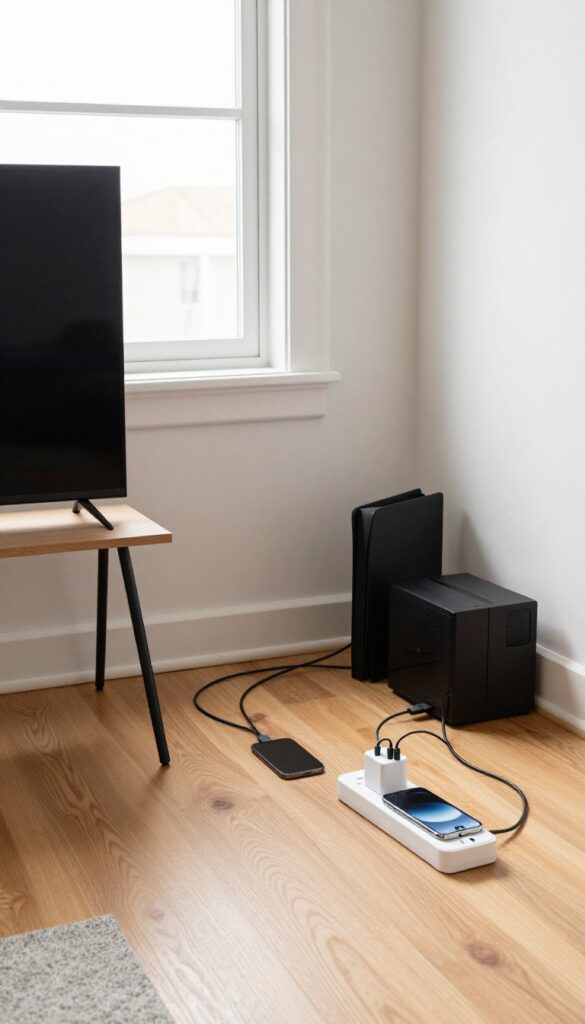
You might not see them, but energy vampires are quietly sucking power—and money—out of your home. These are devices that draw electricity even when turned off or in standby mode. Think phone chargers left plugged in, the TV that's "off" but still glowing with a tiny light, or the microwave clock that never sleeps.
That phantom load can add up to 10% of your electric bill, according to the U. S. Department of Energy.
Unplugging is one of the easiest ways to stop that leak.
The fix is simple: get into the habit of unplugging devices when they're not actively being used. Start with the biggest culprits—entertainment systems, computer setups, and kitchen appliances with digital displays. Use power strips to make it easy: flip one switch to cut power to multiple devices at once.
You'll save money without changing your lifestyle.
Where The Vampires Hide
Not all electronics are equal. Game consoles, cable boxes, and desktop computers are some of the worst offenders, often using nearly as much power in standby as when active. Even small things like phone chargers draw a trickle.
Walk through your home and note anything with a light, clock, or remote sensor—those are your targets.
Power Strips Are Your Friend
Instead of crawling behind furniture to unplug each device, plug them into a power strip. Flip the strip off when you leave the room or go to bed. Smart power strips can even detect when a device is in standby and cut power automatically.
It's a one-time investment that pays for itself quickly.
Make It A Habit
Start small. Pick one area—like the home office or living room—and commit to unplugging for a week. Notice the difference?
After a month, check your bill. Once you see the savings, you'll be motivated to tackle the rest of the house. It's a low-effort habit that delivers real results.
6. Switch to LED Bulbs
Lighting accounts for about 15% of a typical home's electricity bill, but swapping out old bulbs is one of the fastest ways to cut that number. LEDs use 75% less energy and last 25 times longer than incandescent bulbs, so you save on both electricity and replacement costs. Start with the lights you use most—kitchen, living room, and bathroom—and you'll see the difference in your next bill.
LED technology has come a long way. They now offer warm, soft light that rivals traditional bulbs, and they're dimmable in most fixtures. The upfront cost is a bit higher, but each bulb can save you about $5–$10 per year in energy costs.
Over its lifetime, a single LED bulb can save you $100 or more.
Which Bulbs To Replace First
Focus on high-use areas: kitchen ceiling lights, living room lamps, bathroom vanity lights, and outdoor fixtures that run all night. A family of four might have 40+ bulbs, but swapping just the top 10 can cut your lighting bill by half.
Choosing The Right Led
Look for the Energy Star label and check the lumens (brightness) and color temperature (measured in Kelvin). For cozy spaces, pick 2700K–3000K (warm white). For task areas like a home office or garage, 4000K–5000K (cool white) works better.
Also match the bulb shape to your fixture—A19 for standard lamps, BR30 for recessed cans.
Maximizing Your Savings
Take advantage of rebates from your utility company—many offer discounts or even free LED bulbs through energy efficiency programs. Also, consider smart LEDs that let you schedule lights to turn off automatically, preventing wasted energy when you forget.
7. Line-Dry Clothes When Possible
Your dryer is one of the biggest energy hogs in your home, costing you around $100 to $200 per year just to run. Toss in the wear and tear on your clothes, and that convenience adds up fast. Hanging your laundry to dry is a simple swap that saves money and keeps your favorite pieces looking newer longer.
Line-drying isn't just for grandmas or people with sprawling backyards. Even if you live in an apartment, a foldable drying rack or a retractable clothesline can fit in a bathroom, laundry room, or balcony. The key is to start small—maybe just one load a week—and see how much you save.
The Money Saved
A typical dryer uses about 3, 000 to 5, 000 watts per hour. If you run it four times a week, that's roughly $150 a year. By air-drying half your loads, you pocket $75 or more annually.
Plus, your clothes last longer because they aren't tumbling in high heat.
Best Practices For Soft Results
Worried about stiff towels? Shake each item well before hanging, and add a half cup of white vinegar to the rinse cycle to soften fabric naturally. For a fresh scent, line-dry outdoors on a breezy day.
Indoors, place the rack near a sunny window or in a room with good airflow.
What About Delicates And Work Clothes?
Delicates like lingerie and sweaters should never go in the dryer anyway. Hang them on a mesh rack or lay flat to preserve shape. For work shirts, hang them on hangers right out of the wash—they'll dry wrinkle-free and save you ironing time.
8. Make Your Own Cleaning Supplies
Store-bought cleaners are expensive and often packed with chemicals you don't need. A few simple ingredients can handle almost every mess in your home for pennies. Plus, you'll know exactly what's in your spray bottle.
The holy trinity of DIY cleaning is white vinegar, baking soda, and lemons. Vinegar cuts grease and disinfects, baking soda scrubs and deodorizes, and lemon adds a fresh scent and extra grease-fighting power. Mix and match for different tasks.
All-purpose Cleaner
Mix equal parts water and white vinegar in a spray bottle. Add a few drops of lemon or tea tree oil for a pleasant scent. Use it on counters, windows, and most surfaces—just avoid marble and granite.
Scrubbing Paste
Combine baking soda with just enough water to form a thick paste. Apply it to sinks, tubs, or stovetops, let it sit for a few minutes, then scrub and rinse. It tackles grime without harsh abrasives.
Glass And Mirror Spray
For streak-free shine, mix 1 cup water, 1 cup vinegar, and 1 tablespoon cornstarch in a spray bottle. Shake well before each use. Spray on glass and wipe with a microfiber cloth.
9. Use the Library Instead of Buying Books

Libraries have come a long way from just dusty shelves of hardcovers. Today, your local library is a goldmine of free resources—books, audiobooks, movies, magazines, and even tools and kitchen gadgets. The best part?
Most libraries now offer digital borrowing through apps like Libby or Hoopla, so you can access everything from your couch. Why spend money on a book you'll read once when you can borrow it for free?
Libraries are a frugal powerhouse. Instead of buying a new novel or the latest bestseller, place a hold online and pick it up when it's ready. Many libraries also have DVD and Blu-ray collections, so you can skip streaming subscriptions for movie nights.
And if you need a specialty tool—like a pressure washer, sewing machine, or even a telescope—some libraries have a "library of things" you can borrow. It's like having a free rental service for almost everything.
Digital Borrowing
You don't even have to leave home. Apps like Libby let you borrow ebooks and audiobooks instantly with your library card. Hoopla offers movies, TV shows, music, and comics.
No late fees, no gas spent—just free entertainment and learning.
Beyond Books
Check your library's catalog for unexpected items. Many lend board games, puzzles, baking pans, and even musical instruments. Some have seed libraries where you can grab free vegetable seeds for your garden.
It's worth a browse.
Free Events And Workshops
Libraries host free classes, storytimes, and workshops. From resume help to yoga sessions, you can learn new skills without paying a dime. Plus, kids' programs are a great way to entertain little ones without spending on activities.
10. Cancel Unused Subscriptions
Those small monthly charges for streaming services, apps, or gym memberships add up faster than you'd think. A few forgotten subscriptions can quietly drain hundreds of dollars a year without you noticing.
Take 30 minutes to scan your bank and credit card statements for recurring charges. Anything you haven't used in the past month is a prime candidate for cancellation. You can always resubscribe later if you miss it.
Where To Look
Check your bank statements, credit card bills, and PayPal or app store purchase history. Look for monthly charges you don't recognize or haven't thought about in a while.
How To Cancel
Most services let you cancel online, but some require a phone call. Use a tool like Rocket Money or just set a reminder to cancel manually. Don't forget to confirm the cancellation email.
Stay On Top Of It
Set a recurring calendar reminder every three months to audit your subscriptions again. It takes just a few minutes and keeps your spending in check.
11. Shop Your Own Closet
Before you hit the mall or browse online, take a good look at what you already own. Most of us wear the same 20% of our wardrobe and ignore the rest. A quick closet audit can save you hundreds of dollars and help you rediscover pieces you forgot you loved.
Shopping your own closet is about making the most of what you have. It's free, it's sustainable, and it often leads to surprising outfit combos. Start by pulling everything out, trying things on, and mixing pieces in new ways.
The 30-day Rule
When you feel the urge to buy something new, wait 30 days. Put the item on a wishlist and revisit it after a month. Often, the desire fades, and you realize you didn't need it at all.
If you still want it, you can consider buying it—but you might find a similar item in your closet first.
Create A Capsule Wardrobe
Pick a small set of versatile pieces that mix and match easily. Focus on neutral basics like a white shirt, dark jeans, and a blazer. This reduces decision fatigue and makes it easy to create outfits without buying new clothes.
You'll be surprised how many looks you can create from just a few items.
Swap With Friends
Host a clothing swap with friends or family. Everyone brings items they no longer wear and trades for new-to-them pieces. It's a fun social event that refreshes your wardrobe for free.
Just make sure to set ground rules—like clean clothes and no hard feelings if something doesn't fit.
12. Use Cash Envelopes for Variable Spending
Plastic is painless—until the bill arrives. When you swipe a card, you don't feel the money leaving. Cash changes that.
The envelope system makes you physically hand over your dollars, which triggers a stronger sense of loss. It's a simple psychological hack that keeps variable spending like dining out and entertainment in check.
Withdraw cash for categories where you tend to overspend. Label envelopes for things like restaurants, movies, or hobbies. Once the envelope is empty, that's it—no more spending in that category until next month.
The visual cue of a shrinking stack of bills is surprisingly powerful.
Which Categories Work Best
Focus on the spending areas that drift the most. For many people, that's eating out, coffee runs, and entertainment. Pick two or three categories that consistently bust your budget.
Don't bother with fixed costs like rent or utilities—those don't need envelopes.
How To Start Without Overcomplicating
You don't need a fancy binder or labeled pouches. Grab a few plain envelopes, write the category on the front, and stuff them with cash from your paycheck. Keep them in a secure spot at home.
Only take the relevant envelope when you go out. That's it.
What To Do With Leftover Cash
If you have money left at month's end, roll it into next month's envelope or put it toward a savings goal. Some people treat it as a reward—a guilt-free coffee or a movie night. Either way, it's a win because you stayed within your limit.
13. Repair Instead of Replace
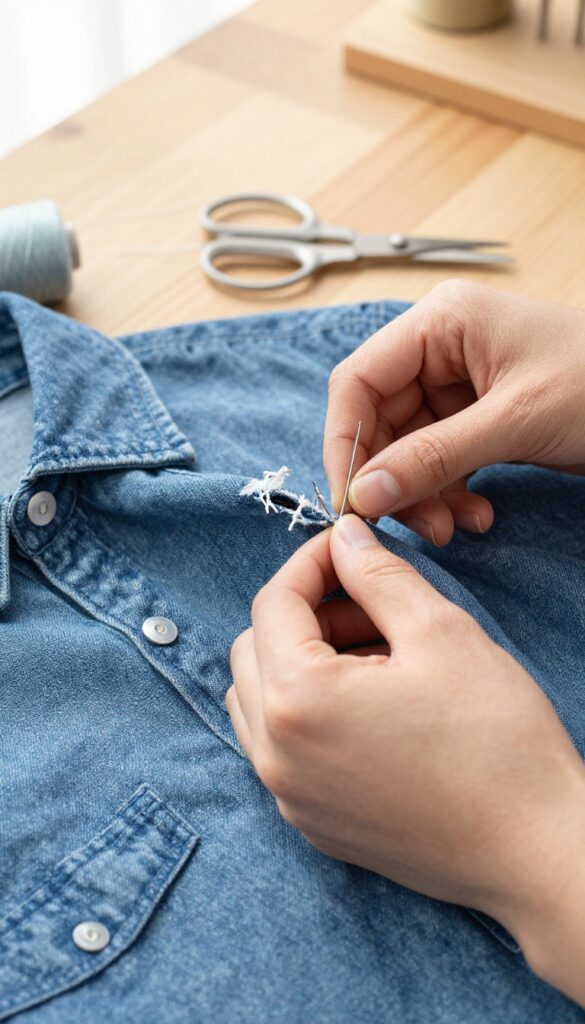
That torn shirt or wobbly chair doesn't have to end up in the trash. Learning a few basic repair skills can save you hundreds of dollars a year and keep your belongings in service longer. YouTube tutorials make it easy to fix everything from a broken zipper to a leaky faucet.
Before you toss something, ask yourself: can this be fixed? Often the answer is yes with a little patience and a simple tool. Start small—mend a button, patch a hole, tighten a screw—and build from there.
The satisfaction of reviving something you thought was done is surprisingly addictive.
Sewing Basics
A needle, thread, and a few stitches can extend the life of clothes, curtains, and upholstery. Learn to sew on a button, fix a seam, or patch a tear. Online tutorials show you exactly how, and the supplies cost pennies compared to a new garment.
Shoe Repair
Soles wear out, heels scuff, and stitching unravels—but a cobbler isn't your only option. With a tube of shoe glue, a sole patch, or a simple resoling kit, you can give your favorite shoes a second life. It's cheaper than buying new and better for the environment.
Appliance Fixes
Before calling a repair person, check YouTube for your specific issue. Many common appliance problems—like a clogged dishwasher drain or a noisy dryer—have simple DIY fixes. A $10 part and twenty minutes can save you a $150 service call.
14. Grow Your Own Herbs
Fresh herbs from the store are expensive and often go bad before you use them all. A small pot on your windowsill can change that. Basil, mint, parsley, or chives are easy to grow and cost pennies per plant.
You'll save money and always have flavor on hand.
Growing your own herbs is one of the simplest ways to cut grocery costs while elevating your cooking. A single basil plant can produce for months, giving you fresh leaves whenever you need them. No more buying a whole bunch for one recipe and watching the rest wilt.
Start With Easy Winners
Basil, mint, chives, and parsley are forgiving for beginners. They thrive in small pots with indirect sunlight and regular watering. Mint is especially hardy—it grows like a weed, so keep it in a container to avoid taking over your garden.
Save More By Propagating
You can regrow herbs from store-bought cuttings. Place basil or mint stems in a glass of water until roots appear, then transfer to soil. This gives you free plants from herbs you were going to buy anyway.
Use Them Before They Bolt
Herbs like basil and cilantro flower quickly in warm weather. Harvest leaves regularly to delay bolting. If they do flower, let some go to seed—you can collect seeds for next season or let them self-sow.
15. Use a Programmable Thermostat
Heating and cooling eat up nearly half of your home's energy bill. A programmable thermostat lets you dial back when it matters most—while you're asleep or out of the house. It's a one-time setup that pays for itself within months.
Set it and forget it. Program your thermostat to lower the temperature by 7–10°F for eight hours a day. The Department of Energy says that simple shift can save you up to 10% on heating and cooling annually.
No need to freeze—just adjust while you're cozy under blankets or away at work.
Start With Smart Defaults
Most programmable thermostats come with pre-set schedules. Use them as a starting point. For example, set it to 68°F in winter when you're home and awake, then drop to 62°F while sleeping or away.
In summer, reverse the logic: 78°F when home, higher when out.
Don't Overcomplicate It
You don't need a fancy smart thermostat to save. A basic model with a simple 7-day schedule works just fine. The key is consistency—once programmed, you won't have to think about it again.
If you forget to adjust manually, the thermostat handles it for you.
Combine With Ceiling Fans
Ceiling fans make a room feel cooler or warmer without changing the thermostat. In summer, run fans counterclockwise to create a breeze. In winter, reverse direction to push warm air down.
This lets you keep the thermostat a few degrees lower without sacrificing comfort.
16. Make Coffee at Home
That daily latte run adds up faster than you think. Even a modest $4 coffee every weekday costs over $1, 000 a year. Brewing at home isn't just cheaper—it can be just as good, if not better, with a little practice.
Invest in a quality thermos and a simple brewing method that fits your morning routine, and you'll save hundreds without sacrificing your caffeine fix.
Pick Your Brew Method
You don't need an expensive espresso machine. A French press, pour-over cone, or even a basic drip maker can produce excellent coffee. Choose one that matches how much time and effort you want to spend.
A French press takes about 4 minutes and gives you rich, full-bodied coffee. A pour-over is a bit more hands-on but lets you control every variable. The key is to find something you'll actually use every day.
Buy Beans, Not Grounds
Whole beans stay fresh much longer than pre-ground coffee. Buy a small bag from a local roaster or even the grocery store, and grind only what you need each morning. A simple blade grinder costs around $15 and makes a noticeable difference in flavor.
Freshly ground coffee tastes brighter and more complex, so you won't miss the coffee shop as much.
Invest In A Good Thermos
A high-quality thermos keeps your coffee hot for hours, so you can make a large batch in the morning and sip it all day. Look for one with a vacuum-insulated stainless steel interior—it won't retain flavors or odors. This way, you can brew once and avoid the temptation to buy another cup later.
Plus, you'll reduce waste from disposable cups.
Make It A Ritual
Treat your home coffee routine like a small ceremony. Use a favorite mug, play some music, or enjoy the quiet before the day starts. When brewing feels like a treat rather than a chore, you're far less likely to crave the drive-through version.
Over time, that daily habit becomes something you look forward to—and your wallet thanks you.
17. Buy in Bulk for Non-Perishables
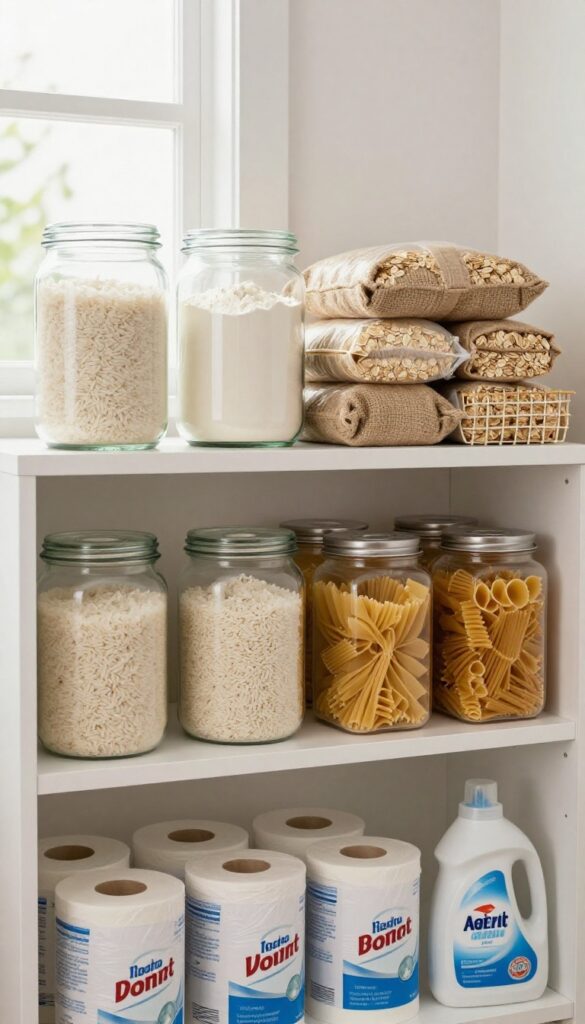
Warehouse clubs and bulk bins can feel intimidating, but they're goldmines for items that don't spoil. Rice, pasta, toilet paper, and cleaning supplies often cost significantly less per unit when you buy larger quantities. The trick is knowing what's worth stocking up on and what's better to buy small.
Before you grab the jumbo pack, check the unit price. Sometimes the "bulk" option isn't actually cheaper. Stick to things you use regularly and have space to store.
A 25-pound bag of rice is a steal if you eat rice often; it's just clutter if you don't.
What To Buy In Bulk
Non-perishable pantry staples like oats, beans, flour, and sugar are perfect candidates. Household essentials such as trash bags, laundry detergent, and dish soap also save money over time. Just make sure you have a dry, cool place to keep them.
Avoid These Bulk Traps
Skip bulk buys for items you might not finish—like specialty spices or huge jars of condiments. Also avoid perishables unless you have a plan to use them before they go bad. That giant bag of onions might rot before you get through half.
Storage Tips For Bulk Buys
Transfer bulk items into airtight containers to keep pests out and food fresh. Label everything with the purchase date. For paper goods, store them off the floor in a dry area to prevent moisture damage.
18. Use a Clothesline or Drying Rack
Your dryer is one of the biggest energy hogs in the house. Every load costs you money and shortens the life of your clothes. Switching to air drying is an easy way to save without sacrificing convenience.
Save On Energy Bills
The average dryer uses about $100 to $200 in electricity per year. By air drying even half your loads, you can cut that cost significantly. Plus, you're reducing your carbon footprint without any extra effort.
Make Your Clothes Last Longer
Dryer heat and tumbling cause fabric fibers to break down over time. Air drying is gentler, so your favorite shirts, jeans, and delicates stay looking new longer. You'll buy clothes less often, which is a win for your wallet.
Tips For Faster Drying
To speed things up, spin your clothes on the highest cycle before hanging. Use a drying rack indoors during bad weather, or set up a retractable clothesline outside. Shake out each item to reduce wrinkles and let air circulate.
19. Practice the 30-Day Rule for Non-Essentials
Impulse buys are budget killers. That shiny gadget or trendy clothing item looks great in the moment, but the excitement often fades fast. The 30-day rule gives you a cooling-off period to separate genuine needs from fleeting wants.
When you feel the urge to buy something non-essential, write it down with the date and price. Then wait 30 days. If you still want it after that time, and it fits your budget, consider buying it.
More often than not, you'll realize you don't need it at all.
How It Works
Keep a running list on your phone or a notepad. For each item, note the date you first wanted it. After 30 days, review the list.
You'll be surprised how many items no longer appeal to you.
Why It Works
The wait breaks the dopamine loop of instant gratification. It gives your rational brain time to evaluate the purchase. Plus, you might find you already have something similar at home.
When To Break The Rule
The 30-day rule is for non-essentials. If you run out of something necessary—like toothpaste or a basic tool—buy it right away. The goal is to curb impulse spending, not to create inconvenience.
20. Barter Skills with Friends and Neighbors
Money isn't the only currency that works. Trading skills with people you trust keeps cash in your pocket and strengthens your local network. Babysitting swaps, lawn mowing exchanges, or tech support for homemade meals—these arrangements cost nothing but create real value for both sides.
Bartering works best when you start small and keep it simple. Offer something you're good at and ask for something you need. No invoices, no awkward transactions—just a fair trade that helps everyone.
Find Your Trade Partners
Start with neighbors you already know or friends from community groups. Post in a local Facebook group or Nextdoor: “Will trade homemade bread for help with my garden. ” You'll be surprised how many people are open to swapping skills.
Set Clear Expectations
Avoid misunderstandings by agreeing on the scope upfront. If you're trading two hours of babysitting for a lawn mow, say so. Keep it casual but clear—that way both parties feel good about the deal.
Expand Your Bartering Circle
Once you've done a few swaps, you can build a small network. Maybe your neighbor fixes bikes, and your friend edits photos. Connect them, and everyone benefits.
Over time, bartering can cover everything from haircuts to pet sitting.
21. Review Your Insurance Policies Annually

Insurance is one of those things you set and forget—until a bill arrives and you wonder why it keeps creeping up. But here's the thing: loyalty doesn't always pay. Companies often raise rates on existing customers while offering lower premiums to new ones.
An annual review can uncover hundreds of dollars in savings.
Set a calendar reminder for once a year. Gather your current policies—car, home, renters, life—and get quotes from at least three competitors. Use comparison sites or work with an independent agent who can shop around for you.
Even a small rate drop adds up over time.
What To Look For
Check for changes in your life that could lower rates: paid off a car? Ask about a paid-in-full discount. Improved your home's security?
Many insurers offer discounts for alarm systems, deadbolts, or smart home devices. Also review your deductibles—raising them slightly can reduce premiums significantly.
Don't Forget Bundling
Combining auto and home (or renters) with the same company often unlocks a multi-policy discount. But don't assume the bundle is the best deal—compare the total cost against separate policies from different insurers. Sometimes splitting them saves more.
When To Switch
If you find a better rate, switch—but time it right. Avoid canceling mid-policy unless the savings outweigh any cancellation fee. Also, make sure there's no lapse in coverage.
A gap can raise future rates. And always read the fine print on coverage limits and exclusions.
FAQ
How much money can I actually save with these tips?
It varies, but many people save $200–$500 per month by implementing several of these strategies consistently.
Do I have to do all 21 tips at once?
No. Start with 2 or 3 that feel easiest, then gradually add more. Small changes stick better.
Will being frugal feel like deprivation?
Not if you focus on what you gain (savings, less clutter, more freedom) rather than what you give up.
Are these tips suitable for families?
Absolutely. Many tips, like meal planning and bulk buying, are even more effective for larger households.
How do I stay motivated to keep saving?
Track your savings in a visible way, like a jar or a simple spreadsheet. Watching the number grow is motivating.
Conclusion
These 21 frugal tips are proof that saving money doesn't have to feel like a chore. Start with just one or two that click with your routine, and let the savings build naturally.
Small shifts in daily habits can lead to big changes over time—without sacrificing the things you love.
Free PDF Download
Not Sure Which Side Hustle Fits You Best?
Take the free Side Hustle Matchmaker Quiz and get a simple 7-day starter plan to help you choose a beginner-friendly idea based on your time, skills, comfort level, and goals.
You’ll get this free PDF plus access to the full Marketerna Save More & Earn More PDF Kit. No spam. Unsubscribe anytime.