19 Budget Organization Ideas to Make Money Less Confusing
Last updated on May 5th, 2026 at 03:41 pm
Budgeting doesn't have to feel like a foreign language. These 19 organization ideas break down the confusion into simple, actionable steps—from zero-based budgeting to weekly money dates.
Each method tackles a different money challenge, so you can pick what clicks with your lifestyle.
Start with one or two, and watch your finances become clearer and less stressful.
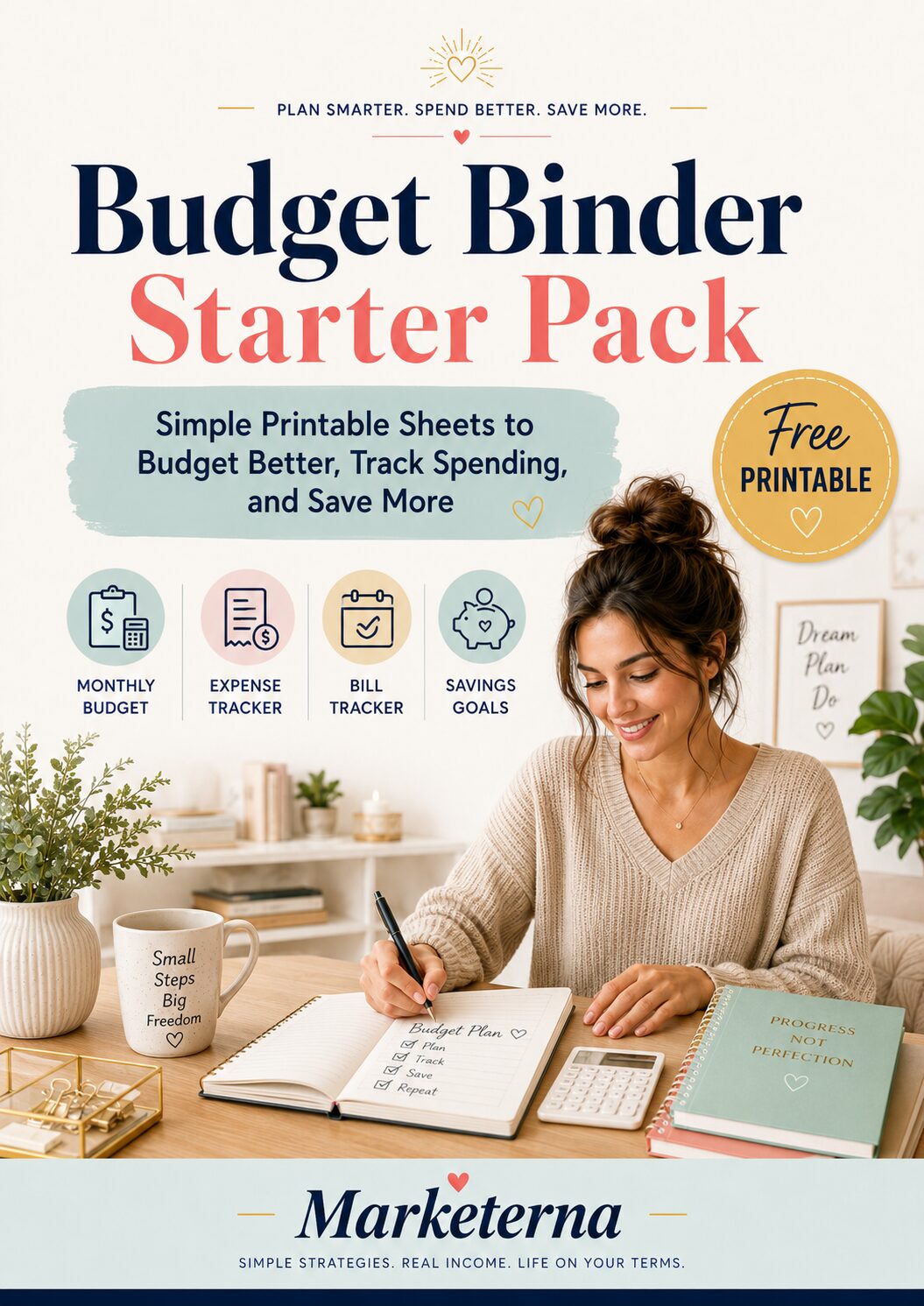
Free PDF Download
Get the Free Budget Binder Starter Pack
Download simple printable budget sheets to plan your monthly money, track expenses, organize bills, and start building better money habits without feeling overwhelmed.
You’ll get this free PDF plus access to the full Marketerna Save More & Earn More PDF Kit. No spam. Unsubscribe anytime.
1. The Zero-Based Budget Method
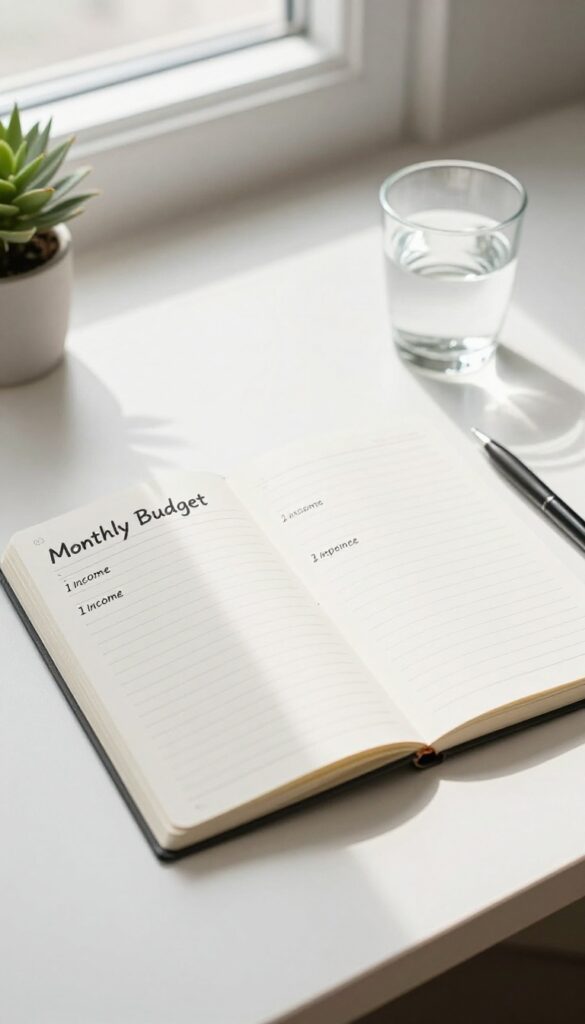
If you've ever looked at your bank account at the end of the month and wondered where your money went, this method is for you. Zero-based budgeting flips the script by giving every single dollar a specific job before you spend a cent. The goal is simple: income minus expenses equals zero.
No leftover cash, no mystery spending.
Start by listing all your income for the month. Then, assign every dollar to a category—bills, groceries, savings, debt payments, even fun money. The trick is to keep adjusting until nothing is unassigned.
It sounds intense, but it actually frees you up to spend guilt-free because every purchase was planned.
Why It Works So Well
Most budgets are passive—you track what you spent after the fact. Zero-based budgeting makes you proactive. You decide ahead of time where your money goes, so there's no room for impulse leaks.
It also forces you to prioritize what truly matters, whether that's paying off debt or building an emergency fund.
How To Get Started Today
Grab a notebook or open a budgeting app. Write down your total monthly income. Then list every expense you can think of, from rent to Netflix.
Subtract that from your income. If there's money left, assign it to a goal like savings or extra debt payments. Keep going until your balance hits zero.
That's it.
Common Pitfalls To Avoid
Don't forget irregular expenses like car insurance or annual subscriptions—plan for them monthly. Also, leave a little wiggle room for unexpected costs. And if you go over in one category, adjust another instead of giving up.
Flexibility is key to making this method stick.
2. Envelope System for Variable Expenses
Variable expenses—like groceries, dining out, and entertainment—are often where budgets go off the rails. The envelope system gives each category a fixed amount of cash (or digital balance) and once it's gone, you stop spending. It's a straightforward way to enforce limits without tracking every penny.
The envelope system forces you to prioritize. When you see the cash in the 'eating out' envelope shrink, you naturally think twice about that extra latte. It turns abstract budget numbers into tangible decisions.
How To Set It Up
List your variable expense categories and decide a monthly amount for each. Withdraw that total in cash and divide it into labeled envelopes. For digital versions, use apps like Goodbudget or Mvelopes that mimic the same system.
When To Replenish
Refill envelopes only at the start of each month. If you run out early, you have two choices: transfer from another category (if you have a surplus) or simply wait until next month. No cheating by dipping into savings.
Common Pitfalls To Avoid
Don't set amounts too tight—leave a little wiggle room. Also, keep the envelopes physically separate from your wallet to avoid accidental spending. And remember: this works best for variable expenses, not fixed bills like rent.
Free PDF Download
Get the Free Budget Binder Starter Pack
Download simple printable budget sheets to plan your monthly money, track expenses, organize bills, and start building better money habits without feeling overwhelmed.
You’ll get this free PDF plus access to the full Marketerna Save More & Earn More PDF Kit. No spam. Unsubscribe anytime.
3. Sinking Funds for Irregular Costs
Irregular expenses—like annual insurance premiums, holiday gifts, or car repairs—can ambush even the best budget. Instead of scrambling to cover them, sinking funds let you break those big bills into small, painless monthly chunks. Think of them as mini savings accounts for predictable but non-monthly costs.
Sinking funds are the unsung heroes of budget organization. They turn surprise expenses into planned ones, so you never have to choose between paying a bill and buying groceries. Here's how to set them up and use them effectively.
Identify Your Irregular Costs
Start by listing every expense that doesn't happen monthly: car insurance, property taxes, annual subscriptions, vet visits, birthday presents, back-to-school supplies. Look back at last year's bank statements to catch anything you might forget. Group them by month or quarter so you know when each fund needs to be full.
Calculate Your Monthly Contribution
Add up the annual total for each sinking fund category. Divide by 12 to get your monthly savings target. For example, if car insurance is $1, 200 a year, you need to set aside $100 each month.
If a category is due in six months, divide by six instead. Automate this transfer on payday so you never have to think about it.
Keep Funds Separate And Visible
Open a dedicated savings account or use digital envelopes with labels like "Car Insurance" or "Gifts. " Many banking apps let you create sub-accounts. Tracking each fund's balance helps you see progress and avoid accidentally spending the money elsewhere.
When the bill arrives, you're ready.
4. The 50/30/20 Rule Framework
Sometimes the best way to organize your money is to keep it simple. The 50/30/20 rule does exactly that—no complicated spreadsheets or categories. Just three big buckets that cover everything.
This framework splits your after-tax income into needs (50%), wants (30%), and savings (20%). It's a flexible starting point that works for most people, whether you're a budgeting newbie or just tired of tracking every penny.
What Counts As A Need?
Needs are the non-negotiables: rent or mortgage, utilities, groceries, minimum debt payments, insurance, and transportation. If you'd be in serious trouble without it, it's a need. Keep this category to half your income.
Wants Are The Fun Stuff
Wants include dining out, streaming subscriptions, travel, hobbies, and upgraded gadgets. This is your guilt-free spending zone—30% of your income to enjoy life without wrecking your finances.
Savings And Debt Payoff
The final 20% goes to savings, investments, and extra debt payments. Build an emergency fund, contribute to retirement, or pay down credit cards faster. This bucket builds your future.
Free PDF Download
Get the Free Budget Binder Starter Pack
Download simple printable budget sheets to plan your monthly money, track expenses, organize bills, and start building better money habits without feeling overwhelmed.
You’ll get this free PDF plus access to the full Marketerna Save More & Earn More PDF Kit. No spam. Unsubscribe anytime.
5. Automated Savings Transfers
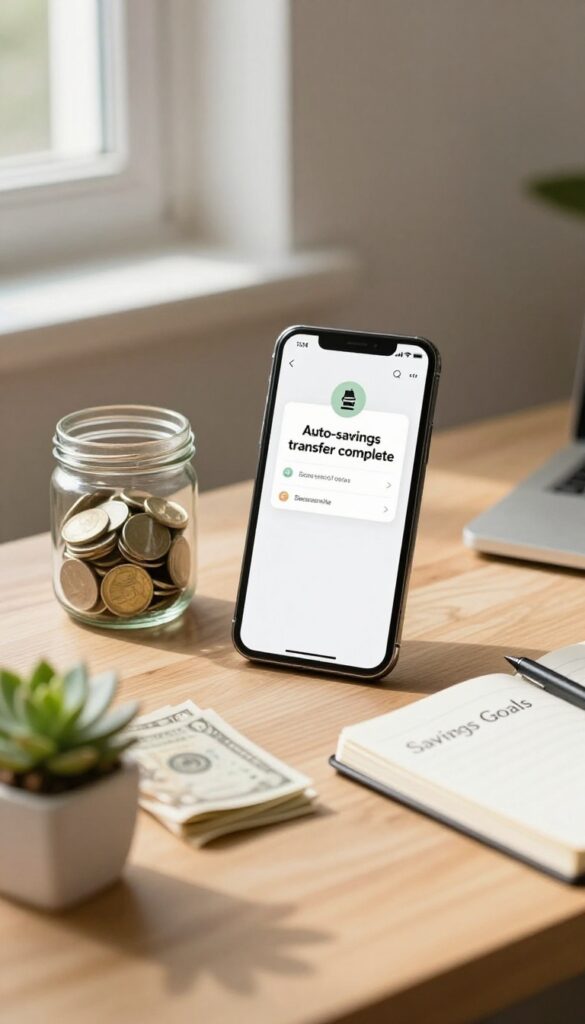
The easiest way to save is to make it happen without thinking. When money moves automatically on payday, you never have to wrestle with the temptation to spend it. It's the financial equivalent of putting your savings on autopilot.
Set up a recurring transfer from your checking to your savings account for the same day you get paid. Even a small amount—say $25 or $50—adds up fast. You'll be surprised how quickly you adjust to living on slightly less.
Pick A Percentage, Not A Dollar Amount
If you're not sure how much to save, start with a percentage of your income—like 10% or 15%. That way the amount grows naturally when you get a raise or bonus. No math required.
Use Multiple Savings Buckets
Don't just dump everything into one account. Create separate savings for emergencies, vacations, or big purchases. Most banks let you nickname accounts, so you can see exactly what each dollar is for.
Set It And Forget It—but Check In Monthly
Automation does the heavy lifting, but a quick monthly review keeps you on track. Look at your balance, adjust the amount if needed, and celebrate the progress. It takes two minutes.
6. Bi-Weekly Bill Pay Schedule
Ever feel like your bills are due all at once, right when your bank account is looking thin? That's because most of us get paid on a set schedule, but our bills don't cooperate. The solution is simple: shift your bill due dates to line up with your paydays.
This trick takes the guesswork out of cash flow and practically eliminates late fees.
Start by listing every recurring bill you have—rent, utilities, subscriptions, loans. Then check your pay schedule. If you're paid bi-weekly, split your bills into two groups: those due in the first half of the month and those due in the second.
Contact each company to request a due date change. Most will let you pick a date that works for you. Once everything aligns, you'll always know exactly how much money you need from each paycheck to cover your obligations.
No more scrambling or overdraft fees.
How To Align Your Bills
Grab a calendar and mark your paydays. Then list each bill and its current due date. Move any bill that falls between paydays to a date right after your paycheck hits.
For example, if you're paid on the 1st and 15th, schedule bills due between the 2nd and 15th for the 16th, and those due between the 16th and end of month for the 2nd. Most companies allow due date changes online or over the phone.
Why It Works So Well
This method removes the mental math of wondering whether you'll have enough money when a bill hits. You always know your balance right after payday, so you can pay everything immediately. It also helps you avoid late fees because the money is already there.
Plus, it forces you to see your fixed costs upfront, making it easier to budget for fun stuff with whatever's left.
What To Do If A Company Won't Budge
Some lenders or landlords may not let you change due dates. In that case, set up a separate savings account just for bills. Each payday, deposit the amount needed for the upcoming bills that don't align.
Then when the original due date arrives, the money is ready. It's an extra step, but it keeps everything smooth.
7. Digital Dashboard with Mint or YNAB
If you're tired of manually tracking every coffee and subscription, a digital dashboard can do the heavy lifting. Apps like Mint or YNAB sync directly with your bank and credit card accounts, pulling in transactions automatically. You get a real-time view of your spending without the data entry headache.
These tools categorize your purchases, show where your money goes, and send alerts when you're about to overspend. It's like having a personal finance assistant that never sleeps. The key is to check in regularly—even just five minutes a day—to stay on top of your numbers.
Set Up Your Categories
Start by customizing categories that match your life. Mint and YNAB come with defaults, but you can rename or split them. For example, break out "Groceries" from "Dining Out" to see where you can cut back.
The more specific, the clearer your spending patterns become.
Use Alerts To Stay On Track
Both apps let you set budget limits per category. When you're close to hitting the cap, you'll get a notification. This gentle nudge helps you pause before swiping.
Over time, you'll naturally adjust your habits without feeling restricted.
Review Weekly, Not Daily
It's tempting to check your dashboard every hour, but that can lead to unnecessary stress. Instead, schedule a 10-minute weekly review. Look at trends, adjust categories, and celebrate small wins.
Consistency beats obsession.
8. Paper Ledger for Cash Transactions

Cash can slip through your fingers faster than card payments. A simple paper ledger—just a small notebook you keep in your bag or pocket—forces you to log every dollar you spend. That tiny act of writing builds awareness and plugs the small leaks that add up over time.
This old-school method works because it makes you pause before spending. You see the balance drop in real time, and that visual cue often stops impulse buys. Plus, no app notifications or battery worries—just you and your pen.
How To Set Up Your Ledger
Grab any pocket-sized notebook. On the first page, write your starting cash amount. Then, each time you spend cash, jot down the date, item, and amount.
Keep a running total at the bottom of each page so you always know what's left.
Why It Beats Digital Tracking
Typing a number into an app feels abstract. Handwriting creates a stronger mental connection to your spending. You're more likely to remember that $6 coffee when you see it in your own handwriting.
Plus, no sync errors or privacy concerns.
When To Use This Method
It's perfect for variable expenses like groceries, dining out, or entertainment—the categories where cash tends to disappear. Use it alongside your main budget for a few weeks to spot patterns you might miss otherwise.
9. The 'No-Spend Challenge' Reset
Sometimes you need a hard reset to see where your money is actually going. A no-spend challenge strips away all the extras so you can focus on what truly matters. It's a short-term experiment that often leads to long-term awareness.
Pick a week or a month where you only spend on essentials like rent, utilities, groceries, and transportation. Everything else gets paused. This forces you to get creative with what you already have and highlights the purchases you usually make without thinking.
How To Set Your Boundaries
Define what 'essential' means for you. Groceries are in, takeout is out. Gas is in, that daily latte is out.
Write down your rules so there's no gray area. Share them with a friend or partner to stay accountable.
What You'll Learn
By day three, you'll notice how often you reach for your wallet out of habit. You might discover that skipping happy hour saves you $50 a week or that you don't miss that subscription service at all. These insights stick long after the challenge ends.
Making It Stick
After the challenge, don't go back to old habits right away. Instead, pick one or two non-essential expenses you realized you can live without and cut them permanently. Use the money you saved to boost your emergency fund or pay down debt.
10. Color-Coded Binder System
If you're drowning in a sea of paper bills and receipts, a color-coded binder can be your financial life raft. It turns chaos into clarity with a simple visual system that makes finding any document a breeze. Plus, it's a hands-on approach that helps you stay connected to your money.
Grab a three-ring binder, a set of tabbed dividers, and some colored folders or sticky notes. Assign a color to each major category: red for bills, blue for bank statements, green for receipts, yellow for tax documents, and so on. Slip each document into its matching section, and you'll always know where to look.
How To Set It Up
Start by gathering all your financial papers. Sort them into piles by category—bills, receipts, statements, tax docs, insurance, etc. Then assign a color to each category.
Use colored dividers or tab labels to mark each section. Place the most recent documents at the front for easy access.
Maintenance Tips
Set a recurring weekly or bi-weekly time to file new papers. Keep a small shredder nearby for sensitive documents you no longer need. Review the binder monthly to purge old receipts and statements you've already reconciled.
This keeps the system lean and functional.
Why It Works
Color coding taps into your brain's ability to process visuals faster than text. You'll spot a red tab and instantly think "bills due" without reading a single word. This reduces the mental load of money management and makes organization feel almost automatic.
11. Pay-Yourself-First Strategy
Most people pay their bills first and save whatever is left. But what's left is often nothing. Flip the script: treat your savings like a mandatory expense.
Before you spend a dime on anything else, move a fixed percentage to a savings or investment account. This forces you to build wealth automatically, no willpower required.
The pay-yourself-first method turns saving from an afterthought into a priority. It's simple: decide a percentage (say 10% or 20%) of your income that goes straight to savings the moment you get paid. Then you live on whatever remains.
This works because you never see the money in your checking account, so you don't miss it. Over time, your savings grow without you having to think about it.
Pick Your Percentage
Start with a number that feels doable. Even 5% is better than nothing. The key is consistency, not the amount.
You can always increase it later as your income grows or expenses shrink.
Automate The Transfer
Set up an automatic transfer from your checking to your savings account on payday. Most banks let you schedule recurring transfers. Once it's automated, you don't have to remember or decide each month—it just happens.
Live On The Rest
After your savings are taken care of, the remaining money is yours to spend guilt-free. This mindset shift reduces stress because you know your future self is already taken care of. No more scrambling to save at the end of the month.
12. Weekly Money Date Ritual

Carving out 30 minutes each week for a money date might sound like a chore, but it's actually a game-changer. Instead of letting financial stress build up, you give yourself a regular check-in to review transactions, update your budget, and plan ahead. Consistency beats intensity every time.
A weekly money date keeps you connected to your finances without the overwhelm. It's a low-pressure habit that prevents small issues from snowballing. Plus, you'll feel more in control and less anxious about money.
Pick Your Day And Time
Choose a consistent day and time that works for you—Sunday evening or Wednesday lunch, whatever fits. Set a recurring calendar reminder so you don't forget. Treat it like any other important appointment.
What To Cover In 30 Minutes
Start by reviewing recent transactions and categorizing any that slipped through. Then update your budget with actual spending, check upcoming bills, and adjust if needed. End by setting a small financial goal for the next week, like cutting back on takeout or saving an extra $20.
Make It Enjoyable
Pair your money date with something pleasant—a cup of tea, your favorite playlist, or a cozy spot. The goal is to make it a ritual you look forward to, not dread. Over time, it becomes a powerful habit that keeps your finances on track.
13. Cash-Only Categories for Problem Areas
We all have that one spending category that gets away from us—maybe it's takeout, coffee runs, or online shopping. When your debit or credit card is the weapon of choice, it's easy to swipe without thinking. Going cash-only for those problem spots puts a physical limit on your spending and makes each purchase feel more real.
The idea is simple: identify the categories where you consistently overspend, and switch to cash for those purchases only. Withdraw a set amount each week or month, and when the cash is gone, you're done. No exceptions.
The physical act of handing over bills triggers a stronger psychological response than tapping a card, which helps curb impulse buys.
Pick Your Problem Categories
Look at your last few bank statements and highlight the categories where you regularly blow your budget. Common culprits are dining out, entertainment, groceries (snacks and extras), and clothing. Choose one or two to start with—don't try to cashify everything at once.
Set Your Cash Limit And Envelope System
Decide how much you can realistically spend in each category per week. Withdraw that exact amount and put it in a labeled envelope. Keep the envelope in your wallet or a dedicated spot.
When you're out shopping or grabbing a bite, pay with cash from the envelope. No card backup allowed.
Track And Adjust Monthly
At the end of each month, review how the cash-only experiment went. Did you stick to the limit? Did you feel more aware of your spending?
If you consistently have leftover cash, consider lowering the amount. If you're running out too fast, you may need to adjust your budget or your habits.
14. Shared Spreadsheet for Household Budgets
When you're managing money with a partner, things can get messy fast. One person's idea of "eating out" might mean a fancy dinner, while the other thinks it's a quick drive-thru. A shared spreadsheet cuts through the confusion.
Using Google Sheets or Excel, you can both see exactly where every dollar goes, in real time.
A shared spreadsheet brings transparency and teamwork to your finances. No more awkward conversations about who spent what. Set up categories like groceries, utilities, and entertainment, and update them together.
It's simple, free, and keeps you both accountable without the drama.
Set It Up Together
Sit down with your partner and create a simple template. Include columns for date, category, amount, and notes. Decide who enters what—maybe one person tracks bills while the other tracks variable expenses.
Keep it flexible so it actually gets used.
Use Formulas To Automate
Let the spreadsheet do the math. Use SUM formulas to total each category and a running balance to show what's left. Conditional formatting can highlight overspending in red.
This turns your spreadsheet into a real-time budget dashboard.
Review Together Weekly
Schedule a 15-minute check-in every Sunday. Look at the sheet, discuss any surprises, and plan for the week ahead. This habit builds trust and prevents small issues from becoming big arguments.
15. The 'One In, One Out' Rule for Subscriptions
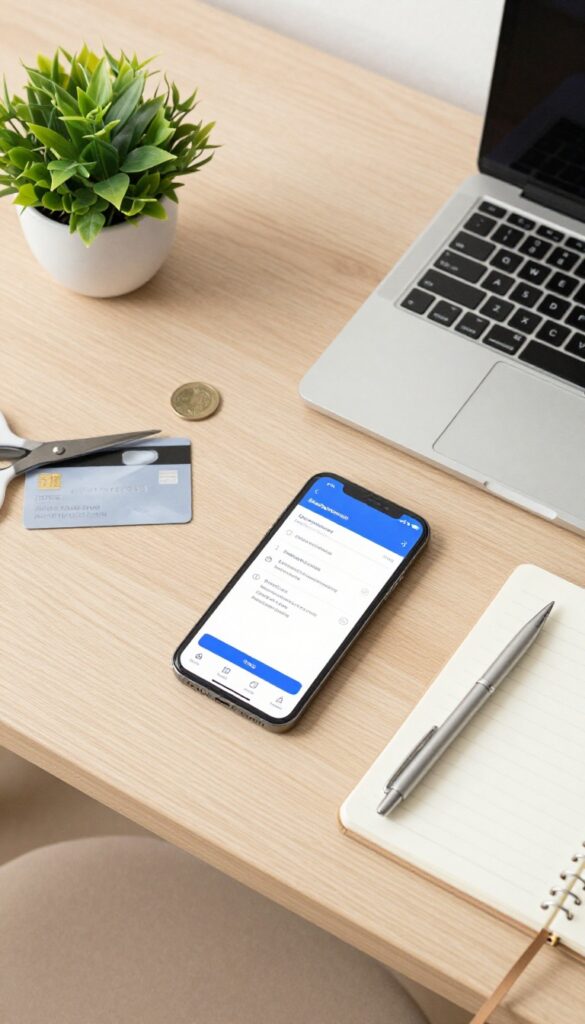
Subscriptions are sneaky. They start small—a streaming service here, a meal kit there—and before you know it, you're paying for ten things you barely use. The 'one in, one out' rule is a simple way to stop that creep.
Every time you want to add a new subscription, you have to cancel an existing one. It keeps your monthly costs stable and forces you to evaluate what you actually need.
This rule works because it turns subscription management into a conscious decision. Instead of auto-piloting through free trials and sign-ups, you pause and ask: is this new thing worth more than what I'm giving up? It also makes you more aware of your current subscriptions—you might realize you're still paying for that gym membership you haven't used in months.
How To Start
First, list every subscription you have—streaming, apps, boxes, memberships, anything recurring. Note the monthly cost. Then, when you're tempted by a new offer, pick one from your list to cancel.
It doesn't have to be the same price; the point is to maintain balance.
Making It Stick
Set a reminder every three months to review your subscriptions. That's a good time to check if you're still using them and if any new ones have snuck in. If you find a subscription you forgot about, cancel it and consider that your 'out' for the next potential 'in'.
What About Free Trials?
Free trials are the biggest trap. They auto-convert, and you forget. Use the one in, one out rule even for trials: before starting one, cancel something else.
If the trial ends and you want to keep it, you've already made room. If not, you haven't added anything.
16. Visual Goal Tracker on the Wall
Sometimes you need to see your progress to believe it's real. A visual goal tracker turns an abstract savings target into something you can watch grow day by day. It's simple, satisfying, and surprisingly effective.
Pick one savings goal—maybe an emergency fund, a vacation, or a down payment. Draw a large thermometer on poster board, or use a jar and colored tokens. Every time you add money, color in more of the thermometer or drop in a token.
Place it somewhere you'll see daily, like your bedroom wall or the fridge. The visual cue keeps your goal top of mind and makes each small deposit feel like a win.
Choose Your Tracker Style
Thermometers work great for dollar amounts—just mark increments along the side. Jars or clear containers are perfect for cash savings, letting you watch the pile grow. Digital trackers like apps or spreadsheets can work too, but a physical version has a tactile reward that screens lack.
Set A Realistic Milestone
Break your big goal into smaller chunks. For a $1, 200 emergency fund, aim for $100 increments. Each time you hit a milestone, celebrate a little—maybe a favorite coffee or a movie night.
Small rewards keep motivation high without derailing your budget.
Keep It Visible And Updated
Hang your tracker where you can't miss it—next to your mirror, above your desk, or on the pantry door. Update it every time you add money, even if it's just $5. The act of coloring or adding a token reinforces your commitment and makes progress tangible.
17. Receipt Scanning for Expense Tracking
Paper receipts have a way of piling up in wallets, junk drawers, and car consoles until tax season turns into a frantic treasure hunt. Digitizing them with a scanning app changes that entirely. Apps like Expensify or Shoeboxed let you snap a photo and automatically extract the date, amount, and merchant.
Suddenly, every coffee, grocery run, and office supply is logged without manual entry. This habit not only simplifies tax prep but also reveals where your cash is really going—no more guessing why your budget feels off.
Receipt scanning turns a messy pile of paper into organized, searchable data. You can categorize expenses on the fly, export reports for your accountant, and spot trends like how much you spend on dining out versus groceries. Many apps even integrate with accounting software or your bank, creating a seamless money-tracking system.
The key is consistency: snap each receipt as soon as you get it, or set a weekly reminder to clear your wallet. Over time, this small habit pays off big by making your financial picture crystal clear.
Choose The Right App
Not all receipt scanners are created equal. Expensify is great for business travelers who need mileage tracking and expense reports. Shoeboxed offers a mail-in service for paper receipts and handles bulk scanning.
For personal use, apps like Receipts by Wave are free and simple. Pick one that matches your volume and needs—start with a free trial to see which interface clicks.
Set A Scanning Routine
The best app won't help if you forget to use it. Make scanning part of your daily or weekly routine. Keep a small envelope in your bag for receipts, then scan them every Sunday evening.
Some apps let you email receipts directly, so you can forward digital ones from online purchases. The goal is to never let a receipt sit longer than a week.
Use Tags And Categories
Once scanned, tag each receipt with custom categories like 'Groceries', 'Gas', or 'Business Meals'. This makes it easy to run reports and compare spending month over month. You'll quickly see which categories are creeping up and adjust before they blow your budget.
18. The '30-Day Rule' for Big Purchases
Impulse buys can wreck even the best budget. The 30-Day Rule gives you a simple way to pause before pulling the trigger on anything over a certain amount. By waiting a full month, you give yourself time to think clearly and decide if you really need it.
Set a threshold—say $50 or $100—and commit to waiting 30 days before buying anything above that. Write the item down with the date and price. When the month is up, revisit the list.
You'll often find that the urge has faded, saving you money and regret.
How To Set Your Threshold
Pick an amount that feels meaningful but not impossible. For some, it's $30; for others, $100. The key is to choose a number that catches most of your impulse purchases without being too restrictive.
What To Do During The Wait
Use the 30 days to research alternatives, check reviews, and see if you can find a better deal. Ask yourself if this purchase aligns with your current financial goals. Often, the answer becomes clear.
When To Break The Rule
Emergencies and essential replacements don't need to wait. If your fridge dies or you need a new winter coat, go ahead. The rule is for wants, not needs.
19. Quarterly Financial Review Day

Life changes fast—new job, moving, unexpected expenses. Your budget should keep up. That's where a quarterly financial review comes in.
Every three months, set aside an hour to check your budget, net worth, and goals. It's like a tune-up for your money.
Mark one day each quarter on your calendar—maybe the first Sunday of January, April, July, and October. Use that time to look back at what worked, what didn't, and what's changed. Adjust your spending categories, savings targets, or debt payoff plan accordingly.
This keeps your system fresh and relevant, so you're always working with a budget that fits your real life.
What To Review
Start with your net worth: add up assets and subtract debts. Then scan your budget categories—are you consistently over or under in any area? Finally, revisit your financial goals.
Did you pay off a credit card? Maybe it's time to boost your emergency fund or start investing.
How To Adjust
If your income changed, update your budget percentages. If a goal is met, set a new one. Maybe you need a new sinking fund for an upcoming trip or home repair.
The idea is to make small tweaks so your money system stays aligned with your priorities.
Make It A Habit
Pair your review with something enjoyable—a coffee from your favorite shop or a quiet hour with music. Over time, this quarterly check-in becomes a natural rhythm. You'll catch problems early and celebrate progress, making money feel less like a chore and more like a tool.
FAQ
What is the easiest budget organization method for beginners?
The 50/30/20 rule is a great starting point because it's simple and doesn't require detailed tracking. You just split your income into three broad categories.
How often should I review my budget?
A weekly check-in of 30 minutes is ideal for most people. This keeps you aware of your spending without being overwhelming.
Can I use multiple budget methods at once?
Absolutely. Many people combine methods, like using the envelope system for variable expenses and automated savings for long-term goals.
What if I overspend in a category?
Don't panic. Adjust by pulling from another category or rolling over the overspend to next month. The goal is progress, not perfection.
Are digital budget tools safe?
Reputable apps use bank-level encryption. Always enable two-factor authentication and avoid sharing login credentials.
Conclusion
Budget organization doesn't have to be complicated. The best system is the one you'll actually use, whether that's a high-tech app or a simple notebook. Start with one idea that resonates with you.
Implement it for a month, then add another.
Over time, these small steps will transform how you relate to money. Remember, the goal isn't perfection—it's clarity. When you know where your money is going, you can make confident decisions and focus on what truly matters.
Free PDF Download
Get the Free Budget Binder Starter Pack
Download simple printable budget sheets to plan your monthly money, track expenses, organize bills, and start building better money habits without feeling overwhelmed.
You’ll get this free PDF plus access to the full Marketerna Save More & Earn More PDF Kit. No spam. Unsubscribe anytime.