23 Ways to Make Money Online for Beginners
Making money online sounds like a dream, but it's totally doable if you know where to start. The internet is packed with opportunities, but it's easy to get overwhelmed by all the noise.
That's why we've put together this list of 23 realistic ways to earn cash online. These are beginner-friendly options that don't require a huge following or a big investment.
Whether you want a side hustle or a full-time income, there's something here for you. Let's dive in and find the right fit for your skills and goals.

Free PDF Download
Not Sure Which Side Hustle Fits You Best?
Take the free Side Hustle Matchmaker Quiz and get a simple 7-day starter plan to help you choose a beginner-friendly idea based on your time, skills, comfort level, and goals.
You’ll get this free PDF plus access to the full Marketerna Save More & Earn More PDF Kit. No spam. Unsubscribe anytime.
1. Freelance Writing

Words pay the bills. Freelance writing is one of the simplest ways to start earning online because all you need is a computer and basic writing skills. Businesses constantly need fresh content for their blogs, websites, and marketing materials.
You can write from anywhere and set your own rates. Even if you have zero experience, you can build a portfolio with a few sample pieces and land your first client within weeks.
Freelance writing covers a wide range of projects. You might write blog posts, email newsletters, social media captions, or website copy. The key is to find a niche you enjoy—like health, tech, or personal finance—and pitch your services to businesses in that space.
Start on platforms like Upwork or Fiverr, or pitch directly to companies you admire. As you gain experience, you can raise your rates and specialize in higher-paying formats like whitepapers or case studies.
How To Get Started
You don't need a degree or a portfolio to begin. Write 3–5 sample articles on topics you know well. Use a free platform like Medium or create simple PDFs.
Then create profiles on freelance marketplaces and start pitching. Focus on small businesses and startups that need affordable content.
Where To Find Clients
Job boards like ProBlogger, BloggingPro, and Contena list writing gigs daily. Cold pitching is also effective—find blogs that accept guest posts and offer to write for them. Use LinkedIn to connect with content managers and editors.
How Much You Can Earn
Beginners often earn $20–$50 per 500-word article. As you build a reputation, rates climb to $100–$500+ per piece. Specialized niches like finance or medical writing pay even more.
With consistent work, freelancers can earn $2, 000–$5, 000 per month part-time.
2. Virtual Assistant
Businesses are always looking for help with day-to-day tasks. As a virtual assistant, you can manage emails, schedule appointments, and handle social media from anywhere. It's a flexible gig that pays well and teaches you valuable skills along the way.
Many entrepreneurs and small business owners are overwhelmed by admin work. They're willing to pay someone reliable to take over. You don't need a fancy degree—just good communication, organization, and basic tech skills.
Start with one or two clients and grow from there.
What You'll Do
Typical tasks include answering emails, booking meetings, updating calendars, and posting on social media. Some VAs also manage customer inquiries, do data entry, or create simple reports. The work varies, so you can tailor it to your strengths.
How To Get Started
Create a simple website or profile on platforms like Upwork, Fiverr, or Belay. List your skills and set a competitive hourly rate. Start with small projects to build reviews, then raise your prices as you gain experience.
How Much You Can Earn
Beginners often earn $15–$25 per hour. With experience and specialized skills (like email marketing or bookkeeping), you can make $30–$50+ per hour. Many VAs work part-time and still bring in a solid side income.
Free PDF Download
Not Sure Which Side Hustle Fits You Best?
Take the free Side Hustle Matchmaker Quiz and get a simple 7-day starter plan to help you choose a beginner-friendly idea based on your time, skills, comfort level, and goals.
You’ll get this free PDF plus access to the full Marketerna Save More & Earn More PDF Kit. No spam. Unsubscribe anytime.
3. Online Tutoring
If you've ever helped a friend with math or explained a concept to a coworker, you already have the basic skill. Online tutoring turns that ability into cash. Platforms like VIPKid, Chegg, and Wyzant connect you with students who need help in subjects you know well.
You set your own schedule, work from home, and get paid per session. No teaching degree required for most subjects.
Online tutoring is flexible and rewarding. You can teach anything from English as a second language to advanced calculus. Most platforms handle payment and student matching, so you just focus on teaching.
Rates vary, but many tutors earn $15–$30 per hour. Some platforms require a bachelor's degree, but others only need expertise in a subject.
Pick Your Platform
VIPKid focuses on teaching English to Chinese kids, with pay around $14–$22 per hour. Chegg lets you tutor college students in various subjects, paying up to $20 per hour. Wyzant gives you more control over rates and subjects, but you may need to build a profile first.
Start with one platform and see what fits.
Set Your Schedule
Most platforms let you choose your availability. You can tutor early mornings, late nights, or weekends. Consistency helps you build regular students.
Start with a few hours per week and adjust as you get comfortable.
Prepare To Teach
You don't need a formal lesson plan, but having a few examples or practice problems ready helps. Be patient and clear. Students appreciate when you explain things in simple terms.
A quiet space and a decent webcam are must-haves.
4. Sell Digital Products
Digital products let you create something once and earn money from it over and over. No inventory, no shipping, no hassle. Whether it's an ebook, a printable planner, or a social media template, you can sell it on platforms like Etsy or Gumroad and build a passive income stream that works while you sleep.
What To Create
Think about your skills and interests. If you're good at organizing, make printable planners or checklists. If you know a subject well, write a short ebook.
Designers can sell templates for resumes, presentations, or social media graphics. The key is to solve a problem or save someone time.
Where To Sell
Etsy is great for printables and creative digital goods. Gumroad is perfect for ebooks, courses, and templates. Both handle payment processing and delivery, so you just upload and promote.
You can also sell directly from your own website using tools like Shopify or WooCommerce.
Tips For Success
Make your product look professional with a clean design and clear preview images. Write a compelling description that highlights the benefits. Price it competitively at first, then raise as you get reviews.
Promote it on social media, Pinterest, or in niche communities. Consistency and quality pay off.
Free PDF Download
Not Sure Which Side Hustle Fits You Best?
Take the free Side Hustle Matchmaker Quiz and get a simple 7-day starter plan to help you choose a beginner-friendly idea based on your time, skills, comfort level, and goals.
You’ll get this free PDF plus access to the full Marketerna Save More & Earn More PDF Kit. No spam. Unsubscribe anytime.
5. Affiliate Marketing

Ever recommended a product to a friend and thought, "I should get paid for this"? That's affiliate marketing in a nutshell. You promote products you genuinely like, share a unique link, and earn a commission when someone buys through it.
It's one of the easiest ways to start making money online because you don't need to create your own product or handle inventory. All you need is a platform—like a blog, YouTube channel, or social media account—and an audience that trusts your opinion.
Affiliate marketing works best when you're authentic. Pick products you actually use or believe in, and share why they're helpful. Join affiliate programs from Amazon Associates, ShareASale, or individual brands.
Then drop your links naturally in blog posts, videos, or social media captions. The key is to provide value first—don't just spam links. As your audience grows, so will your commissions.
Getting Started With Programs
Sign up for affiliate networks like Amazon Associates, ShareASale, or CJ Affiliate. They give you access to thousands of products. Pick a niche you care about—fitness, tech, parenting, whatever—and find relevant products.
Most programs are free to join, and you get a unique tracking link for each item.
Promoting Without Being Pushy
Weave affiliate links into helpful content. Write a "best budget headphones" roundup, share your skincare routine with product links, or create a tutorial using a specific tool. People appreciate honest recommendations.
Disclose your affiliate relationship—it builds trust and keeps you compliant with FTC rules.
Growing Your Commissions
Focus on building an audience first. More eyes on your content means more clicks. Use SEO on blog posts, engage on social media, and build an email list.
Over time, you can earn passive income as old posts keep generating sales. Track what works and double down on those strategies.
6. Dropshipping
Dropshipping lets you run an online store without buying or storing inventory. When a customer orders from you, the supplier ships the product directly to them. It's a low-risk way to test products and build a business with minimal upfront cost.
How It Works
You set up a store using platforms like Shopify or WooCommerce, then connect with suppliers through apps like Oberlo or Spocket. List their products in your store, set your own prices, and when a sale comes in, the supplier handles fulfillment. Your profit is the difference between your price and the supplier's cost.
Finding A Niche
Instead of selling everything, focus on a specific niche—like eco-friendly home goods or pet accessories. This helps you target a clear audience and stand out. Use tools like Google Trends or AliExpress to spot trending products with good margins.
Marketing Your Store
Since you don't control shipping times, great customer service and clear communication are key. Use social media ads, influencer partnerships, or SEO to drive traffic. Start with one or two products to keep it manageable, then expand as you learn what sells.
7. Print on Demand
Ever doodled a design and thought, 'This would look great on a shirt'? With print on demand, you can actually make that happen. No inventory, no upfront costs, and no shipping headaches.
You just upload your artwork, pick products, and start selling. The printing company handles everything else.
How It Works
You sign up with a print-on-demand service like Printful, Redbubble, or Teespring. Connect it to your online store (or use their marketplace). When someone buys your design, the service prints it, packs it, and ships it to the customer.
You keep the profit after their fee.
What To Sell
Think beyond t-shirts. Mugs, phone cases, tote bags, hoodies, even home decor. Pick products that match your niche.
For example, funny dog designs work great on mugs and pillows. Minimalist quotes look sharp on canvas prints. Start with a few products and expand based on what sells.
Design Tips For Beginners
You don't need to be a pro artist. Use free tools like Canva or GIMP to create simple vector designs. Keep it clean and scalable – avoid tiny details that won't print well.
Look at trending styles on Pinterest or Etsy for inspiration. Test your designs on a few products before going all in.
8. Stock Photography
Got a decent camera or even just a modern smartphone? You can turn your photos into a passive income stream. Stock photography sites like Shutterstock, Adobe Stock, and iStock pay you every time someone downloads your image.
It's not get-rich-quick, but it's a solid way to earn while you sleep.
The key is to shoot what sells. Business scenes, nature landscapes, food shots, and lifestyle images with diverse people are always in demand. Avoid clichés and focus on high-quality, well-lit photos.
You don't need a studio—natural light and everyday settings work great.
What Sells Best
Think about what businesses need: office workers collaborating, healthy meals, travel destinations, and technology in use. Seasonal content like holiday decorations or summer beach scenes also perform well. Check the top-selling images on stock sites to get ideas.
Getting Started
Sign up for a free account on a major stock platform. Most have a simple application process where you submit a few test photos. Once approved, start uploading.
Use relevant keywords in your titles and descriptions to help buyers find your work.
Maximizing Your Earnings
Upload regularly—consistency matters. Aim for at least 10-20 photos per week. Over time, your portfolio grows and so does your income.
Also, consider contributing to multiple sites to reach a wider audience. Exclusive deals can offer higher royalties, but non-exclusive gives you more flexibility.
9. Online Surveys
Not every online money-making method requires a ton of effort. Online surveys are about as simple as it gets—you share your opinion and get paid. It won't make you rich, but it's a legit way to earn gift cards or a little cash in your spare time.
Companies want to know what people think about their products or services, and they're willing to pay for that feedback. Survey platforms connect you with these paid questionnaires. You answer questions, and they reward you with points that convert to cash or gift cards.
It's straightforward and requires no special skills.
Best Sites To Start
Swagbucks and Survey Junkie are two of the most popular and reliable platforms. Swagbucks also pays for watching videos or searching the web. Survey Junkie focuses just on surveys and has a low payout threshold.
Both are free to join and have good user reviews.
How Much Can You Earn?
Don't expect a full-time income. Most surveys pay between $0. 50 and $5 each, and they take 5 to 20 minutes.
You can realistically earn $50 to $100 a month if you're consistent. It's more of a side earner for coffee money or Amazon gift cards.
Tips To Maximize Earnings
Sign up for multiple survey sites to get more opportunities. Fill out your profile completely so you qualify for more surveys. Check your email or app regularly for new survey invites.
And be honest—companies can detect inconsistent answers and may ban you.
10. Transcription

If you can type fast and listen carefully, transcription is one of the easiest ways to start earning online. You simply convert audio or video files into text. No fancy degree or special skills needed—just a computer, a good pair of headphones, and decent grammar.
Transcription work is perfect for beginners because companies are always looking for reliable typists. You get paid by the audio minute, and rates usually range from $0. 25 to $1.
00 per minute. With practice, you can earn $15–$30 per hour. Plus, you can work whenever you want, making it an ideal side hustle.
Where To Find Transcription Jobs
Platforms like Rev, TranscribeMe, and GoTranscript are great starting points. They accept beginners and provide training. You can also find freelance gigs on Upwork or Fiverr once you build a little experience.
Tips To Increase Your Speed And Accuracy
Use a foot pedal to control playback without taking your hands off the keyboard. Practice with free audio clips online to get faster. Aim for at least 60 words per minute with 99% accuracy to qualify for higher-paying jobs.
Different Types Of Transcription
General transcription covers interviews, podcasts, and lectures. Medical and legal transcription pay more but require specialized training. Start with general work, then specialize if you want to increase your earnings.
11. Data Entry
Data entry might not sound glamorous, but it's one of the most straightforward ways to start earning online. Companies always need people to input information into spreadsheets, databases, or CRM systems. If you have basic computer skills and can type accurately, this could be your foot in the door.
The work is repetitive—think entering customer details, transcribing handwritten forms, or updating product listings. But that also means it's predictable and easy to learn. Many data entry jobs are remote and offer flexible hours, making them ideal for beginners who want a no-fuss side hustle.
Where To Find Data Entry Gigs
Start with freelance platforms like Upwork, Fiverr, and Freelancer. Search for "data entry" and filter by entry-level. You can also check remote job boards like FlexJobs or Rat Race Rebellion.
Some companies hire directly through their websites, especially for roles like data clerk or administrative assistant.
Skills You Need
You don't need a degree, but you should be comfortable with typing (at least 40 WPM), basic software like Microsoft Excel or Google Sheets, and following instructions. Attention to detail is crucial—a single typo can mess up an entire database. Good reading comprehension helps, too.
How Much Can You Earn?
Rates vary widely. Beginners often earn $10–$15 per hour on freelance sites. Some projects pay per task, like $0.
10 per entry. As you gain speed and accuracy, you can command higher rates. Full-time data entry clerks might earn $25, 000–$35, 000 annually, but online gigs are usually part-time.
12. Social Media Management
Businesses know they need to be on social media, but most owners don't have the time or know-how to do it well. That's where you come in. If you're already spending hours on Instagram or TikTok, you can turn that habit into a paying gig.
Start by offering your services to local businesses—coffee shops, boutiques, salons—and build from there.
What You'll Do
You'll plan and schedule posts, engage with followers, and maybe create simple graphics or videos. Most clients want someone to keep their feed active and respond to comments. No need to be a pro designer—consistency and authenticity matter more.
Getting Started
Pick one or two platforms you know well. Create a simple portfolio showing how you've grown your own account or helped a friend's page. Then reach out to small businesses with a short pitch—offer to manage one account for a month at a low rate to prove your value.
How Much You Can Earn
Beginners often charge $200–$500 per month per account. As you gain experience and results, you can raise rates to $1, 000+ per month. Some managers bundle multiple accounts or add services like basic ad management.
13. Sell Handmade Crafts
If you're crafty, you already have a moneymaker in your hands. Handmade items are in high demand, and platforms like Etsy make it easy to set up shop. From jewelry to candles to custom art, your hobby can become a real income stream.
Find Your Niche
Don't try to sell everything. Focus on one or two types of items you enjoy making and that have a clear audience. For example, personalized pet portraits or soy candles in unique scents.
Research what's selling well on Etsy for inspiration.
Set Up Your Shop
Etsy is the go‑to platform for handmade goods. Create a shop name, write clear product descriptions, and take good photos. Natural light works best.
You don't need a fancy camera—just a clean background and steady hands.
Pricing & Shipping
Price your items to cover materials, time, and fees. Check similar products to see what the market expects. Offer free shipping if you can, or at least make shipping costs clear.
Flat‑rate boxes can simplify things.
Promote Your Work
Use social media to show your process. Instagram and Pinterest are great for visual products. Share behind‑the‑scenes photos, customer reviews, and limited‑time offers.
Word of mouth also works—tell friends and family.
14. Blogging

Blogging is one of the most classic ways to earn money online, and for good reason. You get to write about topics you genuinely care about while building an audience that shares your interests. It's not a get-rich-quick path, but with consistency and smart monetization, it can turn into a reliable income stream.
Choose Your Niche
Pick a subject you're passionate about and that has an audience. Popular niches include personal finance, health and fitness, travel, food, and lifestyle. The more specific you get, the easier it is to stand out.
For example, instead of a general food blog, focus on vegan keto recipes.
Set Up Your Blog
You don't need to be a tech wizard. Platforms like WordPress. org, Squarespace, or Wix make it simple. Buy a domain name and get hosting (Bluehost or SiteGround are beginner-friendly).
Pick a clean theme and start writing. Aim for at least one post per week to build momentum.
Make Money From Day One
Even with a small audience, you can earn. Sign up for Google AdSense to display ads. Join affiliate programs like Amazon Associates or ShareASale and include links in your posts.
Once you have some traction, pitch sponsored posts to brands. Many bloggers also sell digital products like ebooks or courses.
15. YouTube Channel
Video content is huge right now, and YouTube is the go‑to platform for creators. You don't need fancy gear to start—just a topic you're passionate about and a willingness to hit record. Once you build an audience, the income streams are real.
Starting a YouTube channel is more accessible than ever. You can film on your phone, edit with free software, and upload from anywhere. The key is consistency and finding a niche you genuinely enjoy talking about.
Over time, you'll grow a community that values your content.
Monetization Basics
To earn ad revenue, you need at least 1, 000 subscribers and 4, 000 watch hours in the past year. Once accepted into the YouTube Partner Program, ads run on your videos and you get a cut. It's not overnight money, but it builds steadily as your channel grows.
Beyond Ads: Sponsorships & Merch
Many creators make more from brand deals than ads. Companies pay you to mention their products in your videos. Once you have a loyal audience, you can also sell merchandise like t‑shirts, mugs, or digital products.
These income sources often surpass ad revenue.
Getting Started Without Gear
You don't need a professional camera or studio. Start with your smartphone and natural lighting. Free editing tools like DaVinci Resolve or iMovie are powerful enough for beginners.
Focus on delivering value—clear audio and good lighting matter more than expensive equipment.
16. Podcasting
Podcasting has exploded in popularity, and it's still a great way to build an audience and make money. You don't need fancy equipment or a huge following to start. With free tools like Anchor, you can record, edit, and host your show without spending a dime.
Once you have a few episodes, you can monetize through sponsorships, listener donations, or even affiliate marketing.
Podcasting lets you connect with listeners who are genuinely interested in your topic. That trust translates into income opportunities. Start by picking a niche you're passionate about—something with an existing audience but not too crowded.
Record consistently, improve your audio quality over time, and engage with your listeners. Sponsors will come as your download numbers grow, and platforms like Patreon make listener support easy.
Getting Started For Free
Use Anchor (owned by Spotify) to record, edit, and host your podcast at no cost. It distributes your show to all major platforms automatically. All you need is a decent USB microphone and a quiet space.
Start with short episodes—10 to 15 minutes—and focus on delivering value.
Monetization Strategies
Once you have a steady audience, reach out to brands for sponsorships. You can also set up a Patreon or Buy Me a Coffee page for listener support. Affiliate links for products you mention are another easy income stream.
Even a small but loyal audience can generate decent revenue.
Growing Your Listener Base
Promote each episode on social media and consider cross-promoting with other podcasters in your niche. Ask listeners to leave reviews—they boost your visibility on Apple Podcasts. Consistency is key; release episodes on a regular schedule so people know when to tune in.
17. Online Course Creation
You don't need a teaching degree to create an online course. If you know how to do something well—whether it's baking sourdough, editing videos, or using Excel—there are people willing to pay you to teach them. Platforms like Udemy, Teachable, and Skillshare make it easy to upload your content and handle the payment processing.
The best part? You record the course once, and it can keep earning money for months or even years.
Pick Your Topic
Start with something you're genuinely good at and that people search for. Check forums, social media, or even the platforms themselves to see what's in demand. A narrow niche often works better than a broad one—think 'watercolor painting for beginners' instead of just 'art. '
Keep It Simple To Start
You don't need Hollywood production quality. A decent microphone, good lighting, and clear slides or screen recordings are enough. Many successful courses are just a series of short video lessons.
Focus on teaching one specific skill or solving one problem.
Pricing And Promotion
Udemy runs frequent sales, so your course might be priced lower there but reach a huge audience. On Teachable or your own site, you can set a higher price and keep more of the revenue. Promote your course on social media, YouTube, or by building an email list.
Even a small launch can snowball over time.
18. Freelance Graphic Design
You don't need to be a Photoshop wizard to make money with design. Platforms like Canva have made it possible for anyone with a good eye to create professional-looking graphics. Businesses always need logos, social media posts, and marketing materials, and they're willing to pay for them.
Start by picking a niche you enjoy, like logo design or Instagram templates. Build a simple portfolio using mockups or past projects (even if they were for fun). Then join marketplaces like Fiverr, Upwork, or 99designs to offer your services.
Pricing can start low, but as you gain reviews, raise your rates.
What You Can Create
Focus on high-demand items: logos, social media graphics, business cards, flyers, and presentation decks. Canva has thousands of templates you can customize, so you can deliver polished work fast.
Where To Find Clients
Freelance platforms are the easiest starting point. Also try reaching out to local small businesses or posting your services on social media. Many entrepreneurs need quick design help and will hire beginners.
Tips To Stand Out
Specialize in one area, like minimalist logos or Instagram story templates. Offer a few free samples to get initial feedback. Always communicate clearly and deliver on time—reviews matter a lot.
19. Web Development

Web development is one of the most practical skills you can learn from home. With just a laptop and some free online tutorials, you can start building websites for small businesses, freelancers, or even local shops. The demand is huge, and even basic skills can earn you decent money.
You don't need to be a coding genius to get started. HTML and CSS are the building blocks of the web and can be learned in a few weeks. Once you're comfortable, you can offer to create simple landing pages, update existing sites, or set up WordPress blogs.
Many beginners charge $200–$500 for a basic website, which is a great return on your learning time.
Start With The Basics
Focus on HTML and CSS first. These are easy to learn and let you create static websites. Use free resources like freeCodeCamp or MDN Web Docs.
Practice by building a personal site or a mock business page.
Offer Your Services
Once you have a few samples, list your services on platforms like Fiverr, Upwork, or even Craigslist. Small businesses often need simple websites but can't afford big agencies. You can also reach out to local businesses directly.
Keep Learning And Growing
As you gain confidence, add JavaScript or learn WordPress. This opens up more complex projects and higher pay. The web is always evolving, so staying curious pays off.
20. Copywriting
If you have a way with words, copywriting might be your ticket to online income. Businesses need persuasive text to sell their products, and they're willing to pay for it. The best part?
You don't need a fancy degree—just a knack for writing compelling copy.
Copywriting is all about writing text that convinces people to take action, whether it's buying a product, signing up for a newsletter, or clicking a link. It's a skill that's always in demand because good copy directly impacts sales. Start by practicing on fictional products or offering to write for small businesses for free to build a portfolio.
What Copywriting Involves
Copywriters create content for ads, emails, landing pages, social media, and more. The goal is to grab attention, spark interest, and drive action. It's part psychology, part creativity, and a lot of revision.
How To Get Started
Begin by studying successful copy—think about why certain ads or emails make you want to click. Then, write your own samples. You can create mock campaigns for brands you like or volunteer to help a local business.
Once you have a few pieces, set up a simple portfolio website or use platforms like LinkedIn to showcase your work.
Where To Find Copywriting Gigs
Freelance marketplaces like Upwork and Fiverr have plenty of copywriting jobs for beginners. You can also pitch directly to businesses in your niche. Many companies need blog posts, product descriptions, or email sequences.
Start small, deliver great work, and you'll get repeat clients.
21. Sell Used Items
Got stuff collecting dust? Turn clutter into cash. Selling used items is one of the fastest ways to make money online with zero startup cost.
You already own the inventory—just snap some photos and list it.
Start by going through closets, drawers, and shelves. Look for clothes, electronics, books, and home goods. Take clear photos in good lighting and write honest descriptions.
Price items competitively by checking similar listings. Ship promptly or arrange local pickup.
Where To Sell
eBay is great for electronics and collectibles. Facebook Marketplace works well for large items you'd rather sell locally. Poshmark specializes in clothing and accessories.
For books and media, try Decluttr or Amazon Trade-In.
Tips For Success
Clean items before photographing them. Bundle smaller items to increase average order value. Respond to buyer questions quickly.
Consider offering free shipping by factoring it into your price. Positive reviews help you sell faster.
What Sells Best
Brand-name clothing, smartphones, gaming consoles, and popular book series tend to move fast. Vintage items and limited-edition pieces can fetch higher prices. Check sold listings to gauge demand before listing.
22. Remote Customer Service
Not every online job requires you to be a tech wizard or a social media star. Sometimes, the simplest skills—like being helpful and patient—are exactly what companies need. Remote customer service lets you earn a steady paycheck by solving problems from your own home.
No fancy equipment, no complicated software, just you, a computer, and a headset.
Companies across industries hire remote customer service reps to handle calls, emails, or live chats. You'll assist customers with questions, complaints, or orders. It's a reliable way to make money online with consistent hours and training provided.
What You'll Actually Do
Your day might involve answering incoming calls, responding to support tickets, or chatting with customers in real time. Most companies provide scripts and guidelines, so you don't need to memorize everything. Tasks range from resetting passwords to processing returns or explaining billing issues.
Skills You Already Have
You don't need a degree. Good communication, basic computer skills, and a calm attitude go a long way. Being a good listener helps too—customers just want to feel heard.
If you can type fast and stay polite under pressure, you're already qualified.
Where To Find These Jobs
Check platforms like Indeed, FlexJobs, or company career pages. Big names like Amazon, Apple, and Hilton often hire remote support staff. Also look at specialized sites like LiveOps or Arise that connect you with clients needing part-time or full-time reps.
23. Test Websites and Apps
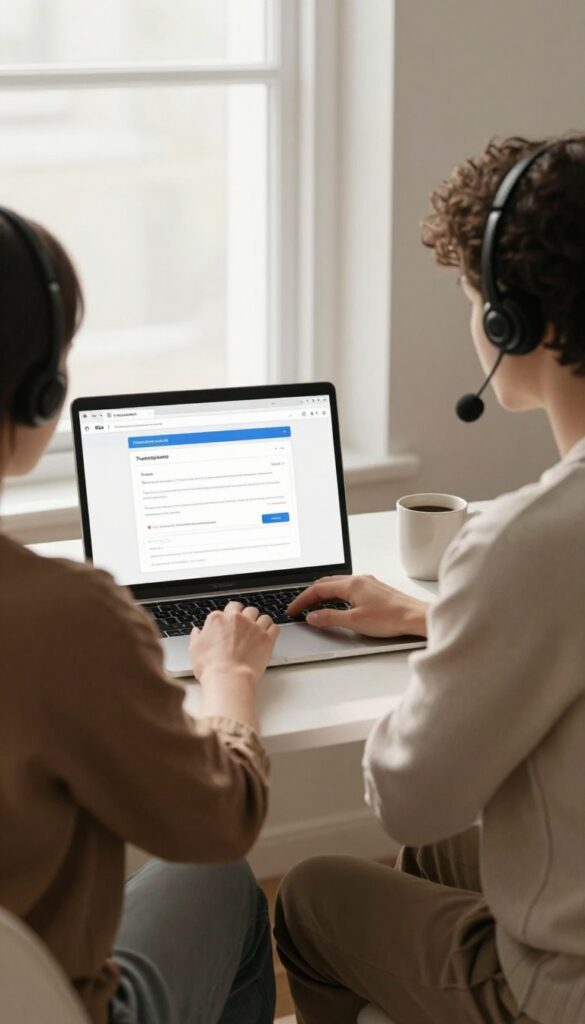
Ever wished you could get paid for sharing your opinion? Website and app testing lets you do exactly that. Companies need real people to try out their digital products and report bugs, confusing parts, or just give honest feedback.
It's straightforward, requires no special skills, and you can do it from your couch.
Getting started is simple. Sign up on platforms like UserTesting, TryMyUI, or Userlytics. Once accepted, you'll receive invites to test websites or apps.
You'll be asked to complete specific tasks while recording your screen and voice. After you submit your test, you get paid—typically $10 to $20 for a 20-minute session. The best part?
No coding or design experience needed. Just a computer, a microphone, and a willingness to share your thoughts.
What To Expect As A Tester
You'll usually get a set of tasks like 'Find the checkout button' or 'Sign up for a newsletter. ' You talk through your thought process as you navigate. The company watches the recording to see where users get confused or frustrated. It's like being a secret shopper, but for digital products.
How To Get More Tests
Keep your profile updated and complete a few initial tests to build a good rating. Be honest and detailed in your feedback—testers who provide clear, constructive comments get invited more often. Also, check multiple platforms to increase your opportunities.
Payment And Earnings Potential
Most sites pay via PayPal or gift cards. While you won't get rich, you can earn a decent side income. With consistent effort, expect $50 to $200 per month.
It's perfect for filling spare time with something productive.
FAQ
How much money can a beginner make online?
It varies widely. Some methods like surveys pay pocket money, while freelancing or blogging can replace a full-time income. Start small and scale up.
Do I need special skills to start?
Not necessarily. Many options like surveys, data entry, or selling used items require no special skills. Others like writing or design can be learned online for free.
How long does it take to see results?
It depends on the method. Surveys pay immediately, but blogging or YouTube takes months. Patience is key for long-term income.
Are there any scams I should avoid?
Yes. Avoid anything that asks for upfront fees or promises unrealistic earnings. Stick to reputable platforms and trust your gut.
Can I do multiple methods at once?
Absolutely. Many beginners combine a few side hustles to diversify income. Just don't spread yourself too thin.
Conclusion
Starting your online money-making journey doesn't have to be overwhelming. Pick just one method from this list that matches your skills or interests, and commit to it for a month.
Small, consistent steps are what turn beginners into earners.
Free PDF Download
Not Sure Which Side Hustle Fits You Best?
Take the free Side Hustle Matchmaker Quiz and get a simple 7-day starter plan to help you choose a beginner-friendly idea based on your time, skills, comfort level, and goals.
You’ll get this free PDF plus access to the full Marketerna Save More & Earn More PDF Kit. No spam. Unsubscribe anytime.