15 Unique Side Hustle Ideas That Feel Fresh to Start
Most people do not need another recycled list of side hustles that sounds good on paper and falls apart by week two. They need ideas that feel current, flexible, and realistic enough to fit around actual life.
That is why I like fresher side hustles more than the usual “start a blog, open a store, become a coach” advice that gets tossed around like confetti. A good side hustle should match how people shop, scroll, ask questions, and spend money right now.
I also think the best ideas sit in that sweet spot between simple and interesting. They should feel doable, but they should not feel so boring that you lose steam before you even make your first dollar.
Free PDF Download
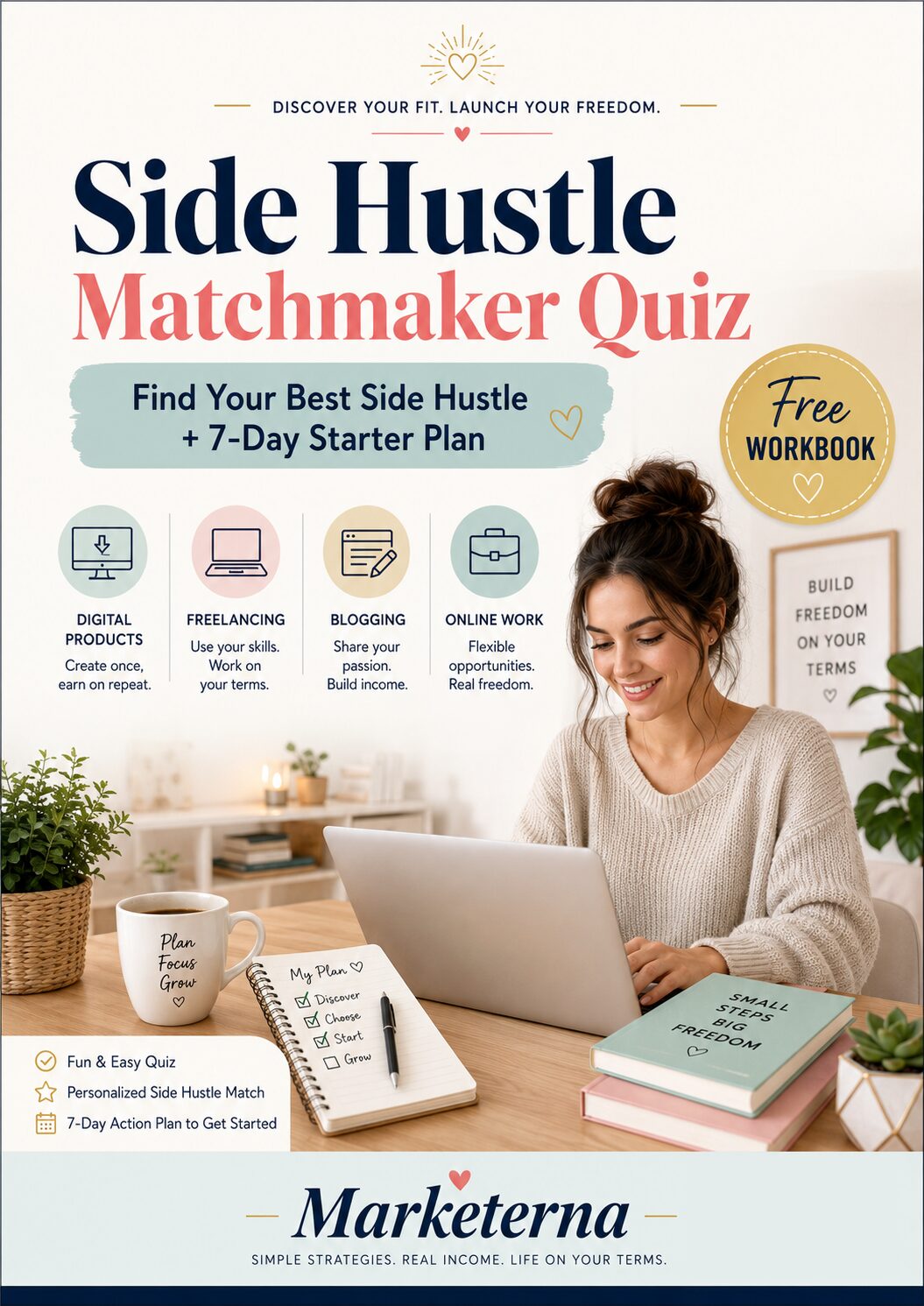
Not Sure Which Side Hustle Fits You Best?
Take the free Side Hustle Matchmaker Quiz and get a simple 7-day starter plan to help you choose a beginner-friendly idea based on your time, skills, comfort level, and goals.
You’ll get this free PDF plus access to the full Marketerna Save More & Earn More PDF Kit. No spam. Unsubscribe anytime.
1. UGC Video Creation for Small Brands
A lot of small brands want content that looks natural, not polished like a giant ad campaign from 2018. They need quick product videos, casual testimonials, unboxings, and short demos, but many of them do not have time, confidence, or camera-friendly staff to make that stuff themselves.
That opens a very real door for user-generated content creation, and honestly, I think this side hustle feels much fresher than generic freelancing. You are not trying to become a full production company here, and that makes it more approachable for beginners.
The appeal comes from the format itself. Short-form video keeps growing because brands need content for TikTok, Instagram Reels, Pinterest Idea-style clips, and product pages, so demand shows up in a lot of places.
You also do not need a huge following to sell this service. Brands pay for your ability to make relatable content, not for influencer status, and that difference matters a lot.
Why It Works
This works because brands care about conversions, and relatable videos often sell better than glossy content that feels stiff. People want to see products used by normal humans, not by someone who looks like they live inside a ring light.
It also scales well once you get a few samples. One solid portfolio can turn into repeat work, monthly retainers, and even bundled packages for multiple videos at once.
How to Start Offering UGC Video Services
- Pick one product category you can naturally film, like skincare, kitchen gadgets, pet products, or home organization tools.
- Create 4–6 sample videos with items you already own so potential clients can see your tone, framing, and editing style.
- Set up a simple portfolio page or document with your samples, rates, and contact info.
- Reach out to small brands on Instagram, Etsy, or Shopify and offer a beginner package with clear deliverables.
- Keep your videos short, useful, and natural because brands want content that feels real, not weirdly dramatic.
Tips & Variations
Tip: Start with one niche so your pitch feels sharper and less random. A focused creator usually looks more trustworthy than someone claiming to film everything under the sun.
Variation: Offer raw footage plus edited versions as two separate packages. Some brands want ready-to-post clips, while others want unedited content they can rework in-house.
2. Digital Product Mockup Services for Etsy Sellers
A lot of Etsy sellers have good products and terrible presentation. They sell printables, planners, wall art, or templates, but their listing images look rushed, flat, and kind of sad.
That gap creates a smart little side hustle if you enjoy design and visual packaging. You can help sellers turn basic files into polished mockups that make products look more valuable without changing the product itself.
I really like this one because it solves a direct problem that affects sales. Better listing images can improve click-through rates fast, so sellers often understand the value right away.
It also feels more modern than generic graphic design because mockups now play a huge role in digital storefronts. Buyers want to picture the product in real life, even when the product lives on a screen.
Why It Works
This works because presentation drives trust. When a listing looks clean, thoughtful, and easy to understand, shoppers feel safer buying from that shop.
It also gives you repeat-client potential. Sellers launch new products often, so one client can keep coming back every time they release a new printable or bundle.
How to Start Selling Mockup Design Help
- Choose a lane like printable planners, resume templates, wedding signs, or digital art.
- Study top Etsy listings to see how successful shops frame, crop, and layer their product images.
- Build sample mockups with free or self-made assets so you can show before-and-after improvements.
- Offer packages based on number of images, like 5 mockups for one listing or 20 mockups for a full shop refresh.
- Keep your style clean and readable because cluttered mockups confuse shoppers and kill the point.
Tips & Variations
Tip: Learn what size and layout work best for Etsy thumbnails first. Pretty images help, but thumbnail clarity does the heavy lifting.
Variation: Add listing image audits as a low-cost entry offer. Some sellers want feedback before they pay for a full redesign.
Free PDF Download
Not Sure Which Side Hustle Fits You Best?
Take the free Side Hustle Matchmaker Quiz and get a simple 7-day starter plan to help you choose a beginner-friendly idea based on your time, skills, comfort level, and goals.
You’ll get this free PDF plus access to the full Marketerna Save More & Earn More PDF Kit. No spam. Unsubscribe anytime.
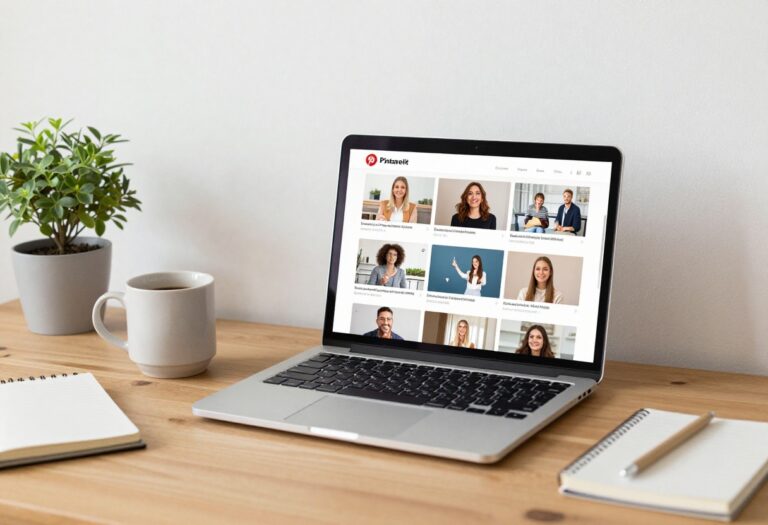
3. Pinterest Pin Design for Bloggers and Shop Owners
Most bloggers and shop owners know they should use Pinterest, but plenty of them either post inconsistent pins or give up after making three bland graphics. That creates room for a side hustle that mixes design, marketing, and a bit of search behavior.
Pin design stands out because it does more than make something look nice. A strong pin helps content get clicks for months, which makes this service useful in a way many small visual tasks are not.
I have always liked services tied to distribution, not just decoration. When a design can directly influence traffic, the client sees it as an investment instead of “just a graphic.”
This also works well for beginners who want a clear service with repeat demand. Bloggers publish often, stores launch new products, and seasonal content never stops.
Why It Works
This works because Pinterest still rewards clear, clickable visuals that match search intent. A good pin can keep pulling traffic long after an Instagram post disappears into the void five minutes later.
Clients also need volume, not just one design. That means you can sell packages with multiple styles, seasonal refreshes, or fresh pins for old posts.
How to Start Designing Pins for Clients
- Learn the basics of Pinterest-friendly layouts, readable text placement, and image hierarchy.
- Create sample pins for fake blog posts or existing content in niches like recipes, home decor, business, or fitness.
- Offer bundles such as 5 pins per post, seasonal updates, or monthly design retainers.
- Ask clients for keywords, target audience, and post angle before you design anything.
- Test multiple headline styles because even strong visuals can flop when the wording feels sleepy.
Tips & Variations
Tip: Save your best-performing layout styles into reusable templates. That speeds up your work and keeps your designs consistent without looking copied.
Variation: Pair pin design with Pinterest title and description writing. Many clients would rather buy one neat package than manage two freelancers.
4. AI-Assisted Content Repurposing
A lot of creators make one decent piece of content and then let it sit there like a forgotten sandwich. Meanwhile, that blog post, podcast, or video could turn into email snippets, captions, quote graphics, short scripts, and post ideas.
That is where AI-assisted content repurposing becomes a genuinely useful side hustle. You help creators stretch what they already made into more usable assets without asking them to reinvent the wheel every week.
I like this idea because it feels current but still grounded. You are not selling vague “AI magic”; you are selling organization, adaptation, and better use of existing content.
The best part is that businesses already understand the pain point. They have content, but they do not have time to squeeze more value from it.
Why It Works
This works because volume matters in online marketing, but burnout hits fast. Repurposing helps clients stay visible without constantly starting from zero.
It also fits many industries. Coaches, bloggers, agencies, YouTubers, and newsletter writers all need more mileage from their content.
How to Start a Repurposing Service
- Pick 2–3 deliverables you will create, like captions, email blurbs, short-form scripts, or carousel outlines.
- Build a workflow that combines AI drafting with your own editing so the final output sounds human and on-brand.
- Create sample transformations from one blog post into several content types to show clear value.
- Charge by content batch, not just by hour, because clients care more about output than your stopwatch.
- Make brand voice notes for each client so your repurposed content does not sound like generic robot oatmeal.
Tips & Variations
Tip: Edit heavily enough that the final work feels personal and specific. Clients want speed, but they do not want stale, obvious AI sludge.
Variation: Offer a monthly repurposing subscription for creators who publish weekly. Recurring work makes this side hustle a lot steadier.
Free PDF Download
Not Sure Which Side Hustle Fits You Best?
Take the free Side Hustle Matchmaker Quiz and get a simple 7-day starter plan to help you choose a beginner-friendly idea based on your time, skills, comfort level, and goals.
You’ll get this free PDF plus access to the full Marketerna Save More & Earn More PDF Kit. No spam. Unsubscribe anytime.
5. Local Business Reels Management
Many local businesses know they should post short videos, but a lot of them still treat social media like a dusty notice board. They upload random photos, awkward promos, or nothing at all, which leaves easy visibility on the table.
Managing Reels for local businesses feels fresh because it solves a modern marketing problem for clients who rarely have in-house help. Restaurants, salons, gyms, cafés, dental clinics, and small shops all need attention-grabbing content.
I think this side hustle has huge practical upside because the businesses often sit right in your area. That makes filming easier, meetings faster, and trust easier to build.
You also do not need to overcomplicate the service. Simple concepts like behind-the-scenes clips, staff intros, customer favorites, and quick tips can work really well.
Why It Works
This works because local businesses benefit from visibility in a specific community, not from going globally viral for no reason. Consistent short videos help them stay memorable to nearby customers who actually might visit.
It also opens the door to recurring retainers. Businesses need ongoing posting help, not one heroic Reel and then silence for six months.
How to Start Working With Local Clients
- Choose a business type you understand well, like food, beauty, fitness, or retail.
- Film sample clips for a willing friend’s business or create demo concepts to show what you can do.
- Offer a simple monthly package with video ideas, filming, editing, and captions.
- Keep content practical and personality-driven because people connect with local faces more than polished ad talk.
- Visit the business first and notice what stands out, since the best content often comes from little details.
Tips & Variations
Tip: Focus on consistency over cinematic perfection. Regular, decent content usually beats one fancy video followed by radio silence.
Variation: Add Google Business profile photo and short video support as a bonus service. Small businesses often need help there too.
6. Notion Setup for Busy Creators and Freelancers
A lot of people love the idea of getting organized and then immediately build a Notion dashboard that looks like a spaceship control room. Three days later, they avoid it completely because it feels harder than the problem it was supposed to fix.
That makes Notion setup a smart side hustle if you enjoy structure, systems, and cleaning up messy workflows. You can help creators and freelancers build simple workspaces for content calendars, client tracking, project plans, or product launches.
I like this one because the value feels concrete. When someone saves time every week and stops losing tasks in twelve random apps, they usually appreciate the help.
You also do not need to become some productivity guru with a dramatic morning routine. You just need to build systems that make daily work smoother.
Why It Works
This works because disorganization costs people time, money, and mental energy. A clean system removes friction, and people pay well for less chaos in their work life.
It also creates multiple offer levels. You can sell custom setups, mini audits, template adjustments, or training calls for beginners.
How to Start Offering Notion Help
- Create 3–4 sample dashboards for specific use cases like content planning, client management, or product development.
- Keep your systems simple and practical so users can actually maintain them after setup.
- Offer a discovery questionnaire to learn how the client currently tracks work and where things keep falling apart.
- Sell a basic package first, then offer add-ons like automations, templates, or walkthrough videos.
- Test every dashboard yourself because nothing kills trust faster than a beautiful setup that makes zero sense.
Tips & Variations
Tip: Build around the client’s habits instead of your own preferences. The best system is the one they will actually keep using.
Variation: Turn your most useful setups into templates you can sell repeatedly as digital products.
7. Product Sourcing Research for Resellers
Many resellers enjoy selling but hate the digging part. They want better products, better margins, and less time wasted scrolling through supplier sites that all start to look exactly the same after a while.
That makes sourcing research a surprisingly useful side hustle. You help resellers find promising product ideas, compare suppliers, track price gaps, and spot opportunities they can test faster.
I think this feels fresher than general virtual assistant work because the service has a sharper outcome. You are not doing random admin tasks; you are helping someone find products with selling potential.
It also fits the current e-commerce world nicely. Small sellers want better decisions without hiring full-time help, and that is where you slide in.
Why It Works
This works because research takes time, and many sellers would rather spend that time listing, marketing, and fulfilling orders. When you handle the sourcing legwork, you save them hours and reduce decision fatigue.
It also allows clear packaging. You can sell trend reports, competitor snapshots, supplier comparison sheets, or niche-specific product lists.
How to Start as a Product Research Assistant
- Pick one resale model to support, like Etsy supplies, Amazon flips, vintage resale, or boutique inventory.
- Learn what margins, shipping costs, and product demand signals matter in that space.
- Create a sample report with product options, estimated costs, and research notes.
- Charge per batch of researched products instead of vague hourly time whenever possible.
- Stay realistic and never promise guaranteed winners, because this is research, not fortune-telling.
Tips & Variations
Tip: Track products in a clean spreadsheet with notes on pricing, suppliers, competition, and risks. Clients love clarity more than flashy formatting.
Variation: Offer seasonal sourcing research for holidays, back-to-school periods, or gift-focused selling windows.
8. Podcast Clip Editing for Short-Form Platforms
A lot of podcasts produce valuable conversations and then bury them inside hour-long episodes that many people never finish. Short clips solve that problem, and podcast creators know it.
That is why clipping podcasts for short-form platforms has become such a strong side hustle. You take long-form audio or video and turn it into sharper moments built for discovery on social platforms.
I like this one because it helps creators grow without forcing them to create even more content from scratch. It is efficient, useful, and pretty easy to explain in one sentence.
It also gives you room to build skill over time. You can start with simple cuts and captions, then move into hooks, pacing, and clip strategy later.
Why It Works
This works because short clips help podcasts reach new audiences quickly. One interesting 30-second moment can attract listeners better than a generic “new episode out now” post ever will.
It also supports recurring income. Podcasts publish regularly, which means consistent editing work if the creator likes your style.
How to Start Editing Podcast Clips
- Choose whether you want to work with video podcasts, audio podcasts with visuals, or both.
- Practice cutting sample clips that start strong and reach the payoff fast.
- Learn caption timing and basic pacing because those details keep viewers watching longer.
- Offer packages like 5, 10, or 20 clips per episode depending on client needs.
- Ask clients what tone they want, since some clips should teach while others should entertain or provoke curiosity.
Tips & Variations
Tip: Hook the viewer in the first line or visual beat. If the clip starts slowly, people swipe away with zero guilt.
Variation: Add thumbnail text suggestions or caption writing for each clip to make your service more complete.
9. Micro-Newsletter Writing for Founders
Many founders know they should stay in touch with their audience, but they do not want to write long essays every week. They want short, smart emails that feel personal and useful without eating half their day.
That makes micro-newsletter writing a very practical side hustle. You help founders send brief, engaging emails that keep their brand warm and visible.
I like this idea because it matches current attention spans without turning everything into nonsense. A concise newsletter can still build trust, drive clicks, and make a brand feel alive.
It also works well for service businesses, creators, and small software founders. Plenty of them need help sounding clear and human in inboxes.
Why It Works
This works because short emails lower the barrier to consistency. Founders skip newsletters when the task feels huge, but they keep going when the format feels manageable.
It also creates a clear, repeatable service. Weekly or biweekly email writing can turn into dependable monthly income.
How to Start Writing Short Newsletters
- Pick a few niches where you understand the audience, like coaching, software, e-commerce, or personal branding.
- Build sample emails with different goals such as storytelling, product updates, educational tips, or soft selling.
- Offer a package with topic ideation, writing, subject lines, and one revision.
- Keep emails tight and conversational because rambling kills open-hearted interest fast.
- Ask for voice notes or old posts from the client so the email sounds like them, not like a substitute teacher.
Tips & Variations
Tip: Write subject lines after you finish the email body. The stronger idea usually appears once you know what the email actually says.
Variation: Bundle newsletter writing with repurposed social posts so clients get more reach from one core message.
10. Personalized Travel Itinerary Planning
A lot of people want travel plans that feel thoughtful, not copied from a lifeless list stuffed with tourist clichés. They do not want ten tabs, fifteen map pins, and a mild headache before the trip even starts.
That makes personalized itinerary planning a very appealing side hustle. You help people build organized, interest-based travel plans that fit their budget, energy level, and style of trip.
I think this one feels especially fresh because people want convenience with personality. They want someone to narrow options and shape the trip around real preferences, not just popularity.
You do need to research well and stay honest, but the service itself can be simple. A clean plan saves travelers a lot of time and second-guessing.
Why It Works
This works because planning overload feels real. People enjoy travel more when someone filters the noise and turns scattered ideas into a usable route.
It also lets you package by trip type. Weekend breaks, family trips, food-focused travel, and slow solo travel can all become different offers.
How to Start Planning Itineraries
- Choose the kinds of trips you want to help with, such as city breaks, budget travel, or family-friendly itineraries.
- Build sample plans that include daily flow, restaurant suggestions, activity options, and travel notes.
- Ask clear questions about budget, pace, interests, and trip priorities before you research.
- Present the final itinerary in a simple document that feels easy to follow on a phone.
- Double-check hours, distances, and logistics because bad sequencing can turn a dream trip into nonsense on wheels.
Tips & Variations
Tip: Give clients a few flexible options instead of an overstuffed schedule. People like structure, but they do not want their vacation to feel like military training.
Variation: Offer add-ons like restaurant shortlists, rainy-day backup plans, or packing guidance for specific destinations.
11. Online Course Worksheet and Workbook Design
A lot of course creators know their lessons need support materials, but many of them stop at video modules and call it a day. Then students lose track, skip reflection, and never apply the content properly.
That is where worksheet and workbook design becomes a quietly valuable side hustle. You help creators turn loose lessons into guided PDFs, templates, action plans, and checklists that improve the learning experience.
I like this service because it strengthens products that already exist. You are not asking the client to rebuild the course; you are helping them make it more usable and complete.
It also looks more specialized than general design work. Specialized usually means easier positioning and less price haggling, which I fully support.
Why It Works
This works because students need structure to follow through. A workbook makes lessons feel actionable, and that increases satisfaction for both the course creator and the buyer.
It also creates room for ongoing work. Creators launch mini-courses, workshops, lead magnets, and group programs all the time.
How to Start Designing Course Materials
- Pick a course niche you understand, like business, wellness, education, or creative skills.
- Create sample workbook pages with exercises, trackers, prompts, and summary sections.
- Offer design packages based on page count or type of support materials.
- Ask for the course outline first so your workbook actually matches the lesson flow.
- Keep the pages clean and functional because people need room to think, not just admire your font choices.
Tips & Variations
Tip: Design with printing in mind even if the files stay digital. Plenty of users still like writing by hand.
Variation: Add fillable PDF versions for creators who want a more interactive student experience.
12. Niche Community Management for Brands
Many small brands build online communities and then realize someone actually has to keep the thing alive. Posting prompts, answering members, managing tone, and keeping people engaged takes more work than most founders expect.
That makes niche community management a strong modern side hustle. You can help brands run Facebook groups, Discord spaces, private memberships, or customer communities without letting them turn into digital tumbleweed.
I think this one works best when you genuinely understand the niche. A community around pets, fitness, beauty, gaming, or business has its own language, expectations, and rhythms.
It also feels more interesting than generic social media management. You are shaping conversations, not just scheduling posts into the void.
Why It Works
This works because communities need consistency and human attention. People stay active when someone welcomes them, sparks discussion, and keeps the space useful.
It also has retention potential. Once a brand trusts you with its community, it usually wants continuity rather than constant turnover.
How to Start Managing a Community
- Choose one type of community platform to learn well before trying to juggle all of them.
- Build a sample engagement plan with prompts, check-in threads, welcome messages, and moderation rules.
- Offer a package that includes response windows, post frequency, and monthly reporting.
- Learn the brand voice so your replies sound aligned and not painfully fake.
- Watch what members respond to because engagement clues often hide in small patterns.
Tips & Variations
Tip: Keep the community useful, not noisy. Too many forced prompts can make members quietly disappear.
Variation: Add onboarding message sequences for new members to increase early engagement and retention.
13. Personalized Gift Research Service
A lot of people want to give thoughtful gifts, but they either run out of ideas or buy the same safe items every single time. That leads to generic presents and last-minute panic shopping, which is nobody’s finest hour.
A personalized gift research service solves that in a simple, useful way. You help clients find gift ideas based on budget, personality, occasion, hobbies, and relationship.
I like this side hustle because it feels human and practical. You are not selling a random list from the internet; you are curating options that actually fit the person receiving the gift.
It also works year-round with different angles. Birthdays, anniversaries, weddings, holidays, baby showers, and corporate gifting all create demand.
Why It Works
This works because people value saved time and better ideas. A well-researched shortlist feels way more helpful than scrolling through endless product pages until your brain turns into soup.
It also has a nice low barrier to entry. If you are organized, observant, and decent at research, you can start without fancy tools.
How to Start a Gift Research Side Hustle
- Create a simple intake form asking about budget, recipient type, interests, and gift occasion.
- Offer curated shortlists with notes explaining why each idea fits.
- Organize recommendations by price tier so the client can choose easily.
- Present options clearly instead of dumping twenty random links and calling it strategy.
- Build seasonal packages around holidays because demand spikes hard during gift-heavy months.
Tips & Variations
Tip: Give one safe option, one creative option, and one standout option in every shortlist. That mix helps clients feel covered without getting overwhelmed.
Variation: Offer themed bundles like gifts for book lovers, new homeowners, dog moms, or long-distance partners.
14. Voiceover Recording for Short Ads and Explainers
A lot of short videos need a calm, clear voice, but many creators either hate recording or sound stiff when they try. That creates a real opening for simple voiceover work, especially for short ads, product explainers, and social clips.
This side hustle feels fresher now because short-form content keeps growing, and brands need more quick-turn audio. You do not need a movie trailer voice either, so that myth can go sit down.
I like this one because the setup can stay fairly lean. A decent mic, a quiet space, and strong delivery matter more than flashy gear when you start.
It also works well for people who prefer audio over being on camera. Not everyone wants their face tied to every project, and fair enough.
Why It Works
This works because strong voice delivery adds clarity and emotion to content fast. A good read can make a simple script sound more trustworthy, polished, or persuasive.
It also allows fast turnaround. Clients often need short scripts recorded quickly, which makes this an easy service to package.
How to Start Recording Voiceovers
- Practice with short scripts in different tones like friendly, upbeat, informative, and confident.
- Set up a quiet recording space and learn basic audio cleanup so your sound stays clear.
- Create sample demos for product ads, app explainers, and social promos.
- Charge by word count, project type, or usage scope depending on the work.
- Read naturally instead of trying to sound “professional” in a fake, overcooked way.
Tips & Variations
Tip: Warm up your voice before recording because dry, tired delivery shows up immediately in short clips.
Variation: Add script polishing for clients whose message sounds clunky before recording even starts.
15. Subscription Box Curation Consulting
A lot of small brands love the idea of launching a subscription box, but they get stuck on themes, product mix, packaging flow, and customer experience. They know boxes can build loyalty, yet the setup feels messier than it looked in their head.
That makes subscription box curation consulting a genuinely interesting side hustle. You help brands shape the concept, theme cadence, insert ideas, unboxing experience, and product selection logic.
I think this feels fresh because it sits at the intersection of product, marketing, and customer retention. It is not just about picking cute items; it is about building a box people want to keep paying for.
It also works well in niches like beauty, stationery, snacks, crafts, self-care, and pet products. Small brands often need outside perspective before they launch.
Why It Works
This works because subscription success depends on cohesion, not just product quantity. Customers want the box to feel intentional, useful, and worth the recurring charge.
It also lets you package strategy clearly. You can offer one-time launch planning, theme development, or ongoing monthly curation support.
How to Start Helping With Subscription Boxes
- Study existing boxes in a few niches so you understand common strengths, pricing patterns, and weak spots.
- Build a sample strategy deck showing box theme ideas, item mix, and customer experience flow.
- Offer a starter consulting package for brands still validating their concept.
- Focus on cohesion, surprise, and perceived value when suggesting box contents.
- Ask how the brand wants customers to feel after opening the box because that answer should shape every decision.
Tips & Variations
Tip: Think beyond products and include inserts, rituals, or usage suggestions. Small details can make a box feel memorable instead of random.
Variation: Offer seasonal box planning for holidays or limited-edition themed collections.
Things to Consider Before Picking a Side Hustle
Fresh ideas sound exciting, but the best side hustle for one person can feel annoying, awkward, or exhausting for someone else. That is why I always think fit matters more than hype.
Start by looking at your energy, not just the income potential. Some hustles need strong people skills, some need research stamina, and some need regular creative output, so your day-to-day preference matters a lot.
You should also think about how fast you want proof. Service-based hustles often bring money faster, while product-based or template-based options may take longer but can scale better later.
Another big factor is whether you want client interaction. Some people enjoy calls, feedback, and collaboration, while others would rather quietly build, deliver, and log off without extra drama.
I also think it helps to choose something that can become easier with repetition. When your workflow improves over time, the side hustle feels lighter instead of heavier.
Most of all, pick something you can actually stick with for a few months. A simple, steady side hustle beats an exciting one you abandon after two enthusiastic Tuesdays.
FAQ
Which side hustle feels easiest for complete beginners?
Pinterest pin design, gift research, and mockup services often feel easiest because they do not require expensive setup. They also give you clear deliverables, which makes it simpler to explain what you sell.
Which side hustle can make money the fastest?
Service-based ideas usually move faster because you can pitch clients right away. UGC creation, local Reels management, and podcast clip editing often have the shortest path to your first sale.
Do I need a big audience to start any of these?
No, and that is one reason I picked these ideas. Most of them rely on skill, usefulness, and clear offers rather than follower count.
How do I choose between a service and a digital product side hustle?
Choose a service if you want faster cash flow and direct client work. Choose digital products if you want something more scalable and do not mind slower traction at the beginning.
Can I start one of these part-time after school or work?
Yes, but pick one that matches your available energy. A side hustle should fit around your schedule, not bulldoze your whole week.
How much should I charge at the beginning?
Start with beginner-friendly rates that still respect your time and effort. Low enough to attract first clients makes sense, but rock-bottom pricing usually creates headaches and weird expectations.
Should I start more than one side hustle at once?
I would not. One clear offer gives you better focus, faster feedback, and less chance of turning your brain into scrambled eggs.
Final Thoughts
Fresh side hustles work best when they solve modern problems in simple ways. That is the real pattern behind all fifteen ideas, and it matters more than chasing whatever trend screams the loudest.
Pick the one that feels useful, realistic, and repeatable for you. Start small, get good at it, and let momentum do its thing.
Free PDF Download
Not Sure Which Side Hustle Fits You Best?
Take the free Side Hustle Matchmaker Quiz and get a simple 7-day starter plan to help you choose a beginner-friendly idea based on your time, skills, comfort level, and goals.
You’ll get this free PDF plus access to the full Marketerna Save More & Earn More PDF Kit. No spam. Unsubscribe anytime.