21 Saving Money Tips for Beginners Who Need a Simple Plan
Saving money doesn't have to mean living on ramen or giving up everything you love. In fact, the best savings strategies are so simple you barely notice them. You just need a clear plan that fits your life.
These 21 tips are designed for beginners who want a straightforward path to financial freedom. No complicated spreadsheets or extreme sacrifices—just practical steps that actually work.
Start with one or two tips today. Small changes add up fast, and before you know it, you'll have a healthy savings account without feeling deprived.

Free PDF Download
Not Sure Which Side Hustle Fits You Best?
Take the free Side Hustle Matchmaker Quiz and get a simple 7-day starter plan to help you choose a beginner-friendly idea based on your time, skills, comfort level, and goals.
You’ll get this free PDF plus access to the full Marketerna Save More & Earn More PDF Kit. No spam. Unsubscribe anytime.
1. Automate Your Savings
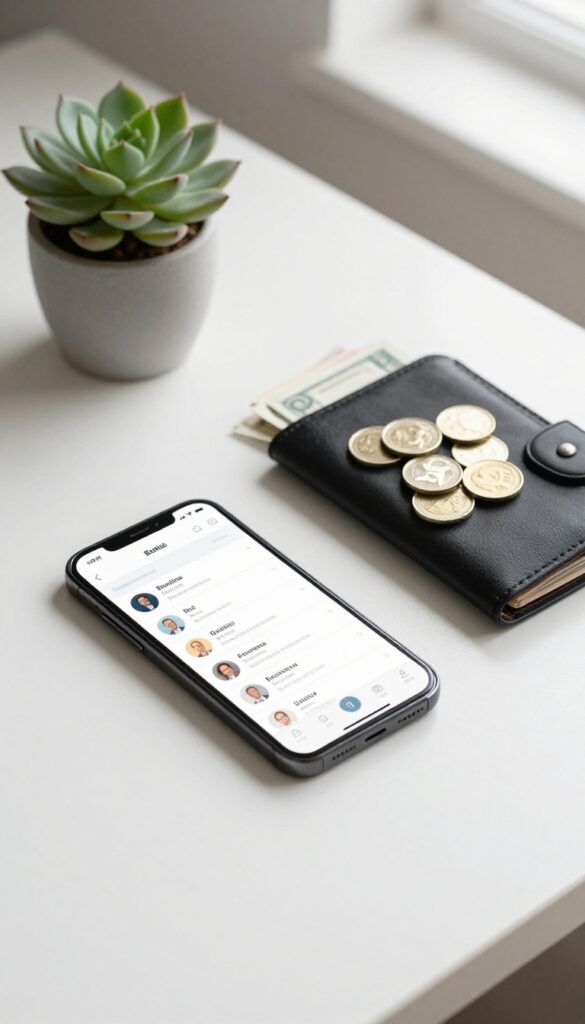
The easiest way to save is to make it happen without thinking. When you automate, you remove the temptation to spend that money first. It's like paying yourself before you pay anyone else.
Set up an automatic transfer from your checking account to your savings account on payday. Even $20 or $50 per check adds up fast. You'll be surprised how quickly you adjust to living on slightly less.
Pick The Right Amount
Start small. Choose an amount that feels painless—maybe 1% of your income. Increase it by 1% every few months until you reach a comfortable savings rate.
Choose The Best Day
Schedule the transfer for the same day you get paid. That way, the money moves before you have a chance to spend it. Out of sight, out of mind.
Use A Separate Account
Open a high-yield savings account at a different bank from your checking. This adds a small hurdle to withdrawing, which helps you resist impulse spending.
2. Track Every Dollar for One Month
You can't fix what you don't see. Most people have no clue where their money actually goes each month. That's why the first real step to saving is a simple one: track every dollar you spend for 30 days.
It's not about judgment—it's about awareness. Once you see the patterns, you'll naturally spot easy places to cut back.
Grab a notebook or download a free app like Mint or YNAB. For one month, write down every single purchase, no matter how small. Yes, that includes the coffee, the snack from the vending machine, and the random Amazon buy.
At the end of the month, review your list. You'll likely find a few surprises—like how much those little daily treats add up. That awareness alone gives you control.
Why One Month Is Enough
You don't need to track forever. One month gives you a clear snapshot of your spending habits without feeling like a chore. After 30 days, you'll know your biggest leaks and can focus on fixing them.
Tools That Make It Easy
Use a simple app that links to your bank account, or go old-school with a pocket notebook. The key is consistency. Pick whichever method you'll actually stick with.
Even a notes app on your phone works.
What To Look For When You Review
Categorize your spending: bills, groceries, dining out, entertainment, etc. Look for patterns. Are you spending more on takeout than you thought?
Do you have subscriptions you forgot about? Those are your first opportunities to save.
Free PDF Download
Not Sure Which Side Hustle Fits You Best?
Take the free Side Hustle Matchmaker Quiz and get a simple 7-day starter plan to help you choose a beginner-friendly idea based on your time, skills, comfort level, and goals.
You’ll get this free PDF plus access to the full Marketerna Save More & Earn More PDF Kit. No spam. Unsubscribe anytime.
3. Cut One Subscription Service
Subscriptions are sneaky. They quietly drain your bank account month after month for services you barely use. The fix is simple: pick one and cancel it right now.
That single action can put $10 to $50 back in your pocket every month without changing your lifestyle.
Think about all the subscriptions you have. Streaming platforms, gym memberships, app subscriptions, meal kits, beauty boxes, cloud storage—they add up fast. Most people have at least one they forgot about or rarely touch.
Canceling just one is an easy win.
Find The Forgotten Ones
Check your bank statements for recurring charges. Look for anything you haven't used in the past month. Common culprits: a streaming service you signed up for a show you already finished, a gym membership you never use, or a productivity app that's gathering dust.
Do A 30-day Test
Not sure if you'll miss it? Pause the subscription for a month. Most services let you cancel and resubscribe easily.
If you don't feel a thing, keep it canceled. If you really need it, you can always restart—but you probably won't.
Replace With Free Alternatives
Many paid services have free versions that work just fine. Swap your paid music app for a free tier with ads, use YouTube for workouts instead of a gym membership, or try free budgeting apps before paying for premium. You might not miss the extras at all.
4. Use the 24-Hour Rule for Non-Essentials
Impulse buys are the silent budget killers. That cute mug, the flashy gadget, or the trendy top feels essential in the moment, but most of the time, it's just a fleeting want. The 24-hour rule is a simple trick: force yourself to wait a full day before buying anything non-essential.
You'll be surprised how many of those urges vanish by morning. This pause gives your rational brain time to catch up with your emotions.
When you spot something you want but don't need, write it down or add it to a wishlist. Set a reminder for 24 hours later. When the time comes, ask yourself: Do I still want this?
Can I afford it? Is there a better use for this money? Most of the time, the answer is no, and you just saved yourself from regret.
How To Make The Rule Stick
Keep a notes app or a small notebook for impulse wants. The act of writing it down helps you feel like you've acknowledged the desire without acting on it. Also, unsubscribe from promotional emails and disable one-click purchasing.
Adding friction makes the rule easier to follow.
What Counts As Non-essential?
Essentials are things you truly need to live and work: groceries, rent, utilities, gas for your commute, medicine. Non-essentials are everything else: new clothes, takeout, decor, gadgets, entertainment. If you're unsure, ask yourself if you could get by without it for a week.
If yes, it's non-essential.
The Emotional Benefit
Beyond saving money, the 24-hour rule reduces buyer's remorse and clutter. You'll start to feel more in control of your spending, which builds confidence. Over time, you'll naturally pause before purchases, and your savings will grow without feeling like a sacrifice.
Free PDF Download
Not Sure Which Side Hustle Fits You Best?
Take the free Side Hustle Matchmaker Quiz and get a simple 7-day starter plan to help you choose a beginner-friendly idea based on your time, skills, comfort level, and goals.
You’ll get this free PDF plus access to the full Marketerna Save More & Earn More PDF Kit. No spam. Unsubscribe anytime.
5. Cook at Least Three More Meals at Home
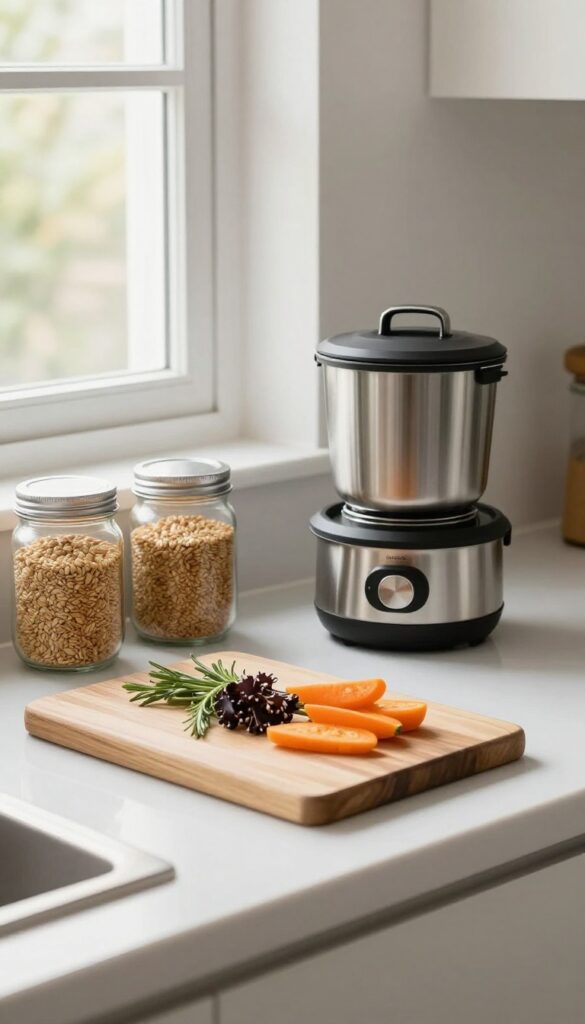
Restaurant meals are convenient, but they come with a hefty price tag. On average, eating out costs three to five times more than cooking the same dish at home. That premium adds up fast, especially if you're grabbing lunch or ordering dinner several times a week.
The good news? You don't have to become a gourmet chef to save. Just a few extra home-cooked meals each week can slash your food budget significantly.
Start small by committing to cook just three more meals at home per week. That could mean packing lunch twice and making dinner once instead of ordering. Use a simple Sunday batch prep session to chop veggies, cook grains, or marinate proteins so weekday cooking takes 15 minutes or less.
Over a month, those three extra home meals can save you $50–$100 or more, depending on your usual spending.
Start With Breakfast And Lunch
Breakfast and lunch are the easiest meals to bring from home. Overnight oats, egg muffins, or simple sandwiches take minutes to prepare and cost pennies compared to café versions. Packing lunch five days a week can save you $25–$50 weekly.
That's $1, 300–$2, 600 a year just from two meals.
Batch Prep Like A Pro
Set aside one hour on Sunday to prep ingredients for the week. Wash and chop veggies, cook a big batch of rice or quinoa, grill chicken breasts, or hard-boil eggs. Store everything in clear containers so you can grab and go.
When dinner time comes, you're just assembling, not starting from scratch.
Make Extra For Leftovers
Double your dinner recipes on purpose. Cook twice as much chili, stir-fry, or pasta sauce, and refrigerate or freeze half. Leftovers make an instant lunch or a quick dinner later in the week.
This cuts down on both cooking time and the temptation to order takeout when you're tired.
6. Switch to a High-Yield Savings Account
If your emergency fund is sitting in a regular savings account earning 0. 01% interest, you're leaving money on the table. High-yield savings accounts (HYSAs) offered by online banks pay 4% or more APY right now.
That's free money for doing absolutely nothing.
Moving your savings to a high-yield account is one of the easiest ways to boost your money without any extra effort. Online banks can offer higher rates because they have lower overhead costs than traditional brick-and-mortar banks. The best part?
Your money stays just as safe—FDIC insured up to $250, 000.
Why Online Banks Pay More
Online banks don't have to pay for physical branches, tellers, or ATMs. They pass those savings to you in the form of higher interest rates. That's why you can earn 4%+ APY instead of the paltry 0.
01% most local banks offer.
How To Choose The Right Hysa
Look for no monthly fees, no minimum balance requirements, and easy access to your money. Top options like Ally, Marcus, and SoFi consistently offer competitive rates. Make sure the bank is FDIC insured and has good customer reviews.
Set It And Forget It
Once you open the account, set up automatic transfers from your checking account. Even $50 a month adds up, and the compound interest will do the heavy lifting. You'll barely notice the money leaving, but your savings will grow faster.
7. Unsubscribe from Marketing Emails
Every time you open your inbox, you're bombarded with sales pitches. Those "limited-time offers" and "exclusive discounts" are designed to trigger impulse buys. The easiest way to stop that temptation is to stop seeing them altogether.
Unsubscribing takes just a few minutes, but it removes the constant pressure to spend. Out of sight, out of mind—and more money stays in your pocket.
Marketing emails are engineered to make you feel like you're missing out. But once you cut them off, you realize how little you actually need those deals. Here's how to clean up your inbox fast.
Use A Tool For Bulk Unsubscribing
Services like Unroll. me scan your inbox and let you unsubscribe from multiple lists at once. It's free and takes about two minutes to set up. You can also choose to bundle remaining emails into a daily digest, so your inbox stays clutter-free.
Go Manual For A Quick Win
If you'd rather not use a third-party tool, spend 10 minutes scrolling through your inbox. Unsubscribe from any email that promotes products, services, or sales you don't need. Most unsubscribe links are at the bottom of the email and work instantly.
Keep Only What Adds Value
Not all emails are bad. Keep subscriptions that actually help you save money, like bank alerts or coupon newsletters you use. The goal is to eliminate noise, not all communication.
8. Bring Lunch to Work Twice a Week
You know eating out adds up, but cooking every single meal feels impossible. The sweet spot? Just two homemade lunches per week.
It's a small shift that doesn't demand a total kitchen overhaul, yet it quietly funnels hundreds back into your wallet each year.
Packing lunch just two days a week saves $30–$50 monthly. That's $360–$600 a year. And you don't need gourmet skills—leftovers from dinner or a simple sandwich work perfectly.
Start Small, Stay Consistent
Pick two days that are naturally easier—maybe Monday and Wednesday. Prep the night before or pack leftovers while cleaning up dinner. Once it becomes a habit, you might even add a third day.
Make It Easy (and Tasty)
Keep go-to ingredients on hand: bread, peanut butter, canned tuna, or pre-washed greens. A reusable container and a reusable bag cut waste and cost. Rotate a few simple recipes so you never get bored.
Track The Savings For Motivation
Note how much you'd normally spend on lunch out. After a month, transfer that saved amount to your savings account. Seeing the number grow makes packing lunch feel like a win.
9. Use Cash Envelopes for Variable Expenses
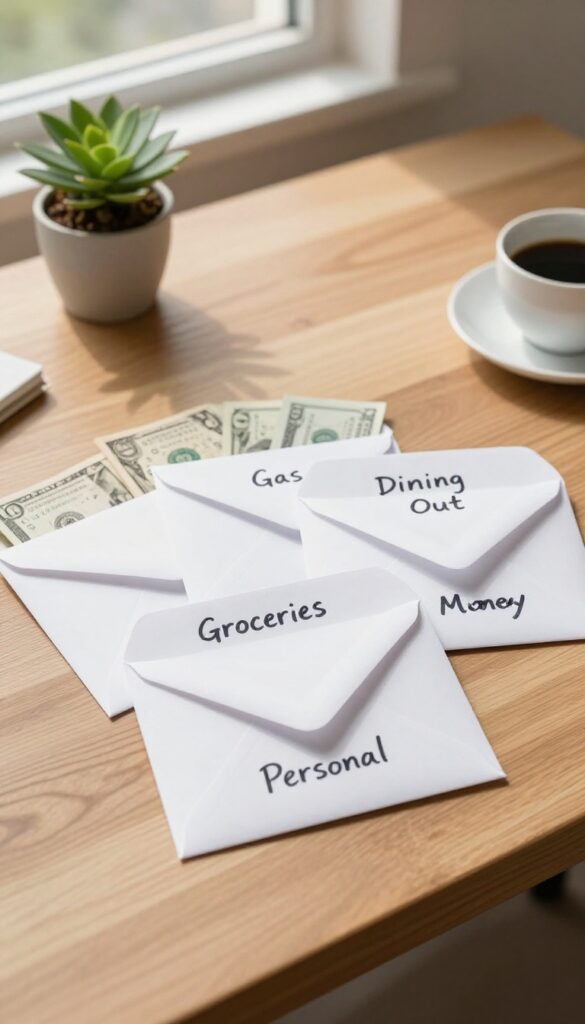
Plastic makes it too easy to overspend. Swiping a card doesn't feel real until the bill arrives. Cash, on the other hand, is tangible.
When you physically hand over bills, you feel the loss. That's the power of the envelope system.
Withdraw cash for categories like groceries, gas, and fun money. Put each amount in its own labeled envelope. Once the envelope is empty, no more spending in that category until next month.
It's simple, visual, and brutally effective.
How To Set Up Your Envelopes
Start with 3 to 5 categories. Common ones are groceries, dining out, gas, entertainment, and personal spending. Decide a monthly budget for each, withdraw that total cash, and split it into envelopes.
Label them clearly.
What If You Run Out Early?
That's the point. If your grocery envelope is empty by the 20th, you get creative with pantry staples or skip that restaurant trip. It forces you to prioritize.
If you consistently run out, adjust the budget next month.
When Cash Isn't Practical
Some expenses like online subscriptions or utility bills can't be paid with cash. That's fine. Use envelopes only for variable, discretionary spending.
Fixed bills stay on autopay from your bank account.
10. Negotiate Your Bills
Most people never question their monthly bills—they just pay them and move on. But here's the truth: companies expect you to ask for a better deal. A simple phone call can save you hundreds of dollars a year without changing your lifestyle.
Start with your internet, phone, and insurance providers. Call customer service and say something like, 'I'm looking to lower my bill. Can you check for any discounts or promotions? ' You'd be surprised how often they'll offer a loyalty rate or a temporary discount just to keep you happy.
If they say no, ask to speak to the retention department—they have more flexibility.
Do Your Homework First
Before you call, check competitor prices. If you find a better offer, mention it. Companies are more likely to match or beat a competitor's rate than risk losing you.
Have your current bill handy and know exactly what you're paying.
Be Polite But Persistent
Customer service reps are people too. A friendly attitude goes a long way. If the first person can't help, ask to escalate.
Sometimes a supervisor has the authority to approve discounts that frontline reps don't.
Set A Reminder To Repeat
Many discounts expire after 6 or 12 months. Put a calendar reminder to call again before the promo ends. Make it a habit, and you'll keep saving year after year.
11. Shop with a List and Stick to It
Walking into a store without a plan is like going grocery shopping when you're hungry—you're bound to grab things you don't need. A simple list keeps you focused and helps you avoid those tempting impulse buys that blow your budget. It's one of the easiest money-saving habits you can build, and it takes just a few minutes to start.
Before you head out, write down exactly what you need. Check your pantry or fridge first so you don't buy duplicates. Then, commit to buying only what's on that list.
If you see a great deal on something you weren't planning to get, pause and ask yourself if it's a true need or just a fleeting want. Over time, this practice trains your brain to resist marketing tricks and stick to your spending goals.
Make A Master List
Keep a running list on your phone or a notepad of items you regularly buy. That way, you can quickly check off what you need before each trip. This also helps you spot patterns—like buying snacks you don't really eat—and cut them out.
Use The 24-hour Rule
For non-essential items, wait a day before buying. If you still want it after 24 hours, add it to your list for the next trip. This simple delay stops most impulse purchases cold.
Avoid Shopping When Stressed Or Bored
Emotional shopping is a budget killer. If you're feeling down or just bored, don't go to the store. Instead, go for a walk, call a friend, or do something else that doesn't involve spending money.
12. Wait for Sales on Big Purchases
Big purchases can wreck your budget if you buy them at full price. The good news? Most items go on sale multiple times a year.
A little patience can save you hundreds—sometimes thousands—of dollars. By timing your major buys around predictable sales events, you get the same product for much less.
Plan major buys around Black Friday, Prime Day, or end-of-season clearances. Patience pays.
Know The Best Times To Buy
Black Friday and Cyber Monday are great for electronics and appliances. Prime Day (usually July) offers deals on Amazon devices, kitchen gadgets, and more. End-of-season sales are perfect for clothing, outdoor gear, and holiday items.
Research the typical sale cycles for what you need.
Use Price Tracking Tools
Don't guess when to buy. Use apps like CamelCamelCamel or Honey to track price history and set alerts. They'll notify you when an item drops to its lowest price.
This takes the guesswork out of timing.
Avoid Impulse Buys During Sales
Sales can be tempting, but stick to your list. Just because something is 50% off doesn't mean you need it. Set a budget for each sale event and only buy what you planned.
Otherwise, you might end up spending more, not less.
13. Use the Library Instead of Buying Books
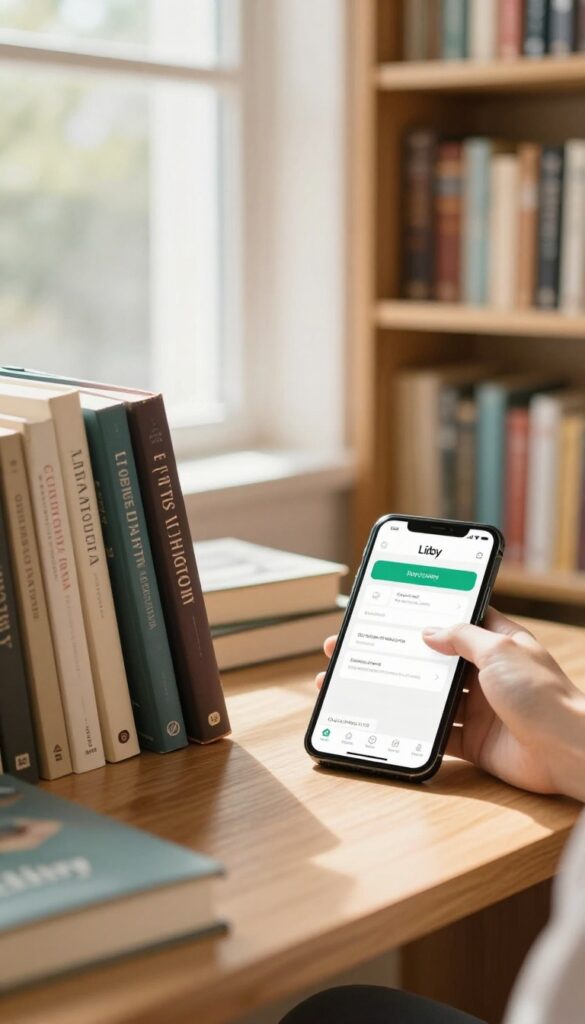
Books, audiobooks, and movies can eat up your budget fast. But you don't have to give up entertainment to save. Your local library is a goldmine of free resources—and you might be surprised by what's available.
Libraries have evolved far beyond dusty shelves. Most now offer digital rentals through apps like Libby or Hoopla, so you can borrow ebooks and audiobooks from your couch. DVDs, streaming movies, and even video games are often free to check out.
The best part? It's all included with your library card, which costs nothing.
Digital Borrowing Made Easy
Forget late fees. Many libraries now have automatic return systems for digital items. Download the Libby app, enter your library card number, and start browsing thousands of titles.
No more impulse buys on Amazon—just free access to bestsellers and classics.
More Than Just Books
Libraries often lend movies, music CDs, audiobooks on CD, and even board games. Some have streaming services like Kanopy for indie films. Check your library's website for a full list.
You might find free museum passes, tool rentals, or workshops too.
Save On Kids' Entertainment
If you have children, the library is a lifesaver. Picture books, read-along CDs, and educational DVDs are free. Many libraries host story times, craft sessions, and summer reading programs that keep kids engaged without costing a dime.
14. Sell Unused Items Around Your Home
You probably have hundreds of dollars sitting in your closet, garage, or basement right now. That old phone, the blender you never use, the clothes that don't fit—they're all potential cash. Selling unused items is one of the fastest ways to put money in your pocket while clearing out clutter.
It's a win-win.
Start by walking through your home with a critical eye. Grab a box and toss in anything you haven't used in the past year. Be honest: if it's collecting dust, it's time to let it go.
Focus on items that sell well: electronics, brand-name clothing, furniture, kitchen gadgets, and tools.
Where To Sell
Facebook Marketplace is great for large items like furniture because buyers can pick them up locally. eBay works better for smaller, shippable items like electronics and clothes. For quick cash, consider local consignment shops or apps like OfferUp and Poshmark.
How To Price
Search for similar items to see what they're selling for. Price yours slightly lower to move them fast. Remember, the goal is to declutter and earn cash, not to maximize every dollar.
A quick sale is better than an item sitting for months.
Tips For A Smooth Sale
Take clear photos in good lighting. Write honest descriptions mentioning any flaws. Respond to messages promptly and arrange safe, public meetups for local sales.
Ship items carefully with tracking if you're selling online.
15. Lower Your Thermostat by 2 Degrees
Your thermostat is a silent budget drain. Most people keep their homes warmer or cooler than necessary without even thinking about it. That small comfort zone costs you real money every month.
Adjusting by just 2°F is barely noticeable, but the savings add up. The U. S.
Department of Energy says you can save up to 10% on heating and cooling bills annually. That's hundreds of dollars back in your pocket for doing almost nothing.
Why 2 Degrees Works
Heating and cooling make up nearly half of your home's energy use. A tiny adjustment reduces the workload on your HVAC system without sacrificing comfort. Your body adapts quickly, and you won't feel the difference after a day or two.
Best Times To Adjust
Turn the thermostat down when you're asleep or away from home. Programmable or smart thermostats make this automatic. Set it to lower the temperature 30 minutes before bed and raise it just before you wake up.
Layer Up Or Down
In winter, wear a cozy sweater or use a blanket instead of cranking the heat. In summer, use ceiling fans or light clothing to stay cool. These small habits make the 2-degree shift feel effortless.
16. Use a Cashback App for Everyday Purchases
Cashback apps are a no-brainer way to save money on things you're already buying. Apps like Rakuten and Ibotta give you a percentage back on groceries, clothing, and online shopping. It's free money—just a few taps and you're set.
Start by downloading one or two popular apps. Link your accounts or scan receipts after shopping. The rewards add up quickly, especially if you check for offers before buying.
You can cash out via gift cards or direct deposit.
How Cashback Apps Work
You browse offers in the app, activate them, then shop as usual. Some apps give a flat percentage back at certain stores; others offer specific cashback on items. After purchase, upload your receipt or link your card, and the cashback is credited to your account.
Best Apps To Start With
Rakuten is great for online shopping with up to 10% back at hundreds of stores. Ibotta is perfect for groceries—just scan your receipt after shopping. Fetch Rewards is another easy option that gives points for any receipt, no matter the store.
Tips To Maximize Your Cashback
Stack cashback with credit card rewards for double savings. Check the app before every purchase, especially for big-ticket items. Combine offers from multiple apps when possible, but don't buy things just because they have cashback—stick to your needs.
17. Plan a No-Spend Weekend Each Month

One weekend a month where you don't open your wallet? It sounds impossible, but it's actually freeing. You'll rediscover how much fun you can have without spending a dime.
Plus, that one weekend can save you $100 or more each month.
Pick a weekend and declare it a no-spend zone. That means no coffee runs, no takeout, no shopping, no streaming rentals. You can still use what you already have—food in the fridge, books on your shelf, or the great outdoors.
The goal is to break the habit of spending money out of boredom or convenience.
What To Do Instead
Stay home and cook a fancy meal with pantry staples. Go for a hike or a long walk in a park you've never explored. Have a movie marathon with movies you already own or stream for free.
Invite friends over for a potluck or board game night. You'll be surprised how many free activities you enjoy.
How To Prepare
Before the weekend, stock up on groceries and fill your gas tank. Make a list of free activities you're excited about. Put your credit cards in a drawer or leave them at home.
Tell a friend you're doing a no-spend weekend so they can join or hold you accountable.
The Savings Add Up
One no-spend weekend can save you $50 to $150 depending on your usual habits. Over a year, that's $600 to $1, 800. That's a nice emergency fund or a vacation.
Plus, you'll learn that happiness doesn't come from spending.
18. Buy Generic Brands for Staples
Store brands are often identical to name brands but cost 20–30% less. Try them on pantry basics like flour, sugar, pasta, and canned vegetables. You might be surprised how similar they taste—and your wallet will thank you.
What To Buy Generic
Start with shelf-stable items: baking staples, grains, pasta, canned goods, and spices. These are almost always produced in the same factories as name brands. Even dairy and frozen vegetables are safe bets.
What To Splurge On
Some products are worth the brand name. Think ketchup, mayonnaise, or specialty sauces where taste differences are noticeable. Also, cheap paper products may not hold up—so choose wisely.
How To Test The Waters
Buy one generic item at a time and compare it side by side with your usual brand. If you can't tell the difference, you've just found an easy way to save. Over time, these small swaps can add up to hundreds of dollars a year.
19. Set a Specific Savings Goal
Vague goals like "save more" rarely work because they don't give your brain a clear target. A specific goal turns saving into a game with a finish line. Instead of hoping money piles up, you'll know exactly what you're working toward and when you want to get there.
When you set a measurable goal, you can track progress and celebrate small wins along the way. That keeps motivation high. For example, aiming for a $1, 000 emergency fund by June gives you a clear number and a deadline.
Break it down: that's about $167 a month or $42 a week. Suddenly, it feels doable.
Make It Personal
Your goal should matter to you. Maybe it's a vacation, a new laptop, or just peace of mind from having a safety net. When the goal is meaningful, you'll stick with it even when temptation strikes.
Break It Down
Large numbers can be overwhelming. Divide your goal into monthly or weekly chunks. If you need $1, 200 in a year, that's $100 per month or about $25 per week.
Small, regular deposits add up without hurting.
Track And Adjust
Use a simple app, a notebook, or a spreadsheet to monitor progress. If you fall behind, don't give up—just adjust your timeline or find extra cash to catch up. Consistency matters more than perfection.
20. Use a Budgeting App Like YNAB or Mint
If you're flying blind with your money, a budgeting app can be your copilot. These tools connect directly to your bank accounts and credit cards, automatically categorizing every dollar you spend. No more guessing where your money went or manually tracking expenses in a notebook.
Apps like YNAB (You Need A Budget) and Mint give you a real-time snapshot of your finances. You'll see exactly how much you're spending on groceries, dining out, subscriptions, and more. That clarity makes it easy to spot areas where you can cut back without feeling deprived.
Budgeting apps remove the guesswork from saving money. They sync with your accounts, categorize transactions, and show you spending patterns over time. With that data, you can make informed decisions about where to trim expenses and set realistic savings goals.
How Ynab Works
YNAB uses a zero-based budgeting approach, meaning every dollar has a job. You assign your income to categories like rent, groceries, and savings until you reach zero. The app then tracks your spending against those categories, sending alerts when you're close to your limit.
It's proactive and forces you to plan ahead.
How Mint Works
Mint is more passive—it automatically pulls in your transactions and sorts them into categories. You set budgets for each category, and Mint shows you how you're tracking. It also provides free credit score monitoring and alerts for unusual spending.
Great for beginners who want a hands-off approach.
Which One Should You Choose?
Pick YNAB if you want a structured system and are willing to invest time upfront. Pick Mint for a set-it-and-forget-it overview. Both are free to start (YNAB offers a 34-day trial; Mint is free with ads).
Try one for a month and see which sticks.
21. Review Your Bank Statements for Hidden Fees

Banks love sneaky fees. Monthly maintenance charges, ATM withdrawal costs, and forgotten subscription renewals can quietly drain your account. A quick scan of your last few statements might reveal money you didn't even know you were losing.
Set aside 15 minutes to go through your bank statements line by line. Look for recurring charges you don't recognize or fees that seem excessive. If you spot a monthly maintenance fee, consider switching to a no-fee account or ask your bank to waive it.
Many banks will if you maintain a minimum balance or set up direct deposit. Cancel any subscriptions you no longer use—those $9. 99 monthly charges add up fast.
Common Fees To Watch For
Monthly maintenance fees, out-of-network ATM fees, overdraft fees, and minimum balance fees are the usual suspects. Some banks also charge for paper statements or using a teller. Check your fee schedule online if you're not sure what to look for.
What To Do When You Find A Fee
Call your bank and ask nicely. Often they'll refund a fee as a courtesy, especially if it's your first time. If they won't, consider switching to a credit union or online bank that offers no-fee checking and savings accounts.
Stop Future Leaks
Set up account alerts for any transaction over a certain amount. Review your statements monthly—not just when you're balancing your checkbook. A quick habit like this can save you hundreds a year.
FAQ
How much should a beginner save each month?
Start with 10% of your income. If that's too much, save 5% or even $50 a month. Consistency matters more than the amount.
What's the easiest way to start saving?
Automate a small transfer to savings on payday. You won't miss money you never see.
Should I pay off debt or save first?
Build a $500–$1, 000 emergency fund first, then focus on high-interest debt. After that, save 3–6 months of expenses.
How can I save money on a tight budget?
Focus on cutting small recurring expenses like subscriptions and eating out. Even $20 a week adds up to over $1, 000 a year.
What's the best savings account for beginners?
A high-yield savings account (HYSA) from an online bank like Ally, Marcus, or SoFi. They offer higher interest rates and no fees.
Conclusion
You don't need a perfect budget to start saving—just one small habit that sticks. Pick the simplest tip from this list, like automating $5 a week or skipping one coffee run, and try it for a month. That tiny step builds momentum and confidence.
Before you know it, you'll have a growing savings account and a clearer sense of control over your money. Start today, even if it's small.
Free PDF Download
Not Sure Which Side Hustle Fits You Best?
Take the free Side Hustle Matchmaker Quiz and get a simple 7-day starter plan to help you choose a beginner-friendly idea based on your time, skills, comfort level, and goals.
You’ll get this free PDF plus access to the full Marketerna Save More & Earn More PDF Kit. No spam. Unsubscribe anytime.