21 Frugal Meal Planning Tips for Busy Weeks
You're staring at the fridge after a long day, and nothing looks like dinner. Takeout is tempting, but your budget says no. That's where a solid meal plan comes in—not a complicated one, just a few smart moves that keep you fed and your wallet happy.
Frugal meal planning isn't about eating bland food or spending hours in the kitchen. It's about working smarter, not harder, so you can enjoy good meals without the last-minute panic or overspending.
These 21 tips are built for real life—busy weeks, tired evenings, and a desire to keep grocery bills low. Pick a few that fit your routine and watch the savings add up.

Free PDF Download
Not Sure Which Side Hustle Fits You Best?
Take the free Side Hustle Matchmaker Quiz and get a simple 7-day starter plan to help you choose a beginner-friendly idea based on your time, skills, comfort level, and goals.
You’ll get this free PDF plus access to the full Marketerna Save More & Earn More PDF Kit. No spam. Unsubscribe anytime.
1. Start with a Pantry Audit
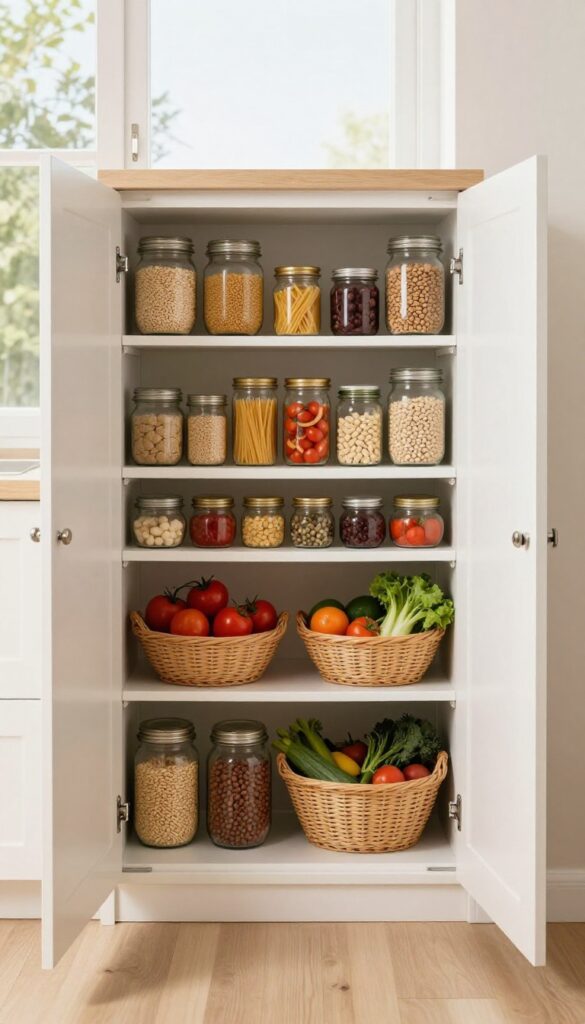
Before you even think about recipes or grocery lists, take a good look at what you already have. A quick pantry audit can save you from buying duplicates and help you use up items that are about to expire. It's a simple step that cuts waste and stretches your budget.
Grab a notepad or open a notes app and check your pantry, fridge, and freezer. Group items by category—grains, canned goods, proteins, veggies—so you can see what's abundant and what's missing. This snapshot makes planning easier and stops you from tossing money at ingredients you already own.
What To Look For
Scan for staples like rice, pasta, beans, and canned tomatoes. Check expiration dates on dairy, meats, and leftovers. Note any half-used items like a partial bag of frozen vegetables or an open jar of sauce.
Build Meals Around What You Have
Once you know your inventory, brainstorm meals that use those items first. If you have ground beef and black beans, think tacos or chili. If pasta and marinara are on hand, pasta night is a no-brainer.
This cuts grocery spending and reduces food waste.
Organize For Easy Access
Group similar items together and keep frequently used ingredients at eye level. This saves time when you're cooking and helps you see what you actually have, so you don't buy duplicates next time you shop.
2. Pick a Theme for Each Night
Assigning a theme to each night of the week takes the guesswork out of dinner. Instead of staring blankly at recipes, you know it's Taco Tuesday or Stir-Fry Thursday. This simple trick makes grocery shopping predictable and cuts down on decision fatigue.
Themes create a loose structure that still allows variety. You can rotate through different cuisines or proteins within each theme, keeping meals interesting without extra mental effort. Plus, bulk buying ingredients like tortillas or rice becomes easier when you know they'll be used weekly.
Start With 3–4 Themes
You don't need a theme for every single night. Pick three or four that your family loves—like Pasta Monday, Taco Tuesday, Stir-Fry Thursday, and Pizza Friday. Leave the other nights open for leftovers or quick meals.
This keeps planning simple and flexible.
Build Your Grocery List Around Themes
Once you have themes, your shopping list practically writes itself. For Taco Tuesday, you always need tortillas, beans, cheese, and salsa. For Stir-Fry Thursday, grab frozen veggies, soy sauce, and rice.
Over time, you'll stock pantry staples that match your themes, reducing last-minute trips.
Mix Up Themes To Avoid Boredom
Themes don't have to mean the exact same meal every week. Taco Tuesday can feature beef one week, black beans the next, and fish tacos another. Stir-Fry Thursday can switch between chicken, tofu, or shrimp.
This keeps the routine fresh while still simplifying decisions.
Free PDF Download
Not Sure Which Side Hustle Fits You Best?
Take the free Side Hustle Matchmaker Quiz and get a simple 7-day starter plan to help you choose a beginner-friendly idea based on your time, skills, comfort level, and goals.
You’ll get this free PDF plus access to the full Marketerna Save More & Earn More PDF Kit. No spam. Unsubscribe anytime.
3. Use a Master Grocery List
A master grocery list is your secret weapon against impulse buys and forgotten staples. It's a running document—digital or paper—of everything you buy on a regular basis. Instead of starting from scratch each week, you simply check off what you need and add any meal-specific ingredients.
This small habit saves time, reduces mental load, and keeps your pantry stocked with the basics.
Start by listing all the pantry staples, fridge items, and freezer goods you use most often. Think oats, rice, pasta, canned tomatoes, olive oil, eggs, milk, cheese, frozen veggies, and spices. Keep this list in a notes app or a printed sheet on the fridge.
Each week, before you shop, scan your kitchen and check off what's running low. Then add any extra items from your meal plan. That's it—no more wandering the aisles guessing what you need.
Build Your List Over Time
Don't try to create the perfect master list in one sitting. Start with the items you buy every week, then add as you remember. After a few trips, you'll have a comprehensive list that covers 90% of your regular purchases.
This organic approach feels less overwhelming and more tailored to your actual habits.
Categorize For Efficiency
Organize your master list by store layout—produce, dairy, meat, dry goods, frozen, etc. This way, you can breeze through the store without backtracking. You can even color-code or use bullet points.
The goal is to make shopping as quick and painless as possible.
Keep A Copy In Your Phone
A digital master list is always with you. Use a simple notes app or a dedicated grocery list app. When you run out of something mid-week, add it immediately.
Come shopping day, you'll have a ready-to-use list that prevents those last-minute dashes for missing ingredients.
4. Batch Cook Your Grains and Proteins
Cooking from scratch every night is exhausting. Batch cooking solves that by giving you a head start on the week's meals. Spend an hour on Sunday prepping staples, and you'll have the foundation for quick, cheap dinners all week long.
Choose Your Staples
Pick grains and proteins your family actually eats. Rice, quinoa, pasta, chicken breasts, ground beef, or hard-boiled eggs are all great options. Cook a large batch—enough for at least three meals—and store them in the fridge.
Store Smartly
Use airtight containers to keep grains fresh and proteins from drying out. Portion them into meal-sized servings so you can grab and go. Label with dates to avoid mystery leftovers.
Mix And Match
With pre-cooked grains and proteins, dinner becomes assembly. Toss with veggies and a sauce for a stir-fry, add to salads, or wrap in tortillas. You'll cut cooking time in half and reduce food waste.
Free PDF Download
Not Sure Which Side Hustle Fits You Best?
Take the free Side Hustle Matchmaker Quiz and get a simple 7-day starter plan to help you choose a beginner-friendly idea based on your time, skills, comfort level, and goals.
You’ll get this free PDF plus access to the full Marketerna Save More & Earn More PDF Kit. No spam. Unsubscribe anytime.
5. Embrace Leftover Reinvention
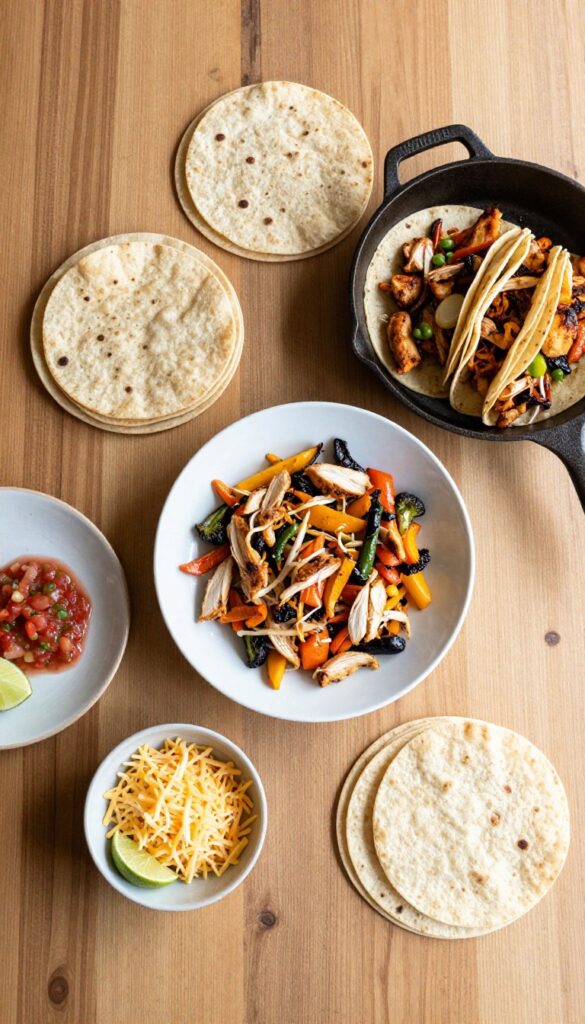
Leftovers don't have to mean eating the same meal two nights in a row. With a little creativity, you can transform last night's dinner into something completely new—and save money while keeping your taste buds happy. The trick is to think of leftovers as ingredients, not just reheated meals.
Plan to use leftovers in new ways—turn roasted veggies into soup, or shredded chicken into tacos. This keeps meals interesting and stretches your budget.
Repurpose With A Theme Night
Assign a weekly "reinvention night" where you use up leftovers. For example, Monday's roast chicken becomes Tuesday's chicken tacos, and Wednesday's extra rice turns into Friday's fried rice. This gives you a built-in plan to avoid waste.
Soup, Stir-fry, Or Casserole
Three simple templates work for almost any leftover: toss veggies and protein into broth for soup, stir-fry with soy sauce and rice, or layer with cheese and bake into a casserole. These methods are forgiving and use whatever you have.
Freeze In Portions For Later
If you can't reinvent leftovers right away, freeze them in single-serving containers. Label with the date and contents. Later, you can pull one out for a quick lunch or combine several for a "buffet" dinner.
6. Shop Your Fridge First
Before you flip through cookbooks or scroll Pinterest, open your fridge and take stock. That half-used jar of salsa, the wilting cilantro, or the leftover shredded chicken can become the backbone of a few meals. Building your plan around what's already there saves money and cuts down on food waste.
Make it a habit to do a quick fridge audit before you write your meal plan. Jot down anything that's nearing its expiration date or that you have in abundance. Then, brainstorm meals that use those ingredients as the star.
For example, leftover roasted veggies can top a grain bowl, go into a frittata, or get blended into soup. This approach turns your fridge into a free grocery store.
Do A Weekly Fridge Sweep
Pick a consistent day—maybe Sunday evening or Wednesday morning—to check your fridge for items that need using. Move them to a designated 'use first' shelf so they're front and center. This simple habit prevents forgotten produce from turning into science experiments.
Build Meals Around What's Left
Got a half-bag of spinach and some feta? That's a quick spanakopita-inspired omelet or a flatbread pizza. Leftover cooked quinoa and canned beans?
Toss them with a vinaigrette for a no-cook salad. The goal is to let your fridge dictate the menu, not the other way around.
Use The 'cook Once, Eat Twice' Trick
When you cook a meal, intentionally make extra of one component—like roasted chicken, sautéed mushrooms, or cooked rice. Then plan a second meal later in the week that repurposes that component. For instance, Monday's roast chicken becomes Tuesday's chicken tacos or Wednesday's chicken salad.
7. Stick to a Weekly Budget
A budget isn't a restriction—it's a roadmap. When you know exactly how much you can spend on groceries each week, meal planning becomes a puzzle you actually want to solve. The trick is to set a realistic number, then make it work with smart choices.
Start by looking at your past grocery receipts to see what you typically spend. Pick a dollar amount that's slightly lower but still doable. Write it down and treat it like a non-negotiable.
That clarity alone will cut impulse buys and help you prioritize ingredients that stretch across multiple meals.
Use Cash Or A Dedicated Envelope
Paying with cash makes you think twice before tossing extras into the cart. Withdraw your weekly budget in cash and put it in a labeled envelope. Once it's gone, it's gone.
No tapping a card and hoping for the best. This old-school method works because it creates a physical limit you can see and feel.
Plan Meals Around Your Budget First
Instead of picking recipes and hoping they fit, start with your budget and work backward. If you have $75 for the week, look for meals that use cheap staples like rice, beans, eggs, and seasonal veggies. Build a menu that stays under that number, then shop with confidence knowing you won't overspend.
Track As You Go
Keep a running total while you shop—either on your phone or a scrap of paper. It's easy to lose track when items pile up. Checking your tally halfway through helps you decide between the pricier cut of meat and the budget-friendly option.
Small adjustments at the store keep you on target.
8. Plan for Two Weeks at a Time
Weekly meal planning is great, but have you considered going biweekly? If your schedule allows a couple of hours every other weekend, planning for two weeks can save you time and money. You'll make fewer trips to the store, which means less temptation to buy extras, and you can take advantage of bulk discounts on staples like rice, pasta, and canned goods.
Biweekly planning works best when you focus on ingredients that last. Think root vegetables, frozen produce, grains, and proteins you can freeze. You'll cook in batches and freeze portions for the second week, making those busy days a breeze.
Just be sure to schedule a "use-up" meal before your next planning day to clear out any leftovers.
Bulk Buying Benefits
Buying in bulk often means a lower cost per serving. Items like oats, beans, and chicken breasts are perfect for biweekly plans. Store them properly—use airtight containers for dry goods and portion meat into freezer bags—so nothing goes to waste.
Smart Batch Cooking
Cook double batches of soups, stews, or casseroles on your planning day. Freeze half for the second week. This not only saves cooking time but also energy costs.
Label everything with the date and contents so you don't play guessing games later.
Flexibility Within Structure
A biweekly plan doesn't have to be rigid. Leave a couple of meals open for leftovers or spontaneous cooking. This keeps things interesting and reduces food waste.
If you end up eating out one night, just shift the unused meal to another day.
9. Use a Meal Planning Template
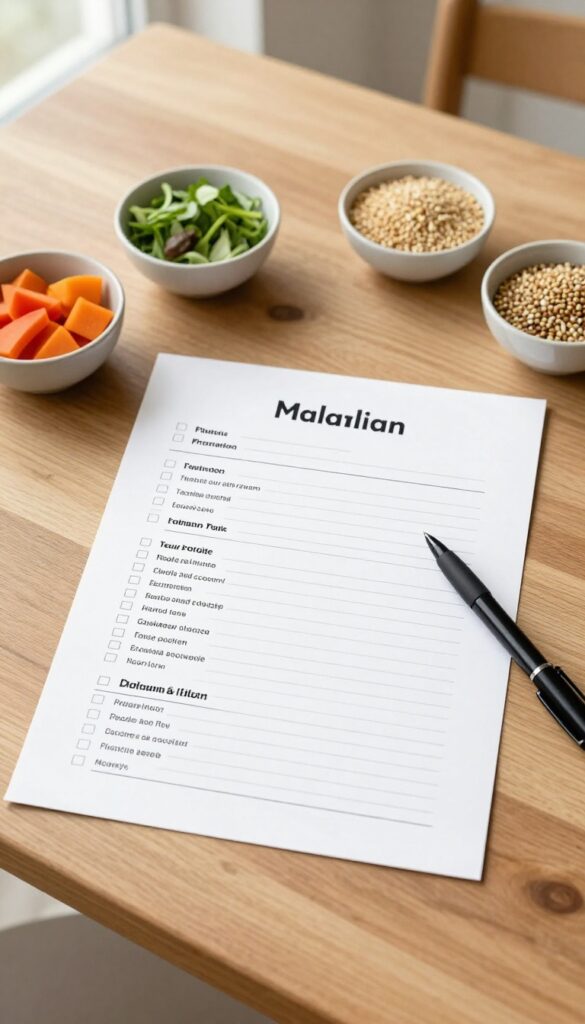
A blank notebook page can feel overwhelming when you're trying to plan meals. That's why a simple template—whether printable or digital—makes the whole process faster and less stressful. You just fill in the blanks, and suddenly your week has structure.
Templates remove the friction of starting from scratch. They give you a clear framework for breakfast, lunch, dinner, and snacks, so you don't forget anything or end up with gaps in your plan. Plus, seeing the whole week at a glance helps you spot duplicate ingredients or meals you can batch cook.
Choose Your Format
Digital templates (like Google Sheets or Notion) let you copy and reuse plans easily. Printable PDFs work great if you prefer pen and paper or want to stick it on the fridge. Pick whatever feels natural—consistency matters more than the tool.
Include Key Sections
A good template has slots for each meal of the day, plus a notes column for prep tasks or ingredient swaps. Add a grocery list section at the bottom so you can write down what you need as you plan.
Keep It Simple
Don't overcomplicate your template. A clean layout with just enough space to write a few words per meal is ideal. You're not writing a cookbook—just jotting down ideas that save you time and money.
10. Cook Once, Eat Twice
One of the easiest ways to save time and money is to cook with intention. Instead of making just enough for one meal, double the recipe on purpose. You'll use the same effort and energy but get two (or more) meals out of it.
That's a win for your schedule and your grocery budget.
The key is to plan for leftovers that feel like a whole new meal. Cook a big batch of something versatile—like roasted vegetables, grilled chicken, or a pot of beans—and repurpose it later in the week. You'll cut down on cooking time and reduce food waste without eating the exact same thing twice.
Freeze Half For Later
When you double a recipe, portion out half and pop it in the freezer before you even sit down to eat. Soups, stews, casseroles, and pasta sauces freeze beautifully. Label the container with the date and name, and you'll have a homemade meal ready for the next time you're too tired to cook.
Give Leftovers A Makeover
Eating the same meal two nights in a row can get boring. Instead, transform leftovers into something different. Shred that extra chicken and turn it into tacos or a salad.
Repurpose roasted veggies into a frittata or grain bowl. A little creativity makes leftovers feel fresh.
11. Incorporate Meatless Meals
Meat often takes the biggest bite out of your grocery budget. Swapping in plant-based proteins a couple nights a week can slash your spending while still keeping everyone full and satisfied. Think hearty bean chili, lentil soup, or a big veggie stir-fry with tofu—these meals cost a fraction of what meat-based dishes do and come together quickly.
You don't have to go full vegetarian to see savings. Just one or two meatless dinners per week can lower your grocery bill significantly. Plus, beans, lentils, and eggs are shelf-stable staples you can always have on hand for last-minute meals.
Start With What You Have
Check your pantry for canned beans, lentils, rice, or pasta. A can of black beans and some spices can turn into a quick burrito bowl or soup. No need to buy special ingredients—use what's already there.
Make It A Theme Night
Designate one night as "Meatless Monday" or "Vegetable Night. " Having a set day makes it easier to plan and reduces decision fatigue. Your family will come to expect it, and you can rotate through different cuisines—like Italian minestrone, Indian chickpea curry, or Mexican black bean tacos.
Double Up For Leftovers
Cook a big batch of your meatless meal so you have leftovers for lunch or another dinner. Lentil soup, veggie chili, and bean salads actually taste better the next day. This saves you time and money twice over.
12. Buy Frozen Vegetables and Fruits
Frozen produce is a secret weapon for frugal meal planning. It's often cheaper than fresh, just as nutritious, and lasts for months in the freezer. You'll always have ingredients ready for stir-fries, smoothies, or soups, even when the fridge is bare.
Stocking up on frozen veggies and fruits saves money and reduces food waste. They're picked at peak ripeness and flash-frozen, locking in nutrients. Plus, no chopping needed—just grab a handful and cook.
Cost Savings
Frozen produce is usually priced lower than fresh, especially out of season. Buying in bulk can save even more. You'll avoid the waste of fresh items that spoil before you use them.
Nutritional Value
Studies show frozen fruits and vegetables can be just as nutritious as fresh, sometimes more. They're harvested at peak ripeness, so vitamins are preserved. Great for smoothies, stir-fries, and baking.
Meal Prep Shortcut
Frozen produce cuts down prep time. No washing, peeling, or chopping. Toss frozen spinach into pasta, add frozen berries to oatmeal, or throw frozen mixed veggies into a stir-fry.
Dinner in minutes.
13. Use a Slow Cooker or Instant Pot
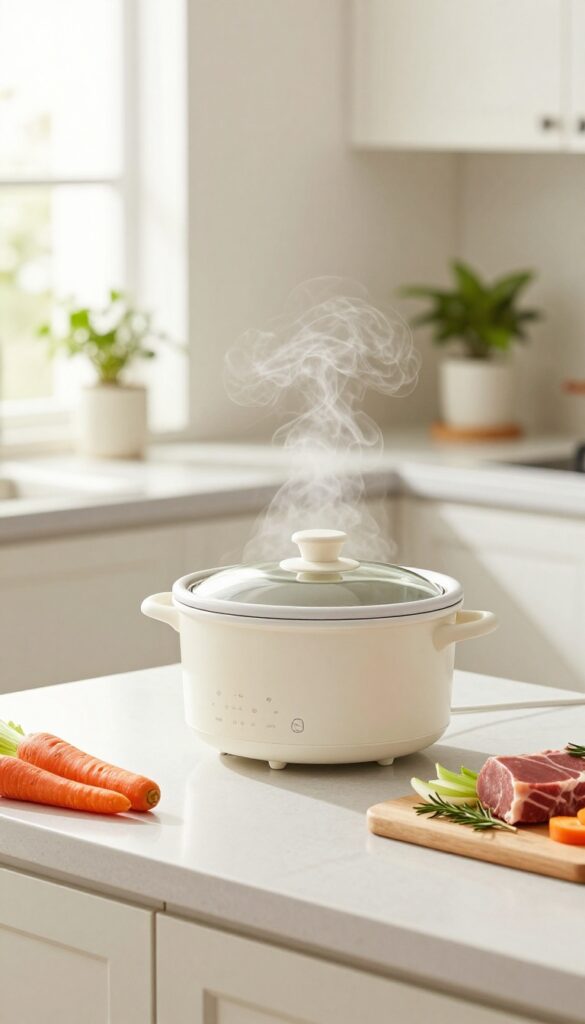
Slow cookers and Instant Pots are lifesavers when you're short on time. You toss in ingredients in the morning, and by dinner, a hot meal is waiting. They're especially good for turning cheap cuts of meat and dried beans into tender, flavorful dishes without much effort.
These appliances do the work while you're busy. They also use less energy than an oven, which helps keep utility bills low. Plus, they make large batches easy, so you can cook once and eat twice.
Set It And Forget It
The beauty of a slow cooker is that you don't have to watch it. Just add your ingredients, set the timer, and go about your day. It's perfect for stews, soups, and braises that improve with long, gentle cooking.
Cheap Cuts, Great Results
Tough, inexpensive meats like chuck roast or pork shoulder become fork-tender after hours in a slow cooker. Dried beans also cook perfectly without soaking, saving you money compared to canned versions.
One-pot Cleanup
Both slow cookers and Instant Pots minimize dishes. You can sauté, simmer, and even steam in the same pot. That means less time scrubbing and more time relaxing after dinner.
14. Shop Sales and Stock Up
Grocery stores rotate sales in predictable cycles, and you can use that to your advantage. Instead of planning meals first and then buying ingredients, flip the script: see what's on sale, then build your menu around those bargains. This simple shift can slash your weekly food bill without any extra effort.
Check your local store's weekly ad online or grab a paper flyer. Look for loss leaders—items sold at or below cost to bring shoppers in. Non-perishables like pasta, rice, canned tomatoes, and beans are great to stock up on when they're cheap.
Freezer-friendly proteins, such as chicken breasts, ground beef, or frozen vegetables, also keep well and can be bought in bulk during a sale.
How To Spot True Deals
Not every sale is a steal. Compare the sale price to the regular unit price (per ounce or pound) to see if you're actually saving. Stick to items you regularly use—buying a giant tub of something just because it's cheap isn't frugal if it goes to waste.
Stock-up List Essentials
Keep a running list of pantry staples you use often. When those items hit a good price, grab enough to last until the next sale cycle—usually 6 to 12 weeks. Canned goods, dry pasta, oats, cooking oils, spices, and frozen veggies are safe bets.
Meal Plan From Your Pantry
After a few weeks of smart stocking, your pantry becomes a mini grocery store. Start each week by checking what you already have on hand, then fill in gaps with fresh produce and dairy. This cuts down on impulse buys and makes meal planning a breeze.
15. Keep a Well-Stocked Spice Rack
Spices are the cheapest way to make a meal exciting. A pinch of cumin can turn plain rice into a flavorful side, and a sprinkle of smoked paprika gives roasted veggies a whole new personality. When your spice rack is stocked, you're never stuck with bland food—even if you're working with budget staples like beans, lentils, or potatoes.
The key is to start with a few versatile spices and build from there. You don't need a hundred jars. Just a handful of essentials can cover a wide range of cuisines and keep your meals interesting without costing much per serving.
Start With The Essentials
Cumin, paprika, garlic powder, onion powder, oregano, and chili powder are the backbone of many recipes. They work in Mexican, Italian, Indian, and American dishes alike. Buy them in bulk from the international aisle or a bulk bin store—they're often cheaper and fresher.
Store Them Right
Keep spices in a cool, dark place away from the stove. Light and heat zap their flavor fast. Airtight containers help too.
Label them with purchase dates and replace any that are over a year old—old spices taste like dust.
Mix Your Own Blends
Save money by making your own taco seasoning, curry powder, or Italian seasoning. Just combine individual spices you already have. It's cheaper than store-bought blends and lets you control the salt and heat.
16. Prep Snacks and Lunches Too
When you're busy, it's easy to grab a bag of chips or a pricey sandwich from the deli. But those little purchases add up fast. Including snacks and lunches in your meal prep keeps you from impulse buying and saves serious cash.
Think beyond dinner. Set aside time to wash and chop veggies, portion out nuts, or make a batch of energy balls. Double dinner recipes so leftovers become next day's lunch.
Store everything in clear containers so you can grab and go without thinking.
Snack Stations Save The Day
Create a snack drawer or shelf in your fridge and pantry. Fill it with pre-portioned bags of almonds, cut carrots, cheese sticks, or homemade trail mix. When hunger strikes, you'll reach for these instead of a vending machine.
Lunch Leftovers Are Your Friend
Cook extra dinner on purpose. Pack leftovers into single-serving containers right after the meal. Label them with the day you plan to eat them.
This turns one cooking session into two meals with zero extra effort.
Batch Prep Grab-and-go Bags
On Sunday, portion out snacks for the week. Use reusable bags or small containers for crackers, dried fruit, or popcorn. Toss one in your bag each morning.
You'll never need to buy overpriced convenience snacks again.
17. Use a Price Book
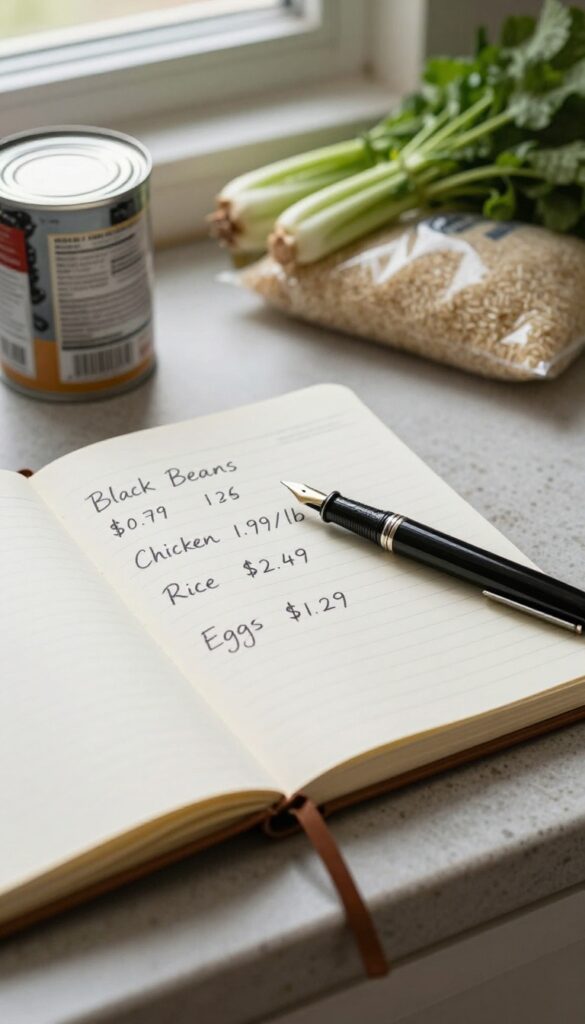
Ever wonder if that sale is actually a good deal? A price book takes the guesswork out of grocery shopping. It's simply a list of the lowest prices you've seen for items you buy regularly.
Once you know the rock-bottom price for, say, a can of black beans or a pound of chicken, you'll never overpay again.
Start by noting the items you purchase most often. Jot down the store, date, and price each time you see a low. Over a few weeks, you'll spot patterns.
When a deal hits that lowest price, stock up. This simple habit can slash your grocery bill without clipping a single coupon.
How To Start Your Price Book
Grab a small notebook or use a notes app on your phone. List your top 10–15 staples—things like milk, bread, eggs, peanut butter, pasta, and canned tomatoes. Each time you shop, record the price at each store.
After a month, you'll know exactly where to buy each item for the best price.
When To Stock Up
Once you know the lowest price, you can recognize a true sale. For example, if chicken breasts hit $1. 99 per pound and that's your rock-bottom, buy enough to last until the next cycle.
Non-perishables like rice or canned goods can be bought in bulk when they dip to their low.
Digital Alternatives
If pen and paper aren't your style, try a spreadsheet or a price-tracking app like Flipp or Basket. Some apps even let you scan barcodes and log prices automatically. The key is consistency—update it regularly so it stays accurate.
18. Involve the Whole Family
Meal planning doesn't have to be a solo chore. When everyone gets a say, dinner becomes something to look forward to instead of a battle. Plus, it's a sneaky way to teach kids about budgeting and smart shopping without a lecture.
Let each family member pick one meal per week. That could mean a favorite pasta dish, taco night, or even breakfast for dinner. The key is to set a loose budget for each pick—say, under $15—so they learn to work within limits.
You'll get fewer complaints and more excitement around the table.
How To Make It Work
Start simple. Ask everyone to suggest one meal they love. Write them down and rotate through the list.
If someone picks something pricey, gently suggest a swap or a way to make it cheaper—like using chicken thighs instead of breasts.
Budget Lessons In Disguise
When kids help plan, they start noticing prices. Point out how store brands cost less than name brands, or how a bag of beans stretches further than a pack of pre-made patties. They'll absorb these lessons without even realizing it.
Make It A Weekly Ritual
Set aside 10 minutes on Sunday to plan together. Let each person present their pick and explain why. It builds teamwork and gives everyone a sense of ownership over the week's meals.
19. Limit Processed and Pre-Packaged Foods
Those pre-cut veggies and seasoning packets save time, but they cost a lot more per serving. The same goes for frozen meals and boxed sides. When you're on a tight budget, convenience foods eat up your grocery money fast.
The fix is simple: buy whole ingredients and do the prep yourself.
Processed foods come with a markup for the labor and packaging. A bag of pre-shredded cheese costs more per ounce than a block you grate yourself. Seasoning blends are mostly salt and fillers with a high price tag.
Frozen meals often have tiny portions and lots of sodium. By skipping these, you keep more control over your meals and your spending.
Whole Ingredients Stretch Further
A whole chicken costs less per pound than boneless, skinless breasts. A head of lettuce is cheaper than a bag of salad mix. Dried beans are a fraction of the cost of canned.
When you buy whole, you get more servings for your dollar. Plus, you can use scraps for broth or compost.
Diy Seasoning Blends
Store-bought taco seasoning or ranch mix is mostly salt and sugar. Make your own with spices you already have—cumin, chili powder, garlic powder, onion powder. It's cheaper, healthier, and you can adjust the heat.
Same goes for salad dressings: oil, vinegar, mustard, and herbs take two minutes.
Batch Prep Your Own Convenience Foods
Spend an hour on Sunday washing and chopping veggies, cooking grains, and portioning snacks. Store them in containers so they're ready to grab. You get the convenience of prepped foods without the premium price.
It's the best of both worlds.
20. Keep a Running List of Go-To Meals
Ever spent 20 minutes just deciding what to cook? That's time you'll never get back. A running list of go-to meals cuts the decision fatigue and keeps you from defaulting to takeout.
Write down 10 to 15 meals your family loves and that fit your budget. Rotate through them so planning is quick and easy.
Build Your List
Start with dinners you already make without a recipe—things like spaghetti, stir-fry, or tacos. Add meals that use overlapping ingredients to reduce waste. Keep the list somewhere visible, like on your fridge or in a notes app.
Rotate With Purpose
You don't need a new meal every night. Cycle through your list, mixing in one new recipe per week if you're feeling adventurous. This keeps shopping predictable and your grocery bill steady.
Seasonal Swaps
If a go-to meal relies on expensive off-season produce, swap in a cheaper alternative. For example, use frozen broccoli instead of fresh when prices spike. Your list stays flexible, not rigid.
21. Review and Adjust Weekly
A meal plan isn't set in stone. The best plans evolve as you learn what works for your schedule and tastes. Taking a few minutes each week to review your system helps you spot waste, save money, and make next week even smoother.
Spend five minutes after your weekly meal plan ends. Jot down what meals were hits, which leftovers got tossed, and where you overspent. Use that info to tweak your next plan—maybe you prep fewer sides or skip a fancy ingredient that nobody liked.
Track What Gets Eaten
Notice which meals disappear fast and which sit in the fridge. If you keep throwing out half a bag of spinach, buy less or plan to use it in two meals. Small adjustments cut waste and save cash.
Note Timing And Energy
Did you actually have time to cook that 45-minute recipe on Tuesday? If not, swap it for a quicker meal next week. Align your plan with your real schedule, not an ideal one.
Adjust Portions And Leftovers
If you consistently have too many leftovers, reduce recipe quantities. If you're always hungry after dinner, bump up portions slightly. Fine-tuning prevents waste and keeps everyone satisfied.
FAQ
How much time does meal planning actually save?
Most people save 2–3 hours per week by planning ahead. You'll make fewer trips to the store, spend less time deciding what to cook, and avoid last-minute takeout runs.
Can I meal plan on a very tight budget?
Absolutely. Focus on cheap staples like beans, rice, oats, and seasonal vegetables. Plan around sales and use leftovers creatively to stretch every dollar.
What if I don't have time to cook every night?
Batch cook on weekends or use a slow cooker. You can also prep ingredients in advance so nightly cooking takes 15–20 minutes.
How do I avoid getting bored with the same meals?
Rotate your go-to meals and try one new recipe each week. Use different spices, sauces, or cooking methods to keep things interesting.
Is it worth buying in bulk for meal planning?
Yes, for non-perishables and freezer-friendly items. Just make sure you have storage space and will actually use the food before it expires.
Conclusion
Frugal meal planning doesn't have to be complicated or time-consuming. Start with just one or two tips that feel manageable, and build from there. Over time, these small habits will save you money, reduce stress, and make busy weeks feel a little easier.
Remember, the goal isn't perfection—it's progress. Every meal you plan is one less takeout order and one step closer to a healthier budget. Give yourself grace, and keep experimenting until you find a rhythm that works for you.
Free PDF Download
Not Sure Which Side Hustle Fits You Best?
Take the free Side Hustle Matchmaker Quiz and get a simple 7-day starter plan to help you choose a beginner-friendly idea based on your time, skills, comfort level, and goals.
You’ll get this free PDF plus access to the full Marketerna Save More & Earn More PDF Kit. No spam. Unsubscribe anytime.