17 Frugal Living Mistakes to Avoid
Frugal living sounds simple: spend less, save more. But the path is littered with well-intentioned missteps that can backfire. You might skip a latte only to blow cash on a bulk item that rots in the pantry.
The truth is, being cheap isn't the same as being smart with money. Some so-called money-saving habits actually drain your wallet or your time. Others just make life harder than it needs to be.
Let's walk through the most common frugal pitfalls so you can keep more cash in your pocket without the frustration. Here are 17 mistakes to avoid on your journey to financial freedom.

Free PDF Download
Not Sure Which Side Hustle Fits You Best?
Take the free Side Hustle Matchmaker Quiz and get a simple 7-day starter plan to help you choose a beginner-friendly idea based on your time, skills, comfort level, and goals.
You’ll get this free PDF plus access to the full Marketerna Save More & Earn More PDF Kit. No spam. Unsubscribe anytime.
1. Buying Cheap Versions of Everything

It feels responsible to grab the lowest-priced option, but that bargain blender might cost you more in the long run. Cheap items often break faster, perform worse, and need replacing sooner. Investing in quality where it counts saves money and frustration over time.
The True Cost Of Cheap
A $20 toaster that dies in six months costs more per use than a $60 model lasting five years. The same goes for tools, clothing, and electronics. Calculate cost-per-use instead of just the sticker price.
Where To Splurge
Focus on items you use daily: shoes, mattresses, kitchen knives, and tires. These affect your comfort and safety. For one-time or occasional use, cheap is fine.
The Vimes Boots Theory
Terry Pratchett famously noted that a rich person can afford quality boots that last years, while a poor person buys cheap boots that wear out quickly, costing more in the long run. Don't let false economy trap you.
2. Skipping Routine Maintenance
When money is tight, it's tempting to put off that oil change or skip the annual HVAC checkup. But deferring routine maintenance is like playing financial roulette—you might save a few bucks today, but you risk a catastrophic expense tomorrow. A little preventive care goes a long way toward keeping your wallet intact.
Routine maintenance isn't just about keeping things running smoothly; it's about avoiding the kind of surprise bills that can wipe out your savings. Whether it's your car, your home, or your health, staying on top of small tasks prevents small issues from snowballing into major repairs.
Your Car: Oil Changes And Tire Rotations
Skipping an oil change to save $40 might seem smart, but it can lead to engine sludge and a repair bill that runs into the thousands. Similarly, ignoring tire rotations wears out tires unevenly, forcing early replacement. Stick to the manufacturer's schedule—it's cheap insurance.
Your Home: Hvac And Appliance Care
A dirty air filter makes your HVAC work harder, increasing energy bills and shortening its lifespan. Cleaning gutters prevents water damage. Replacing a worn fridge seal stops cold air from leaking.
These small tasks cost little but can save hundreds in emergency repairs.
Your Health: Dental Cleanings And Checkups
A $100 dental cleaning might feel like an unnecessary expense, but a single cavity filling can cost $200, and a root canal runs over $1, 000. Regular checkups catch problems early. The same goes for annual physicals—preventive care keeps you out of the ER.
Free PDF Download
Not Sure Which Side Hustle Fits You Best?
Take the free Side Hustle Matchmaker Quiz and get a simple 7-day starter plan to help you choose a beginner-friendly idea based on your time, skills, comfort level, and goals.
You’ll get this free PDF plus access to the full Marketerna Save More & Earn More PDF Kit. No spam. Unsubscribe anytime.
3. Hoarding Coupons and Deals
Coupons feel like free money, and sales trigger a rush of excitement. But if you're buying stuff you never planned to get, you're not saving—you're spending more than you would have otherwise. That 50% off coupon for a product you don't need is still 100% wasted cash.
The trap is thinking a deal is always a win. Retailers design promotions to make you feel like you're missing out. Before you clip or click, ask: Would I buy this at full price?
If not, skip it. Your wallet will thank you.
The Bulk Buying Fallacy
Buying in bulk only saves money if you actually use everything before it expires. That giant jar of mayonnaise might be a steal, but if it goes bad after one sandwich, you've thrown money away. Stick to bulk purchases for non-perishables you consume regularly.
Coupon Clutter Costs
Hoarding coupons can lead to impulse buys just to 'use them before they expire. ' You end up with pantry items you don't like or clothes that don't fit. Instead, only collect coupons for things already on your shopping list.
The Real Price Of 'free Shipping'
Free shipping thresholds often tempt you to add extra items to your cart. That $10 trinket to unlock free shipping might cost you more than the shipping fee itself. Calculate the total cost before adding anything extra.
4. Ignoring Energy Efficiency Upgrades

That drafty window or ancient water heater might not seem like a big deal, but over time, they quietly siphon money from your bank account. Many frugal folks avoid upgrades because of the upfront cost, not realizing that inefficiency is a slow, steady leak. The truth is, investing in energy efficiency is one of the smartest long-term money moves you can make.
The Hidden Cost Of Old Appliances
Your refrigerator from 2005 could be costing you $200 more per year in electricity than a modern Energy Star model. Same goes for your washer, dryer, and dishwasher. While buying new feels like a splurge, the monthly savings add up fast.
Calculate the payback period — often less than two years.
Seal The Leaks, Keep The Cash
Drafty windows and poor insulation are like leaving a window open with the heat on. Caulking, weatherstripping, and adding attic insulation are cheap DIY fixes that slash heating and cooling bills. Start with a simple draft check using a candle or incense stick.
Smart Thermostats And Led Bulbs
A programmable or smart thermostat pays for itself in a season by adjusting temps when you're away. LED bulbs use 75% less energy than incandescents and last years longer. Small swaps add up to hundreds saved annually.
Free PDF Download
Not Sure Which Side Hustle Fits You Best?
Take the free Side Hustle Matchmaker Quiz and get a simple 7-day starter plan to help you choose a beginner-friendly idea based on your time, skills, comfort level, and goals.
You’ll get this free PDF plus access to the full Marketerna Save More & Earn More PDF Kit. No spam. Unsubscribe anytime.
5. Eating Out to Save Time
It's 6 PM, you're exhausted, and the fridge looks empty. Grabbing takeout feels like the only option. But that $15 meal adds up fast when it becomes a habit.
The real culprit isn't hunger—it's lack of planning. A little prep work can rescue both your schedule and your wallet.
Ordering takeout because you're too tired to cook adds up fast. Meal prep on weekends to save both time and money during busy weeks.
The True Cost Of Convenience
A single takeout meal for one might cost $12–$15. For a family of four, that's $50–$60 per meal. Do that twice a week, and you're spending over $400 a month.
That's a car payment or a nice vacation fund slipping away.
Weekend Prep, Weekday Win
Set aside two hours on Sunday to chop veggies, cook grains, and portion proteins. Store them in containers so you can assemble meals in minutes. You'll cut cooking time in half and resist the takeout temptation.
Batch Cooking On A Budget
Make large batches of staples like chili, soup, or stir-fry. Freeze individual portions for busy nights. Cost per meal drops to $3–$5, and cleanup is minimal.
6. Driving Out of the Way for Cheaper Gas
That gas station three miles off your route might advertise gas ten cents cheaper, but the detour can easily burn through the savings. Your car's fuel economy, time, and wear and tear all add up. It's a classic frugal trap where the effort to save a little ends up costing more.
The Math Of The Detour
Let's say you drive an extra 5 miles round trip to save $0. 10 per gallon on a 15-gallon fill-up. That's a whole $1.
50 saved. But if your car gets 25 mpg, those 5 miles burn 0. 2 gallons of gas.
At $3. 50 per gallon, that's $0. 70 in extra fuel.
You net just $0. 80 for 10 minutes of driving. Not worth it.
Time Is Money Too
Even if the math on gas alone breaks even, your time has value. Ten minutes spent driving out of the way could be used for something more productive or enjoyable. Plus, idling in traffic or at lights eats more gas.
Stick to stations on your regular route.
Use Apps The Smart Way
Apps like GasBuddy or Waze can show you prices along your existing route, not just everywhere. Set your route first, then check for stations that are conveniently located. That way you get the best price without going out of your way.
7. Buying in Bulk Without a Plan
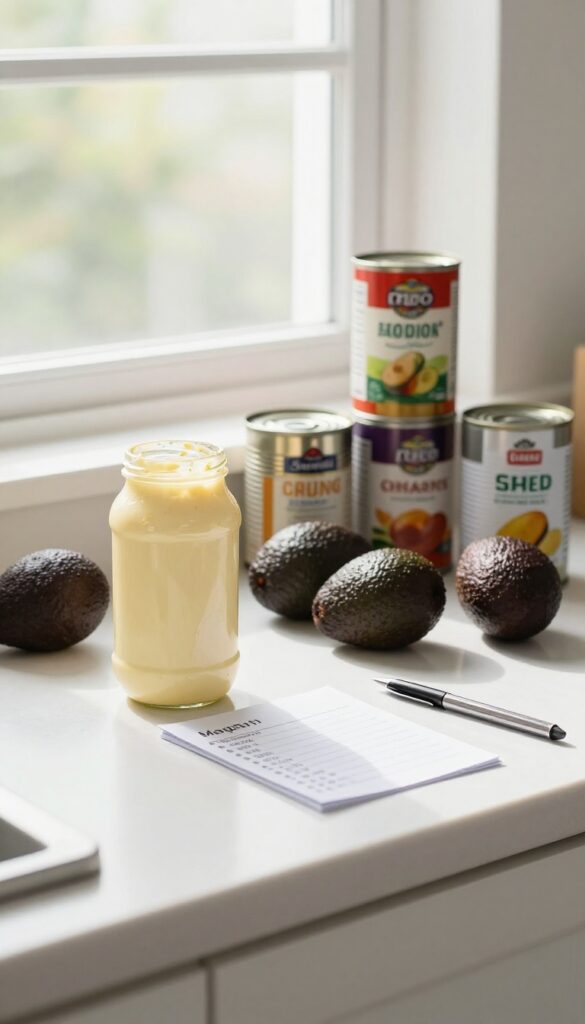
Warehouse clubs and bulk deals feel like a frugal win. But that giant jar of mayo or 12-pack of avocados can quickly become a money pit when half of it goes bad. Bulk buying only saves money if you actually use everything before it expires.
Know Your Consumption Rate
Before you buy in bulk, track how much of an item your household uses in a week or month. If you go through one jar of pasta sauce a week, a 6-pack might be fine. But if you only use it twice a month, stick to single jars.
Stick To Non-perishables
Toilet paper, laundry detergent, and canned goods are safe bets. Fresh produce, dairy, and bread are risky unless you have a plan to freeze or preserve them. Even then, freezer space is limited, so be realistic.
Watch Out For The Upsell
Stores know bulk shoppers feel like they're saving, so they place tempting impulse buys near the entrance. Stick to your list and avoid the giant tub of hummus you'll never finish. A deal is only a deal if it fits your actual needs.
8. DIYing Everything Yourself
There's a certain pride that comes from fixing things around the house yourself. YouTube tutorials make even complex repairs look doable, and hiring a pro can feel like throwing money away. But not every project is meant for a weekend warrior.
When you lack the right skills or tools, a simple fix can snowball into a costly disaster.
Knowing your limits is a frugal superpower. Some tasks, like painting a room or changing a faucet, are safe DIY wins. Others, like electrical work or major plumbing, can turn your home into a hazard zone.
The money you save upfront can vanish when you have to pay a professional to fix your mistakes—plus cover any damage you caused.
The Hidden Costs Of Diy
That leaky pipe might seem like a simple fix, but one wrong turn of a wrench can flood your basement. DIY mistakes often require emergency repairs, which cost more than planned work. Plus, you might buy specialty tools you'll never use again, eating into any savings.
When To Call A Pro
Any job involving gas, electricity, structural changes, or major water lines is best left to a licensed expert. Also, if a repair will take you three weekends but a pro can finish in a day, consider the value of your time. Sometimes paying for speed and reliability is the smarter financial move.
Balance Is Key
Keep DIY for tasks you enjoy and can do safely. For everything else, get quotes from multiple pros, check reviews, and budget for the expense. Your goal is to save money long-term, not to prove you can do it all yourself.
9. Letting Subscriptions Autorenew
You signed up for a free trial, meant to cancel it, and then completely forgot. Months later, you're still paying for a streaming service you never open or a gym membership you never use. These small, recurring charges add up fast and quietly drain your budget.
The convenience of auto-renewal is a trap. Companies rely on your forgetfulness to keep collecting money. The fix is simple: audit your subscriptions quarterly and cancel anything you don't actively use.
The Sneaky Cost Of Convenience
Auto-renewal is designed to be frictionless—and that's exactly why it's dangerous. You might not notice a $10 monthly charge, but over a year, that's $120. Multiply that by several forgotten subscriptions, and you're losing hundreds or even thousands annually.
How To Do A Subscription Audit
Set a reminder every three months to review your bank and credit card statements. Look for recurring charges you don't recognize or no longer need. Use apps like Truebill or Bobby to track subscriptions in one place.
Cancel ruthlessly—you can always resubscribe later if you miss it.
Don't Forget The Annual Ones
Annual subscriptions are even easier to overlook because they hit your account just once a year. Mark your calendar when you sign up, and before the renewal date, ask yourself if you've gotten enough value to justify paying again.
10. Overlooking Free Community Resources
When money's tight, it's easy to assume that entertainment and personal growth require a budget. But your community is likely packed with free resources you're ignoring. From libraries to local events, these offerings can save you hundreds while keeping life interesting.
Your Library Is A Goldmine
Libraries aren't just for books. Most offer free movie rentals, audiobooks, e-books, and even video games. Many host workshops, guest speakers, and kids' programs.
A library card is the ultimate frugal tool.
Free Museum Days And Cultural Events
Many museums offer free admission on certain days or evenings. Check their websites. Also look for free concerts, outdoor movie nights, and festivals.
You get the experience without the price tag.
Community Classes And Workshops
Local community centers, parks departments, and even stores offer free classes on everything from gardening to cooking. You learn a new skill and meet people—no cash required.
11. Skimping on Insurance Coverage

It's tempting to slash insurance costs by picking the cheapest plan with the least coverage. After all, you're healthy, a careful driver, and nothing bad ever happens to you. But insurance exists precisely for the unexpected.
One accident, illness, or natural disaster can set you back tens of thousands of dollars—wiping out years of careful saving in an instant.
The False Economy Of Minimum Coverage
State minimums on auto insurance are designed to keep you legal, not to protect you. If you cause an accident that exceeds those limits, you're on the hook for the rest. Similarly, choosing a high-deductible health plan without an emergency fund can turn a minor injury into a major financial crisis.
Renters Insurance Is A Bargain
Renters insurance costs about $15 a month but covers your belongings if your apartment floods, burns, or gets burglarized. Without it, replacing everything you own comes out of your pocket. That's a risk no frugal person should take.
Review Your Coverage Annually
Life changes—you get married, buy a home, or start a business. Your insurance needs to keep up. Set a reminder each year to compare policies and adjust coverage.
You might find better rates or realize you're underinsured. A small premium increase now can save you from a massive loss later.
12. Chasing Credit Card Rewards
Credit card rewards can feel like free money. Sign-up bonuses, cash back, and travel points are tempting, especially when you're trying to stretch every dollar. But the trap is real: if you carry a balance, the interest you pay will almost certainly wipe out any rewards you earn.
The average credit card interest rate hovers around 20% or more, while cash back rewards typically offer 1-5%. That math doesn't work in your favor.
The key is to only use rewards cards if you pay your balance in full every month. Otherwise, you're paying the bank for the privilege of earning points. Let's break down how to avoid this common frugal mistake.
The Interest Trap
Suppose you earn $200 in cash back over a year, but you carry an average balance of $1, 000 at 22% APR. That's $220 in interest—more than your rewards. You're losing money, not saving it.
Rewards only make sense when you never pay a cent in interest.
Annual Fees Add Up
Many premium rewards cards charge $95 or more per year. If you're not maximizing the perks (like travel credits or lounge access), that fee eats into your rewards. A no-fee card with lower rewards might actually leave you ahead.
Spending More To Earn More
It's easy to justify extra purchases because you're earning points. But that's the opposite of frugal living. Stick to your budget and treat rewards as a bonus, not a reason to spend.
13. Stockpiling Expired Coupons
Coupons are a classic frugal tool, but they can turn into clutter if you hold on to them too long. You might think you're saving money by keeping every coupon that comes your way, but expired ones are worthless. Worse, they take up space and mental energy, making you feel like you're missing out when you toss them.
The habit of stockpiling coupons often stems from a fear of missing a deal. But if you don't use them within a reasonable time, they become paperweights. Be honest with yourself: if you haven't used a coupon in a month, you probably never will.
Let it go.
Set A System
Create a simple system for organizing coupons. Use a small envelope or a digital app like Coupons. com. Check them weekly and toss anything expiring soon that you won't use.
This keeps your collection manageable.
Use Them Or Lose Them
Make it a rule to use a coupon within a week of getting it, unless it's for a staple you buy regularly. If you're not heading to the store soon, skip the coupon altogether. The time spent clipping isn't worth the pennies saved.
Focus On Real Savings
Not all coupons are created equal. A 50-cent coupon for a brand you don't like isn't a bargain. Only keep coupons for items you actually need and would buy anyway.
Otherwise, you're just buying stuff to save money – a classic frugal trap.
14. Buying New Instead of Used

That new-car smell is nice, but it costs thousands. The moment you drive a new vehicle off the lot, it loses value fast. The same goes for furniture, electronics, and even clothing.
Buying gently used can save you 30–50% or more, and often the quality is just as good.
Depreciation hits hardest in the first year. A used car that's two or three years old still has plenty of life left, but you skip the steepest drop in value. Furniture from thrift stores or online marketplaces can look great after a quick clean or a coat of paint.
Electronics like laptops and phones are often returned or barely used, selling for hundreds less.
The Depreciation Trap
New cars lose about 20% of their value in the first year. After five years, they've lost around 60%. By buying a reliable used model, you let someone else take that hit.
The same logic applies to furniture and electronics—they're worth much less the moment they leave the store.
Where To Find Quality Used Goods
Start with Facebook Marketplace, Craigslist, or local thrift stores. For electronics, check refurbished sections on manufacturer websites or retailers like Best Buy. Garage sales and estate sales can yield high-end furniture for a fraction of the retail price.
Always inspect items in person when possible and test electronics before buying.
What To Avoid Buying Used
Some items are better bought new: mattresses, car seats, tires, and anything with a short lifespan or safety concerns. Also avoid used items that are difficult to clean or repair. For everything else, buying used is a smart way to stretch your budget.
15. Neglecting to Negotiate Bills
Most people assume their monthly bills are set in stone. Cable, internet, insurance, even your phone plan—these prices often have wiggle room that companies don't advertise. A single phone call can unlock discounts, promotions, or loyalty rates that slash your costs without changing your service.
It's one of the easiest ways to save hundreds each year, yet most of us never bother to ask.
The key is to approach the call with a friendly but firm attitude. Research competitor rates beforehand so you have leverage. Mention loyalty or mention switching—companies often have retention teams ready to offer deals.
Even if you only get a small discount, it adds up over time. Set a reminder to negotiate every six to twelve months.
Why We Avoid Negotiating
Many people feel awkward asking for a lower price. They worry about sounding cheap or fear a long, frustrating call. But the truth is, customer service reps expect these conversations.
They have authority to offer discounts, and they'd rather keep you as a customer than lose you to a competitor. A little discomfort now can mean hundreds in savings later.
Bills You Should Always Negotiate
Start with the big ones: cable and internet packages, cell phone plans, and insurance premiums (auto, home, renters). Even subscription services like streaming or gym memberships may have hidden discounts. Don't forget medical bills—hospitals often reduce charges for cash payments or payment plans.
The rule: if it's a recurring charge, it's worth a call.
How To Prepare For The Call
Before you dial, gather your current bill and any competitor offers. Know exactly what you're paying and what you want. Be polite and specific: 'I've been a customer for X years and I'm seeing lower rates elsewhere.
Can you match or beat that? ' If the first rep says no, ask to speak to the retention or loyalty department. Persistence pays off.
16. Paying for Convenience Foods
Those pre-cut veggies and single-serve snack packs save you a few minutes in the kitchen, but they cost a lot more per pound. It's easy to justify the convenience, but those small markups add up fast. A little hands-on prep can keep your grocery budget in check.
The Premium On Pre-cut
Bagged salad, chopped onions, and shredded cheese can cost twice as much as their whole counterparts. A head of lettuce and a knife take five minutes to prepare. Over a month, that simple swap saves you real money.
Single-serve Trap
Individually wrapped snacks, yogurt cups, and juice boxes are convenient for lunches, but you're paying for packaging. Buy in bulk and portion them yourself into reusable containers. Your wallet—and the planet—will thank you.
Meal Kit Math
Meal kits like HelloFresh or Blue Apron are marketed as time-savers, but they're often pricier than buying the ingredients yourself. If you're trying to be frugal, plan your meals and shop with a list. You'll save money and reduce food waste.
17. Forgetting to Track Your Spending
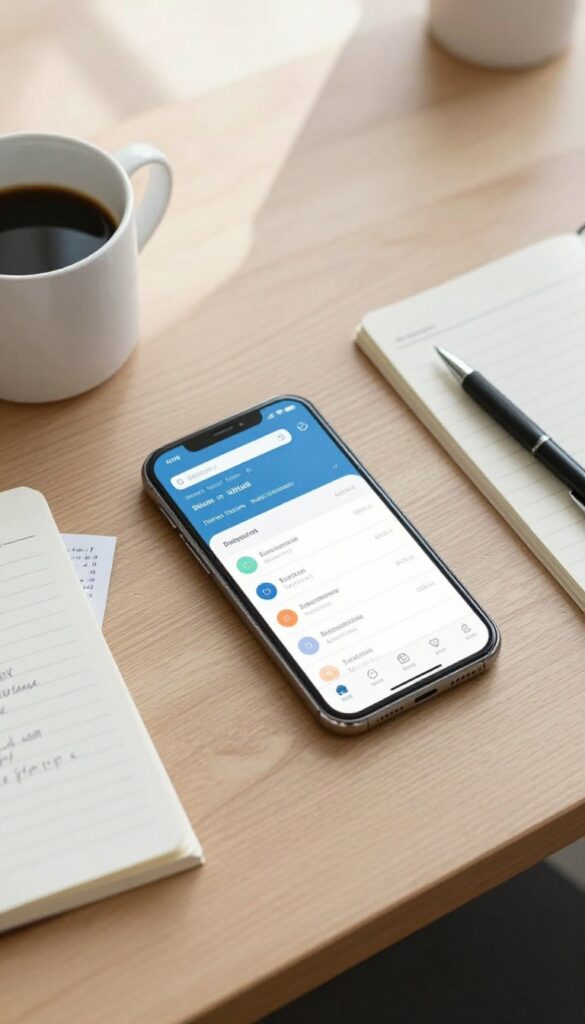
You might think you know where your money goes, but memory is surprisingly unreliable. That $4 coffee here and $10 takeout there add up fast. Without a system to track every dollar, small leaks stay hidden until your bank account looks thinner than expected.
Tracking doesn't have to be painful. A quick daily check-in with an app or a simple spreadsheet can reveal spending patterns you never noticed. Once you see the numbers, you can make informed cuts without feeling deprived.
The biggest threat to frugal living isn't a big purchase—it's the slow drip of unmonitored expenses. When you don't track, you're flying blind. You might skip a fancy dinner but overspend on subscriptions or impulse buys at the grocery store.
A spending log brings those leaks into the light.
Why It Matters
Small, frequent purchases often add up to more than one big splurge. A $5 daily snack costs $150 a month. Without tracking, that money vanishes into a black hole.
Awareness is the first step to control.
How To Start
Pick a method you'll actually use. Apps like Mint or YNAB sync with your accounts automatically. If you prefer analog, a simple notebook works.
The key is consistency—log every transaction for at least a month.
What To Look For
After a month, review your categories. Look for recurring charges you forgot about, like unused gym memberships or streaming services. Also spot patterns—maybe you spend more on weekends.
Use that data to set realistic budgets.
FAQ
What is the biggest frugal living mistake?
The biggest mistake is buying cheap, low-quality items that need frequent replacement. Investing in durable goods saves more money over time.
How can I avoid wasting money on subscriptions?
Set a calendar reminder every three months to review all subscriptions. Cancel any you haven't used in the past month or that don't bring value.
Is it worth driving far to save on gas?
Usually not. The extra mileage and time often cancel out the savings. Use apps like GasBuddy to find the cheapest gas along your normal route.
Should I always DIY to save money?
No. DIY is great for simple tasks, but complex repairs (plumbing, electrical) can go wrong and cost more. Know your limits and hire a pro when needed.
How do I start tracking my spending?
Use a free app like Mint or YNAB, or simply write down every expense for a month. Categorize them to see where you can cut back.
Conclusion
Frugal living isn't about pinching every penny until it hurts—it's about cutting the waste that doesn't serve you. Start with the mistakes that hit your wallet hardest, like ignoring subscriptions or skipping price comparisons.
Pick one fix today, and watch the small wins build into real financial breathing room.
Free PDF Download
Not Sure Which Side Hustle Fits You Best?
Take the free Side Hustle Matchmaker Quiz and get a simple 7-day starter plan to help you choose a beginner-friendly idea based on your time, skills, comfort level, and goals.
You’ll get this free PDF plus access to the full Marketerna Save More & Earn More PDF Kit. No spam. Unsubscribe anytime.