19 Frugal Home Tips for Saving Money
Ever wonder why your utility bills keep creeping up even when you're trying to be careful? Sometimes the smallest changes around the house make the biggest difference.
These 19 frugal tips are all about cutting waste and keeping more cash in your pocket without major sacrifices. From unplugging idle electronics to growing your own herbs, each idea is simple to start today.
You'll be surprised how much you can save just by tweaking a few daily routines.

Free PDF Download
Not Sure Which Side Hustle Fits You Best?
Take the free Side Hustle Matchmaker Quiz and get a simple 7-day starter plan to help you choose a beginner-friendly idea based on your time, skills, comfort level, and goals.
You’ll get this free PDF plus access to the full Marketerna Save More & Earn More PDF Kit. No spam. Unsubscribe anytime.
1. Unplug Electronics When Not in Use
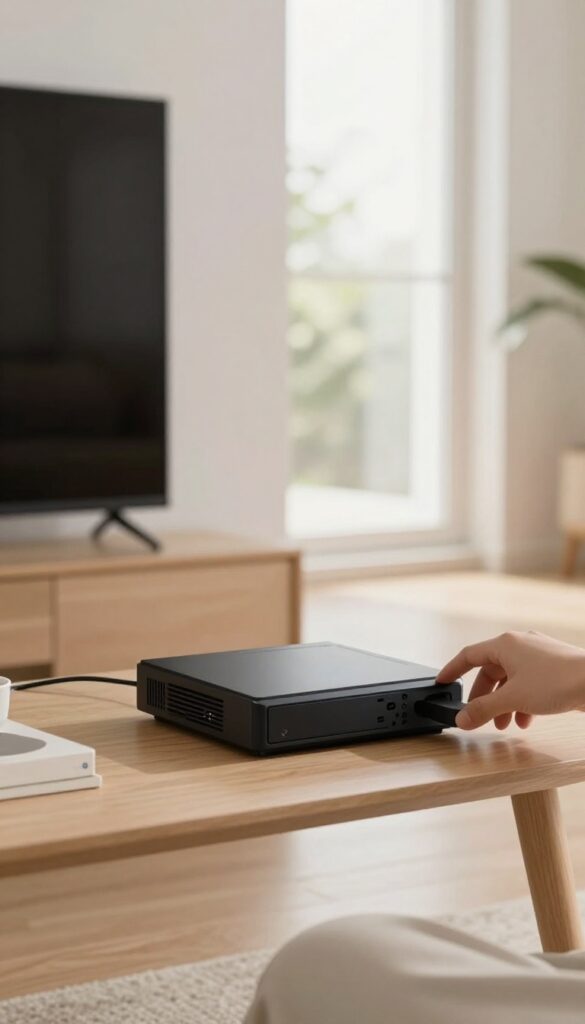
That gentle hum from your TV, phone charger, or coffee maker? It's costing you. Devices left plugged in still draw power—even when turned off.
This "phantom" or "vampire" energy drain can silently add $100 or more to your annual electric bill. The fix is simple and costs nothing.
The average home has dozens of gadgets constantly sipping electricity. Game consoles, desktop computers, microwaves with digital clocks, and even phone chargers left in the outlet all contribute. Unplugging them when not in use stops the waste instantly.
How Much Does Phantom Power Really Cost?
According to the U. S. Department of Energy, standby power can account for 5–10% of residential electricity use.
For a typical household, that's $100–$200 per year. Devices like cable boxes, DVRs, and gaming consoles are the worst offenders—they can use nearly as much power in standby as when running.
The Easiest Way To Stop It
Plug multiple devices into a power strip, then switch it off when you leave the room or go to bed. Smart power strips are even better—they cut power to peripherals when the main device shuts down. For rarely used items like a guest room lamp or a second printer, just unplug them until needed.
Which Devices To Unplug First
Start with entertainment centers: TVs, streaming boxes, game consoles, and soundbars. Then move to the kitchen: coffee makers, toaster ovens, and microwave (if you don't need the clock). Home office gear like monitors, speakers, and chargers are also prime candidates.
You'll see the difference on next month's bill.
2. Master the Art of Meal Planning
If you're tired of staring into an almost-empty fridge and ordering takeout for the third time this week, meal planning is your new best friend. It's not about rigid schedules or fancy recipes—it's about using what you have and buying only what you need. A little planning each week can slash your grocery bill and cut down on food waste.
Start by checking your pantry, fridge, and freezer. Note what's already there—canned beans, frozen veggies, half a bag of rice. Then look at your local store's weekly sales flyer.
Build your meals around those sale items and your existing stash. This simple habit stops you from buying duplicates and helps you use up ingredients before they spoil.
Shop Your Pantry First
Before you even think about a shopping list, take a quick inventory. You might have a can of tomatoes, some pasta, and a lonely onion that can become a simple marinara. Building meals around what you already have is the fastest way to save money.
Plan For Leftovers
Cook once, eat twice (or three times). When you make a big batch of chili or roast a whole chicken, plan to use leftovers for lunches or another dinner. This cuts down on cooking time and prevents the urge to grab expensive convenience food.
Keep A Running Grocery List
Stick a magnetic notepad on your fridge and jot down items as you run out. When you plan meals, add missing ingredients to that list. You'll avoid impulse buys and make fewer trips to the store, which means less temptation.
Free PDF Download
Not Sure Which Side Hustle Fits You Best?
Take the free Side Hustle Matchmaker Quiz and get a simple 7-day starter plan to help you choose a beginner-friendly idea based on your time, skills, comfort level, and goals.
You’ll get this free PDF plus access to the full Marketerna Save More & Earn More PDF Kit. No spam. Unsubscribe anytime.
3. Switch to LED Bulbs Throughout the House
Lighting makes up a decent chunk of your electricity bill, but swapping out old bulbs is one of the easiest fixes. LEDs use up to 75% less energy than incandescent bulbs and last years longer. Start with the most-used rooms for quick savings.
Replacing just five of your most-used bulbs with LEDs can save you about $75 per year. They also produce less heat, which helps in summer. Look for ENERGY STAR certified bulbs for guaranteed efficiency.
Where To Start First
Focus on rooms where lights are on the most: living room, kitchen, and home office. A single LED bulb can last 15, 000 to 25, 000 hours—that's over 10 years of typical use. No more frequent bulb changes.
Choosing The Right Bulb
Check the lumens (brightness) and color temperature. For warm, cozy light, pick 2700K–3000K. For task areas like a desk or kitchen, 3500K–5000K is better.
Dimmable LEDs are available too.
Long-term Payoff
Though LEDs cost a bit more upfront, they pay for themselves within a year. Plus, you'll cut your lighting energy use by up to 80%. Over their lifespan, each bulb saves about $50–$100 in electricity.
4. Make Your Own All-Purpose Cleaner
Store-bought cleaners can be pricey and packed with chemicals you don't really need. A simple homemade version works just as well, costs pennies, and is safer for your family and pets.
Mixing your own all-purpose cleaner takes about two minutes. Combine equal parts white vinegar and water in a spray bottle. Add 10–15 drops of essential oil like lemon, tea tree, or lavender for a fresh scent.
Shake gently and you're ready to clean.
Why Vinegar Works
White vinegar is a natural disinfectant and degreaser. Its acidity cuts through grime, soap scum, and hard water stains without leaving harmful residues. It's also biodegradable and safe for septic systems.
Surfaces To Avoid
Skip this cleaner on natural stone (granite, marble), cast iron, and unsealed wood. The acid can etch or damage these surfaces. For those, use a mild soap-and-water solution instead.
Storage And Shelf Life
Store your homemade cleaner in a labeled spray bottle away from direct sunlight. It will stay effective for about a month. If you notice a change in smell or appearance, make a fresh batch.
Free PDF Download
Not Sure Which Side Hustle Fits You Best?
Take the free Side Hustle Matchmaker Quiz and get a simple 7-day starter plan to help you choose a beginner-friendly idea based on your time, skills, comfort level, and goals.
You’ll get this free PDF plus access to the full Marketerna Save More & Earn More PDF Kit. No spam. Unsubscribe anytime.
5. Line-Dry Clothes When Possible
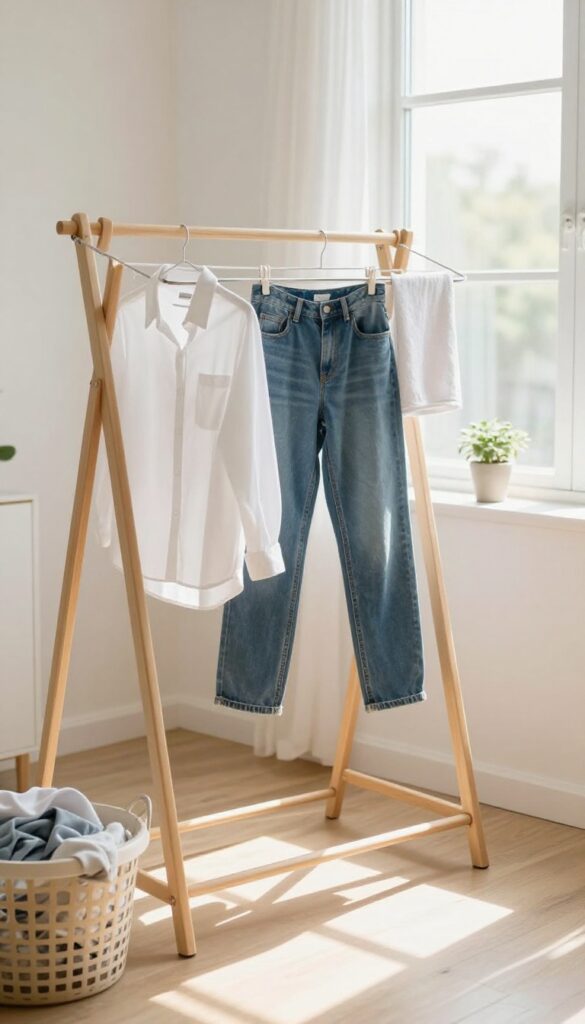
Your dryer is one of the biggest energy hogs in the house. Running it for a full load can cost you anywhere from 30 to 50 cents per cycle, and that adds up fast. Plus, all that heat and tumbling wears out your clothes over time.
Switching to line drying is a simple way to save money and make your wardrobe last longer.
Save On Energy Bills
The average household does about 300 loads of laundry per year. If you skip the dryer for even half of those, you could save $45 to $75 annually. That's real money, and all it takes is a drying rack or a clothesline.
Extend The Life Of Your Clothes
Dryer heat breaks down elastic, fades colors, and causes shrinkage. Line drying is gentle on fabrics, so your favorite T-shirts and jeans stay looking new longer. You'll buy fewer replacements, which saves even more cash.
Tips For Faster Air Drying
To speed things up, spin your clothes on the highest cycle before hanging them. Separate heavy items like towels from lighter ones. Hang shirts on hangers to reduce wrinkles.
If you're drying indoors, place the rack in a well-ventilated room or near a sunny window.
6. Use a Programmable Thermostat
Heating and cooling eat up nearly half of your home's energy bill. A programmable thermostat lets you automatically dial back the temperature when you don't need it—like while you're asleep or at work. Even a small adjustment of 7-10°F for 8 hours a day can shave about 10% off your annual heating and cooling costs.
That's real savings with zero effort once it's set up.
Programmable thermostats are cheap (often under $30) and simple to install. Most models let you set different temperatures for weekdays and weekends, so you can customize a schedule that fits your life. The key is to set it and forget it—once programmed, it runs on autopilot, saving you money every single day.
Choose The Right Schedule
For maximum savings, set your thermostat to lower the temperature by 7-10°F during the winter when you're asleep or away. In the summer, raise it by the same amount. A good starting point: 68°F in winter when home and awake, 62°F when sleeping or away.
For summer, 78°F when home and 85°F when away.
Install It Yourself In Minutes
Most programmable thermostats come with clear instructions and require only a screwdriver. Just turn off power to your HVAC system, remove the old thermostat, label the wires, and connect them to the new unit. If you're not comfortable, a handyman can do it for around $50—still a great investment.
Consider A Smart Thermostat
Smart thermostats like Nest or Ecobee learn your habits and adjust automatically. They also let you control the temperature from your phone. While pricier ($100-$250), they can save even more by optimizing based on your actual schedule and weather forecasts.
Many utility companies offer rebates that cut the cost.
7. Fix Leaky Faucets and Toilets Promptly
That steady drip-drip-drip isn't just annoying—it's money going down the drain. A single faucet leaking one drop per second can waste over 3, 000 gallons a year, and a silent toilet leak can be even worse. The good news?
Most fixes are cheap and easy enough for a weekend afternoon.
Don't ignore a leak because it seems small. Over time, those drips add up on your water bill and can cause damage to fixtures or floors. Tackling repairs right away keeps your home efficient and your wallet happy.
Find The Leak First
Check faucets for drips and listen for hissing or running water in toilets. Put a few drops of food coloring in the toilet tank—if color appears in the bowl without flushing, you've got a leak. Catching it early is half the battle.
Simple Diy Fixes That Work
Most faucet leaks are caused by a worn rubber washer or O-ring, which costs less than a dollar at the hardware store. For toilets, a faulty flapper is usually the culprit—it's a $5 part and takes minutes to replace. Watch a quick video tutorial if you're unsure.
Know When To Call A Pro
If you've tried the basic fix and the leak persists, or if you're dealing with a pipe issue, don't hesitate to call a plumber. A small service call now beats a big water damage bill later. Still, many leaks are totally DIY-friendly.
8. Grow Your Own Herbs and Vegetables
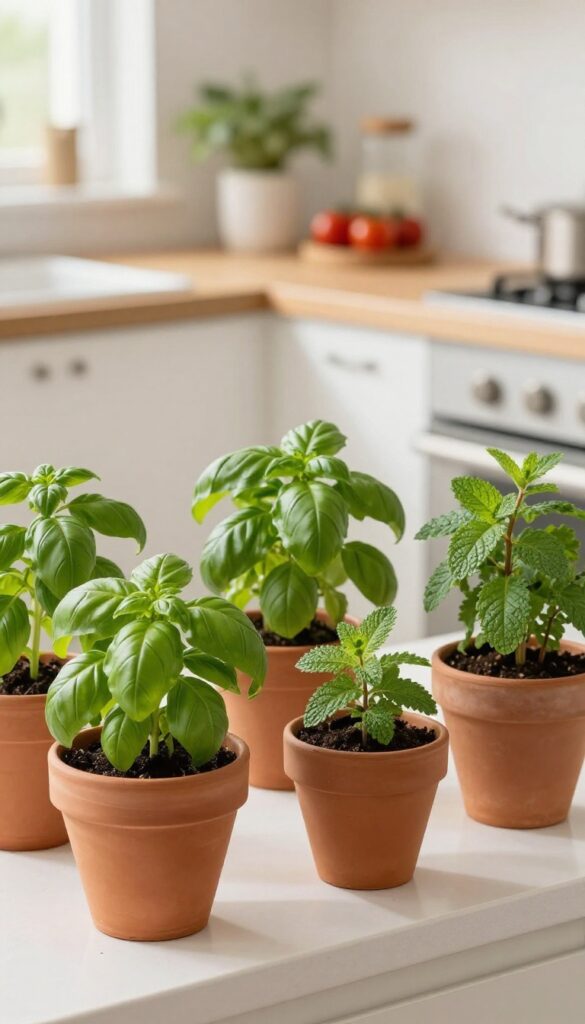
You don't need a big backyard or a green thumb to start saving on groceries. A few pots on a sunny windowsill or a small patch of soil can yield fresh herbs and veggies that would cost a lot at the store. Plus, homegrown produce tastes better and cuts down on packaging waste.
Starting with easy herbs like basil, mint, or chives is a no-fail entry point. They grow quickly, require minimal care, and can be harvested again and again. Even a small garden can cut your grocery bill and provide fresh flavors that elevate everyday meals.
Start With The Easiest Herbs
Basil, mint, chives, and parsley are forgiving and thrive in small containers. Place them on a sunny windowsill and water when the soil feels dry. You'll have fresh herbs for cooking without paying $3 per bundle at the store.
Move To Salad Greens And Tomatoes
Lettuce, spinach, and cherry tomatoes are perfect for beginners. They grow well in pots or raised beds and produce continuously. A single tomato plant can yield pounds of fruit over a season, saving you a significant amount.
Save Money With Perennials
Perennial herbs like rosemary, thyme, and oregano come back year after year. Invest once in a plant, and you'll have a steady supply for seasons to come. They also require less maintenance once established.
9. Buy in Bulk for Non-Perishables
You've probably noticed that the giant bag of rice costs less per pound than the small one. That's the magic of bulk buying—you pay less for the same product just by getting more. It works great for things that don't spoil quickly, like pasta, canned veggies, and toilet paper.
The key is to only stock up on items you actually use and have room to store.
What To Buy In Bulk
Focus on pantry staples you go through regularly. Rice, pasta, oats, flour, sugar, and beans are perfect candidates. Canned goods like tomatoes, beans, and tuna are also great, as long as you check the expiry dates.
Don't forget household essentials like toilet paper, paper towels, and trash bags—they don't expire and you'll always need them.
Storage Tips To Avoid Waste
Before you load up, make sure you have a cool, dry place to keep everything. Use airtight containers for dry goods to keep pests out and maintain freshness. Label everything with the purchase date so you know what to use first.
A little organization goes a long way in preventing forgotten items from going bad.
Where To Find The Best Deals
Warehouse clubs like Costco or Sam's Club are obvious choices, but don't overlook online retailers or local ethnic grocery stores. They often sell staples like rice and spices at lower prices per unit. Compare unit prices—usually shown on the shelf tag—to make sure you're actually saving money.
Buying in bulk only pays off if the per-unit cost is lower.
10. Seal Drafts Around Windows and Doors
That draft you feel near the window isn't just uncomfortable—it's money leaving your home. Gaps around windows and doors let heated or cooled air escape, forcing your HVAC system to work harder. Sealing those leaks is one of the cheapest ways to lower your energy bills year-round.
Start by checking for drafts on a windy day. Hold a candle or incense stick near the edges of windows and doors—if the smoke wavers, you've found a leak. For small gaps, weatherstripping tape works great and costs just a few dollars per window.
For larger cracks, use a tube of caulk and a caulking gun. Don't forget the bottom of doors: a simple door sweep or a rolled-up towel can block that gap. This simple project can save you up to 20% on heating and cooling costs.
Find The Leaks First
You can't fix what you can't see. On a breezy day, run your hand along window and door frames to feel for cold air. A lit incense stick or a smoke pen will show you exactly where the air is moving.
Pay special attention to corners, hinges, and the bottom edge of doors.
Choose The Right Seal
Weatherstripping comes in different materials: foam tape for gaps that don't move much, V-strip for sliding windows, and rubber or silicone for doors. For permanent fixes, caulk is best for cracks that don't need to open and close. Pick the one that matches your gap size and movement.
Don't Forget The Little Gaps
Drafts sneak in through electrical outlets, baseboards, and even the gap under your front door. Install foam outlet gaskets behind switch plates, and use a door sweep or draft stopper at the bottom. These tiny fixes add up to real savings.
11. Repurpose Glass Jars for Storage
Before you toss that pasta sauce jar in the recycling bin, think twice. Those sturdy glass containers are perfect for all kinds of home storage—and they cost you nothing. It's a simple swap that cuts down on plastic waste and keeps your pantry or workspace tidy without spending a dime.
Clean glass jars are incredibly versatile. Use them to store leftovers instead of plastic containers, organize screws and nails in the garage, or keep dry goods like rice, pasta, and beans fresh and visible. Just remove labels, wash thoroughly, and you've got free, eco-friendly storage that looks clean and uniform.
Pantry Organization
Line up matching jars on your shelf for a neat, uniform look. They keep dry goods airtight and make it easy to see what you have, so you avoid buying duplicates. Plus, glass doesn't absorb odors like plastic can.
Leftover Storage
Glass jars are microwave-safe (without the lid) and dishwasher-safe, making them perfect for leftovers. They're also great for freezing soups or sauces—just leave an inch of headspace for expansion.
Small Item Taming
Use small jars to corral office supplies, craft materials, or hardware. They keep everything visible and accessible, and you can label them with a piece of tape for extra organization.
12. Wash Clothes in Cold Water
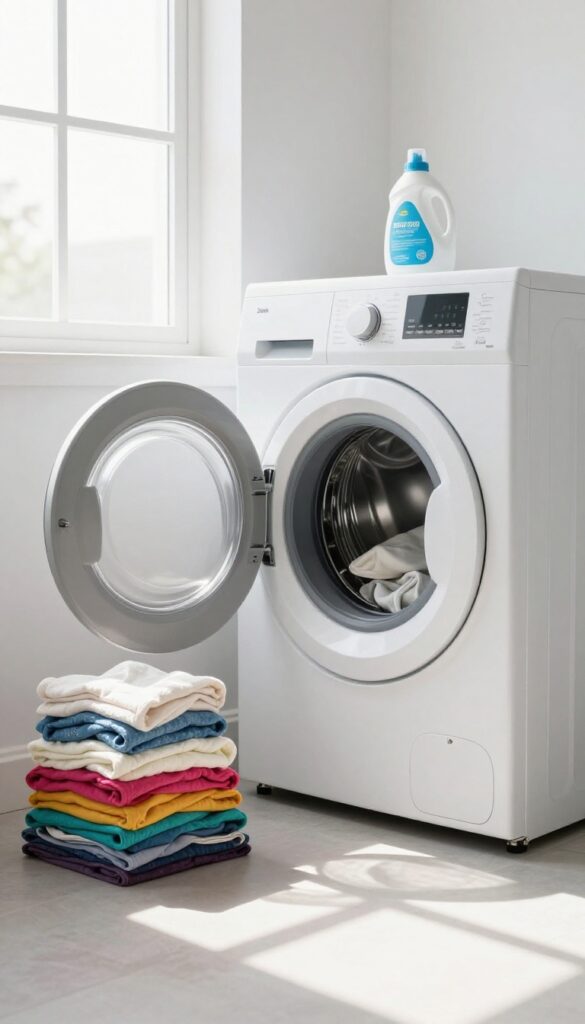
Heating water is the biggest energy hog in your laundry routine. Modern detergents are formulated to work just as well in cold water, so you can skip the hot cycle without sacrificing cleanliness. Switching to cold saves up to $60 a year on your energy bill.
Most of the energy your washing machine uses goes toward heating water—about 90%. By switching to cold, you eliminate that energy cost entirely. Today's detergents are designed to lift stains and activate enzymes even in cold water, so your clothes come out just as clean.
Plus, cold water is gentler on fabrics, helping your clothes last longer and fade less.
Why Cold Works
Modern laundry detergents contain enzymes that are effective at lower temperatures. Cold water also prevents colors from bleeding and reduces wrinkling. For most loads, cold is all you need.
When To Use Warm Or Hot
Reserve warm or hot water for heavily soiled items like work clothes, diapers, or bedding when someone is sick. For everyday loads, cold is perfectly fine.
Tips For Best Results
Use a detergent specifically labeled for cold water. Pre-treat stains before washing. And don't overload the machine—clothes need room to move for proper cleaning.
13. Use a Clothesline or Drying Rack for Delicates
That delicate sweater or favorite blouse doesn't need the dryer's harsh heat. Line-drying is a gentle, free alternative that keeps your clothes looking newer longer. Plus, it's a simple way to shave a few cents off every load.
Even if you use a dryer for most loads, line-drying delicates prevents shrinkage and saves energy. Plus, it's gentler on fabrics.
Why It Saves Money
Dryers are energy hogs. Skipping the dryer for even one load a week can save you up to $100 a year. Delicates air-dry quickly, so you're not waiting forever.
Best Fabrics To Air-dry
Wool, silk, lace, and anything with spandex or elastic benefit most from line-drying. They'll hold their shape and last longer. Cotton and synthetics can go either way, but air-drying still reduces wear.
Easy Setup Tips
A retractable clothesline in the laundry room or a folding drying rack works great. Hang items on padded hangers or lay flat on a mesh rack to avoid stretching. No backyard needed.
14. Cook in Batches and Freeze Portions
Weeknights get busy, and takeout is tempting. But those $20 deliveries add up fast. Batch cooking is your secret weapon: make a big pot of chili, a tray of lasagna, or a vat of soup on Sunday, then freeze single servings.
You'll have homemade meals ready in minutes, for a fraction of the cost.
Batch cooking saves time and money. By cooking once and eating multiple times, you reduce food waste and avoid the premium prices of convenience foods or delivery. Plus, you control the ingredients, making it healthier too.
Choose Freezer-friendly Recipes
Not all meals freeze well. Stick with soups, stews, casseroles, chili, and pasta sauces. Avoid dishes with creamy sauces or crispy toppings, as they can get soggy.
Double your favorite recipes and freeze half for later.
Portion And Label Properly
Divide cooled food into individual or family-sized portions using freezer-safe containers or bags. Squeeze out air to prevent freezer burn. Label each with the dish name and date so you know what's inside.
Use within three months for best taste.
Plan A Weekly Batch Day
Set aside two hours on a weekend to prep. Cook one or two large batches while you do other chores. Store them in the fridge or freezer.
Then on busy nights, just reheat and add a quick side salad or steamed veggie.
15. Replace Air Filters Regularly
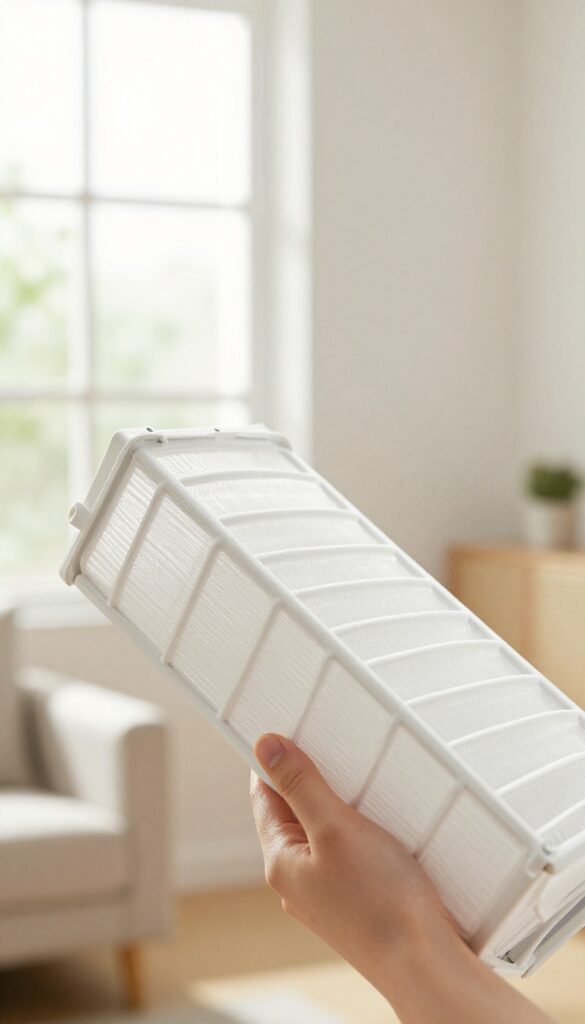
Your HVAC system works hard to keep your home comfortable, but a dirty air filter forces it to work even harder. That extra effort means higher energy bills and more wear on the equipment. The fix is simple: check your filter monthly and swap it out every 1-3 months.
A clean filter lets air flow freely, so your system runs efficiently. This small habit can lower your energy use by 5% to 15%. Plus, it improves indoor air quality by trapping dust, pollen, and pet dander.
Mark your calendar or set a phone reminder—once you make it routine, you'll barely think about it.
How Often Should You Check?
Start by looking at your filter once a month. If it looks gray or clogged, it's time to replace it. Homes with pets, smokers, or allergy sufferers may need changes every 30 days.
Otherwise, every 90 days is usually fine. The filter's packaging also lists the recommended schedule.
Which Filter Do You Need?
Filters come in different sizes and MERV ratings. Check your current filter's dimensions and buy the same size. For most homes, a MERV 8 filter balances good filtration with airflow.
Higher ratings trap more particles but can restrict airflow, so avoid going too high unless your system is designed for it.
Don't Forget The Diy Check
Before buying a new filter, hold it up to the light. If you can't see through it, replace it. Also, write the date on the new filter's cardboard frame when you install it.
That way you know exactly when it was last changed.
16. Use a Microwave or Toaster Oven Instead of the Oven
Cooking for one or two? That big oven uses a ton of energy to heat up a large space, even if you're just warming leftovers or baking a small potato. Switching to a microwave or toaster oven for small meals can slash your electricity bill without sacrificing convenience.
Microwaves and toaster ovens heat food faster and more efficiently because they target the food directly or heat a much smaller cavity. For single servings or side dishes, they use up to 50% less energy than a conventional oven. Plus, they don't heat up your whole kitchen, which saves on air conditioning in summer.
Match The Appliance To The Meal
Use the microwave for reheating soups, steaming veggies, or defrosting. Use the toaster oven for crispy items like pizza, roasted veggies, or small casseroles. Reserve the big oven for large roasts, multiple trays of cookies, or holiday feasts.
Batch Cook To Maximize Efficiency
When you do use the oven, cook multiple dishes at once. Bake a few potatoes while roasting chicken, or make a double batch of muffins. Then reheat individual portions in the microwave or toaster oven all week.
Watch For Energy-saving Settings
Many microwaves have a "sensor cook" feature that automatically adjusts power and time. Toaster ovens often have a convection setting that cooks faster. Use these to cut cooking time and energy use even further.
17. Shop Secondhand for Furniture and Decor
Why pay full price for a sofa or coffee table when perfectly good pieces are sitting at thrift stores, garage sales, and online marketplaces? Secondhand shopping lets you snag solid wood furniture and unique decor for a fraction of retail. With a little patience and a fresh coat of paint, you can make any find feel like it was made for your home.
Thrift stores, garage sales, and online marketplaces like Facebook Marketplace and Craigslist are goldmines for budget-friendly furniture and decor. Solid wood tables, vintage lamps, and quality sofas often sell for pennies on the dollar. The trick is to look past the current finish or fabric and imagine what a little TLC can do.
A can of chalk paint, new hardware, or reupholstering can transform a dated piece into something you love—for way less than buying new.
Where To Look
Start with local thrift stores and estate sales for the best deals. Online marketplaces let you search for specific items, but you'll need to act fast. Garage sales often have hidden gems if you go early.
Don't forget to check Facebook Buy Nothing groups—free furniture pops up regularly.
What To Check Before Buying
Inspect for structural damage like wobbly legs, water stains, or pest infestations. Open drawers and doors to make sure they slide smoothly. Upholstered pieces should be free of odors and stains you can't clean.
A little wear is fine—just avoid anything with major issues that are costly to fix.
Easy Upgrades That Make A Difference
A fresh coat of paint or new stain can completely change a piece. Swap out old knobs and pulls for modern hardware. For upholstered items, a slipcover is a quick fix, or you can reupholster if you're handy.
Even just cleaning and polishing wood can bring back its original beauty.
18. Reduce Water Heater Temperature
Most water heaters come set to 140°F by default, but that's hotter than you actually need. Dropping it to 120°F can save you up to $60 a year on energy costs. Plus, it reduces the risk of scalding and slows down mineral buildup inside the tank, extending the heater's life.
It's a one-time adjustment that keeps paying off.
How To Adjust The Temperature
Find the thermostat dial on your water heater. For electric heaters, you may need to remove a panel and use a screwdriver. Set it to 120°F (or the 'low' setting if there are no numbers).
Wait a few hours, then test the hot water at a faucet with a thermometer to confirm.
Safety First
120°F is hot enough for showers and cleaning, but cool enough to prevent burns, especially if you have kids or elderly family members. It also kills most bacteria, so you don't need to worry about Legionella.
Bonus Savings Tip
Insulate your water heater tank and the first few feet of hot water pipes. This reduces standby heat loss, saving another 4-9% on water heating costs. Just be careful not to cover any safety labels or controls.
19. DIY Simple Home Repairs
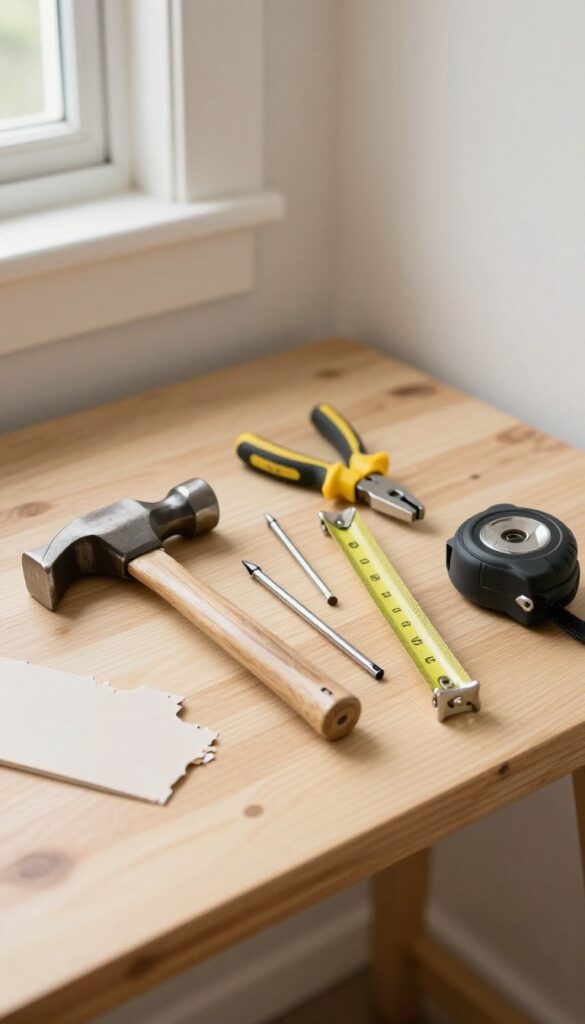
You don't need to call a handyman for every little thing that breaks. With a few basic tools and a willingness to learn, you can fix many common household issues yourself. YouTube is packed with step-by-step tutorials that walk you through everything from patching drywall to unclogging a drain.
The money you save on service calls adds up fast, and you gain a sense of accomplishment too.
Start with the repairs you encounter most often. A running toilet is usually an easy fix—just replace the flapper or adjust the float. Clogged drains often clear with a plunger or a drain snake, no harsh chemicals needed.
For small holes in drywall, a patch kit and some spackle work wonders. Watch a couple of videos, gather the right supplies, and you'll be surprised how capable you become.
Start Small
Pick one repair that feels manageable. A leaky faucet might just need a new washer. A squeaky door hinge can be silenced with a drop of oil.
Success with a small fix builds confidence to tackle bigger projects.
Essential Tools
Invest in a basic toolkit: hammer, screwdrivers (flathead and Phillips), adjustable wrench, pliers, tape measure, and a utility knife. Add a plunger and a drain snake for plumbing. These tools pay for themselves after one or two repairs.
Learn From Experts
YouTube channels like This Old House or Home Repair Tutor offer clear, detailed guides. Search for your specific issue—there's almost certainly a video for it. Pause, rewind, and follow along at your own pace.
FAQ
How much can I really save by unplugging electronics?
The average home loses about $100–$200 per year to standby power. Unplugging devices when not in use can cut that significantly, especially if you have many electronics.
Is it safe to make my own cleaning products?
Yes, simple vinegar and water solutions are safe for most surfaces. Avoid using vinegar on natural stone or waxed floors. Always test a small area first.
Will line-drying clothes make them stiff?
Line-dried clothes can feel stiff, but adding a half cup of baking soda to the wash or using a vinegar rinse helps soften them. Shaking clothes before hanging also reduces stiffness.
How often should I replace my HVAC air filter?
Check your filter monthly and replace it every 1–3 months. If you have pets or allergies, you may need to change it more often.
Is it worth buying a programmable thermostat?
Absolutely. A programmable thermostat can save you about 10% a year on heating and cooling costs. Many utility companies offer rebates, making it even more affordable.
Conclusion
Start small—maybe with the lightbulb swap or the DIY cleaner. You don't need to overhaul your entire home overnight.
Pick one tip, try it for a week, and watch the savings trickle in. Before long, these frugal habits will feel like second nature, and your wallet will thank you.
Free PDF Download
Not Sure Which Side Hustle Fits You Best?
Take the free Side Hustle Matchmaker Quiz and get a simple 7-day starter plan to help you choose a beginner-friendly idea based on your time, skills, comfort level, and goals.
You’ll get this free PDF plus access to the full Marketerna Save More & Earn More PDF Kit. No spam. Unsubscribe anytime.