19 Ways to Save Money at Home Every Month
Saving money at home doesn't mean living like a hermit or giving up everything you enjoy. Small, consistent changes in your daily routine can add up to significant savings over time. The key is knowing where to look and which habits to adjust.
Most household budgets have hidden leaks—from unused subscriptions to inefficient energy use. Tackling these one by one can free up hundreds of dollars each year without major sacrifices. You don't need a complete lifestyle overhaul; just a handful of smart tweaks.
This list covers 19 realistic ways to trim your monthly expenses, from the kitchen to the garage. Pick the ones that fit your situation and start seeing the difference in your bank account.

Free PDF Download
Not Sure Which Side Hustle Fits You Best?
Take the free Side Hustle Matchmaker Quiz and get a simple 7-day starter plan to help you choose a beginner-friendly idea based on your time, skills, comfort level, and goals.
You’ll get this free PDF plus access to the full Marketerna Save More & Earn More PDF Kit. No spam. Unsubscribe anytime.
1. Audit Your Subscriptions and Memberships

It's easy to sign up for a free trial and forget about it—until the charges start rolling in. Many households are paying for streaming services, gym memberships, or apps they barely use. A quick audit can uncover these hidden drains on your monthly budget.
Cancel unused streaming services, gym memberships, or magazine subscriptions. Use a subscription tracker app to identify recurring charges you forgot about.
Where To Look
Start with your bank and credit card statements from the past three months. Highlight every recurring charge—even small ones like a $2. 99 app subscription.
You'll often find duplicates or services you signed up for and never used.
How To Decide What To Cut
Ask yourself: Did I use this in the last 30 days? Would I miss it if it were gone? If the answer is no, cancel it.
For streaming services, consider rotating them—subscribe to one at a time and switch every few months.
Tools To Help
Apps like Truebill, Mint, or Bobby can automatically scan your accounts and show all your subscriptions in one place. They'll even help you cancel with a few taps.
2. Switch to Energy-Efficient LED Bulbs
Lighting makes up a surprisingly big chunk of your electric bill—about 10% of the average home's energy use. Old incandescent bulbs waste most of their energy as heat, so every hour they're on, you're paying for light and a tiny space heater you don't need. Swapping them out for LEDs is one of the fastest, easiest swaps you can make.
LED bulbs use up to 80% less energy than incandescents and can last 15 to 25 times longer. That means fewer trips to the store and fewer bulbs in the trash. Over a year, replacing just five of your most-used bulbs can save around $75 on electricity.
Plus, LEDs come in warm, soft tones now—no more harsh, bluish light.
Where To Start
Focus on the lights you use most: kitchen, living room, and bedrooms. A 60-watt equivalent LED uses only about 9 watts. Check the lumens (brightness) and color temperature (2700K–3000K for warm white).
Upfront Cost Vs. Long-term Savings
LEDs cost a bit more upfront—around $2 to $5 per bulb—but they pay for themselves within a few months. With a lifespan of 15, 000 to 25, 000 hours, you won't replace them for years.
Bonus: Smart Leds And Rebates
Many utility companies offer rebates or discounts on LED bulbs. Smart LEDs let you control lights from your phone or set timers, so you never waste energy on empty rooms.
Free PDF Download
Not Sure Which Side Hustle Fits You Best?
Take the free Side Hustle Matchmaker Quiz and get a simple 7-day starter plan to help you choose a beginner-friendly idea based on your time, skills, comfort level, and goals.
You’ll get this free PDF plus access to the full Marketerna Save More & Earn More PDF Kit. No spam. Unsubscribe anytime.
3. Unplug Electronics When Not in Use
Your electronics are secretly draining power even when they're turned off. This "phantom load" can add $100 or more to your annual electricity bill. The fix is simple: unplug devices when you're not using them, or let smart power strips do the work for you.
The Cost Of Vampire Power
Many devices like phone chargers, laptops, and game consoles continue to draw power even when switched off. This standby consumption can account for up to 10% of your home's electricity use. Over a year, that's real money you're paying for nothing.
Easy Targets To Unplug
Start with the biggest offenders: entertainment centers, kitchen appliances with digital displays, and computer setups. Unplug chargers when not in use—they still draw power even without a device attached. Make it a habit to unplug after charging.
Smart Power Strips Do The Thinking
If remembering to unplug feels like a chore, invest in smart power strips. They automatically cut power to devices that go into standby mode. Some even have timers or motion sensors, so you can set it and forget it.
4. Cook at Home More Often
Restaurant meals and takeout are convenient, but they come with a hefty price tag. Even a simple dinner for two can cost as much as a week's worth of groceries. By cooking at home, you control the ingredients, portions, and most importantly, the cost.
It doesn't have to be complicated—just a few small shifts in how you approach meals can lead to big savings.
Cooking at home is one of the most effective ways to cut monthly expenses. The average restaurant meal costs about $20, while a home-cooked meal can be as low as $4 per serving. That difference adds up fast.
Start by planning your weekly menu around sales and what you already have in your pantry. Batch cooking on weekends saves time and ensures you have ready-to-eat meals, reducing the temptation to order out. And don't forget leftovers—repurposing them for lunch or another dinner stretches your food budget even further.
Plan Your Weekly Menu
Spend 15 minutes each week mapping out meals. Check your pantry and fridge first, then build your menu around what's on sale. This prevents impulse buys and reduces food waste.
Batch Cook And Freeze
Cook large portions of staples like rice, beans, soups, or casseroles. Freeze individual servings for busy days. Having a homemade meal ready in minutes beats ordering pizza.
Get Creative With Leftovers
Leftovers don't have to be boring. Turn roasted chicken into tacos, stir-fry, or salad. Use vegetable scraps for broth.
Every repurposed ingredient saves money.
Free PDF Download
Not Sure Which Side Hustle Fits You Best?
Take the free Side Hustle Matchmaker Quiz and get a simple 7-day starter plan to help you choose a beginner-friendly idea based on your time, skills, comfort level, and goals.
You’ll get this free PDF plus access to the full Marketerna Save More & Earn More PDF Kit. No spam. Unsubscribe anytime.
5. Use a Programmable Thermostat

Heating and cooling eat up nearly half of your home's energy bill. A programmable thermostat takes the guesswork out of saving energy by automatically adjusting temperatures when you don't need them. Set it and forget it—your wallet will thank you.
How Much You Can Save
According to the U. S. Department of Energy, turning your thermostat back 7–10°F for eight hours a day can save you up to 10% annually on heating and cooling.
That's roughly $180 per year for the average home. Not bad for a device that costs as little as $25.
Smart Vs. Basic Programmable
Basic models let you set a schedule for weekdays and weekends. Smart thermostats go further—they learn your habits, adjust based on humidity, and can be controlled from your phone. Both save money, but smart ones offer more convenience and can alert you to maintenance issues.
Easy Settings To Start With
Set the temperature lower while you're asleep and during work hours. In winter, aim for 68°F when awake and 62°F when away or sleeping. In summer, set it to 78°F when home and 85°F when out.
Adjust based on comfort, but every degree helps.
6. Wash Clothes in Cold Water
Most of us grew up thinking hot water is the only way to get clothes truly clean. But modern laundry detergents have come a long way. Cold water not only saves energy—it also keeps your clothes looking newer for longer.
Switching to cold water for most loads can cut your laundry energy use by up to 90%. That's because heating water accounts for the bulk of your washing machine's electricity consumption. Plus, cold water is gentler on fabrics, reducing fading, shrinking, and wear and tear.
Save On Your Energy Bill
Your water heater works hard every time you run a hot cycle. By switching to cold, you're essentially skipping that energy cost. Over a year, this simple change can save you $40–$60, depending on your utility rates and laundry frequency.
Protect Your Clothes
Hot water can break down fibers and cause colors to bleed. Cold water preserves the integrity of your garments, so your favorite jeans and shirts last longer. That means fewer shopping trips and more money in your pocket.
Detergents Designed For Cold
Most major brands now offer cold-water-specific formulas that work just as well as traditional ones. Look for labels that say "cold water active" or "works in any temperature. " You might even find that cold water removes certain stains better—like blood or sweat—by not setting them.
7. Line-Dry Clothes Instead of Using the Dryer
Your clothes dryer is one of the biggest energy hogs in your home, costing you about $100 to $200 per year depending on usage. But you can slash that expense to nearly zero just by letting your clothes air-dry. It's a simple switch that also keeps your fabrics looking newer longer.
Air-drying eliminates the cost of running the dryer and extends the life of your clothes. Use a drying rack or outdoor line when weather permits. Even partial line-drying—say, half your loads—can save $50 or more annually.
Indoor Drying Racks
No backyard? No problem. A sturdy folding drying rack in a spare room or laundry area works great.
Place it near a window or vent for faster drying. Collapsible racks store easily when not in use.
Outdoor Clothesline Tips
If you have outdoor space, a traditional clothesline is the most energy-efficient option. String it in a sunny, breezy spot. Shake clothes before hanging to reduce wrinkles, and use wooden clothespins to avoid rust marks.
Which Items To Line-dry
Delicates, workout gear, and anything prone to shrinking benefit most from air-drying. Towels and jeans can feel stiff—just toss them in the dryer for five minutes on no heat to soften them up.
8. Reduce Water Usage with Low-Flow Fixtures
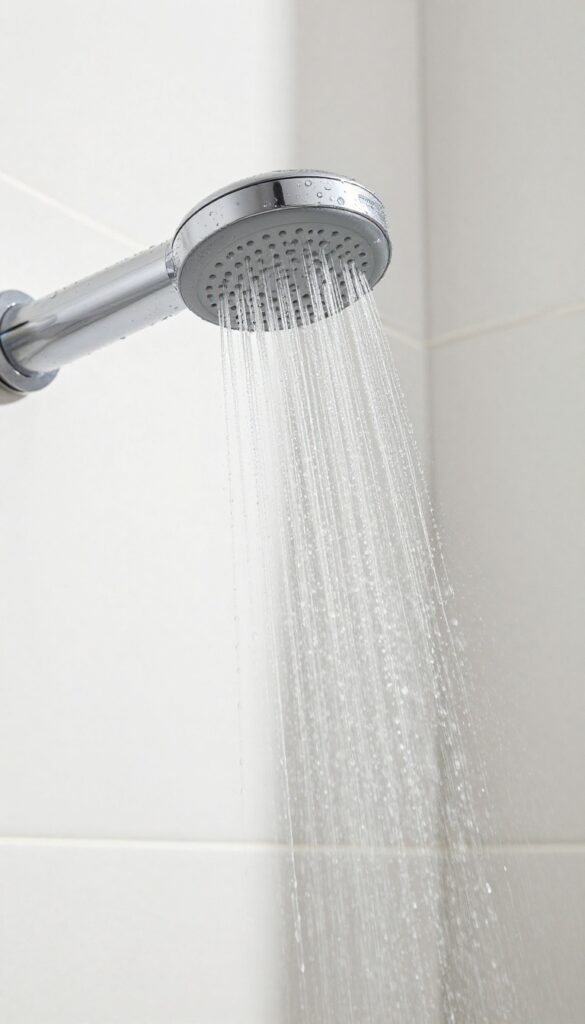
Water bills can sneak up on you, especially if you have a big family or love long showers. The good news is that you can cut your water usage significantly without feeling like you're sacrificing comfort. Low-flow fixtures are an easy, one-time upgrade that pays for itself over time.
Swapping out old showerheads and faucet aerators for low-flow versions can reduce your water consumption by up to 30% or more. They work by mixing air with water to maintain pressure while using less water. Installation is simple and usually doesn't require a plumber.
Many utility companies even offer rebates for these upgrades, making them even more affordable.
Low-flow Showerheads
Modern low-flow showerheads use around 1. 5 to 2 gallons per minute compared to the standard 2. 5 GPM.
That can save a family of four over 2, 900 gallons per year. Look for models with a WaterSense label for guaranteed efficiency.
Faucet Aerators
These tiny attachments screw onto your existing faucets and reduce flow from 2. 2 GPM to 1. 0 or 1.
5 GPM. You won't notice a difference in daily tasks like hand washing or dish rinsing, but your water bill will. They cost just a few dollars each and take seconds to install.
Additional Water-saving Tips
Pair your low-flow fixtures with other habits like turning off the tap while brushing your teeth, fixing leaks promptly, and running full loads in the dishwasher and washing machine. Every drop counts.
9. Make Your Own Cleaning Products
Commercial cleaners are expensive and often loaded with chemicals you don't really need in your home. The good news is that you can whip up effective alternatives with stuff you probably already have in your pantry. Vinegar, baking soda, and lemon juice can tackle most messes, from kitchen counters to bathroom tiles.
Making your own cleaners saves money and cuts down on plastic waste.
All-purpose Cleaner
Mix equal parts white vinegar and water in a spray bottle. Add a few drops of essential oil if you want a pleasant scent. This solution works great on countertops, windows, and floors.
Just avoid using it on natural stone surfaces like granite or marble.
Glass And Mirror Cleaner
Combine one part vinegar with two parts water and a splash of rubbing alcohol. Spray on glass and wipe with a microfiber cloth for a streak-free shine. You'll get the same results as store-bought brands for pennies.
Scrubbing Paste
Mix baking soda with a little water to form a thick paste. Use it to scrub sinks, tubs, and stovetops. For tough stains, add a squeeze of lemon juice.
Let it sit for a few minutes before scrubbing.
10. Buy Generic or Store Brands
Brand loyalty can be expensive. Store brands often match the quality of name brands but cost 20–30% less. For everyday staples, switching can save you hundreds a year without sacrificing taste or performance.
Start by comparing ingredients and nutrition labels. Many store brands are actually made by the same manufacturers as the big names. You're paying for the label, not better quality.
Start With Staples
Try store brands for pantry basics like pasta, rice, canned tomatoes, and spices. These items are nearly identical to name brands. Once you realize there's no difference, you'll wonder why you ever paid more.
Don't Overlook Cleaning Products
Generic dish soap, all-purpose cleaners, and laundry detergent work just as well. Check reviews online if you're unsure. Most budget brands score similarly to premium ones in performance tests.
Medicine And Personal Care
Over-the-counter medications like ibuprofen, allergy pills, and vitamins are regulated by the FDA. Store-brand versions contain the same active ingredients and are often half the price. The same goes for shampoo, lotion, and sunscreen.
11. Use a Shopping List and Stick to It
Impulse buys are budget killers. That pack of cookies, the fancy cheese, or the new gadget you didn't plan for—they all add up. The fix is simple: always shop with a list and follow it like a rulebook.
It's one of the easiest ways to cut your grocery or household spending without feeling deprived.
Plan your meals for the week, check what you already have, and write down only what you need. When you walk into the store, buy nothing else. This habit alone can slash your monthly food bill by 20% or more.
Meal Planning Makes It Easy
Spend 15 minutes on Sunday mapping out dinners. Look at your pantry and fridge first—use what you've got. Then list missing ingredients.
You'll avoid buying duplicates and reduce food waste.
Never Shop Hungry
Hunger is a salesperson's best friend. When your stomach is empty, everything looks good. Eat a snack or a meal before heading to the store.
You'll be amazed how many unnecessary items stay on the shelf.
Stick To The List, No Exceptions
Treat your list as a contract. If it's not on there, you don't buy it. This includes 'great deals' and 'just in case' items.
If you really need something later, you can always come back—but most of the time, you won't.
12. Cut Down on Paper Towels and Disposables
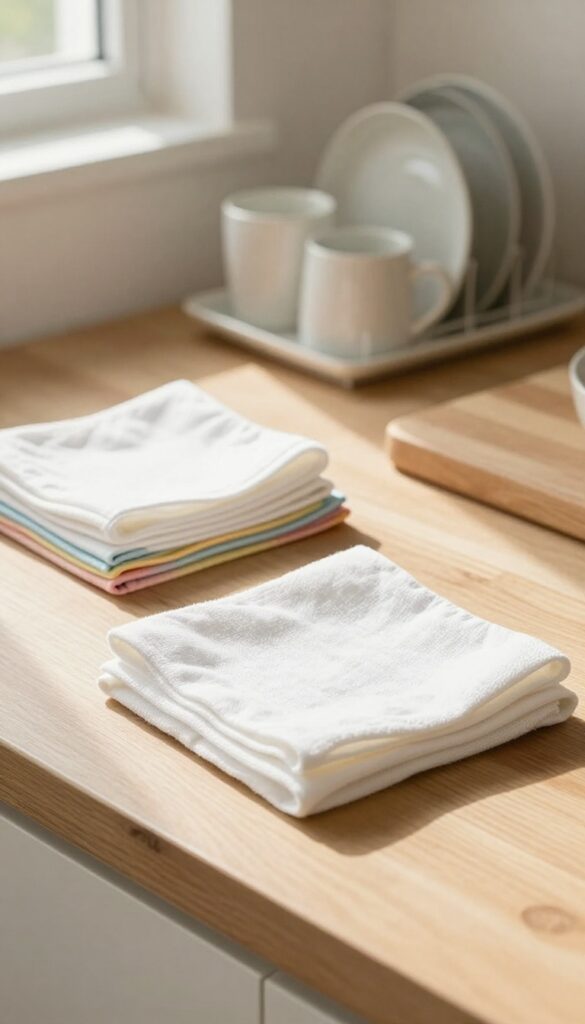
Paper towels, napkins, and disposable plates seem cheap at the store, but they add up fast. A family can easily spend $50 or more per year just on paper towels. The good news?
A small upfront investment in reusable alternatives pays for itself in just a few months.
Switching to cloth towels, napkins, and rags is one of the simplest money-saving swaps. You likely already have old t-shirts or towels you can repurpose. If not, a pack of flour sack towels costs around $10 and lasts for years.
Use them for cleaning, drying hands, and even as napkins. Just toss them in the wash and reuse. For meals, consider cloth napkins or even just cutting up an old bedsheet.
They feel nicer and save you from buying paper napkins repeatedly. Disposable plates and cups are convenient for parties, but for everyday use, regular dishes are far cheaper. If you're worried about breakage, look for durable melamine or stainless steel options that last forever.
The environmental benefit is a nice bonus, but the real win is the money staying in your pocket. Start with one swap—like replacing paper towels in the kitchen—and see how much you save in a month.
The Real Cost Of Disposables
A roll of paper towels might cost $2, but if you use one roll per week, that's over $100 a year. Multiply by napkins, paper plates, and cups, and the total can exceed $200 annually. That's money you could spend on something more fun.
Easy Reusable Swaps
Start with what you have: cut up old cotton shirts for cleaning rags. Buy a set of 12 cloth napkins for around $15—they'll last years. Use microfiber cloths for dusting and glass cleaning.
For on-the-go, pack a reusable napkin in your bag. It's a small habit that adds up.
Making The Switch Stick
Keep a basket of clean cloths near the sink and a laundry bag for dirty ones. Wash them with your regular towels. Assign a specific color for kitchen use to avoid cross-contamination.
Once you get used to it, you won't miss paper towels at all.
13. Seal Drafts Around Windows and Doors
Those little drafts you feel near windows and doors? They're money slipping out. Sealing them is one of the cheapest and most effective ways to lower your energy bills.
You don't need to be a handyman—just a few basic supplies can make a big difference.
Weatherstripping and caulk are your best friends here. They block the gaps that let heated or cooled air escape, so your HVAC system doesn't have to work as hard. This means lower energy usage and more comfortable rooms year-round.
Find The Leaks First
On a windy day, hold a lit incense stick or a damp hand near window and door frames. If the smoke flickers or you feel a chill, you've found a leak. Another trick: close a door on a piece of paper—if it slides out easily, there's a gap.
Choose The Right Seal
For windows, apply caulk around the frame where the glass meets the wood or vinyl. For movable parts like doors and windows, use weatherstripping. Adhesive foam tape works great for irregular gaps, while V-strip is perfect for sliding windows.
Don't Forget The Little Gaps
Check around electrical outlets, baseboards, and where pipes enter the house. A simple foam gasket behind outlet covers or a dab of caulk around pipes can stop hidden drafts. Every sealed gap adds up to more savings.
14. Grow Your Own Herbs and Vegetables
Fresh herbs and vegetables from the grocery store can be surprisingly pricey, especially out of season. But with a little dirt, sunlight, and patience, you can grow your own right at home. Even if you don't have a backyard, a sunny windowsill or a small balcony can become a mini garden that keeps on giving.
Starting a home garden doesn't require a green thumb or expensive equipment. A few pots, some quality soil, and seeds or starter plants are all you need. Herbs like basil, mint, and parsley are forgiving for beginners and can be harvested continuously.
Leafy greens such as lettuce and spinach grow quickly and can be cut multiple times. The initial investment pays off quickly: a $3 packet of seeds can yield dozens of dollars' worth of produce over a season. Plus, homegrown food tastes better and has no packaging waste.
Start Small With Herbs
Herbs are the easiest entry point for home growing. They thrive in small pots and don't need much space. Place them on a kitchen windowsill where they get at least 4–6 hours of sunlight.
Snip what you need for cooking, and they'll keep producing. A single basil plant can save you $2–3 per bunch at the store every couple of weeks.
Grow Greens In Containers
Leafy greens like lettuce, arugula, and kale grow well in containers on a patio or balcony. Use a shallow pot (at least 6 inches deep) with drainage holes. Plant seeds close together and harvest leaves when they're a few inches tall.
You can get multiple harvests from one planting by cutting the outer leaves and letting the center regrow.
Use Vertical Space
If floor space is tight, go vertical. Install a wall-mounted planter or use a tiered stand. Climbing vegetables like cherry tomatoes, cucumbers, and pole beans can be trained up a trellis or cage.
This maximizes your growing area and adds a lush, green look to your home.
15. Negotiate Your Internet and Cable Bills

Your internet and cable bills aren't set in stone—they're often negotiable. Providers frequently offer promotional rates to new customers, but existing ones can get them too if they ask. A simple phone call can save you $20–$50 per month.
Many people overpay because they never question their bill. Providers count on that. But with a bit of research and a friendly attitude, you can often lower your rate or unlock discounts.
Know Your Current Plan And Competitors
Before calling, check what you're paying and for what speed or channels. Then look up competitor offers in your area. Having this info gives you leverage—you can mention a better deal from another company.
Call And Ask Nicely
Call customer service and say you're considering switching because of cost. Ask if there are any current promotions or loyalty discounts. Be polite but firm.
Often, they'll offer a temporary rate reduction or add perks like faster speed for the same price.
Consider Bundling Or Cutting Services
If you have cable and internet separately, bundling might save money. Or, if you rarely watch live TV, consider dropping cable and using streaming services instead. That alone can cut your bill by half.
Set A Reminder To Re-negotiate
Promotional rates usually last 6–12 months. Mark your calendar to call again before the discount expires. Repeat the process annually to keep your bill low.
16. Use a Clothesline or Drying Rack
Your dryer is one of the biggest energy hogs in your home. Switching to a clothesline or drying rack for even half your laundry can cut your electricity bill noticeably. Plus, it's gentler on fabrics, so your clothes last longer.
Air-drying is a simple habit that pays off every month. It requires no special equipment—just a line or a rack. Start with a few loads and see how much you save.
Indoor Drying Racks
If you don't have outdoor space or live in a rainy climate, a collapsible drying rack works great. Set it up in a spare room, bathroom, or laundry area. Delicates, wool sweaters, and workout gear dry beautifully without heat.
Outdoor Clothesline
Nothing beats the fresh smell of line-dried laundry. Install a retractable clothesline in your backyard or on a balcony. Sunlight naturally bleaches whites and kills bacteria.
Just check local rules if you're in a condo or HOA.
Energy Savings Breakdown
A typical dryer uses about 3–6 kWh per load. At $0. 12 per kWh, that's $0.
36–$0. 72 per load. If you air-dry 4 loads a week, you save $1.
44–$2. 88 weekly—that's $75–$150 a year. Not bad for a zero-cost switch.
17. Pack Your Lunch and Coffee
Eating out for lunch and grabbing a daily coffee might seem harmless, but those small purchases add up fast. A $5 coffee and $12 lunch five days a week totals over $400 a month. Packing your own meals and drinks is one of the simplest ways to keep that money in your pocket.
The savings from packing lunch and coffee are immediate and significant. A homemade lunch costs around $3-4, and a cup of coffee from home is pennies. Over a month, that's hundreds saved.
Plus, you control the ingredients, making it healthier and more satisfying.
Invest In The Right Gear
A good thermos keeps coffee hot for hours, and reusable containers prevent leaks and keep food fresh. Spend a little upfront on quality items—they'll pay for themselves in weeks. Look for insulated lunch bags and durable glass or stainless steel containers.
Prep The Night Before
Mornings are hectic, so pack your lunch and fill your thermos the night before. Make extra dinner and use leftovers for next day's lunch. Batch-cook on Sundays to have ready-to-go meals.
This removes the temptation to buy out when you're in a rush.
Make It A Habit, Not A Chore
Start with two or three days a week if going full-time feels hard. Gradually increase as you see the savings grow. Treat yourself to a coffee out once a week as a reward.
The key is consistency, not perfection.
18. Do a No-Spend Challenge Weekend
Once a month, commit to spending nothing beyond essentials. This resets your spending habits and highlights areas where you can cut back. It's a simple but powerful way to hit pause on impulse buys and see how much you actually need.
Pick one weekend each month where you only spend money on absolute necessities like groceries, gas, or medical needs. No dining out, no online shopping, no entertainment costs. The goal is to use what you already have at home—cook from your pantry, watch movies you already own, and find free activities.
You'll be surprised how much you save and how little you miss the extras.
Plan Ahead For Success
Before the weekend, stock up on essentials so you don't get caught short. Meal plan around what's in your fridge and pantry. Let friends and family know you're doing a no-spend challenge so they don't invite you out.
A little prep makes it easy to stick to the rules.
Discover Free Fun
Use the weekend to explore free local events, go for hikes, visit a library, or have a board game night. You might find that some of the best entertainment doesn't cost a thing. This can become a monthly tradition that saves money and adds creativity to your downtime.
Reflect And Adjust
After the weekend, take a few minutes to note what you missed spending on and what you didn't. This reveals your true spending triggers and helps you make smarter choices going forward. You might decide to cut certain expenses permanently or repeat the challenge more often.
19. Review Your Insurance Policies Annually

Insurance is one of those expenses we set and forget—until the bill arrives. But rates change, your situation changes, and competitors are always vying for your business. A quick annual review can uncover savings you didn't know existed.
Once a year, pull out your auto, home, or renters insurance policies and compare them to current market rates. You might be surprised how much you can save by switching providers or adjusting your coverage.
Shop Around For Better Rates
Don't assume your current insurer has the best deal. Get quotes from at least three different companies. Online comparison tools make this easy.
Even a small difference in monthly premium adds up over a year.
Bundle Policies For Discounts
Many insurers offer multi-policy discounts if you combine auto and home or renters insurance. Bundling can slash your premiums by 10% to 25%. Check with your provider to see what combos qualify.
Raise Your Deductibles
Increasing your deductible—say from $500 to $1, 000—can lower your monthly premium significantly. Just make sure you have enough savings to cover the higher deductible if you need to file a claim.
FAQ
How much can I realistically save by implementing these tips?
Savings vary, but many households report cutting monthly expenses by 10-20%—that's $100-$300 or more depending on your current spending.
Do I need to do all 19 tips at once?
No, start with 2-3 that feel easiest. Gradually add more as those become habits. Consistency matters more than perfection.
Will switching to LED bulbs really make a difference?
Yes. LEDs use about 75% less energy than incandescents and last 25 times longer. Replacing just five bulbs can save around $75 per year.
How do I negotiate my internet bill without being put on hold forever?
Call during business hours, be polite, and mention competitor offers. Ask for retention or loyalty discounts. If that fails, schedule a cancellation—retention often calls back with a better deal.
Is it worth growing my own food if I have limited space?
Absolutely. Herbs like basil, mint, and chives thrive in small pots on a windowsill. A few tomato plants in containers can yield pounds of fruit, saving you money at the grocery store.
Conclusion
Saving money at home doesn't mean overhauling your entire lifestyle. Pick just one or two of these ideas—like switching to LED bulbs or meal planning—and try them this month. Small changes add up quickly.
Before you know it, you'll have extra cash in your pocket and a more efficient home. Start with the easiest win and build from there.
Free PDF Download
Not Sure Which Side Hustle Fits You Best?
Take the free Side Hustle Matchmaker Quiz and get a simple 7-day starter plan to help you choose a beginner-friendly idea based on your time, skills, comfort level, and goals.
You’ll get this free PDF plus access to the full Marketerna Save More & Earn More PDF Kit. No spam. Unsubscribe anytime.