17 Monthly Savings Plan Ideas for Beginners
Saving money each month can feel like a distant goal when you're just starting out. Maybe you've tried budgeting before, but life always gets in the way. The good news is that you don't need a perfect plan or a huge income to build a savings habit.
These 17 ideas are designed for real life. They focus on small, repeatable actions that add up over time. No drastic cuts, no complicated spreadsheets—just practical steps you can start today.
Pick one or two ideas that feel doable and give them a try. Consistency matters more than perfection. Let's dive into the list.

Free PDF Download
Not Sure Which Side Hustle Fits You Best?
Take the free Side Hustle Matchmaker Quiz and get a simple 7-day starter plan to help you choose a beginner-friendly idea based on your time, skills, comfort level, and goals.
You’ll get this free PDF plus access to the full Marketerna Save More & Earn More PDF Kit. No spam. Unsubscribe anytime.
1. Automate a Small Transfer to Savings
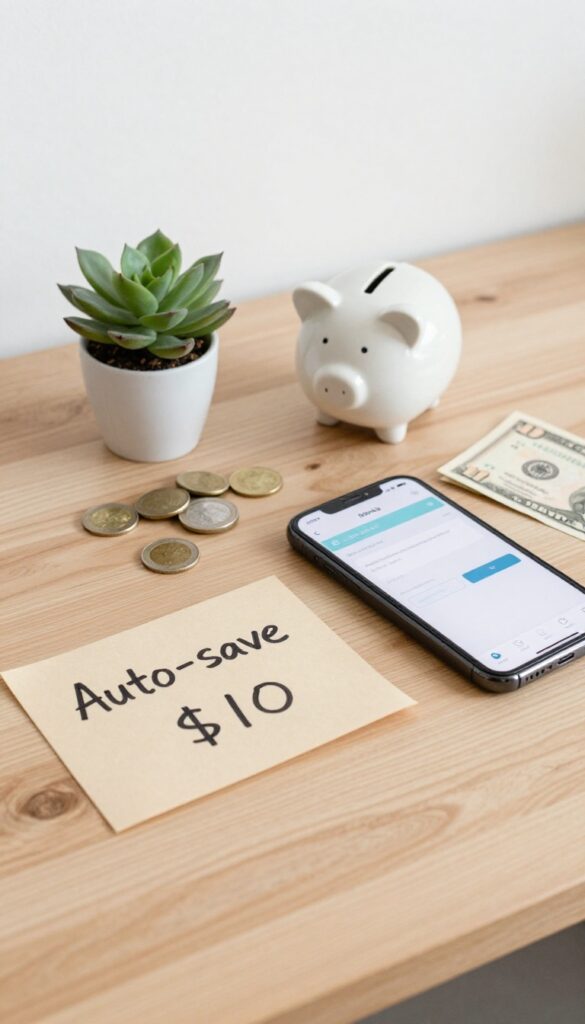
The easiest way to save is to make it happen without thinking. When you automate a small transfer from checking to savings, you remove the temptation to spend that money elsewhere. Even $10 or $20 per paycheck adds up over time, and you'll be surprised how quickly the habit sticks.
Set up an automatic transfer of $10 or $20 from checking to savings each payday. You won't miss what you don't see, and it builds a habit without effort.
Pick A Realistic Amount
Start with an amount that feels almost too small to notice. For most people, $10 to $20 per paycheck is a safe bet. You can always increase it later as you get comfortable.
Schedule It On Payday
Set the transfer to happen the same day your paycheck hits your account. That way, the money moves before you have a chance to spend it. Most banks let you set up recurring transfers in just a few clicks.
Watch It Grow Without Effort
Once it's set, you can forget about it. Check your savings balance every few months to see the progress. That small, consistent action will build a cushion you didn't know you had.
2. Try the 52-Week Money Challenge
A slow and steady approach can work wonders, especially when you're new to saving. The 52-Week Money Challenge turns saving into a game. You start small and increase your deposit each week, making it easy to stick with.
Here's how it works: In week one, you save $1. Week two, you save $2. Continue adding a dollar each week.
By week 52, you'll put away $52—and your total savings will be $1, 378. It's a simple, automatic way to build a habit without feeling deprived.
Make It Your Own
Don't let the numbers scare you. If $52 in the final week feels too high, flip the challenge. Start with $52 and decrease by $1 each week.
Or pick a smaller base amount, like $0. 50, to keep it comfortable. The key is consistency, not the dollar amount.
Track Your Progress
Use a printable chart or a simple note on your phone to check off each week. Seeing your progress visually is motivating. You can also automate transfers to a separate savings account so you don't have to think about it.
Celebrate Milestones
Set small rewards along the way, like treating yourself to coffee after you save your first $100. This keeps the challenge fun and reinforces your new habit. Just don't let the reward undo your savings.
Free PDF Download
Not Sure Which Side Hustle Fits You Best?
Take the free Side Hustle Matchmaker Quiz and get a simple 7-day starter plan to help you choose a beginner-friendly idea based on your time, skills, comfort level, and goals.
You’ll get this free PDF plus access to the full Marketerna Save More & Earn More PDF Kit. No spam. Unsubscribe anytime.
3. Use a Round-Up App
Ever finish a purchase and notice you have a few coins jangling in your pocket? That's the same idea behind round-up apps. They take the spare change from your everyday transactions and funnel it into savings or investments.
It's one of the most effortless ways to build a nest egg because you barely notice the money leaving your account.
Apps like Acorns and Qapital connect to your debit or credit card. Every time you make a purchase, they round up the amount to the nearest dollar and stash the difference. For example, if you spend $4.
50 on coffee, the app saves $0. 50. Over a month, those micro-amounts can add up to $30, $50, or more without any extra effort on your part.
How It Works
You link your card and choose a round-up rule—usually to the nearest dollar. Some apps let you multiply the round-up (e. g. , 2x or 3x) to save faster. The spare change goes into an investment portfolio or a high-yield savings account, depending on the app.
Best Apps To Try
Acorns is the most popular, offering round-ups plus recurring investments. Qapital lets you set custom rules like round-ups plus goal-based triggers. For a no-fee option, check if your bank offers a built-in round-up feature.
Tips To Maximize
Set a monthly cap if you're worried about oversaving. Also, link it to a card you use frequently for small purchases—like coffee or groceries—to see the biggest impact. Review your round-up total after a month; you'll be surprised how much you've saved without thinking about it.
4. Cut One Subscription Service
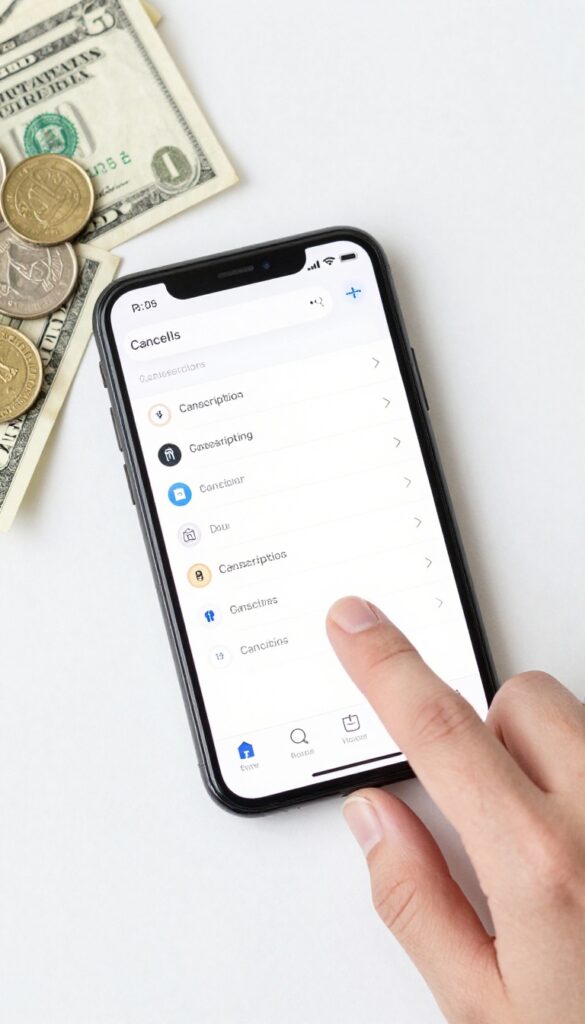
It's easy to lose track of all the little monthly charges hitting your bank account. Streaming platforms, fitness apps, cloud storage—they each seem harmless on their own, but together they can quietly drain your savings potential. The fix is simple: pick just one subscription you barely use and cancel it.
That $10 or $15 you free up each month might not sound like much, but over a year it's $120 to $180 that can go straight into your savings account. Plus, you'll likely realize you don't miss it at all.
How To Find The Right One To Cut
Scroll through your bank statements or app store subscriptions. Look for services you haven't opened in the last 30 days. Maybe it's that second streaming service you signed up for a show you already finished, or a gym app you downloaded but never use.
Pick the one that gives you the least value.
Redirect The Savings Automatically
Once you cancel, set up an automatic transfer of that exact amount into your savings account on the same day each month. That way, the money moves before you have a chance to spend it elsewhere. It's a small habit that builds real momentum.
Free PDF Download
Not Sure Which Side Hustle Fits You Best?
Take the free Side Hustle Matchmaker Quiz and get a simple 7-day starter plan to help you choose a beginner-friendly idea based on your time, skills, comfort level, and goals.
You’ll get this free PDF plus access to the full Marketerna Save More & Earn More PDF Kit. No spam. Unsubscribe anytime.
5. Pack Lunch Twice a Week
Eating out for lunch adds up fast. A $12 sandwich and drink might not feel like much, but five days a week that's $60 gone. By packing just two lunches a week, you can pocket $80–$120 a month without feeling deprived.
The key is starting small. You don't have to pack every single lunch. Two days a week is a manageable goal that still makes a real difference.
Use a reusable container you actually like, and prep ingredients ahead of time so mornings are easy.
Pick Two Days That Work
Choose days when you're not rushed or when you know you'll have leftovers. Monday and Wednesday are popular because they're early in the week when motivation is high. Mark them on your calendar or set a phone reminder.
Make It Easy With Leftovers
Cook a little extra dinner the night before and pack the leftovers for lunch. That way you're not making anything extra—just portioning out what's already there. It's zero extra effort and tastes great.
Use Gear You Enjoy
A good insulated container keeps food hot or cold until noon. A bento box with compartments makes packing fun. When you like your lunch gear, you're more likely to actually use it.
6. Implement a No-Spend Weekend
A no-spend weekend is exactly what it sounds like: you pick one weekend each month and spend zero money on anything that isn't absolutely necessary. That means no takeout, no shopping, no movie tickets, no coffee runs. You'll cook at home, enjoy free activities, and watch your savings grow without feeling deprived.
The beauty of this idea is that it's a short, focused challenge. You're not giving up spending forever, just for two days. And those two days can save you anywhere from $50 to $200, depending on your usual weekend habits.
Plus, you'll get a creativity boost as you find free ways to have fun.
Plan Ahead For Success
The key to a successful no-spend weekend is planning. Before the weekend starts, check your fridge and pantry so you know what meals you can make. Look up free local events, like park concerts, museum free days, or hiking trails.
If you know what you'll do and eat, you won't be tempted to spend.
Make It Fun, Not Punishing
A no-spend weekend shouldn't feel like a punishment. Treat it as a mini adventure. Have a movie marathon at home, play board games, go for a long walk, or try a new recipe.
Invite friends over for a potluck instead of going out. You'll probably end up having more fun than your usual spending weekend.
Track Your Savings
After the weekend, tally up how much you saved by not spending. Write it down or put it in a savings jar. Seeing that number grow is motivating.
Over a year, twelve no-spend weekends could save you over a thousand dollars. That's a real reward for just two days of mindful spending.
7. Save Your Windfalls
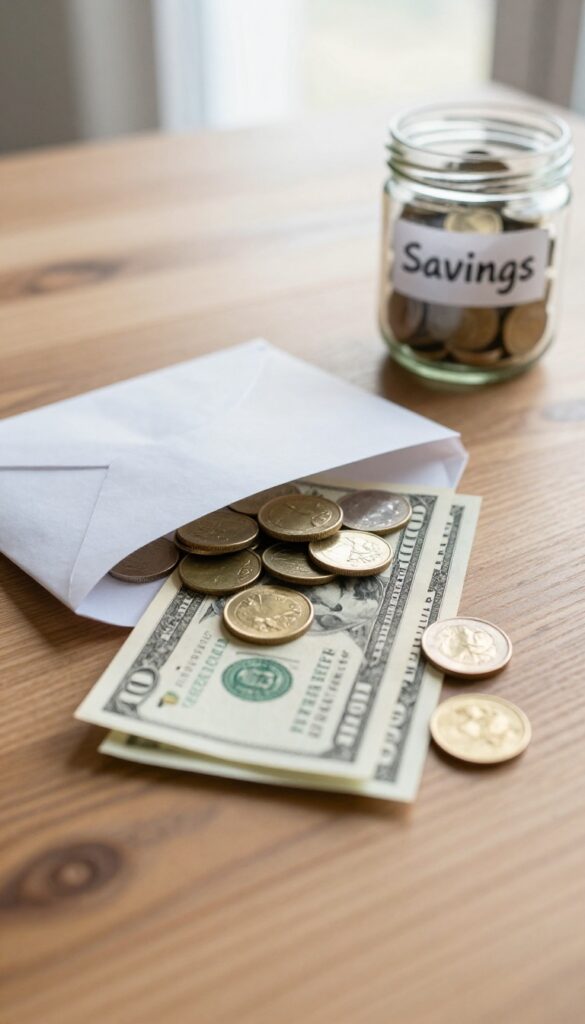
Windfalls are those surprise money moments that feel like a gift from the universe. A tax refund, a work bonus, a birthday check from grandma—they all have one thing in common: they weren't part of your regular budget. That makes them perfect for saving, because you weren't counting on that money anyway.
The key is to treat windfalls as a bonus for your future, not an excuse to splurge. When unexpected cash lands in your lap, resist the urge to upgrade your phone or book a spontaneous trip. Instead, move it straight to savings before you even have time to spend it.
This one habit can turbocharge your savings without any pain.
Set Up An Auto-transfer Rule
Make it automatic so you don't have to think about it. As soon as you receive a windfall, set up a transfer to your savings account. If it's a recurring bonus or refund, you can even automate the entire process through your bank.
Use The 50/50 Rule For Small Windfalls
For smaller surprises like a $20 gift card or a $50 rebate, you might feel tempted to spend it all. Try the 50/50 rule: save half and use the other half for something small you enjoy. That way you still build your savings while giving yourself a tiny treat.
Track Your Windfalls In A Spreadsheet
Keep a simple list of every unexpected dollar that comes your way. Over time, you'll see how much you've saved without even trying. This visual proof can motivate you to keep the habit going.
8. Use Cash Envelopes for Variable Expenses
If swiping a card makes it too easy to overspend, cash might be your answer. The envelope system is a classic for a reason: it puts a physical limit on categories that tend to get out of hand. You decide how much to spend, withdraw that amount, and once the cash is gone, you're done.
This method works best for variable expenses like dining out, entertainment, or clothing. Label an envelope for each category, stuff it with your budgeted cash, and only use that money for those purchases. Any leftover cash at the end of the month goes straight into savings.
How To Start
Pick two or three spending categories that often bust your budget. Withdraw the cash for those categories each payday. Use separate envelopes and label them clearly.
Keep them somewhere safe but accessible.
What To Do With Leftovers
At the end of the month, count what's left. Roll it into next month's envelope or deposit it into your savings account. Watching that extra cash accumulate is surprisingly motivating.
Digital Alternative
If carrying cash feels inconvenient, try a digital envelope app like Goodbudget or YNAB. The same principle applies—once the category budget is spent, you stop spending from it. The psychology works the same way.
9. Switch to a High-Yield Savings Account
Most traditional banks pay next to nothing on savings accounts—often 0. 01% APY or less. That means your money is barely growing.
A high-yield savings account (HYSA) flips that script, offering 4% or more APY with no extra effort on your part. It's one of the easiest ways to give your savings a raise without changing your spending habits.
Moving your emergency fund or short-term savings to an HYSA can earn you hundreds of dollars in interest each year, depending on your balance. The best part? Once you set it up, the interest compounds automatically.
You don't have to remember to transfer or do anything special. It's a passive boost that adds up over time.
How To Find The Right Account
Look for accounts with no monthly fees, no minimum balance requirements, and FDIC insurance. Online banks often offer the best rates because they have lower overhead. Compare current rates on sites like Bankrate or NerdWallet, but don't chase tiny rate differences—anything above 4% is solid right now.
Set It And Forget It
Once you open the account, set up automatic transfers from your checking account each month. Even $50 a month adds up, and the interest will start earning interest of its own. You can also direct a portion of your paycheck into the HYSA if your employer supports split deposits.
Watch Out For Rate Changes
HYSA rates are variable, meaning they can go up or down with the economy. That's normal. If your bank drops its rate significantly, you can always move your money to a better one.
Most online banks make it easy to transfer funds in a few clicks.
10. Cook One Extra Meal at Home Per Week
Takeout is convenient, but it's also one of the fastest ways to drain your wallet. The good news? You don't have to give it up entirely.
Just swapping one restaurant meal a week for a home-cooked version can save you a noticeable amount each month.
Think about it: a single takeout dinner can easily cost $15–$25, while making the same dish at home might run you $5–$10. That's a $10–$20 saving per meal. Do that once a week, and you're looking at $40–$80 extra in your pocket every month.
Over a year, that's nearly $1, 000—just from one small change.
Start With Simple Swaps
You don't need to become a gourmet chef. Pick one meal you usually order out—like pizza, pasta, or stir-fry—and make it at home. Even a basic spaghetti with jarred sauce and a bagged salad counts.
The goal is progress, not perfection.
Make It A Habit
Schedule your home-cooked meal on the same day each week, like Meatless Monday or Taco Tuesday. Consistency makes it easier to remember and turns it into a routine. Before you know it, you might even enjoy cooking more than ordering.
Double Up For Extra Savings
When you do cook, make extra portions. Leftovers can serve as lunch the next day or another quick dinner later in the week. That way, one cooking session replaces multiple takeout meals, multiplying your savings.
11. Sell Unused Items Online

That old smartphone sitting in a drawer or the jacket you haven't worn in years could be cash waiting to happen. Selling unused items online is a two‑for‑one win: you declutter your space and pad your savings account at the same time. Platforms like eBay, Facebook Marketplace, and Poshmark make it easy to turn clutter into cash.
Start by gathering items you no longer use—clothes, electronics, books, kitchen gadgets, or collectibles. Take clear photos in good lighting, write honest descriptions, and price competitively. The money you earn goes straight into your savings goal.
Even a few sales a month can add up fast.
What Sells Best
Electronics, brand‑name clothing, and niche collectibles tend to sell quickly. But don't overlook everyday items like kitchen tools, board games, or baby gear. Check sold listings on eBay to see what's moving in your area.
Where To List
Facebook Marketplace is great for bulky items and local pickup. eBay reaches a national audience for electronics and collectibles. Poshmark is ideal for clothing, and Mercari works well for a mix of categories. Start with one platform to keep it simple.
Pricing And Shipping Tips
Price items just below the average sold price to attract buyers. For shipping, use flat‑rate boxes from the post office or weigh items at home to print labels. Offer free shipping on higher‑priced items to increase sales.
12. Negotiate Your Bills
Most people never question their monthly bills, but a simple phone call can trim them down. Companies often have unadvertised discounts or promotions they'll offer if you just ask. Even a $10 reduction per month puts $120 back in your pocket yearly.
Start by reviewing your internet, phone, insurance, and subscription services. Call each provider and politely ask if there are any current deals, loyalty discounts, or ways to lower your rate. Be prepared to mention competitor offers if you have them.
If the first rep says no, try again later or ask for the retention department.
What To Negotiate
Focus on recurring bills: internet, cable, cell phone, car and home insurance, and even gym memberships. Streaming services and software subscriptions can also be trimmed or paused.
How To Ask
Use a friendly tone and say something like, 'I'm reviewing my budget and wondering if there are any current promotions or discounts available for loyal customers. ' If they say no, ask if they can waive any fees or reduce a specific charge.
When To Try Again
If you don't succeed on the first call, wait a month and try again. Promotions change frequently, and a different representative might be more helpful. You can also try calling during off-peak hours for better service.
13. Use a Savings Challenge Calendar
A savings challenge calendar turns saving into a daily game. You print a monthly calendar with a small amount assigned to each day—like $1 on day 1, $2 on day 2, all the way up to $30 on day 30. Each day you transfer that amount to your savings and check off the box.
By month's end, you've saved $465 without feeling a huge pinch. The visual progress keeps you motivated and makes saving feel like an achievement.
This method works because it breaks a big goal into tiny, manageable steps. You don't need to find a lump sum—just a few dollars each day. Plus, the act of checking off a box gives a little dopamine hit that reinforces the habit.
You can adjust the amounts to fit your budget, like starting at $0. 50 or capping at $10 per day.
How To Set Up Your Calendar
Grab a blank monthly calendar or print one from online. Write the day number in each box and the corresponding savings amount next to it. Keep the calendar somewhere visible—on your fridge or desk—so you see it daily.
Set a recurring reminder on your phone to transfer the money each morning or evening.
Tips To Stay Consistent
Automate the transfer if your bank allows it. You can also use cash: put the day's amount in a jar or envelope. If you miss a day, don't stress—just double up the next day or skip it.
The goal is progress, not perfection. Share your calendar with a friend for extra accountability.
Ways To Customize The Challenge
Not everyone can start at $1 on day 1. Try a reverse challenge where you start high and go low, or use a random amount each day from a pre-made list. You can also do a weekly version: save $5 in week 1, $10 in week 2, etc.
The key is to pick a pattern that feels doable and fun.
14. Set Up a Sinking Fund for Irregular Expenses
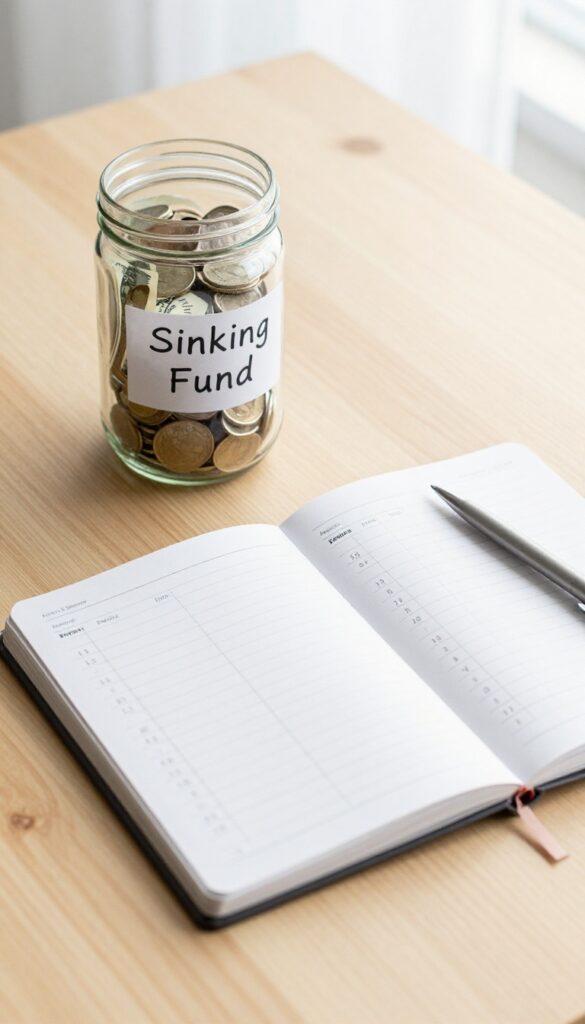
Irregular expenses—like car insurance, holiday gifts, or annual subscriptions—often sneak up and blow your budget. Instead of scrambling to find cash or swiping a credit card, a sinking fund lets you prepare ahead. The idea is simple: estimate your yearly costs for these irregular items, divide by 12, and save that amount each month.
By the time the bill arrives, the money is already waiting.
How To Identify Your Irregular Expenses
Start by listing all expenses that don't occur monthly. Think car registration, dental visits, holiday gifts, or that annual software subscription. Look back at your bank statements for the past year to catch anything you might forget.
Once you have the total annual cost, divide by 12 to get your monthly savings target.
Where To Keep Your Sinking Fund
Open a separate savings account or use a dedicated envelope in a budgeting app. The key is to keep this money distinct from your regular savings or emergency fund. Many banks let you create sub-accounts or “buckets” for different goals.
This way, you won't accidentally spend it on something else.
Automate It For Consistency
Set up an automatic transfer from your checking account to your sinking fund account right after each payday. Even if it's just $20 or $50, automating removes the temptation to skip a month. Over time, these small deposits add up, and you'll be ready when those big bills roll around.
15. Take Advantage of Employer Match
If your employer offers a 401(k) match, that's essentially free money waiting for you. Many companies will match a percentage of your contributions, usually up to a certain limit. Not taking full advantage of it is like leaving cash on the table.
This is one of the easiest ways to boost your savings without any extra effort on your part.
Contributing enough to get the full employer match should be a top priority. It's not just retirement savings; it's an instant return on your money. For example, if your employer matches 50% of your contributions up to 6% of your salary, contributing that 6% means you get an extra 3% of your salary added to your account.
That's a 50% return before any investment growth. Plus, it's automated, so you don't have to think about it each month.
How Much Should You Contribute?
Check your plan details to see the match formula. Aim to contribute at least the percentage needed to get the full match. If you can't afford that right now, start with a smaller amount and increase it gradually.
Even a 1% increase can make a difference over time.
What If You Have Debt?
It's still worth contributing enough for the match, even if you have high-interest debt. The match is a guaranteed return that likely outpaces interest rates on credit cards or loans. After securing the match, focus on paying down debt with any extra cash.
Can You Afford Not To?
Think of it as part of your monthly savings plan. The money comes out of your paycheck before you see it, so you won't miss it. Over a year, that match can add up to hundreds or even thousands of dollars in free money toward your future.
16. Reduce Energy Usage
Your home is full of hidden savings opportunities, and they don't require a major renovation. Small tweaks to how you use energy can lower your utility bills by $20–$30 each month. That's an extra $240–$360 a year without sacrificing comfort.
Lower your thermostat by just a few degrees in winter and raise it in summer. Unplug electronics when they're not in use—they still draw power even when off. Switch to LED bulbs, which use up to 75% less energy than incandescent ones.
These simple changes add up fast.
Adjust Your Thermostat
Turning your thermostat down by 7–10°F for eight hours a day can save you up to 10% on heating and cooling. Do it while you're asleep or at work, and you won't even notice the difference. A programmable thermostat makes this automatic.
Unplug Vampire Electronics
Devices like phone chargers, gaming consoles, and kitchen appliances still consume power when plugged in. This 'vampire load' can account for 5–10% of your electricity bill. Unplug them or use a power strip to switch off multiple devices at once.
Switch To Led Bulbs
LED bulbs use at least 75% less energy and last 25 times longer than incandescent lighting. Replacing your five most-used bulbs can save about $75 per year. They also produce less heat, which helps in summer.
17. Track Your Spending for One Month
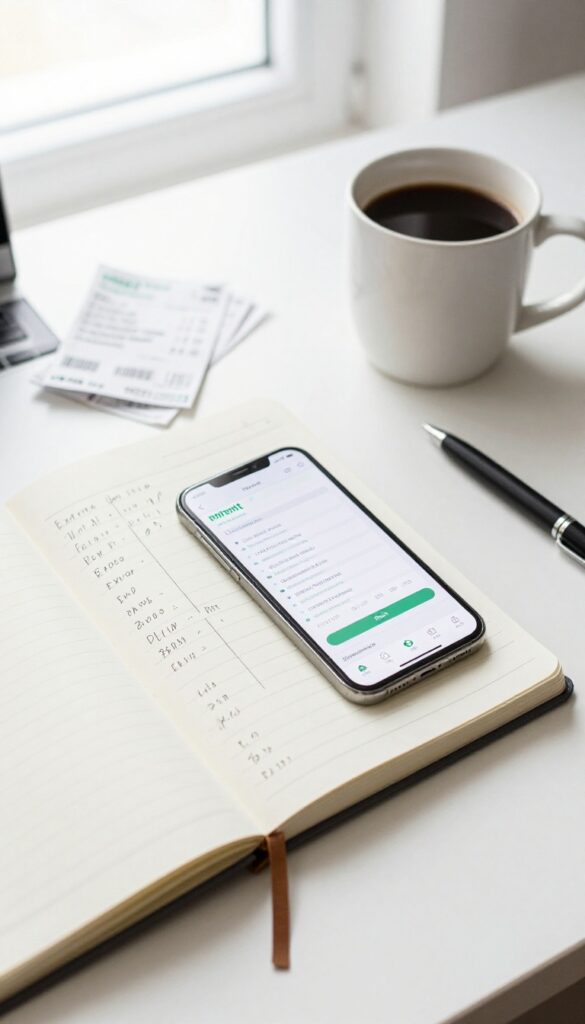
You can't fix what you don't see. Before you start saving, take 30 days to track every penny you spend. This isn't about judging yourself—it's about gathering data.
You'll likely discover small leaks that add up to big amounts, like that daily coffee run or a subscription you forgot about. Once you see where your money actually goes, you can redirect those dollars into savings without feeling deprived.
How To Track Without Losing Your Mind
Grab a notebook, use a free app like Mint or YNAB, or just keep a running note on your phone. The key is to record every expense as it happens, no matter how small. Don't rely on memory at the end of the day—write it down immediately.
At the end of the month, categorize your spending (groceries, dining out, entertainment, etc. ) so you can see patterns clearly.
Common Leaks To Look For
Pay close attention to recurring charges you rarely use, like streaming services, gym memberships, or app subscriptions. Also notice impulse buys—snacks at the checkout, online deals you didn't need, or takeout when you had food at home. These are often the easiest places to cut back without feeling a major lifestyle change.
What To Do With Your Findings
Once you spot the leaks, decide which ones to plug. Cancel unused subscriptions, set a weekly coffee budget, or meal prep a few days a week. Then calculate how much you'll save each month and set up an automatic transfer to your savings account.
That way, the money is gone before you can spend it.
FAQ
How much should a beginner save each month?
Start small—even $20 a month is a great beginning. The key is consistency. Aim to gradually increase to 10–15% of your income as you build the habit.
What if I have irregular income?
Save a percentage of each paycheck instead of a fixed amount. For example, put 10% of every payment into savings. This scales with your earnings.
Should I pay off debt before saving?
It's wise to build a small emergency fund of $500–$1, 000 first, then focus on high-interest debt. Once debt is manageable, increase your savings rate.
How do I stay motivated to save?
Set a specific goal, like a vacation or emergency fund, and track your progress visually. Celebrate small milestones to keep momentum.
Can I use multiple savings methods at once?
Absolutely. Combining strategies like automation and a no-spend weekend can accelerate your savings. Just avoid overwhelming yourself—start with one or two.
Conclusion
Starting a savings plan doesn't have to be overwhelming. Pick just one idea from this list—like the 30-day rule or a no-spend weekend—and try it for a month. You'll likely see progress without feeling deprived.
Small steps build momentum. Before you know it, saving becomes a habit that sticks.
Free PDF Download
Not Sure Which Side Hustle Fits You Best?
Take the free Side Hustle Matchmaker Quiz and get a simple 7-day starter plan to help you choose a beginner-friendly idea based on your time, skills, comfort level, and goals.
You’ll get this free PDF plus access to the full Marketerna Save More & Earn More PDF Kit. No spam. Unsubscribe anytime.