21 Ways to Save Money on a Tight Budget
Stretching a tight budget isn't about deprivation—it's about smart swaps that free up cash without feeling painful. These 21 strategies target the exact places money leaks out, from forgotten subscriptions to impulse grocery buys.
You don't need to overhaul your life overnight; even three small changes can put hundreds back in your pocket this year. Start with the easiest wins, like auditing subscriptions or cooking one extra meal at home, and watch the savings compound.
Each tip is practical, specific, and designed for real life—not a perfect world. Pick your top three and begin today.

Free PDF Download
Not Sure Which Side Hustle Fits You Best?
Take the free Side Hustle Matchmaker Quiz and get a simple 7-day starter plan to help you choose a beginner-friendly idea based on your time, skills, comfort level, and goals.
You’ll get this free PDF plus access to the full Marketerna Save More & Earn More PDF Kit. No spam. Unsubscribe anytime.
1. Audit Your Subscriptions
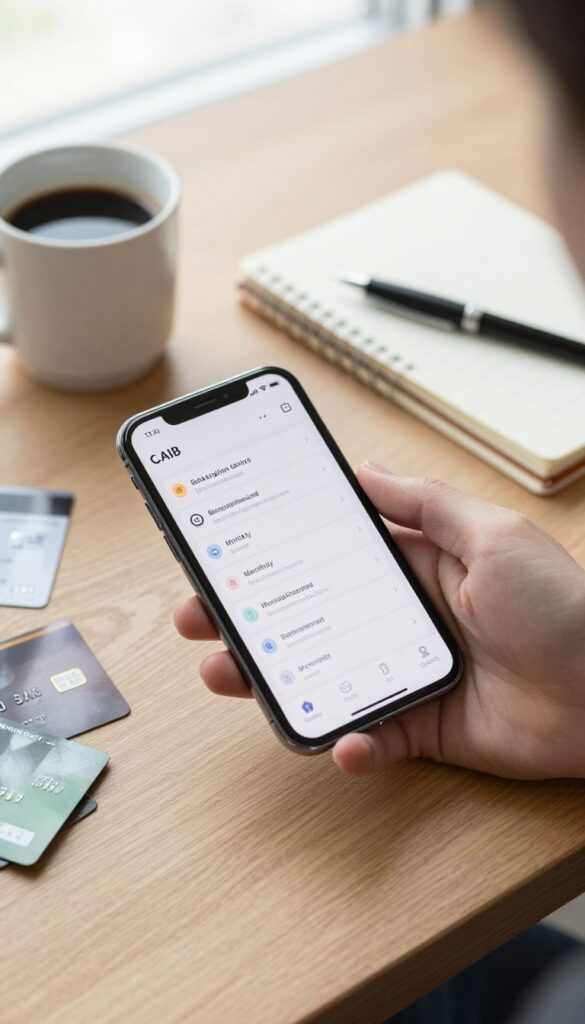
Recurring subscriptions are sneaky budget killers. You sign up for a free trial, forget to cancel, and months later you're still paying for a service you barely touch. The same goes for gym memberships, streaming platforms, and app subscriptions that quietly drain your account every month.
A quick audit of all your recurring charges can reveal hundreds of dollars in wasted spending. Most people are surprised by how many subscriptions they've accumulated over time—some they forgot they even had.
Gather Your Statements
Pull up your bank and credit card statements from the last three months. Highlight every recurring charge, no matter how small. Don't forget annual subscriptions that renew less frequently—they're easy to miss.
Rate Each Subscription
Go through the list and ask: Do I use this regularly? Does it bring me real value? If you haven't used it in the past month, it's a candidate for cancellation.
Be honest—loyalty to a brand isn't worth paying for something you don't need.
Cancel Ruthlessly
Start canceling the ones that don't make the cut. Most services let you cancel online, but if you hit a roadblock, a quick call can do the trick. Set a reminder to re-evaluate every six months so you don't slip back into old habits.
2. Cook at Home More Often
Eating out adds up fast. A single restaurant meal can cost as much as a whole week of groceries if you're smart about it. Cooking at home puts you back in control of both your menu and your money.
Home cooking is one of the most effective ways to slash your food budget. The average restaurant meal costs about four times more than a homemade version. Plus, you decide the portions and ingredients, which means less waste and healthier choices.
Start With A Weekly Meal Plan
Before you shop, sketch out a simple plan for the week. Check your pantry and fridge first, then build meals around what you already have. This stops you from buying duplicates and cuts down on last-minute takeout runs.
Batch Cook And Freeze
Dedicate a couple of hours on the weekend to cook large batches of staples like rice, beans, roasted veggies, or soups. Portion them into freezer-safe containers. On busy nights, you'll have a homemade meal ready in minutes—no delivery needed.
Use Every Bit
Get creative with leftovers and scraps. Turn veggie peels and bones into broth, stale bread into croutons, and leftover roast chicken into tacos or salad. Reducing food waste is one of the easiest ways to stretch your grocery dollar.
Free PDF Download
Not Sure Which Side Hustle Fits You Best?
Take the free Side Hustle Matchmaker Quiz and get a simple 7-day starter plan to help you choose a beginner-friendly idea based on your time, skills, comfort level, and goals.
You’ll get this free PDF plus access to the full Marketerna Save More & Earn More PDF Kit. No spam. Unsubscribe anytime.
3. Use a Grocery List and Stick to It
Impulse buys are the silent budget killers hiding in plain sight. That bag of chips, the fancy cheese, or the sale item you didn't need—they add up fast. The fix is simple: always shop with a list, and never go to the store hungry.
A little planning saves a lot.
A list keeps you focused on what you actually need. Write it before you leave home, and organize it by store layout to avoid backtracking. Stick to it like a contract with your wallet.
If something isn't on the list, it doesn't go in the cart. This one habit can cut your grocery bill by 20% or more.
Plan Your Meals First
A list works best when it's based on a meal plan. Take 10 minutes each week to decide what you'll eat for breakfast, lunch, and dinner. Check your pantry and fridge for items you already have, then list only what's missing.
This prevents buying duplicates or ingredients that will go to waste.
Avoid The Hunger Trap
Shopping on an empty stomach is a recipe for overspending. When you're hungry, everything looks good, and willpower drops. Eat a small snack or meal before you go.
You'll make better choices and resist those end-cap displays more easily.
Use Cash Or A Set Amount
Leave the credit card at home and bring only the cash you've budgeted for groceries. If you're using a debit card, set a strict spending limit in your head. When the money's gone, you stop.
This forces you to prioritize needs over wants.
4. Switch to Generic Brands
If you're still buying name-brand ketchup, rice, or cereal, you're probably paying a premium for packaging and advertising. Store brands—also called private labels—are often made in the same factories as the big names, just with a different label. The savings can be dramatic: sometimes 20 to 30 percent less for the exact same product.
Start with pantry staples where taste differences are minimal, like pasta, canned tomatoes, and sugar. Once you see how much you save, you'll wonder why you didn't switch sooner.
Switching to generic brands is one of the easiest ways to cut your grocery bill without sacrificing quality. Many store brands are produced by the same manufacturers as national brands, so you're getting the same product for less. Focus on items where taste and texture are less critical—like baking supplies, canned vegetables, and dry goods.
For items like chips or salad dressing, do a blind taste test at home; you might be surprised that the generic version wins.
Where To Start
Begin with non-perishable staples: rice, pasta, flour, sugar, canned beans, and tomato sauce. These are nearly identical across brands. Then move to dairy and frozen goods—milk, butter, frozen vegetables—where generics often match the quality of name brands.
What To Avoid
Some items are worth sticking with name brands: specialty condiments, certain snacks, and products where you really notice the difference. But don't assume—try the generic version first. If you don't like it, you can always go back.
Watch For Sales And Coupons
Generic brands rarely have coupons, but their everyday low price is often better than a name brand on sale. Still, if a name brand is heavily discounted and you have a coupon, it might be cheaper. Use a price comparison app to check per-unit costs.
Free PDF Download
Not Sure Which Side Hustle Fits You Best?
Take the free Side Hustle Matchmaker Quiz and get a simple 7-day starter plan to help you choose a beginner-friendly idea based on your time, skills, comfort level, and goals.
You’ll get this free PDF plus access to the full Marketerna Save More & Earn More PDF Kit. No spam. Unsubscribe anytime.
5. Cut Down on Energy Usage

Your utility bill is one of the easiest places to trim without sacrificing comfort. A few mindful habits can shave dollars off each month, and the savings add up fast. You don't need to live in the dark—just be smarter about when and how you use power.
Swap Out Old Bulbs
LED bulbs use up to 75% less energy than incandescents and last years longer. Replace the ones in your most-used fixtures first—kitchen, living room, and bedroom lamps. The upfront cost pays for itself in a few months.
Unplug Vampire Electronics
Devices like phone chargers, gaming consoles, and coffee makers still draw power when they're off. Plug them into a power strip and flip the switch when not in use. This simple trick can cut your standby energy use by up to 10%.
Adjust Your Thermostat
Lowering it by just 7–10°F for eight hours a day can save about 10% on heating and cooling. Do it while you're sleeping or at work. A programmable thermostat makes this automatic, so you don't have to remember.
6. Use Public Transportation or Carpool
Commuting costs can quietly drain your budget. Between gas, parking fees, tolls, and regular maintenance, driving alone adds up fast. Switching to public transit or sharing rides with coworkers can slash those expenses dramatically—sometimes by hundreds of dollars a month.
Calculate Your True Commute Cost
Most people underestimate what they spend on driving. Track your gas receipts, parking fees, and monthly maintenance for two weeks. You might be shocked to see how much you're pouring into your car.
Compare that to a bus pass or carpool contribution—the savings are often immediate.
Find A Carpool Crew
Ask around at work or check apps like Waze Carpool and RideShare. Even sharing the drive twice a week cuts your costs by 40%. You'll also save on wear and tear, plus you get company during the commute.
Split gas and parking evenly, and everyone wins.
Try Public Transit For A Month
Commit to taking the bus or train for 30 days. Many transit agencies offer discounted monthly passes that cost less than a week of driving. Use that commute time to read, listen to podcasts, or just relax.
The savings and reduced stress might make it a permanent switch.
7. Negotiate Your Bills
Most people never question their monthly bills—they just pay them. But a single 10-minute phone call can slash your internet, cable, or insurance costs by 10–30%. Providers rarely lower rates out of kindness; you have to ask.
Start With Your Internet Bill
Call your provider and say you're considering switching because of a competitor's offer. Ask if they have any loyalty discounts or promotional rates. Often they'll match or beat the competition rather than lose you.
Bundle And Trim Insurance
Contact your auto and renters/homeowners insurance companies. Ask about bundling discounts, safe-driver credits, or lower coverage options if you have an older car. Even a small reduction adds up over the year.
Don't Forget Subscription Services
Streaming services, gym memberships, and phone plans are negotiable too. Call and ask about retention offers or downgraded plans. Many companies have hidden lower tiers they don't advertise.
8. Buy Used or Refurbished Items
Why pay full price when perfectly good items are sitting on thrift store shelves or refurbished warehouses? Buying used isn't just for vintage lovers—it's a smart way to slash spending on things you actually need. From clothes to electronics, you can find quality pieces for a fraction of the retail cost.
The trick is knowing where to look and what to check. Thrift stores, online marketplaces, and manufacturer refurbished outlets all offer solid deals. With a little patience and a keen eye, you'll score items that look and work like new.
Where To Find The Best Deals
Start with local thrift stores and consignment shops for clothing and furniture. Online, try Facebook Marketplace, Craigslist, or eBay for electronics and household goods. For refurbished electronics, check the manufacturer's own store or trusted retailers like Best Buy and Amazon.
What To Check Before Buying
Always inspect items in person when possible. For electronics, ask about warranty and return policies. For clothing, check for stains, tears, or excessive wear.
A quick test or a thorough look saves you from buying someone else's problem.
Items That Are Almost Always Worth Buying Used
Furniture, books, baby gear, tools, and kitchen appliances are great used buys. Avoid mattresses, car seats, and anything with safety or hygiene concerns unless you're certain of its history. Stick to items that hold up well over time.
9. Use Cashback and Rewards Apps
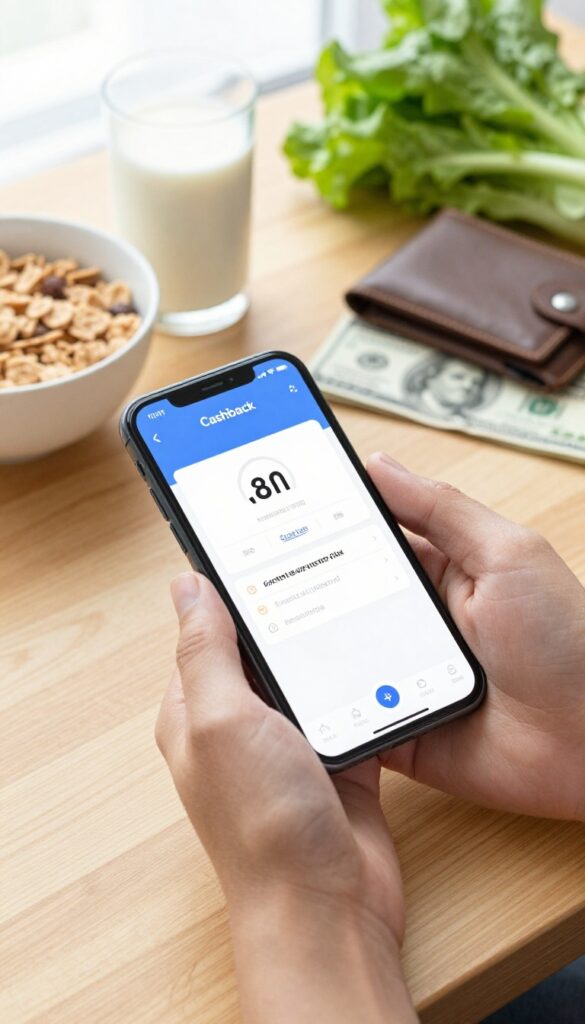
Cashback apps turn your regular spending into small but steady savings. Instead of clipping coupons or hunting for deals, you just shop as usual and get money back on eligible purchases. It's like getting a discount after you've already paid.
Apps like Rakuten, Ibotta, and Fetch Rewards make it easy. You link your shopping habits—either through browser extensions or by scanning receipts—and cashback adds up over time. Stack these rewards with store sales and you can save significantly without extra effort.
Start with one or two apps that match your shopping patterns. Rakuten works well for online shopping, Ibotta is great for groceries, and Fetch Rewards lets you earn points from any receipt. Install the browser extension so you never miss a cashback opportunity.
Then, check the app before heading to the store to see what offers are available. Stacking is the real trick. Combine cashback with store coupons, loyalty points, and sale prices.
For example, if your grocery store has a sale on cereal and Ibotta offers $1 back, you can use a manufacturer coupon on top. That small habit can save $10–$20 per grocery trip.
Which Apps To Start With
Rakuten gives up to 15% cashback at hundreds of online retailers. Ibotta focuses on groceries and offers cashback on specific items. Fetch Rewards gives points for any receipt, which you can redeem for gift cards.
Pick one that fits your biggest spending category.
How To Stack For Maximum Savings
Always check the app before you buy. Combine cashback with store sales, coupons, and loyalty programs. For online orders, use a cashback portal like Rakuten and pay with a rewards credit card.
That way you earn cashback twice on the same purchase.
Avoid The Temptation To Overspend
Cashback apps can make you want to buy things you don't need just to get a few cents back. Stick to your list and only buy items you already planned to purchase. Treat the cashback as a bonus, not a reason to spend more.
10. Plan Your Meals Around Sales
Grocery bills are one of the biggest budget busters, but a little planning can slash them fast. Instead of deciding what to cook and then buying ingredients, flip the script: see what's on sale and build your meals from there. This simple shift cuts costs and cuts down on food waste, too.
Start by checking the weekly ads for your local grocery stores. Pick two or three proteins, a few vegetables, and any pantry staples that are deeply discounted. Then, sketch out a rough meal plan using those items.
For example, if chicken thighs are on sale, you might roast them one night, shred leftovers for tacos, and use the bones for stock. This approach keeps your grocery list tight and your fridge from filling up with random items that never get used.
Match Sales To Your Pantry
Before you plan, take a quick inventory of what you already have. If you've got rice, beans, and canned tomatoes, look for sales on ground beef or bell peppers to turn them into chili or stuffed peppers. Using what's on hand first prevents double purchases and forces creativity with what's cheap.
Stock Up When Prices Hit Rock Bottom
When a staple like butter, cheese, or frozen vegetables goes on a steep discount, buy enough to last until the next cycle. This only works for non-perishables or items you can freeze, but it can cut your grocery bill by 20% or more over time. Just be sure you have storage space before you load up.
Use A Simple Template For Every Week
Keep a few go-to meal templates that work with almost any sale item. For instance, a grain bowl (rice + protein + veggies + sauce), a stir-fry, or a sheet pan dinner. When you see a sale, you already know the framework—just swap in the discounted ingredients.
This removes the mental load of planning from scratch every week.
11. Reduce Water Usage
Water bills can sneak up on you, especially if you're not paying attention to how much you actually use. The good news is that cutting back doesn't mean sacrificing comfort—just a few mindful habits can make a real difference. Start with the easy fixes and watch your monthly savings add up.
Fix leaks, take shorter showers, and run full loads in the dishwasher and washing machine. Water bills drop with mindful usage.
Fix Leaks Fast
A dripping faucet can waste gallons a day. Check all taps, showerheads, and toilet flappers. Replacing a worn washer or tightening a connection is cheap and quick.
Even a small leak fixed can save you $20 or more per month.
Shorter Showers, Big Savings
Cutting your shower by just two minutes can save thousands of gallons a year. Try using a timer or playing a single song. Also, turn off the water while lathering or shaving—it's an easy habit that adds up.
Full Loads Only
Wait until you have a full load before running the dishwasher or washing machine. Half-loads use nearly the same amount of water. If you need to wash a small load, use the eco or half-load setting if available.
12. Cancel Unused Gym Memberships
That gym membership you signed up for in January? If you haven't stepped foot there since February, it's time to cut the cord. Monthly fees add up fast—often $40 to $100 or more—and that's money you could redirect to things you actually use.
The good news: you don't need a gym to stay fit.
Home workouts, outdoor running, or free fitness apps can replace expensive gym fees. Only pay for what you actually use.
Free Fitness Apps That Work
Apps like Nike Training Club, FitOn, and YouTube fitness channels offer hundreds of workouts for free. You can do strength, yoga, HIIT, or dance from your living room with zero equipment. No monthly fee, no commute, no excuses.
Outdoor Options Cost Nothing
Running, walking, hiking, or bodyweight exercises at a park are completely free. Fresh air and sunlight add mental health benefits too. Plus, you can invite a friend for accountability—just skip the smoothie shop afterward.
Check Your Contract First
Before canceling, review your membership terms. Some gyms require 30-day notice or charge a cancellation fee. If that's the case, you might still save by switching to a lower-tier plan or freezing your account temporarily.
13. Shop with a Price Comparison Mindset

Before you click "buy" or head to the checkout, take a moment to compare prices across different stores and online retailers. It's a simple habit that can save you a surprising amount. Browser extensions like Honey, Capital One Shopping, or PriceGrabber can automatically scan for better deals or coupon codes as you shop, doing the hard work for you.
Price comparison isn't just about finding the lowest sticker price. It also means factoring in shipping costs, membership discounts, and cashback offers. Often, the cheapest upfront price isn't the best deal once you add fees.
A few extra clicks can reveal a significantly better option.
Use Browser Extensions
Install a price comparison extension like Honey or Keepa. These tools automatically check for lower prices on other sites or alert you when an item drops in price. They also apply coupon codes at checkout, saving you time and money.
Check Multiple Retailers
Don't assume one store always has the best price. For big-ticket items, compare at least three retailers. Look at Amazon, Walmart, Target, and smaller specialty sites.
Remember to include shipping costs in your comparison.
Consider Price Matching Policies
Many stores, including Best Buy and Home Depot, will match a competitor's lower price if you ask. Bring proof of the lower price (like a screenshot or link) to customer service. This saves you the hassle of buying from multiple places.
14. Use the Library Instead of Buying Books or Media
Libraries have evolved far beyond dusty shelves and due dates. Today, most public libraries offer free access to bestsellers, new-release movies, music streaming, audiobooks, and even digital magazines—all for the cost of a library card. If you're still buying every book or renting movies on Prime, you're leaving serious savings on the table.
Think about it: one hardcover novel runs $25–$30. A movie rental is $5–$6. If you consume just two books and two movies a month, that's $70 saved.
Over a year, that's over $800. And libraries don't stop at physical items—many have apps like Libby or Kanopy that let you borrow ebooks and stream films right from your phone.
What You Can Borrow For Free
Most people think libraries only have old paperbacks, but the reality is far better. You can borrow: – New York Times bestsellers (often with no wait if you grab the large-print or audio version) – Blu-rays and DVDs of recent films and TV series – Music CDs and vinyl records – Audiobooks on CD or via apps like Libby and Hoopla – Digital magazines through services like Flipster or RBdigital – E-reader devices like Kindles preloaded with books – Video games for consoles like PlayStation, Xbox, and Switch – Museum and zoo passes (some libraries offer free admission tickets)
How To Maximize Your Library Card
Get the most out of your card with a few simple strategies: – Place holds online for popular items—you'll get notified when they're ready. – Use interlibrary loan (ILL) to request any book your library doesn't own. – Download library apps: Libby (ebooks/audiobooks), Hoopla (movies/music/audiobooks), Kanopy (indie films and documentaries). – Check for free events like author talks, workshops, and movie nights. – If your library doesn't have what you need, ask a librarian—they're experts at finding resources.
Digital Options You Might Not Know About
Your library card unlocks digital content that rivals paid services: – Free audiobook streaming on Hoopla (no wait times, up to 10 borrows per month). – Unlimited ebook borrowing on Libby (some libraries have no holds on certain titles). – Access to The New York Times, The Wall Street Journal, and other premium newspapers online. – Free music streaming through Freegal (3–5 downloads per week). – Online courses via Lynda. com (now LinkedIn Learning) and Gale Courses. – Language learning with Mango or Rosetta Stone. – Genealogy tools like Ancestry. com (library edition).
15. DIY Household Cleaners and Personal Care
Store shelves are packed with cleaning products that promise a sparkling home, but most are just fancy packaging for the same basic ingredients. You can whip up effective, non-toxic alternatives for pennies using staples you probably already have in your pantry. The same goes for personal care items like scrubs and deodorants—homemade versions skip the markup and the mystery chemicals.
All-purpose Cleaner From Scratch
Mix equal parts white vinegar and water in a spray bottle, add a few drops of lemon or tea tree oil for scent, and you've got a cleaner that works on counters, windows, and bathroom surfaces. For tougher grime, sprinkle baking soda first, then spray and scrub. Cost per bottle?
About 20 cents.
Simple Bathroom Scrub
Combine baking soda with enough liquid castile soap or dish soap to make a paste. Add a splash of vinegar for fizzing action. Apply to tubs, sinks, and tiles, let sit for a few minutes, then scrub and rinse.
This paste costs pennies and outperforms many commercial scrubs.
Diy Sugar Scrub For Skin
Mix 1 cup of sugar with ½ cup of coconut oil (or olive oil) and a few drops of vanilla extract or essential oil. Store in a jar. Use in the shower to exfoliate and moisturize.
One batch costs under a dollar and lasts weeks.
16. Practice the 30-Day Rule for Non-Essentials
Impulse buys are budget killers. That cute sweater, the latest gadget, or a fancy kitchen tool can seem essential in the moment, but most of the time, the urge fades fast. The 30-day rule gives you a cooling-off period to separate genuine needs from fleeting wants.
Whenever you feel the itch to buy something non-essential, write it down and set a reminder for 30 days. If you still want it after that month, and it fits your budget, go ahead. More often than not, you'll realize you didn't need it at all.
How It Works
Create a "wish list" on your phone or a notepad. For each item, note the price and the date you added it. Wait a full 30 days before purchasing.
This pause breaks the impulse cycle and lets logic catch up.
Why It Saves Money
Most desires are temporary. After 30 days, the novelty wears off, and you'll likely forget about the item entirely. If you still want it, you've had time to research better deals or decide it's worth the sacrifice elsewhere.
Tips For Success
Be honest with yourself: is this a need or a want? Track how many items you actually buy after the waiting period. You'll be surprised how many you cross off.
Use the saved money for your financial goals instead.
17. Automate Your Savings
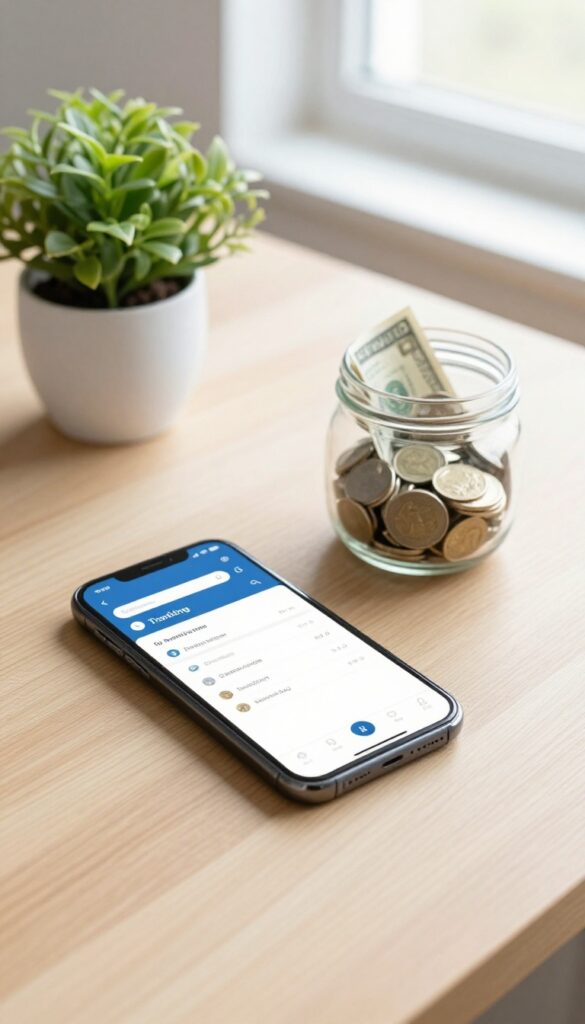
Willpower is overrated when it comes to saving. The real trick is removing the decision entirely. By setting up automatic transfers, you make saving a habit that happens without you even thinking about it.
Even small amounts add up fast—$10 a week becomes $520 in a year, and that's just the start.
Automation works because it bypasses the temptation to spend. When the money moves before you see it, you adjust your spending to what's left. Start with whatever feels painless—$5, $10, $20 per week—and increase it whenever you get a raise or pay off a debt.
Most banks let you set up recurring transfers in minutes, and many apps like Acorns or Digit can round up purchases and save the difference.
Pick Your Trigger
The easiest trigger is payday. Schedule your transfer for the same day your paycheck hits your checking account. That way, the money is gone before you can spend it.
If you're paid biweekly, set up two transfers per month. You can also use a calendar reminder to review and bump up the amount every few months.
Start Small, Then Scale
Don't stress about the perfect amount. Even $5 per week builds momentum. Once you see the balance growing, you'll feel motivated to increase it.
Try bumping it by $5 every quarter, or funnel any windfalls like tax refunds or bonuses straight into savings. The key is consistency, not size.
Out Of Sight, Out Of Mind
Open a separate savings account at a different bank from your checking. That extra step makes it harder to transfer money back impulsively. Name the account something motivating like "Emergency Fund" or "Vacation 2026" to reinforce the goal.
Then set the transfer and forget it—let automation do the heavy lifting.
18. Host a Clothing Swap with Friends
Your closet might already hold the key to a refreshed wardrobe—you just need to trade with friends. A clothing swap is a zero-cost way to score new-to-you pieces while clearing out items you no longer wear. It's social, sustainable, and seriously budget-friendly.
Set The Ground Rules
Invite a small group of friends (6–10 works well) and ask everyone to bring gently used clothes, shoes, and accessories. Set a simple rule: each person brings at least five items in good condition. No stained or torn pieces allowed.
This keeps the swap fair and fun.
Create A Boutique Vibe
Arrange items by category—tops, bottoms, dresses, accessories—on tables or racks. Provide a full-length mirror and a few basic fitting rooms (a corner with a sheet works). Play upbeat music and offer snacks.
The more organized the swap, the more everyone enjoys it.
Swap, Don't Shop
Let the trading begin. Encourage a relaxed, take-what-you-love approach. Leftover items can be donated to a local charity.
Everyone walks away with a few new pieces, and no money changes hands. Your wallet stays full, and your wardrobe feels fresh.
19. Use a Budgeting App to Track Spending
You don't need a spreadsheet or a finance degree to get a grip on your spending. Budgeting apps do the heavy lifting for you—connecting to your bank accounts, categorizing transactions, and showing exactly where your money goes each month. Awareness alone can curb overspending fast.
Seeing every coffee run and subscription charge in black and white makes it real. Most apps send alerts when you're close to your limits, so you can adjust before the damage is done. Pick one that syncs automatically and check it weekly for the best results.
How It Stops Leaks
When you see that your daily latte adds up to $90 a month, it's easier to cut back. Apps like Mint categorize spending so you can spot patterns—like that takeout habit you didn't realize was costing $200. Just knowing the number often motivates change without any harsh restrictions.
Choosing The Right App
YNAB (You Need A Budget) is great for proactive planning—it assigns every dollar a job. EveryDollar is simpler and free, perfect for beginners. Mint offers a solid free version with bill tracking and credit score monitoring.
Try two for a month and stick with the one you actually open.
Make It A Habit
Set a recurring reminder on your phone to review your budget every Sunday evening. Even five minutes helps you stay aware. Over time, you'll naturally spend less because the app keeps your goals front and center.
20. Pack Your Lunch and Coffee
That daily sandwich and latte habit might feel like a small treat, but it adds up fast. A $10 lunch and $5 coffee five days a week equals $300 a month—enough for a utility bill or a nice emergency fund contribution. Packing your own saves that money without sacrificing flavor or convenience.
The Real Cost Of Eating Out
A typical work lunch runs $10–$15, and coffee adds another $4–$6. Over a year, that's $3, 500–$5, 500. Packing lunch costs about $3–$4, and homemade coffee is pennies per cup.
The savings are automatic once you build the habit.
Make It Easy And Enjoyable
Prep lunches the night before or batch-cook on Sundays. Invest in a good thermos and reusable coffee cup. Rotate a few go-to recipes so you don't get bored.
Leftovers from dinner work great too—just pack them while cleaning up.
Don't Forget The Coffee
A quality bag of beans costs $10–$15 and makes 30–40 cups. That's $0. 30–$0.
50 per cup versus $5 at a café. Brew a strong pot in the morning, pour it into a travel mug, and you're set. Add a splash of cream or a sprinkle of cinnamon to make it feel special.
21. Review Your Insurance Policies Annually

Insurance is one of those things you set up once and forget about—until the bill arrives. But letting policies auto-renew year after year can quietly cost you hundreds. Loyalty doesn't always pay; insurers often raise rates on existing customers while offering lower premiums to new ones.
A quick annual checkup can uncover big savings.
Compare Rates Across Providers
Spend an hour gathering quotes from at least three different companies for auto, renters, or health insurance. Use comparison websites or call agents directly. You might find the same coverage for significantly less—especially if you haven't shopped around in a few years.
Bundle And Increase Deductibles
Many insurers offer discounts if you combine auto and renters or home insurance. Also, raising your deductible—say from $500 to $1, 000—can lower your monthly premium substantially. Just make sure you have the higher amount saved in an emergency fund.
Ask About Discounts You Qualify For
You might be missing out on discounts for safe driving, low mileage, being a non-smoker, or having certain professional affiliations. A quick call to your provider to ask, "Are there any new discounts I'm eligible for? " can unlock savings without changing a thing.
FAQ
How much money can I realistically save with these tips?
It varies, but many people save $200–$500 per month by implementing several of these strategies consistently.
Do I have to do all 21 tips at once?
No. Start with 2–3 that feel easiest and build from there. Gradual changes are more sustainable.
Will these tips work if I have a very low income?
Yes. Many tips focus on reducing expenses rather than earning more, making them effective even on a tight budget.
How do I stay motivated to save money long-term?
Track your progress, celebrate small wins, and remind yourself of your financial goals. Visualizing what you're saving for helps.
What's the first thing I should do to start saving?
Audit your subscriptions and cancel unused ones. It's quick, painless, and immediately frees up cash.
Conclusion
Saving money on a tight budget isn't about deprivation—it's about making intentional choices. Each small change creates a ripple effect that strengthens your financial foundation. Start with one or two tips that feel manageable.
As those become habits, add more.
Over time, you'll build a lifestyle that naturally spends less and saves more. Remember, every dollar you save is a dollar you can put toward your goals. You've got this.
Free PDF Download
Not Sure Which Side Hustle Fits You Best?
Take the free Side Hustle Matchmaker Quiz and get a simple 7-day starter plan to help you choose a beginner-friendly idea based on your time, skills, comfort level, and goals.
You’ll get this free PDF plus access to the full Marketerna Save More & Earn More PDF Kit. No spam. Unsubscribe anytime.