15 Seasonal Content Planning Ideas for New Bloggers
Your first fall as a blogger arrives, and you realize you have nothing planned for pumpkin season. Meanwhile, other blogs are already ranking for holiday gift guides. Seasonal content can feel like a race you didn't know you entered.
But planning ahead doesn't have to be complicated. With a few simple systems, you can map out a year of timely posts without burning out. You just need a calendar, a list of ideas, and a willingness to start small.
This list gives you 15 seasonal content planning ideas made for new bloggers. Pick a few that fit your niche, and watch your blog stay relevant all year long.

Free PDF Download
Not Sure Which Side Hustle Fits You Best?
Take the free Side Hustle Matchmaker Quiz and get a simple 7-day starter plan to help you choose a beginner-friendly idea based on your time, skills, comfort level, and goals.
You’ll get this free PDF plus access to the full Marketerna Save More & Earn More PDF Kit. No spam. Unsubscribe anytime.
1. Start with a 12-Month Seasonal Calendar

A 12-month seasonal calendar gives you a bird's-eye view of the entire year. Instead of scrambling when a holiday sneaks up, you'll know months in advance what's coming. It's the simplest way to stay ahead without feeling overwhelmed.
You don't need fancy software. A basic spreadsheet or even a paper planner works fine. The goal is to see everything in one place so you can plan your content around key dates.
Start by listing all the major holidays, seasons, and events that matter to your niche. Then add smaller, fun observances that fit your blog's voice. This becomes your roadmap for the year.
Pick Your Key Dates
Focus on the big ones first: New Year, Valentine's Day, summer, back-to-school, Halloween, Thanksgiving, Christmas. Then add niche-specific events like National Coffee Day for food bloggers or World Book Day for readers.
Add Seasonal Shifts
Don't forget the change of seasons. Spring cleaning, summer travel, fall fashion, winter comfort food—these transitions offer endless content angles. Mark them on your calendar so you can plan posts that feel timely.
Keep It Flexible
Your calendar isn't set in stone. Leave room for spontaneous ideas or trending topics. The point is to have a guide, not a rigid schedule.
Review it monthly and adjust as needed.
2. Pick 3-4 Seasonal Themes That Fit Your Niche
You don't need a dozen seasonal angles to stay relevant. You need a few that actually make sense for your blog. Think about what your audience cares about during different times of the year, then pick three or four recurring themes you can revisit annually.
For a travel blog, that might be summer road trips and winter escapes. For a food blog, it could be summer grilling and holiday baking. The key is to choose themes that feel like a natural extension of your niche, not forced trends.
Once you have your themes, you can plan posts around them without scrambling. You'll know what's coming and can create content that your readers expect and look forward to.
Start With Your Core Topics
List the main subjects you already write about. Then ask: what seasons or holidays naturally connect to each one? A parenting blog might tie to back-to-school and summer break.
A fitness blog could focus on New Year's resolutions and summer body prep. This keeps your seasonal content aligned with your overall message.
Test One Theme At A Time
Don't commit to four themes right away. Pick one and see how your audience responds. If a summer travel series gets good engagement, expand it next year.
If it flops, try a different angle. Testing keeps you from wasting time on themes that don't resonate.
Reuse What Works
When a seasonal theme performs well, turn it into a tradition. Update the post each year with fresh tips or new photos. Your readers will start to expect it, and you'll save time because you're not starting from scratch.
Consistency builds trust and keeps your blog on their radar.
Free PDF Download
Not Sure Which Side Hustle Fits You Best?
Take the free Side Hustle Matchmaker Quiz and get a simple 7-day starter plan to help you choose a beginner-friendly idea based on your time, skills, comfort level, and goals.
You’ll get this free PDF plus access to the full Marketerna Save More & Earn More PDF Kit. No spam. Unsubscribe anytime.
3. Plan Content 2-3 Months Ahead
Seasonal posts have a funny way of sneaking up on you. One week it's July, and the next thing you know, everyone's searching for Halloween costume ideas and you're still brainstorming. By then, it's too late to write, edit, and promote a post that actually ranks.
The fix is simple: start early. Aim to have your seasonal content written and scheduled at least two to three months before the season hits. That gives you a comfortable buffer to polish your draft, create images, and even pitch it to other bloggers or newsletters.
Think of it as giving future you a break. When December rolls around, you'll be sipping cocoa while your gift guide quietly brings in traffic.
Why The Early Bird Wins
Search engines need time to crawl and rank your post. If you publish a back-to-school post in August, it might not show up until October. Publishing in May or June gives Google a head start.
Plus, you'll have time to update and repromote it as the season approaches. That extra visibility can mean the difference between a few clicks and a steady stream of readers.
How To Stay Ahead Without Stressing
Pick one or two big seasonal moments per quarter. For example, if you blog about gardening, focus on spring planting and fall cleanup. That's only two posts to plan ahead for.
Block out a few hours each month to work on future content. Even one afternoon a month can keep you months ahead by the end of the year.
Tools That Make It Easier
Use a simple content calendar like Google Sheets or Trello. Set reminders for when to start writing each post. You can also use scheduling tools like Buffer or WordPress's built-in scheduler to publish automatically.
Don't overcomplicate it. A basic spreadsheet with columns for season, post idea, and due date is all you need.
4. Create Evergreen Seasonal Posts

Evergreen seasonal posts are the ones you can dust off, update, and republish every year without starting from scratch. Think 'Fall Decorating Ideas' or 'New Year Goal Tips'—topics that come back around like clockwork. They save you time and keep pulling in traffic long after the season ends.
The trick is to write them in a way that doesn't tie them to a specific year or trend. You want a post that feels fresh each time you update it, not one that screams 2023. That means focusing on timeless advice, then swapping in new examples or links when the season rolls around again.
Pick Timeless Topics
Choose ideas that people search for every year, like 'how to host a Thanksgiving potluck' or 'spring cleaning checklist. ' These aren't tied to a single moment, so they stay relevant. Avoid fads or one-time events that won't come back.
Update And Republish
Each year, refresh the post with new photos, updated stats, or a fresh intro. Then change the publish date and share it again. Search engines notice the update, and your readers get a better version.
You can also add a note like 'Updated for [Year]' to signal it's current.
Promote Year After Year
Once you have a few evergreen seasonal posts, build a simple promotion routine. Pin them, share them on social media, and link to them from newer posts. Over time, they become a reliable source of traffic without extra work.
Free PDF Download
Not Sure Which Side Hustle Fits You Best?
Take the free Side Hustle Matchmaker Quiz and get a simple 7-day starter plan to help you choose a beginner-friendly idea based on your time, skills, comfort level, and goals.
You’ll get this free PDF plus access to the full Marketerna Save More & Earn More PDF Kit. No spam. Unsubscribe anytime.
5. Use Seasonal Keywords for SEO
Search traffic doesn't stay the same all year. People hunt for pumpkin recipes in October, tax tips in April, and holiday gift guides in December. If you target those seasonal keywords early, you can catch a wave of readers who are already looking for exactly what you wrote.
The trick is to find keywords that spike during certain months and publish before the spike hits. That way, your post has time to get indexed and start ranking. You don't need fancy tools to do this—just a little curiosity and a keyword planner.
Seasonal keywords are search terms that get a lot more traffic during specific times of year. Think "best sunscreen for kids" in June or "cozy fall movies" in September. When you build content around these terms, you show up when people care most.
Start by brainstorming a list of seasonal moments that matter to your niche. Then check search volume trends to see which ones are worth your time. Publish your post a few weeks before the season starts, and update it each year to keep it fresh.
Find Your Seasonal Keywords
Use free tools like Google Trends or AnswerThePublic to spot terms that rise and fall. Type in a broad topic like "gardening" and see what spikes in spring. Jot down any keyword that feels like a natural fit for your blog.
Time Your Publishing Right
Aim to publish at least a month before the season begins. That gives Google time to crawl and rank your post. For bigger holidays, like Christmas, start even earlier—October is not too soon.
Refresh And Republish
Once a seasonal post has run its course, don't let it gather dust. Update the stats, add new tips, and republish it next year. You'll keep the URL and build on any authority you already earned.
6. Repurpose Old Seasonal Content
You already have seasonal content sitting in your archives. Instead of writing everything from scratch, you can update and reshare what you've already published. This saves time and often performs better because search engines already trust those URLs.
Repurposing isn't lazy—it's smart. A post that got a little traffic last year can become a reliable seasonal hit with a few tweaks. You just need a simple process to find, refresh, and re-promote those old posts.
Find Your Seasonal Winners
Open your analytics and filter for posts published around the same season in previous years. Look for pages with decent impressions but low clicks—those are prime for a refresh. Also check posts that got social shares but no search traffic; they might just need better keywords.
Refresh The Content
Update dates, stats, and examples so the post feels current. Add a new section or two based on questions readers asked last time. Improve the title and meta description to match what people are searching for now.
Reshare And Re-promote
Don't just hit publish and hope. Share the updated post on your social channels with a fresh angle. Link to it from newer relevant posts and send it to your email list if you have one.
A quick reshare can bring back old readers and attract new ones.
7. Batch Write Seasonal Posts in Advance

Sitting down to write one seasonal post at a time can eat up your whole week. By the time you finish, the season might already be half over. Batch writing flips that.
You set aside a few dedicated days to draft several seasonal posts back-to-back, so you're not scrambling when the season arrives.
The magic of batch writing is momentum. Once you're in the writing zone, switching between similar topics is easier than starting from scratch each day. You also save time on setup and research because you're already in the seasonal mindset.
Plus, having a stack of drafts ready means you can publish consistently without last-minute panic.
Pick Your Seasonal Themes
Start by listing the seasons or holidays your blog naturally fits. A food blog might cover summer BBQs, fall baking, and holiday cookies. A fashion blog could focus on spring trends, back-to-school, and winter layers.
Choose three or four themes you can write about well.
Block Out Writing Days
Mark two or three days on your calendar as writing-only days. Treat them like appointments you can't miss. Turn off notifications, make a pot of coffee, and commit to drafting.
You'll be surprised how much you get done when you're not context-switching.
Draft Multiple Posts In One Sitting
Aim to write two or three posts per session. Start with an outline for each, then fill in the details. Don't worry about perfecting every sentence—just get the ideas down.
You can edit later. The goal is to build a buffer of seasonal content you can pull from anytime.
8. Create a Seasonal Content Series
One seasonal post can only do so much. But a series of connected posts gives readers a reason to come back, and gives search engines more pages to index around the same timely topic. Think of it as turning one idea into a small arc.
A single holiday budgeting post becomes a four-part guide that walks readers from planning to shopping to wrapping up the season without debt. Series also make your own workload easier. You research once, then split the topic into pieces that each stand on their own.
A series works best when each post solves one clear problem and links to the next. Readers can jump in anywhere, but they get more value when they follow the whole thing. Pick a seasonal topic broad enough to stretch across three or four posts.
Then map each post to a different stage of the reader's journey.
Pick A Topic With Natural Parts
Ask yourself what questions readers have before, during, and after the season. A back-to-school series might cover supply budgeting, morning routines, lunch prep, and winding down. Each post answers one question and sets up the next.
Publish On A Schedule
Space the posts a few days or a week apart so readers have time to catch up. A simple rhythm like every Tuesday keeps you consistent and gives each post its own moment. Promote the first post hardest, then link to it from every follow-up.
Connect The Posts With Internal Links
Add a line at the end of each post pointing to the next one. You can also create a small hub page that lists the whole series in order. This keeps readers on your site longer and helps search engines understand the topic.
9. Plan Around Micro-Seasons and Niche Holidays

Big holidays get all the attention, but the smaller moments on the calendar can be just as powerful for new bloggers. Think National Coffee Day, back-to-school week, or the first day of a new season. These micro-seasons pop up more often, which means more chances to connect with your audience.
They also tend to have less competition. While everyone else is writing about Christmas, you could be the go-to blog for National Dog Day or the start of hurricane season. That can lead to steady engagement and a loyal readership.
Best of all, you don't need a huge content calendar to pull this off. Just a handful of niche holidays that fit your blog can keep your posting schedule fresh and timely.
Find Your Niche Holidays
Start by listing the small events that matter to your audience. If you blog about food, National Donut Day is a no-brainer. For a parenting blog, the first day of school or daylight saving time transitions are gold.
Use sites like National Day Calendar or Time and Date to spot these dates. Then pick the ones that align with your content and values. A quick search for "[your niche] holidays" can also spark ideas.
Create Quick, Useful Content
Micro-seasons don't require a massive guide. A simple recipe, a checklist, or a short personal story can work wonders. For example, a coffee blogger could share a 3-minute cold brew recipe for National Coffee Day.
Keep it actionable and easy to consume. Your readers are likely looking for quick inspiration, not a deep dive. That also makes it easier for you to publish on time.
Promote With Timely Hooks
When you publish, tie your social posts to the micro-season. Use hashtags like #NationalCoffeeDay or #BackToSchoolWeek. A simple graphic or a behind-the-scenes story can grab attention.
Don't forget to update old posts that fit the theme. A quick refresh and a new pin can bring in traffic year after year. The key is to be timely without stressing over perfection.
10. Use Seasonal Pinterest and Social Media Trends
Pinterest and social media are where seasonal trends catch fire first. If you pay attention, you can ride that wave instead of chasing it. The trick is to align your promotion with what people are already searching for and sharing.
Start by watching seasonal hashtags and Pinterest boards in your niche. Then, join social challenges that fit your content. This keeps your blog visible without extra guesswork.
Find Seasonal Hashtags That Fit Your Niche
Search for hashtags like #fallblogging or #holidaygiftguide to see what's trending. Pick a few that match your post's topic and use them in your captions. Don't just copy popular tags—make sure they're relevant to your audience.
Create Pinterest Boards For Each Season
Set up boards like 'Winter Recipes' or 'Summer Outfits' and pin your seasonal content there. Pinterest boards can drive traffic long after the season ends. Add fresh pins regularly to keep the board active.
Join Social Challenges And Tag Along
Challenges like #WriteYourHeartOut or #SpringCleaningChallenge can boost your visibility. Join in with a post that ties back to your blog. Use the challenge hashtag and engage with others participating.
11. Collaborate with Other Bloggers for Seasonal Roundups
Seasonal roundups work better when you're not doing them alone. Teaming up with a few bloggers in your niche turns one post into a shared event, and everyone brings their own audience to the table. The format is simple.
You pick a seasonal theme, invite a handful of bloggers to contribute a tip, recipe, or recommendation, and publish it as one big post. Each contributor shares it with their readers, which means your name lands in front of people who've never heard of you. It's one of the fastest ways for a new blogger to look established without pretending to be something you're not.
Pick A Theme That Fits Everyone
Choose a seasonal angle broad enough that each contributor can say something useful. "Best Fall Self-Care Tips" works for wellness blogs, while "Holiday Gift Ideas Under $25" fits almost any lifestyle niche. Keep the ask small.
One tip, one paragraph, one link. The easier it is to say yes, the more people will actually follow through.
Reach Out Early And Keep It Casual
Send your invites at least a month before the season starts. A short, friendly email beats a formal pitch every time. Tell them the theme, the deadline, and what you need from them.
Then make it clear you'll handle the editing and graphics so they don't have to do extra work.
Share The Post Like It's A Group Project
Once it's live, tag every contributor when you promote it. Most of them will reshare, and some will link back from their own sites. That back-and-forth is the real payoff.
You get new readers, they get exposure, and next season you'll have a list of people who already know how you work.
12. Create Seasonal Freebies and Opt-Ins
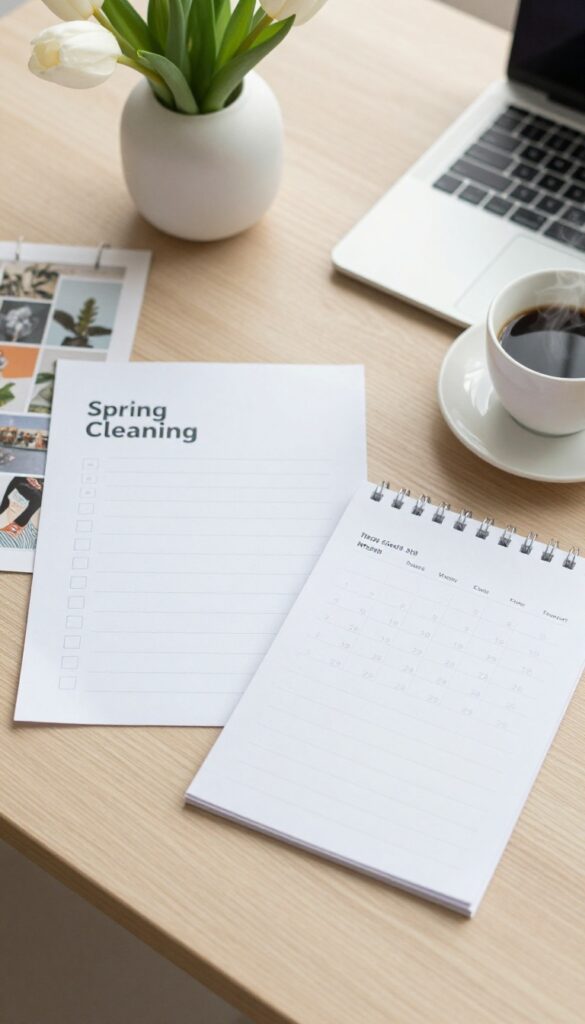
A seasonal freebie is a simple download that solves a small, timely problem for your reader. Think a spring cleaning checklist, a summer reading log, or a holiday budget planner. When you offer it in exchange for an email address, you turn a one-time visitor into a subscriber who sticks around for next season.
The best freebies feel like a gift, not a sales pitch. They match the season and your niche, so people actually want them. And because they're tied to a specific time of year, you can refresh or swap them out every few months without starting from scratch.
Pick A Format That Fits The Season
A printable PDF works great for checklists and planners. For quick tips, try a one-page cheat sheet or a simple calendar. If your audience loves visuals, a seasonal mood board or recipe card template can be a hit.
Make It Easy To Find And Download
Add a signup form to your sidebar, a pop-up on relevant posts, and a dedicated landing page. Use clear, friendly copy like 'Get your free fall bucket list' instead of vague phrases like 'Download now. '
Refresh Your Freebies Each Season
Don't let last year's freebie collect dust. Update the design, swap in new dates, or add a fresh tip. Then promote it again on social media and in your newsletter.
You'll get more mileage out of the same basic idea.
13. Schedule Seasonal Content in Your CMS
You don't have to be at your computer on the first day of fall to publish a fall post. Most blogging platforms—WordPress, Squarespace, Ghost, and others—let you write now and schedule the post to go live later. That means you can prep your holiday gift guide in July and let your CMS handle the rest.
It's like setting a crockpot before work: you do the prep, then walk away.
Scheduling is the difference between "I meant to post that" and "it went live right on time. " When you schedule, you pick the date and time, hit publish, and the platform does the rest. No alarms, no last-minute scrambling.
Find The Schedule Button
In WordPress, look for "Publish" and change it to "Schedule. " In Squarespace, it's under the publish settings. Ghost has a simple "Schedule" option next to "Publish.
" If you're not sure, search your platform's help docs for "schedule post. " It's usually a one-click change.
Pick Dates That Match The Season
For seasonal content, aim to publish two to four weeks before the event. A Halloween post should go live in early October, not October 30. A gift guide should be ready by mid-November.
Schedule it now, and you won't miss the window.
Batch Schedule A Whole Season
Write three or four seasonal posts in one sitting. Schedule them all at once. Then you can forget about publishing for a month and focus on other things.
It's a huge time saver, especially when life gets busy.
14. Track Seasonal Performance and Adjust
You published your seasonal posts, but did they actually bring in readers? Without checking the numbers, you're just guessing what works. A quick review after each season tells you exactly where to double down next year.
Analytics can feel intimidating, but you don't need a data degree. Start with the basics: page views, time on page, and which posts drove the most comments or shares. Write down what you find in a simple spreadsheet or note.
What To Look For
Check which posts got the most traffic and engagement. Look at where that traffic came from—search, social, or referrals. Also note which posts led to newsletter signups or sales, if you track those.
Make A Quick Note
After each season, spend 10 minutes jotting down what worked and what flopped. Keep it short: one line per post. Next year, you'll have a cheat sheet instead of a blank calendar.
Adjust Your Plan
If a post crushed it, plan a follow-up or update it with fresh info. If something bombed, either skip it next year or try a different angle. Small tweaks add up to big results over time.
15. Build a Seasonal Content Bank for Next Year

Every seasonal post you publish this year is a deposit into next year's content bank. Instead of starting from scratch when fall or December rolls around again, you'll have a stash of ideas, drafts, and updates waiting for you. The trick is to capture everything as you go, not after the season ends.
A content bank isn't a complicated system. It's just one place where you save what worked, what didn't, and what you want to try next time. That way, next year's planning feels like reviewing notes instead of scrambling for ideas.
Start by creating a simple document or spreadsheet dedicated to seasonal content. Whenever you have a seasonal idea, drop it in immediately, even if it's half-baked. Add notes about why it might work, what angle you'd take, and any keywords or questions you want to answer.
As you publish seasonal posts, update the bank with what you learned. Did a particular topic get more shares? Did a post need a refresh?
Jot it down. This turns your bank into a living record, not a graveyard of forgotten ideas.
What To Save In Your Bank
Save more than just headlines. Include snippets of research, links to inspiring posts, and even comments from readers that hint at what they want to know. If you took photos or made graphics for a post, note where they're stored so you can reuse them.
The goal is to make next year's creation process faster and easier.
How To Organize It
Keep it simple: group by season or holiday, then by month if you want more detail. Use tags like 'evergreen update' or 'needs new angle' to flag posts that could be refreshed. A basic table with columns for idea, status, and notes works fine.
Don't over-engineer it—you want to actually use it.
Make It A Habit
Set a recurring reminder to review your bank at the end of each season. Spend 15 minutes adding any new ideas and updating old ones. Over time, this small habit turns into a goldmine.
You'll never stare at a blank calendar again.
FAQ
How far in advance should I plan seasonal content?
Aim for 2-3 months ahead. That gives you time to write, edit, and promote before the season starts.
What if my niche isn't seasonal?
Every niche has seasonal angles. Think about how your topic connects to holidays, weather, or annual events.
Can I reuse seasonal content from year to year?
Yes, update and republish it. Refresh stats, add new tips, and change the date to keep it current.
How many seasonal posts should I publish?
Start with one or two per season. Quality matters more than quantity when you're new.
Do seasonal posts hurt my blog's evergreen traffic?
No, they complement it. Seasonal posts bring timely spikes, while evergreen posts build steady traffic.
Conclusion
Don't map out all fifteen ideas before you write a single post. Pick two that match the season you're in right now, like a back-to-school roundup and one holiday gift guide, then schedule them a few weeks apart. Give each post room to breathe before you judge how it did.
Watch which seasonal pieces pull steady traffic long after the date passes, and refresh those next year instead of starting from scratch. Your content calendar gets easier every cycle you finish.
Free PDF Download
Not Sure Which Side Hustle Fits You Best?
Take the free Side Hustle Matchmaker Quiz and get a simple 7-day starter plan to help you choose a beginner-friendly idea based on your time, skills, comfort level, and goals.
You’ll get this free PDF plus access to the full Marketerna Save More & Earn More PDF Kit. No spam. Unsubscribe anytime.